

Why Jammer Arms Belong in a Home Gym
A jammer arm does one job that a barbell cannot: it lets each arm press, row and squat on its own fixed path, bolted to the rack you already own. A barbell ties both arms to the same bar, so the strong side covers for the weak side on every rep — and a jammer arm removes that cover. Each arm carries its own load through its own arc, the handles let you switch grips without re-racking, and the rack itself takes the stability work, so the rep stays honest from the first set to the last. 🏋️
The previous guide in this series, our hip abductor machines guide, covers a planted station for strict hip work. Jammer arms are the upper-body end of the same home-gym idea: a rack attachment that turns pressing and rowing into repeatable, progressive reps instead of another machine taking up another corner of the room, built for lifters who want each side to do its own work.
One honest scope note first. This guide covers only rack-mounted jammer arms — also sold as lever arms — that bolt or pin onto a power rack’s uprights and swing through a fixed arc: press arms, row arms and combination arms, plate-loaded or cable-ready. Our landmine attachments guide covers pivot bases, kits and handles that turn a barbell into a lever, which is a different attachment from a rack-mounted arm, and standalone belt-squat stations are a different purchase again. A pivot base is not a jammer arm, and a standalone machine is not a rack attachment: if the arm hangs off your rack’s uprights, you are in the right place.
A second scope note matters just as much. Jammer arms are only as good as the rack they hang from — the rack must be the right size, the right hole spacing and, on several picks, bolted to the floor or counterweighted, or the arms will tip the rack instead of training you. The picks below are judged on rack fit first and everything else second, because an arm that does not fit your rack is not a bargain at any price.
How We Picked
We compared six currently sold rack-mounted jammer arms: four plate-loaded arms, one plate-plus-cable arm and one trolley-adjusting premium arm, spanning 2×3 racks, 3×3 racks and one commercial-only frame, so the guide answers which rack each arm fits best instead of crowning one winner for everyone. Every spec below comes from maker pages, listings or review records, and every disagreement found is stated in the pick sections rather than averaged away.
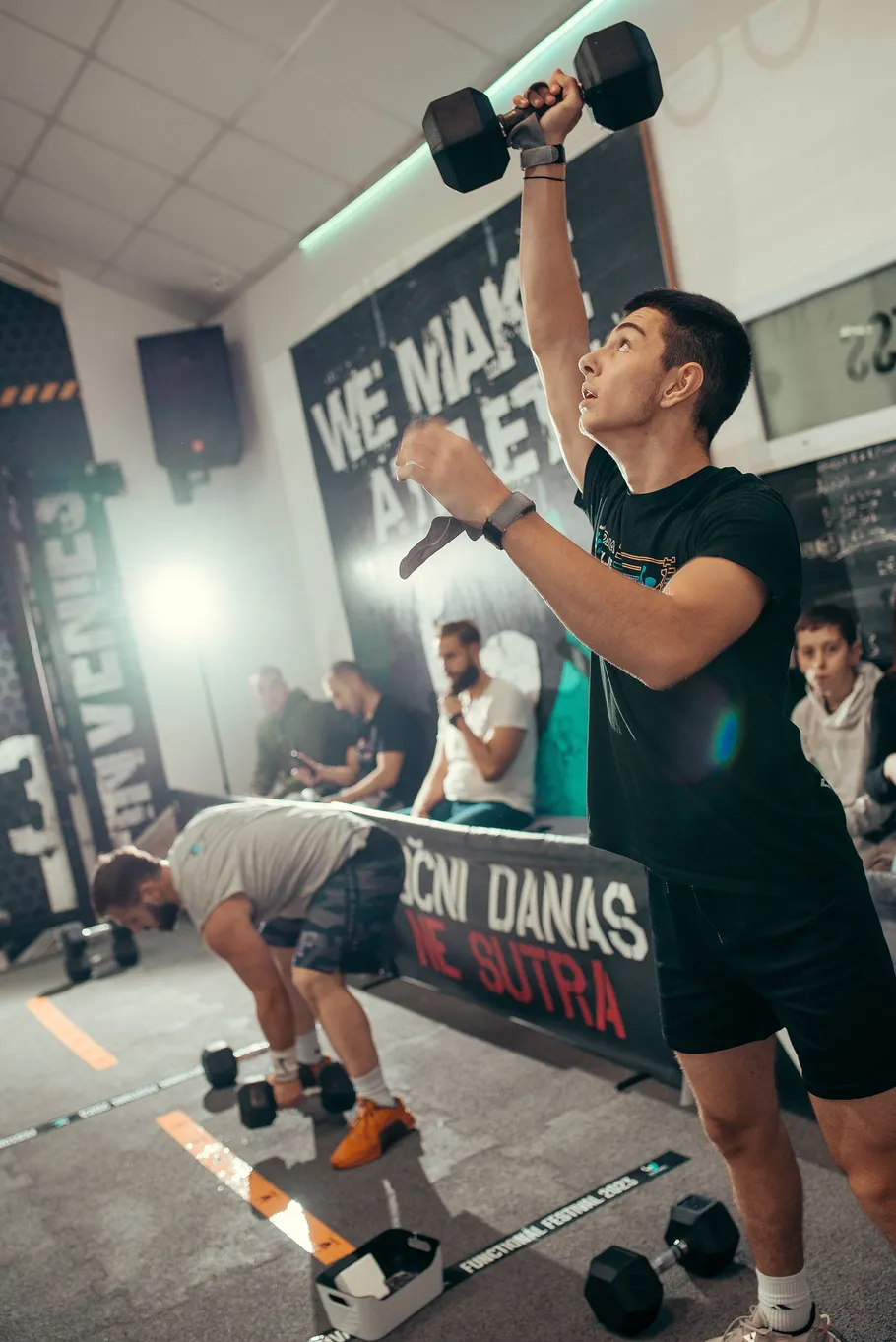
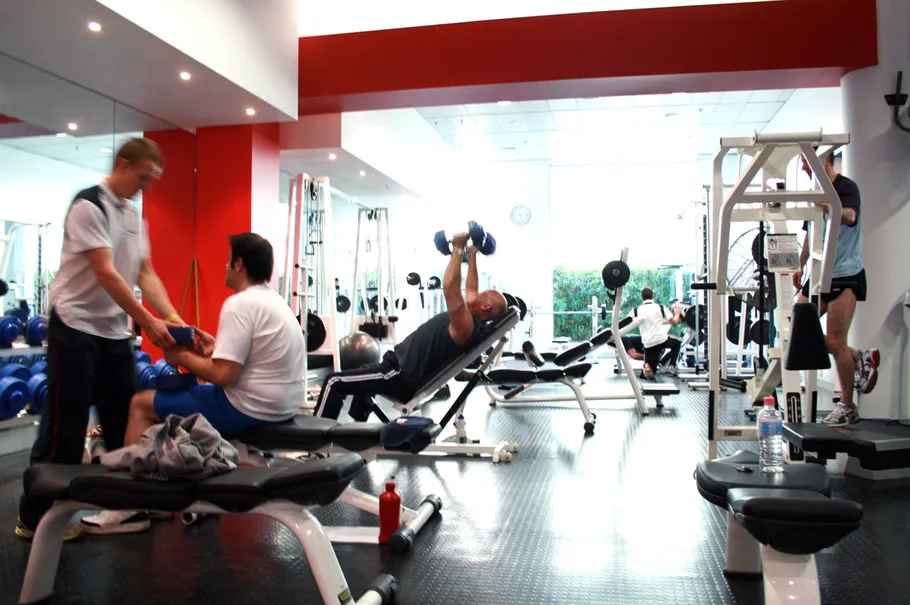
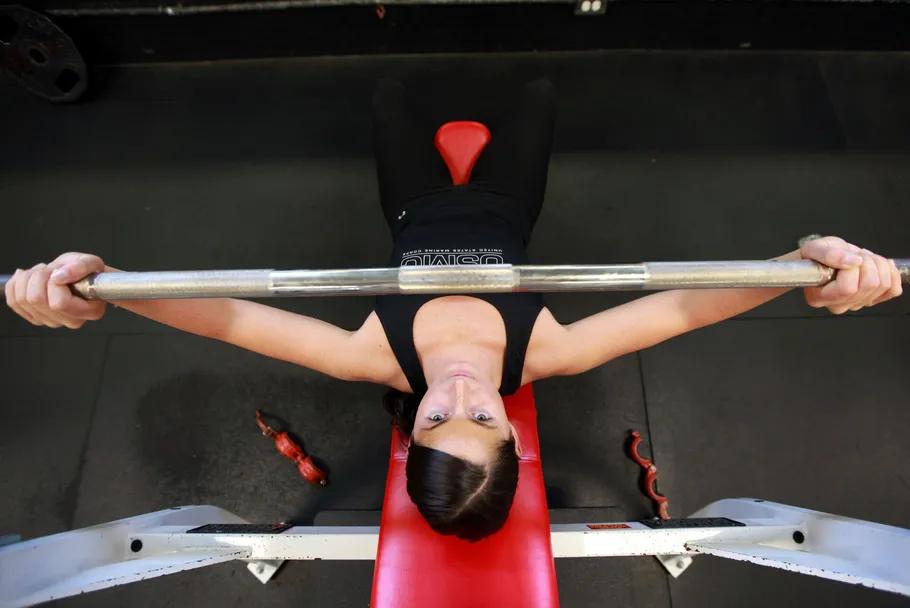
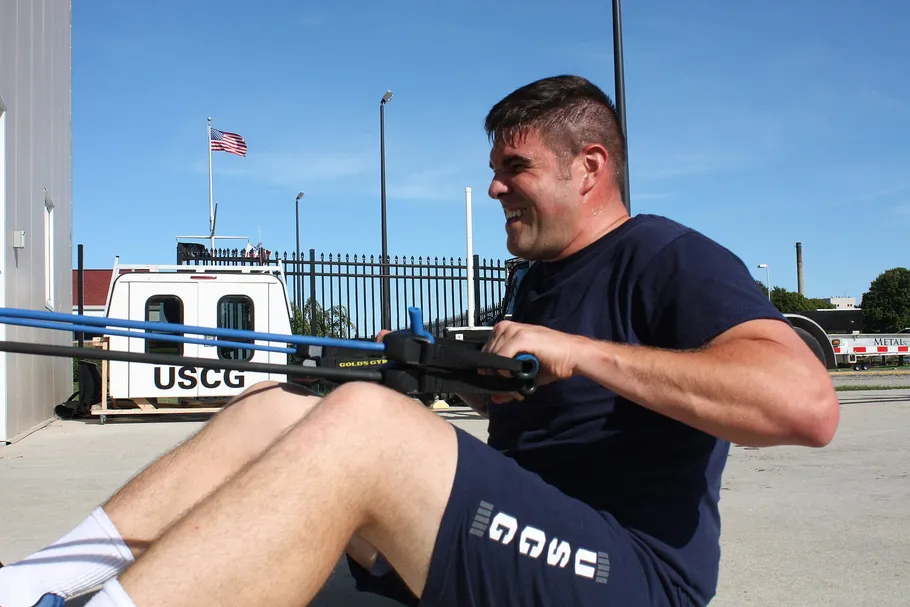
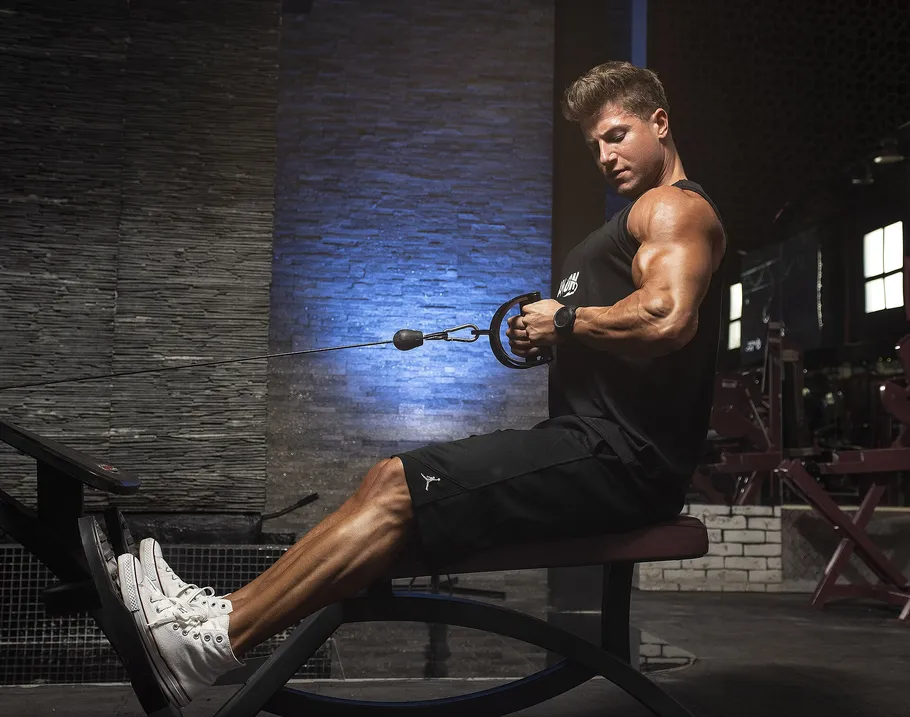
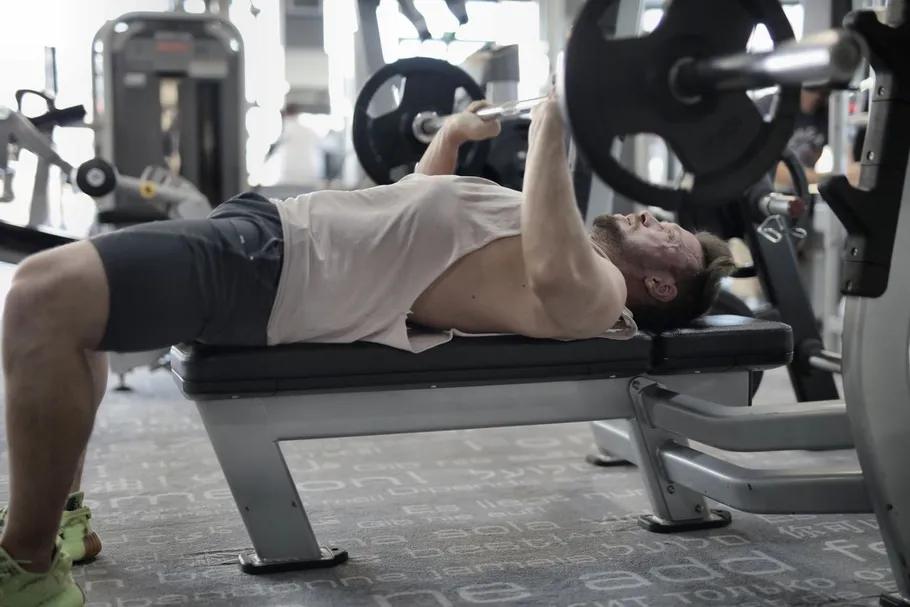
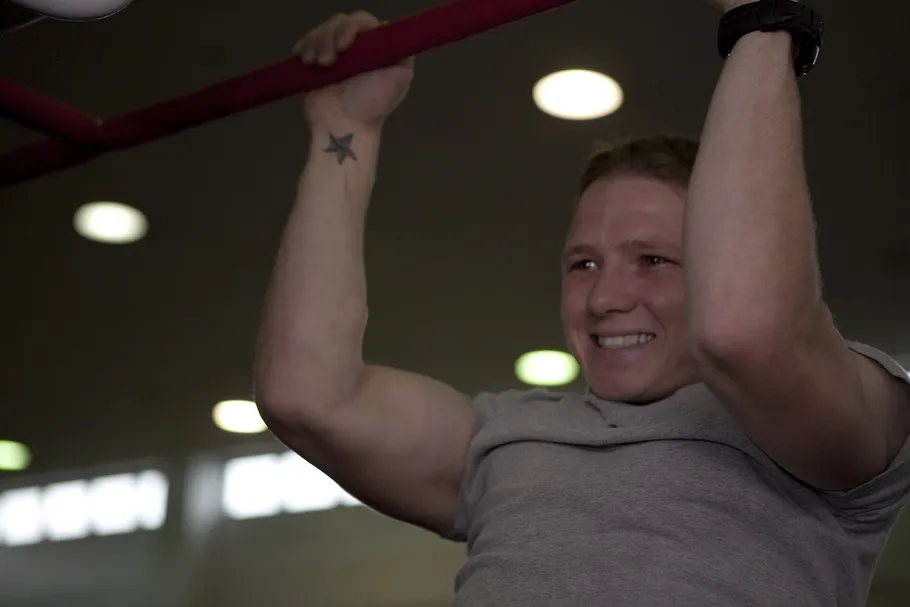
One limit applies to every photo in this guide: no free-license photo of any of the six named jammer arms exists, so every figure is an honest generic scene — a lifter pressing dumbbells, rowing a cable, deadlifting a trap bar, training in a gym — captioned as what it actually shows, never presented as a photo of the named unit. No figure here is called high-definition where it is not.
- Scored on: rack fit and hole compatibility, loading and capacity honesty, adjustment range, arm weight and footprint, and floor safety.
Also considered: Titan TITAN Series Lever Arms carry a 600 lb per arm rating, a 39 in arm, 11.25 in posts and 42 lb per arm, left out to keep one Titan pick in this guide, since the T-3 is already picked. Sorinex jammer arms are commercial-positioned units with thinner records, left out on record depth. GMWD leverage gym is a standalone machine, not a rack attachment, left out on scope. Mikolo lever arm is sold only inside cage packages, not standalone, left out on availability. Fringe Sport sells spotter arms but no jammer arms were found, left out as not a category entry. RPM Power Jammer Arms 2.0 use 75 mm uprights and 18 mm holes on a metric system with thinner US records, left out on record depth. Titanium Strength JX115 carries 115 kg per arm for commercial X-Line racks only, left out on commercial-only fit.
Scoped superlatives: no whole-guide “strongest” ranking is claimed, because only Titan publishes a per-arm capacity rating. The highest settled plate figure is a reviewer’s fit observation on the REP, not a rating, and four picks state no capacity at all. No full lightest-to-heaviest ranking is claimed either: only REP states a per-arm weight, Titan’s two records conflict, and the rest state none. The only trolley-adjusting arm is the Rogue, the only cable-ready arm is the Major Fitness, the only dual-purpose arm is the Bells of Steel, and the only commercial-only arm is the Body-Solid.
Comparison
| Pick | Rack fit | Loading | Size | Arm weight |
|---|---|---|---|---|
| REP ISO Arms | 3×3, 5/8 in + 1 in versions | Plates, capacity Not stated | 42 in arm, 31 in max width | About 64 lb per arm |
| Titan T-3 Series Adjustable Lever Arms | 2×3 T-3 only | 600 lb per arm | 11.5 in posts | 58 lb or 77 lb (records conflict) |
| Rogue LT-1 50 CAL Trolley ISO Lever Arms | Monster 1 in + Monster Lite 5/8 in | Plates, capacity Not stated | Swappable arm lengths | Not stated |
| Bells of Steel Belt Squat / Lever Arms | 2.3×2.3 in + Hydra 3×3 in, 5/8 in | Plates, capacity Not stated | Lever arms + belt squat kit | Not stated |
| Major Fitness Lever Arms 2×3 | Major Fitness racks ONLY | Plates + cables, capacity Not stated | 46.5 in width, 8.7 in posts | Not stated |
| Body-Solid Pro Clubline SPRJAM | SPR1000 ONLY | Plates, capacity Not stated | 11 in chrome horns | Not stated |
The Loading column mixes two different kinds of figure, and none of them should be read as a single ranking. A published capacity — 600 lb per arm on the Titan — is the most the maker rates the arm to carry, while the REP’s seven 45 lb plates per arm is a reviewer’s fit observation, the most plates one reviewer loaded, not a rating at all. The other four cells read Not stated because no capacity was found in the records for those units. Compare within a row, not down the column.
The Arm weight column carries honest blanks for the same reason. Only REP states a per-arm weight, and Titan’s two records — 58 lb per one review record, 77 lb per one listing record — are both printed in the Titan section rather than settled here, so this guide prints both figures and claims neither. The rest state no arm weight in the records found, so this guide prints Not stated rather than inventing figures.
REP ISO Arms

The REP ISO Arms are the best-overall pick of this guide, and their argument is the fit: 3×3 11-gauge steel arms in two hole sizes — a PR-4000 version for 5/8 in holes and a PR-5000 V2 version for 1 in holes — with a 42 in arm, a 31 in maximum width, a 180° range and a multi-grip handle that lets you press, row and squat without changing attachments. ISO here means independent: each arm moves on its own, so the strong side cannot carry the weak side. 🎯
The weight tells the same story. The pair totals 128 lb, about 64 lb per arm and about 45 lb with the handle removed, which is heavy enough to feel planted and heavy enough to notice when you move the arms between positions. One review record notes up to seven 45 lb plates loaded per arm — stated here as a fit observation, not a capacity rating, because REP publishes no per-arm rating in the records found, and a fit figure must never be read as a rating.
✅ Pros
- Two hole sizes cover both common 3×3 racks (PR-4000 5/8 in, PR-5000 V2 1 in)
- 180° range with a multi-grip handle covers press, row and squat on one arm
- About 64 lb per arm feels planted under load
⚠️ Cons
- No published per-arm capacity rating — the seven-plate figure is a reviewer’s fit note, not a rating
- Rack must be bolted to the floor or use front-foot extensions, or the arms can tip it
- Heavy to move between positions — remove plates before adjusting
Listing check: no confident listing code was verified for this unit, so the link above is a tagged search — confirm the 3×3 fit, the hole size for your rack (5/8 in PR-4000 or 1 in PR-5000 V2), the 42 in arm, the 31 in maximum width and the floor-bolting requirement on the listing itself before ordering.
Best for: lifters with a 3×3 rack who want one independent arm pair for press, row and squat.
May not fit: buyers who need a published capacity rating, or who cannot bolt their rack to the floor.
Titan T-3 Series Adjustable Lever Arms

The Titan T-3 Series Adjustable Lever Arms are the 2×3 pick of this guide, and their argument is the rating: 600 lb per arm, published, on 2×2 11-gauge arms with 11.5 in posts and 1.3 in multi-grip handles. T-3 here is the whole point — these arms fit the Titan T-3 rack series, not the X-3 or the TITAN Series, and the hole spacing and post fit are T-3 specific. For a 2×3 rack owner, this is the only pick in the guide with a published per-arm number to plan around. 🏋️
The weight record needs honesty, not smoothing. One review record puts the arms at 58 lb each, while one listing record puts the item weight at 77 lb — both figures are printed here because neither record explains the gap, and a guide that picked one silently would be inventing a spec. The capacity rating, at least, is single-sourced and settled: 600 lb per arm.
✅ Pros
- 600 lb per arm published rating — the only settled capacity in this guide
- 11.5 in posts with 1.3 in multi-grip handles cover press, row and jammer work
- 2×3 fit serves racks the 3×3 picks cannot
⚠️ Cons
- T-3 only — not X-3 or TITAN Series, so check your rack series before ordering
- Arm weight records conflict (58 lb vs 77 lb) and neither is settled here
- 2×2 arms are lighter-built than the 3×3 arms in this guide
Listing check: no confident listing code was verified for this unit, so the link above is a tagged search — confirm the T-3 series fit, the 600 lb per arm rating, the 11.5 in posts and the 1.3 in handles on the listing itself before ordering.
Best for: Titan T-3 owners who want a published capacity number on a 2×3 rack.
May not fit: buyers with X-3 or TITAN Series racks, or who need one settled arm-weight figure.
Rogue LT-1 50 CAL Trolley ISO Lever Arms
The Rogue LT-1 50 CAL Trolley ISO Lever Arms are the premium pick of this guide, and their argument is the trolley: a trigger-release trolley that slides the arm up and down the upright and locks at height, so changing from press to row to squat is a squeeze-and-slide instead of a pin-and-repin. Swappable arm lengths let the same unit run long or short, and two rack versions — Monster 1 in and Monster Lite 5/8 in — cover Rogue’s two upright systems. 💎
The premium price buys adjustment, not published numbers. No capacity rating and no arm weight were found in the records for this unit, so this guide prints Not stated for both rather than borrowing a figure from another Rogue arm. One compatibility limit matters more than the missing numbers: most optional accessories are 1 in Monster only, so Monster Lite buyers should check each accessory’s fit before assuming it carries over.
✅ Pros
- Trigger-release trolley adjustment — fastest height changes in this guide
- Swappable arm lengths on one unit
- Monster and Monster Lite versions cover both Rogue upright systems
⚠️ Cons
- No published capacity rating or arm weight in the records found
- Most optional accessories are Monster 1 in only
- Premium positioning — the trolley buys convenience, not a bigger rating
Listing check: no confident listing code was verified for this unit, so the link above is a tagged search — confirm the trolley adjustment, the arm-length options, the Monster or Monster Lite fit for your rack and the accessory compatibility on the listing itself before ordering.
Best for: Rogue rack owners who want the fastest height changes and will pay for the trolley.
May not fit: buyers who need a published capacity rating, or Monster Lite owners counting on Monster-only accessories.
Bells of Steel Belt Squat / Lever Arms
The Bells of Steel Belt Squat / Lever Arms are the dual-purpose pick of this guide, and their argument is the second job: one kit that works as lever arms and as a belt squat, so a rack owner gets hip-and-leg belt work without buying a standalone belt-squat machine. Two versions cover two rack sizes — a 2.3×2.3 in version for 5/8 in holes and a Hydra 3×3 in version for 5/8 in holes — and the belt-squat function hangs off the same arms. 🔄
Two flags ride with that versatility. The Hydra version was sold out at crawl time, so only the 2.3×2.3 in version could be ordered when the records were taken — check stock before planning around the Hydra. And no capacity rating was found in the records for either version, so this guide prints Not stated. The differentiation matters too: this is a rack attachment that ADDS belt-squat work, not a standalone belt-squat machine — standalone stations live in our belt squat machines guide, and they are a different purchase.
✅ Pros
- Lever arms plus belt squat in one kit — two jobs, one purchase
- Two versions cover 2.3×2.3 in and Hydra 3×3 in racks
- Belt work without a standalone machine’s footprint
⚠️ Cons
- Hydra version sold out at crawl time — check stock before planning around it
- No published capacity rating in the records found
- Belt-squat setup adds steps over plain lever-arm use
Listing check: no confident listing code was verified for this unit, so the link above is a tagged search — confirm the version for your rack size, the belt-squat parts in the box and current stock on the listing itself before ordering.
Best for: rack owners who want lever arms and belt-squat work from one kit.
May not fit: buyers who need the Hydra version immediately, or a published capacity rating.
Major Fitness Lever Arms 2×3
The Major Fitness Lever Arms 2×3 are the cable-ready pick of this guide, and their argument is the second resistance path: plate loading plus cable loading on the same arms, with a 46.5 in width, 8.7 in posts, 2 in sleeves and a 1 in hole size per listing. Cable-ready here means the arms accept a cable attachment for constant-tension work alongside plates, so a lifter with a cable setup gets two resistance curves from one arm pair. 🔌
The compatibility flag is absolute, not advisory. These arms are EXCLUSIVE to Major Fitness racks and incompatible with other brands — the post fit, hole size and bracket are Major-specific, so a non-Major rack owner cannot adapt them. A second safety flag rides with the loading: counterweights behind the rack are needed to prevent tipping when the arms are loaded, so the rack’s rear ballast is part of the purchase, not an afterthought. No capacity rating was found in the records, so this guide prints Not stated.
✅ Pros
- Plate plus cable loading — two resistance paths on one arm pair
- 2 in sleeves take standard plates
- 8.7 in posts with a 1 in hole size per listing
⚠️ Cons
- Major Fitness racks ONLY — incompatible with every other brand
- Counterweights behind the rack needed to prevent tipping
- No published capacity rating in the records found
Listing check: no confident listing code was verified for this unit, so the link above is a tagged search — confirm the Major Fitness rack fit, the cable attachment parts, the 46.5 in width and the counterweight requirement on the listing itself before ordering.
Best for: Major Fitness rack owners who want cable loading beside plates.
May not fit: any other brand’s rack owner, or buyers who cannot counterweight the rack rear.
Body-Solid Pro Clubline SPRJAM
The Body-Solid Pro Clubline SPRJAM is the commercial pick of this guide, and its argument is the build: 3×3 11-gauge steel arms with 11 in chrome horns and a pull-pin design, made for club floors and home gyms that want club-grade steel. Pull-pin here means the arm position changes by pulling a pin, moving the arm and re-seating the pin — simple, mechanical and hard to wear out. 🏢
The fit flag is narrow and absolute. The SPRJAM fits the Body-Solid SPR1000 ONLY — not other Body-Solid racks and not other brands — so the rack model is the first thing to check, before the steel or the horns. The rack must also be bolted to the floor, the same floor-safety rule as the REP, because a commercial arm on an unbolted rack tips the rack instead of training the lifter. No capacity rating was found in the records, so this guide prints Not stated.
✅ Pros
- 3×3 11-gauge commercial steel with 11 in chrome horns
- Pull-pin design — simple, mechanical adjustment
- Club-grade build for a home gym that wants it
⚠️ Cons
- SPR1000 ONLY — no other rack fits, Body-Solid or otherwise
- Rack must be bolted to the floor
- No published capacity rating in the records found
Listing check: no confident listing code was verified for this unit, so the link above is a tagged search — confirm the SPR1000-only fit, the 11 in chrome horns and the floor-bolting requirement on the listing itself before ordering.
Best for: SPR1000 owners who want a commercial-grade arm pair.
May not fit: any other rack owner, or buyers who cannot bolt their rack down.
How to Choose

Four decisions, in order, because the wrong order wastes money: rack first, compatibility second, loading third, space fourth. A jammer arm that does not fit your rack is not a bargain, a compatible arm loaded past its rating is not a deal, and a fitting arm with nowhere to swing is not a home gym — it is a coat rack. Measure first, order second, and check each decision against the listing, not against this guide’s summary.
Choose Your Rack
Start with the rack you own, not the arm you want. The picks split by rack size and series: REP and Body-Solid serve 3×3 racks, Titan serves the T-3 2×3 series, Bells of Steel serves 2.3×2.3 in and Hydra 3×3 in, Major Fitness serves Major racks only, and Rogue serves Monster and Monster Lite. Our power racks guide covers the racks themselves if you are buying the rack and the arms together — but if the rack is already in your room, its upright size, hole size and series decide the shortlist before any other spec is read.
Bolted or not is part of the rack decision, not an accessory. REP and Body-Solid require a bolted floor, Major Fitness requires rear counterweights, and any arm that swings a loaded arc will test an unanchored rack’s balance on the first heavy set. If your floor cannot take bolts and your rack cannot take counterweights, the trolley and pin arms with lighter loads are the safer shortlist — and a rack upgrade may be the honest first purchase.
Choose Your Compatibility

Compatibility is three measurements, not one: upright size, hole size and hole spacing. Upright size decides whether the bracket closes around the steel — 2×3, 2.3×2.3 and 3×3 are different brackets, not adjustable ones. Hole size decides whether the pin seats — 5/8 in and 1 in pins do not interchange, and the REP’s two versions exist precisely because of that split. Hole spacing decides whether the arm locks at the heights you need — a spacing that jumps past your press height leaves the arm too high or too low for the movement.
Brand exclusivity is the trap inside compatibility. Major Fitness arms fit Major racks only, the SPRJAM fits the SPR1000 only, and the Titan T-3 arms fit the T-3 series only — in each case the listing’s fit list is the authority, not a forum post claiming an adapter exists. If your rack is not on the fit list, the arm is not a purchase with a workaround; it is the wrong arm.
Choose Your Loading
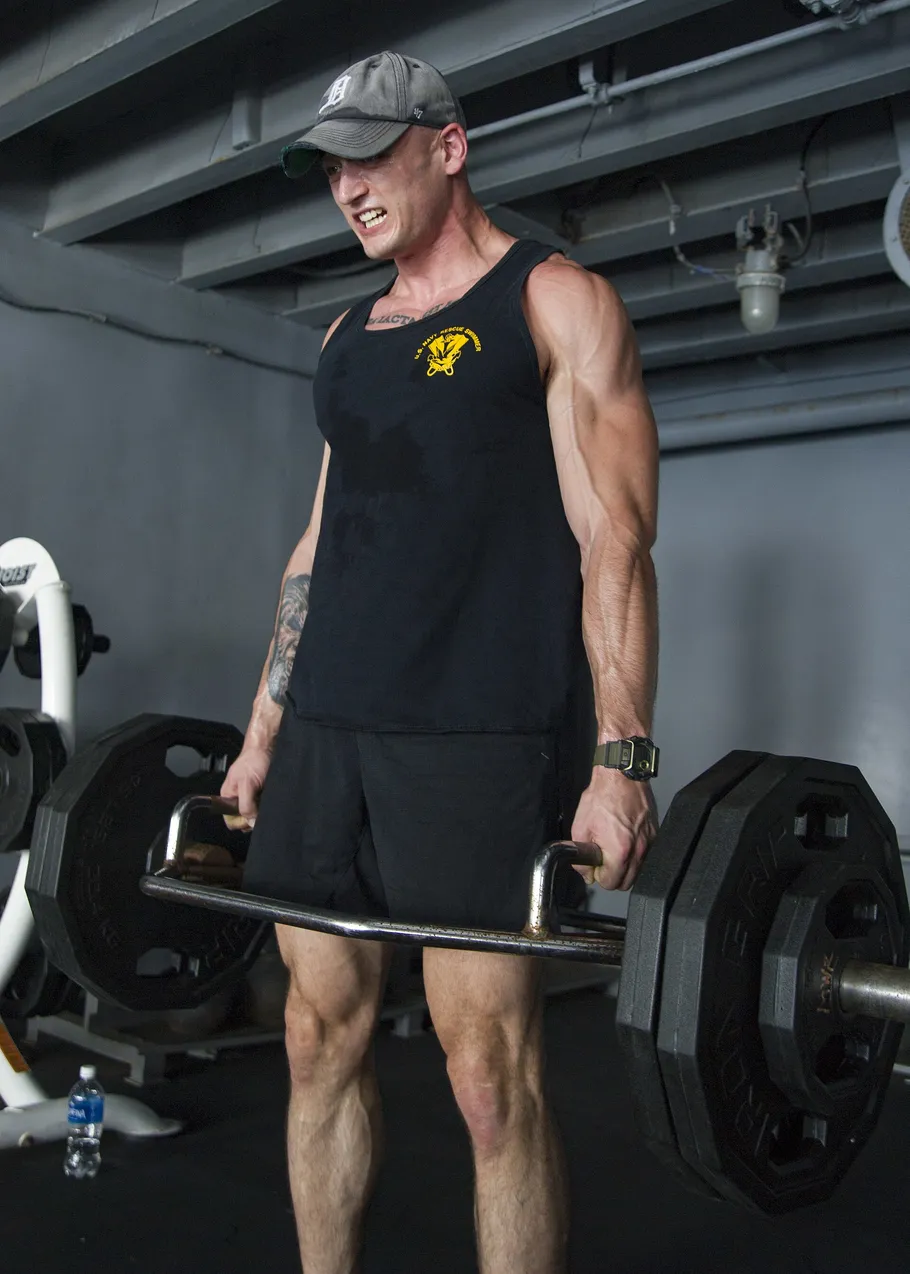
Loading is plates on five of these six arms, and that is a budget fact before it is a training fact. Plate-loaded arms take the plates you already own — our weight plates guide covers the plates themselves — so the arm’s cost is the arm, not a new stack. Cable-ready Major arms add a second path for lifters who already own a cable setup, and the Bells of Steel kit adds belt-squat loading on top of plates. Count your plates before ordering: an arm rated for plates you do not own is a second purchase hiding inside the first.
Capacity honesty belongs in the loading decision too. Only Titan publishes a per-arm rating, so only Titan lets you plan a load against a number. Every other pick’s load is planned against feel, fit observations and the listing’s own words — which is honest training, but it is not a rated limit, and it should never be quoted as one.
Choose Your Space
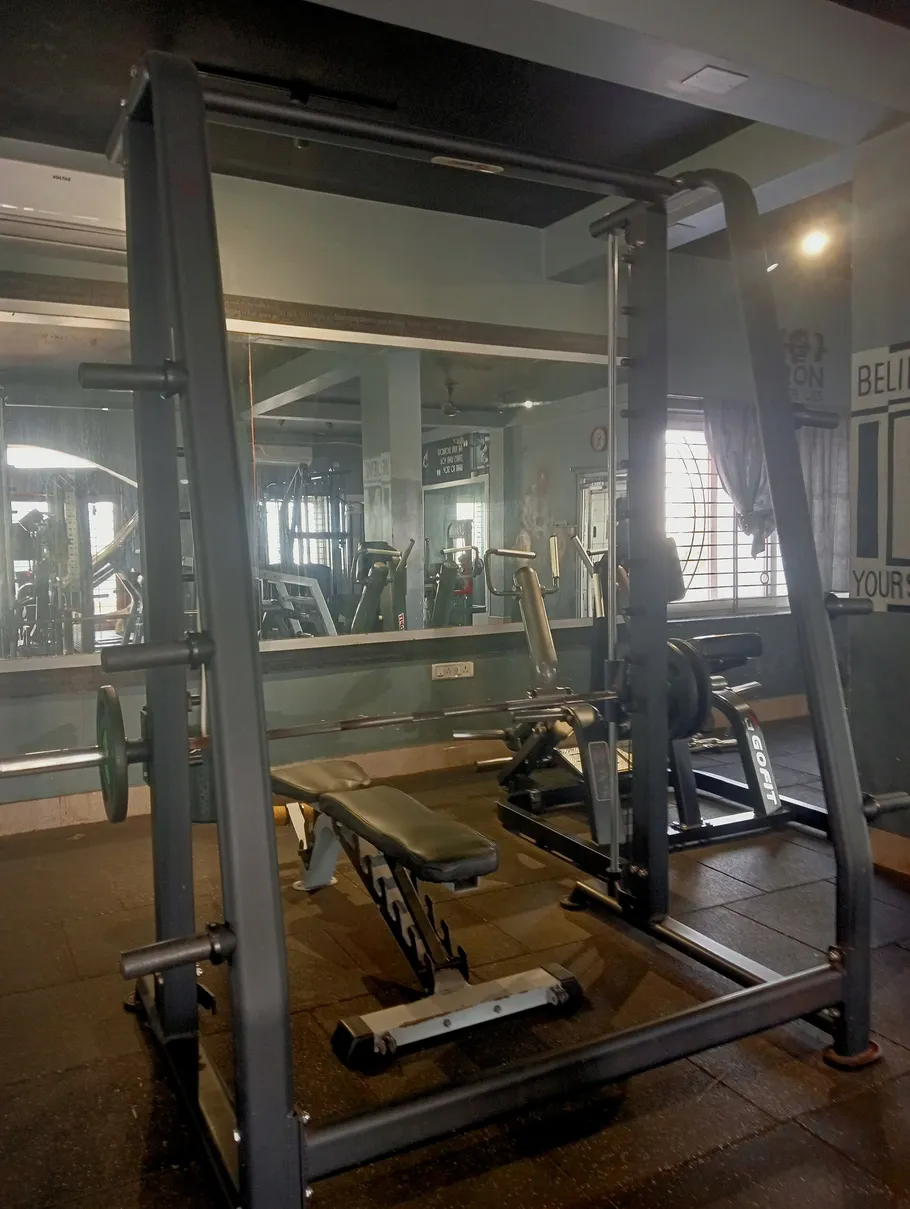
Space is the swing, not the footprint. A jammer arm’s published size is the arm at rest, but the working space is the arc it sweeps — forward for presses, back for rows, down for squats — plus the lifter standing inside that arc and the plates hanging off the sleeves. REP’s 31 in maximum width and Major’s 46.5 in width are starting figures, not room plans: tape the arc on your floor, stand in it, and check the ceiling height for the top of the press before the box arrives.
Flooring finishes the space decision. Jammer work drops plates, shifts racks and scuffs bare floors, so a lifting platform or rubber mats under the rack are part of the setup, not decoration — and a bolted rack on bare concrete with no mats is a floor repair waiting for a date.
Safety

1. Bolt or counterweight the rack before the first set. REP and Body-Solid require a bolted floor, Major Fitness requires rear counterweights, and every other arm still tests an unanchored rack’s balance — an arm that tips its rack mid-set is a falling steel frame, not a failed rep.
2. Remove plates before adjusting. Arms are heavy — about 64 lb each on the REP — and an arm swung to a new height with plates still hanging is a lever working against your grip. Strip the sleeves, move the arm, re-pin or re-lock, then reload.
3. Seat pins and locks fully before every set. A half-seated pin, a trolley not yet locked, or a pull-pin not clicked home unloads one side without warning — check the lock by hand, not by eye, before the first rep.
4. Start light and learn the arc first. The first session on a new arm is a form session, not a max session: a weight you own for ten controlled reps teaches the path, and a weight you heave teaches nothing.
5. Control both directions on every rep. The arms press out under control and come back under control — a load dropped onto the stops, or arms snapped back, shocks the shoulders and elbows, so lower with the muscles, not with momentum.
6. Never force the end range. Shoulders open only as far as they open: a sharp pinch at full extension, or elbows forced past a comfortable lockout, means stop short of that range, re-check the arm height, and do not push through it.
7. Keep the area clear and children off the rack. Moving lever arms plus loaded plates are not playground equipment — never let a child climb the rack, swing the arms, or stand inside the arc while a set is running.
General information only — not medical advice. Stop and seek professional guidance if pain, numbness or a joint injury appears, and never train through a sharp pain to finish a set.
Frequently Asked Questions

Do jammer arms replace a barbell?
No — they split the barbell’s job, not replace it. A barbell still rules heavy bilateral work, while jammer arms add independent-arm pressing, rowing and squatting with a fixed path and grip options a barbell cannot offer. Most home gyms keep both: the barbell for the heaviest sets, the arms for the unilateral work that exposes a weak side.
Will jammer arms fit my rack?
Only if your rack’s upright size, hole size and series are on the arm’s fit list. REP covers 3×3 in two hole sizes, Titan covers the T-3 series, Bells of Steel covers 2.3×2.3 in and Hydra 3×3 in, Rogue covers Monster and Monster Lite, and Major Fitness and Body-Solid are single-brand or single-model fits. Measure all three, then check the listing’s fit list — never assume an adapter exists.
How much weight can jammer arms hold?
Only Titan publishes a per-arm rating in this guide: 600 lb per arm. REP’s seven 45 lb plates per arm is a reviewer’s fit observation, not a rating, and the other four picks state no capacity in the records found. Plan Titan loads against its number and every other pick’s load against feel and the listing’s words — and never quote a fit figure as a rating.
Do I need to bolt my rack to the floor?
For REP and Body-Solid, yes — the maker requirement is explicit. For Major Fitness, rear counterweights serve the same purpose. For the rest, bolting is still the safer default, because a loaded arm swinging through its arc tests an unanchored rack’s balance on every heavy set. If your floor cannot take bolts, choose an arm and a ballast plan that does not need them.
Are lever arms and jammer arms the same thing?
Yes, in practice. Jammer arms is the common commercial name and lever arms the generic name for the same category: rack-mounted arms that swing a load through a fixed arc. Listings use both terms, sometimes for the same unit, so search both when comparing prices — and check the fit list, not the name, before ordering.
What else does my rack need before jammer arms?
Plates you already own, a floor that can take the rack’s anchors or counterweights, and mats under the working area. Our gym flooring guide covers the mats, and the Choose Your Loading section above covers the plates — the arms themselves are only the middle of the purchase.
Our Pick: Start Here
If your rack is 3×3, start with the REP ISO Arms for the two hole sizes, the 180° range and the multi-grip handle; if your rack is a Titan T-3, the Titan T-3 Series Adjustable Lever Arms are the pick with a published 600 lb per arm rating. If you want the fastest height changes and own a Rogue rack, the Rogue LT-1 50 CAL Trolley ISO Lever Arms are the premium pick, and the Bells of Steel Belt Squat / Lever Arms are the pick for lifters who also want belt-squat work on the same kit. If you own a Major Fitness rack and want cable loading, the Major Fitness Lever Arms 2×3 are the only cable-ready pick here, and if you own an SPR1000 and want club-grade steel, the Body-Solid Pro Clubline SPRJAM is the commercial pick. In every case, measure the rack, check the fit list and bolt or counterweight first — the arm is only as good as the rack it hangs from.
As an Amazon Associate, this site earns from qualifying purchases made through links in this guide, at no extra cost to you. The Amazon links above are tagged search links, not direct product listings, because no confident listing code was verified for these units — always confirm the exact version, capacity and dimensions on the listing before ordering.
Specifications in this guide come from maker pages, listings, manuals and review records that frequently disagree, and every disagreement found is stated in the pick sections rather than averaged away. Capacity, dimensions, weight and height figures in particular mix maker claims, review measurements and older records, so treat this guide as a comparison of published records, not as a substitute for the listing on the day of purchase.