

Why a Calf Raise Machine Belongs in a Home Gym
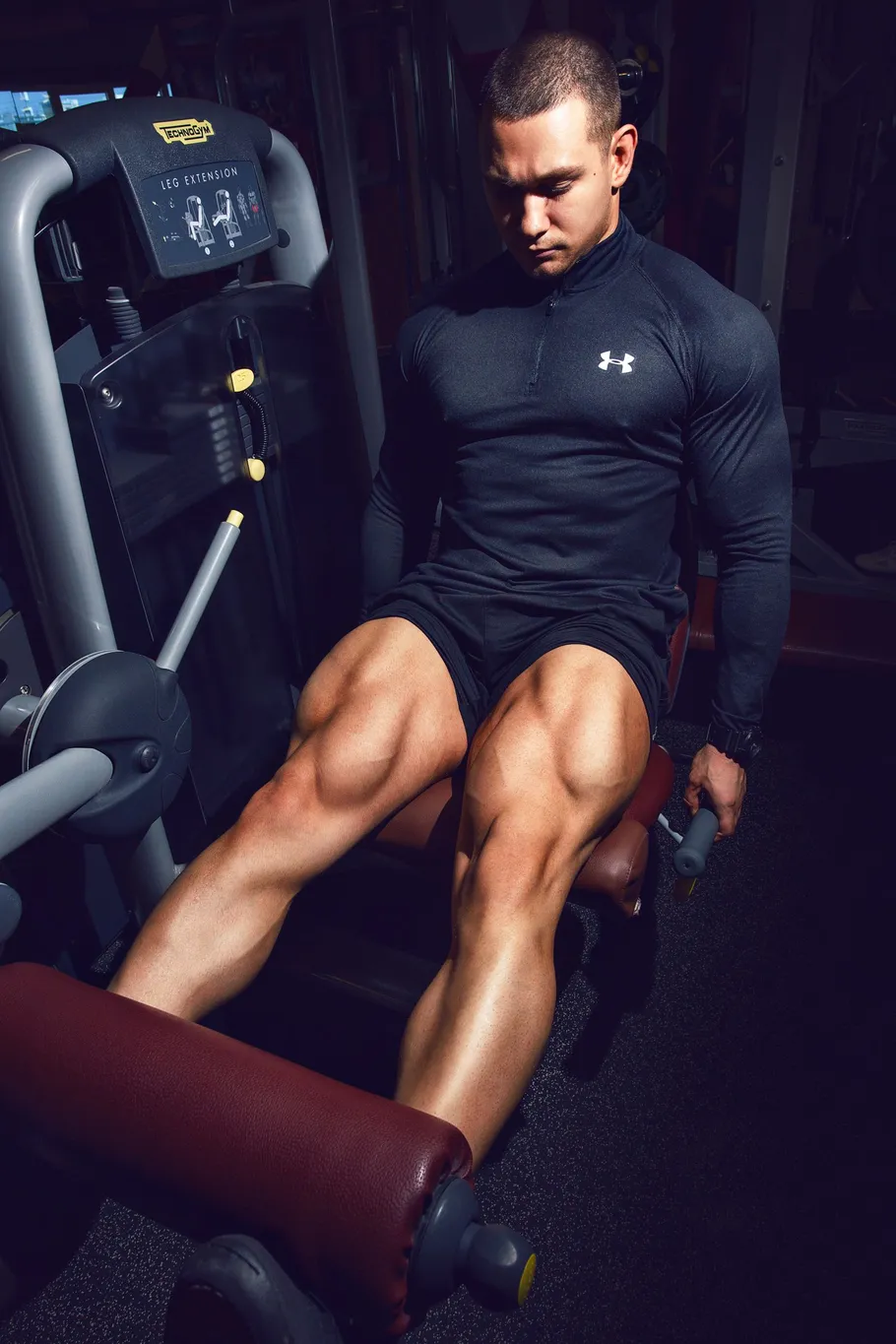
Calves get skipped in a lot of home gyms because they are awkward to load without a machine. A dumbbell in each hand works for a while, but balance becomes the limit long before the calves do.
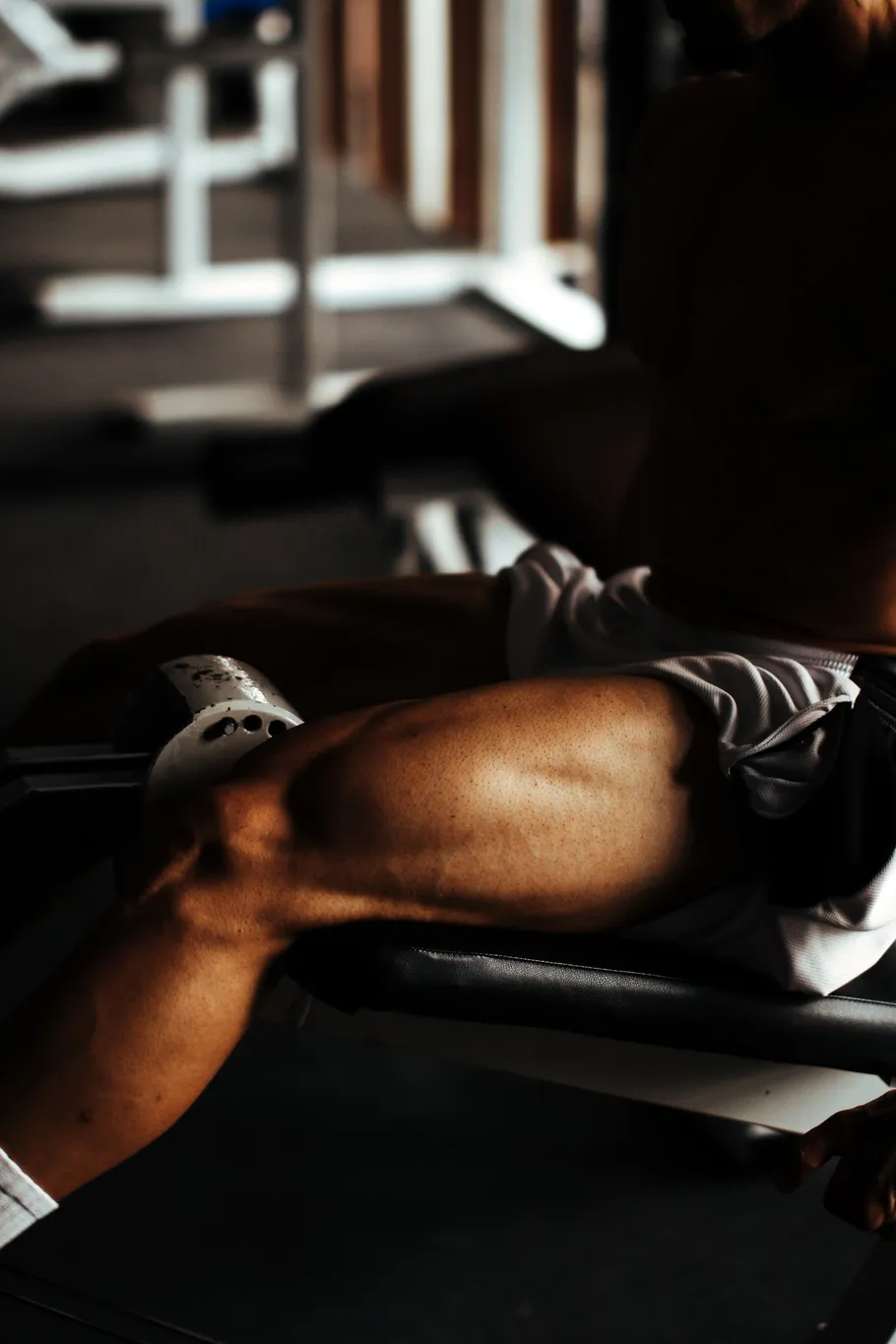
A seated calf raise machine fixes that. Your knees sit under padded supports, your feet sit on a footplate, and the load moves through a short, controlled range. That setup lets you train the soleus — the deeper calf muscle that works hardest when your knee is bent — without worrying about balance.
It also rounds out a leg day nicely alongside the bigger lower-body guides on this site, including our hip thrust machines and leg press machines guides. If your calves are the weak link in your lower body, this is the machine that targets them directly.
How We Picked
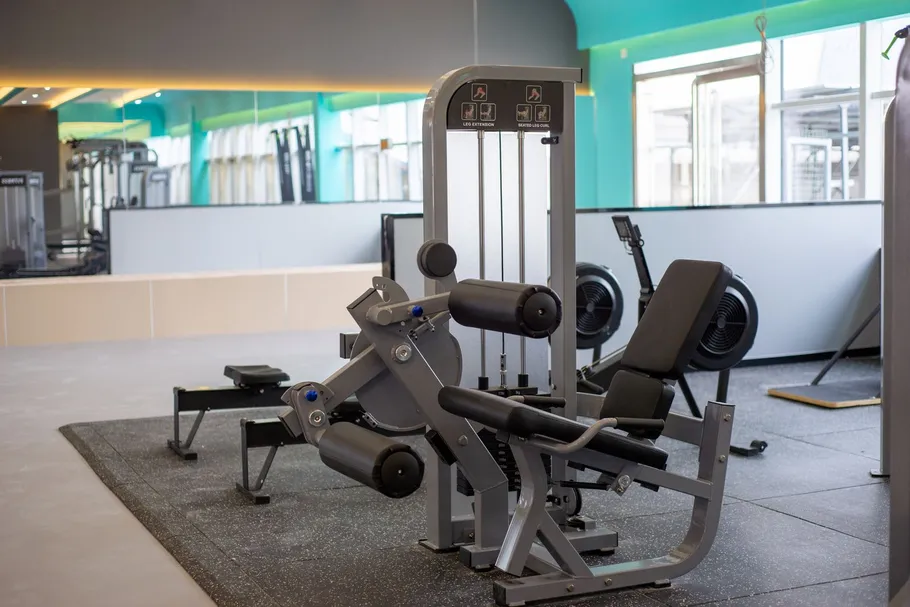
We scored each machine on the things that matter most in a home gym:
- Stated load capacity, and whether that figure comes from the maker or only from a roundup
- Footprint, measured in floor area, not just length
- Thigh-pad adjustment for different leg lengths
- Plate compatibility, including Olympic posts and 1-inch plate fit
- Frame build, including stated steel gauge where the maker gives one
- Whether the machine also trains the tibialis, the shin muscle that balances calf work
Deltech Fitness DF805, SPART Adjustable Seated Calf Raise, Body-Solid Powerline PSC43X, BalanceFrom Adjustable Seated Calf Raise, HVO Seated Calf Raise and Soozier Adjustable Seated Calf Raise were also considered and set aside for the six below, which give the clearest spread of capacities, footprints and price tiers. Our power racks and gym flooring guides cover the room and floor these machines sit on.
Comparison
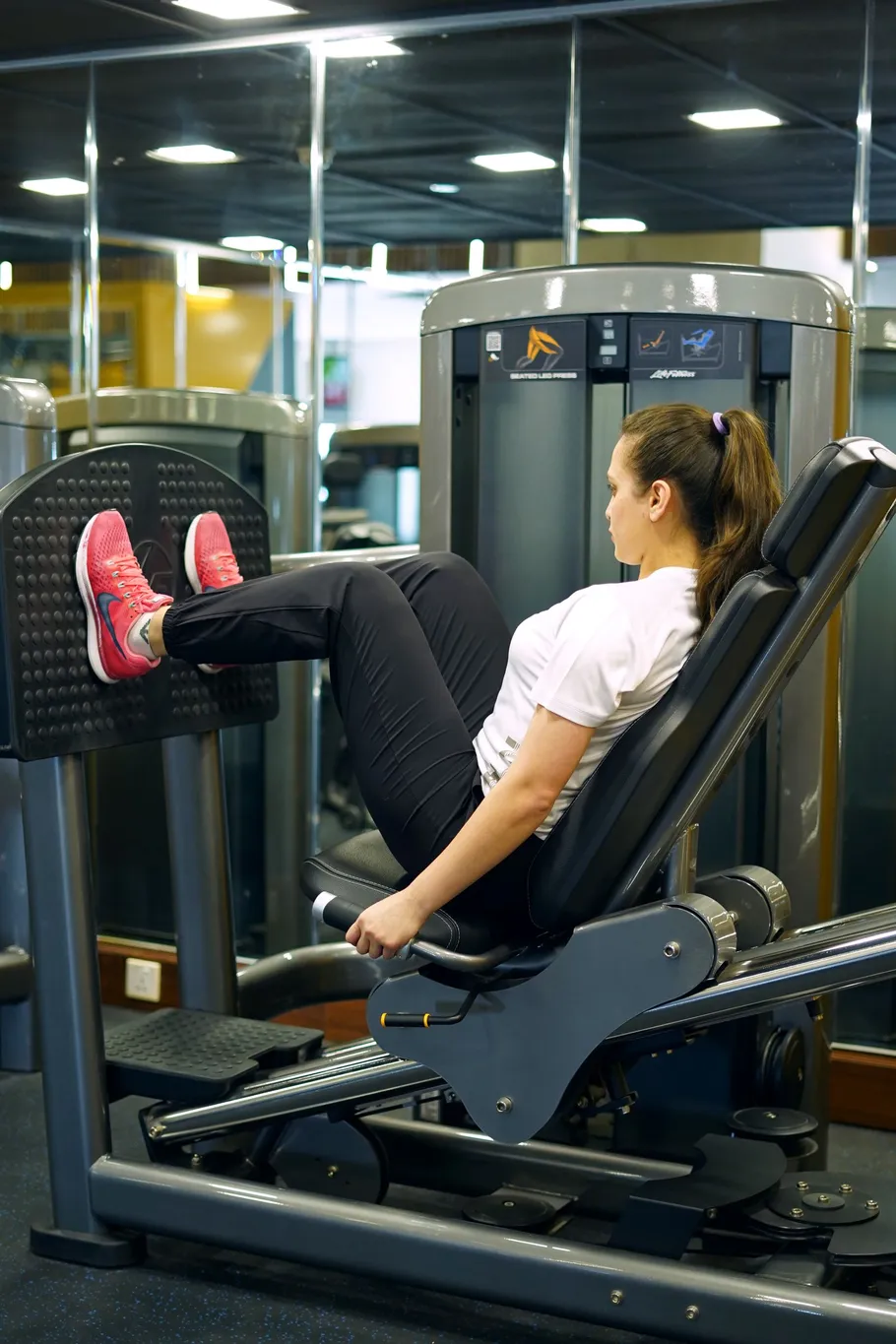
| Machine | Best for | Type | Top load | Standout |
|---|---|---|---|---|
| Titan Fitness Seated Calf Raise | Most home gyms | Seated, plate-loaded | 550 lb | 4 height + 4 length pad settings |
| Body-Solid GSCR349 | A commercial feel | Seated, plate-loaded, 3:1 ratio | Not stated | Pillow-block pivot, lifetime frame |
| GMWD Adjustable Seated Calf Raise | Small spaces | Seated, plate-loaded | 550 lb | Band pegs and transport wheels |
| Titan Fitness Tibia Dorsi Calf Machine | Tibialis + calf balance | Seated tibialis / calf | 200 lb | 7 in sleeves on each side |
| XMark Seated Calf Raise XM-7613 | Swiveling-pad comfort | Seated, plate-loaded | Not stated | Pads rotate as you lift |
| Powertec Seated Calf Raise P-SCR25 | Heaviest loads | Seated, plate-loaded | 1,000 lb | Highest stated capacity here |
Two records disagree on the Body-Solid GSCR349: one dealer record gives a 47 by 23 in footprint and 95 lb unit weight, while the main dealer spec gives 47 by 20 in and 93 lb. One marketplace record also lists a 190 lb maximum for a GSCR349B variant, but dealer specs state no maximum load — only the 3:1 ratio. We use the main dealer figures in the table and flag the conflicts here rather than picking one silently. GMWD band-peg counts also differ across records, with two pegs per side in some and four on the base rod in others.
The superlatives below are safe on the stated figures: the highest stated capacity is the Powertec at 1,000 lb, the lowest stated top load is the Titan tibialis machine at 200 lb, the heaviest stated unit is the Body-Solid GSCR349 at 93 lb, and the lightest stated unit is the Titan tibialis machine at 55 lb. The GSCR349 and the XMark are left out of the capacity ranking because their maximum loads are not stated in the records found, and the XMark is left out of the footprint and weight rankings because its assembled dimensions and unit weight are also unstated.
Titan Fitness Plate-Loaded Seated Calf Raise Machine
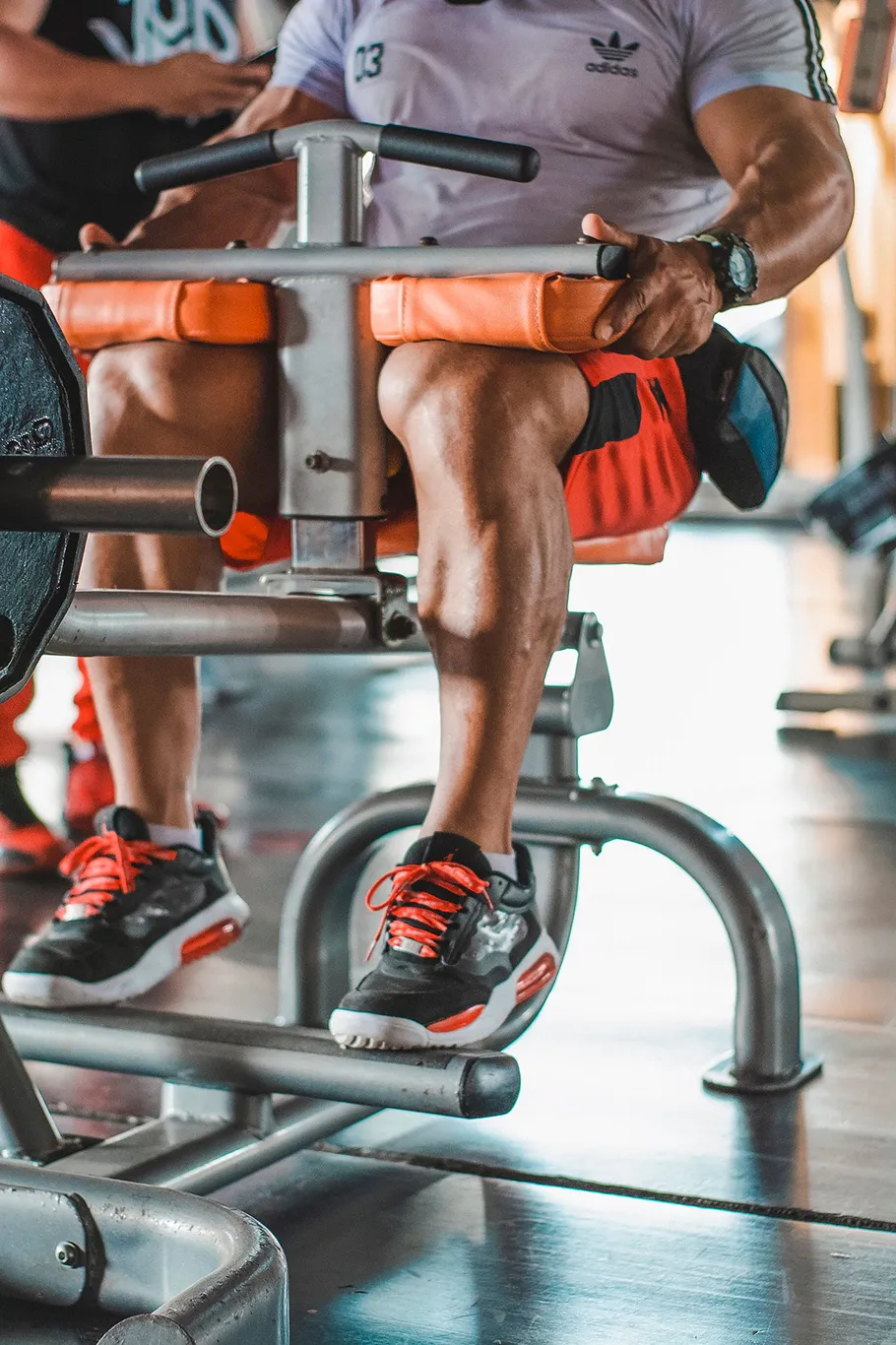
Titan’s seated calf raise is the straightforward pick in this guide. It is a plate-loaded lever machine in 2 by 3 in 11-gauge steel, rated to 550 lb, with dual 9.5 in Olympic weight posts and a diamond-plated foot bar for grip.
The adjustment range is the reason it leads. The thigh pads move through 4 height settings and 4 length settings, so short and long legs can both find a position where the pads sit on the lower thigh, not on the knee. At 48 by 23.5 by 39.5 in and 60 lb, it is a mid-size unit that fits a normal home-gym bay without dominating it.
✅ Pros
- 550 lb capacity covers most home lifters
- 4 height + 4 length pad settings, the most stated here
- Dual Olympic posts for even loading
- Diamond-plated foot bar for grip
⚠️ Cons
- No band pegs for extra resistance options
- Olympic plates only, no 1-inch plate fit stated
- Plates and collars sold separately
Listing check: the model code for this machine is CALFRAISE_BK, and the listing code used here comes from a single manual-mirror source, not a retailer listing — confirm the model code before ordering.
Best for: lifters who want one solid seated calf machine with a wide pad adjustment range.
May not fit: buyers who train with 1-inch plates, or who want band resistance built in.
Body-Solid GSCR349 Seated Calf Raise
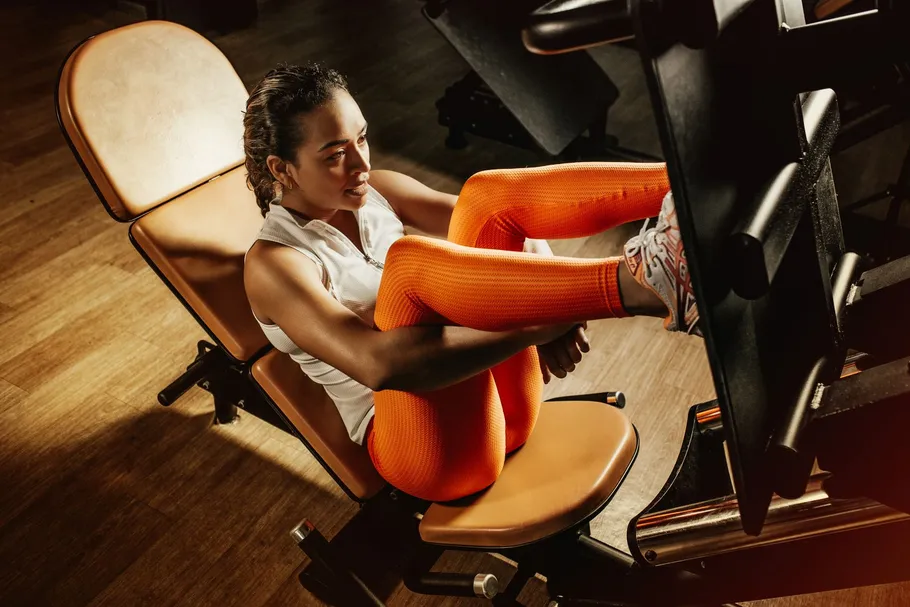
The GSCR349 is the commercial-grade pick. It is built around a 2 by 3 in 11-gauge high-tensile steel mainframe, with a carriage that pivots on a pillow block with sealed ball bearings for a smooth lever action.
Its headline feature is the 3:1 weight ratio, which changes how the load feels through the lever — the plates move a shorter distance than your feet do, so the motion stays controlled under heavy loads. The pads are 3 in thick DuraFirm knee and seat pads, the foot platform is angled with a no-slip surface, and the frame warranty is lifetime. Plates, collars and adapters are sold separately.
✅ Pros
- 3:1 ratio for a controlled lever feel
- Pillow-block pivot with sealed bearings
- Lifetime frame warranty
- Thick DuraFirm pads and angled no-slip platform
⚠️ Cons
- No maximum load stated in dealer specs
- Heaviest stated unit here at 93 lb
- Dealer records disagree on footprint and weight
- Plates sold separately
Listing check: this is a dealer-sold machine, so use the search link and confirm the variant before ordering — one dealer record gives 47 by 23 in and 95 lb against the main spec of 47 by 20 in and 93 lb, and one marketplace record lists a 190 lb maximum for a GSCR349B variant that dealer specs do not confirm.
Best for: buyers who want a commercial-feeling seated machine with a smooth lever action.
May not fit: anyone who needs a stated maximum load in writing, or who must keep unit weight low.
GMWD Adjustable Seated Calf Raise Machine
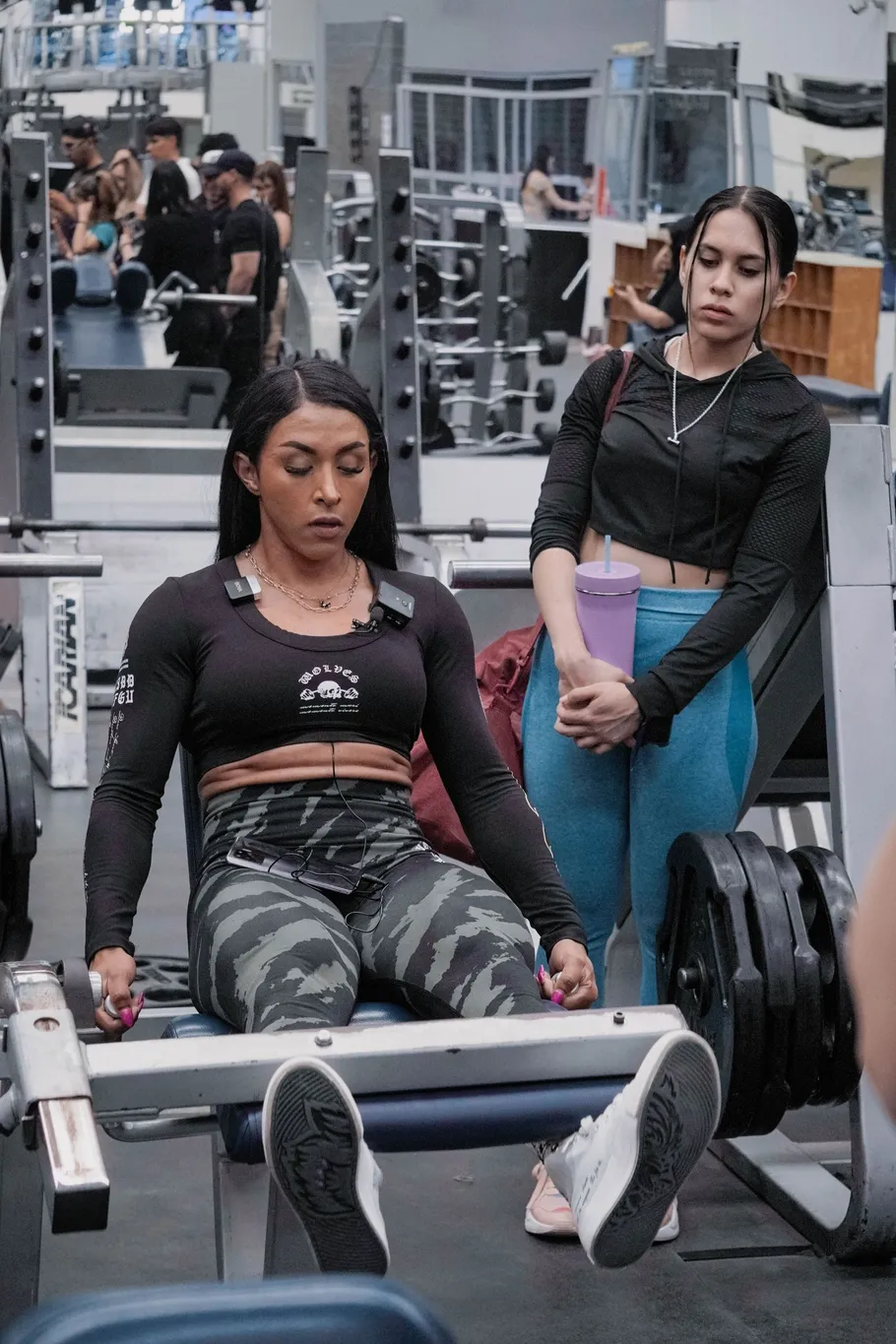
GMWD’s adjustable seated calf raise is the compact, flexible pick. It is rated to 550 lb — tied with the Titan for the highest stated plate-loaded rating among the seated frames here — yet it measures 49 by 22 by 38.6 in and weighs 56.2 lb, lighter than the Titan and far lighter than the Body-Solid.
The practical extras are what set it apart. It has 6 height and length settings, band pegs for adding band resistance, transport wheels for moving it out of the way, rubber feet, and a removable sleeve weight holder that accepts both 1-inch and 2-inch plates. That last point matters if your plate collection mixes standard and Olympic sizes.
✅ Pros
- 550 lb capacity in a 56.2 lb frame
- Fits both 1-inch and 2-inch plates
- Band pegs for extra resistance
- Transport wheels and rubber feet
⚠️ Cons
- Band-peg layout differs across records
- No stated steel gauge in the records found
- Angled footplate, not a flat platform option
Listing check: no confident listing code was found for this machine, so use the search link — and confirm the band-peg layout before ordering, since records describe two pegs per side in some places and four on the base rod in others.
Best for: small rooms and mixed plate collections, where wheels and dual plate fit earn their keep.
May not fit: buyers who want a stated steel gauge, or a fixed commercial frame.
Titan Fitness Plate-Loaded Tibia Dorsi Calf Machine
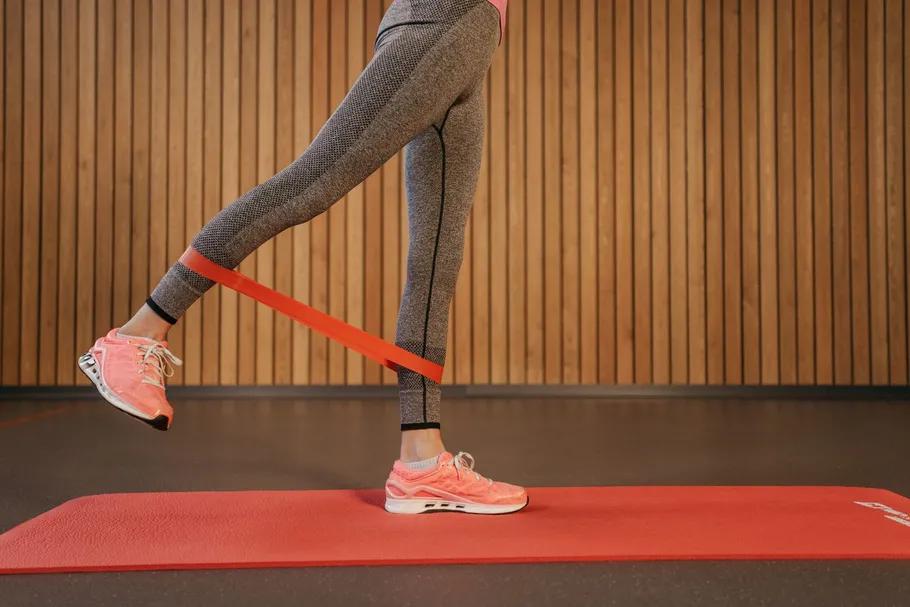
This Titan machine is the only pick here built for the front of the lower leg as well as the calf. It is a seated tibialis trainer: you sit, brace your feet, and raise your toes against plate load, which trains the tibialis anterior — the shin muscle that balances calf work and supports ankle stability.
The numbers are modest next to the seated calf machines, and that is honest scope, not a flaw. It holds 200 lb of Olympic plates, measures a low 15 by 49.5 by 12 in, and weighs 55 lb — the lightest stated unit here. The frame is 11-gauge steel with 7 in long 49 mm round weight sleeves on each side and a padded footrest.
✅ Pros
- Only pick here that trains the tibialis directly
- Low 12 in height, easy to store
- Lightest stated unit at 55 lb
- 11-gauge steel frame
⚠️ Cons
- 200 lb capacity, the lowest stated here
- 49.5 in width needs a clear wall or bay
- Not a substitute for a heavy seated calf machine
Listing check: the model code for this machine is TBDS, and the listing code used here comes from a single manual-mirror source, not a retailer listing — confirm the model code before ordering.
Best for: lifters who want tibialis work next to their calf training, or a low, light second machine.
May not fit: anyone looking for a primary heavy calf machine — this tops out at 200 lb.
XMark Seated Calf Raise XM-7613
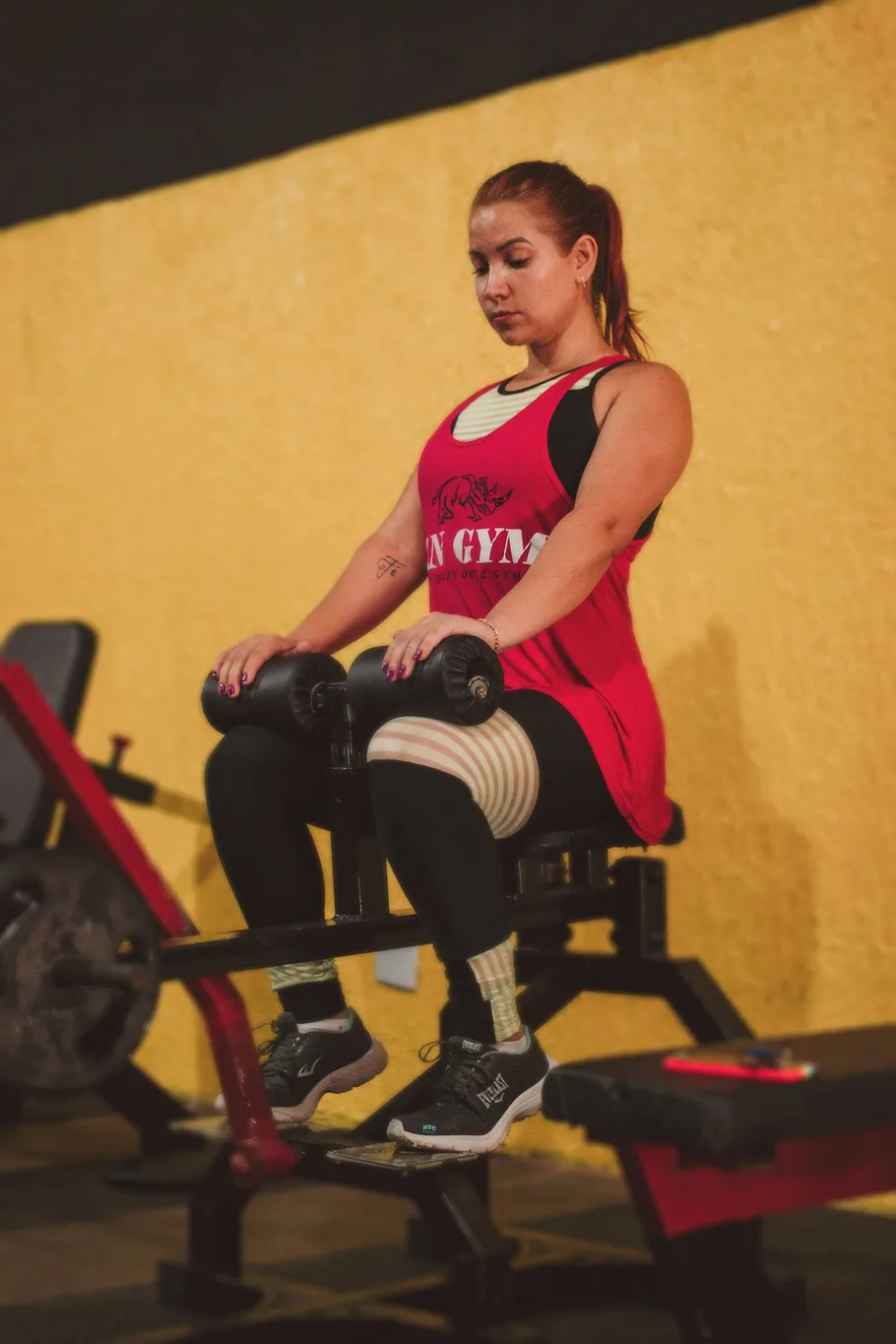
XMark’s XM-7613 is the comfort pick. Its signature feature is a pair of height-adjustable thigh pads that swivel — they rotate with you as you perform the raise, instead of sitting fixed while your legs move through the arc.
The frame is 11-gauge 2 by 3 in steel with a scratch-resistant baked powder-coat finish and bolted-on skid-resistant feet. It has dual Olympic weight posts, a wide textured non-slip foot brace bar, and ultra-thick 3 in Duracraft cushions with rubber-moulded finger grips on the handles. Pop pins adjust both the thigh-pad height and the weight-arm length.
✅ Pros
- Swiveling thigh pads follow the leg through the rep
- 11-gauge 2 by 3 in steel frame
- Dual Olympic posts and wide non-slip foot brace
- 3 in Duracraft cushions
⚠️ Cons
- Capacity not stated in the records found
- Assembled dimensions and unit weight not stated
- Left out of the capacity and footprint rankings for that reason
Listing check: no confident listing code was found for this machine, so use the search link — and confirm the capacity and assembled size with the seller before ordering, since neither is stated in the maker and dealer records found.
Best for: lifters whose knees dislike fixed pads, and who value cushion thickness.
May not fit: buyers who need a stated capacity or footprint before they buy.
Powertec Seated Calf Raise P-SCR25
Powertec’s P-SCR25 is the capacity king of this guide. It is a dedicated seated calf raise rated to 1,000 lb — nearly double the 550 lb rating of the Titan and GMWD seated machines — with a 15 lb unloaded starting weight.
It measures 54 by 23 by 40 in, the longest stated length here, and weighs 85 lb. The thigh pads adjust to fit, and the machine is sold through Powertec’s own order channels and dealers rather than a single marketplace listing. If your calf training has outgrown mid-range machines, this is the one with headroom to spare.
✅ Pros
- 1,000 lb capacity, the highest stated here
- 15 lb unloaded start for lighter sets
- Dedicated seated design, no shared-station compromise
⚠️ Cons
- Longest stated length at 54 in
- 85 lb unit weight, second-heaviest stated here
- Floor anchoring guidance not resolved in the records found
Listing check: this is a dealer- and direct-sold machine, so use the search link — and confirm the current 1,000 lb rating and anchoring guidance with the seller before ordering, since the rating comes from a July 2026 comparison of maker specifications.
Best for: strong lifters who will actually use four-figure capacity, and who have 54 in of length to spare.
May not fit: tight rooms, or buyers who want a marketplace listing with a single stated code.
How to Choose
Choosing a calf machine is mostly about matching the machine to your room, your plates and your legs. The four points below cover the decisions that actually change which pick fits.
Seated or Tibialis-Focused?
Most home-gym calf machines are seated machines: knees bent, pads on the thighs, load through the soleus. That is the right default if your goal is calf size, because seated raises isolate the soleus while the gastrocnemius rests.
A tibialis-focused machine is a different tool. It trains the shin muscle by raising the toes against load, which balances heavy calf work and supports the ankle. Only the Titan tibialis machine here does that job directly — the other five are calf-only, so pair one of them with bodyweight toe raises if shin work matters to you.
Footprint and Floor Space
Published dimensions are the frame only — they do not include you, the plates, the lever travel or the aisle you need to load plates. Measure the frame, then add room on the loading side for sliding plates on and off.
Among the seated frames here, the Body-Solid GSCR349 has the smallest stated floor area at 47 by 20 in, while the Powertec is the longest at 54 in. The Titan tibialis machine has the smallest stated floor area overall at 15 by 49.5 in, but it is a low platform, not a seated frame, so compare it against your storage space, not your training bay. Our squat stands guide uses the same measure-twice approach for tight rooms.
Capacity and Plate Range
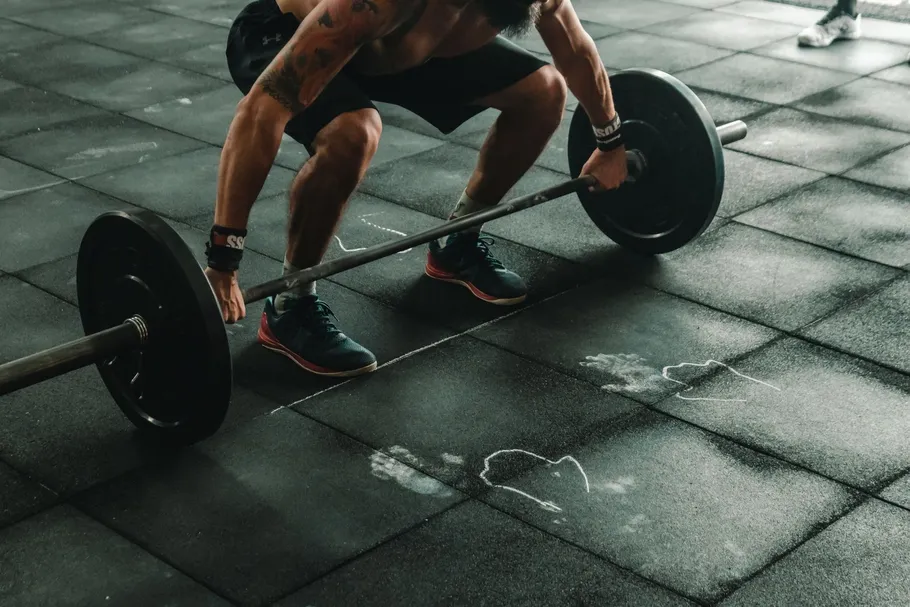
Capacity figures are only comparable when they measure the same thing. A plate-load maximum, a total-loaded figure and a no-deformation rating are different scopes, so do not rank machines across those scopes.
Here the comparable seated plate-load ratings are the Powertec at 1,000 lb and the Titan and GMWD at 550 lb each. The Body-Solid and XMark state no maximum, so they sit outside that ranking rather than below it. Check your own plate stock too: the GMWD accepts 1-inch and 2-inch plates, while the others here are Olympic-post machines. Our weight plate storage racks guide helps once the plates start piling up.
Fit: Knees, Ankles and Height
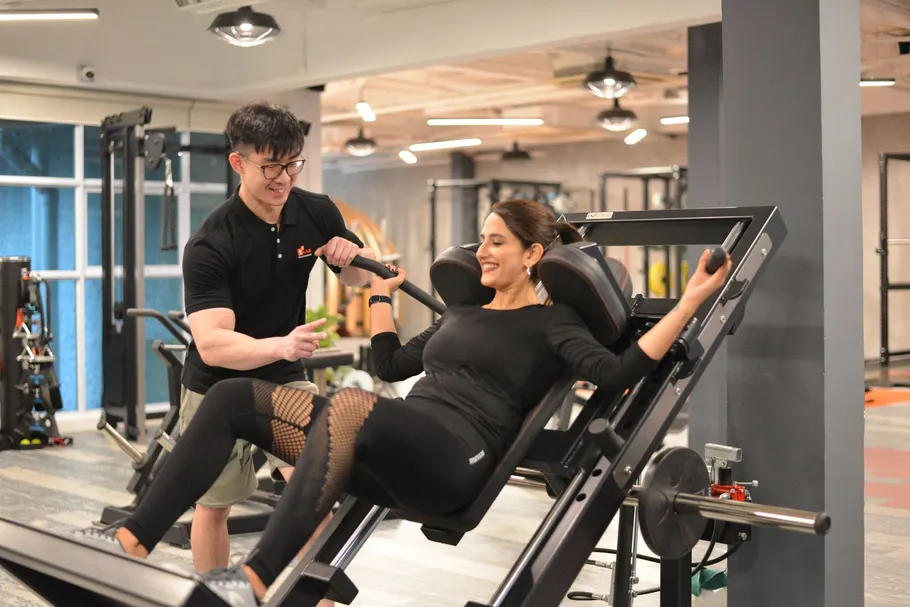
Fit is where a calf machine succeeds or fails. The thigh pads must sit on the lower thigh, below the knee — pads riding on the kneecap will hurt long before the calves tire. The Titan’s 4 height and 4 length settings give the widest stated adjustment here, and the XMark’s swiveling pads follow the leg instead of fighting it.
Ankle range matters just as much. Your heels must drop below platform level for a full stretch, so check the footplate height against your ankle mobility before buying. Taller lifters should also confirm the seat-to-pad distance covers their shin length, and shorter lifters should check they can reach the footplate without the pads pressing the knee.
Safety
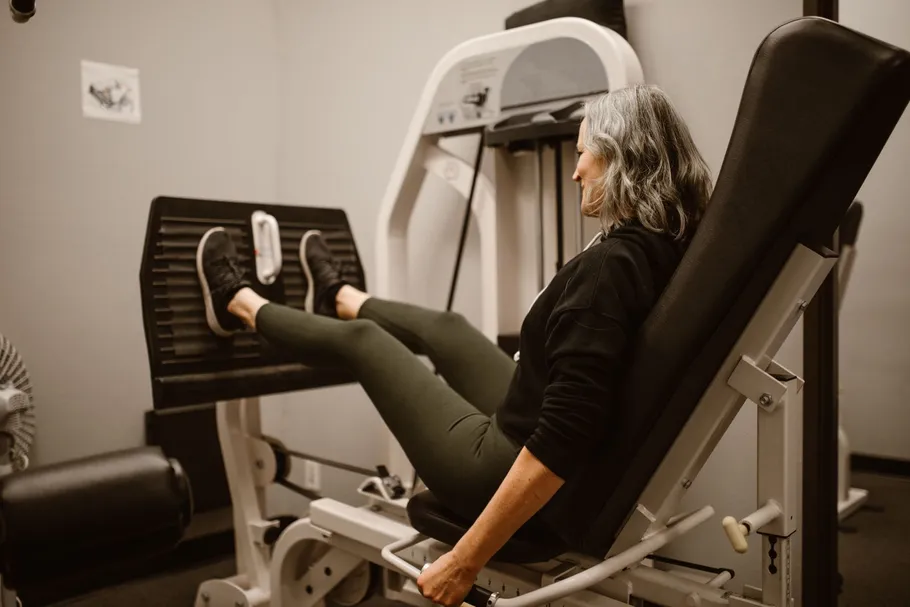
Calf machines are low-risk equipment, but the Achilles tendon and the knee reward a careful setup. Our knee sleeves guide covers the support gear lifters pair with leg work, and the seven steps below cover the machine itself.
- Warm up with a set of bodyweight calf raises before loading the machine.
- Set the thigh pads snug on the lower thigh, never pressing on the kneecap.
- Place the balls of your feet on the platform with your heels free to drop below it.
- Lower slowly, pause at the stretch, and rise without bouncing.
- Keep your knees tracking over your toes — do not let them cave inward.
- Lock plates with collars and check pins and pegs before each set.
- Stop on sharp Achilles or knee pain, and check the frame, pads and posts regularly for wear.
This guide gives general information only, not medical advice. Stop and seek professional advice if you feel sharp pain, swelling or a pop, or if you have an Achilles or knee condition.
FAQ
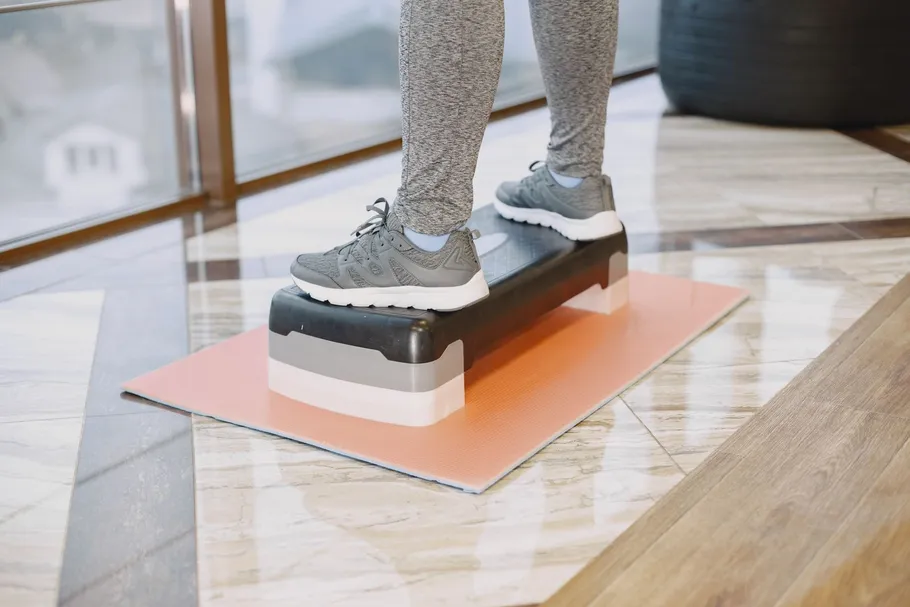
Do seated calf raises work the same muscles as standing raises?
Not exactly. With your knee bent at 90 degrees, seated raises mostly train the soleus, the deeper calf muscle, because the gastrocnemius — the visible calf muscle that crosses the knee — is slackened. Standing raises hit the gastrocnemius harder. Most lifters benefit from both, which is why a seated machine complements, rather than replaces, standing work.
How much weight do I actually need?
Less than the headline ratings suggest. Calves respond to full range and slow eccentrics more than to maximal loads, and most home lifters never approach 550 lb on a seated machine. Buy capacity for headroom and smooth action, not for a number you will never load.
Do I need Olympic plates for these machines?
For five of the six picks here, yes — they use Olympic posts. The GMWD is the exception, since its removable sleeve holder accepts both 1-inch and 2-inch plates. Check your existing plate set before choosing, because adapters add cost and wobble.
Will a seated calf machine fit a small room?
Usually, yes. The seated frames here run 47 to 54 in long and 20 to 23.5 in wide, which is a smaller strip than a power rack bay. Measure the frame plus a loading aisle on the plate side, and remember the lever swings as you lift, so leave clearance behind the seat too.
Can I train my tibialis on a calf machine?
Only on a machine built for it. The Titan tibialis machine here is designed for toe raises against load; the other five picks are calf-only. If shin strength matters to you, either pick the Titan tibialis machine as a second unit or add bodyweight toe raises to your sessions.
What pairs well with calf training?
Short, frequent sessions pair best with recovery work between them. Rolling the calves and shins after training keeps the tissue supple for the next session, and our foam rollers guide covers the tools for that job. Stretching the calves after, not before, heavy sets is the safer order.
Our Pick: Start Here
Start with the Titan Fitness Plate-Loaded Seated Calf Raise Machine if you want one machine that covers the most lifters: 550 lb capacity, the widest stated pad adjustment and a mid-size footprint. Add the Titan Fitness Plate-Loaded Tibia Dorsi Calf Machine if shin work matters to you, and step up to the Powertec Seated Calf Raise P-SCR25 only if your training will genuinely use its 1,000 lb rating.
As an Amazon Associate, this site earns from qualifying purchases made through links in this article, at no extra cost to you.
Product details are based on manufacturer and retailer research at the time of writing, and specifications may change — confirm capacity, dimensions and model codes with the seller before ordering.