

💪 The 100 pushups challenge sounds simple: one day, you do 100 push-ups without stopping.
Getting there is the interesting part. It is a gradual build-up, not a single heroic effort — and it is not the same as doing 100 push-ups spread across a whole day.
⚠️ Please read this first: this article is about 100 consecutive push-ups — one unbroken set. If you are looking for the version where you total 100 push-ups across a day, that is a different challenge, covered in our 100 push-ups a day challenge guide. The two get mixed up constantly, including in the old version of this article, so this refresh keeps them firmly apart.
What this challenge actually is 🏋️
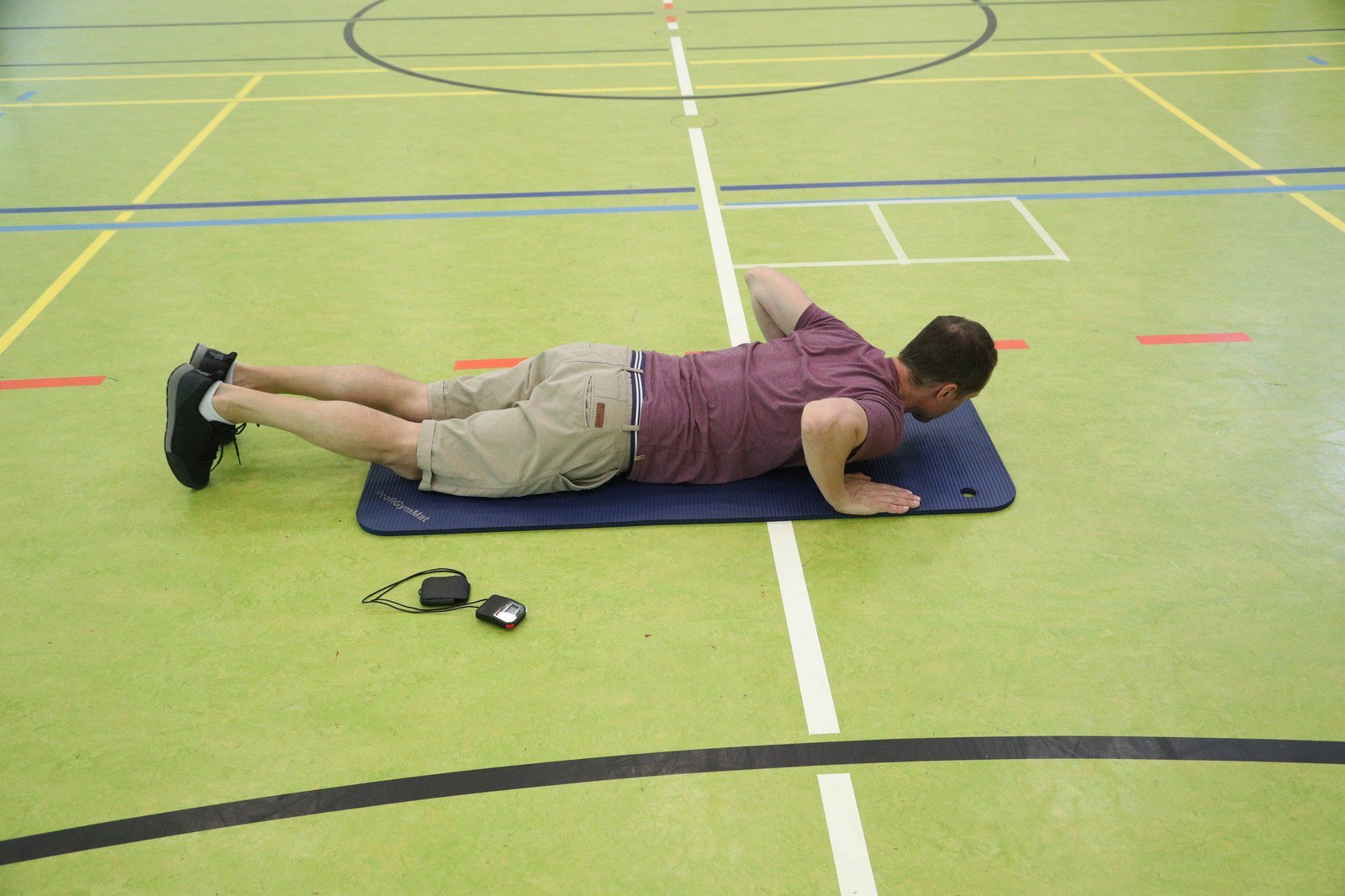
The classic programme works like this: you test how many good push-ups you can do in one set, then you train a few times a week in broken sets, with rest between sets.
Over the weeks, the sets get longer and the rest stays honest. Every so often you retest, and if a week does not go to plan, you repeat it rather than forcing your way forward.
The goal is endurance as much as strength. A push-up works your chest, shoulders and triceps, while your core holds your body in a straight line — so a long unbroken set is really a test of how long good form holds up.
That is also why the number alone tells you little. One hundred rushed, sagging reps are not the same achievement as a smaller number done cleanly, and this article will not pretend otherwise.
Start where you are: the honest test 🌱

Before anything else, find your real starting point. Warm up, rest a little, then do as many clean floor push-ups as you can in one set — and stop the moment your form breaks down.
That number is information, not a judgement. If it is small, the programme simply starts smaller, and that is exactly how it is supposed to work.
If a floor push-up is still out of reach, start one step easier and work down the ladder: wall push-ups first, then incline push-ups with your hands on a sturdy surface, then knee push-ups, then the floor.
Our incline push-up guide explains the raised-hands step in detail, and our beginner push-up guide gives a sensible starting range for people just getting going. This article does not re-teach every variation — those live in our push-up variations guide.
Pick the step where every rep stays controlled. Moving up too fast is the most common way people stall — or get sore in the wrong places.
How the programme builds, week by week 📈
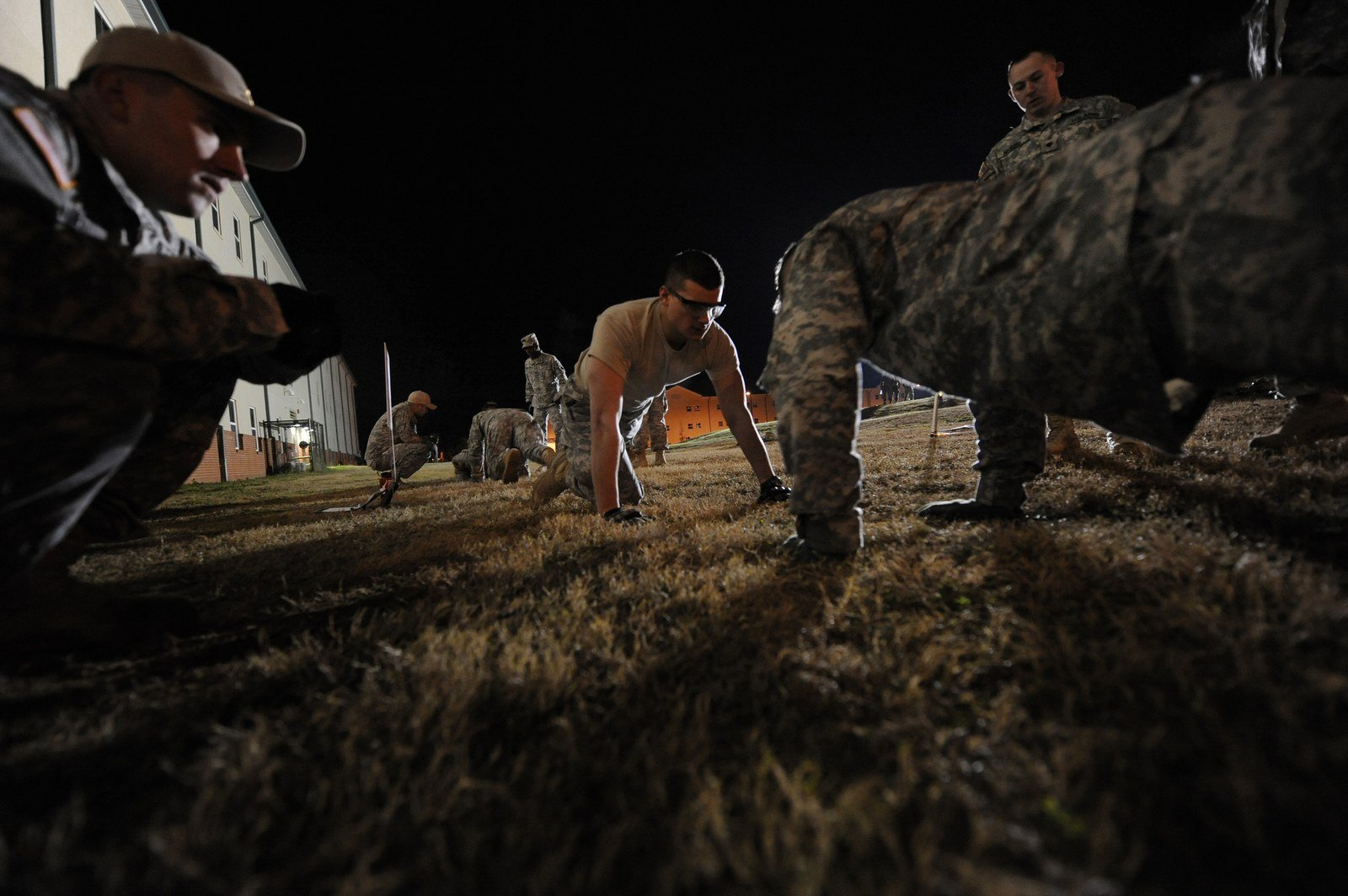
The classic format runs for around six weeks, with about three sessions a week and rest days in between. Think of the ranges below as an illustration of how that shape works, not a prescription written for you.
Early on, sessions are built from several shorter sets with generous rest. You are teaching your body the movement and building a base, not chasing a big single number.
In the middle weeks, the sets get longer and the total volume climbs. This is usually where progress feels most obvious — the same sets that once felt hard start to feel manageable.
Toward the end, sessions lean on fewer, longer sets, with a final set pushed as far as good form allows. Then comes a fresh test, to see where your unbroken number actually stands.
Be realistic about the timeline. Some people starting from a solid base reach the goal in around six to eight weeks; people starting from very few reps often need ten to twelve weeks or longer, and repeating a week is part of the process, not a failure.
There is no guaranteed finish date here. Consistency, rest and clean reps matter far more than any calendar promise, and our honest results timeline explains why visible change usually arrives later than strength gains.
Form, rest and warning signs ⚠️
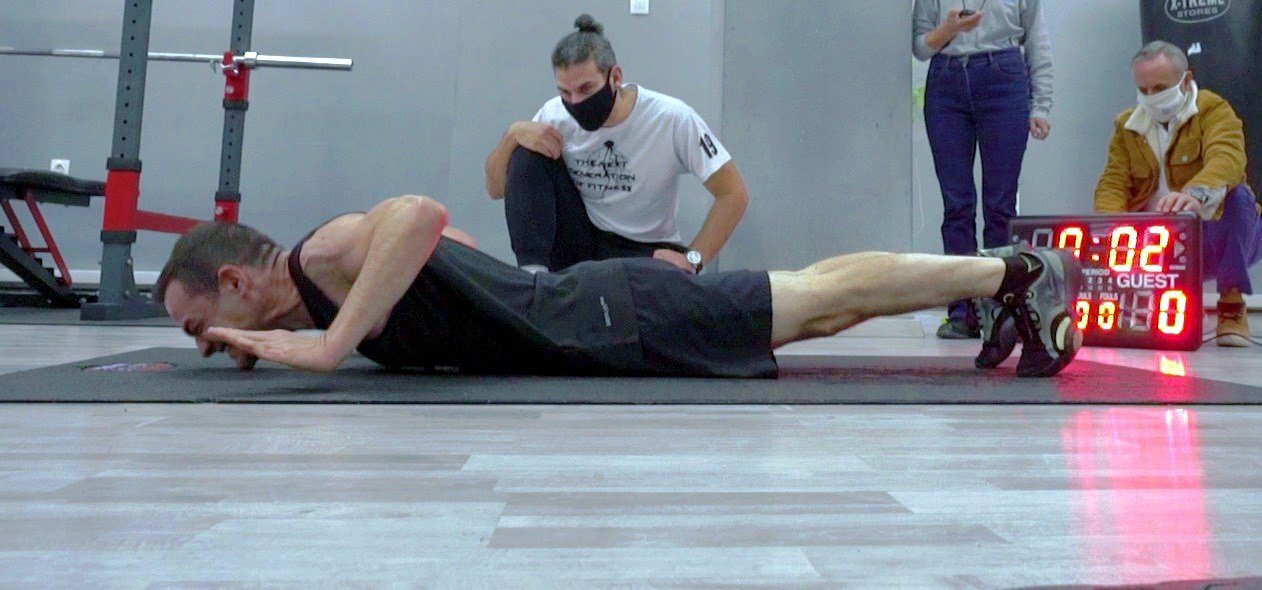
Good form is simple to describe and harder to keep when you are tired. Hands roughly under your shoulders, body in one straight line from head to heels, core gently braced, elbows tracking back at roughly 45 degrees.
Lower with control, press back up without letting your hips sag or pike up, and end the set when the line goes. Grinding out extra reps with a sagging back trains a bad pattern, not strength.
Rest is part of the programme, not a break from it. Muscles adapt while you recover, so back-to-back hard sessions with no rest day in between usually slow progress rather than speeding it up.
Balance matters too. Push-ups train the front of your body, so pair them with pulling work for your back over the week — rows or pull-ups, for example — rather than letting one movement carry your whole routine.
Stop and get advice from a clinician or qualified coach if you feel sharp pain, especially in a wrist or shoulder, or if pain keeps coming back session after session. Mild muscle tiredness is normal; sharp or persistent joint pain is a signal, not something to push through.
For the wider picture — what push-ups genuinely do for you — see our push-up benefits guide. And for an honest check on what they cannot do alone, read what push-ups can and cannot do on their own.
Can anyone do this challenge?
Most healthy adults can work toward it gradually, starting from an easier step if needed. If you have a shoulder, wrist or back problem, or a medical condition that affects exercise, talk to a clinician or qualified coach first.
How long will it take me?
It depends on your starting number, and there is no promised date. A rough, honest range is around six to twelve weeks for many people, longer if you are starting from very few reps — and repeating a week is normal.
Is this the same as the 100 push-ups a day challenge?
No. That challenge totals 100 reps across a day, usually for 30 days. This one aims for 100 reps in a single unbroken set. They train related skills, but they are different goals.
Do I need rest days?
Yes. The classic programme uses about three sessions a week, with rest days between them. Daily maximum-effort push-ups with no recovery are a common route to sore joints and stalled progress.
What if I plateau?
First check the basics: sleep, rest days and form. Small changes — a longer rest between sets, an easier variation for part of a session, or simply repeating a week — often restart progress better than forcing more reps.
Will it change how I look?
It can build upper-body endurance and, over time, some muscle — but no article can promise a particular body shape. How muscle shows depends on your overall body composition, eating pattern, sleep and other training, not on one exercise alone.
Do I need any equipment?
No. A floor and a little space are enough to start, and a sturdy raised surface helps for the incline step. That simplicity is part of the appeal — and part of why form, not gear, decides the result.
🎯 The honest version of this challenge is not a shortcut. It is a patient build: test honestly, train in broken sets, rest properly, and let the unbroken number grow.
One hundred consecutive push-ups is a serious endurance milestone. Earned gradually, with form intact, it is worth far more than the same number chased at any cost. This is general fitness information, not medical advice — if anything hurts sharply or keeps hurting, get it checked.