

Busy days make quick meals tempting. 🥪
A sandwich can be a sensible lunch — or a very salty, heavy one.
The difference is rarely the bread alone. It is what goes inside, how much of it there is, and what else you eat that day.
This guide looks at the “Subway diet” idea honestly, as a sandwich-based eating pattern, not as a miracle plan.
It is general information only, not medical advice, and it promises no particular result.
1. What the “Subway Diet” Idea Really Means
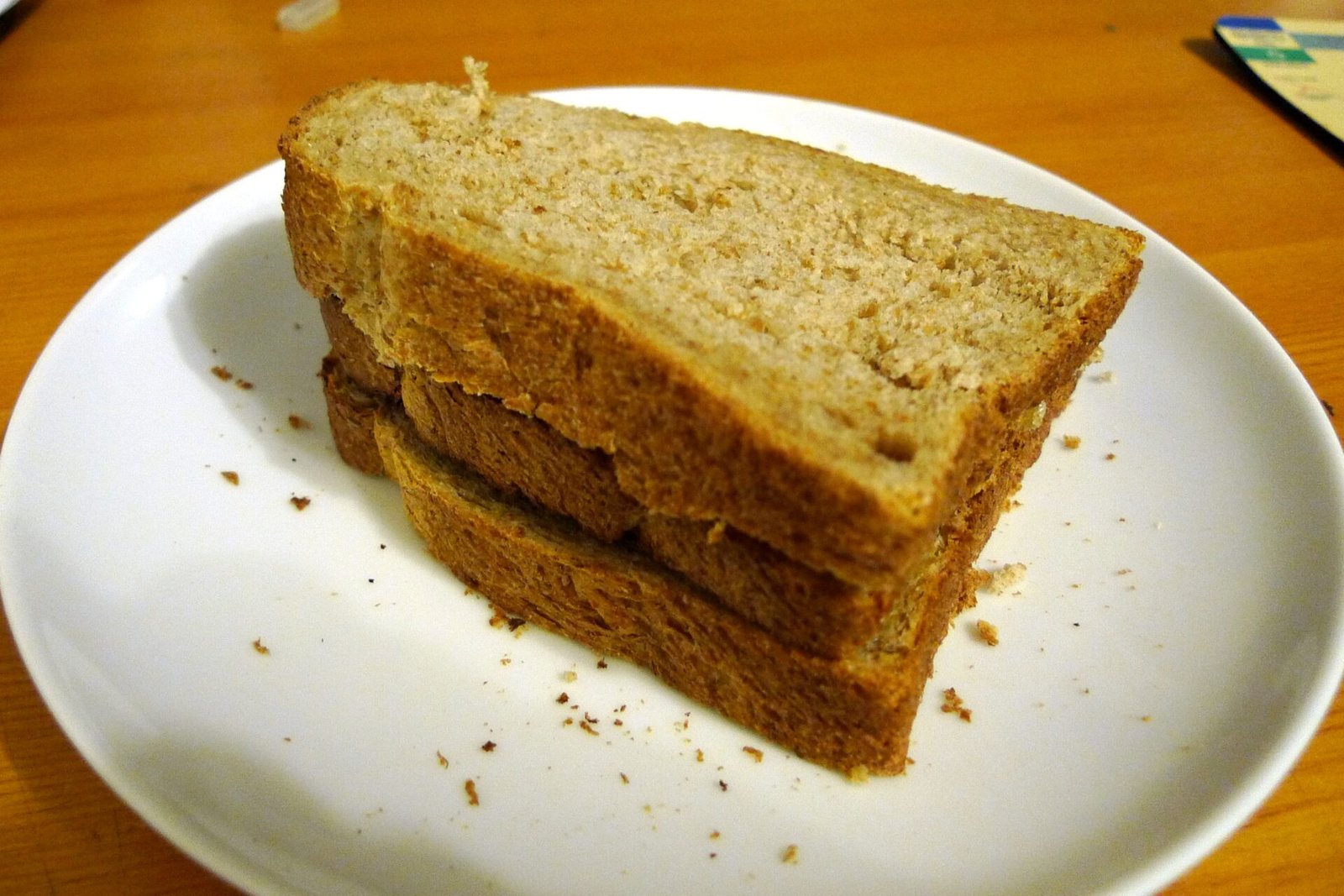
At its simplest, the idea is to base meals around sandwiches filled with lean protein, vegetables and salad.
That is a pattern you can follow at home, at work, or in any sandwich shop.
It is not a single official diet, and no sandwich by itself can balance a whole day of eating.
Think of it as a template: bread, a protein filling, plenty of vegetables, and a light touch with sauces and cheese.
2. Load Up the Vegetables and Salad First 🥗
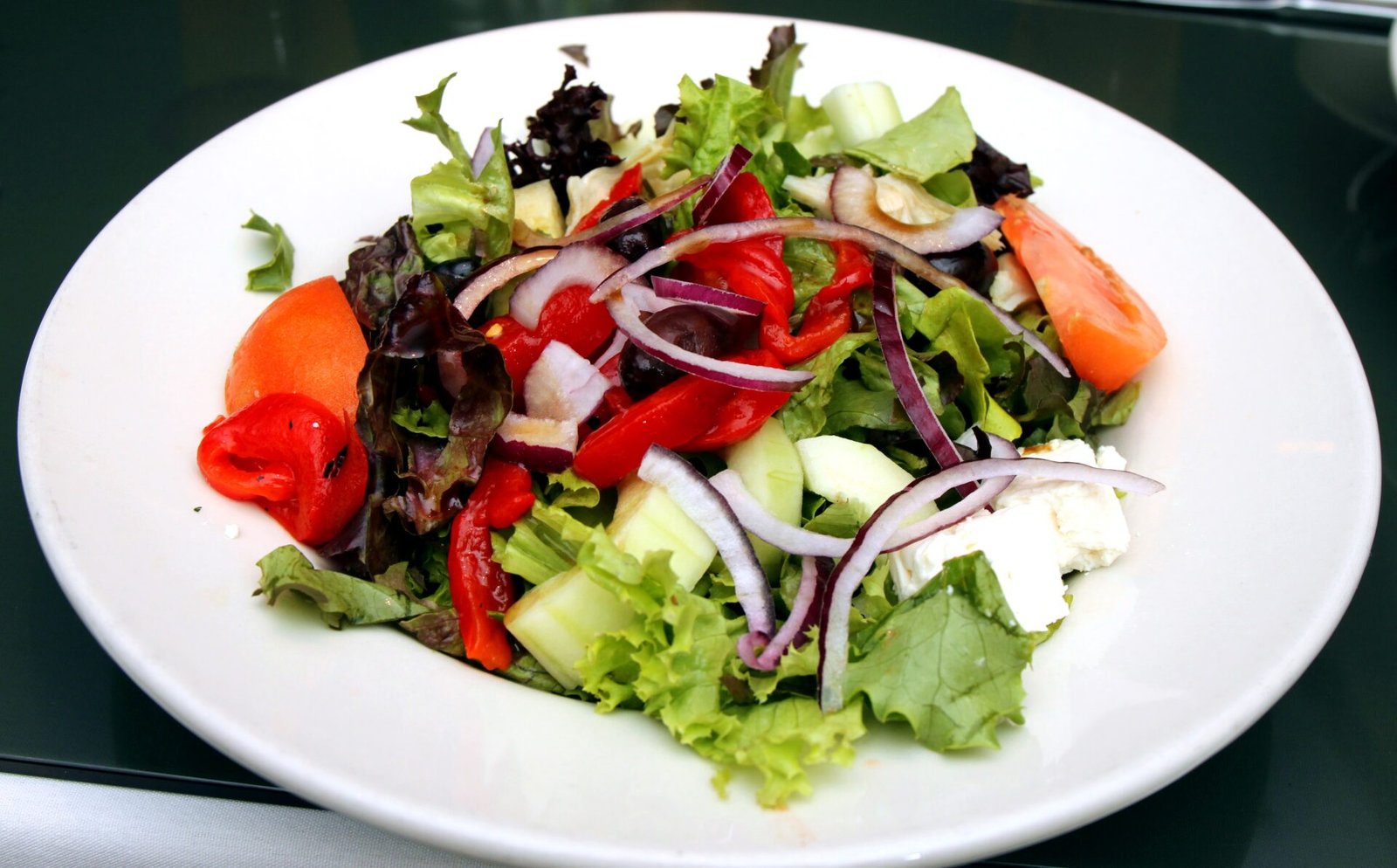
Vegetables and salad add colour, crunch and fibre without adding much energy.
Lettuce, tomato, cucumber, peppers and onion are easy starting points.
A generous handful of salad also makes a smaller sandwich feel like a proper meal.
The UK Eatwell Guide suggests at least five portions of varied fruit and vegetables a day, so a salad-filled sandwich is a useful step toward that total.
3. Choose a Protein That Keeps You Fuller 🍗

Protein helps a meal feel satisfying for longer, which can make snacking less tempting.
Lean options include chicken, turkey, tuna, eggs, beans and lentils.
For more on a lean staple, see our guide to chicken breast nutrition.
Processed meats tend to be saltier, so it is worth saving them for occasional meals rather than making them the daily default.
4. Bread, Portion Size and the Salt Watch 🍞
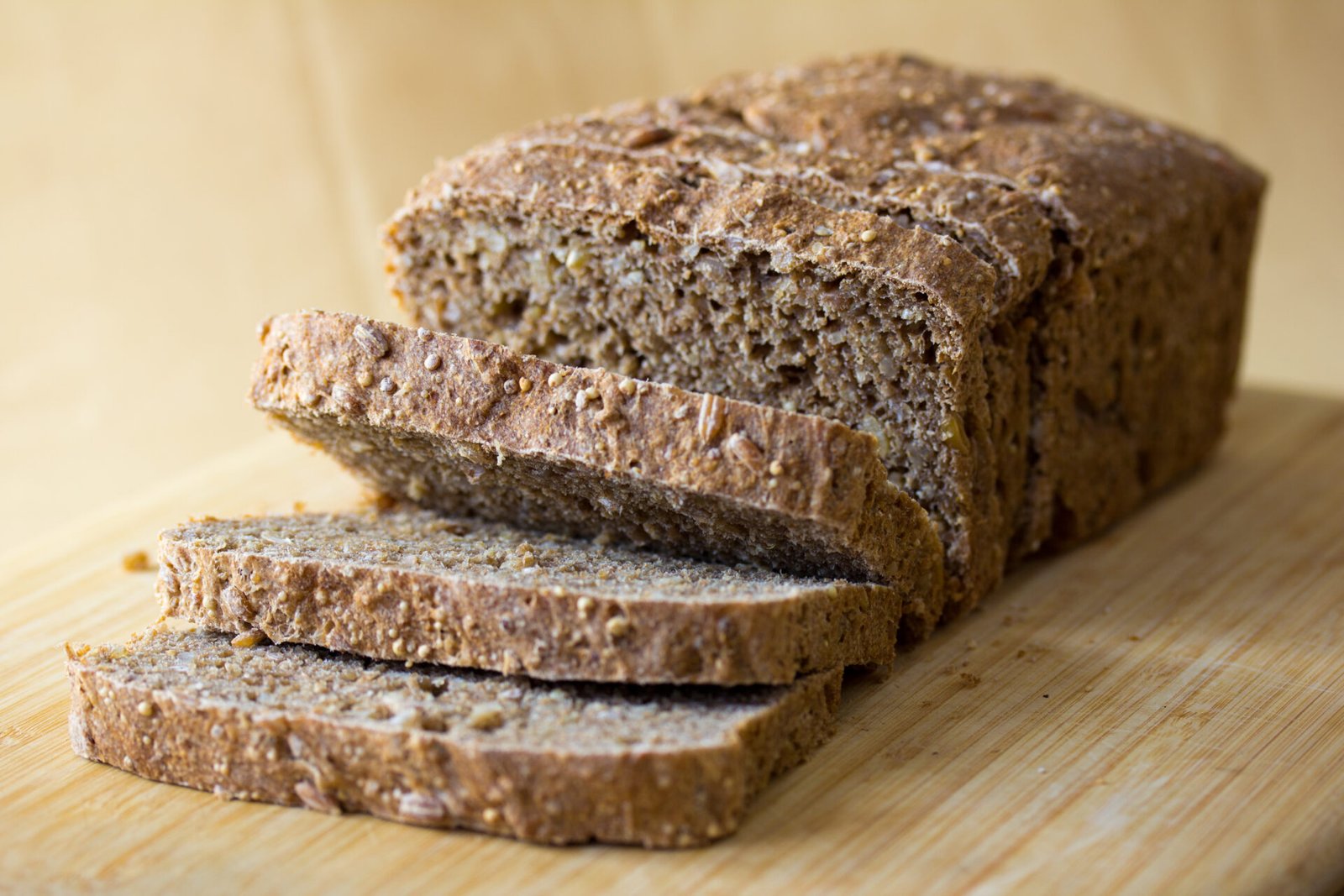
A wholegrain or higher-fibre bread is usually a better base than a very refined white roll.
Portion still matters. A very large sandwich, eaten twice a day, can quietly become two large meals.
Salt is the hidden catch in many ready-made sandwiches. Bread, cheese, cured meats and sauces can all add up.
Adults in the UK are advised to have no more than 6g of salt a day, so checking the label — and going easy on extra cheese and salty sauces — is a simple, practical habit.
5. Drinks, Sides and Busy-Day Planning 🍎

A sugary drink can add as much energy as part of the meal itself, so water is usually the simplest choice.
For a side, fruit or a small salad generally beats crisps or a sweet snack on a busy day.
A little planning helps too: deciding your filling before you are hungry makes the lighter choice much easier.
Starting the day well also matters — see our guide to breakfast foods for weight loss for balanced morning ideas.
6. A Steady Pace — and When to Get Advice 🚶

Lasting change is usually slow. Public-health guidance from the NHS and CDC points to a steady pace of around 0.5–1 kg (1–2 lb) a week for most adults.
Short walks, regular meals and enough sleep support that pace far better than skipping meals.
If you have diabetes, a history of disordered eating, are pregnant, or take regular medication, talk to a clinician or registered dietitian before changing your eating pattern.
That advice matters most when a plan feels restrictive, confusing or hard to sustain.
FAQs
What can you eat on a sandwich-based plan?
Typically a sandwich or salad built around lean protein, plenty of vegetables, and a higher-fibre bread.
Sauces, cheese and salty fillings are best kept modest, and the rest of the day still counts.
Can you lose weight eating sandwiches?
Weight change depends on your overall eating, activity, sleep and health — not on one food.
A lighter sandwich can be part of a balanced pattern, but no article can promise a result for any individual.
Is a sandwich from a shop automatically healthy?
No. Two sandwiches can look similar and differ a great deal in salt, fat and portion size.
Checking the nutrition information, where it is available, is more reliable than judging by appearance.
Is this a diet to follow every day?
Variety is healthier than eating the same sandwich on repeat.
Mix in home-cooked meals, different proteins and plenty of vegetables across the week — and see our best weight-loss foods guide for broader ideas.
This article is general information only and is not medical advice. If you have a health condition or take regular medication, speak to a clinician or registered dietitian before making significant changes to your diet.