

A safety squat bar looks like a barbell that took a detour. The shaft bends forward at each end, a thick pad sits across your shoulders, and two handles point forward for your hands — so you squat without twisting your shoulders back to grip a straight bar. That shape is the whole point: it keeps your torso more upright, takes pressure off wrists and shoulders, and lets lifters with cranky joints keep squatting. 🏋️
This guide compares six safety squat bars that are genuinely sold for home gyms, from a 70 lb welded bar to a 47.5 lb bar with three handle options. Straight bars are covered in our barbells guide — this guide is cambered squat bars only — and the angled arm bar many of these lifters also own is covered in our previous guide, EZ curl bars.
Why a Safety Squat Bar Belongs in a Home Gym
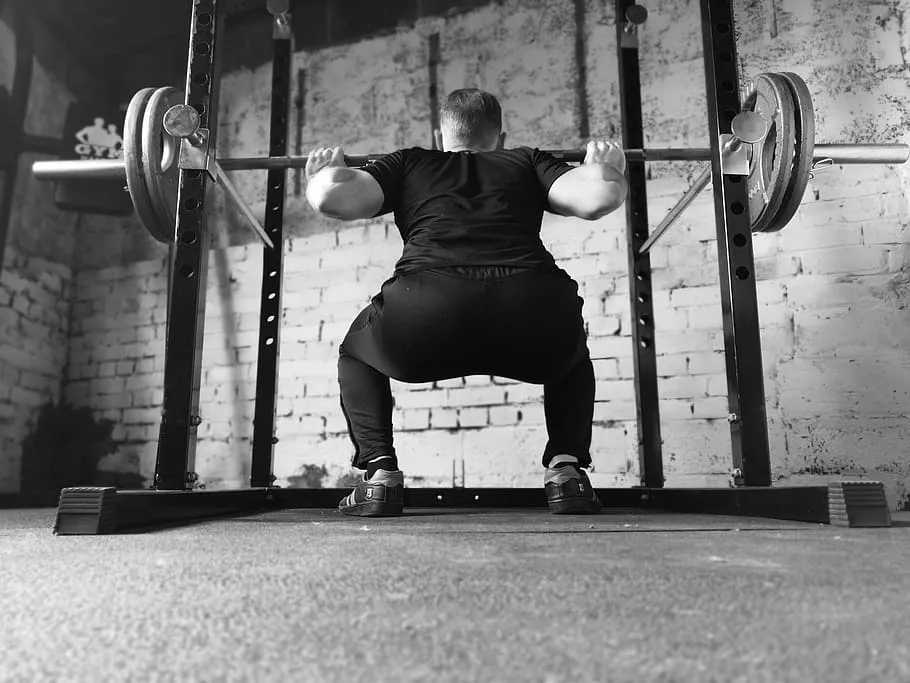
A safety squat bar fixes the one thing that puts lifters off back squats: shoulder pain. With a straight bar you must rotate your shoulders back and hold the bar behind your neck — with a safety squat bar your hands hold handles in front of you, so your shoulders stay in a comfortable position while the pad spreads the load across your upper back.
It also suits home training well. One bar, a set of plates and a rack give you squats, good mornings, lunges and Hatfield squats in a corner of the room — as long as you pick a bar whose length, camber and capacity match your rack and your plates.
How We Picked
Every pick below was scored on the same points, and the limits are stated rather than smoothed over. Where records showed conflicting figures, the article says so plainly — confirm before buying.
- Capacity and build — stated load ratings and steel, with conflicts flagged, not hidden
- Bar length and rack fit — overall length against your rack’s inside width
- Camber and drop — how far the bar bends and how that changes the squat
- Pad and handles — pad style, handle options and handle spacing
- Sleeve length — loadable sleeve length and how many plates it actually fits
- Finish and warranty — coating durability and what the maker covers
- Availability honesty — stated ratings only, and gaps flagged where records conflict
All six links are tagged search links, because these bars are mostly sold direct or through dealers and no confident US product listing was pinned for any of them. The rack these bars live in is covered in our power racks guide, and the plates you will load on them in our bumper plates guide.
Comparison
| Bar | Best for | Camber | Capacity | Standout |
|---|---|---|---|---|
| REP Fitness Safety Squat Bar | Longest bar here | 5.5 in drop | 1,500 lb | Fully knurled removable handles |
| Titan Fitness Safety Squat Bar V2 | Finger-grooved handles | 22°, 5 in drop | 1,500 lb | Chrome finish, 16 in sleeves |
| Rogue SB-1 Safety Squat Bar | Heaviest bar here | 5.5 in drop | 1,000 lb | Fully welded, USA-made, Cerakote |
| Bells of Steel SS3 Safety Squat Bar | Lightest bar here | Not stated | 1,500 lb | Three handle options, rotating bushings |
| Synergee Safety Squat Bar | Removable Velcro pad | Not stated | 1,000 lb | Velcro pad, two finishes |
| Marrs Bar | Longest sleeves here | 45° drop | 1,200 lb | Backpack harness, 190,000 PSI steel |
Six conflicts — and two gaps — need stating plainly before anything else. The REP’s weight appears as 68 lb in one record and 58 lb for the current version in another, with a 50 in rackable width in the same record — confirm both before buying. The Titan V2’s 1-year warranty is contradicted by one roundup that says no warranty is attached. The Rogue’s total length is stated as both 89 in and 93 in across sources. The Bells of Steel pick must be the SS3, not the newer SS4 (45.6 lb, 11.81 in sleeves), and one older source gives the SS3’s sleeves as 13 in against 11.4 in elsewhere. The Synergee’s capacity appears as 700 lb in one specs table against 1,000 lb in its text. The Marrs Bar’s weight appears as both 64 lb and 65 lb, and its sleeves as both 13.5 in and 16.25 in. The two gaps: no camber or drop figure was found for the Bells of Steel SS3 or the Synergee, so the table says “Not stated” for both rather than guessing.
The superlatives below are safe across all six picks. The heaviest bar is the Rogue at 70 lb and the lightest is the Bells of Steel at 47.5 lb. The longest bar is the REP at 92.5 in, and the longest sleeves are the Marrs Bar’s at 16.25 in. The shortest sleeves are the Synergee’s at 11.25 in — only 0.15 in under the Bells of Steel’s 11.4 in, so both figures are stated. The 1,500 lb capacity is a three-way tie between the REP, the Titan V2 and the Bells of Steel SS3, not a single winner. No shortest-bar claim is made: the Synergee at 86.5 in and the Bells of Steel at 86.6 in are 0.1 in apart, too small a margin to claim.
REP Fitness Safety Squat Bar
The REP is the longest bar in this guide at 92.5 in, with a 1,500 lb capacity that ties the highest rating here. It carries 15.6 in sleeves, a 5.5 in camber drop, and 7 in fully knurled removable handles set 13 in apart, on a metallic black powder-coat shaft with hard-chrome sleeves — a complete spec set, and the handles come off for storage or swapping.
Two cautions apply. One record says the current version weighs 58 lb with a 50 in rackable width, against the 68 lb figure elsewhere — so the article states 68 lb and flags the disagreement rather than settling it. The bar warranty is lifetime, but the pad warranty is only 1 year, so the pad is the part to check first on a used or older bar.
✅ Pros
- Longest bar here at 92.5 in
- 1,500 lb capacity, tied highest here
- Fully knurled removable handles at 13 in spacing
- Lifetime bar warranty, hard-chrome sleeves
⚠️ Cons
- Weight conflict — 68 lb versus 58 lb for the current version
- Rackable width of 50 in needs confirming against your rack
- Pad warranty is only 1 year, against a lifetime bar warranty
- Search link only — no confident US product listing was pinned
⚠️ Listing check: this is a tagged search link, not a product page — REP sells direct and through dealers, and no confident US product listing was pinned for this bar. Confirm the exact model, the weight, the rackable width and the current offer before buying.
Best for: lifters who want the longest bar here with removable knurled handles.
May not fit: buyers who need one settled weight figure, or a bar already confirmed for a narrow rack.
Titan Fitness Safety Squat Bar V2
The Titan V2 is the handle-comfort pick of this guide: removable finger-grooved handles set 12.75 in apart, so your grip sits in grooves rather than on plain knurl. It is a 61 lb bar at 90.5 in, with a 1,500 lb capacity, 16 in Olympic sleeves, a 22° camber with a 5 in drop, a 1.5 in shaft and a chrome finish.
One conflict matters: the 1-year warranty figure is contradicted by one roundup that says no warranty is attached to this bar. The article states the 1-year figure and flags the disagreement — check the warranty on the listing you buy from before relying on it.
✅ Pros
- 1,500 lb capacity, tied highest here
- Removable finger-grooved handles at 12.75 in spacing
- 16 in Olympic sleeves, among the longest here
- Chrome finish with a 22° camber and 5 in drop
⚠️ Cons
- Warranty conflict — 1 year stated, but one roundup says none attached
- 61 lb is heavy to move and store
- Search link only — no confident US product listing was pinned
⚠️ Listing check: this is a tagged search link, not a product page — Titan sells direct and through dealers, and no confident US product listing was pinned for the V2. Confirm the exact model, the warranty and the current offer before buying.
Best for: lifters who want finger-grooved handles with a 1,500 lb rating.
May not fit: buyers who want a settled warranty figure in writing, or the lightest bar to move around.
Rogue SB-1 Safety Squat Bar
The Rogue SB-1 is the heaviest bar in this guide at 70 lb, and the most solidly built: fully welded, USA-made, with a black Cerakote finish, 15.6 in sleeves, a 5.5 in drop, 1 in handles and a 1,000 lb capacity. Welded construction means nothing comes loose — there are no removable handles to check or tighten.
Two honest limits apply. The total length is stated as both 89 in and 93 in across sources, so measure your rack against the longer figure until the listing confirms it. And the 1,000 lb capacity sits below the 1,500 lb trio here — plenty for most home lifters, but not the highest rating in this guide.
✅ Pros
- Heaviest bar here at 70 lb
- Fully welded — no removable handles to loosen
- USA-made with a black Cerakote finish
- 15.6 in sleeves with a 5.5 in drop
⚠️ Cons
- Length conflict — 89 in versus 93 in across sources
- 1,000 lb capacity is below the 1,500 lb trio here
- Welded handles cannot be swapped or removed
- Search link only — Rogue sells direct
⚠️ Listing check: this is a tagged search link, not a product page — Rogue sells direct, and no confident US product listing was pinned for the SB-1. Confirm the exact model, the total length and the current offer before buying.
Best for: lifters who want a welded, USA-made bar and the heaviest bar here.
May not fit: buyers who want removable handles, or a 1,500 lb rating.
Bells of Steel SS3 Safety Squat Bar
The Bells of Steel SS3 is the lightest bar in this guide at 47.5 lb, and still carries a 1,500 lb capacity — the best weight-to-rating balance here. It is 86.6 in long with 11.4 in sleeves, rotating bushing sleeves, and three handle options (short, long, or chain), and it fits racks up to 47 in wide.
Two warnings matter more than usual with this pick. First, the newer SS4 exists (45.6 lb, 11.81 in sleeves) — confirm the listing shows the SS3, not the SS4, before buying. Second, one older source gives the SS3’s sleeves as 13 in against 11.4 in elsewhere, so the article states 11.4 in and flags the disagreement.
✅ Pros
- Lightest bar here at 47.5 lb
- 1,500 lb capacity, tied highest here
- Three handle options — short, long, or chain
- Rotating bushing sleeves, fits racks up to 47 in wide
⚠️ Cons
- SS4 confusion risk — confirm the SS3, not the newer SS4
- Sleeve conflict — 13 in in one older source against 11.4 in elsewhere
- Shortest-side sleeves here, so plate count per side is limited
- Search link only — no confident US product listing was pinned
⚠️ Listing check: this is a tagged search link, not a product page — Bells of Steel sells direct and through dealers, and no confident US product listing was pinned for the SS3. Confirm the exact model (SS3, not SS4), the sleeve length and the current offer before buying.
Best for: lifters who want the lightest 1,500 lb bar with a choice of handles.
May not fit: buyers who need long sleeves, or who cannot confirm SS3 against SS4.
Synergee Safety Squat Bar
The Synergee is the pad-swap pick of this guide: its pad is removable on Velcro, so a worn pad comes off and a fresh one goes on without tools. It is a 55 lb bar at 86.5 in, with 11.25 in sleeves, a 38 mm shaft, 14.75 in handles with a knurled lower 4.75 in, 11.5 in handle spacing, a black phosphate or chrome finish and a 1-year warranty.
One conflict matters: a specs table for this bar says 700 lb, against 1,000 lb in its text. The article states 1,000 lb and flags the disagreement — if you plan to load near the limit, confirm the rating on the listing you buy from first.
✅ Pros
- Removable Velcro pad — easy pad swaps, no tools
- Longest stated handles here at 14.75 in, knurled lower section
- 1-year warranty stated, two finishes offered
- 38 mm shaft suits lifters who like a thicker grip
⚠️ Cons
- Capacity conflict — 700 lb in one specs table against 1,000 lb in its text
- Shortest sleeves here at 11.25 in (Bells of Steel is 11.4 in)
- Search link only — no confident US product listing was pinned
⚠️ Listing check: this is a tagged search link, not a product page — Synergee sells through dealers and marketplaces, and no confident US product listing was pinned for this bar. Confirm the exact model, the capacity and the current offer before buying.
Best for: lifters who want a Velcro pad they can remove and replace easily.
May not fit: buyers who need a settled capacity figure, or long sleeves for many plates.
Marrs Bar
The Marrs Bar is the harness pick of this guide: instead of a plain pad, it uses a backpack-style harness that spreads the load across your shoulders and upper back. It is an 89 in bar with a 1,200 lb capacity, 16.25 in sleeves — the longest here — a 45° camber drop, fully welded construction, a lifetime defect warranty, 190,000 PSI steel, and a zinc shaft with black-oxide sleeves.
Two conflicts apply. Its weight appears as both 64 lb and 65 lb, and its sleeves as both 13.5 in and 16.25 in across sources — the article states 65 lb and 16.25 in and flags both disagreements. It is also sold direct through the Titan Fitness online store, so this pick stays a search link.
✅ Pros
- Longest sleeves here at 16.25 in
- Backpack-style harness spreads the load across the shoulders
- Lifetime defect warranty, 190,000 PSI steel
- Fully welded — no removable parts to loosen
⚠️ Cons
- Weight conflict — 64 lb versus 65 lb across sources
- Sleeve conflict — 13.5 in versus 16.25 in across sources
- Welded harness cannot be swapped for a plain pad
- Search link only — sold direct through the Titan Fitness online store
⚠️ Listing check: this is a tagged search link, not a product page — the Marrs Bar is sold direct, and no confident US product listing was pinned for it. Confirm the exact model, the weight, the sleeve length and the current offer before buying.
Best for: lifters who want the longest sleeves and a harness-style yoke.
May not fit: buyers who want removable handles, or one settled sleeve figure.
How to Choose
Pick on fit first, capacity second, and comfort third. A bar that does not fit your rack is useless no matter how good its rating, and a bar whose pad or handles hurt will sit unused. The four points below cover each in turn.
Camber and Drop: What Changes the Squat?
Camber is the bend that drops the plates below the shaft line. A bigger drop — the Marrs Bar’s 45° against the Titan’s 22° and the 5.5 in drops of the REP and Rogue — pulls the load slightly forward and down, which keeps your torso more upright and takes rotation out of your shoulders. The trade-off is balance: a deeper camber can feel like it is pulling you forward on the way up, so start lighter than your straight-bar squat until the feel is familiar.
For most home lifters the drop figure matters less than the pad and the handles. If your shoulders are the reason you are buying, any of these cambers will help — pick the bar whose pad and grip feel right, and whose length fits your rack.
Rack Width and Fit
Measure your rack’s inside width before ordering, then compare it with the bar’s rackable width — not just its total length. The Bells of Steel SS3 is the clearest case here: it fits racks up to 47 in wide, stated plainly. The REP’s 50 in rackable-width figure comes from the same record that gives the 58 lb current weight, so treat it as unconfirmed until the listing says so.
Total lengths here run 86.5 in to 92.5 in, so a standard power rack will take any of them on length alone — the pinch point is the camber width inside the uprights. If your rack is narrow, the Bells of Steel’s stated 47 in fit is the safest documented choice, and the stands many lifters pair with a squat bar are covered in our squat stands guide.
Pad, Handles and Comfort
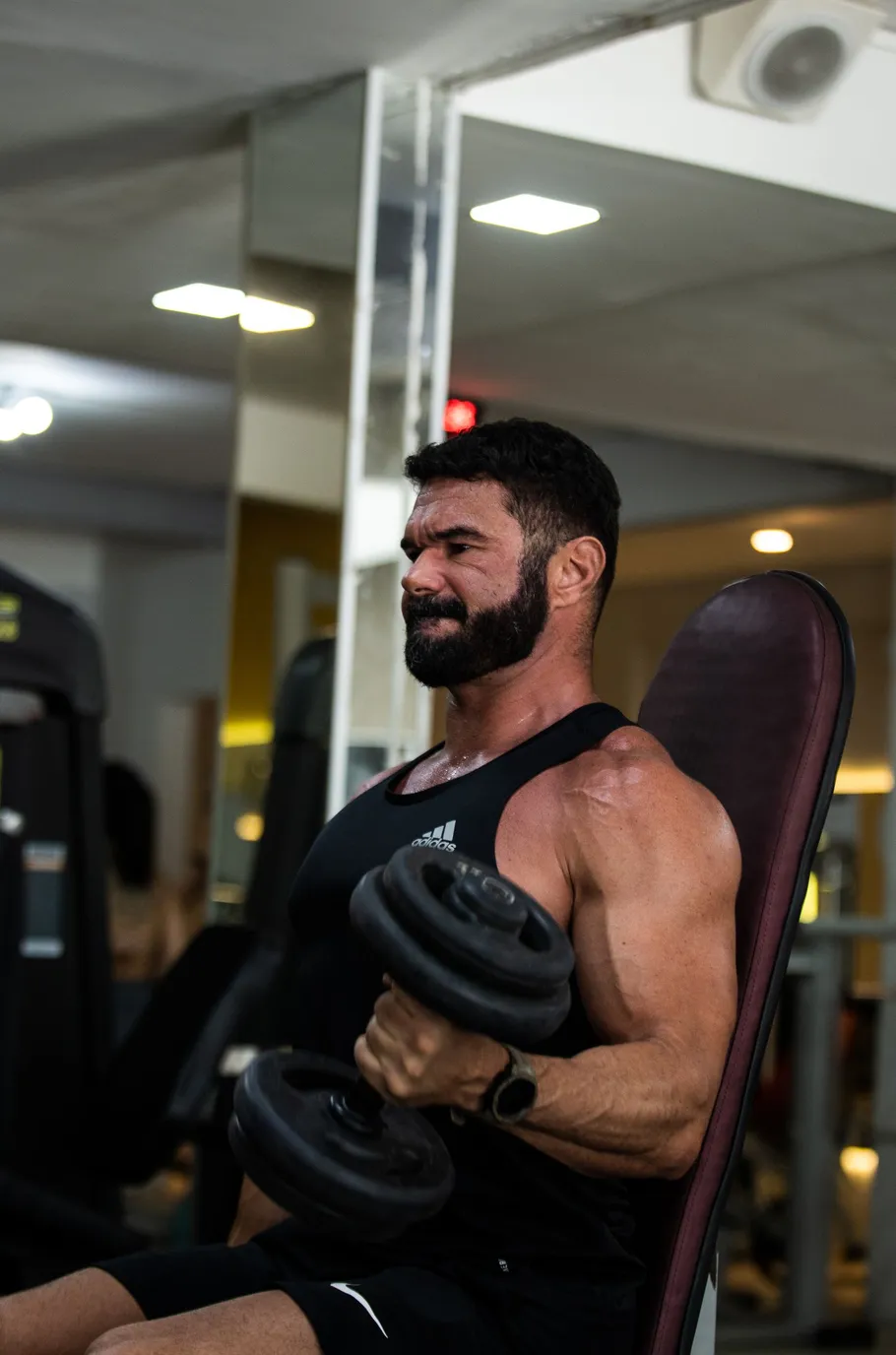
Pads come in three styles here: a fixed pad (REP, Titan, Rogue), a removable Velcro pad (Synergee), and a backpack harness (Marrs). A Velcro pad is the easiest to replace when it wears; a harness spreads the load widest but cannot be swapped for a plain pad. Check the pad warranty too — the REP’s pad is covered for 1 year against a lifetime bar warranty.
Handles split the same way: removable on the REP, Titan and Bells of Steel (short, long, or chain on the Bells), welded on the Rogue and Marrs. Stated handle spacings run 11.5 in to 13 in, and stated handle lengths run 7 in (REP) to 14.75 in (Synergee) — if your shoulders are broad, the wider spacings and longer handles will feel less cramped.
Capacity and Sleeve Length
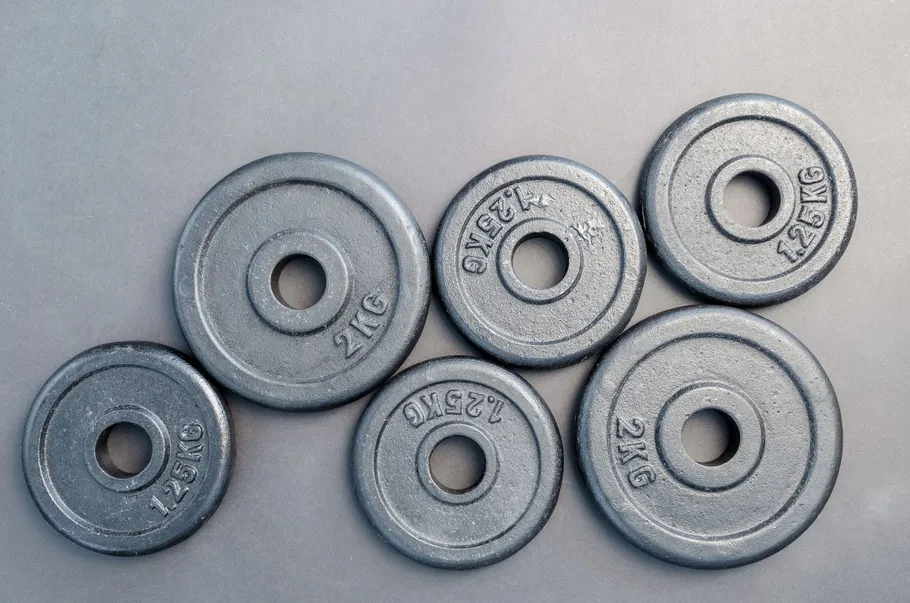
Capacities here run 1,000 lb to 1,500 lb, and every one of them covers most home lifters — the rating matters most if you squat over 400 lb, where the 1,500 lb trio (REP, Titan, Bells of Steel) gives the most headroom. Sleeve length matters more day to day: at 11.25 in to 16.25 in, the difference is how many plates fit per side before you run out of sleeve.
Thick bumper plates eat sleeve fast, so pair a short-sleeve bar (Synergee, Bells of Steel) with thin plates, and keep a long-sleeve bar (Marrs, Titan) in mind if you load bumpers. Whatever bar you pick, collars are not optional — the set that keeps plates on the bar is covered in our barbell collars guide.
Safety
A safety squat bar is kinder to shoulders, but it is still a loaded bar on your back — the safeties and collars matter as much as with a straight bar. Shoulders and knees take the same load as any heavy squat, and the knee support many lifters pair with this bar is covered in our knee sleeves guide.
- Set your rack safeties just below your lowest squat depth before loading anything.
- Put collars on every set — cambered bars swing plates more than straight bars.
- Test the empty bar first: pad position, handle grip and balance before adding plates.
- Unrack centered, with the pad sitting evenly across both shoulders.
- Set your feet and brace before you descend — never adjust mid-rep under load.
- Stay inside the bar’s stated capacity, and inside the lower figure where records conflict.
- Stop if you feel shoulder, wrist or back pain, and get it checked before squatting heavy again.
This guide gives general information only, not medical advice. If you have a shoulder, back or knee condition, check with a clinician before changing your squat setup.
Frequently Asked Questions

What is a safety squat bar, and how is it different from a straight bar?
A safety squat bar is a cambered bar with a padded yoke and two forward handles. The plates sit lower and slightly forward compared with a straight bar, your hands hold handles in front of you instead of gripping behind your neck, and the pad spreads the load across your upper back.
Is a safety squat bar easier on shoulders and wrists?
For most lifters, yes — that is its main selling point. Your shoulders stay in a neutral position and your wrists carry no load at all, since your hands hold the front handles. It does not remove spinal load, and it is not a treatment for an injury — see the Safety section above if you have a condition.
Will a safety squat bar fit my rack?
Measure your rack’s inside width and compare it with the bar’s rackable width. The Bells of Steel SS3 states a fit for racks up to 47 in wide. For the REP, the 50 in rackable-width figure is unconfirmed — check the listing before ordering, and measure against the longer total length where sources disagree.
Can I squat heavy on a safety squat bar?
Yes, within the bar’s rating. The bars here are rated 1,000 lb to 1,500 lb, with the REP, Titan V2 and Bells of Steel SS3 tied at 1,500 lb. Where records conflict — the Synergee’s 700 lb table figure against its 1,000 lb text — stay inside the lower figure until the listing confirms the rating.
Does a safety squat bar replace a straight bar?
No — it complements one. A straight bar is still the competition standard for powerlifting, and most lifters keep both. The safety squat bar earns its place for lifters with shoulder or wrist limits, for variety, and for Hatfield squats holding the rack.
What else can I do with a safety squat bar?
Good mornings, lunges, step-ups, calf raises and Hatfield squats (holding the rack uprights while you squat) all work well, since the handles free your hands. For heavy sets of any of these, a belt from our weightlifting belts guide can add support — but a belt never replaces safeties and collars.
Our Pick: Start Here
Start with the REP Fitness Safety Squat Bar: the longest bar here at 92.5 in, a 1,500 lb rating tied for the highest, and fully knurled removable handles — just confirm the weight and rackable width on the listing first, since records disagree. If handle comfort matters most, the Titan Fitness Safety Squat Bar V2 with its finger-grooved handles is the alternative. If you want a welded bar that nothing comes loose on, take the Rogue SB-1 Safety Squat Bar. If you want the lightest 1,500 lb bar, take the Bells of Steel SS3 Safety Squat Bar — and confirm it is the SS3, not the SS4. If a replaceable pad matters most, take the Synergee Safety Squat Bar. And if you want the longest sleeves and a harness yoke, take the Marrs Bar.
As an Amazon Associate, this site earns from qualifying purchases made through the links in this guide, at no extra cost to you. The links are tagged, and the commission does not change what you pay.
This guide is research-based: no hands-on testing was done, and every figure comes from maker or retailer records checked during research. Where records disagreed, the disagreement is stated in the guide — always confirm the exact model, rating and offer on the listing before buying.