

Why a Pec Deck Machine Belongs in a Home Gym
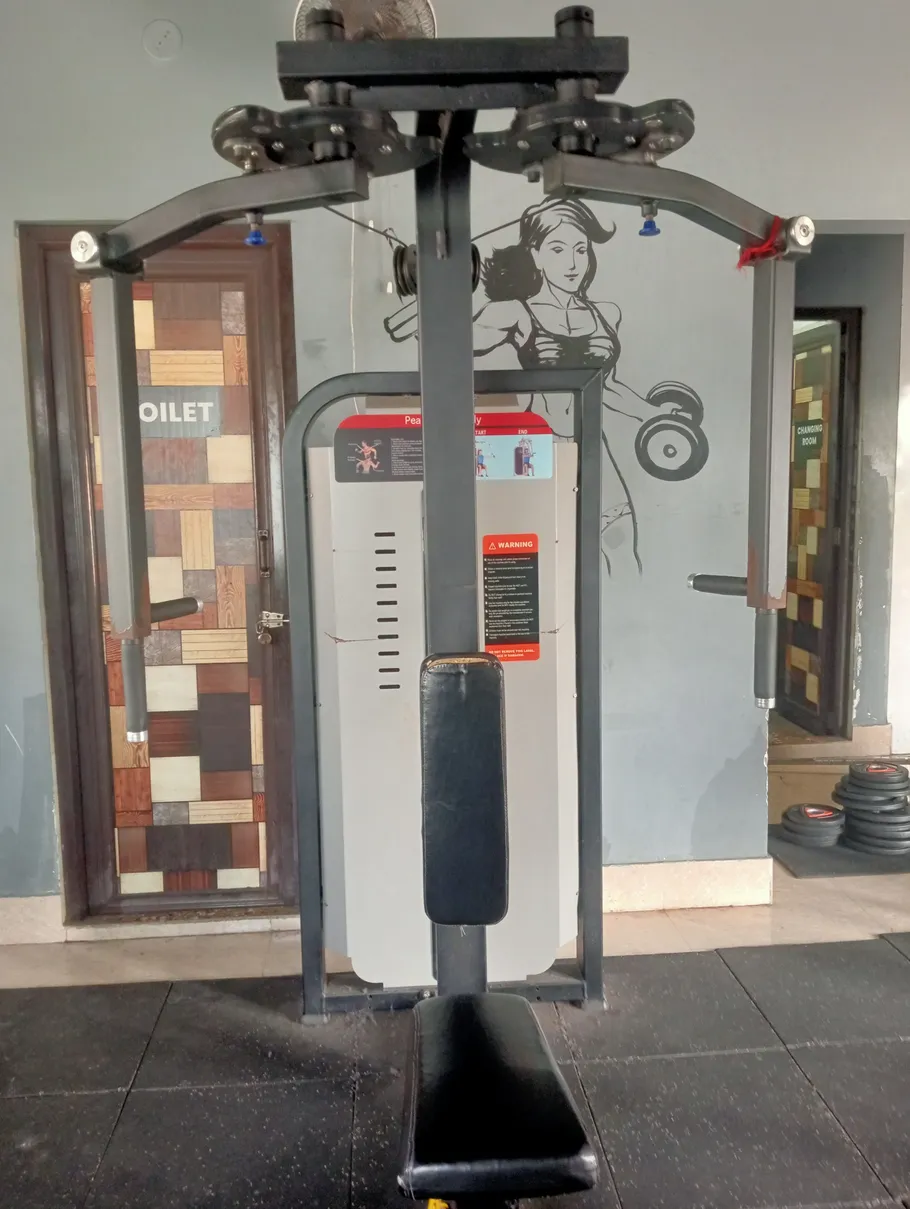
A pec deck machine trains the chest fly: seated upright, arms on pads or handles, you bring the arms together in front of the chest against resistance. That arc is different from a press, where the hands move away from the body — the fly keeps tension on the chest through the whole squeeze, which is why it suits finishers, warm-ups and lifters whose shoulders dislike heavy pressing.
Every pick here is dual-function, so the same machine also trains the rear delts. Turn around, face the pads and pull the arms back, and the fly becomes a reverse fly — one machine covering the front and the back of the shoulder girdle, which matters in a home gym where each machine must earn its floor space twice over.
For a home gym, the appeal is the fixed path. A fly with dumbbells needs balance and control at the bottom of every rep, while a pec deck holds the arc for you, so the chest does the work and the shoulders stay in a safer groove. Our ski machines guide covers the opposite end of the room — full-body cardio on a wall strip — while this guide covers the chest machine that earns a corner of the same room. A pec deck will not replace pressing, but for isolated chest work with a built-in rear-delt option, nothing else in the guide series does quite what it does.
How We Picked
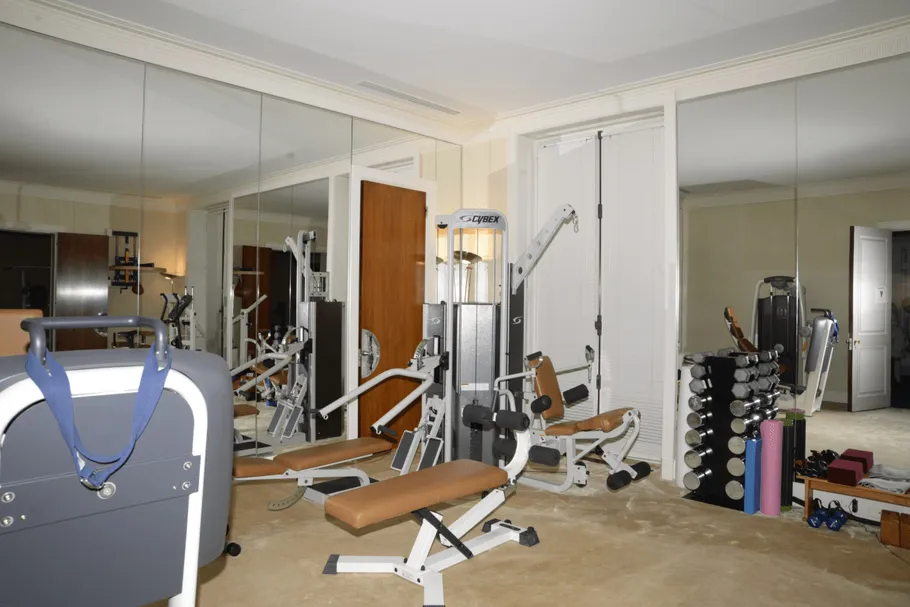
We scored each pec deck machine on the details that decide whether it actually gets used, not on brand name alone. A machine that needs plates you do not own, arms that do not fit your frame, or floor space you do not have is a bad buy at any finish, and a spec figure that no record agrees on is not a figure at all.
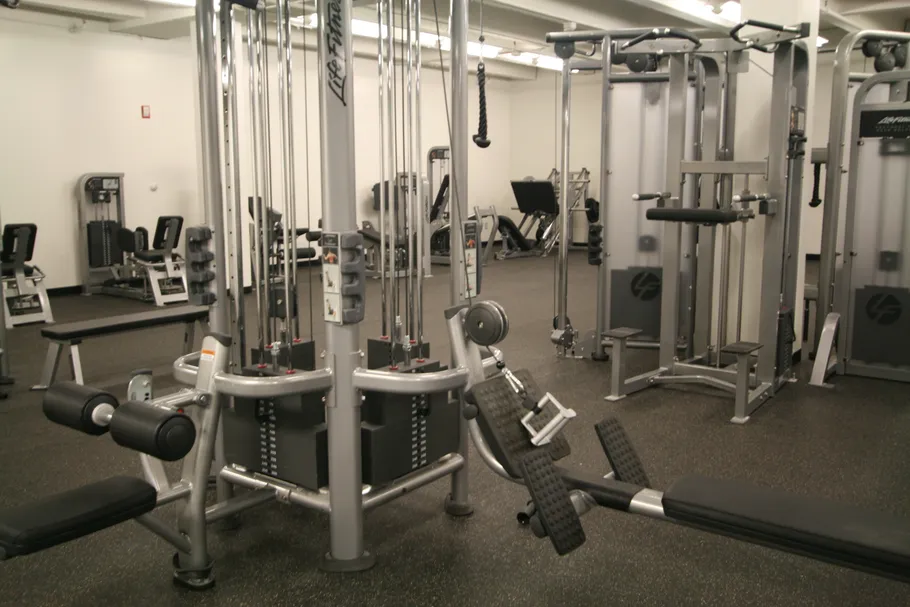
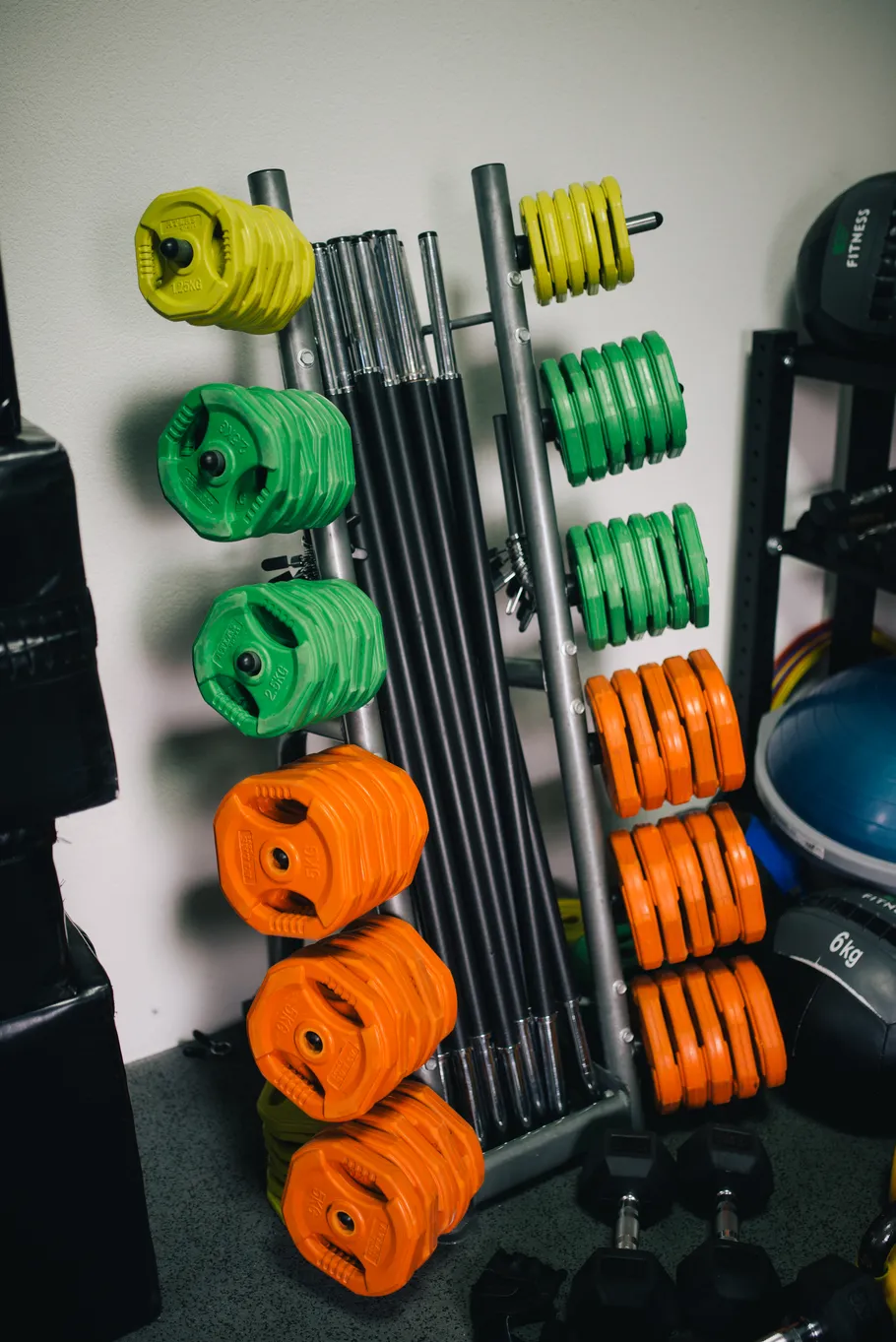
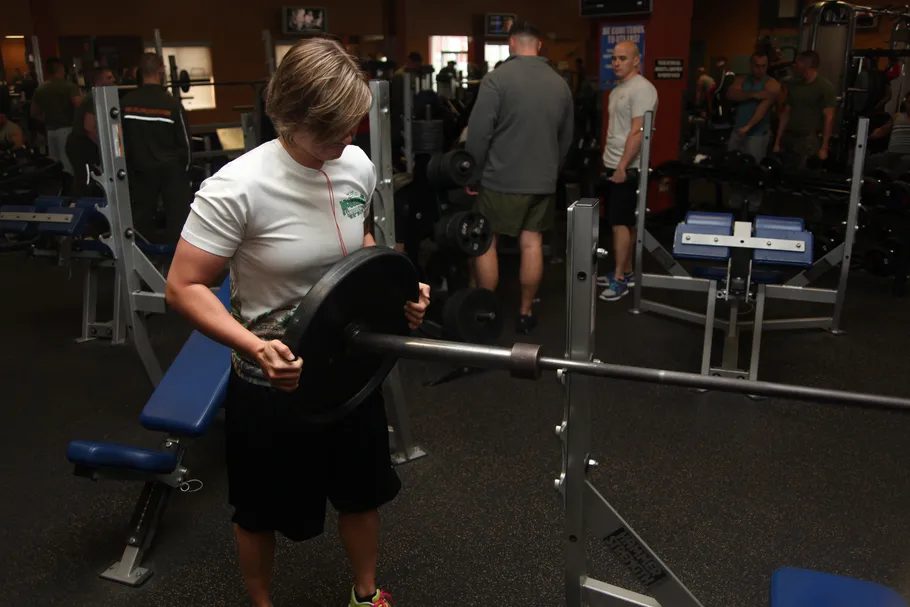
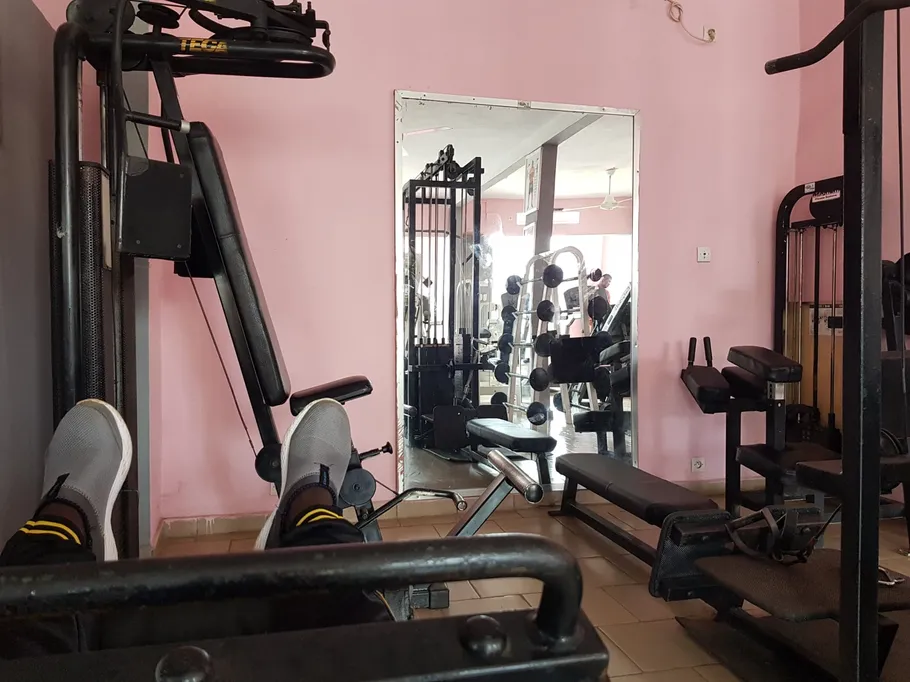
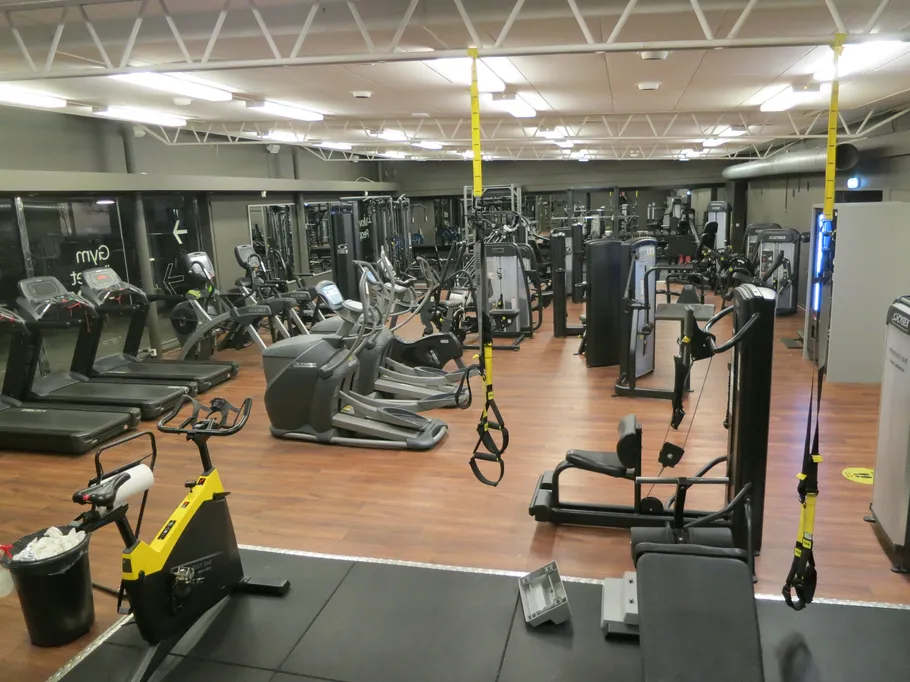
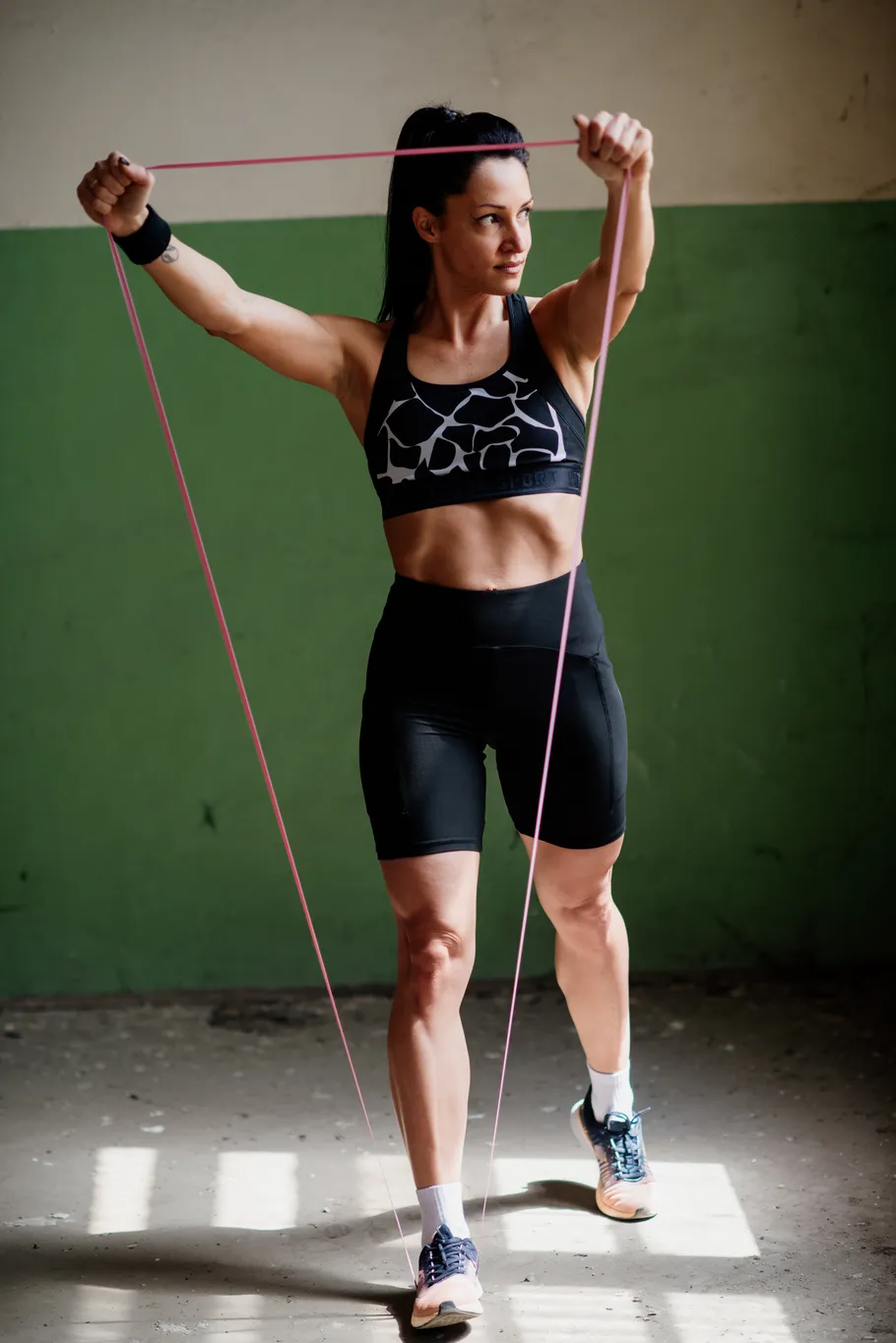
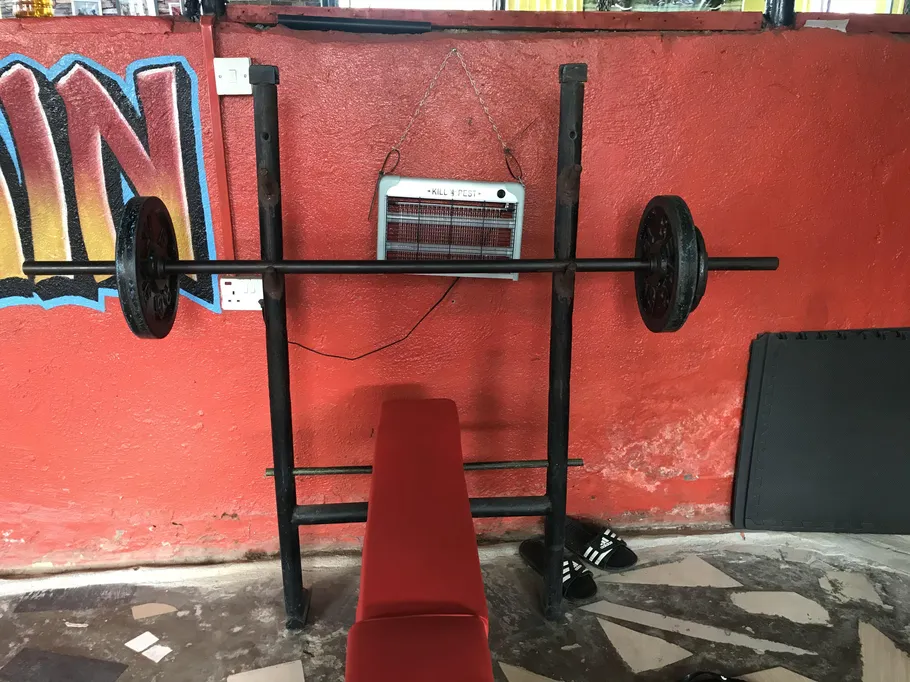
One limit applies to every photo in this guide: no free-license photo of any of the six named pec deck machines exists, so every figure is an honest generic scene — gym interiors, plate racks, cable machines and lifters training — captioned as what it actually shows, never presented as a product shot. Two figures do show real pec deck machines — the featured lifter and the empty machine above — but neither is one of the six named picks.
- Resistance type — plate-loaded or selectorized stack — and whether the load figure is a plate total, a stack weight or a disputed claim
- Footprint and clearance, with length and width stated as recorded, never blended into a single square figure
- Arm adjustment — start points, seat positions and independent arms — and whether the arms move together or apart
- Build and warranty — frame gauge, pulleys and cables where stated, and warranty terms where the maker gives them
- Capacity honesty, with disputed and scope-mixed figures flagged rather than averaged
- Honest availability, with conflicting figures stated as conflicts, not resolved by guesswork
Marcy MWM-989 was also considered and set aside — it is a multi-station home gym where the fly is one station among many, a different category from a standalone pec deck machine. Powertec WB-PFA16 Pec/Fly Accessory was considered and set aside — it is an attachment that needs a Powertec Workbench, not a standalone machine. Mikolo Smith Machine pec deck was considered and set aside — the pec deck sits inside a Smith machine, covered by our smith machines guide. Hammer Strength Pectoral Fly/Rear Deltoid and Life Fitness Axiom were considered and set aside as commercial club machines. XMark XM-4428 was considered and set aside on thin spec records. VEVOR Chest Fly Machine was considered and set aside because its 450 lb figure is seat capacity, not fly load, and its frame is thinner 1.5 mm steel. Dynasty Fitness DRE8003 was considered and set aside as a commercial unit on a single-source dealer record. Our gym flooring and chest press machines guides cover the floor under the machine and the closest pressing cousin to a pec deck.
Comparison
| Machine | Best for | Resistance | Footprint | Standout |
|---|---|---|---|---|
| Titan Fitness Plate-Loaded Pec Fly and Reverse Delt Machine (CBFLYv2) | Smallest settled footprint, plate-loaded value | Plate-loaded, 300 lb manual max | 32×28 in | 109 lb, 10 in Olympic sleeves |
| Body-Solid GPM65B | Dual-function, independent arms | Plate-loaded, plates not included | 28×32 in (disputed) | Dual cams, DuraFirm pads |
| Syedee Chest Fly and Reverse Delt Machine | Plate-loaded, 6 arm start points | Plate-loaded, 400 lb claim flagged | Not stated | 1- or 2-in sleeves, 4-level seat |
| Body-Solid Pro Clubline S2PEC | Selectorized, 5+5 adjustments | 160 lb stack (235 lb upgrade) | 58×51 in (width disputed) | Placard, dual pivot arms |
| SportsArt DF-304 | Selectorized, shallowest depth | 220 lb stack | 51.2×30.6 in | 5.5 lb start, 500 lb capacity |
| HOIST HD-3900 Dual Pec Fly/Rear Delt | Commercial-grade, largest stack | 310 lb stack (315 lb +5 option) | 66.5×55.5 in | 649 lb, needs permanent space |
Read the Resistance column with care, because it mixes two different kinds of load, not one like-for-like figure. The plate-loaded rows state plate totals you must own and load yourself, while the selectorized rows state stack weights picked with a pin — a 300 lb plate total and a 310 lb stack are not the same effort, so compare within each type, not across the column. Read the Footprint column the same way: the figures are length × width as recorded, with one Not stated and two disputed rows, so the table alone does not rank size — read the pick sections for the full figures before measuring your room.
On footprint, the smallest settled figure is the Titan at 32×28 in, and the largest is the HOIST at 66.5×55.5 in — the GPM65B is excluded from the size ranking because its footprint is disputed, and the Syedee is excluded because no footprint is stated. On unit weight, the lightest settled machine is the Titan at 109 lb and the heaviest is the HOIST at 649 lb — the GPM65B is excluded because its weight reads 91 lb, 135 lb and 145 lb across records, and the Syedee is excluded because no unit weight is stated. On resistance, the largest stack is the HOIST at 310 lb, ahead of the S2PEC at 235 lb upgraded and the DF-304 at 220 lb, while the largest plate-load claim is the Syedee at 400 lb — flagged, not settled — against the Titan at 300 lb by its manual, so no single heaviest-resistance winner is declared across the two types. On height, the tallest settled machine is the HOIST at 77.75 in and the shortest settled is the Titan at 65 in. On adjustments, the S2PEC states the most seat-plus-arm positions combined at 5 + 5, while the Syedee states 6 arm start points — different kinds of adjustment, so no combined winner is declared.
Titan Fitness Plate-Loaded Pec Fly and Reverse Delt Machine (CBFLYv2)
The Titan CBFLYv2 is the compact plate-loaded pick here, and the smallest settled footprint in the guide at 32 in deep × 28 in wide × 65 in high. It weighs 109 lb, runs on a 2×2 in 12-gauge steel frame, and carries 10 in Olympic sleeves with aluminum pulleys and fiberglass nylon cables — a straightforward sheet with no figure left to guess, except the one flagged below.
Plate-loaded means the load is yours: you slide your own plates onto the sleeves, so the machine costs less than a stack machine but only works if you already own plates, or buy them. The 10 in sleeves take Olympic plates, and the dual function covers both the fly and the reverse fly from the same frame, so the rear delts get trained without a second machine.
One flag must be stated plainly. The capacity scope conflicts across records: the maker manual states a 300 lb maximum, while a roundup reads 400 lb of plates — so the table uses the manual figure, 300 lb, and the conflict is stated here. Confirm the limit on the listing before loading near either figure.
✅ Pros
- Smallest settled footprint here at 32×28 in
- Lightest settled unit here at 109 lb
- 10 in Olympic sleeves, aluminum pulleys, nylon cables
⚠️ Cons
- Capacity disputed: 300 lb manual vs 400 lb roundup
- Needs plates you already own — none included
- No pin-selected option — load changes mean sliding plates
Listing check: no confident listing code was found for this machine, so the link above is a tagged search — confirm the 32×28×65 in size, the 109 lb weight and the 300 lb manual limit before ordering.
Best for: lifters who already own Olympic plates and want the smallest plate-loaded fly here.
May not fit: buyers without plates, or anyone who wants a selectorized stack with a pin.
Body-Solid GPM65B
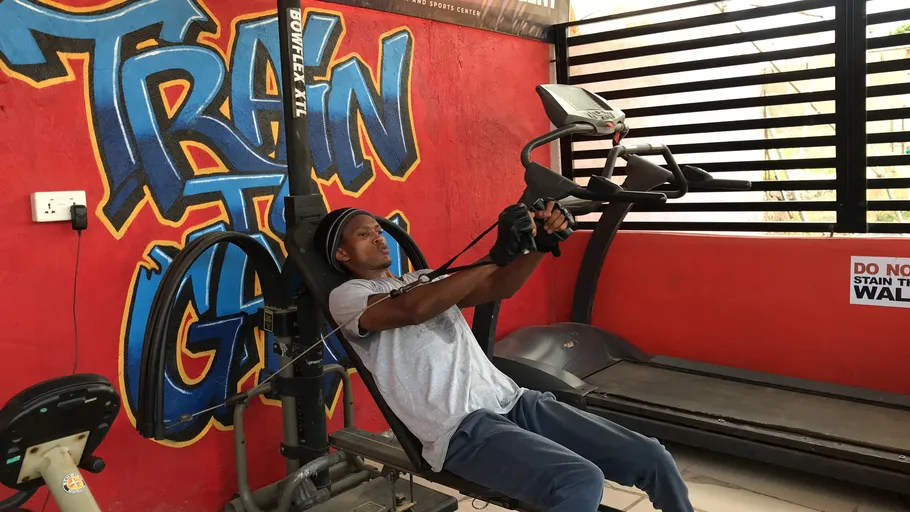
The Body-Solid GPM65B is the plate-loaded dual-function pick with the most arm freedom here. Its pec arms articulate and move independently, so each side works on its own — a stronger side cannot carry a weaker one through the rep — and dual overhead variable-resistance cams change the feel through the arc, with DuraFirm pads and independent range adjustments on each side.
Plates are not included, and the plate posts are 1 in, with an Olympic adapter sold extra — so Olympic-plate owners must add the adapter, and standard-plate owners are the natural fit. That post size is the practical detail to check before ordering, because it decides which plates in your gym actually fit.
Three flags must be stated plainly, because this pick carries the most disputed figures in the guide. The dimensions conflict three ways: the maker data sheet reads 65 in high × 32 in long × 28 in wide, a review site reads 69 × 39 × 66 in, and a European dealer reads 175.2 × 99.8 × 167 cm, which converts to 69 × 39.3 × 65.7 in — so the table uses 28×32 in with the disputed flag, and no settled footprint is claimed. The unit weight conflicts three ways as well: 91 lb net from the European dealer, 135 lb from the review, and 145 lb shipping — so no settled weight is claimed, and the pick is excluded from the weight ranking. And the capacity scope is disputed: 300 lb per side, 300 lb of plates total, and 600 lb of user plus plates have all been read — so no settled capacity is claimed either. If the listing cannot settle these figures, treat this pick as unverified and choose a settled machine instead.
✅ Pros
- Independent articulating arms — no side carries the other
- Dual overhead variable-resistance cams
- DuraFirm pads with independent range adjustments
⚠️ Cons
- Footprint, weight and capacity all disputed — verify first
- Plates not included, 1 in posts, Olympic adapter extra
- Most verification work of any pick here
Listing check: no confident listing code was found for this machine, so the link above is a tagged search — confirm the footprint, the unit weight, the post size and the capacity scope before ordering.
Best for: lifters who want independent arms and variable-resistance cams and will verify the listing figures first.
May not fit: anyone who wants a settled spec sheet, or Olympic-plate owners who skip the adapter.
Syedee Chest Fly and Reverse Delt Machine
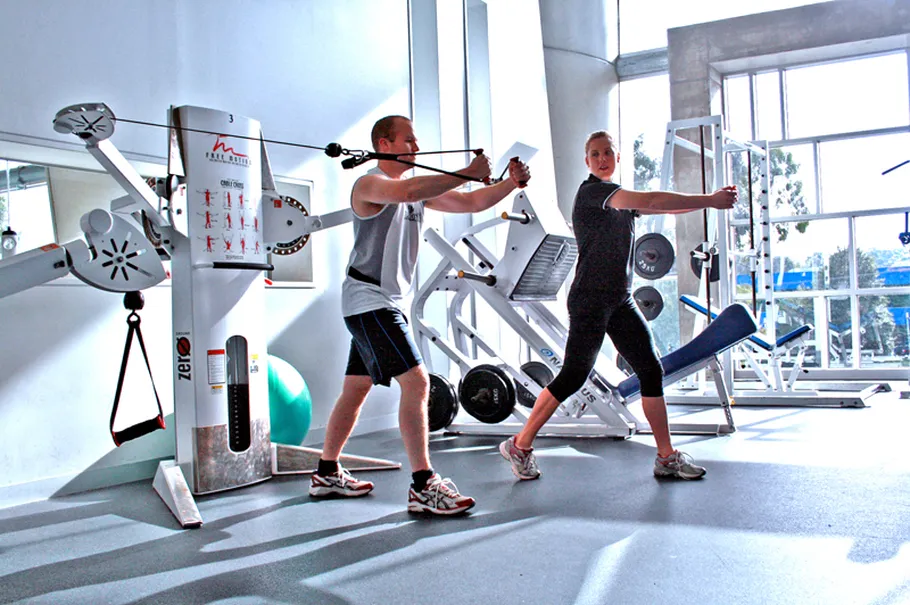
The Syedee is the plate-loaded pick with the most arm positions here: 6 swivel-arm start points, a 4-level seat height, arms that work together or one side at a time, and plate sleeves that take 1-in or 2-in plates — so both standard and Olympic plates fit without an adapter. The frame is 14-gauge steel with dual overhead cams, a simpler sheet than the Titan but a wider adjustment range.
The adjustment range is the point. Six start points plus four seat heights mean the arc can be set to short arms, long arms and different torso lengths without shimming the seat with plates — and the uni- and bilateral option means a weaker side can be trained alone when it needs it.
Two flags must be stated plainly. The 400 lb load claim carries a reviewer caveat — one review calls it probably pushing the limits and reports testing at 360 lb — so the table carries the 400 lb claim with the flagged note, not as a settled figure. And neither footprint nor unit weight is stated in the records checked, so the pick is excluded from both rankings — measure the listing figures against your room before ordering, because this guide cannot do it for you.
✅ Pros
- 6 arm start points plus 4 seat heights — widest adjustment here
- 1- or 2-in sleeves — both plate types fit, no adapter
- Uni- and bilateral arms for single-side work
⚠️ Cons
- 400 lb claim flagged — reviewer tested at 360 lb
- Footprint and unit weight not stated
- Thinner 14-gauge frame than the Titan 12-gauge
Listing check: no confident listing code was found for this machine, so the link above is a tagged search — confirm the footprint, the unit weight and the load limit before ordering.
Best for: lifters who want the most arm and seat adjustment and own either plate type.
May not fit: buyers who want a settled load figure, or anyone ordering without measuring first.
Body-Solid Pro Clubline S2PEC
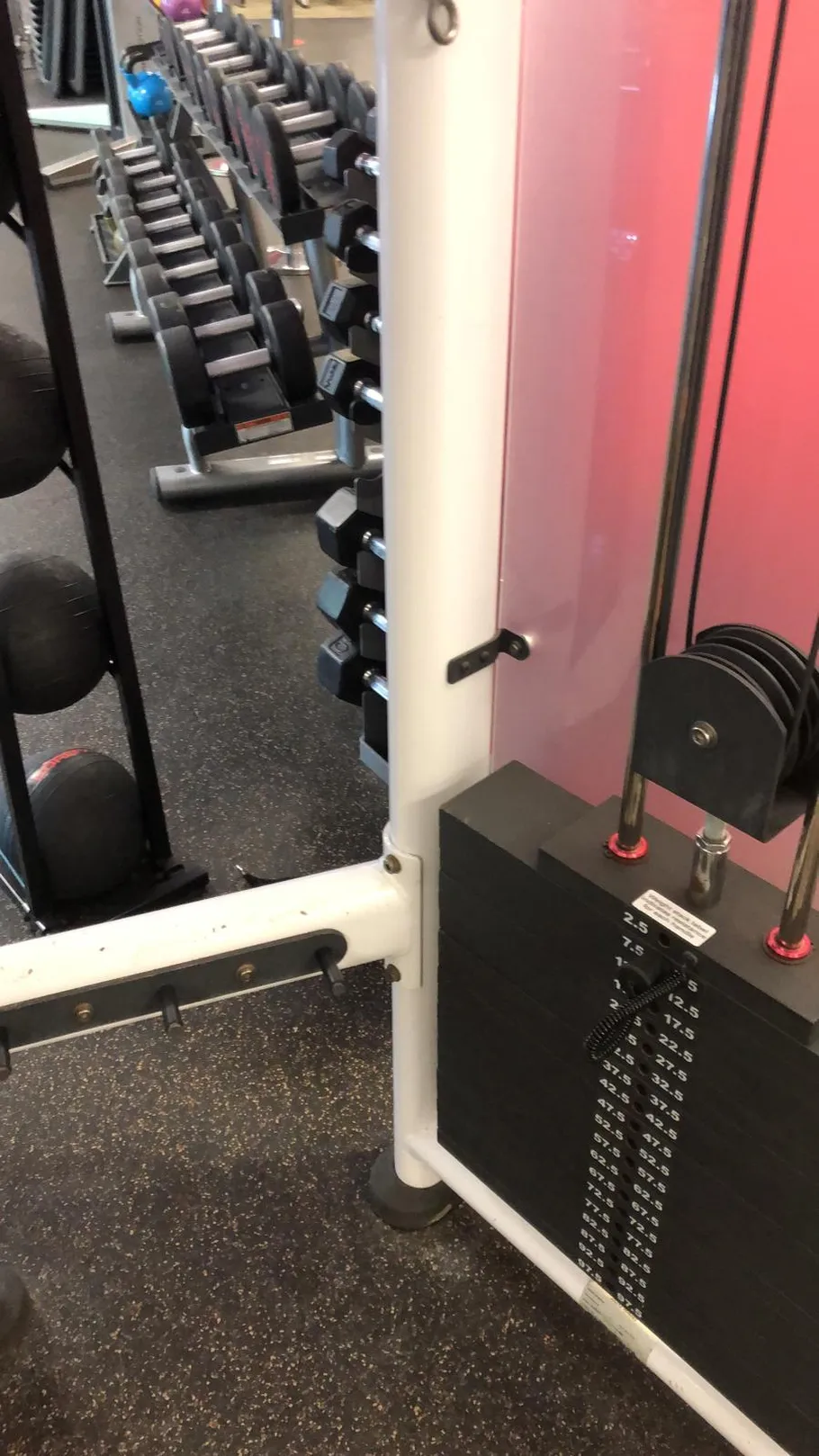
The Body-Solid Pro Clubline S2PEC is the selectorized pick with the most stated adjustments: a 5-position seat plus 5-position arm settings, dual pivot arms, and an instructional placard showing the fly and reverse fly positions. The stack is 160 lb as standard with a 235 lb upgrade, so the machine grows with the lifter instead of topping out early.
Selectorized means no plates to buy, load or store — move the pin, and the weight is set. That suits shared home gyms and lifters who train alone, because the load changes in seconds between sets and between users, and the placard keeps the setup honest when the machine is new.
Three flags must be stated plainly. The width conflicts across dealers: one reads 58 × 51 × 72 in while another reads 58 × 59 × 72 in — so the table uses 58×51 in with the width-disputed flag. The assembled weight differs by stack: 422 lb with the 160 lb stack, 432 lb on another record, and 497.5 lb with the 235 lb stack — so check which stack the listing carries before judging the floor load. And the frame gauge differs across records, 11 vs 12 — so no settled gauge is claimed here. Two Body-Solid picks in one guide is not a mistake: the GPM65B is plate-loaded and this one is selectorized, so they serve different buyers.
✅ Pros
- 5-position seat plus 5-position arms — most stated positions
- 160 lb stack with a 235 lb upgrade path
- Instructional placard for fly and reverse fly setup
⚠️ Cons
- Width disputed: 51 in vs 59 in across dealers
- Weight varies by stack: 422 lb vs 432 lb vs 497.5 lb
- Frame gauge disputed: 11 vs 12
Listing check: no confident listing code was found for this machine, so the link above is a tagged search — confirm the width, the stack size and the assembled weight before ordering.
Best for: lifters who want pin-selected loads and the most seat-plus-arm positions here.
May not fit: small rooms if the 59 in width record is the true one, or buyers who want plates.
SportsArt DF-304
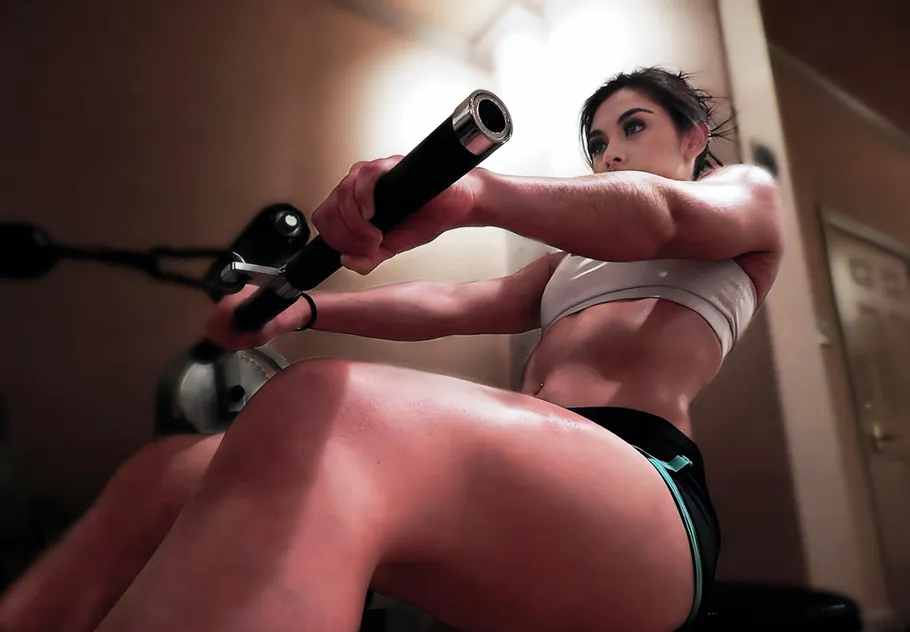
The SportsArt DF-304 is the selectorized dual-function pick with the shallowest settled depth here: 51.2 in long × 30.6 in wide × 76 in high, at 411.4 lb, with a 220 lb stack and a 5.5 lb starting weight — the lightest first step in the guide, so beginners and rehab-style sessions start genuinely light instead of jumping to a heavy first plate.
The 500 lb machine capacity is the settled ceiling, and multiple adjustment points cover the seat and arms for different frames. The sheet is fully settled with no figure left disputed — the cleanest selectorized record in this guide after the S2PEC width question, and the one to measure against when the room is tight but the budget reaches a stack machine.
The trade is depth against height. At 30.6 in deep it hugs a wall better than any other pick here, but at 76 in tall it still needs full ceiling clearance, and at 411.4 lb it is not a machine to shift between sessions — place it where it will live, on a firm floor, and leave the arm swing clear on both sides.
✅ Pros
- Shallowest settled depth here at 30.6 in
- Lightest starting weight here at 5.5 lb
- Fully settled spec sheet, 500 lb capacity
⚠️ Cons
- 76 in tall — needs full ceiling clearance
- 411.4 lb — place it once, do not shift it often
- 220 lb stack tops out before the HOIST and S2PEC upgrade
Listing check: no confident listing code was found for this machine, so the link above is a tagged search — confirm the 51.2×30.6×76 in size, the 411.4 lb weight and the 220 lb stack before ordering.
Best for: tight rooms that still want a selectorized stack with a genuinely light start.
May not fit: low ceilings, or lifters who will outgrow a 220 lb stack quickly.
HOIST HD-3900 Dual Pec Fly/Rear Delt
The HOIST HD-3900 is the commercial-grade pick here, and the largest and heaviest machine in the guide: 66.5 in long × 55.5 in wide × 77.75 in high, at 649 lb with the standard stack and 661 lb upgraded. The stack is 310 lb as standard with an optional 5 lb adder taking it to 315 lb — the largest stack here, ahead of the S2PEC upgrade and the DF-304, and the one that will not top out.
This is the premium selectorized pick, stated plainly as a commercial-grade machine for a permanent home-gym corner — not a machine to fold, roll or shift. The size and weight are the price of the capacity: it claims 66.5 × 55.5 in of floor plus arm swing, needs 77.75 in of ceiling, and wants a firm floor under 649 lb.
The trade is space against headroom. Nothing else here matches the stack or the build class, but nothing else here asks for this much room either — so measure the corner, the ceiling and the delivery path before ordering, because a 649 lb machine does not go back easily.
✅ Pros
- Largest stack here at 310 lb, 315 lb with the adder
- Commercial-grade build for a permanent corner
- Will not top out — headroom the other stacks lack
⚠️ Cons
- Largest footprint here at 66.5×55.5 in
- Heaviest here at 649 lb — needs permanent space
- Tallest settled height at 77.75 in
Listing check: no confident listing code was found for this machine, so the link above is a tagged search — confirm the 66.5×55.5×77.75 in size, the 649 lb weight and the 310 lb stack before ordering.
Best for: lifters who want the largest stack and a commercial-grade machine in a permanent corner.
May not fit: small rooms, low ceilings, or anyone who moves equipment between sessions.
How to Choose
Four decisions separate a good pec-deck buy from a disappointing one, and they matter in this order: how the resistance works, how much room the machine really claims, whether the arms fit your frame, and whether the build will last. Get the first two right and the rest is preference.
Resistance: Plate-Loaded or Stack
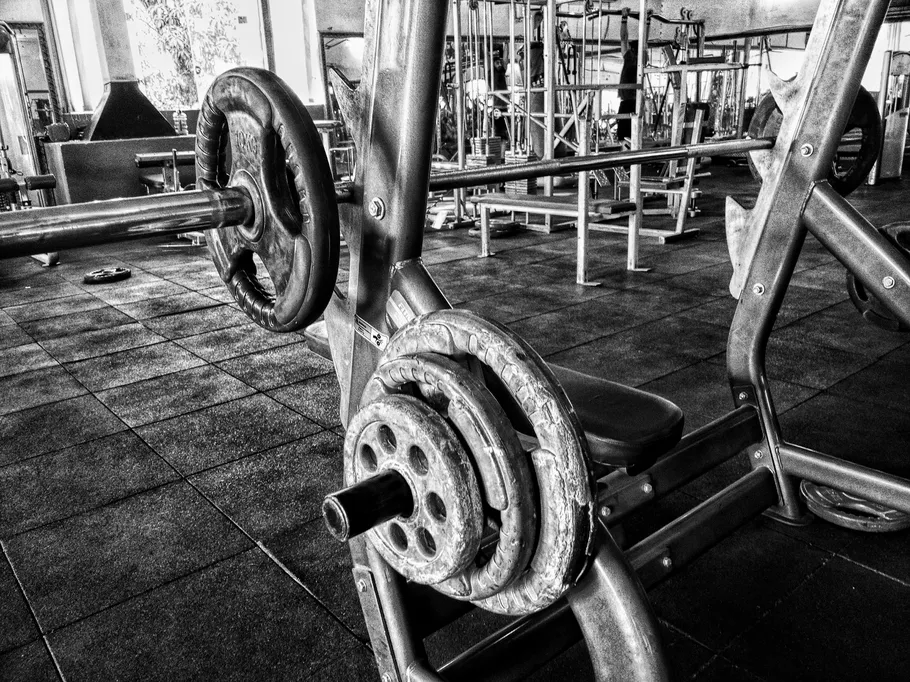
Plate-loaded machines — the Titan, the GPM65B and the Syedee — cost less and load exactly what you own, but they only work if you own plates, and the load changes mean sliding plates on and off between sets. The Titan takes Olympic plates on 10 in sleeves, the Syedee takes both 1-in and 2-in plates, and the GPM65B takes 1-in plates with an Olympic adapter extra — so the plate type you own decides which pick fits.
Selectorized machines — the S2PEC, the DF-304 and the HOIST — carry their own stack and change load with a pin in seconds, which suits shared gyms and solo lifters who train fast. The DF-304 starts lightest at 5.5 lb, the S2PEC upgrades from 160 lb to 235 lb, and the HOIST starts at 310 lb — so match the stack to where your fly strength is now, not where you hope it will be in a year.
Footprint and Clearance
A pec deck claims more than its base. The arms swing out to the sides on a fly and back on a reverse fly, so the working rectangle is wider than the frame — add arm travel and a walkway on both sides to the table footprint before measuring, and check the ceiling too, since the tallest settled machine here is 77.75 in.
The room ranking is simple once the disputed rows are set aside: the Titan is the smallest settled machine at 32×28 in, the DF-304 is the shallowest at 30.6 in deep, and the HOIST is the largest at 66.5×55.5 in. The GPM65B footprint is disputed and the Syedee footprint is not stated, so neither can be ranked on size — confirm both on their listings before measuring, because this guide will not guess them for you.
Arms and Adjustments
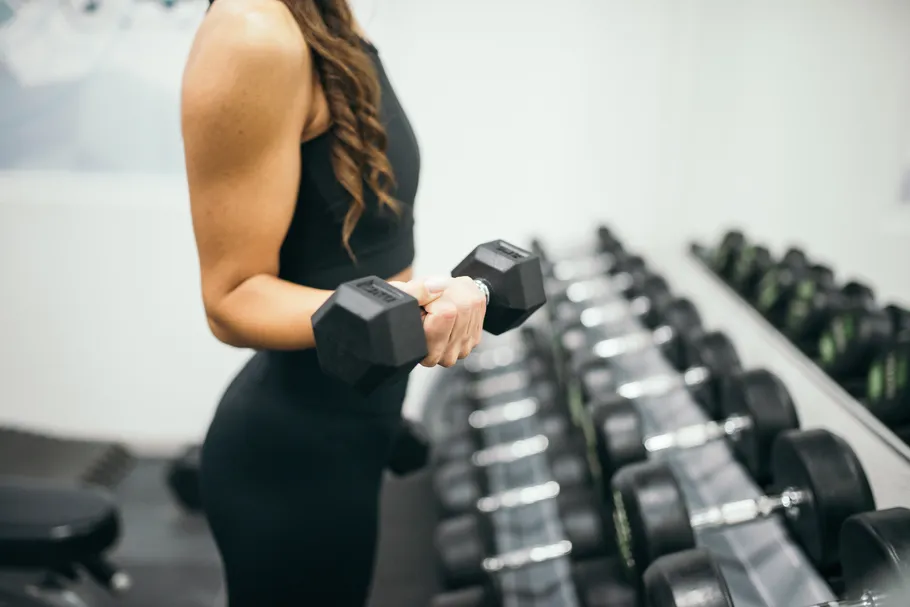
Arm adjustment is what makes a pec deck fit or fight you. Start points set where the arc begins — too wide and the chest never loads at the start, too narrow and the shoulders pinch — and seat height sets the pad line against the chest. The Syedee leads on stated points with 6 arm starts plus 4 seat heights, while the S2PEC leads on combined positions with 5 seat plus 5 arm settings, and the GPM65B adds independent arms so each side moves alone.
Test the fit the way you would test a pair of shoes: sit, set the start point, and run the arc empty before loading anything. If the pads do not meet the chest line or the reverse fly pulls the shoulders too far back, the machine does not fit — and no stack weight fixes a bad arc. Our shoulder press machines guide covers the pressing partner to a pec deck, since flys plus presses balance the front of the shoulder better than either alone.
Build and Warranty
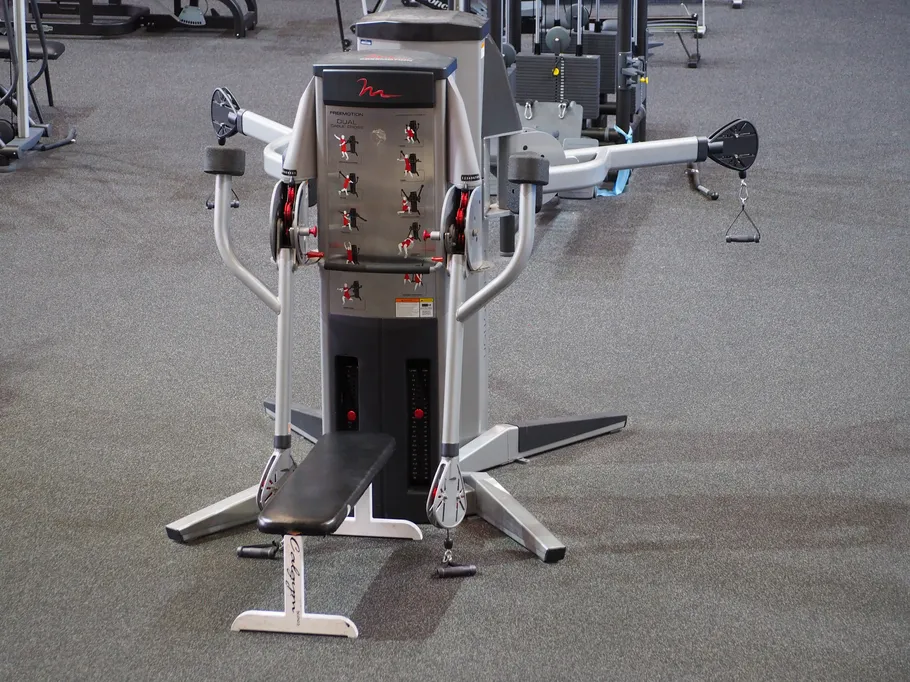
Frame gauge is the first build figure to check: the Titan states 2×2 in 12-gauge steel, the Syedee states 14-gauge, and the S2PEC gauge is disputed at 11 vs 12 — so the Titan sheet is the most settled, and the S2PEC figure must be confirmed on the listing. Pulleys and cables matter next: the Titan states aluminum pulleys with fiberglass nylon cables, a settled pair, while the other picks state less about their running parts.
Warranty terms are thin across this guide — no pick carries a fully stated warranty sheet in the records checked — so treat warranty as a listing question, not a ranking factor here. Check the frame warranty, the parts warranty and the labour terms on the listing you buy, and keep the manual: a pec deck is a pinned, cabled machine, and the parts that wear are the ones the manual names.
Safety
Pec decks look gentle and load the shoulders hard by design, so treat the setup with care. Warm-up bands help here too — our resistance bands guide covers light bands for shoulder warm-ups before flys, which loosen the joint without tiring the chest first.
1. Check the bolts, pins and cables before every session — a pec deck pulls the arms through a long arc on every rep.
2. Set the arm start points and seat height before loading anything — a wrong arc loads the shoulders, not the chest.
3. Warm the shoulders up with light band work and empty reps — cold flys pinch faster than cold presses.
4. Keep a soft bend in the elbows through the whole arc — locked elbows turn a fly into a joint strain.
5. Do not force the end range — if the pads will not meet without pain, the start point is wrong, not your chest.
6. Load plates evenly on both sleeves of a plate-loaded pick — an uneven load twists the frame and the rep.
7. Park the arms and clear the walkway after training, so loose plates and swinging arms do not trip anyone.
Pec-deck training is general fitness information, not medical advice. Stop and seek professional advice if you feel sharp joint pain, dizziness or shortness of breath, or if you have a chest, shoulder, elbow or back condition.
Frequently Asked Questions
What is a pec deck machine?
A seated machine that trains the chest fly: arms on pads or handles, brought together in front of the chest against resistance. Every pick here also trains the rear delts by reversing the movement, so one machine covers the front and the back of the shoulder girdle.
Plate-loaded or selectorized — which should I buy?
Plate-loaded if you already own plates and want the lower cost — the Titan, GPM65B and Syedee all work this way. Selectorized if you want pin-selected loads that change in seconds — the S2PEC, DF-304 and HOIST all work this way. Neither type is stronger by nature; the load figure matters less than whether the arms fit your frame.
Do I need plates for a plate-loaded pick?
Yes. Plate-loaded machines ship without plates, so the Titan needs Olympic plates, the Syedee takes 1-in or 2-in plates, and the GPM65B takes 1-in plates with an Olympic adapter extra. Price the plates into the buy before comparing against a selectorized machine.
How much floor space does a pec deck need?
More than its base. Add arm swing on both sides and a walkway to the table footprint, and check the ceiling — the tallest settled machine here is 77.75 in. The smallest settled footprint is the Titan at 32×28 in, and the largest is the HOIST at 66.5×55.5 in.
Can one machine train rear delts too?
Yes — all six picks here are dual-function. Face the pads and pull the arms back for the reverse fly, which trains the rear delts and upper back. That second movement is the reason a pec deck earns its corner in a small home gym.
What pairs well with a pec deck?
Pressing work for the front of the shoulder, pulling work for the back, and recovery tools for after the session — our foam rollers guide covers rollers for chest and shoulder recovery once the flys are done.
Our Pick: Start Here
Start with the Titan Fitness Plate-Loaded Pec Fly and Reverse Delt Machine (CBFLYv2) if you already own Olympic plates and want the smallest settled footprint here, move to the Syedee Chest Fly and Reverse Delt Machine if you want the most arm and seat adjustment and own either plate type, pick the SportsArt DF-304 if you want a selectorized stack with the shallowest depth and the lightest start, choose the Body-Solid Pro Clubline S2PEC if you want pin-selected loads with the most seat-plus-arm positions, keep the Body-Solid GPM65B for independent arms once its listing figures are verified, and save the HOIST HD-3900 Dual Pec Fly/Rear Delt for a permanent corner where its 310 lb stack will never top out.
As an Amazon Associate, we earn from qualifying purchases made through links on this page, at no extra cost to you.
Product specs, footprints and capacities in this guide come from maker and dealer records checked during research, and conflicting figures are stated as conflicts rather than settled — always confirm the size, weight and load limit on the listing before ordering.