

Why Atlas Stones Belong in a Home Gym
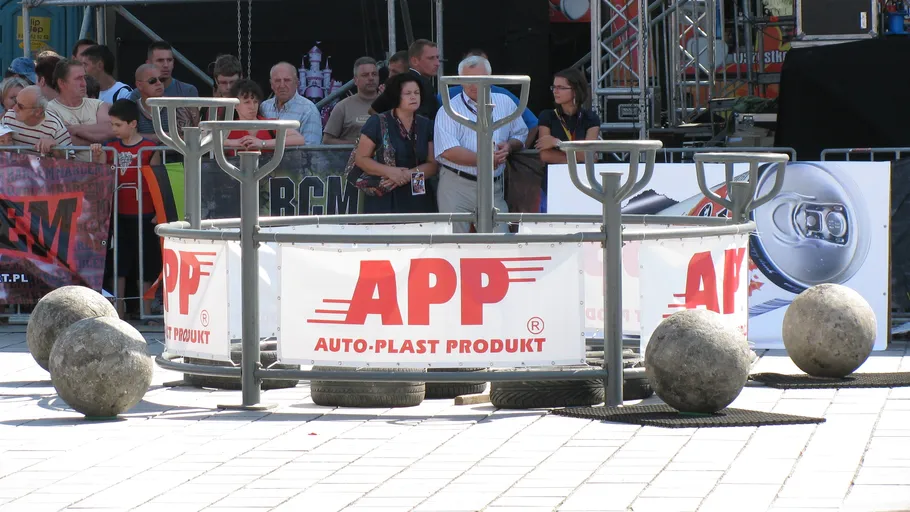
An atlas stone is a solid ball you lift off the floor, lap onto your thighs, and load to a platform. No handles, no straps, no bar — the grip is the stone itself. 🏋️
That is the whole lift: pick it up, stand it up, put it on the platform. The stone trains the hips, the back and the grip in one movement, and it does it with an object that cannot be cheated with a better grip position.
Know what an atlas stone is not. It is not a medicine ball, which is light and made to be thrown — our best medicine balls for home gyms covers that type. A medicine ball leaves your hands; a stone stays in them.
It is not a workout sandbag, which is soft and shifts as you lift it — our best workout sandbags is the deeper dive for sandbags. A sandbag changes shape mid-lift; a stone does not.
And it is not a slam ball or a wall ball. Those are picks inside the medicine-balls guide — there is no standalone slam-ball guide — and both are thrown, not loaded to a platform.
The previous guide in this series, our best barefoot shoes for home gyms, covers the footwear for the floor you lift on. A stone session starts with the feet planted, and a flat shoe keeps that plant honest.
In a home gym, the stone earns its place on the floor you train on. Laps, loads and carries all start with the ball on the ground — and a ball that cannot roll away is a ball you can train with safely.
No bar guides the lift, and no rack holds the weight. The stone does not do the lift for you. It makes you do it.
How We Picked
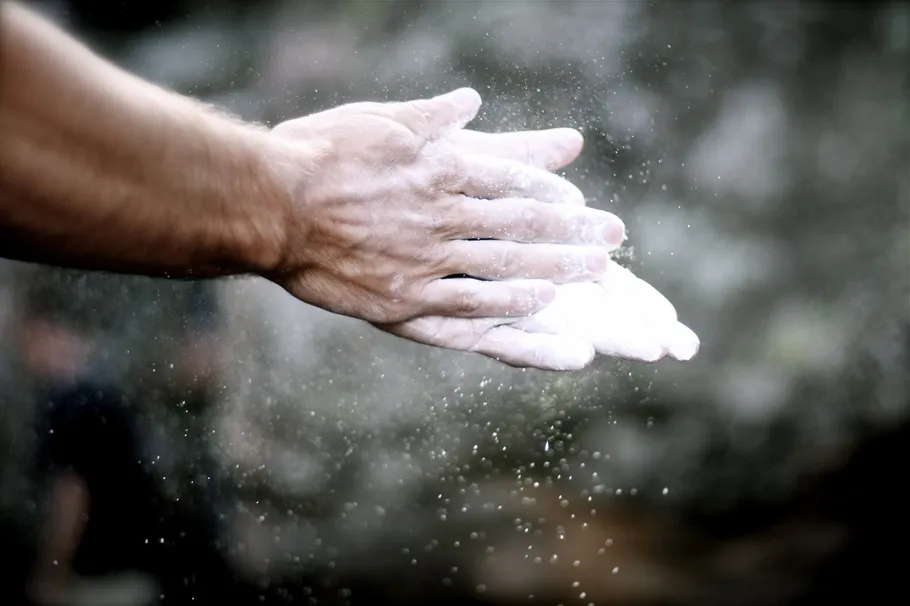
We compared six atlas stones that are genuinely sold for home gyms right now, using maker records and listing records — not hands-on testing, and not roundup scores copied from other sites.
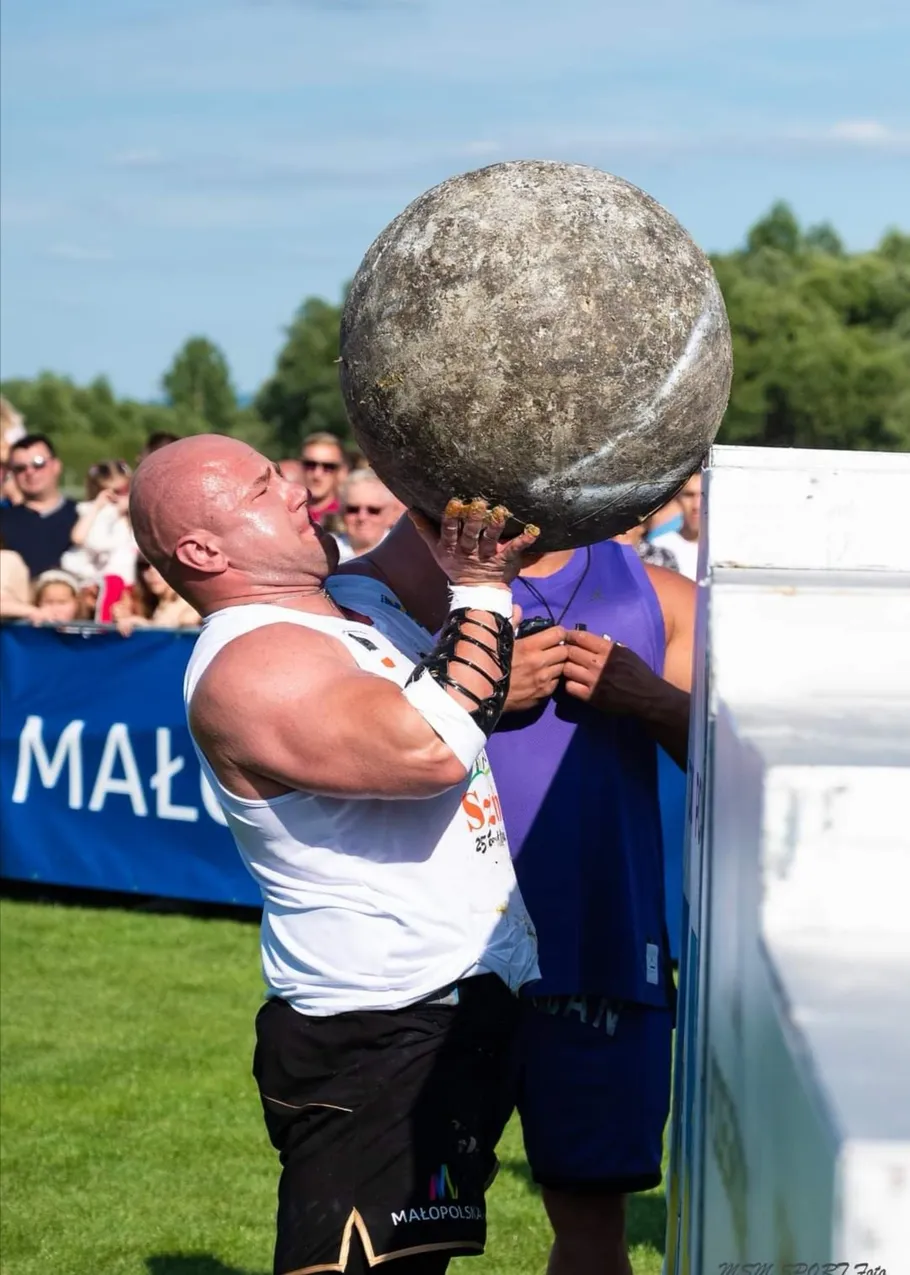
Every photo in this guide is an honest training scene, not a product shot of the named stone, because free-license photos of the exact named stones do not exist for this category.
Where records disagree, the article says so instead of picking the flattering number — and this category disagrees on the basics, because weights mix pounds and kilograms, prices mix four currencies, and mold weights vary with the concrete mix.
- Type: a ready-made stone, a casting mold, or a sand-filled bag — and what each type can and cannot do.
- Weight: the stated weight, and whether it is a fixed stone, a cast weight that varies with the mix, or a fill-it-yourself range.
- Diameter: the ball’s size in inches or centimetres, and whether the figure is the rigid stone or the soft bag.
- Build: rubber over iron, concrete, or Cordura — and what survives a drop onto a platform.
- Price: the stated price in its own currency — dollars, pounds, euros and rupees mix here, so no cross-currency crown.
- Honest limits: what each stone cannot do, stated in its own section.
Also considered: Cerberus atlas stones (Cerberus does not sell atlas stones — only Atlas Tacky, Atlas Grip Chalk and sandbags); Titan Fitness atlas stones (Titan sells only an Atlas Stone Platform, no stone); and “Spartan Stones” (no verifiable buyable product found).
Also considered: “Stone of Steel” loadable steel stones (a real category, but no current buyable product with a verified price); and the ABMAT Atlas Stone Return Ramp ($329 CAD) and Titan/Rogue stone platforms (accessories, not stones).
Comparison
| Pick | Type | Size | Standout |
|---|---|---|---|
| Rogue Rubber Atlas Stones | Rubber over cast iron | 50–200 lb, 10–18 in | Classic rubber stone, recessed edges |
| Slater Atlas Stone Mold | Concrete mold | 8–24 in, 23–586 lb | Competition mold, Arnold + WSM |
| Hybrid Athletics Atlas Stone Mold | Concrete mold | 10–18 in, 42–246 lb | Value mold, sold on Amazon |
| Strength Shop SandBall | Sand-filled Cordura | 20–140 kg, 27.5–48.5 cm | Soft, adjustable, floor-friendly |
| CERBERUS Sandstone Sandbag | Sand-filled Cordura | 7 sizes | Stone-shaped sandbag, fill it yourself |
| Challenge Atlas Stones | Ready-made concrete | 90–200 kg, ~17–18 in | Heaviest ready-made stone here |
Read the table honestly. It carries no whole-guide heaviest crown on purpose: the Challenge 200 kg is the heaviest ready-made stone here, but a Slater mold can cast a stone up to 586 lb — and a mold is not a stone you buy.
So crowning one pick the heaviest would compare a finished stone against a mold’s maximum. The size column mixes inches and centimetres as makers publish them, and the sandbag diameters are the bag’s, not a rigid ball’s.
It carries no price column either: prices mix dollars, pounds, euros and rupees, and mold prices are per-size ranges — so prices sit in the pick sections as sourced, in their own currency.
It carries no diameter crown: the rigid stones state a ball diameter, while the sand-filled bags state a bag diameter that changes with the fill — so a diameter ranking would compare unlike with unlike.
Rogue Rubber Atlas Stones
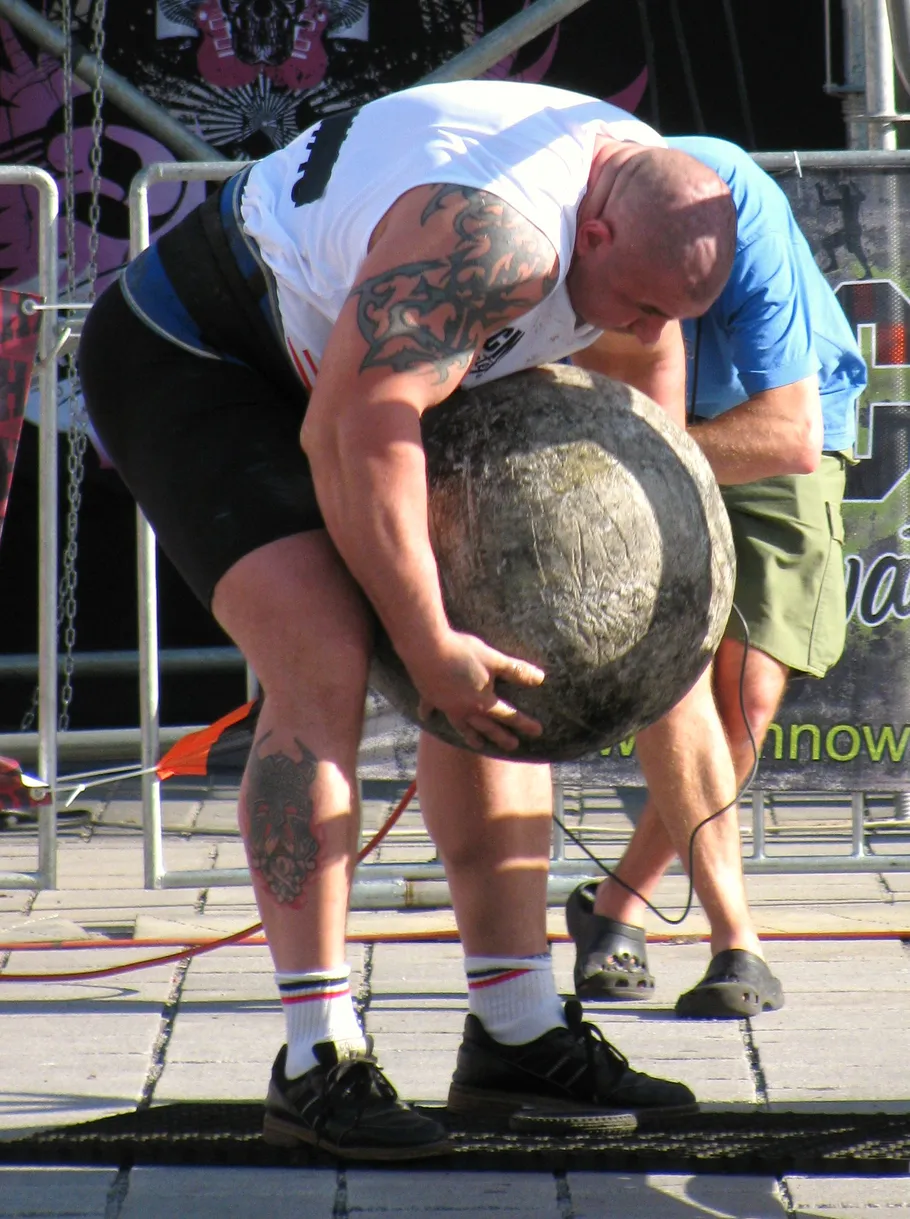
The Rogue Rubber Atlas Stones are the classic pick because they are the stone this category is measured against: a cast-iron core with an over-molded rubber exterior, sold ready to lift in five sizes.
You pick it up, lap it, and load it — and the rubber shell is the point: it protects the floor and the stone, and the recessed edges stop the ball rolling away between reps. 🪨
The sizes run 50, 75, 100, 150 and 200 lb, with diameters of 10, 12, 14, 16 and 18 inches. The prices run $155, $205, $255, $375 and $435 in the same order.
Sets are listed too: a 225 lb set at $730 and a 450 lb set at $1,295. The 200 lb stone needs a custom shipping quote — a heavy ball ships like a heavy ball.
The record carries two flags, and both are printed here. First, this is not a concrete stone: it is rubber over cast iron, so it behaves differently from a poured stone and it is not the competition-standard build.
Second, the maker’s own record says “Made in USA: No” — so no made-in-USA claim is made for this pick.
Pros
- Ready to lift in five sizes, 50–200 lb, with a rubber shell that protects the floor.
- Recessed edges stop the ball rolling away between reps.
- The classic rubber stone — the reference pick of the category.
Cons
- Not concrete — rubber over cast iron, so not the competition-standard build.
- “Made in USA: No” — no made-in-USA claim.
- The 200 lb stone needs a custom shipping quote.
Listing check: confirm the Rogue Rubber Atlas Stones (not a concrete stone, not a mold) before ordering, and check the weight, the diameter and the price from that listing itself.
If the listing shows a mold or a sandbag, it is a different type, not this pick, and if it shows a single weight without the diameter, check the size chart before ordering.
Best for: a buyer who wants the classic ready-made stone — rubber over iron, five sizes, floor-friendly, and ready to lift on arrival.
May not fit: anyone who wants a concrete competition stone, anyone who needs a made-in-USA build, or anyone who orders the 200 lb stone without a shipping quote.
Slater Atlas Stone Mold
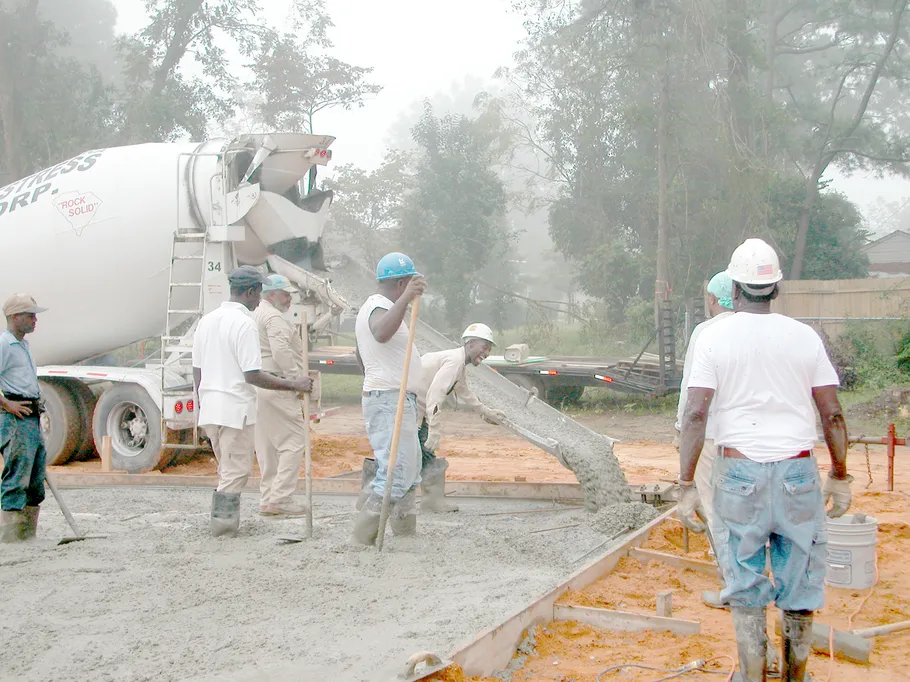
The Slater Atlas Stone Mold is the competition mold because it is the mold the sport itself uses: designed in 2002 by Steve Slater, with stones cast from these molds used at the Arnold Classic and World’s Strongest Man.
You buy the mold, not the stone — then you pour the concrete, wait for the cure, and pull out a stone that matches the competition shape. The mold is the pick; the stone is the work.
The range runs 8 to 24 inches in diameter and 23 to 586 lb, with prices from $60 to $220 by size. Foam lightening inserts cut 10, 25, 42 or 70 lb from the finished stone.
The record carries one flag, and it is printed here. The final weight varies with the concrete mix — so the mold’s stated weight is a target, not a guarantee, and this guide does not crown a mold weight as settled.
The cure time is the other cost: a cast stone needs days before it is ready to lift, so this is the pick for a buyer who plans ahead, not for a buyer who wants to train tomorrow.
Pros
- The competition mold — stones from it are used at the Arnold Classic and World’s Strongest Man.
- Widest range here: 8–24 inches, 23–586 lb, with foam inserts to lighten the cast.
- Designed in 2002 by Steve Slater — the original stone mold.
Cons
- You buy a mold, not a stone — concrete, mixing and cure time are on you.
- Final weight varies with the mix — the stated weight is a target, not a guarantee.
- Large molds run to $220 — the widest range is also the dearest at the top end.
Listing check: confirm the Slater Atlas Stone Mold (not a Hybrid mold, not a finished stone) before ordering, and check the diameter, the weight and the price from that listing itself.
If the listing shows a finished stone, it is a different product, not this pick, and if it shows no diameter, check the size before ordering.
Best for: a buyer who wants to cast competition-shaped stones — the widest range, the Arnold and WSM pedigree, and inserts to tune the weight.
May not fit: anyone who wants a stone ready to lift on arrival, anyone who will not wait for a cure, or anyone who needs an exact finished weight.
Hybrid Athletics Atlas Stone Mold
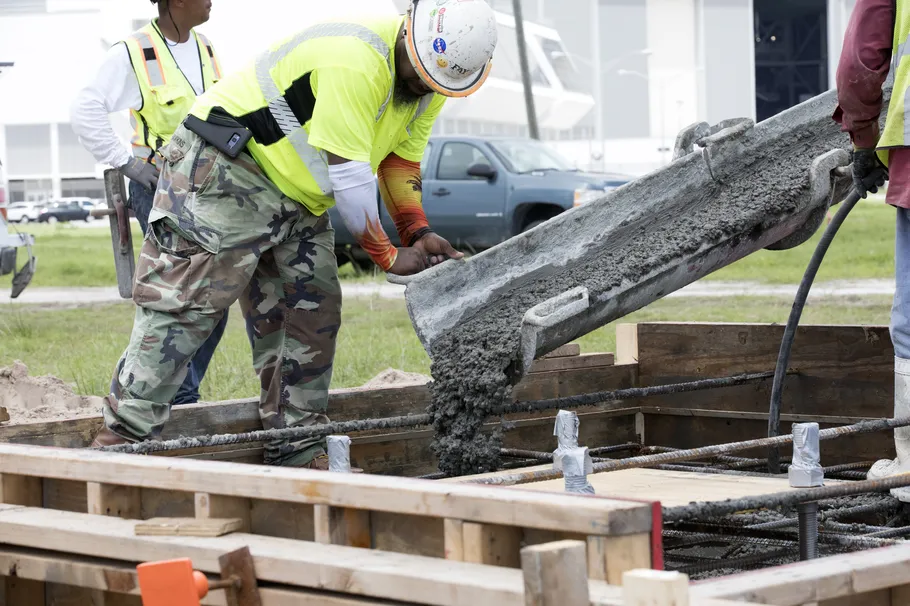
The Hybrid Athletics Atlas Stone Mold is the value mold because it covers the common sizes at the lowest top price: 10 to 18 inches and 42 to 246 lb, with prices from $80 to $140.
You buy the mold and cast the stone, the same as the Slater — but the range is narrower and the ceiling is lower, so this is the mold for a home gym, not for a competition run.
It is sold on Amazon, and roundups list the 10.75-inch / 50 lb mold as the entry point. Check the exact size on the listing: the mold’s diameter and the stone’s weight are the two figures that matter.
The record carries one flag, and it is printed here. The Hybrid tops out at 246 lb, against the Slater’s 586 lb — so a buyer who wants the heaviest cast stone needs the Slater, not this mold.
The value claim is about the common sizes: the whole Hybrid range sits under $140, while the Slater’s large molds run to $220 — so the saving is real, but only inside the sizes this mold covers.
Pros
- Value mold for the common sizes — whole range $80–$140, sold on Amazon.
- Same cast-it-yourself idea as the Slater, at a lower top price.
- 10.75-inch / 50 lb mold is the clear entry point.
Cons
- Narrower range than the Slater — tops out at 246 lb against 586 lb.
- You buy a mold, not a stone — concrete, mixing and cure time are on you.
- Final weight varies with the mix, as with every mold.
Listing check: confirm the Hybrid Athletics Atlas Stone Mold (not a Slater mold, not a finished stone) before ordering, and check the diameter, the weight and the price from that listing itself.
If the listing shows a different maker’s mold, it is a different product, not this pick, and if it shows no diameter, check the size before ordering.
Best for: a buyer who wants the value mold — the common sizes, Amazon availability, and the lowest top price of either mold here.
May not fit: anyone who wants to cast above 246 lb, anyone who wants a stone ready to lift, or anyone who needs an exact finished weight.
Strength Shop SandBall
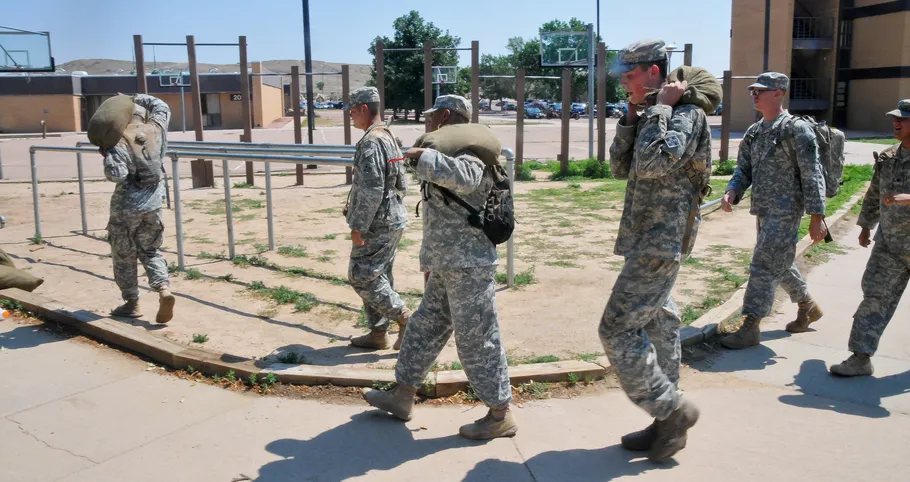
The Strength Shop SandBall is the soft pick because it is a stone you fill yourself: 100% 1050D Cordura nylon, sand-filled, in sizes from 20 to 140 kg.
You choose the weight by how much sand you put in, so one bag covers the range a whole set of stones would — and the soft shell is kind to the floor when it drops. 🏖️
The diameters run 27.5 to 48.5 cm across the range. UK prices run £44.99 to £124.99, with sets to £419.99; EU prices run €69.99 to €124.99.
The record carries two flags, and both are printed here. First, the final weight varies with the filling material and the packing density — so the stated weight is a range, not a fixed figure.
Second, the EU store showed the 20 to 100 kg sizes sold out at the last check, with only the 120 and 140 kg sizes in stock — so check availability before ordering, not after.
Pros
- Soft and adjustable — one bag covers 20–140 kg by how much sand you put in.
- 100% 1050D Cordura nylon — tough shell, floor-friendly drop.
- Widest sand-filled range here, with sets available.
Cons
- Final weight varies with the fill and the packing — no fixed figure.
- EU store showed 20–100 kg sold out at the last check.
- A soft bag is not a rigid stone — it shifts as you lift it.
Listing check: confirm the Strength Shop SandBall (not a CERBERUS bag, not a concrete stone) before ordering, and check the size, the price and the stock from that listing itself.
If the listing shows a different maker’s sandbag, it is a different product, not this pick, and if it shows no size, check the diameter before ordering.
Best for: a buyer who wants a soft, adjustable stone — one bag, a wide weight range, and a floor-friendly drop.
May not fit: anyone who wants a fixed weight, anyone who wants a rigid stone, or anyone who orders an EU size without checking stock first.
CERBERUS Sandstone Sandbag
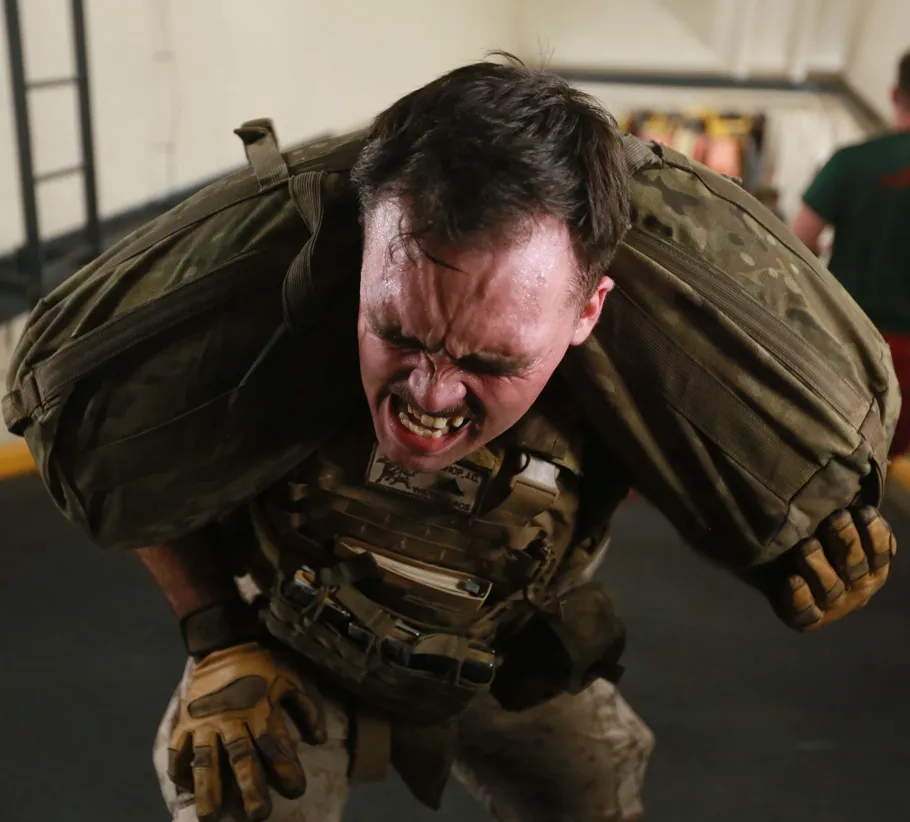
The CERBERUS Sandstone Sandbag is the stone-shaped sandbag: a 1050D Cordura bag in seven sizes, filled with coarse builder’s sand, shaped to lift like a stone.
You fill it yourself — it is not pre-filled — so the weight is yours to set, and the stone shape keeps the lift closer to a real stone than a straight sandbag does.
The record carries two flags, and both are printed here. First, the bag arrives empty: you supply the coarse builder’s sand, and the final weight depends on the fill.
Second, do not confuse it with the US Cerberus store’s “Strongman Sack Sandbag” — a different product in three sizes (40–70, 70–100 and 100–130 kg, $78.99–$84.99, Ballistic Nylon), sold as simulating stone lifting. That sack is not this pick.
Cerberus sells no atlas stone at all — only Atlas Tacky, Atlas Grip Chalk and sandbags — so any listing that claims a Cerberus stone is a different product with a borrowed name.
Pros
- Stone-shaped bag — the lift is closer to a real stone than a straight sandbag.
- 1050D Cordura shell, seven sizes, fill it yourself with coarse builder’s sand.
- Soft shell, floor-friendly, and the weight is yours to set.
Cons
- Arrives empty — you supply the sand, and the final weight depends on the fill.
- Easy to confuse with the US store’s “Strongman Sack Sandbag” — a different product.
- A soft bag is not a rigid stone — it shifts as you lift it.
Listing check: confirm the CERBERUS Sandstone Sandbag (not the “Strongman Sack Sandbag”, not a concrete stone) before ordering, and check the size and the fill note from that listing itself.
If the listing shows the Strongman Sack, it is a different product, not this pick, and if it shows a pre-filled weight, check the listing — this bag arrives empty.
Best for: a buyer who wants a stone-shaped sandbag — the closest sandbag lift to a real stone, with the weight set by the fill.
May not fit: anyone who wants a stone ready to lift, anyone who will not buy sand separately, or anyone who orders the Strongman Sack by mistake.
Challenge Atlas Stones
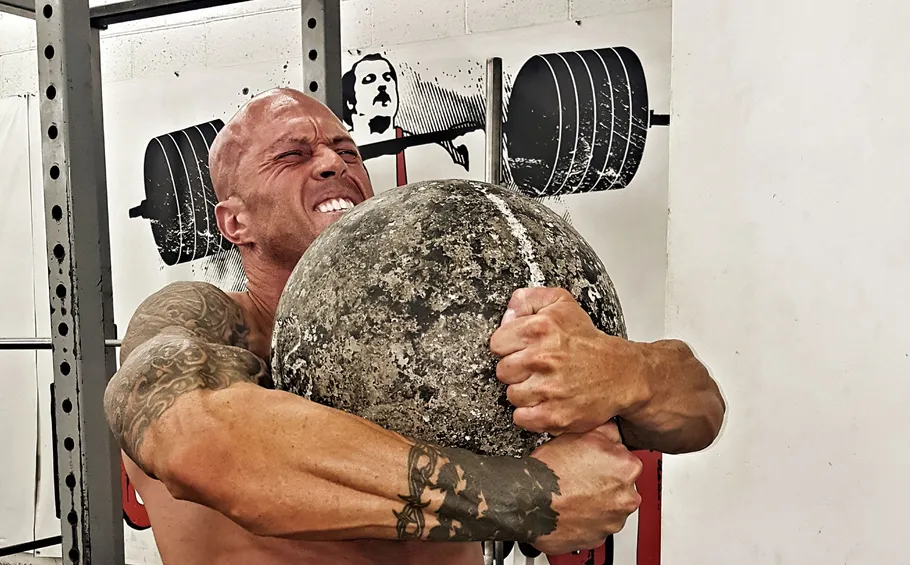
The Challenge Atlas Stones are the concrete pick because they are ready-made concrete stones: 90, 110, 140, 180 and 200 kg, with diameters of about 17 to 18 inches.
You buy the stone, not the mold — it arrives cast and cured, and it is the heaviest ready-made stone in this guide at 200 kg. 🏋️
The prices run ₹20,250, ₹24,500, ₹30,000, ₹36,000 and ₹40,000 in the same order, with GST and delivery included per the maker.
The record carries two flags, and both are printed here. First, the maker is India-based, so the prices are in rupees and shipping is the question — check the delivery cost and time before ordering, not after.
Second, the heaviest claim is narrow: 200 kg is the heaviest ready-made stone here, but a Slater mold can cast up to 586 lb — so the crown is for ready-made stones only, not for the whole guide.
Pros
- Ready-made concrete stones — no mixing, no mold, no cure time.
- Heaviest ready-made stone here at 200 kg, five sizes from 90 kg.
- GST and delivery included per the maker.
Cons
- India-based maker — prices in rupees, shipping is the flag.
- Heaviest ready-made only — a Slater mold casts heavier.
- Concrete chips on a bare floor — it needs a mat under it.
Listing check: confirm the Challenge Atlas Stones (not a mold, not a sandbag) before ordering, and check the weight, the diameter and the delivery terms from that listing itself.
If the listing shows a mold, it is a different product, not this pick, and if it shows a price without delivery terms, check the shipping before ordering.
Best for: a buyer who wants the heaviest ready-made concrete stone — cast, cured and ready to lift, with delivery included per the maker.
May not fit: anyone who wants a mold, anyone who cannot wait on international shipping, or anyone who trains on a bare concrete floor.
How to Choose
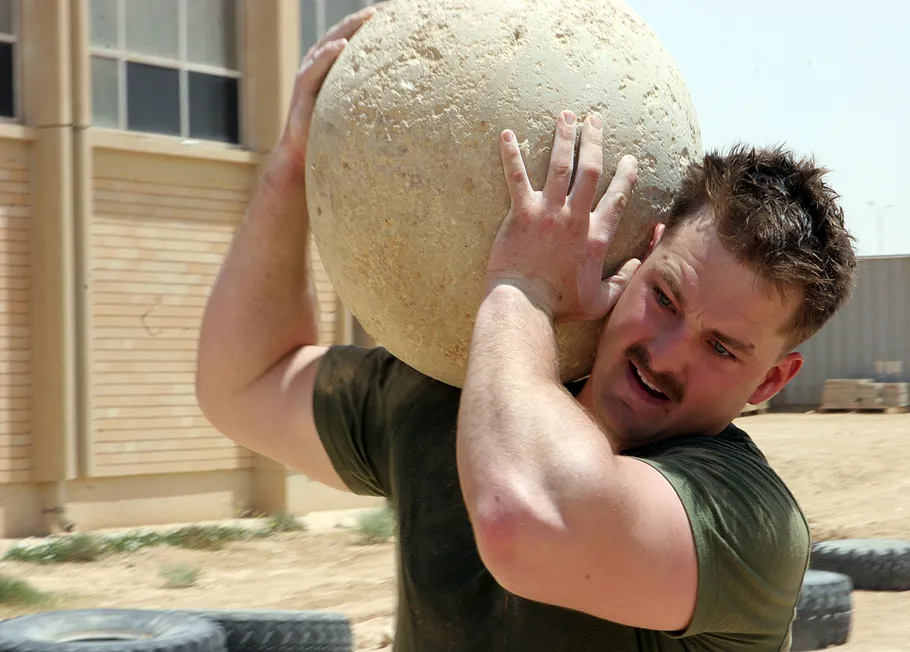
Choosing an atlas stone is choosing the type first and the brand second: the classic, the competition mold, the value mold, the soft bag, the stone-shaped bag and the concrete stone all do the same job differently.
Start from the training you already do — laps, loads, carries — and buy the stone that lets you do that work, not the stone with the longest spec sheet.
The right one is the one whose type, weight, diameter and price match your floor and your training. The four sections below walk through type, size, features and placement in that order.
Choose Your Type
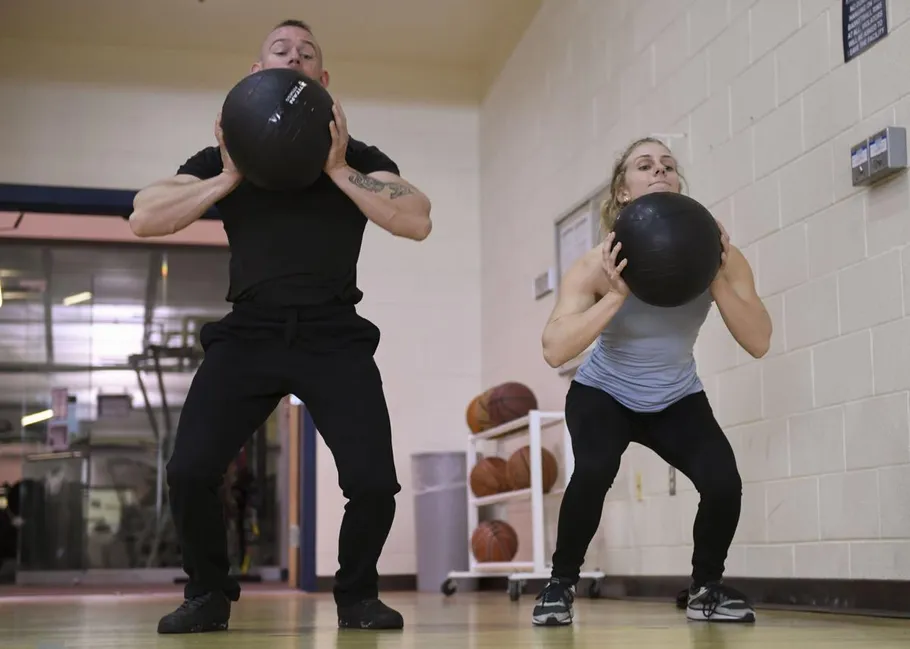
Pick the type by the training you do most. A ready-made stone — the Rogue rubber stone and the Challenge concrete stone — is the lift-it-now lane: it arrives ready, and the first session starts the day it lands.
A mold — the Slater and the Hybrid — is the cast-it-yourself lane: cheaper per stone at the common sizes, but the stone needs concrete, mixing and cure time before the first lift.
And a sand-filled bag — the Strength Shop SandBall and the CERBERUS Sandstone — is the soft lane: adjustable by the fill, kind to the floor, and the closest a bag gets to a stone.
None of these types is a medicine ball. A medicine ball is light and made to be thrown, and a stone is heavy and made to be loaded — the throw is the whole difference.
If your main work is lifting on a flat floor, the ready-made stone is the honest lane; if your main work is building a set over time, the mold is the honest lane — and neither type is a sandbag, which shifts as you lift it.
Choose Your Size
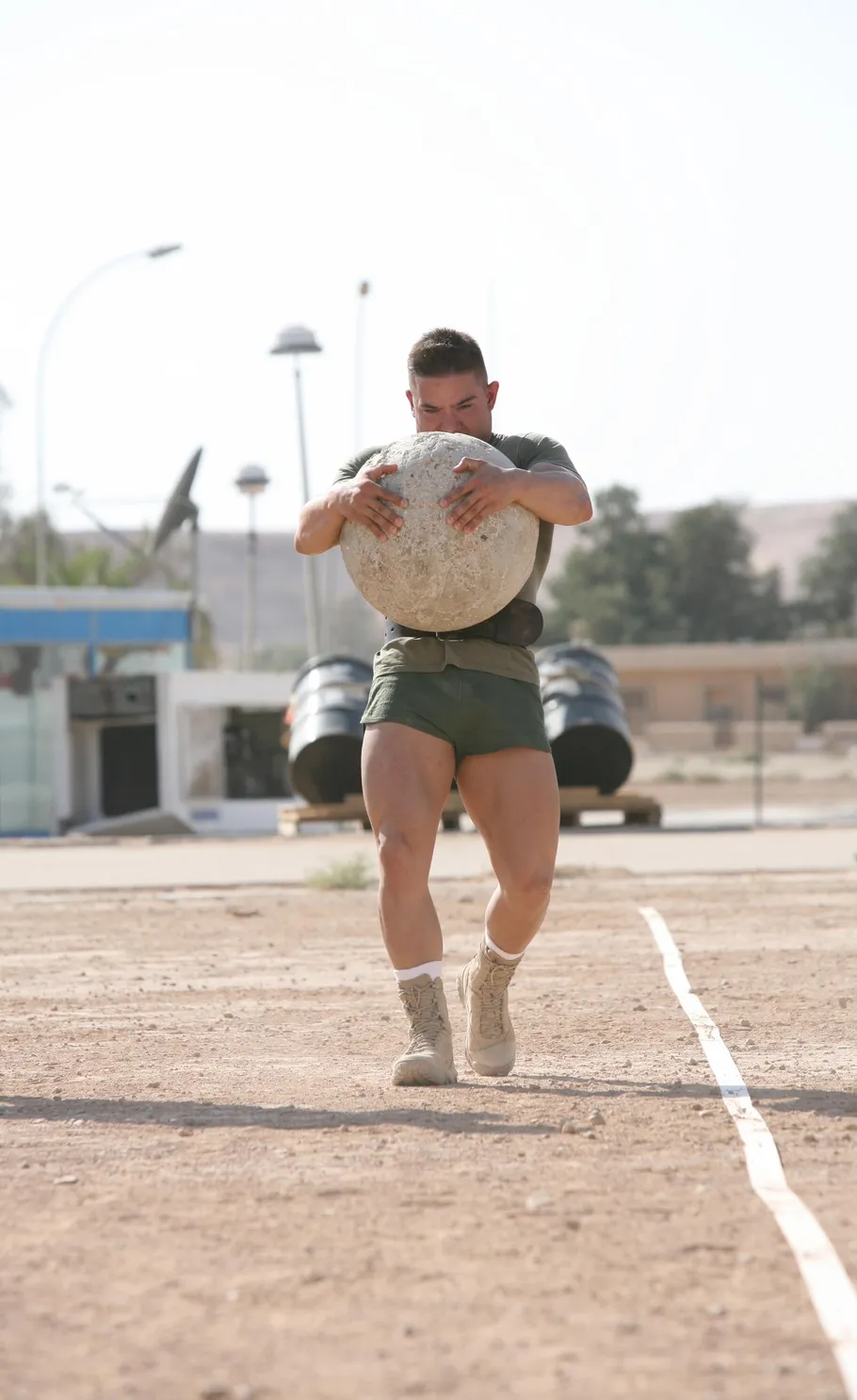
Pick the size by the stone, not the label. Atlas stones are sized by weight and by diameter, and the two do not move together: a 200 lb rubber stone is 18 inches across, while a 200 kg concrete stone is about 17 to 18 inches.
So check both figures on the listing before ordering, not after — the weight sets the load, and the diameter sets whether your arms can lap it.
The Rogue runs 50 to 200 lb in five steps, the Slater mold casts 23 to 586 lb, the Hybrid casts 42 to 246 lb, the SandBall covers 20 to 140 kg, and the Challenge runs 90 to 200 kg.
A stone that is too big to lap is a stone you will not lift. Stand the size against your own reach: if you cannot hug the ball to your chest, it is too wide for you, whatever the weight says.
Most people start lighter than they think, and the lighter stone sets the size. And check the return window before ordering: a concrete stone that does not fit your lap will not shrink by next week.
A fixed-weight stone is a fixed step — and if you need smaller steps between stones, plates are the adjustable load. Our best weight plates for home gyms covers loading in small steps in full.
Choose Your Features
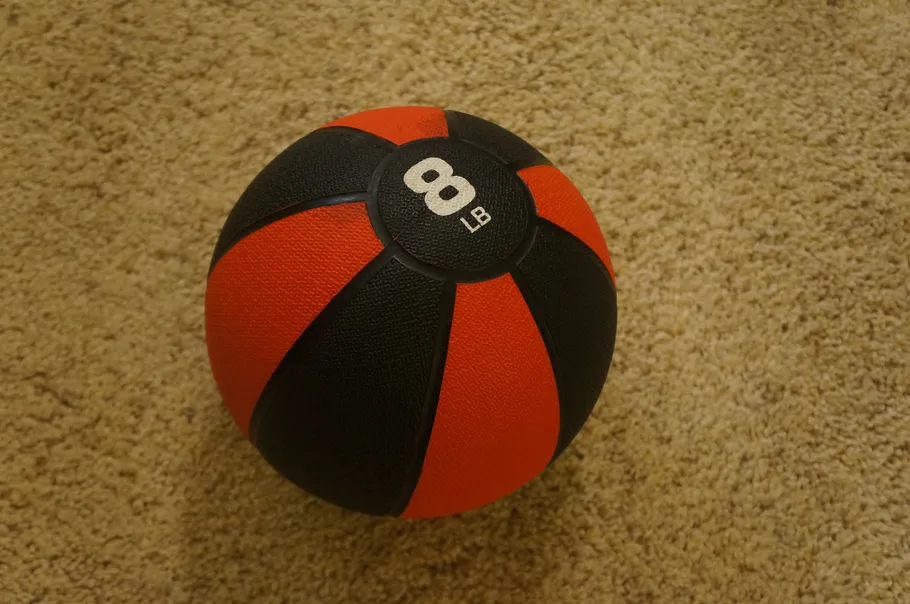
Pick the features by what you will feel every session. The surface comes first: the Rogue’s rubber shell grips and protects, a concrete stone is rough and chips, and a Cordura bag is soft and shifts.
So check the shell on the listing, not from a photo, before ordering.
The rollaway comes second: the Rogue’s recessed edges stop the ball rolling away, while a smooth concrete stone needs a cradle or a corner to stay put.
And the mold’s inserts come third: the Slater’s foam inserts cut 10, 25, 42 or 70 lb from the cast, so one mold covers several weights.
The fill comes fourth: the SandBall’s weight depends on the sand and the packing, and the Sandstone arrives empty — so check the fill note on every bag before ordering.
And check the small print on every feature before ordering: the shipping where stated (the Rogue’s 200 lb stone needs a custom quote), the stock where stated (the SandBall’s EU sizes), and the delivery where stated (the Challenge’s included delivery). The feature that disappoints is always the one nobody checked.
Choose Your Placement
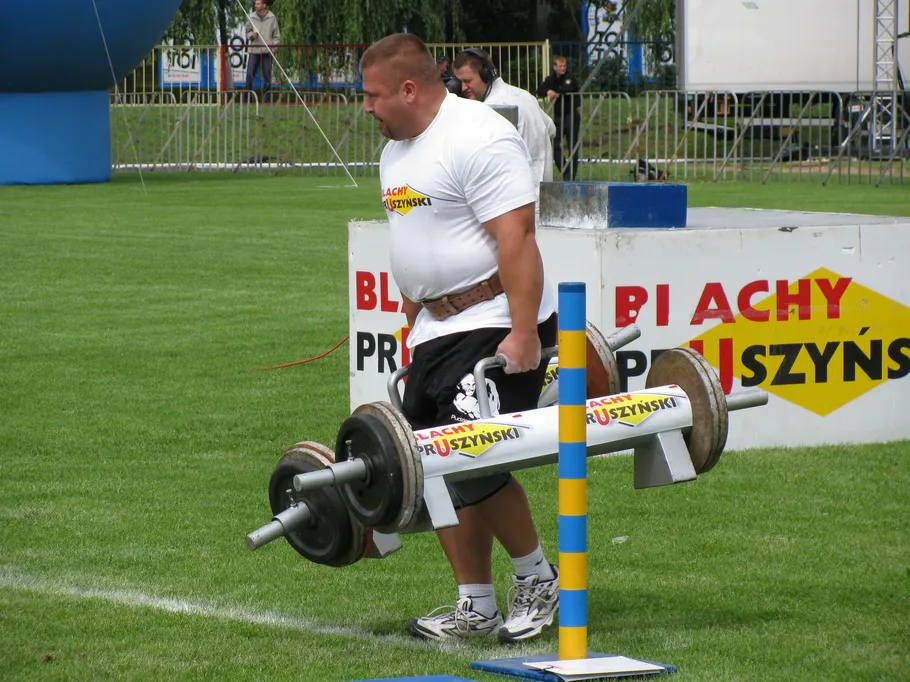
Pick the placement by where the stone lives between workouts. A stone needs a corner, not a shelf: it lives on the floor of the training room, on a mat, or in the corner by the platform.
And the test is whether it is on your feet when the session starts. The stone that lives behind the car gets lifted less than the stone that lives by the mat.
Put the stone where the session starts, not where the room ends: a stone by the platform gets lifted every session, and a stone stored in the garage gets forgotten.
Whatever spot you pick, keep the platform clear and the floor protected — a concrete stone dropped on bare concrete chips both, and a rubber stone that rolls needs a corner to rest in.
A stone session shares its floor with carries, and the farmer’s walk is the carry that pairs with it. Our best farmer’s walk handles for home gyms covers the implements in full.
Safety
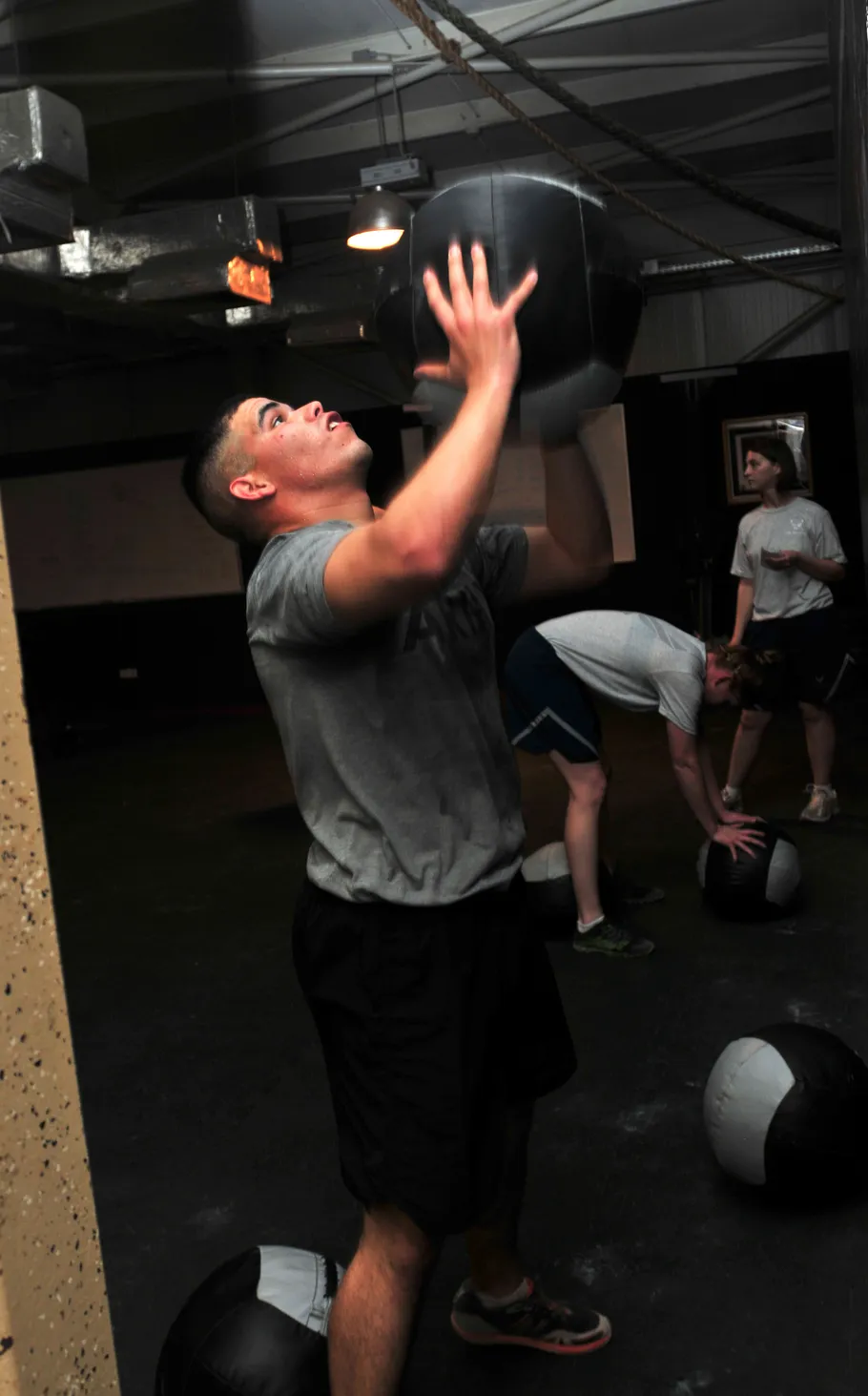
1. Warm up first: five minutes of easy movement before any stone lift, so the hips, the back and the grip are warm before the ball loads them.
2. Start light: lap the lightest stone cleanly before moving up — a stone that is too heavy to lap is a stone that will pull you forward, and the floor is not a spotter.
3. Keep the stone close: lap it onto the thighs, hug it to the chest, and load it to the platform in one controlled move — a stone held away from the body loads the lower back, not the legs.
4. Never throw a stone: a medicine ball is made to be thrown, an atlas stone is not — a thrown stone breaks the floor, the platform, or a foot, and it does not bounce back.
5. Stop on sharp pain: a burn in the legs is training, a sharp or shooting pain in the back, the biceps or the knees is a stop signal — end the set, not the rep, and do not push through it.
6. Keep children and pets clear of the lifting area: a dropped stone lands the same whatever you wear, and no shoe or glove is a shield against a falling ball.
7. Back, biceps or knee pain that keeps coming back is a clinician’s question: see a clinician before buying a stone to fix it, and do not use any pick here as treatment for a back, biceps or knee condition.
This guide is general information only, not medical advice. If you have a back, biceps or knee condition, are recovering from surgery, or are pregnant, talk to a clinician before using an atlas stone.
Frequently Asked Questions
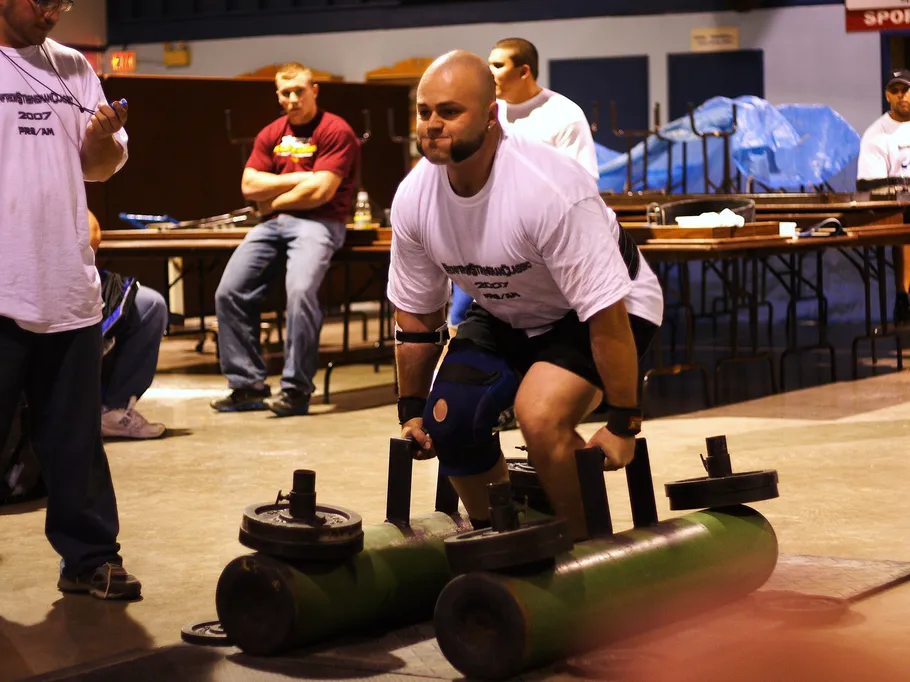
Will atlas stones fix my back or my knees?
No — this guide makes no treatment claim for any pick here. An atlas stone is a training tool for healthy lifters, not a treatment for back, biceps or knee pain.
Pain that keeps coming back, shoots down a leg, or follows an injury is a clinician’s question, not a shopping question. See a clinician first, and buy a stone only for training, not for fixing.
Is an atlas stone the same as a medicine ball?
No. A medicine ball is light and made to be thrown, while an atlas stone is heavy and made to be lifted and loaded to a platform — and the throw is the whole difference: one leaves your hands, the other stays in them.
If your main work is throwing, buy the medicine ball; if your main work is lifting a ball to a platform, buy the stone.
Can I cast my own stone from a mold?
Yes — but plan for the cure. A mold needs concrete, mixing and days of cure time before the stone is ready to lift, and the final weight varies with the mix.
The Slater casts 23 to 586 lb and the Hybrid casts 42 to 246 lb, so pick the mold by the weight you want to end with, not by the price alone.
Do I need a platform?
You need something to load to: a platform, a sturdy box, or a pair of sawhorses at the right height. The load is the lift, so a stone with nowhere to go is only half a lift.
Titan and Rogue both sell stone platforms as accessories, and a sturdy box works at home — but check the height before ordering, because a platform that is too tall turns the load into a press.
What weight should I start with?
Start with the lightest stone you can lap cleanly: the Rogue 50 lb, the Slater’s smallest mold, or the SandBall at 20 kg. A stone you can lap is a stone you can train with.
Never chase the heaviest stone first — the Challenge 200 kg and the Slater’s 586 lb cast are for lifters who have already earned the lighter ones.
What goes under the stone?
A floor that protects both the stone and the room. Hard floors want a mat or tiles under a training area so a concrete stone does not chip and the floor does not crack, and a rubber stone still wants a mat so it does not roll.
Our best gym flooring for home gyms covers mats and tiles by room type in full. Whatever you put down, check it after the first week: a mat that has shifted has already told you the base is wrong.
Our Pick: Start Here
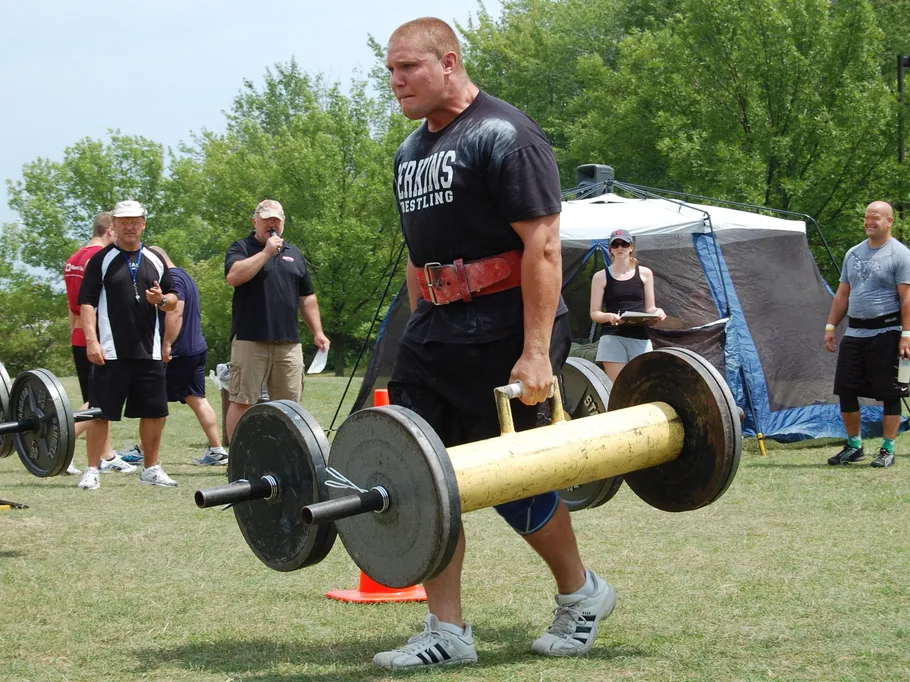
Start with the Rogue Rubber Atlas Stones if you want the classic ready-made stone — rubber over iron, five sizes, floor-friendly, and ready to lift on arrival. Start with the Slater Atlas Stone Mold if you want to cast competition stones — the widest range and the Arnold and WSM pedigree.
Start with the Hybrid Athletics Atlas Stone Mold if you want the value mold — the common sizes at the lowest top price — the Strength Shop SandBall if you want a soft, adjustable bag, and the CERBERUS Sandstone Sandbag if you want a stone-shaped bag.
Start with the Challenge Atlas Stones if you want the heaviest ready-made concrete stone — cast, cured and ready to lift, with delivery included per the maker.
Whichever you start with, check the listing’s own type, weight, diameter and delivery terms before ordering — the conflicts in this guide are the reason, not the excuse.
Disclosure: As an Amazon Associate, we earn from qualifying purchases made through links in this guide, at no extra cost to you.
Specs in this guide come from maker and listing records checked during research; where records conflict, the conflict is printed in the guide rather than resolved by picking one figure.