

Why T-Bar Row Machines Belong in a Home Gym
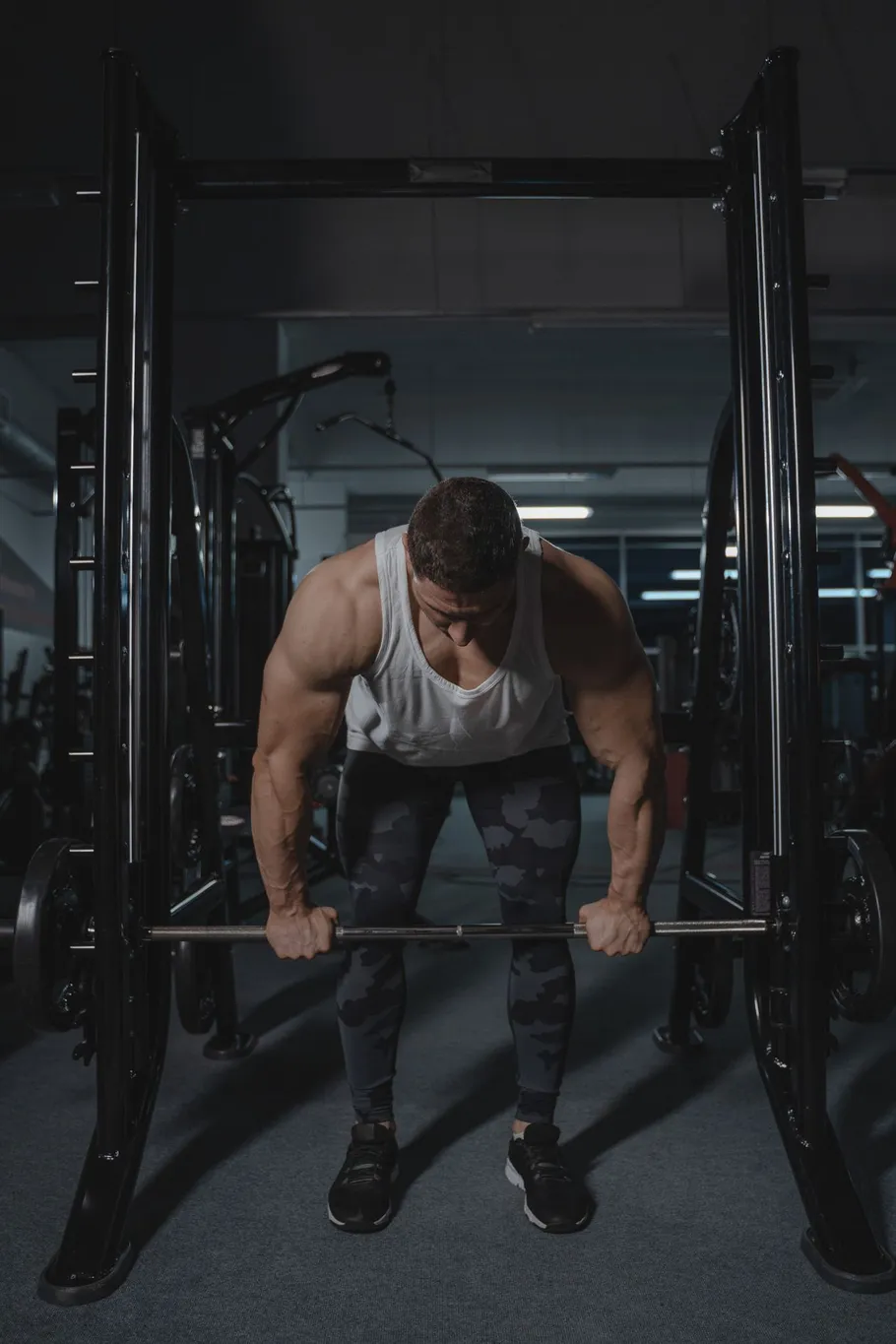
The back grows thick from horizontal pulls, and the T-bar row is the heaviest honest version of that pull. A barbell row works, but the bar wanders, the lower back fatigues first, and the set ends when balance fails rather than when the back does. A T-bar row station fixes one end of the bar, gives you a handle and a place to stand, and lets the lats and mid-back do the work through a repeatable path. That fixed path is the whole reason to buy one. 💪
The previous guide in this series, our lateral raise machines guide, covers a small guided movement for the side delts. T-bar row machines are the heavy end of the same idea: a dedicated station for one big pull, built for a garage or a spare room rather than a corner of the living room.
One honest scope note first. This guide covers standalone plate-loaded T-bar row stations — standing T-bars, chest-supported T-bars and iso-lateral plate-loaded rows. Our landmine attachments guide is the companion for pivot bases, kits and row handles that bolt onto a barbell you already own. If you want a handle on your existing bar, read that guide; if you want a station that stands on its own, you are in the right place.
A second scope note matters just as much. Our seated row machines guide covers selectorized, weight-stack seated rows; the stations here are plate-loaded, a different resistance type with a different loading feel. A plate-loaded station needs plates you own and gives you the load you put on it — no stack, no pin, no ceiling but the sleeve.
How We Picked
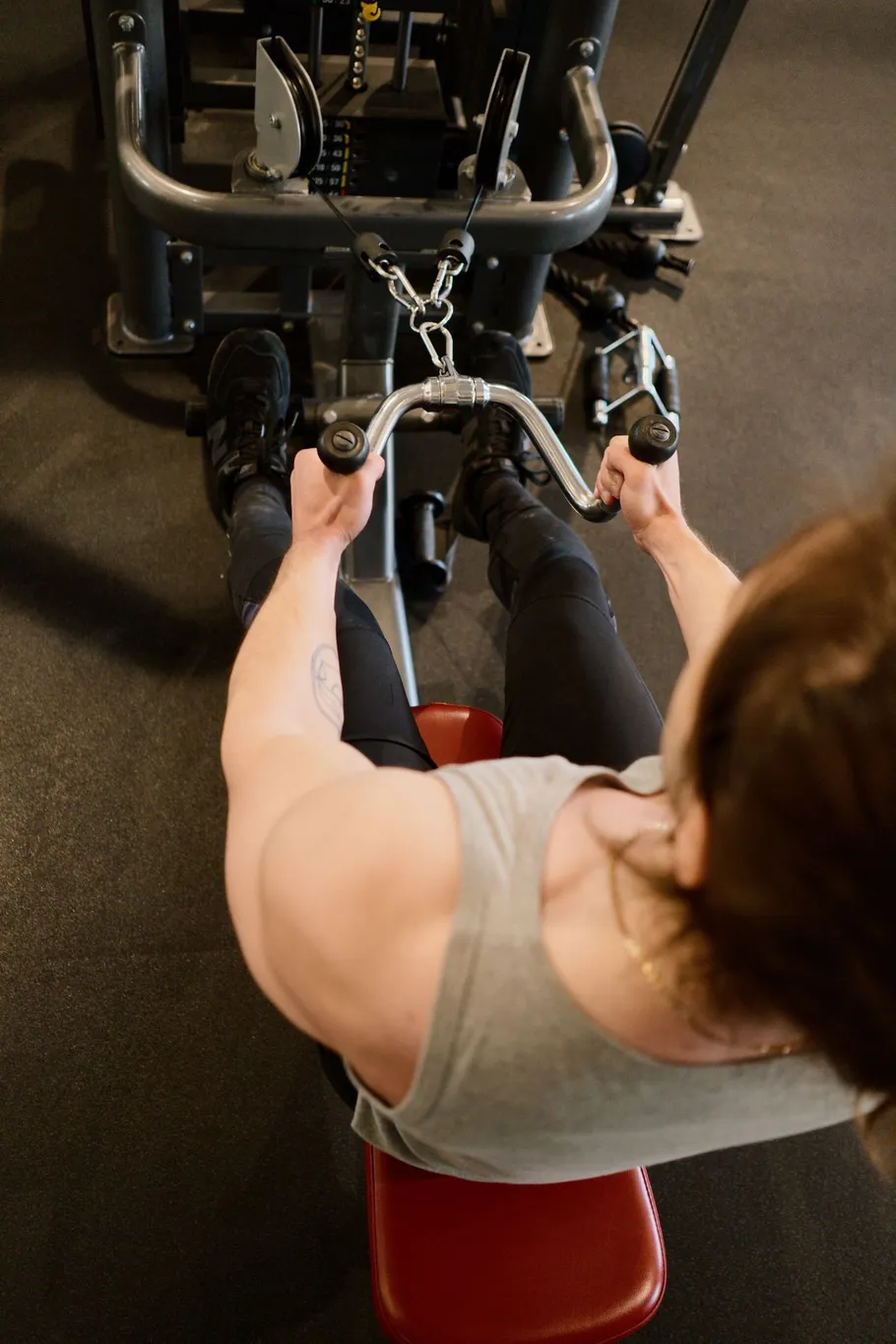
We compared six currently sold plate-loaded T-bar row stations: two standing T-bars, three chest-supported rows and one independent-arm seated row, so the guide answers which rowing job each station does best instead of crowning one winner for everyone. Every spec below comes from maker pages, listings, manuals or review records, and every disagreement found is stated in the pick sections rather than averaged away.
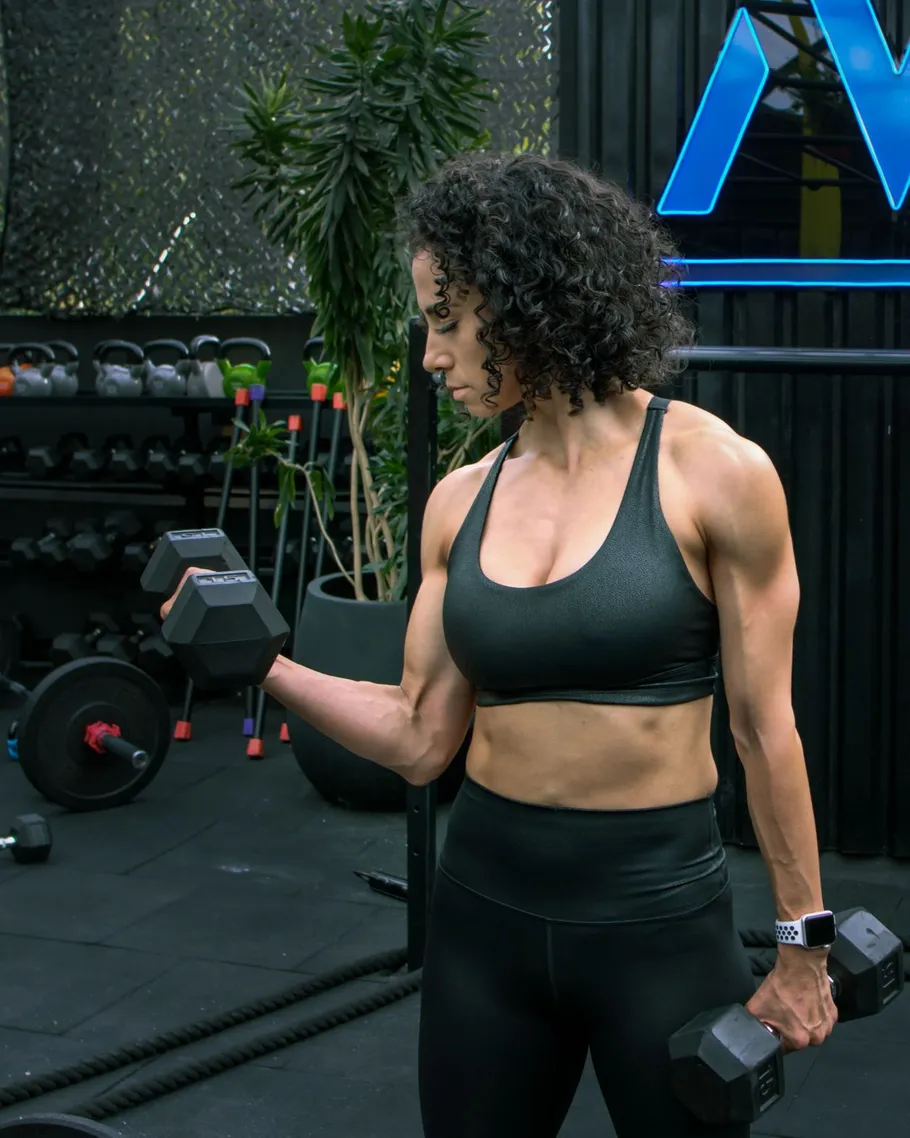
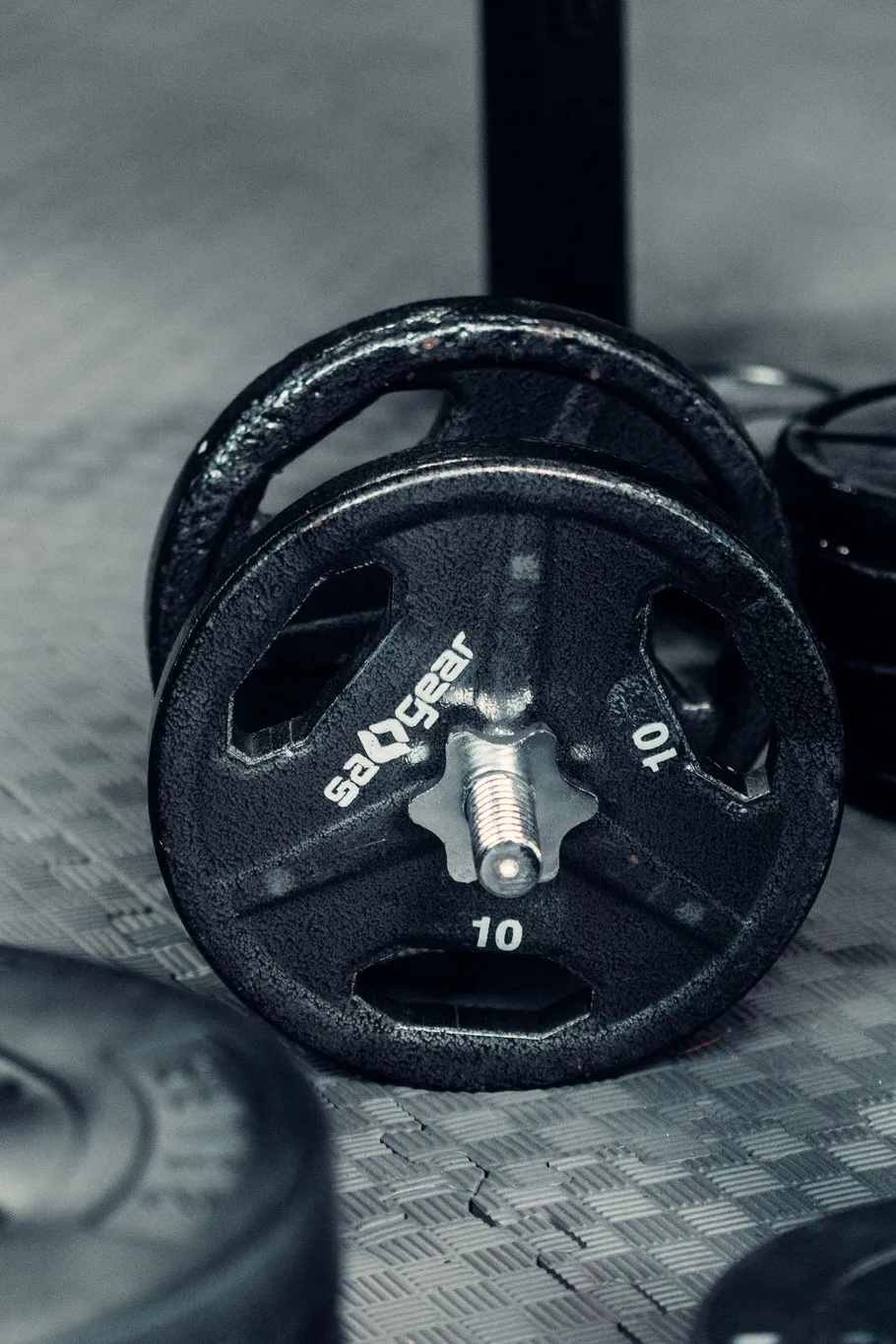
One limit applies to every photo in this guide: no free-license photo of any of the six named T-bar row machines exists, so every figure is an honest generic scene — rowing, racks, plates and gym rooms — captioned as what it actually shows, never presented as a photo of the named unit. No figure here is called high-definition where it is not.
- Scored on: row type, load honesty, plate fit, footprint and unit weight, and grip options.
Also considered: Hammer Strength Iso-Lateral T-Bar Row IL-TBR is a commercial dealer machine with 225 lb per arm and a 240 lb unit weight, left out as a commercial dealer machine, not a home-gym Amazon pick on current evidence. Valor Fitness Row Pull is a seated independent-arm row with converging arms and a 400 lb capacity claim, left out because its records were thinner than the six picks. Mirafit T-Bar Row is a UK-brand row with a 150 kg pole capacity and a 180 kg maximum user weight, left out as a UK-market pick with weaker Amazon US availability. Syedee Seated Row Machine is a different Syedee product from the Syedee T-Bar Row picked here, with its own 400 lb capacity record — named so buyers do not confuse the two. Landmine T-bar platforms and row handles are covered in our landmine attachments guide, not repeated here.
Scoped superlatives: the heaviest settled unit weight here is the Dynasty at 172 lb, with the Body-Solid just behind at 163 lb; the Syedee and the Mikolo are kept out of the weight ranking because no unit weight is stated for either. The lightest settled unit weight is the GMWD at 95 lb. The highest settled load figure is the Titan’s 440 lb manual capacity; the Syedee’s 450 lb figure is a roundup record only, not maker-verified, and is kept out of settled claims. The largest stated floor area is the Body-Solid at 78 by 43 inches, while the tallest stated station is the Dynasty at 49.6 inches. The only standing machines are the Titan and the Body-Solid, the only independent-arm machine is the GMWD, and the only linear-rail machine is the Mikolo.
Comparison
| Pick | Type | Load | Footprint | Unit weight |
|---|---|---|---|---|
| Titan Fitness Plate-Loaded Standing T-Bar Row | Standing T-bar | 440 lb (manual) | Not stated | 150 lb |
| Syedee T-Bar Row Machine | Chest-supported | 450 lb (roundup record) | Not stated | Not stated |
| Body-Solid Pro Clubline STBR500 | Standing T-bar | Not stated | 78×43×18 in | 163 lb |
| GMWD Plate Loaded Row Machine | Independent-arm seated row | 400 lb total (200 lb per horn) | 63.8×28.7×42.2 in | 95 lb |
| Mikolo S7 T-Bar Linear Row Machine | Linear chest-supported | 200 lb (disputed — see section) | Not stated | Not stated |
| Dynasty Fitness DSH024 T-Bar Row | Chest-supported | 331 lb single horn | 75.6×39.2×49.6 in | 172 lb |
The Load column mixes three different kinds of figure, and none of them should be read as a single ranking. The Titan’s 440 lb is a maker-manual capacity, the Syedee’s 450 lb is a roundup record only, the GMWD’s 400 lb is a total across two independent horns at 200 lb each, the Dynasty’s 331 lb is a single weight horn, and the Mikolo’s cell carries a dispute — the maker description says 200 lb while an owner review says 220 lb, both stated in its section. The Body-Solid reads Not stated because no capacity figure is published for it. A T-bar load figure only means something next to the horn it sits on, so compare within a row, not down the column.
The Footprint and Unit weight columns carry honest blanks for the same reason. The Titan, the Syedee and the Mikolo read Not stated on footprint, and the Syedee and the Mikolo read Not stated on unit weight, because no figure is published for them — this guide prints no figure rather than inventing one. Footprint matters twice for a row station: once when you get it through the door, and again every time you load plates from the side.
Titan Fitness Plate-Loaded Standing T-Bar Row Machine
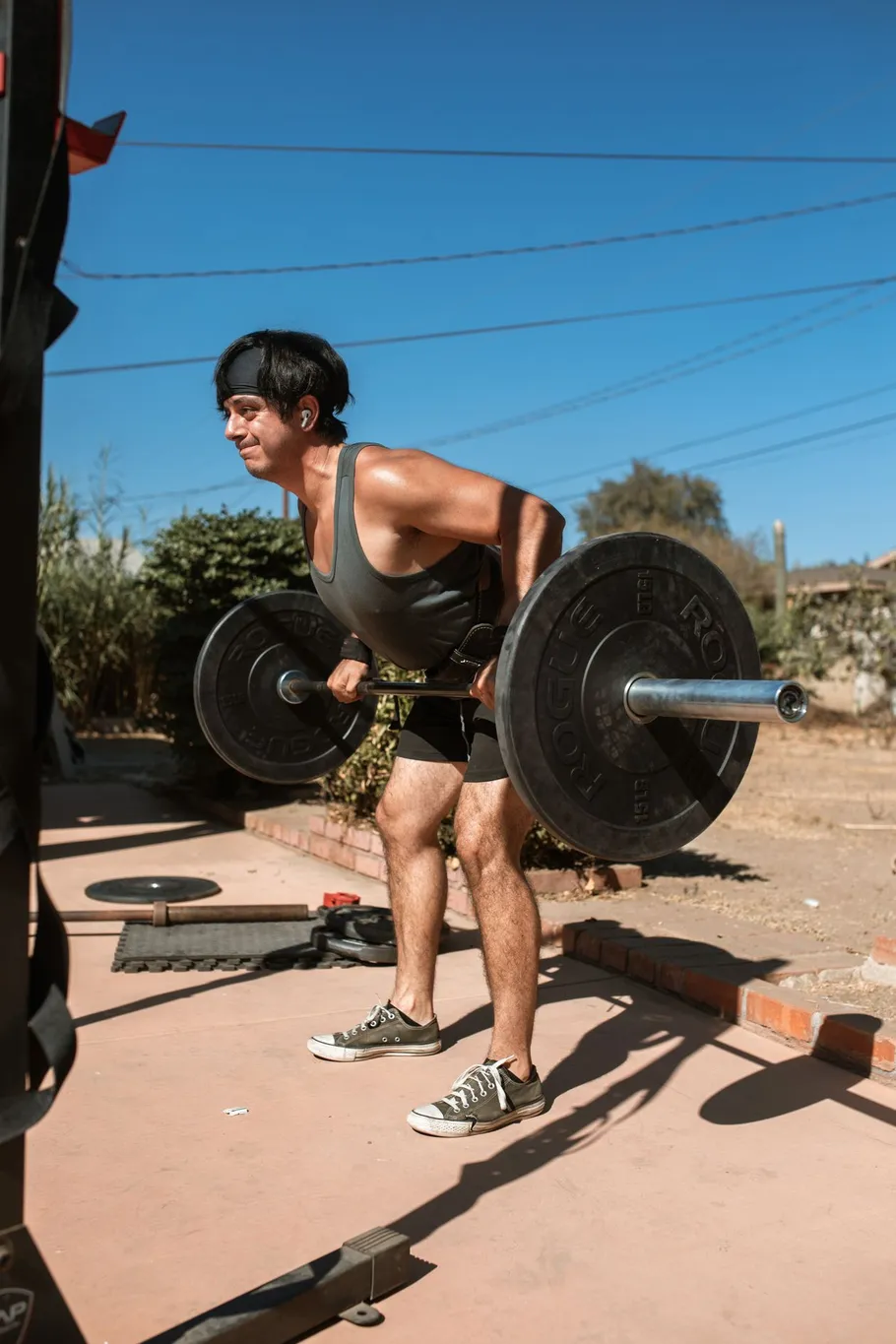
The Titan Fitness Plate-Loaded Standing T-Bar Row is the standing pick of this guide, sold as the TRWM1 and TRWM2 models, and its argument is the manual: a 440 lb capacity from the maker manual, a 150 lb unit in alloy steel, a 12.7 inch weight sleeve, multigrip handles and dual non-slip footplates. Standing keeps the row honest — the legs and lower back hold the position, so the pull stays a full-body movement rather than a supported isolation. 🏋️
The sleeve and the footplates are the details that matter. A 12.7 inch sleeve takes a useful stack of plates before it runs out of room, and dual non-slip footplates give both feet a planted position through a heavy set. Multigrip handles let the lifter switch between narrow and wide hand positions without changing the machine, which is the cheapest variety a row station can offer.
Two flags stay open. First, no footprint is published for this station, so floor planning has to wait for the listing — measure the room the station will stand in, not just the space you hope it fits. Second, the TRWM1 and TRWM2 model codes circulate for what appears to be the same standing unit, so confirm the exact model on the listing before ordering.
✅ Pros
- 440 lb maker-manual capacity — the highest settled load figure here
- Multigrip handles give narrow and wide pulls from one station
- Dual non-slip footplates keep both feet planted through heavy sets
⚠️ Cons
- No footprint published — plan floor space from the listing
- Standing form lets the lower back fatigue before the back does
- TRWM1 and TRWM2 codes circulate for the same-looking unit
Listing check: no confident listing code was verified for this unit, so the link above is a tagged search — confirm the standing model, the 440 lb manual capacity and the 12.7 inch sleeve on the listing itself before ordering. Plate-loaded picks need plates: our weight plates guide compares bumper and iron options for exactly this job.
Best for: lifters who want a standing plate-loaded T-bar row with a maker-stated capacity.
May not fit: lifters who want chest support, a published footprint, or a seated row.
Syedee T-Bar Row Machine
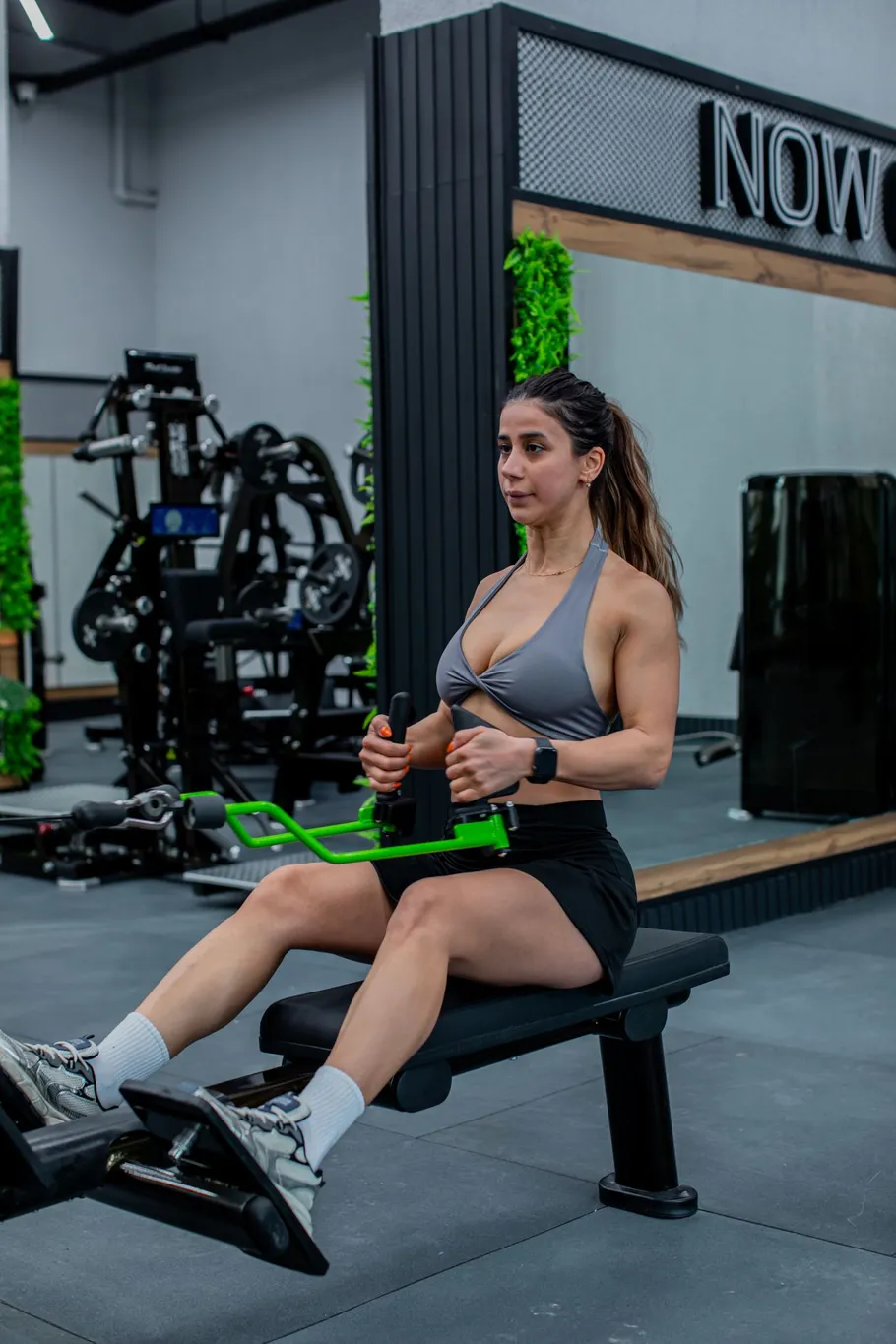
The Syedee T-Bar Row Machine is the chest-supported pick of this guide, and its argument is support: a chest pad takes the lower back out of the row, a cable bar adds a second pull option, a height-adjustable footplate fits different leg lengths, and multi-grip handles plus a retractable bar cover narrow and wide pulls. Chest support is the feature that lets the back work after the legs and lower back are already tired from squats or deadlifts. 🛡️
The capacity record needs stating plainly. A 450 lb capacity claim circulates in roundup records for this machine, but no maker page was found verifying it in this search, so this guide treats it as a roundup record, not a settled capacity. The highest settled load figure in this guide remains the Titan’s 440 lb manual capacity — the Syedee’s 450 lb sits above it only as an unverified record.
Two flags stay open. First, the Syedee name covers two different machines: this T-Bar Row is not the Syedee Seated Row Machine, a different product with its own 400 lb capacity record — confirm the T-bar model on the listing, not just the brand. Second, no footprint and no unit weight is published for this machine, so delivery and floor planning have to wait for the listing.
✅ Pros
- Chest support takes the lower back out of the row
- Cable bar adds a second pull option beyond the T-bar
- Height-adjustable footplate and multi-grip handles fit most lifters
⚠️ Cons
- 450 lb capacity is a roundup record — no maker page verified it
- Syedee Seated Row is a different product under the same brand
- No footprint or unit weight published — plan from the listing
Listing check: no confident listing code was verified for this unit, so the link above is a tagged search — confirm the T-Bar Row model, the chest pad and the cable bar on the listing itself before ordering, and do not accept the Syedee Seated Row unless that is what you meant to buy.
Best for: lifters who want chest support and a second cable pull from one station.
May not fit: buyers who need maker-verified capacity, or anyone who wants a standing row.
Body-Solid Pro Clubline STBR500
The Body-Solid Pro Clubline STBR500 is the commercial standing pick of this guide, and its argument is the frame: 11-gauge steel, a 163 lb unit built at 78 by 43 by 18 inches, an oversized diamond-plated footplate, a wide knurled handle with 16 inches of knurl on each side, and an eyelet for cable handles. Commercial here means the steel, the plate and the handle are built for a gym floor that never closes, not for a spare room that sometimes does. 🏭
The footplate and the handle are the details that matter. An oversized diamond-plated footplate keeps the feet planted when the pull gets heavy, and 16 inches of knurl per side gives the hands a long, grippy runway for wide pulls. The cable-handle eyelet adds a second life to the station: clip on cable handles and the T-bar becomes a cable row station as well.
Two flags stay open. First, no capacity figure is published for the STBR500, so the load ceiling is genuinely unknown — the frame suggests a commercial rating, but this guide prints no number rather than guessing one. Second, the 78 by 43 inch floor area is the largest in this guide, so the station needs a garage corner measured in feet, not inches.
✅ Pros
- 11-gauge steel frame built for commercial use
- Oversized diamond-plated footplate keeps feet planted
- Wide knurled handle with 16 inches of knurl per side, plus a cable eyelet
⚠️ Cons
- No capacity figure published — the load ceiling is unknown
- Largest stated floor area here at 78 by 43 inches
- Commercial positioning means dealer-style delivery in most cases
Listing check: no confident listing code was verified for this unit, so the link above is a tagged search — confirm the STBR500 model, the 11-gauge frame and the knurled handle on the listing itself before ordering, and do not confuse it with other Body-Solid row units.
Best for: lifters who want a commercial-grade standing T-bar and have the floor for it.
May not fit: small rooms, buyers who need a stated capacity, or anyone who wants chest support.
GMWD Plate Loaded Row Machine
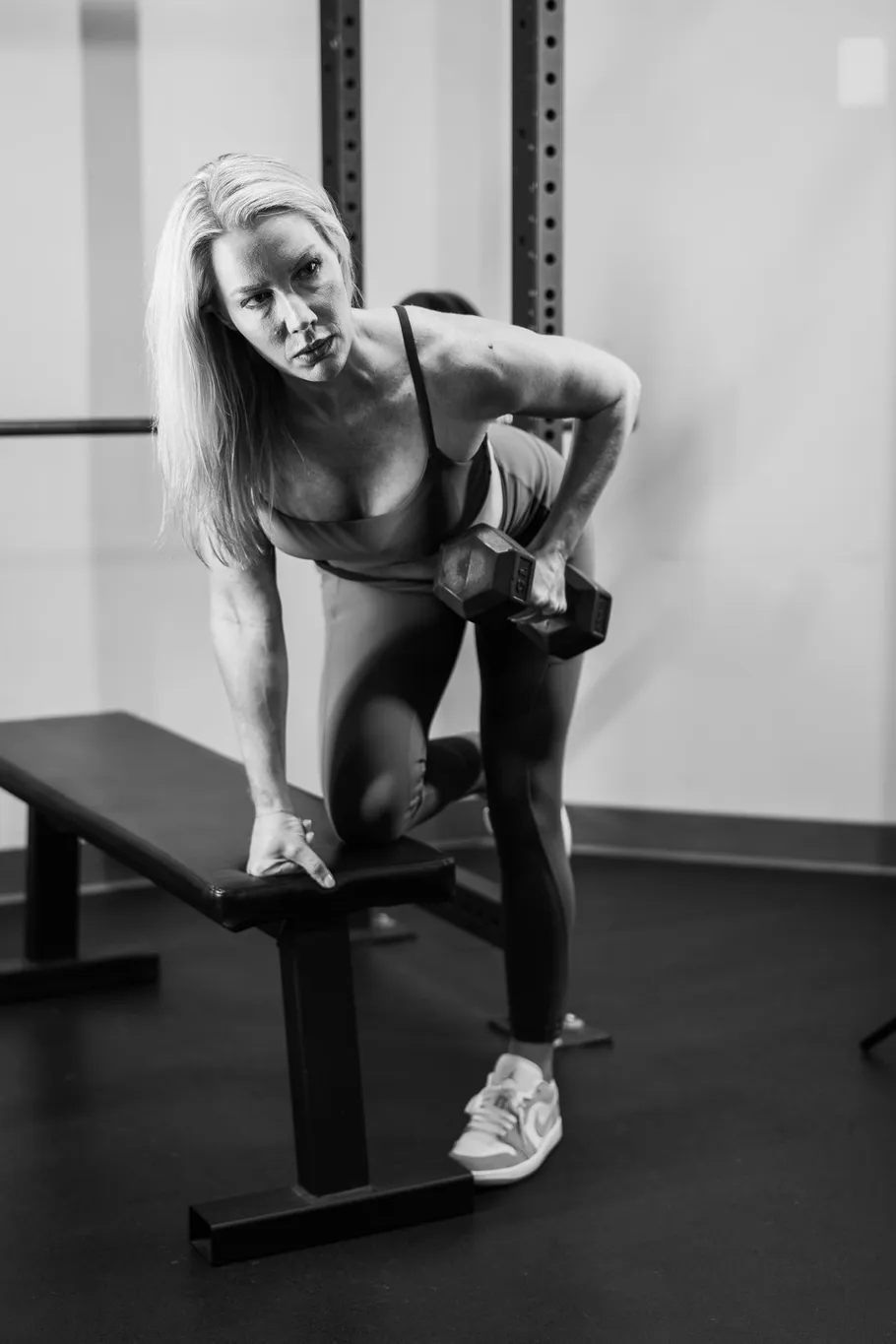
The GMWD Plate Loaded Row Machine is the independent-arm pick of this guide, and its argument is balance: an iso-lateral seated row with 400 lb total across two horns at 200 lb each, built at 63.8 by 28.7 by 42.2 inches in 2 by 2 inch 14-gauge steel, weighing 95 lb, with adjustable horns for Olympic and standard plates. Reviewers describe it as T-bar-like, and the loading is the same plate-on-a-horn idea — but the arms move independently, so each side pulls its own weight. ⚖️
The honesty note comes first with this pick: it is a seated row station, not a standing T-bar. The seated position braces the body and isolates the pull, which suits lifters who want to chase a weak side without the lower back joining in. The adjustable horns take Olympic and standard plates, so the plates you already own fit without buying a second set.
Two flags stay open. First, the 95 lb unit weight is the lightest settled figure here, which makes delivery easy but also means the station must be planted well — a light frame under a 400 lb load needs a level floor and tight assembly. Second, the 400 lb total is split across two horns, so a lifter who wants 400 lb on one arm will not find it here — each horn caps at 200 lb.
✅ Pros
- Independent arms stop the stronger side carrying the weaker one
- Lightest settled unit weight here at 95 lb
- Adjustable horns take Olympic and standard plates
⚠️ Cons
- A seated row station, not a standing T-bar — a different pull
- 400 lb total splits to 200 lb per horn, not 400 lb per arm
- Light 95 lb frame needs a level floor and tight assembly under load
Listing check: no confident listing code was verified for this unit, so the link above is a tagged search — confirm the independent-arm seated model, the 200 lb per-horn figure and the adjustable horns on the listing itself before ordering, and do not accept a fixed-arm GMWD row unless that is what you meant to buy.
Best for: lifters who want independent arms and a seated, braced pull.
May not fit: lifters who want a standing T-bar, or anyone who wants 400 lb on one arm.
Mikolo S7 T-Bar Linear Row Machine
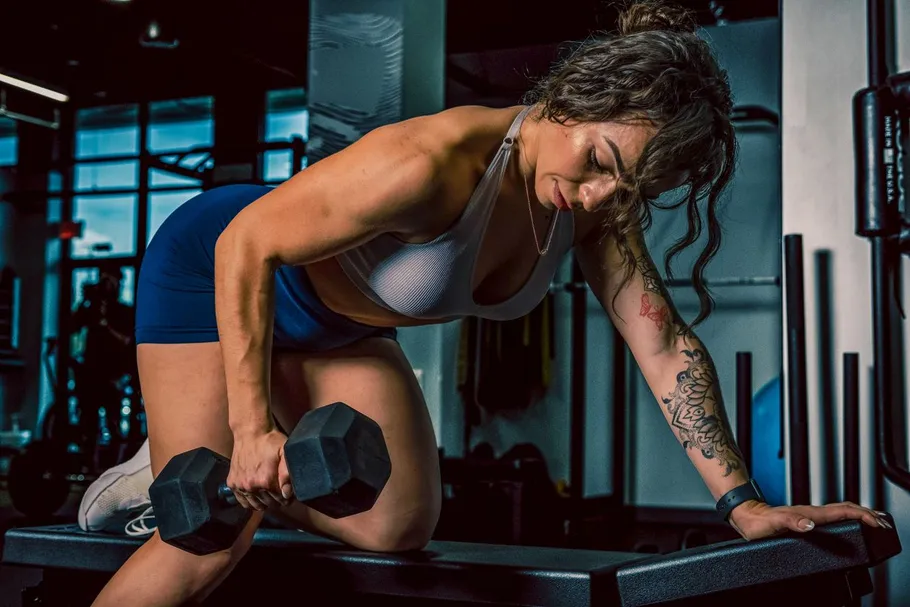
The Mikolo S7 T-Bar Linear Row Machine is the compact linear pick of this guide, and its argument is the rail: a linear-rail path instead of a swinging arc, a 5-position adjustable chest pad, and 4 grip options, so the pull stays on rails while the chest pad and the grips adjust to the lifter. A linear path is the most repeatable row a home gym can buy — the same pull, every rep, with no balance tax. 🛤️
The fit guidance is unusually specific, and it is worth quoting because it decides the purchase: the maker FAQ gives an arm length of 22 to 27 inches and a leg length of 36 to 40 inches as the fit range. A lifter outside those ranges should check the fit on the listing before ordering, because a chest pad that does not meet the chest turns a supported row into an awkward one.
Two flags stay open. First, the capacity is genuinely disputed: the maker description says 200 lb while an owner review says 220 lb, and this guide prints both rather than picking one — the table cell reads disputed for exactly this reason. Second, no footprint and no unit weight is published for the S7, so floor planning has to wait for the listing.
✅ Pros
- Linear-rail path gives the most repeatable pull here
- 5-position chest pad and 4 grip options adjust to the lifter
- Compact linear design suits a smaller home-gym corner
⚠️ Cons
- Capacity disputed — 200 lb maker description vs 220 lb owner review
- Maker fit range is narrow: arm 22 to 27 inches, leg 36 to 40 inches
- No footprint or unit weight published — plan from the listing
Listing check: no confident listing code was verified for this unit, so the link above is a tagged search — confirm the S7 linear model, the 5-position chest pad and the fit range on the listing itself before ordering, and measure your arm and leg lengths first.
Best for: lifters who want a compact linear-rail row inside the maker fit range.
May not fit: lifters outside the fit range, or anyone who wants a standing T-bar.
Dynasty Fitness DSH024 T-Bar Row
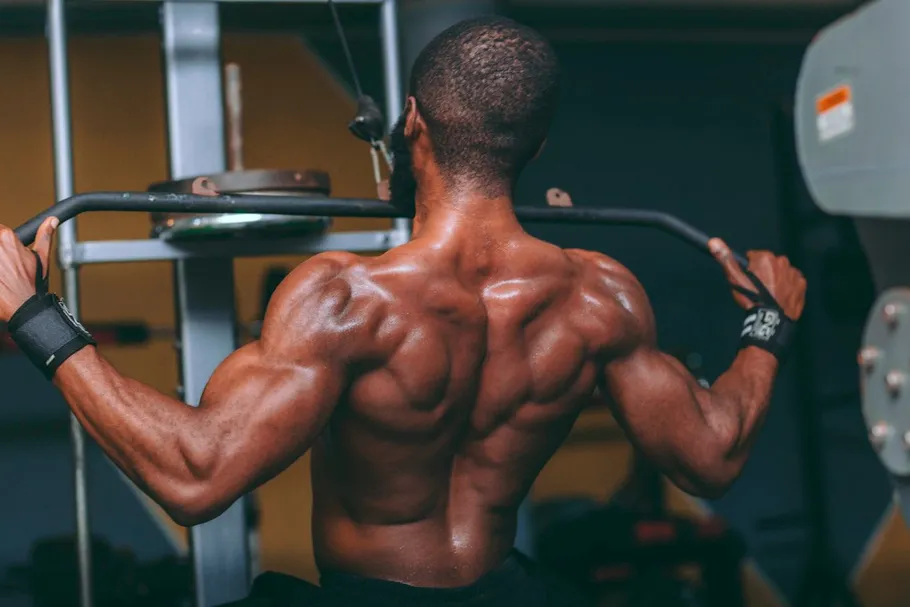
The Dynasty Fitness DSH024 T-Bar Row is the heavy chest-supported pick of this guide, and its argument is the steel: PT60 by 120 by 2.5 mm commercial steel, a 172 lb unit built at 75.6 by 39.2 by 49.6 inches, a 331 lb single weight horn, dual-position non-slip footplates and a dual-angle handlebar with wide, narrow and neutral grips. Commercial steel, a tall frame and three grips make this the station for a lifter who rows heavy and wants the frame to outlast the habit. 🏋️
The single horn is the detail to read carefully. The 331 lb figure sits on one weight horn, not split across two, so the whole load rides one sleeve — check the sleeve length against the plates you own before ordering, because a short sleeve caps a heavy row. The dual-angle handlebar covers wide, narrow and neutral grips from one bar, which is the cheapest variety a row station can offer.
Two flags stay open. First, the 172 lb unit weight is the heaviest settled figure here, and the 49.6 inch height is the tallest — delivery, doorways and ceiling height all need planning before the box arrives. Second, the commercial positioning means dealer-style pricing and delivery in most cases, so confirm the full delivered arrangement on the listing before ordering.
✅ Pros
- Commercial steel frame with a 331 lb single weight horn
- Dual-angle handlebar gives wide, narrow and neutral grips
- Dual-position non-slip footplates fit different stances
⚠️ Cons
- Heaviest settled unit weight here at 172 lb, tallest stated at 49.6 inches
- Single horn carries the whole load — check sleeve length first
- Commercial positioning means dealer-style delivery in most cases
Listing check: no confident listing code was verified for this unit, so the link above is a tagged search — confirm the DSH024 model, the 331 lb single horn and the dual-angle handlebar on the listing itself before ordering, and do not confuse it with other Dynasty row units.
Best for: lifters who want a heavy commercial chest-supported row with three grips.
May not fit: small rooms, low ceilings, or buyers who want a light home-gym unit.
How to Choose the Right T-Bar Row Machine
Choosing a T-bar row machine comes down to four questions, in order: what type of row, what plates it takes, what load it carries, and what space it needs. Answer them in that order and the six picks sort themselves — a standing lifter and a chest-supported lifter buy different stations, and neither is wrong. Our foam rollers guide covers the recovery side of heavy pulling, which matters once the rows get heavy.
Choose Your Type
Start with the pull, not the machine. A standing T-bar keeps the whole body in the row; a chest-supported row braces the torso and isolates the back; an independent-arm row lets each side pull its own weight; a linear-rail row repeats the same path every rep. Standing and supported are different rowing jobs, and a station built for one does the other badly or not at all. The Titan and the Body-Solid stand, the Syedee, the Mikolo and the Dynasty support the chest, and the GMWD splits the arms — pick the type that matches the back you already have and the room you already own.
Choose Your Plates
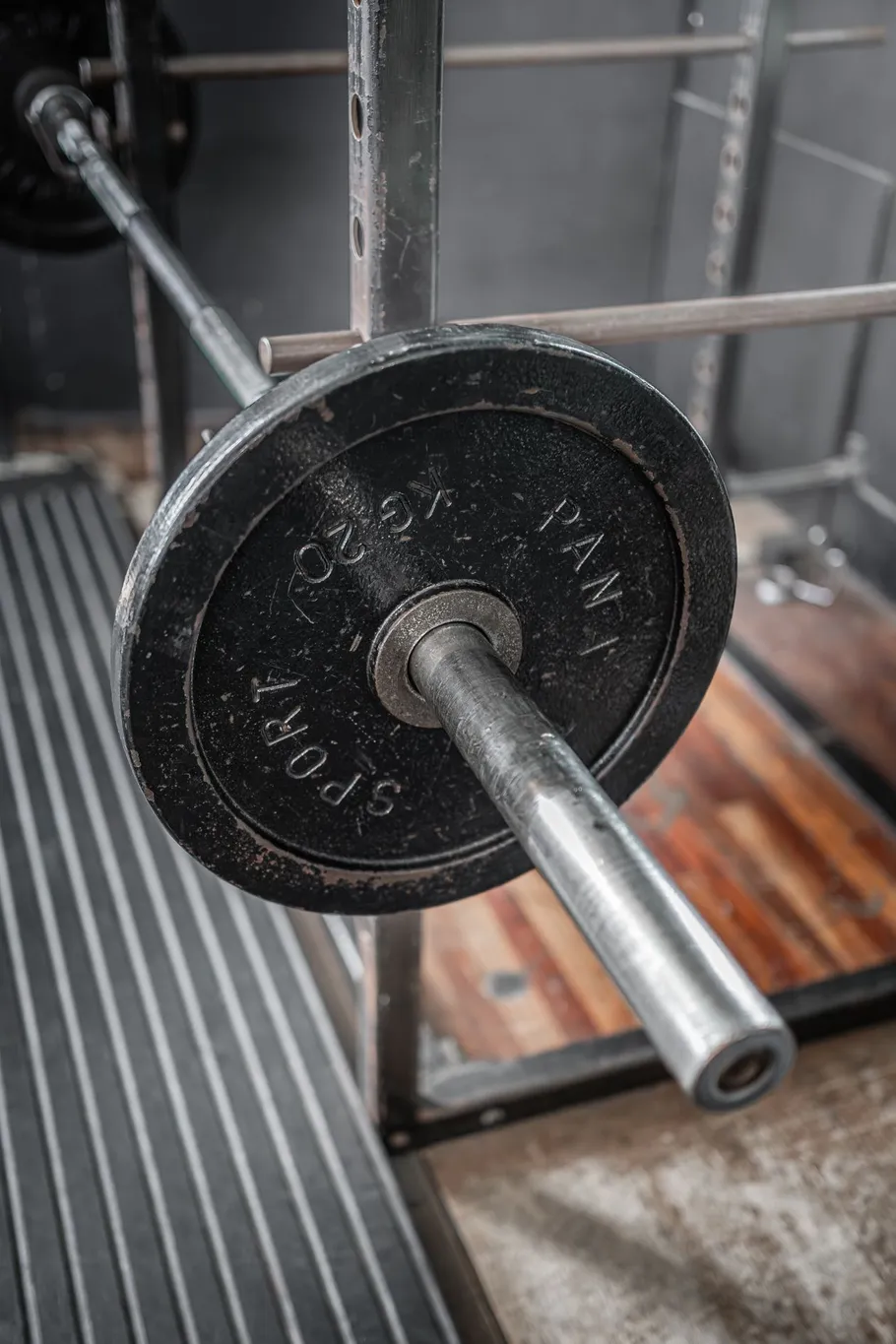
Plate fit is a measurement, not a guess. The Titan’s 12.7 inch sleeve, the GMWD’s adjustable horns for Olympic and standard plates, and the Dynasty’s single horn all decide which plates fit and how many stack before the sleeve runs out. Check your plates’ hole size against the horn, and count how many plates the sleeve holds at your working load — a short sleeve caps a heavy row no matter what the capacity figure says.
Choose Your Load
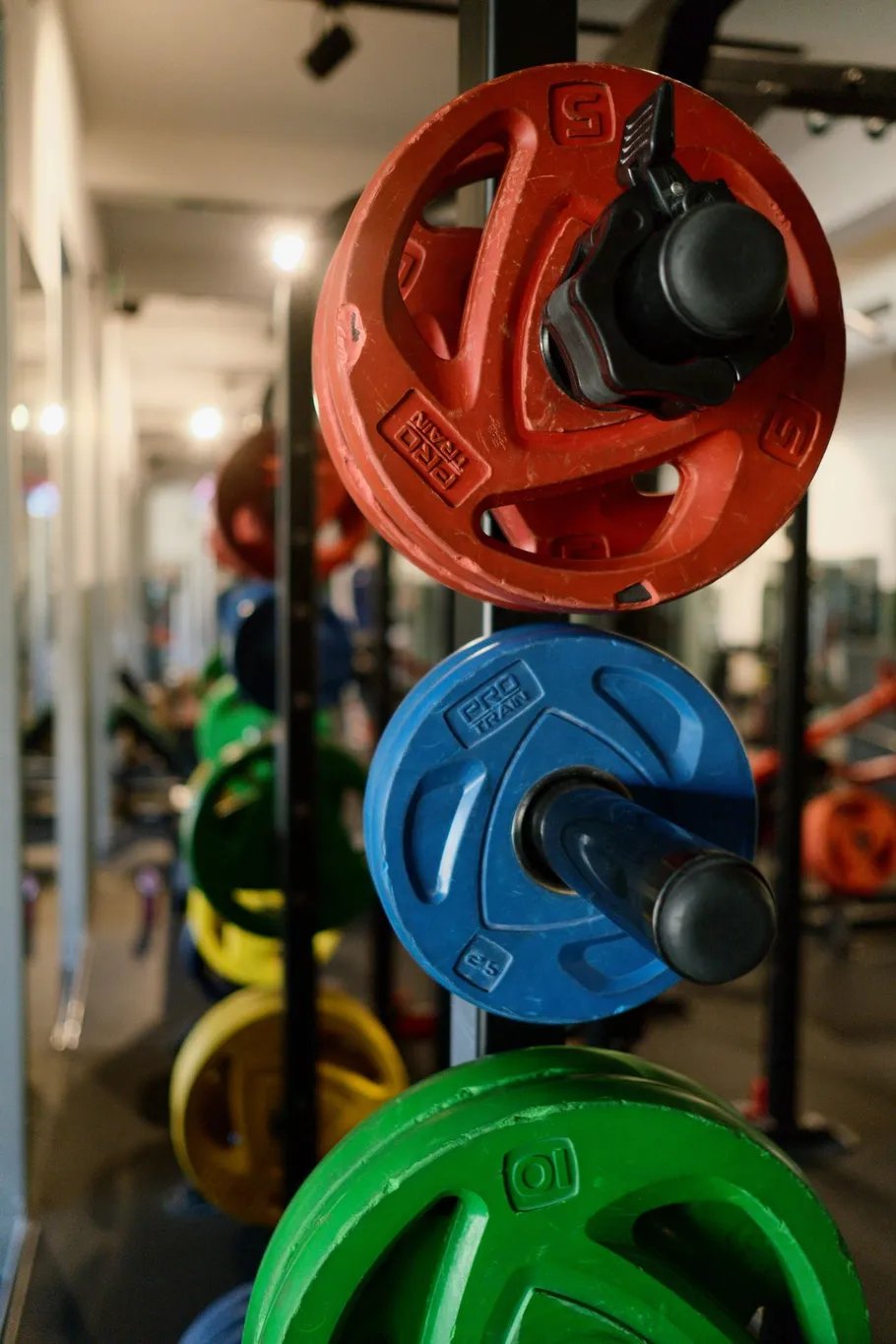
Load honesty separates this guide’s picks. Plate-loaded picks need plates you own, and the working load is whatever you load — the Titan caps at 440 lb by manual, the GMWD splits 400 lb across two horns, the Dynasty loads 331 lb on one horn, and the Syedee’s 450 lb and the Mikolo’s 200 lb figures carry the verification flags stated in their sections. For a row, a small honest load beats a large claimed one, because strict form fails long before big numbers do.
Choose Your Space
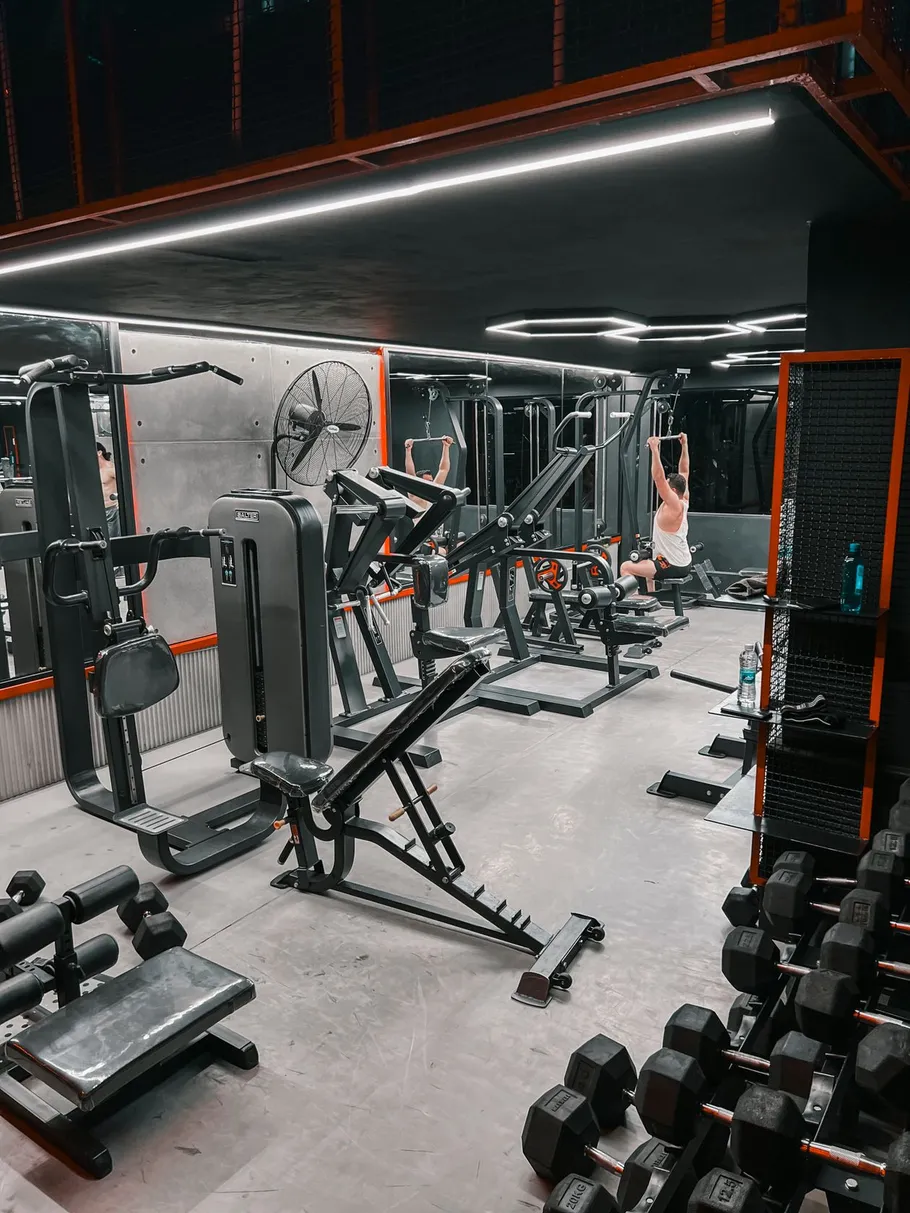
Space is the pick that surprises buyers most. The GMWD stands at 63.8 by 28.7 by 42.2 inches and 95 lb — a corner machine. The Body-Solid needs 78 by 43 inches of floor, and the Dynasty weighs 172 lb and stands 49.6 inches tall, so both need a garage floor, a delivery route and a ceiling check. If a power rack already owns the corner of your gym, measure the row station against the rack’s footprint — our power racks guide covers the racks that share that corner, including the sizes that matter here. Measure the delivery route as well as the final spot: a tall frame does not bend around a low doorway.
Safety
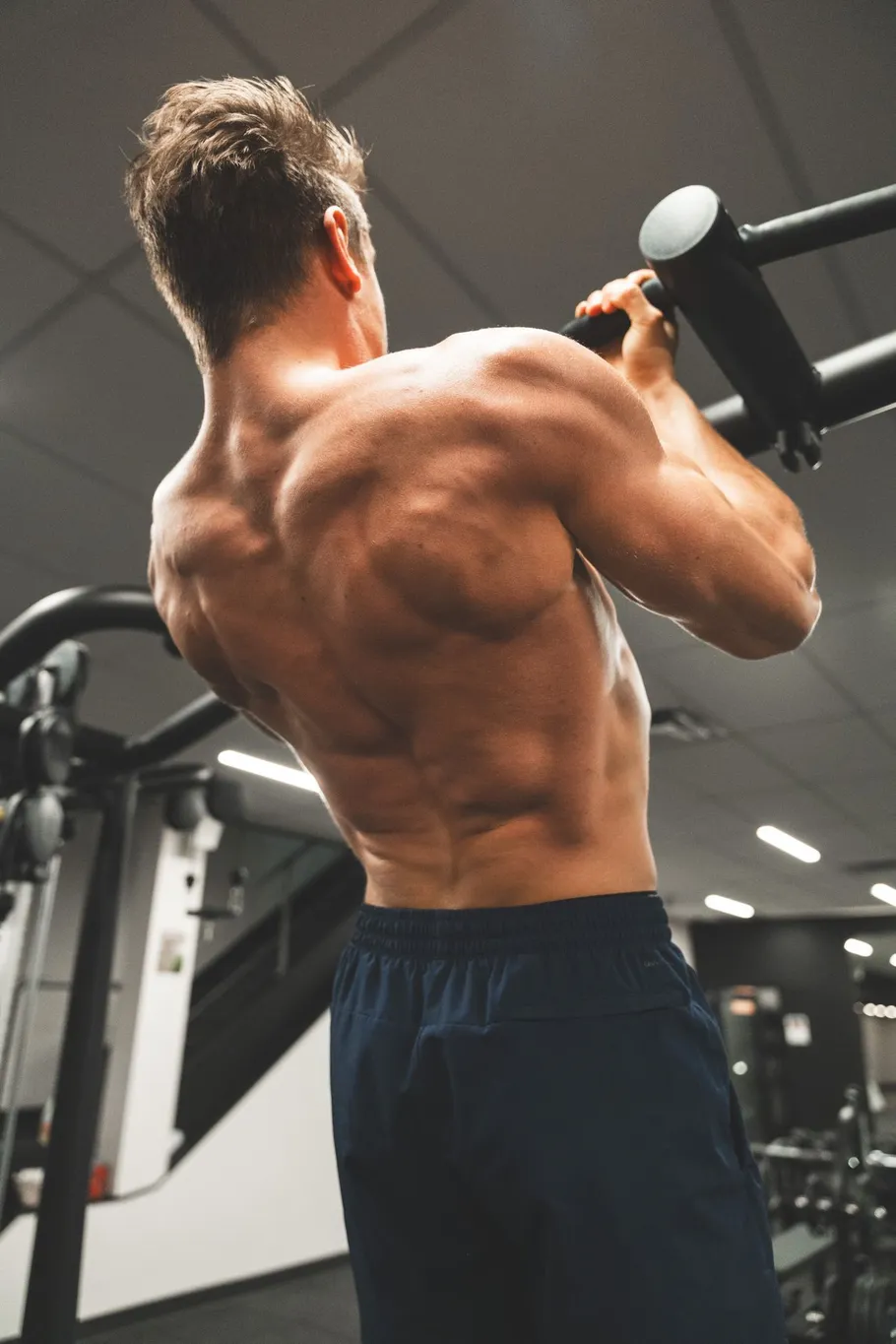
1. Start light. The back is a big muscle group, but a T-bar row loads it through a fixed path — a weight you can pull strictly for 12 reps beats a weight you heave for 6.
2. Keep the lower back flat on standing rows. Hinge at the hips, brace the core, and never round the lower back to start the pull — a rounded back under load is how a row becomes a back injury.
3. Set the chest pad before you load on supported rows. The pad should meet the chest firmly at the start position, with the handles in reach without stretching — a wrong pad position turns a supported row into a grind.
4. Check plate collars every set on plate-loaded horns. A horn that swings through an arc drops plates if the collars are loose, and a falling plate near a foot is the most common plate-loaded accident.
5. Check footplates and handles before every session. Feet planted on non-slip plates, grips dry and tight — a slipping foot mid-pull throws the whole body off the path.
6. Keep hands clear of moving arms and rails. Never reach into a moving arm to adjust a handle, and never let a child near an unguarded station — the arm moves, the plates swing, and fingers lose.
7. Stop on sharp back pain. A dull burn in the lats and mid-back is training; a sharp pain in the lower back or a pinch between the shoulder blades can mean a strain or a disc problem, and pushing through it turns a small problem into a long one.
Safety note: this guide is general information, not medical advice. If you have a back, shoulder or neck problem, or any injury affecting the spine or shoulder joints, speak to a clinician or physiotherapist before starting a T-bar row routine.
Frequently Asked Questions
Will a T-bar row machine replace my barbell rows?
It replaces the wandering part of them. A barbell row loads the whole body and the balance with it, while a T-bar station fixes the path and lets the back do the work — but barbell rows still train balance and bracing that a fixed path does not. Most lifters keep both: the station for strict volume, the barbell for free-weight control.
Can these machines do other pulls too?
Only the Syedee, among the six picks, adds a cable bar as a designed second pull alongside the T-bar. The Body-Solid adds a cable-handle eyelet, and the GMWD’s independent arms split the pull side to side — but the dedicated stations are row stations, so do not buy one expecting a lat pulldown or a cable crossover.
What plates do the plate-loaded picks need?
The Titan uses a 12.7 inch sleeve, the GMWD takes Olympic and standard plates through adjustable horns, and the Dynasty loads a single horn — in every case, the plates are yours to supply, and none of the six picks ships with a plate set. The Syedee’s and the Body-Solid’s plate sizes are not published, so confirm them on the listing.
How heavy is a commercial unit to live with?
Very. The Dynasty weighs 172 lb and stands 49.6 inches tall, and the Body-Solid weighs 163 lb with a 78 by 43 inch floor area — both need a garage floor, a delivery route and help on the day, and neither belongs upstairs. The GMWD, by contrast, weighs 95 lb and fits a corner.
Do I need a rack for these machines?
No — all six picks here are standalone stations, not rack attachments, and none of them bolts onto a rack. That is the difference from our landmine attachments guide, where every pick needs a barbell and a pivot base. If you already own a rack, the station simply stands beside it.
What floor protection do heavy row stations need?
A mat under the station and a floor that can take the load. A 172 lb machine on bare concrete is fine; the same machine on a suspended wooden floor or thin laminate is a risk, and the plates around it need a mat of their own. Our gym flooring guide compares mats and tiles for exactly this job.
Our Pick: Start Here
Start with the Titan Fitness Plate-Loaded Standing T-Bar Row if you want a standing plate-loaded row with a maker-stated capacity — it is the highest settled load figure here and the simplest station. If you want chest support, the Syedee T-Bar Row Machine is the supported pick, and the Mikolo S7 is the compact linear option inside its fit range. If you want independent arms and a seated pull, the GMWD Plate Loaded Row Machine is the balance pick, and the Body-Solid Pro Clubline STBR500 is the commercial standing step up. The Dynasty Fitness DSH024 suits lifters who want the heavy commercial chest-supported station and have the floor for it.
As an Amazon Associate, this site earns from qualifying purchases made through links in this guide, at no extra cost to you. The Amazon links above are tagged search links, not direct product listings, because no confident listing code was verified for these units — always confirm the exact version, capacity and dimensions on the listing before ordering.
Specifications in this guide come from maker pages, listings, manuals and review records that frequently disagree, and every disagreement found is stated in the pick sections rather than averaged away. Capacity, dimensions, weight, load and resistance figures in particular mix maker claims, review measurements and older records, so treat this guide as a comparison of published records, not as a substitute for the listing on the day of purchase.