

Seven Moves That Train the Whole Body 💪
Good training does not need a long list of exercises. A small set of compound moves can train the legs, back, chest, shoulders, arms and core together.
This list keeps it simple. Each exercise below works several muscle groups at once, and each one is a classic gym movement with a long track record.
Form comes first with every move here. Learn the movement with a comfortable weight, keep control through each rep, and only add resistance when the technique feels steady.
1. Barbell Back Squat 🏋️
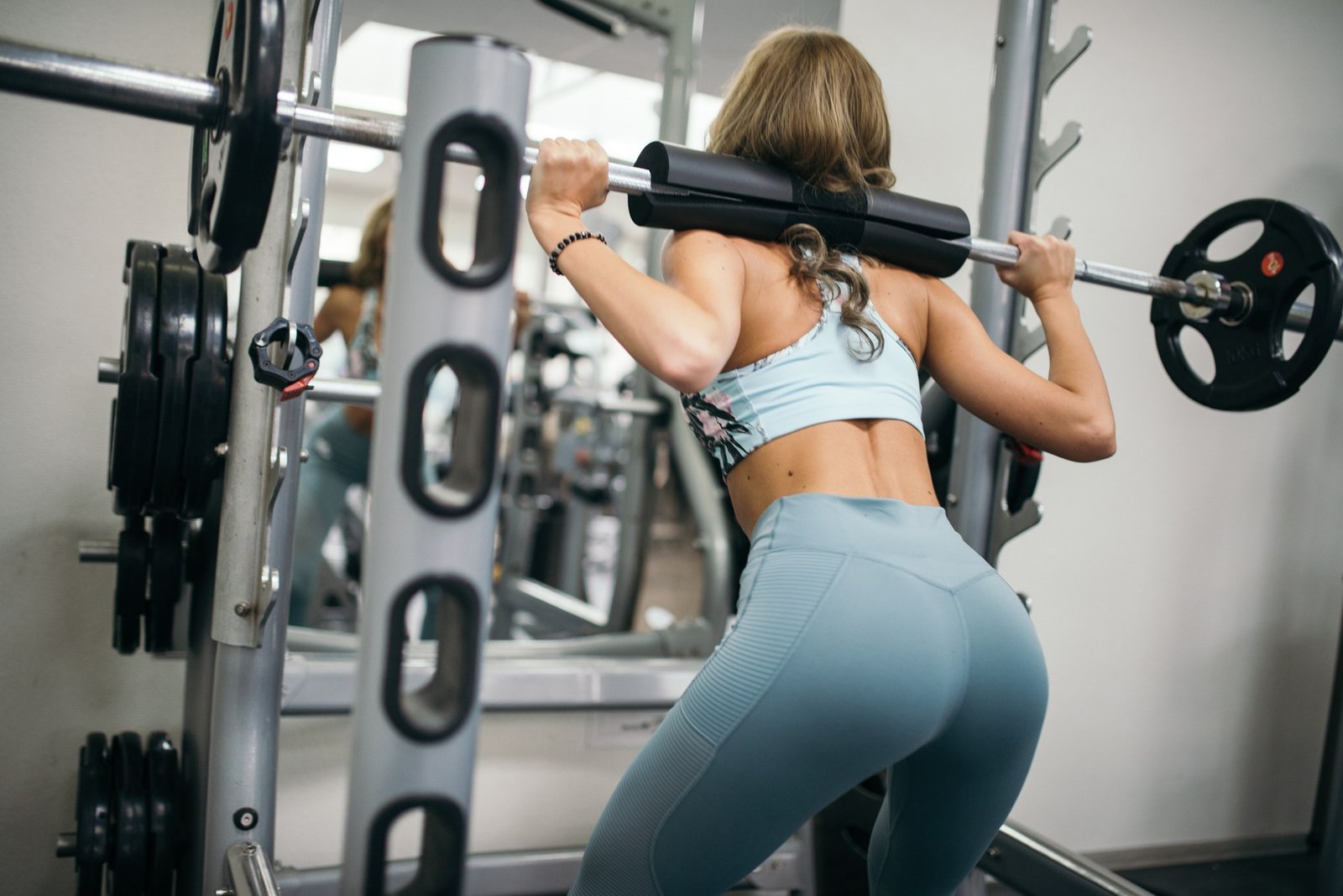
Barbell back squat, shown at the bottom of the movement. Photo: Nenad Stojkovic / Wikimedia Commons
The squat is the foundation of lower-body training. It works the quadriceps and glutes first, with the hamstrings, calves and core helping to keep the body stable.
Stand with the bar resting across the upper back, feet about shoulder-width apart. Sit back and down while keeping the chest up, then drive through the feet to stand again.
Front squats and goblet squats are useful variations. The front squat shifts more work to the quadriceps, while the goblet squat is a friendly starting point for learning the pattern.
2. Conventional Deadlift 🏋️
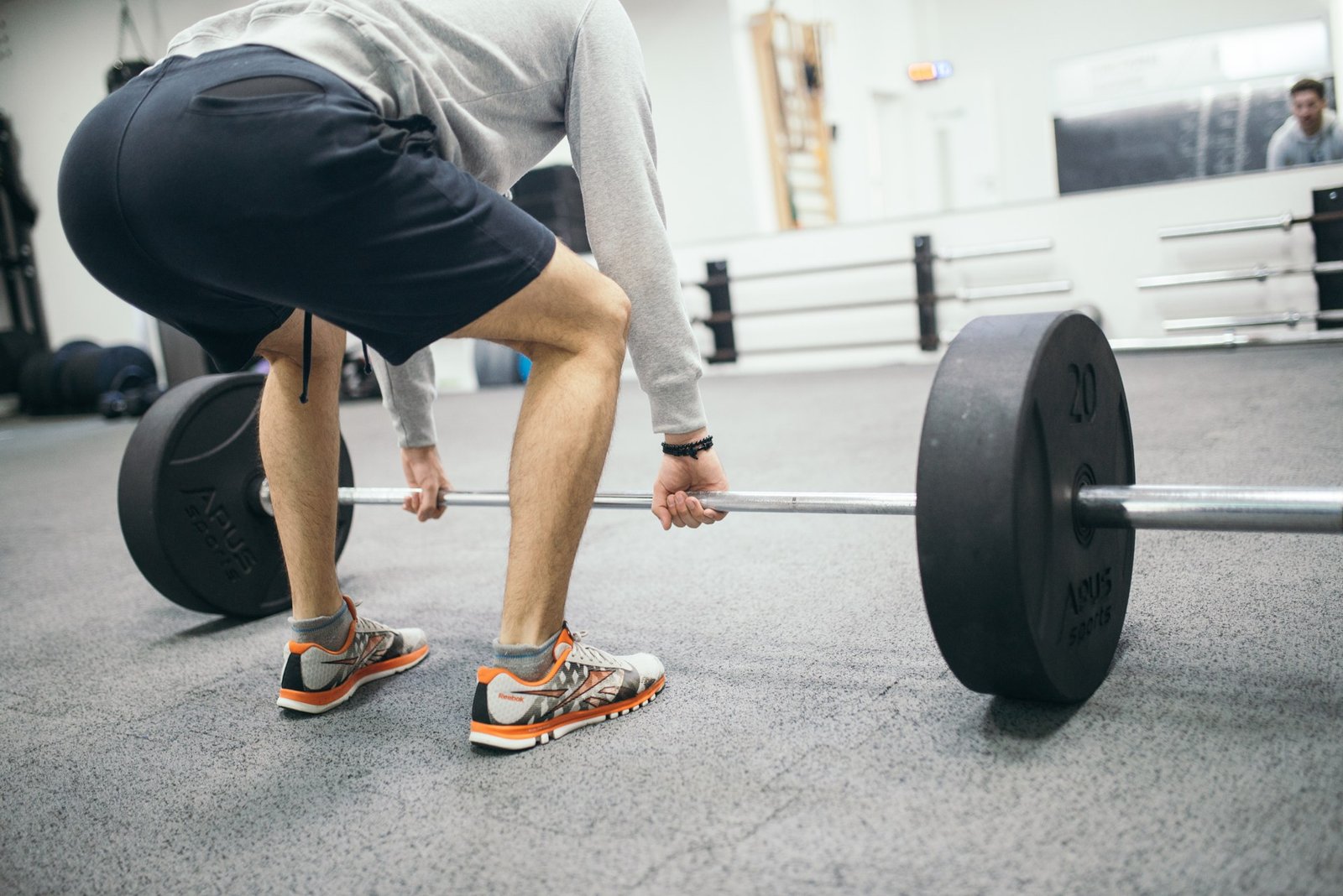
Conventional deadlift, shown at the setup position. Photo: Nenad Stojkovic / Wikimedia Commons
The deadlift trains the whole back of the body. The glutes, hamstrings and lower back do most of the work, with the upper back, grip and core holding everything together.
Stand with the bar over the feet, hinge at the hips, and take hold of the bar. Push the floor away and bring the hips forward to stand tall, keeping the back flat throughout.
Lower the bar with control rather than dropping it. A slow, controlled lowering keeps the muscles working and makes the next rep easier to set up well.
3. Barbell Bench Press 🏋️
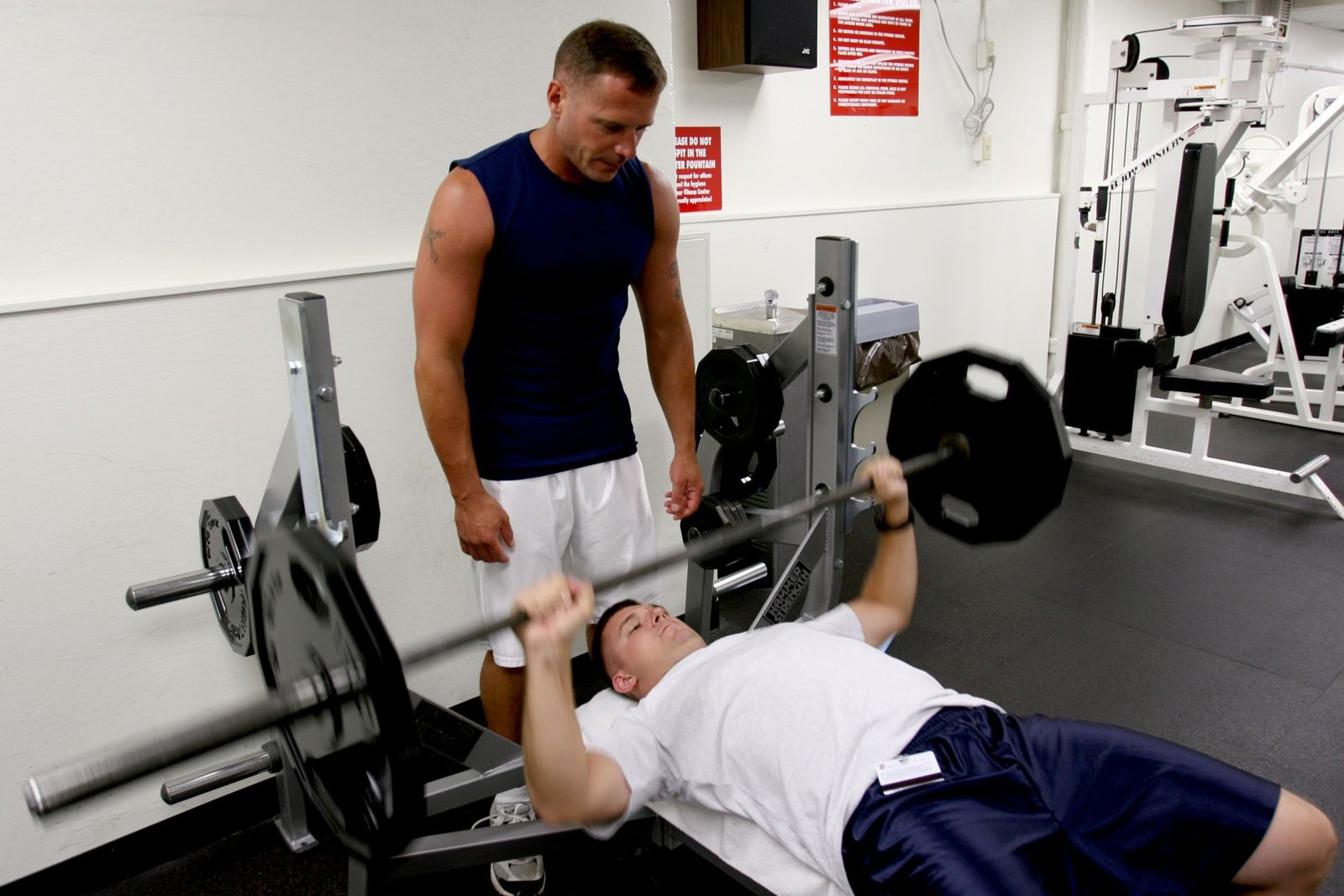
Barbell bench press, shown with a spotter standing by. Photo: Lance Cpl. Ronald W. Stauffer / Wikimedia Commons
The bench press is the classic upper-body pressing move. It trains the chest first, with the shoulders and triceps assisting every rep.
Lie on the bench, take the bar with hands a little wider than the shoulders, and lower it to the chest with control. Press it back up without bouncing it off the chest.
Dumbbell presses allow a slightly longer range of motion, and incline presses shift more emphasis to the upper chest. For a dedicated chest-and-triceps session, see the chest and triceps workout, and for a cable-based chest move, see the cable crossover guide.
4. Pull-Up (and Chin-Up) 🤸
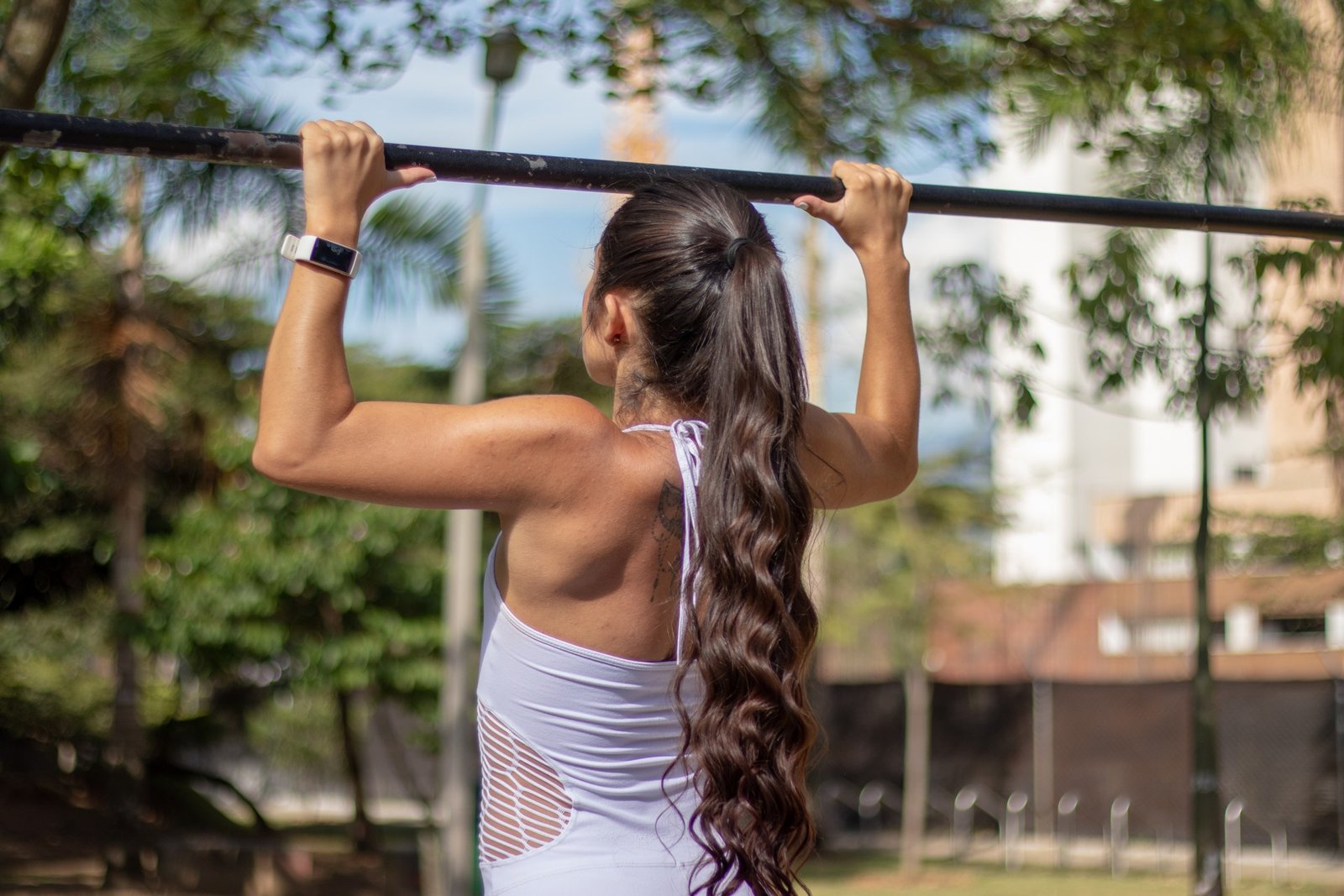
Pull-up, shown at the top position. Photo: PTPioneer / Wikimedia Commons
Pull-ups are the benchmark bodyweight pulling exercise. They train the lats and upper back, with the biceps and forearms helping and the core keeping the body steady.
The grip is what separates the two versions. A pull-up uses an overhand grip, palms facing away, which puts more of the work on the back. A chin-up uses an underhand grip, palms facing you, which lets the biceps help more.
Start from a full hang, pull until the chin clears the bar, and lower with control. Bands can assist the movement while strength builds, and slow lowering alone is a useful stepping stone.
For a deeper dive into this movement, see mastering pull-ups and building a strong upper body.
5. Bent-Over Row 🚣
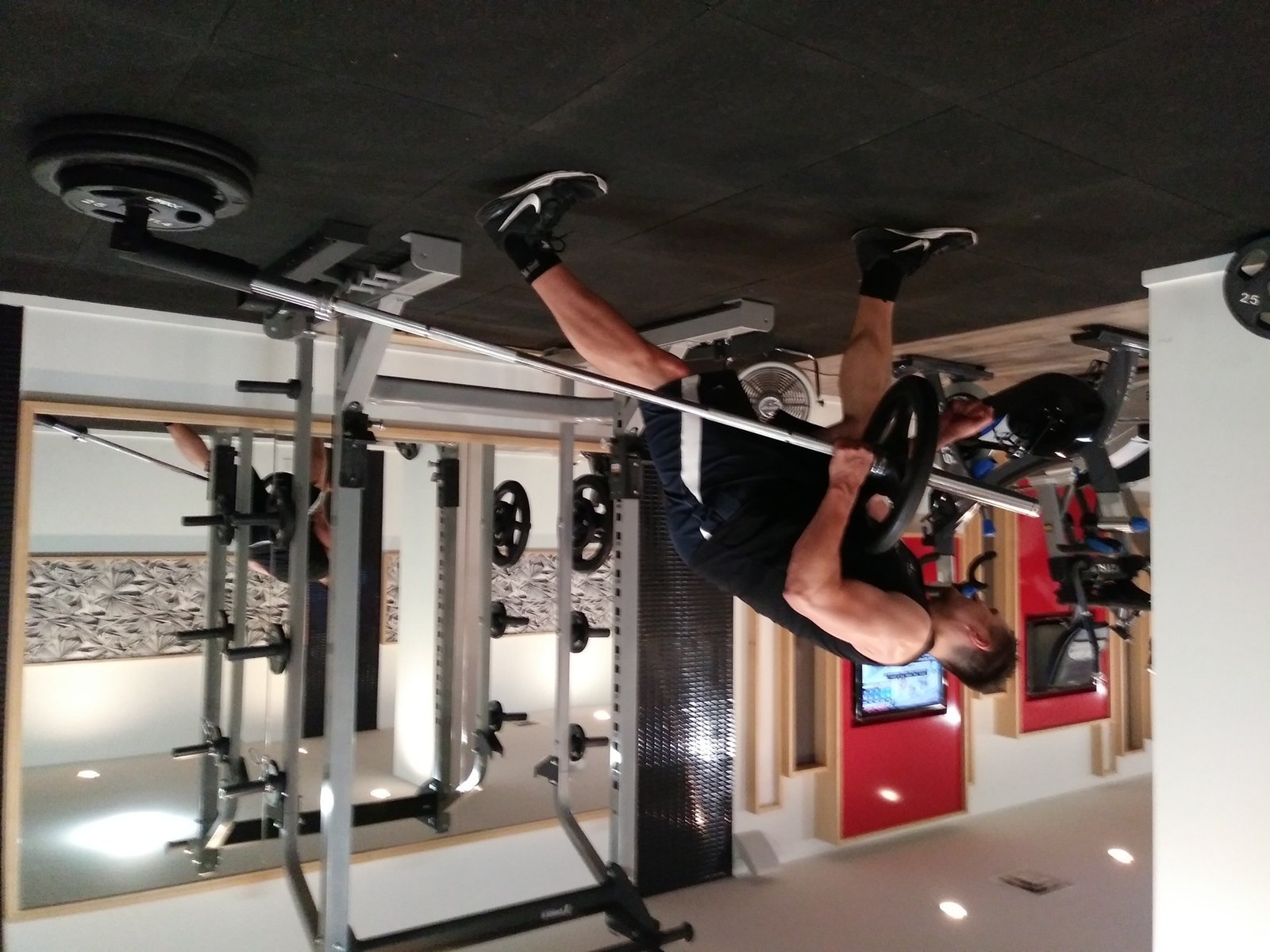
Landmine bent-over row variation shown. Photo: Eric Astrauskas / Wikimedia Commons
Rowing movements balance out all the pressing in this list. They train the lats, upper back and biceps, and they teach the shoulder blades to move and settle properly.
Hinge forward with a flat back, let the weight hang, and pull it toward the lower ribs. Squeeze the shoulder blades together at the top, then lower with control.
The photo shows the landmine version, where one end of the bar is anchored. The classic barbell bent-over row follows the same pattern with a free barbell, and both versions reward a flat back and a full range of motion.
6. Barbell Overhead Press 🏋️
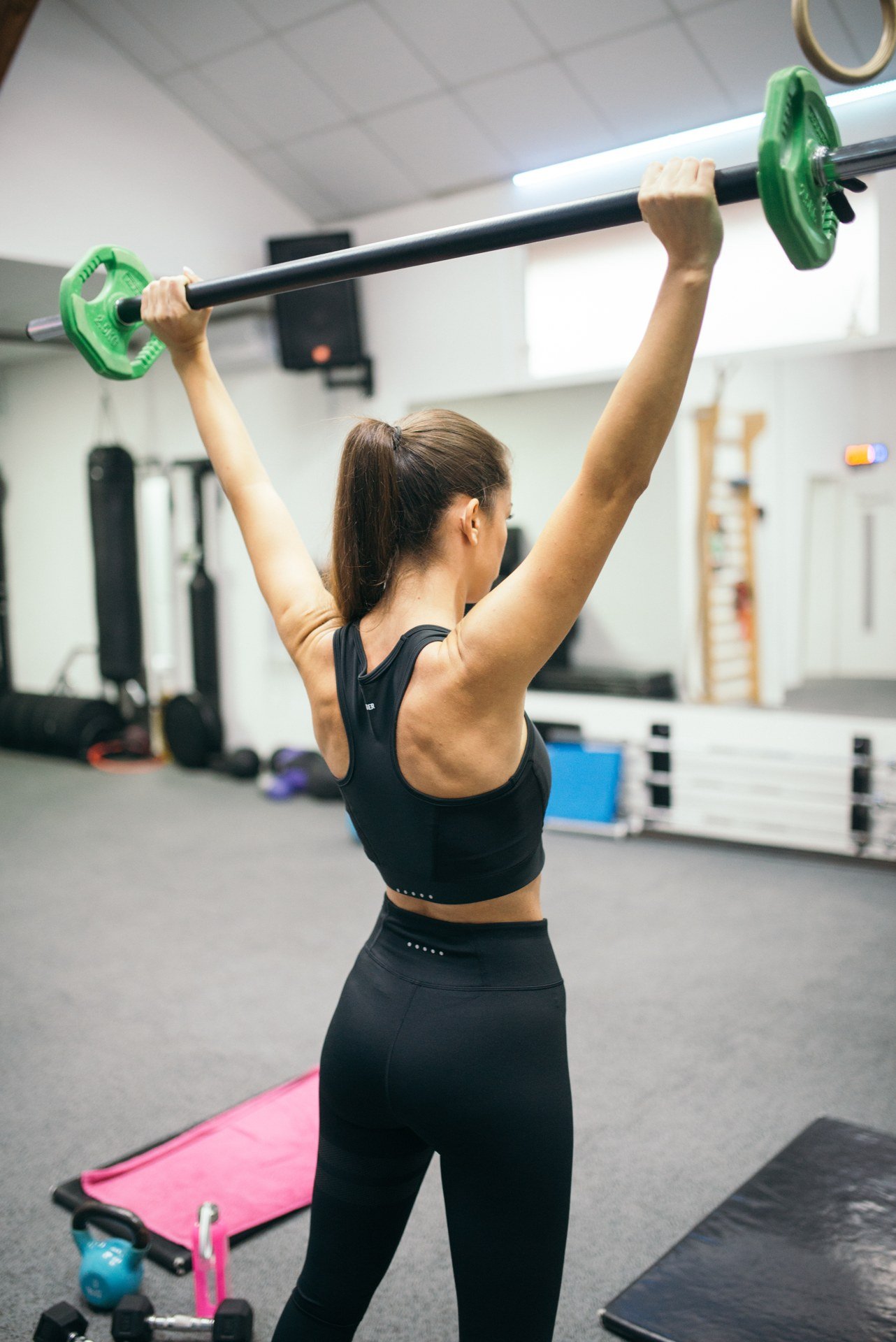
Barbell overhead press, shown at lockout. Photo: Nenad Stojkovic / Wikimedia Commons
The overhead press is the main standing shoulder builder. It trains the shoulders first, with the triceps, upper chest and core all contributing.
Start with the bar at the upper chest, brace the core, and press straight overhead until the arms are fully extended. Keep the ribs down and avoid leaning back as the bar travels.
Dumbbell and barbell versions both work well, and seated versions suit anyone who finds standing presses uncomfortable for the lower back. For arm-focused follow-up work, see the long-head triceps exercises and the dumbbell workout.
7. Dips 💪
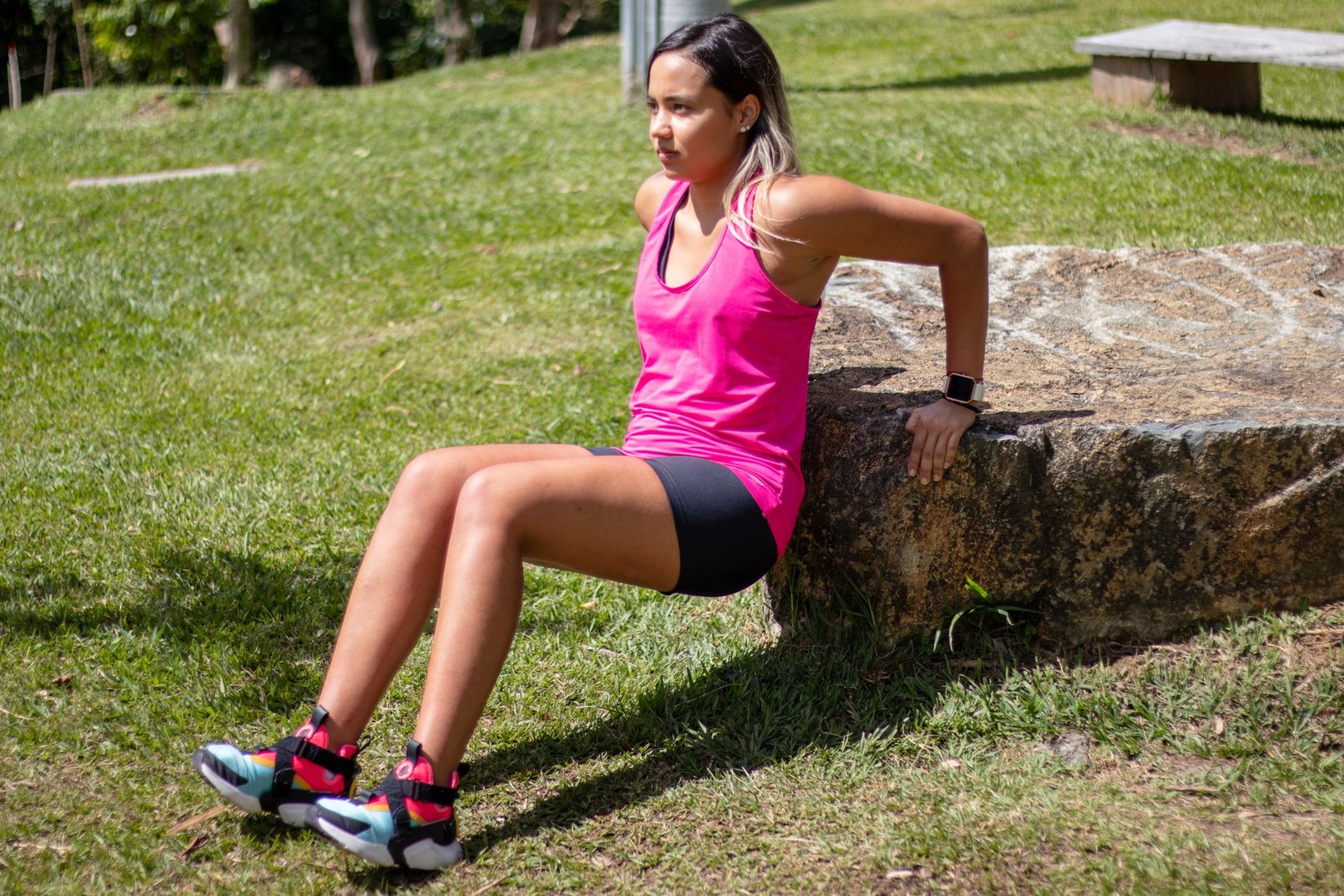
Bench dip variation shown. Photo: PTPioneer / Wikimedia Commons
Dips are a simple, effective pushing exercise that needs almost no equipment. They train the chest, shoulders and triceps, and the emphasis shifts with the body’s position.
Keeping the torso upright puts more work on the triceps, while leaning slightly forward brings the chest in more. Lower with control and press back up without shrugging the shoulders toward the ears.
Bench dips, shown in the photo, are the gentler starting point. Parallel-bar dips are the natural progression once bench dips feel comfortable, and they are worth building toward gradually.
What This List Leaves Out — and Where to Find It 🧭
A short list has to make choices. Single-leg work, dedicated hamstring work and direct core work are all valuable, and they each have their own guides on this site.
For hamstring-focused hinging, see the benefits of the Romanian deadlift. For core work to pair with these lifts, see the best exercises for obliques.
Frequently Asked Questions ❓
Do I need all seven exercises?
No single list fits everyone. These seven cover the major movement patterns — squat, hinge, press, pull and dip — so they make a solid foundation to build a routine around.
Can beginners do these exercises?
Yes, with sensible starting points. Goblet squats, assisted pull-ups and bench dips are all beginner-friendly versions of moves on this list, and technique should come before heavier weights.
How is a pull-up different from a chin-up?
Only the grip changes. Palms facing away means a pull-up, which leans on the back more; palms facing you means a chin-up, which lets the biceps help more.
Why is there no set-and-rep plan here?
Because the right amount of work depends on experience, recovery and the rest of a routine. This guide describes each exercise and what it trains, so readers can fit the moves into a plan that suits them.
Final Thoughts ✅
Muscle is built over time, not in a single session. A short list of well-practised compound exercises, done consistently with good form, covers the whole body without complication.
Pick the moves that suit your setup, learn them properly, and progress gradually. That steady approach is what turns a list of exercises into real, lasting training.