

Life after 40 is often full to the brim — work, family, and everyone else’s needs tend to come first. 🏃♀️
It is easy for your own movement to slip down the list, and then energy, strength, and confidence can quietly slip with it.
The encouraging news is simple: you do not need to turn your life upside down to feel stronger. A steady, joint-friendly routine built around walking, strength, and flexibility can make everyday life feel easier.
This guide is general information only, not medical advice. If you have pain, an injury, a health condition, or menopause-related concerns, check with your clinician or physiotherapist before starting something new.
How Much Exercise Is Enough?
Health guidelines for adults point to a practical weekly target: at least 150 minutes of moderate aerobic activity, plus muscle-strengthening activity on at least 2 days.
Moderate means you can talk but not sing — brisk walking is the classic example. You can split the 150 minutes however it fits your week.
Shorter is still worthwhile. Even 10 or 20 minutes counts, and a routine you enjoy is one you are far more likely to keep.
Build up gradually, warm up before harder sessions, and leave a rest day between strength workouts so your muscles can recover.
1. Brisk Walking 🚶♀️

Walking is the easiest place to start, and it is genuinely effective. It needs no gym, no special kit, and it is kind to your joints.
Aim for a pace that quickens your breathing but still lets you chat. Hills, stairs, and a slightly longer route all count as progression.
Try building toward 30 minutes on most days, in one walk or a few shorter ones. Comfortable shoes and a well-lit route make it far easier to stick with.
2. Strength Training 💪
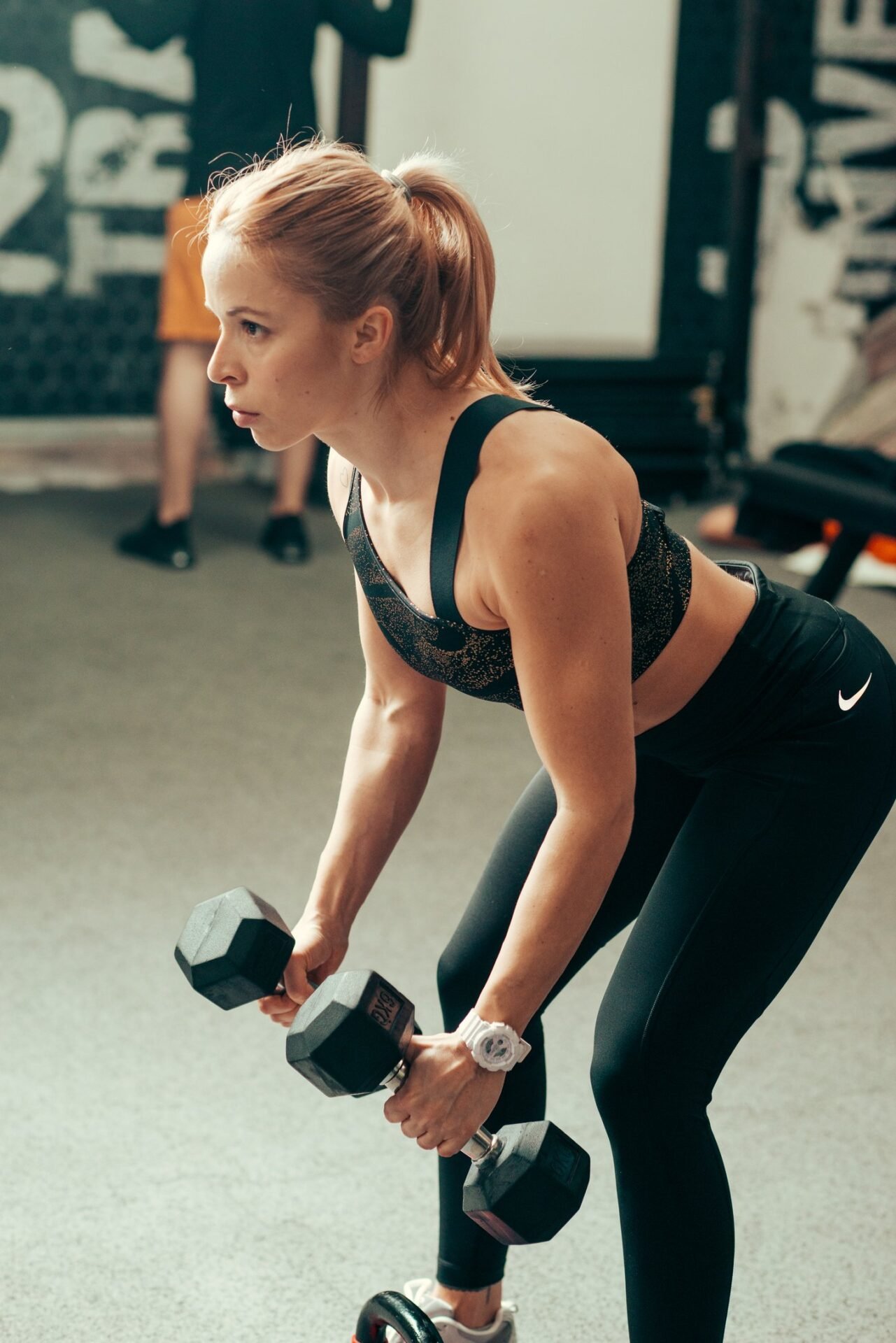
Strength work is the single most underrated part of training after 40. It supports muscle, bone, balance, and everyday tasks like carrying shopping or climbing stairs.
Two sessions a week is a great target. Cover the big patterns: a squat or sit-to-stand, a push, a pull or row, and a hip hinge, using body weight, bands, or dumbbells.
Start light, learn good form, and add weight slowly when the last few reps still feel controlled. If your knees are already troublesome, our guide to knee exercises and physical therapy is a useful companion — and a physiotherapist can tailor the load for you.
3. Yoga, Flexibility, and Balance 🧘♀️
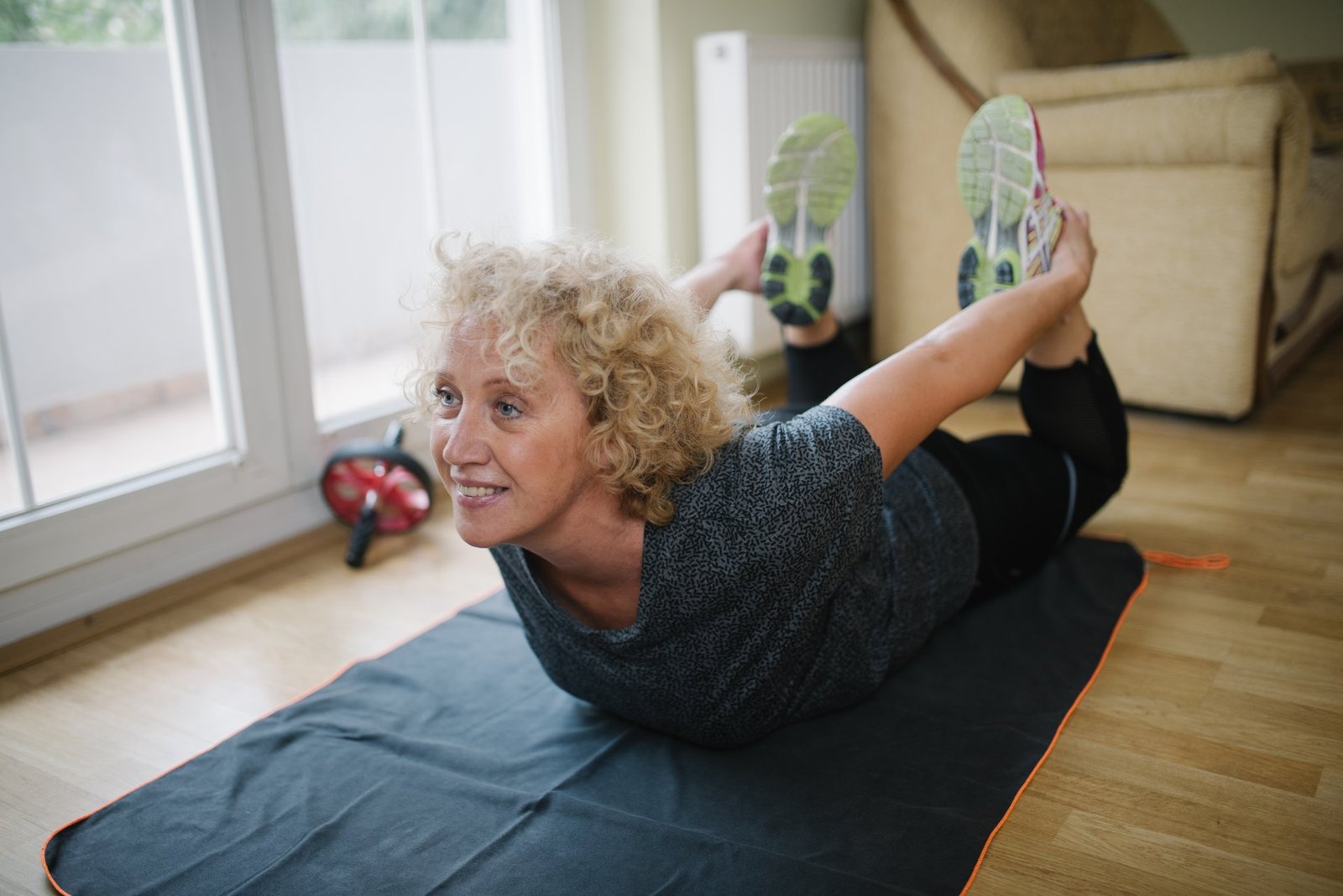
Yoga pairs gentle strength with flexibility, balance, and breathing — a combination that suits busy, stiff days particularly well.
Beginner classes and short home sessions both work. Focus on steady breathing and poses you can hold with control, rather than chasing the deepest stretch.
Balance practice matters too: standing on one leg while holding a chair, or slow weight shifts, can quietly improve steadiness over time. For pose ideas, see our yoga poses for women.
4. Water Walking and Gentle Pool Movement 🏊♀️

Moving in water is a smart option when joints feel achy or land exercise feels too jarring. The water supports your weight while still giving your muscles work to do.
Walking laps in the shallow end, gentle marching, or easy swimming all count. Keep the pace comfortable and stop if anything feels sharp or wrong.
Pool sessions also suit hot days and anyone returning after a break, since the effort is easy to scale up or down.
5. Cycling 🚲
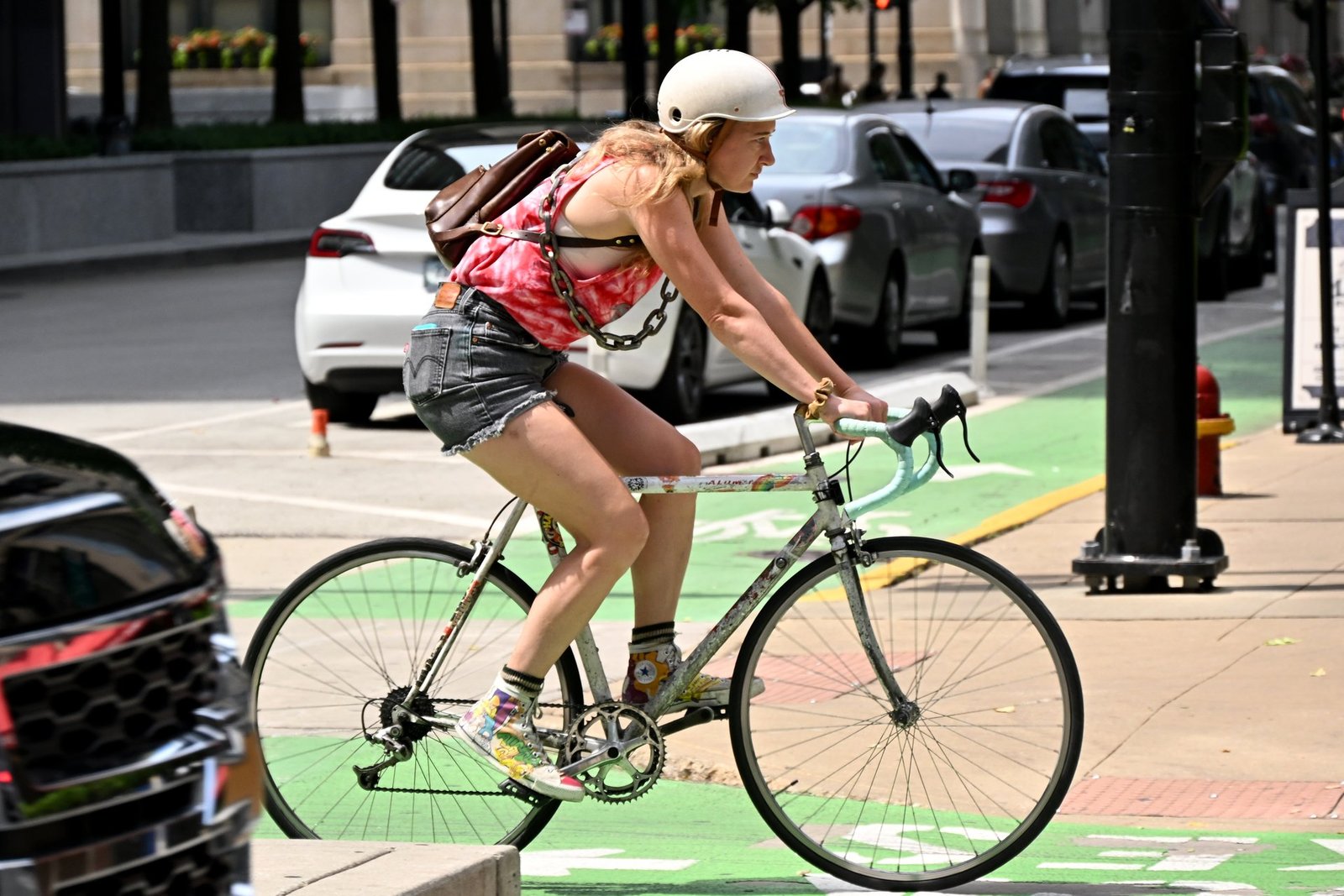
Cycling builds heart fitness and leg strength with less pounding than running, which many people appreciate as the years pass.
A flat, traffic-free path or a stationary bike is ideal for starting out. Wear a helmet outdoors, keep both hands on the bars, and choose routes you actually enjoy.
Begin with 15 to 20 minutes at an easy pace and add a few minutes each week. If your back aches after riding, check your bike fit and posture — and see our back-pain exercises for gentle supporting movement.
6. Core Strength: The Plank 🧱
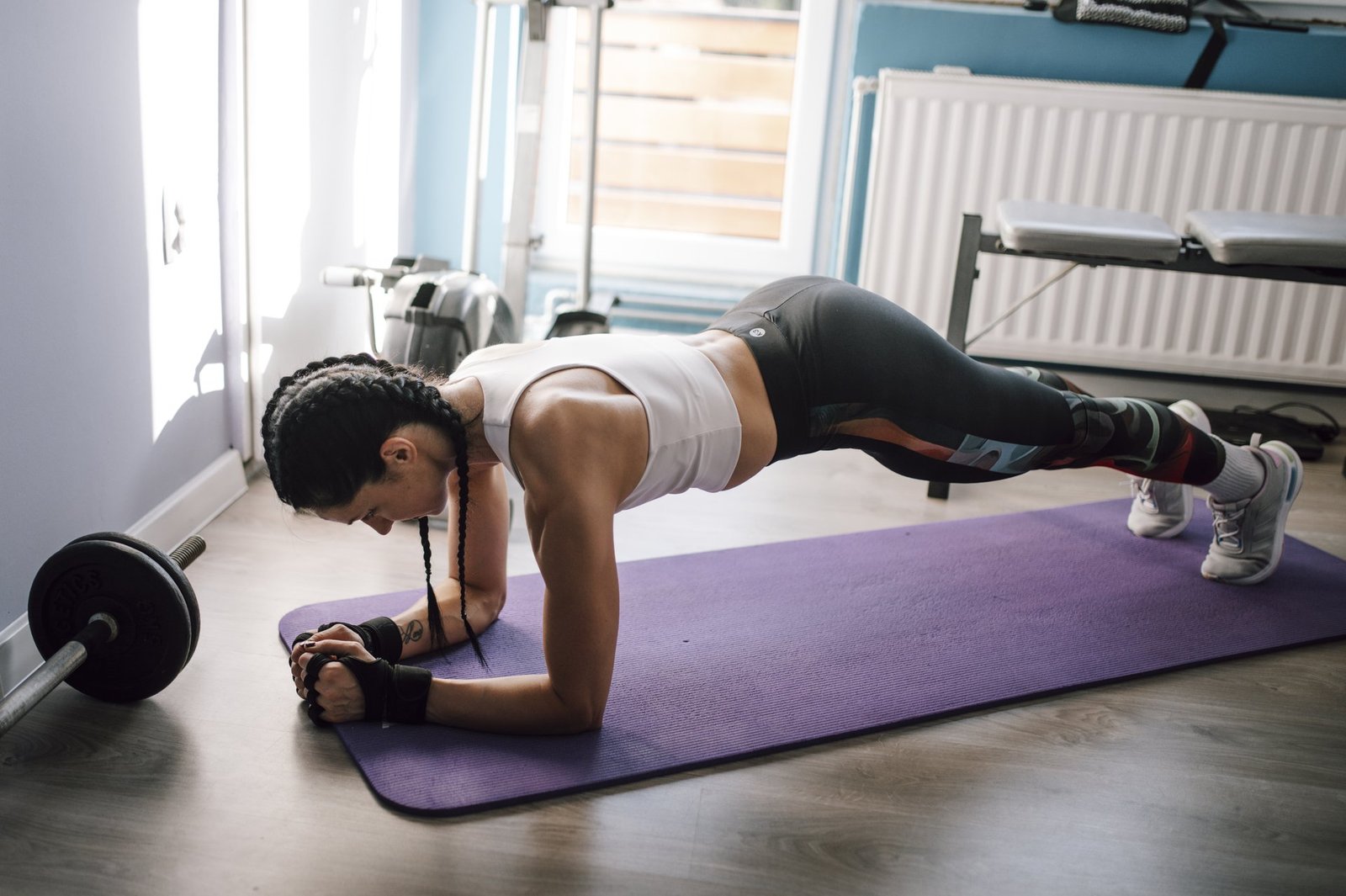
A strong core helps with posture, balance, and lifting — and the plank trains it without repeated spinal curling.
Start on your knees if a full plank is too much: forearms down, body in a straight line from head to knees, breathing normally. Hold for 15 to 20 seconds, rest, and repeat.
Quality beats duration. If your hips sag or your lower back pinches, shorten the hold or drop to your knees and try again.
Can You Target Belly Fat With Ab Exercises?
No — not reliably. This is one of fitness’s most persistent myths, and it is worth clearing up plainly.
In a six-week trial, abdominal exercise improved endurance but did not reduce belly fat compared with a control group (Vispute et al., 2011).
In a 12-week trial training only one leg, fat loss happened across the body — not preferentially in the trained leg (Ramírez-Campillo et al., 2013).
One small 2023 trial in 16 men with overweight did find a modest extra trunk-fat loss when abdominal endurance work replaced some running, with total fat loss similar in both groups (Brobakken et al., 2023).
That result is interesting but small, men-only, and unrepeated — far too thin to build a plan on. The honest picture is that body fat reduces across the whole body over time, and ab work is best valued for strength, not spot-shrinking.
Moves to Approach With Care
Very few exercises are “never do this” for everyone, and blanket bans in the old article went too far. What matters more is load, form, and your own history.
Heavy lifting with poor form, high-impact jumping when joints are already sore, and pushing through sharp pain are all worth avoiding until you have guidance.
A qualified coach or physiotherapist can check your technique and suggest safer versions — for example, a goblet squat instead of a loaded barbell move, or a step-up instead of a jump.
Stop and seek advice if you feel sharp pain, dizziness, chest pain, or anything that feels wrong. Discomfort that fades is normal; pain that lingers is a signal, not a badge of honour.
A Simple Sample Week
Monday: 30-minute brisk walk.
Tuesday: strength session (20 to 30 minutes) plus 5 minutes of gentle stretching.
Wednesday: rest or an easy walk.
Thursday: 30-minute walk or cycle, plus a few minutes of balance practice.
Friday: strength session (20 to 30 minutes).
Saturday: a pool session, yoga class, or longer walk you enjoy.
Sunday: rest. 🌿
FAQs
How often should I exercise after 40?
Aim for the guideline target — about 150 minutes of moderate activity plus 2 strength days a week — but build toward it gradually. Consistency over months matters far more than one heroic week.
What if my knees hurt?
Choose low-impact options like walking, cycling, and pool movement, and get a physiotherapist’s input before adding loaded squats or lunges. Pain that changes how you walk deserves professional attention, not guesswork.
Do I need a gym?
No. Walking, body-weight strength, yoga, and pool sessions need little or no equipment. A gym is useful for heavier weights and classes, but it is never a requirement.
Does exercise help during menopause?
Many people find regular movement helps sleep, mood, and strength during this transition, but symptoms vary widely. Discuss hormone-related or persistent concerns with your clinician rather than relying on exercise alone.
The Bottom Line
You do not need a perfect routine — you need one you will repeat. Walk most days, get stronger twice a week, stretch and balance a little, and give yourself rest.
Start where you are, progress slowly, and pick activities you enjoy. That is the version of fitness that lasts into your fifties, sixties, and beyond. ✨
This article is general information only and is not medical advice. Talk to your clinician or physiotherapist about pain, injury, health conditions, or menopause-related concerns before changing your exercise routine.