

Stretching feels good after a long day at a desk, a walk, or a workout. 🧘
It can help you move more easily, loosen stiff muscles, and build a calm moment into your routine.
What it cannot do on its own is melt fat from one part of your body. No stretch targets belly fat, thigh fat, or any single spot.
Weight change comes from your overall pattern over time — the food you eat, how much you move in general, sleep, and other health factors — not from one pose.
Think of this list as a flexibility and movement routine, not a fat-loss shortcut. That honest framing matters, and it makes the routine more useful.
Move gently into each stretch, breathe normally, and stop if anything hurts. Sharp pain is not a sign to push through.
If you have pain, an injury, a health condition, or you are pregnant, check with a clinician or physiotherapist before trying a new routine.
A good general pattern is light movement first to warm up, then gentle stretches afterwards. Hold a comfortable stretch for a short while, rather than bouncing or forcing it.
1. Standing Quad Stretch
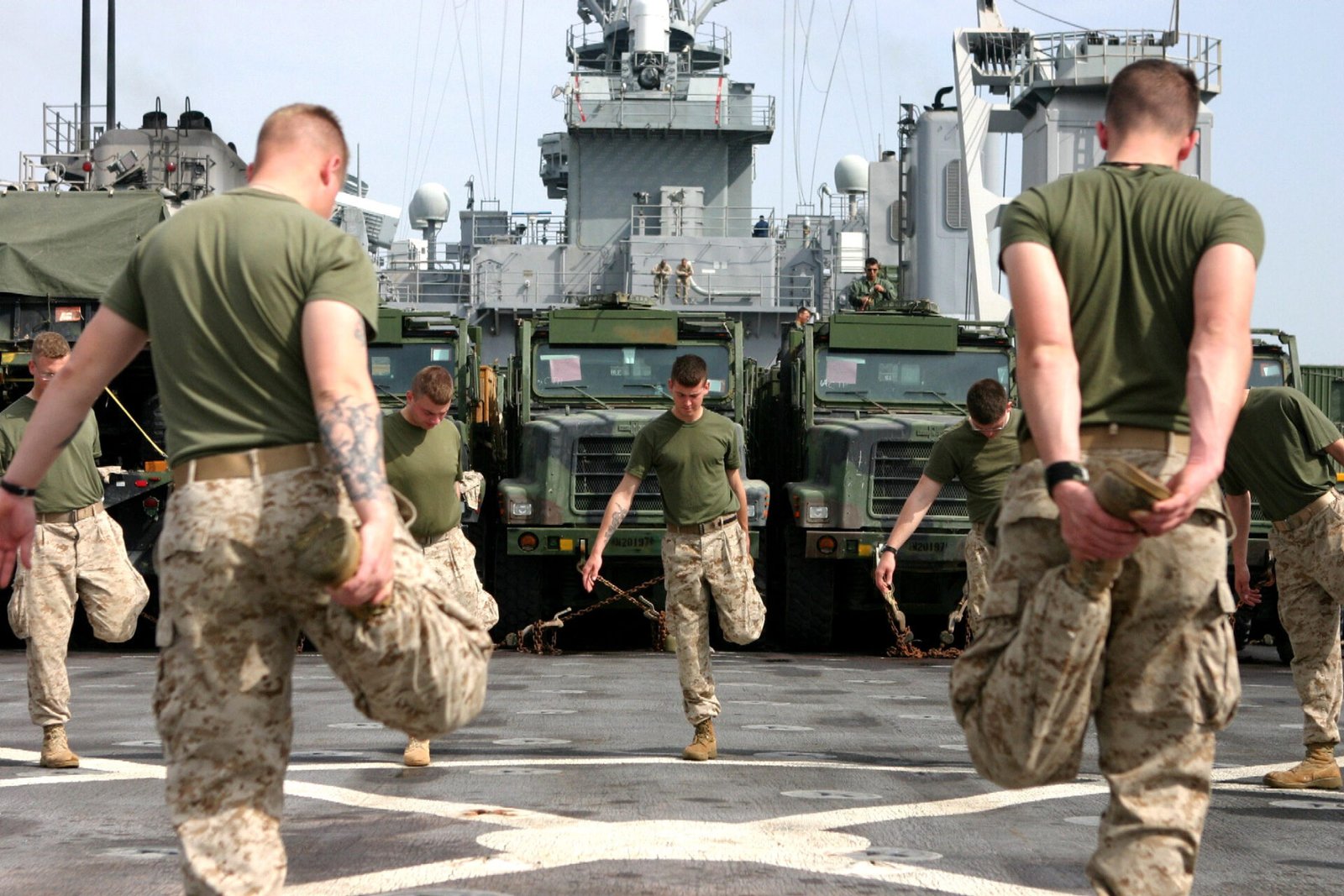
This classic stretch loosens the front of the thigh and can help your hips feel less tight after sitting. 🦵
Stand near a wall or chair so you can hold on for balance. That support is a smart choice, not a weakness.
Bend one knee and hold that foot behind you with the same-side hand. Keep your knees close together and your chest tall.
You should feel a gentle pull down the front of the thigh. Ease off if your knee or lower back complains.
Switch sides and repeat. A short, comfortable hold on each side is enough to start.
2. Bow Pose
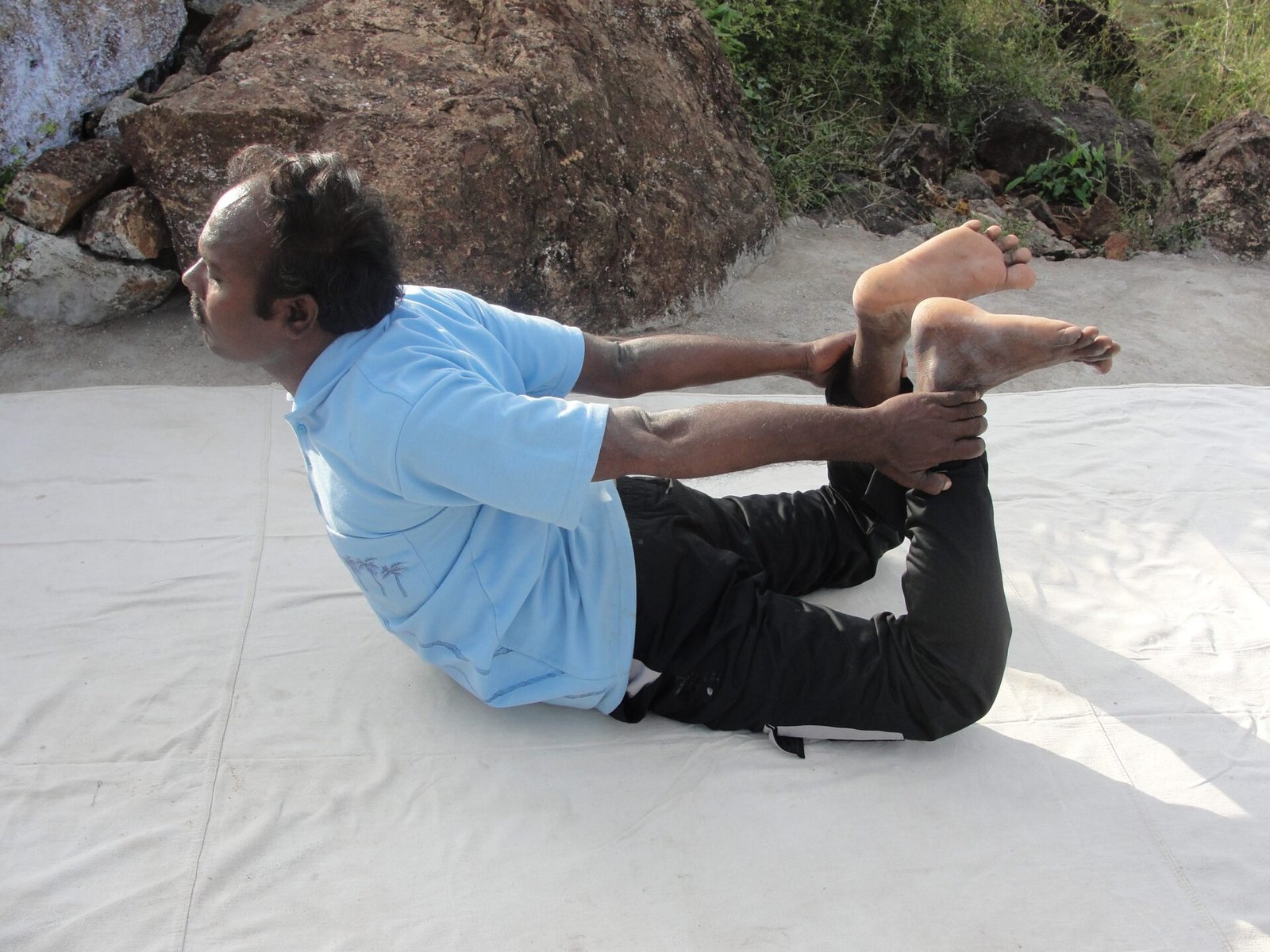
Bow pose is a gentle backbend that stretches the front of the body and the thighs. 🏹
Lie face down with your legs together and your arms by your sides. Bend your knees and reach back to hold your ankles.
Lift your chest a little and let your legs rise only as far as feels comfortable. Keep breathing steadily.
This is an advanced-feeling pose, so keep it small at first. Skip it or ask a teacher for help if you have a back or neck problem.
Lower down slowly, rest, and only repeat if you still feel comfortable.
3. Chair Pose
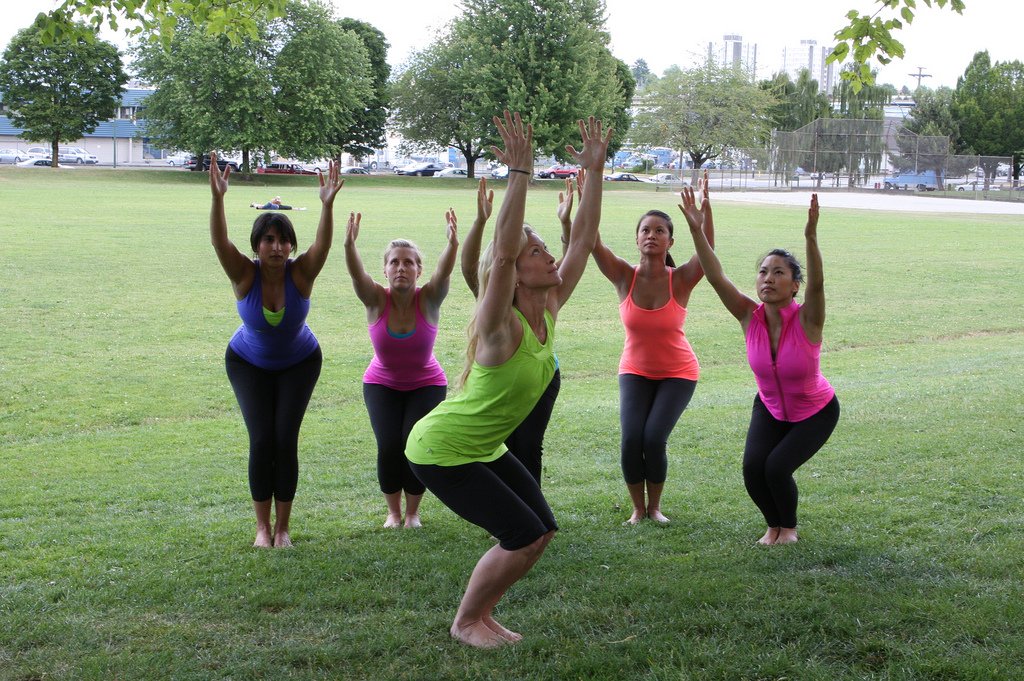
Chair pose builds leg strength and balance while you sit back as if into an invisible chair. 🪑
Stand tall, then bend your knees and lower your hips while raising your arms overhead.
Keep your chest lifted and your knees tracking over your feet. Only go as low as feels steady.
Hold for a few comfortable breaths, then stand tall again. Rest between rounds if your legs feel tired.
If your knees hurt, make the bend smaller or skip this one and try a gentler stretch instead.
4. Plank Pose
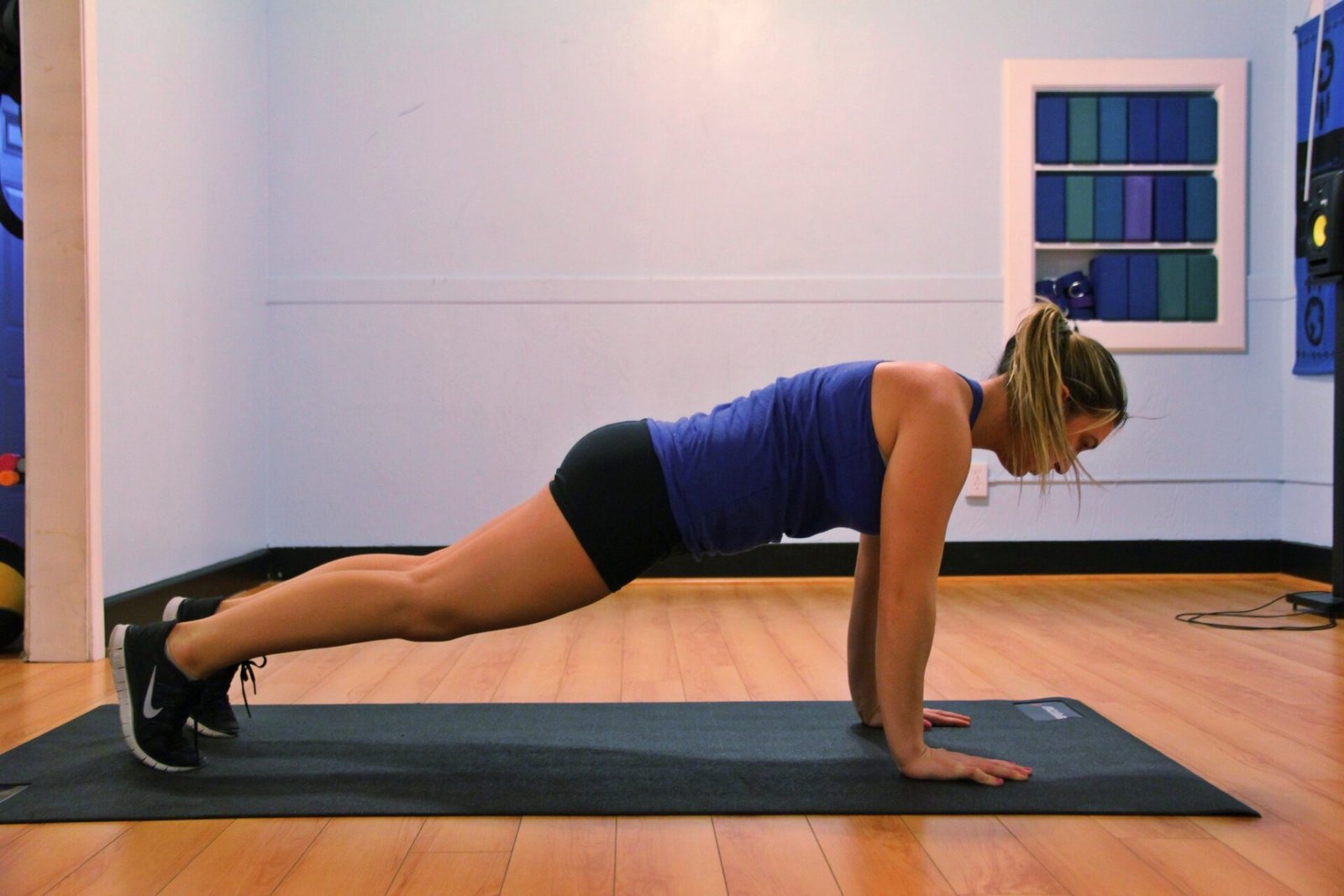
The plank is more of a strength hold than a stretch, but it pairs well with this routine. 💪
Start on hands and knees, then step your feet back so your body forms one long line.
Keep your hands under your shoulders, your neck long, and your hips level — not sagging or piked high.
Hold only as long as you can keep good form and breathe normally. A short, clean hold beats a long, wobbly one.
Rest on your knees whenever you need to. If you have a back injury, get professional advice before adding planks.
5. Tree Pose
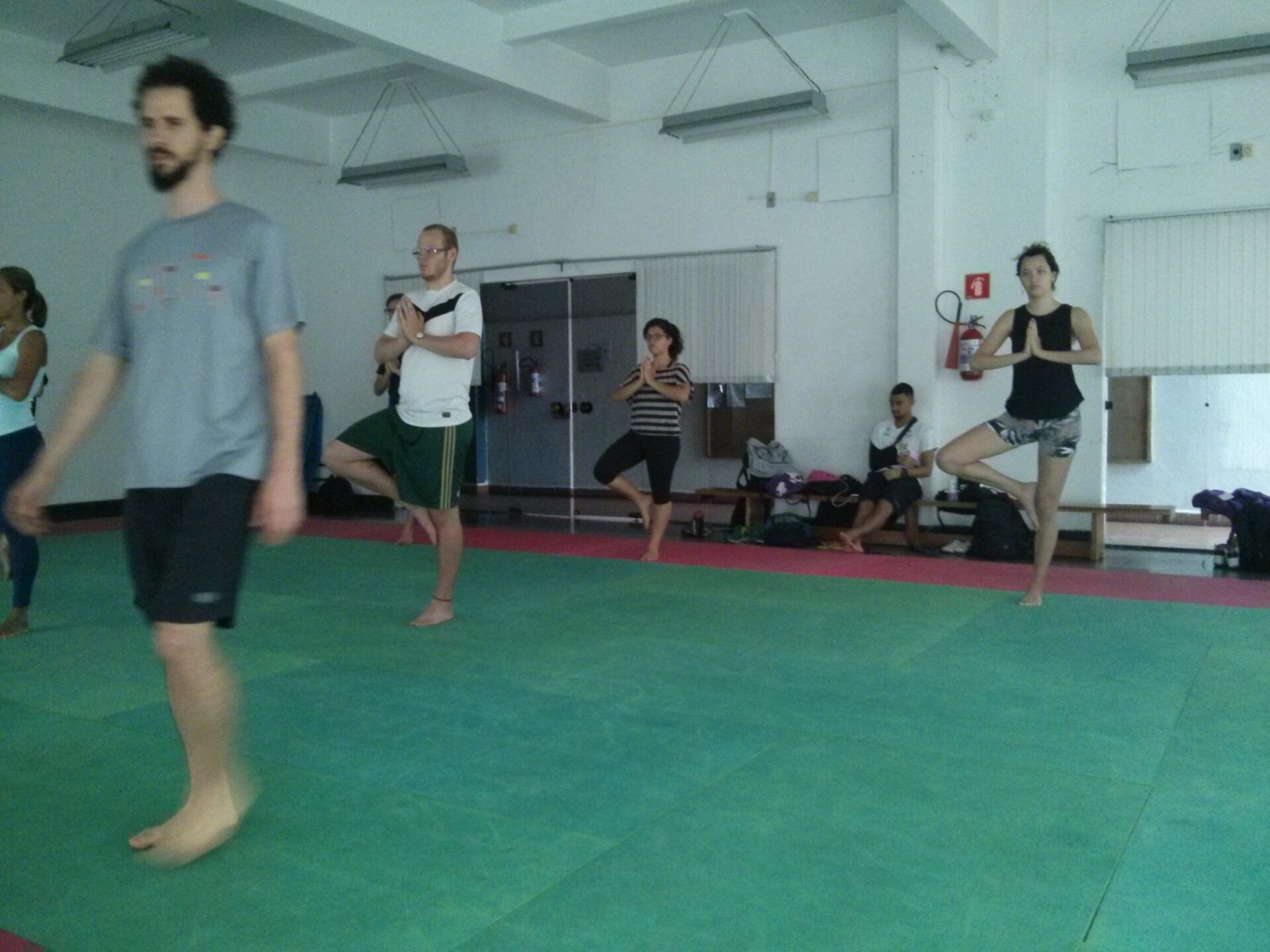
Tree pose is a balance practice that gently opens the hips and steadies your focus. 🌳
Stand tall and shift your weight onto one leg. Place the other foot on your ankle, calf, or inner thigh — never pressed against the knee joint.
Bring your hands to your chest or raise them overhead, whichever feels steadier. Fix your eyes on one spot.
Use a wall for support if you like. Wobbling and stepping out is normal, especially when you are learning.
Switch sides. Skip this pose or use support if you have a knee or balance problem.
6. Bridge Pose
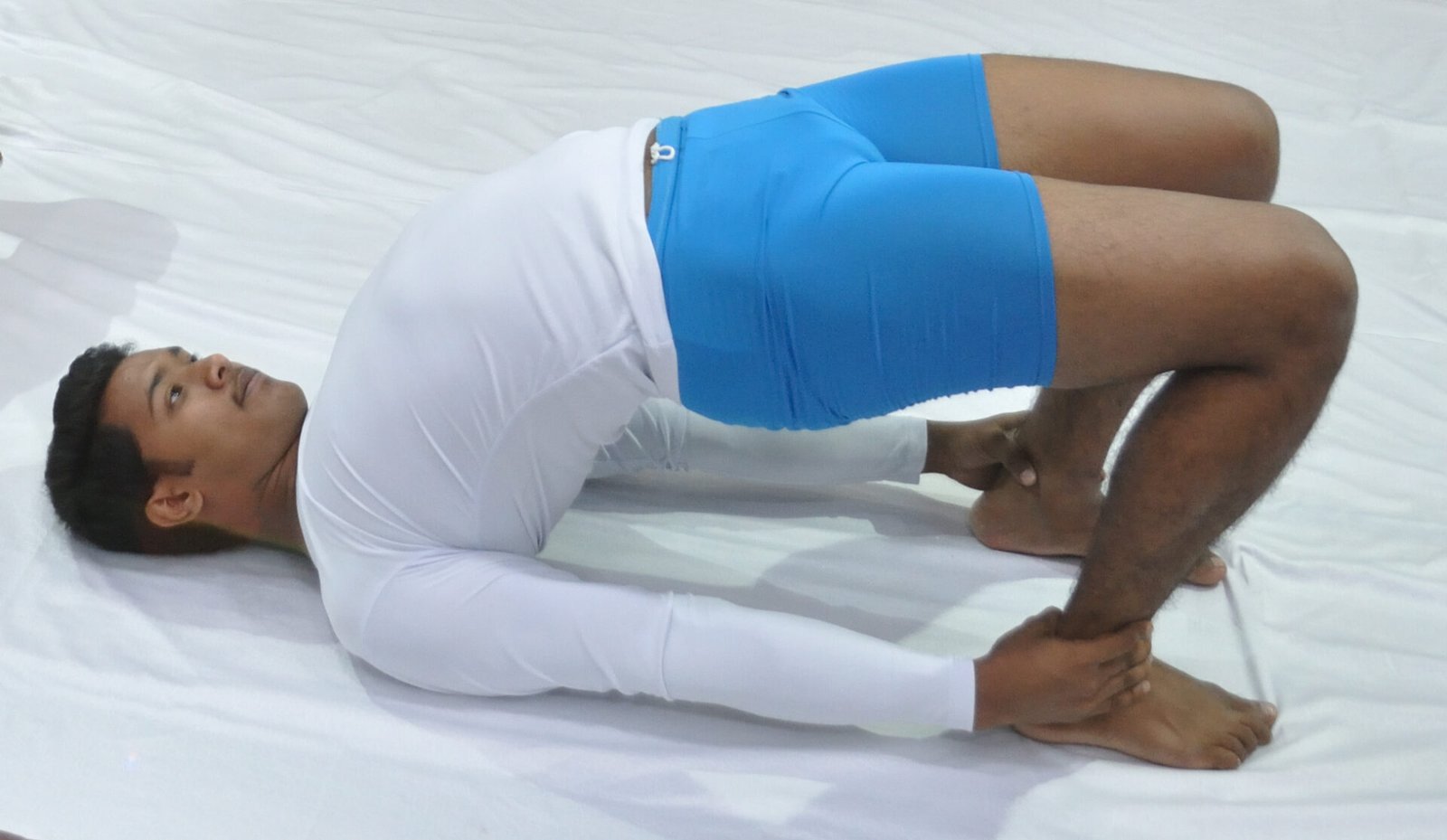
Bridge pose stretches the front of the hips and chest while waking up the back of the legs and glutes. 🌉
Lie on your back with knees bent and feet flat on the floor, close to your hips.
Press through your feet and lift your hips to a comfortable height. Keep your head and neck relaxed on the floor.
Hold for a few breaths, then lower slowly. Rest, and repeat only if it still feels good.
Skip this pose if you have a back or neck injury, and ask a physiotherapist about a gentler alternative.
7. Cobra Pose
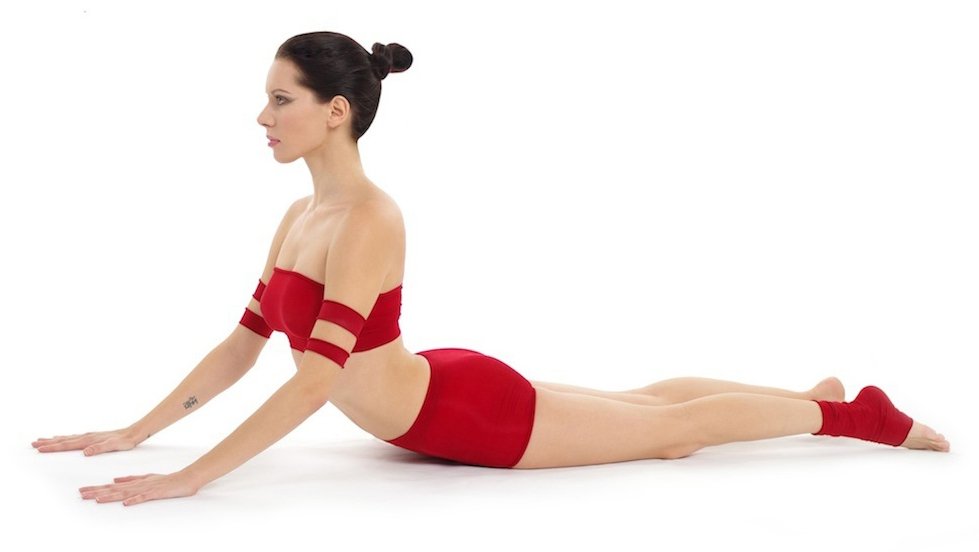
Cobra is a gentle backbend that stretches the front of the body and the chest. 🐍
Lie face down with your palms under your shoulders and your legs extended behind you.
Press lightly through your hands and lift your chest a little. Keep your neck long and your gaze forward.
Only rise as far as your back feels happy with. There is no need to push into a deep bend.
Lower down slowly and rest. If your lower back pinches, make the lift smaller or skip it.
8. Side Lunge
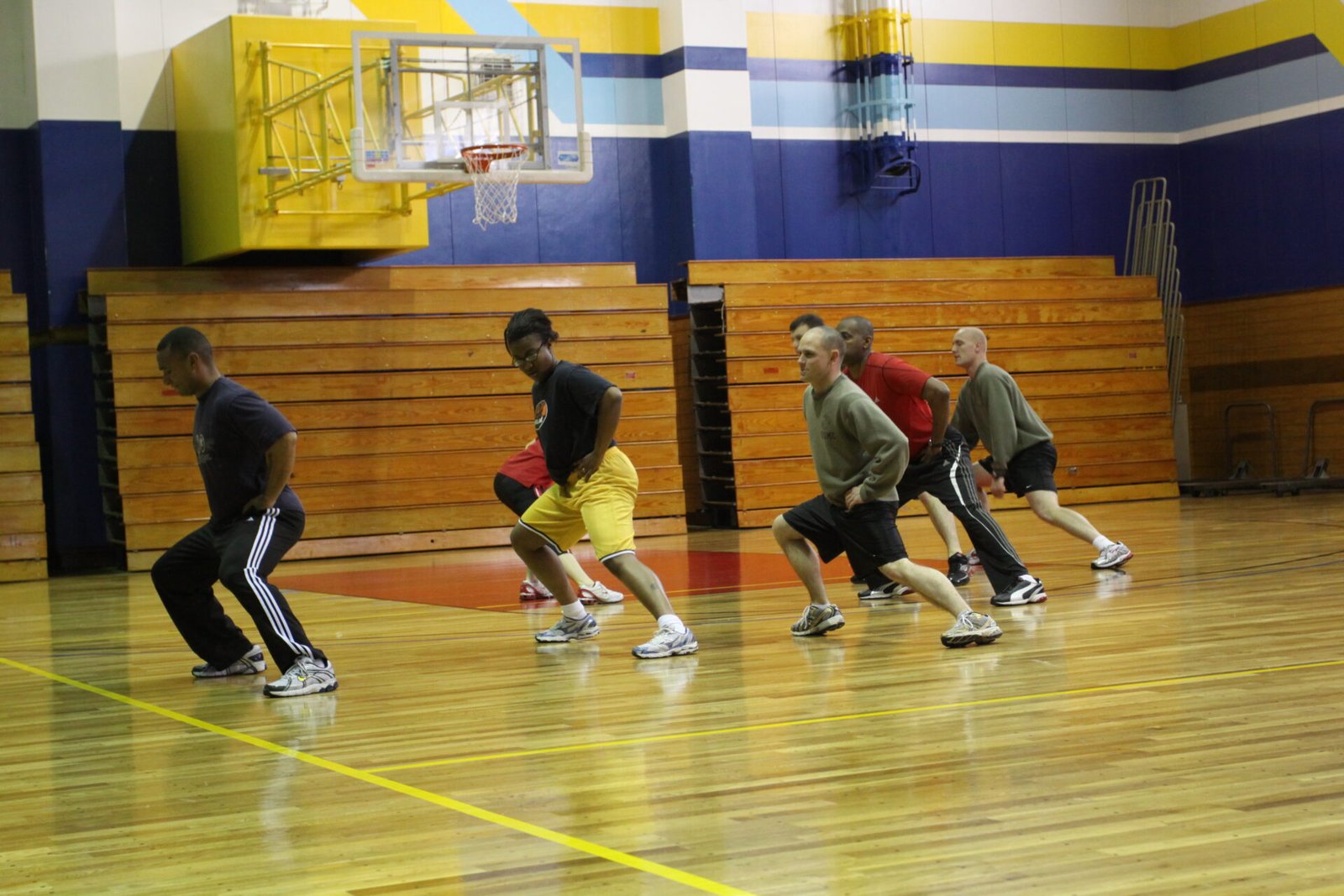
The side lunge stretches the inner thighs and hips, a useful counter to sitting all day. ↔️
Stand with feet wide apart. Step to one side and bend that knee while the other leg stays long.
Keep your chest lifted and your bent knee pointing the same way as your toes. Only go as far as feels stable.
Hold briefly, push back to the middle, then switch sides. Small, controlled steps are best.
If your knees or hips hurt, shorten the step or choose a gentler hip stretch instead.
How to build a simple routine
Pick three or four stretches you enjoy and practise them regularly, rather than forcing all eight every day. 🗓️
Warm up with a few minutes of easy walking or gentle movement first, then stretch afterwards or in a separate calm session.
Keep each stretch comfortable and easy to breathe through. Flexibility improves gradually with regular, gentle practice.
For weight-related goals, stretching works best as a companion to overall movement you enjoy. Exercises to reduce belly fat explains the core and cardio moves that actually support that goal, without spot-reduction promises.
If back stiffness is your main issue, the gentler ideas in back pain exercises may help you choose safer options.
For more yoga-style poses in a similar spirit, see yoga poses for women.
FAQs
Is stretching good for weight loss?
Stretching alone does not cause weight loss. It supports flexibility, mobility, and general movement, which can make it easier to stay active.
Weight loss, when it happens, comes from a sustained overall energy balance and habits — not from stretching one area.
Can I target belly fat with stretches?
No. You cannot choose where your body loses fat by exercising one area. Trials of abdominal exercise alone have not shown a reduction in belly fat from that exercise alone.
A mix of overall activity, strength work, and eating habits matters far more than any single stretch.
Should I stretch every day?
Many people enjoy gentle stretching most days, and a few sessions a week can still help you feel looser.
Keep it gentle, skip anything painful, and rest if you feel sore or unwell.
When should I stop and get advice?
Stop if you feel sharp pain, numbness, dizziness, or pain that lingers after you finish.
Talk to a clinician or physiotherapist if you have an injury, a health condition, or pain that keeps coming back.
This article is general information only and is not medical advice. If you are unsure whether an exercise suits you, ask a qualified professional first.