

🏆 Why a 2024 clip still matters in 2026
Nick Walker is now Mr. Olympia. 🏆
He won the 2026 title in Las Vegas in September 2026, picking up the first Sandow trophy of his career.
That win came a year after a sixth-place finish at the 2025 Mr. Olympia, and months after he finished second to Andrew Jacked at the 2026 Arnold Classic in Columbus, Ohio.
Long before that run, though, Walker had already talked in public about the slower, less glamorous side of the sport: working on the parts of a physique that lag behind the rest. 💭
This article looks back at what he said in July 2024, in his own reported words, and at what happened next.
It is a look back at one bodybuilder’s approach, not a training programme for readers, and it makes no promise about anyone else’s results.
🎥 The July 2024 clip behind this story
The advice at the centre of this article comes from an Instagram reel Walker shared on 30 July 2024.
At the time he was preparing for the 2024 Mr. Olympia, having won the 2024 New York Pro earlier that year.
That contest win had secured his Olympia qualification, after he had been forced out of the 2023 Olympia days before the show by a hamstring and calf tear.
In the reel, Walker described how he tried to bring up weaker areas, and the idea he kept coming back to was connection: feeling the intended muscle do the work.
He framed lifting itself as a skill, one that takes practice to develop, rather than simply a matter of moving heavy weight. 🏋️
🧠 The chest example: let the target muscle lead
Walker’s first illustration was a pressing movement, and it is worth getting the detail right.
He pictured his chest forcing the weight up, he said, while his hands were there mainly to guide it.
The point was not that his triceps were weak. It was the opposite: they were the muscles he was trying not to let take over the lift.
He put the idea simply, saying he imagined his chest doing the pushing, with his hands just helping to steer the weight.
That, he suggested, was where the connection came in — and why he saw lifting as something that takes skill and practice over time.
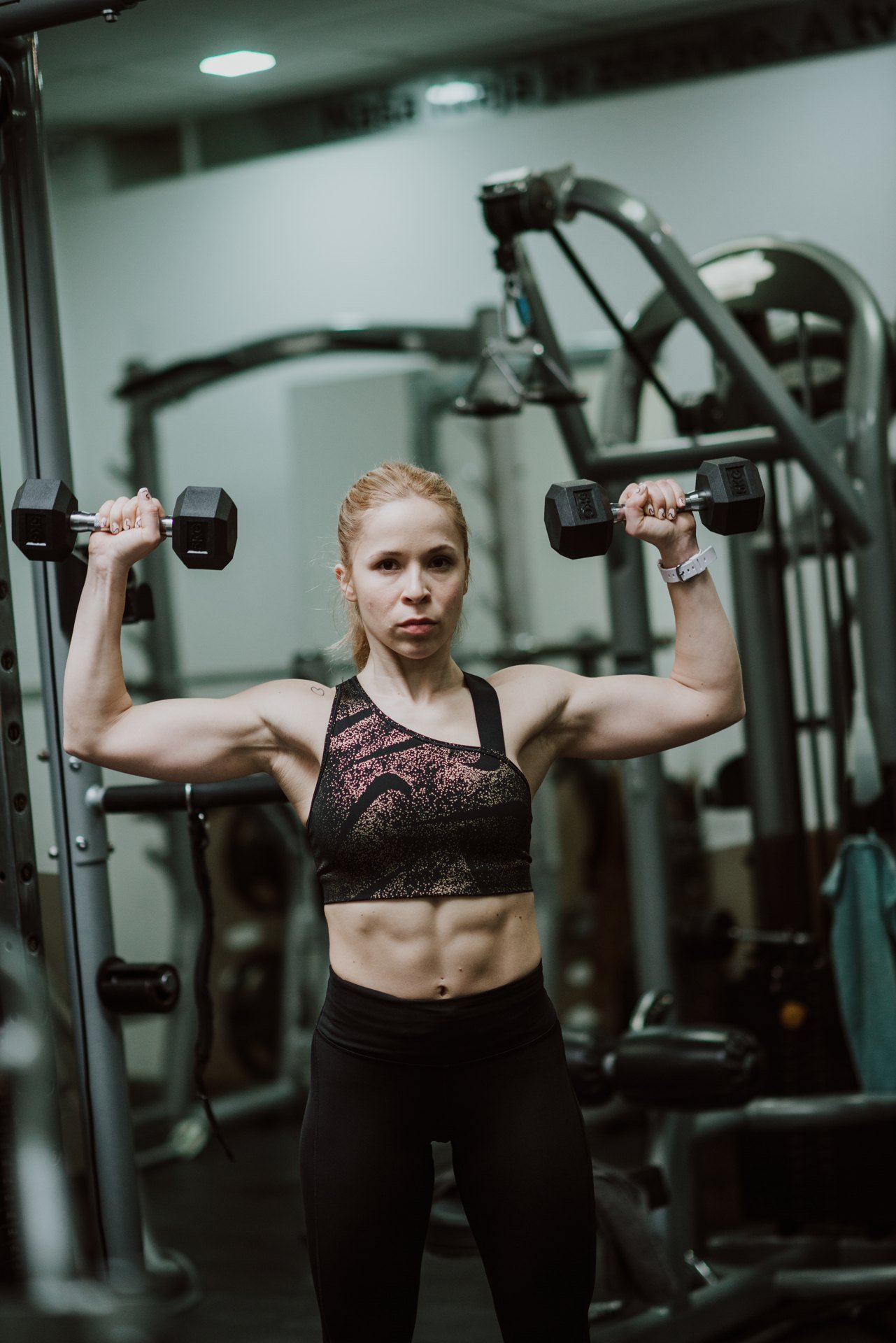
💪 The shoulder press example: picture the shoulders working
Walker then used the shoulder dumbbell press to make the same point from a different angle.
The instinct, he said, is to bring the weight up with the triceps once you start pushing.
His own picture was different: he described almost closing his eyes and forcing his shoulders to lift the weight, and nothing else.
He admitted the description sounded unusual, but said it worked for him in practice.
The theme was consistent across both examples: decide which muscle should lead, then try to keep the other muscles from quietly stealing the movement. 🎯
⚖️ Lighter loads and a full range of motion
The second half of Walker’s account was about how he performed the movement, not just how he pictured it.
He described lightening the load where needed, rather than chasing the heaviest weight he could move.
He also described using a full range of motion, with a slight pause in the stretched position.
From there, he said, he would lift explosively and finish with a hard squeeze at the top, then repeat.
He added that other muscles would still be involved, but the aim was to limit that as much as possible.
Once he started training that way, he said, his weaker areas began to improve noticeably.
That is his account of his own training, reported here as he described it — not a set of instructions, and not a guarantee for anyone else.
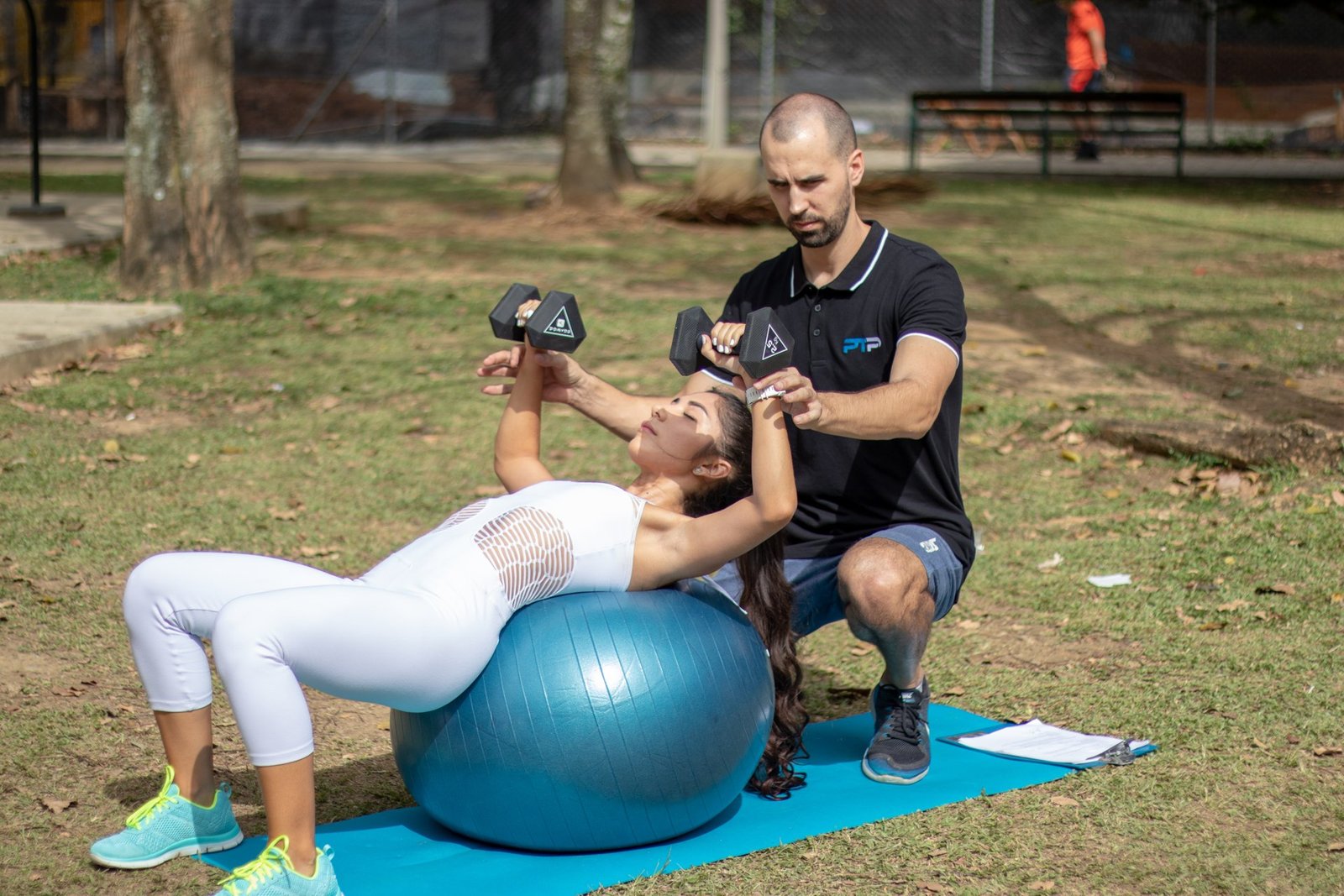
🦵 Which areas was he actually working on?
Getting this part right matters, because the old version of this article muddled it.
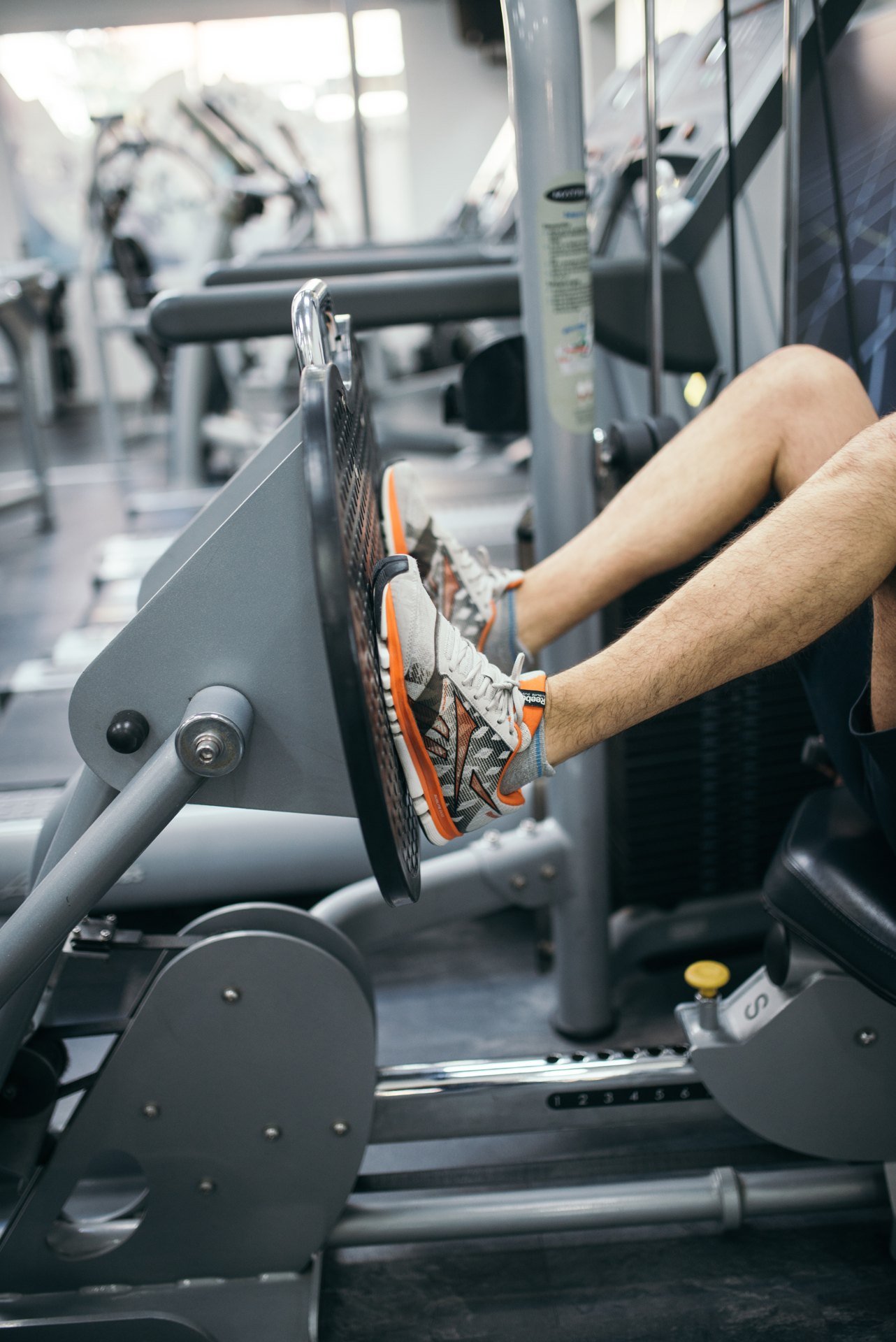
Walker was reported to have been criticised for a lack of leg fullness the previous year, and to have worked methodically on his lower body in response.
He was also reported to be working on his chest, and especially on his back detail.
The back work had a clear benchmark in the reporting: Derek Lunsford, whose back was widely regarded as among the best in the division.
Triceps, by contrast, appears in the clip as the muscle Walker tried to keep in check during presses, not as a weak point he named.
So the honest summary is legs, chest and back — with triceps as part of the example, not part of the list.
📅 What happened after the clip?
The story did not follow the script the original 2024 article predicted.
Walker withdrew from the 2024 Mr. Olympia in October 2024, with he and his coach saying his body needed time to rest and regroup.
He then sat out the 2025 Arnold Classic, which was won by Derek Lunsford, before returning to place sixth at the 2025 Mr. Olympia.
In 2026 the picture changed again: second place behind Andrew Jacked at the Arnold Classic on 7 March 2026, then the Olympia win in Las Vegas that September.
None of that rewrites what he said in 2024, but it does put it in its proper place: one stage in a long career, not the final chapter.
For the full story of that career, see Nick Walker’s biography and the Mutant feature, rather than a retelling here.
❓ Frequently asked questions
When did Nick Walker talk about improving weaker body parts?
In an Instagram reel he shared on 30 July 2024, while he was preparing for that year’s Mr. Olympia.
The reel was reported at the time by Fitness Volt, and this article is based on that reporting.
What was his main idea, in brief?
Picture the target muscle doing the work, keep the assisting muscles from taking over, and use a lighter load with a full range of motion where needed.
That is a summary of Walker’s own description, not a programme written for readers.
Did the 2024 advice lead to an Olympia win that year?
No. Walker withdrew from the 2024 Mr. Olympia in October 2024.
His first Olympia win came two years later, in September 2026, after a sixth-place finish in 2025 and second place at the 2026 Arnold Classic.
🔍 A note on honesty in this article
No verified free photograph of Nick Walker himself could be found for this refresh, so none is used.
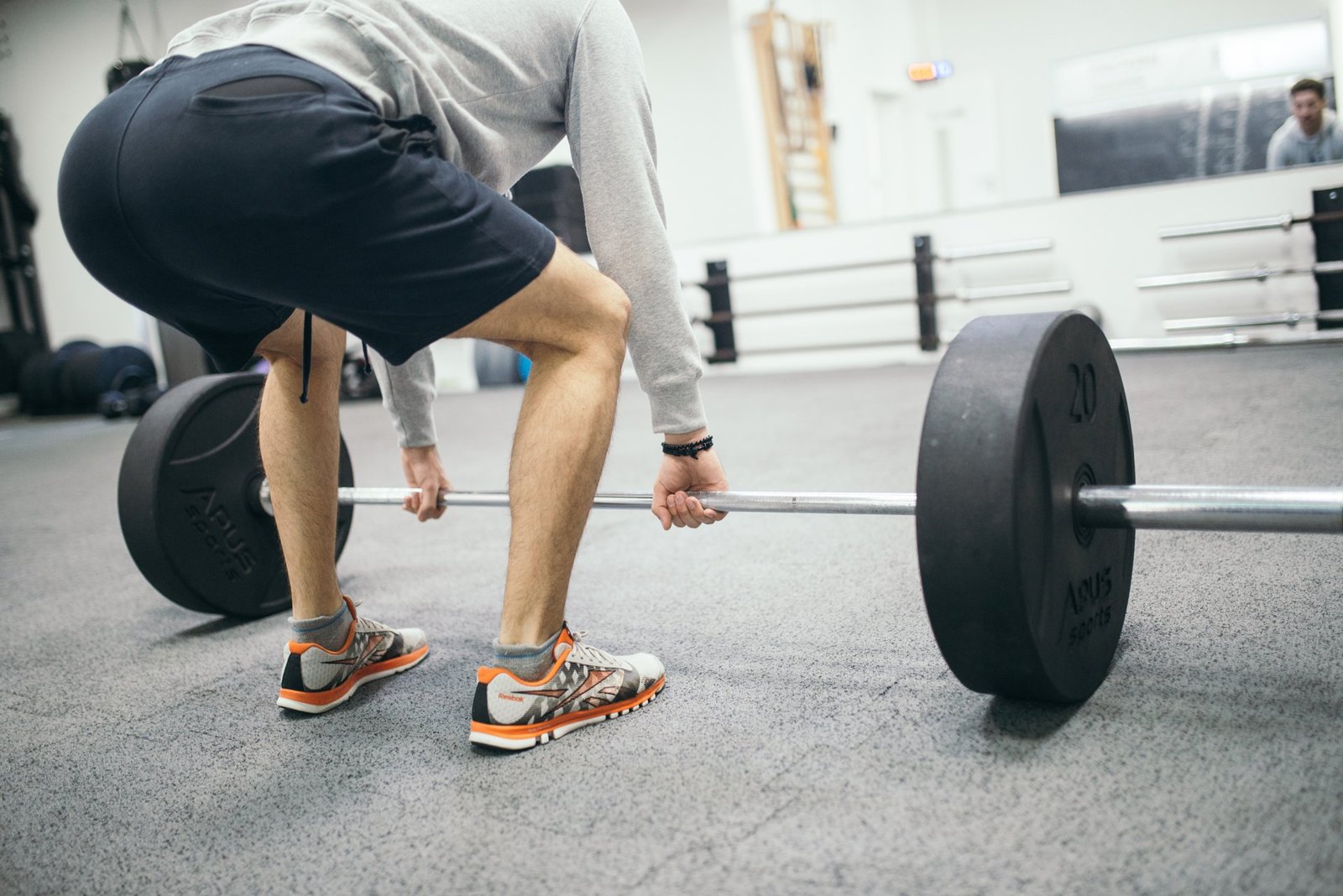
Every photograph in this article shows a different gym-goer, and each caption says so plainly.
The old article’s Instagram photos have not been reused, and no photograph here should be re-captioned as Walker.
Figures and results in this article come from published contest reporting, and where the old article got ahead of events — notably its 2024 Olympia prediction — that has been corrected rather than carried over.
Finally, a general caution: this is general fitness information about one athlete’s reported approach, not medical advice.
If you feel sharp pain during training, stop, and seek qualified advice about an injury rather than pushing through it.