

After a long, busy day, a massage can be a quiet hour just for you. 🌿
It will not fix a health problem, and it is not a substitute for medical care.
What it can offer, for many people, is a chance to slow down, loosen tight muscles and leave feeling more comfortable.
This guide explains seven common massage styles in plain words, so you can pick the kind of session that sounds right for you.
What massage can — and cannot — do
Massage means a trained therapist pressing, kneading or stroking the soft tissues of the body, such as muscles and connective tissue.
Research summaries from the US National Center for Complementary and Integrative Health (NCCIH) describe the evidence as modest and often short-lived, especially for back, neck and shoulder discomfort.
Mayo Clinic likewise describes massage as something that may ease stress, lessen muscle tightness and increase relaxation.
That is a very different thing from a cure. No massage style in this list treats a disease, repairs an injury or flushes toxins from the body.
If pain keeps coming back, gets worse, or comes with a new symptom, see a clinician instead of booking another session and hoping it settles.
Before you book: a quick safety check 🛑
Talk to a clinician before massage if you have persistent pain, a recent injury or surgery, a blood-clotting condition, or any medical condition you are unsure about.
The same applies in pregnancy: ask your clinician first, and choose a therapist trained in prenatal care if you go ahead.
Tell your therapist about allergies, skin problems, bruises, recent fractures and any area that is sore to touch.
During the session, speak up straight away if the pressure feels too strong, the heat feels too hot, or anything hurts.
Massage should feel comfortable, not painful. “No pain, no gain” does not apply here — stop if it hurts.
Afterwards, mild soreness or tenderness for a short time is common, and a skin reaction to an oil is possible.
Rare serious effects, such as a blood clot, nerve injury or fracture, have been reported, mainly with vigorous massage or in people at higher risk — another reason to get checked first if you are in doubt.
1. Swedish Massage 💆
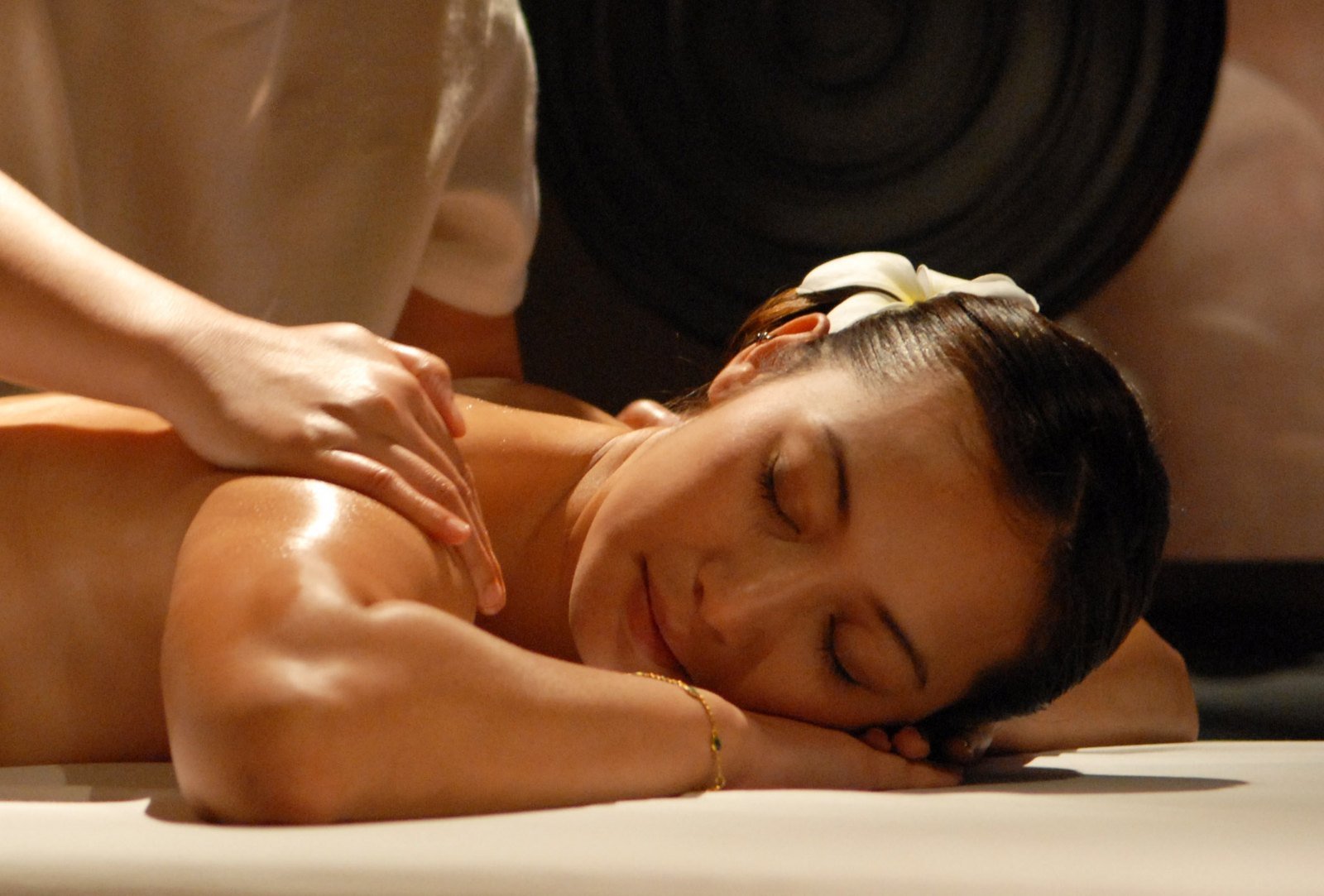
Swedish massage is the classic Western style, and the one most massage courses are built around.
It uses oil or lotion, long smooth strokes, kneading, circular movements, tapping and gentle shaking.
Sessions usually cover much of the body and last around 60 to 90 minutes, though shorter sessions are common too.
Pick this one if you are new to massage, prefer a gentler touch, or mainly want to unwind and ease everyday tightness.
2. Deep Tissue Massage 💪
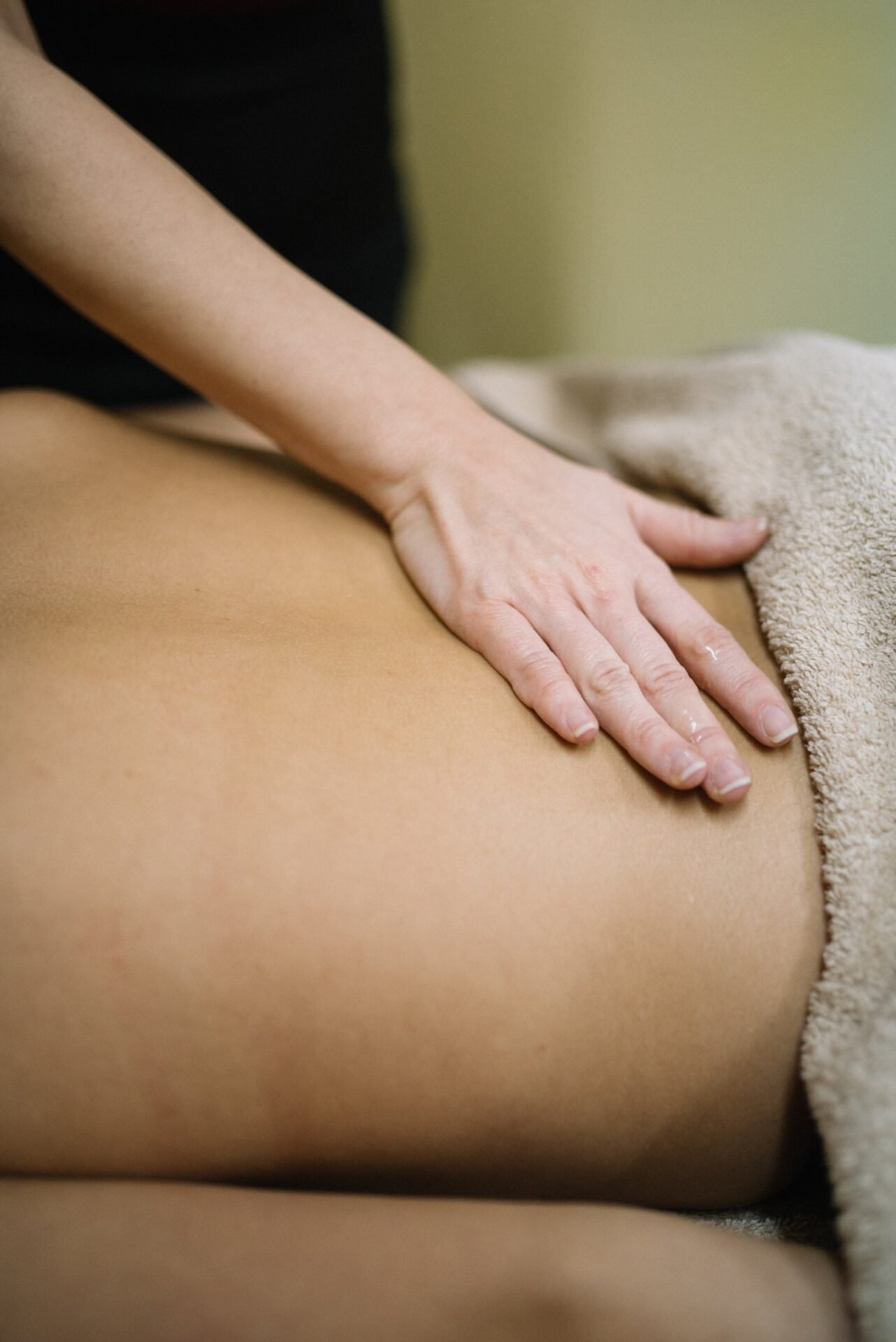
Deep tissue massage uses slower strokes and firmer pressure than Swedish massage, aimed at deeper muscle layers.
It usually focuses on one area, such as the shoulders or lower back, rather than the whole body.
It may suit people who carry a lot of tension in one spot and prefer stronger pressure.
Stronger does not mean painful. Tell your therapist at once if the pressure crosses into pain, and ask them to ease off.
3. Thai Massage 🇹🇭
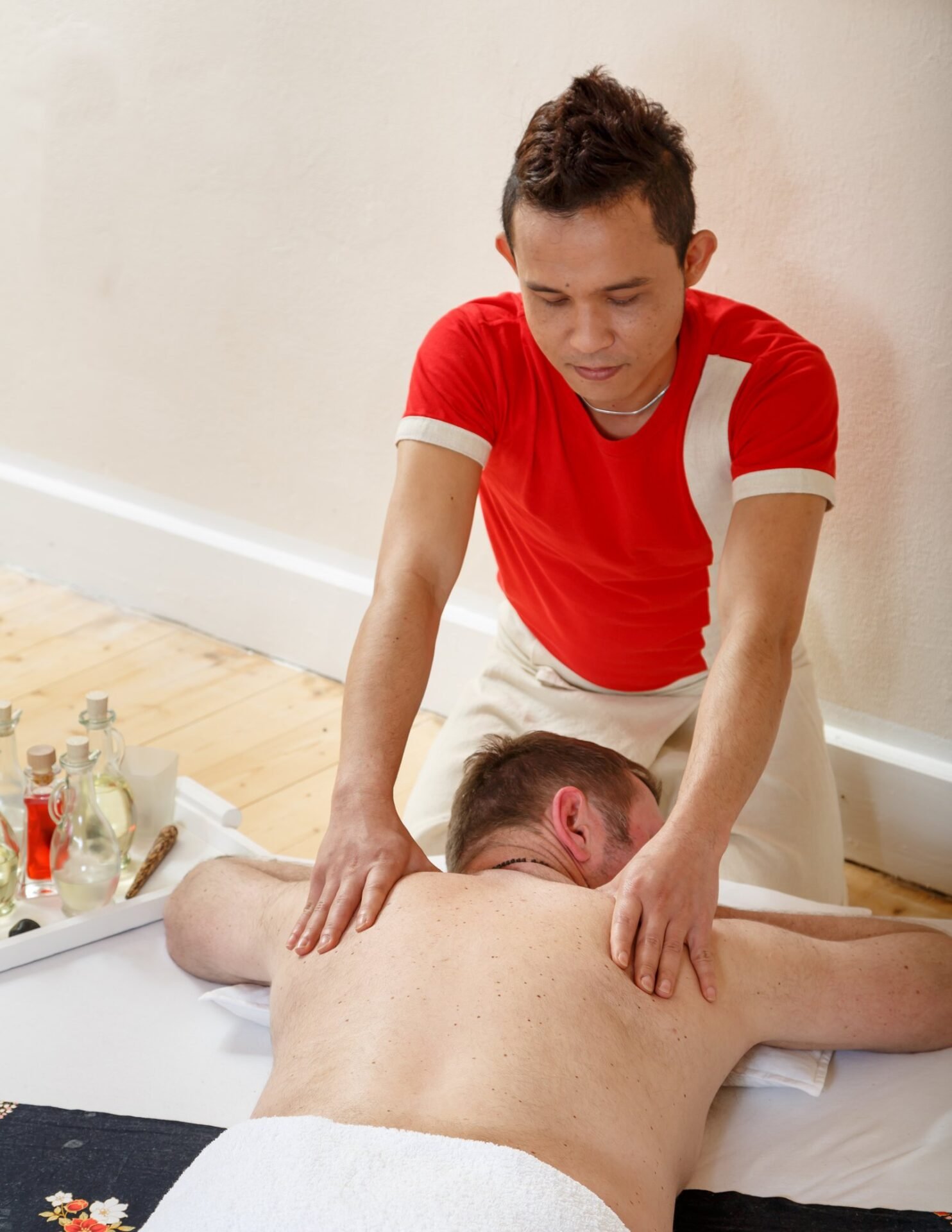
Thai massage is an active, full-body style, traditionally done fully clothed on a mat or low table.
The therapist uses rhythmic pressing along with assisted stretches that feel a little like yoga done for you.
There is usually no oil, and the session can feel more energising than a sleepy oil massage.
Pick this one if you like stretching, do not want to undress, and prefer a firmer, more movement-based session.
4. Shiatsu Massage 🖐️
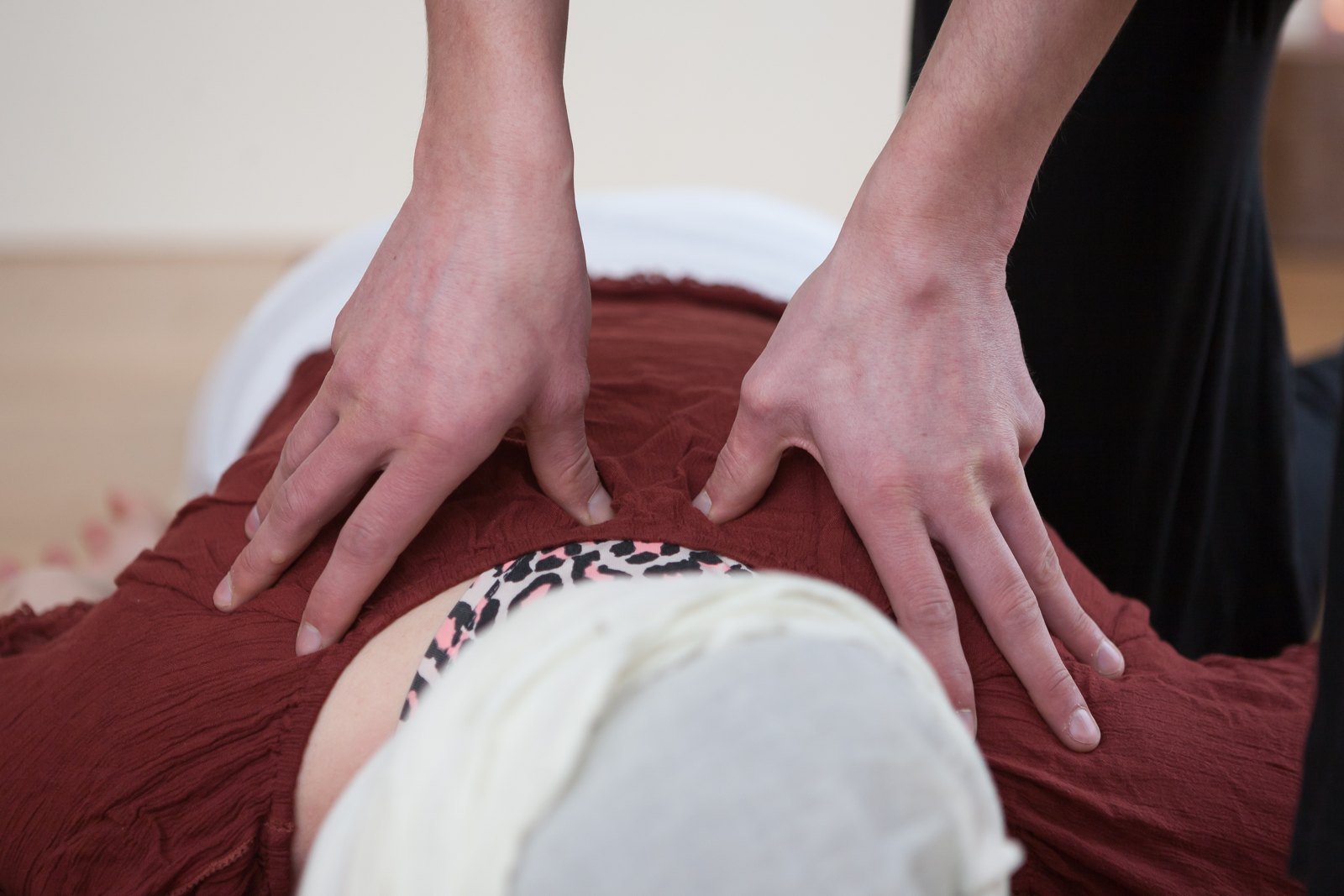
Shiatsu is a Japanese style whose name means “finger pressure.”
The therapist presses with fingers, thumbs, palms and sometimes elbows, in a steady rhythm, while you stay in loose, comfortable clothing.
No oil or lotion is used, and the work is usually done on a mat or low table.
Pick this one if you prefer a dry, clothed session with focused pressure rather than long, oiled strokes.
5. Reflexology 🦶
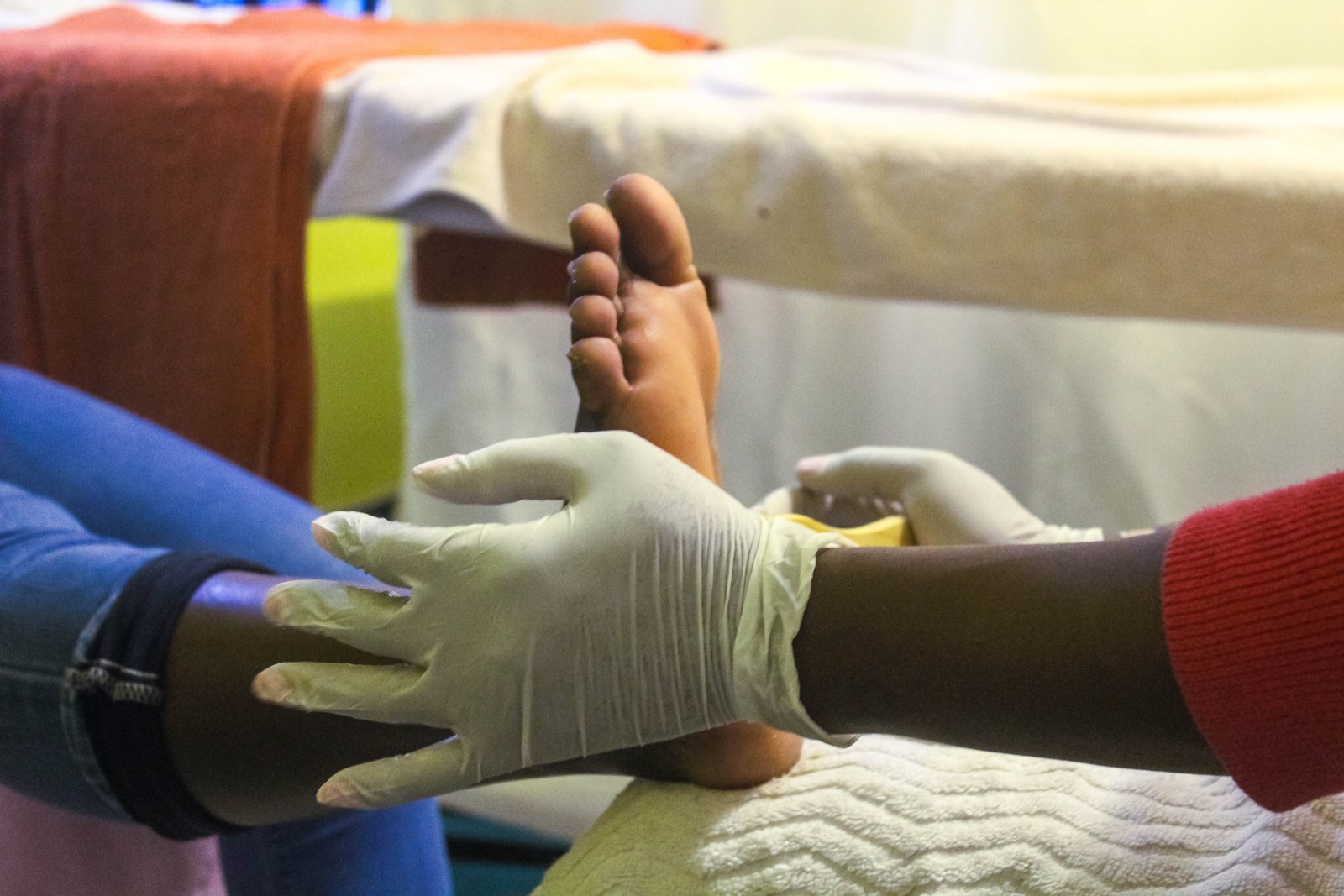
Reflexology focuses on the feet, and sometimes the hands, using pressing, rubbing and kneading.
Its tradition holds that points on the feet correspond to other parts of the body, but that link is a belief of the practice, not an established medical fact.
What you can expect, in plain terms, is a focused foot session that many people find relaxing.
Pick this one if you do not want a full-body massage, or if a shorter, feet-focused session sounds more comfortable.
6. Aromatherapy Massage 🌸

Aromatherapy massage is much like a gentle Swedish massage, with one clear difference: scented essential oils.
The oils are diluted in a carrier oil, such as a plain massage oil, and worked into the skin with slow, flowing strokes.
Lavender and rose are popular choices for a calming session, but the scent is a matter of taste, not a treatment.
Tell your therapist about any scent or skin allergies first, and ask for a lighter scent or plain oil if you are sensitive.
7. Hot Stone Massage 🔥
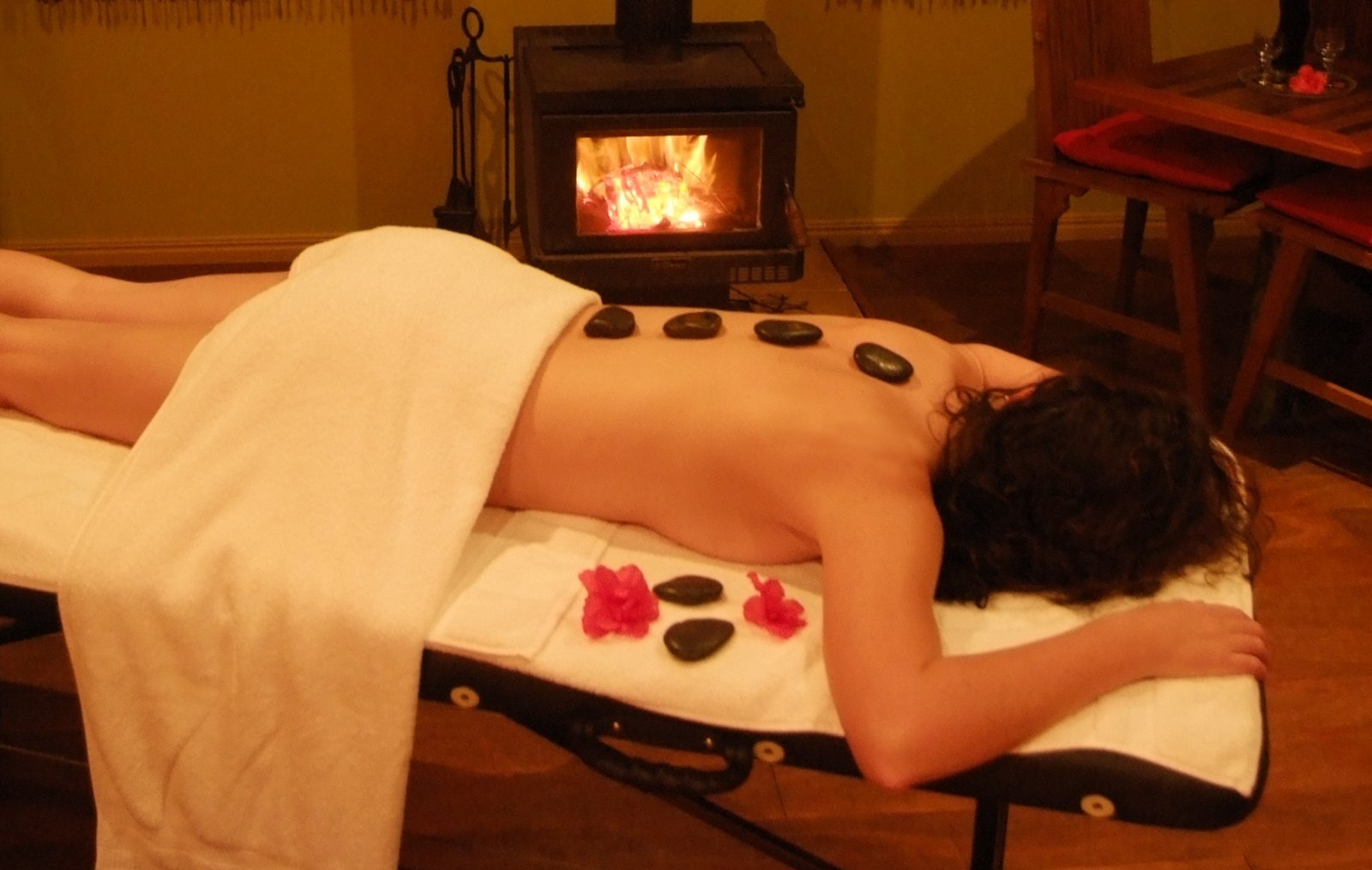
Hot stone massage adds warmth to a gentle massage, using smooth stones that hold heat well.
The therapist may place warm stones on the back or other areas, and may also use a warm stone to glide over the muscles.
The warmth can help tight muscles soften without very strong pressure, and many people find the slow pace deeply relaxing.
Say so immediately if any stone feels too hot. People with conditions affected by heat should check with a clinician before booking.
How to choose in 30 seconds ✨
Want the gentlest start? Begin with Swedish massage.
Want firmer, focused pressure? Try deep tissue, and keep the pressure comfortable.
Want to stay clothed, or like stretching? Try Thai or shiatsu.
Want feet only, or a shorter session? Try reflexology.
Love scent and a slow pace? Try aromatherapy, after an allergy check.
Love warmth and a slow pace? Try hot stone, and speak up if it feels too hot.
FAQs
Does massage release toxins?
No. Massage does not flush toxins or waste from your body.
Feeling fresher afterwards is about relaxation and comfort, not detoxing, so ignore any session sold on that promise.
What happens in a typical massage session?
Your therapist will ask about comfort, pressure, allergies and any sore areas, then use pressing, kneading, rubbing or stretching on muscles and soft tissue.
You can ask them to change the pressure, skip an area, or stop at any time.
How often should I get a massage?
There is no set rule, and no schedule that guarantees a result.
Many people book now and then for relaxation; if you are booking for an ongoing problem, talk to a clinician about what else might help.
What are the side effects?
The most common effects are short-lived soreness, tenderness, bruising or a skin reaction to an oil.
Stop the session and seek care promptly if you notice anything unusual, worrying or lasting after a session.
Can I get a massage while pregnant, or with a medical condition?
Ask your clinician first. That step matters most in pregnancy, with blood-clotting conditions, after recent surgery or injury, and with any condition you are being treated for.
Related reading
If tight shoulders are part of the picture, our guide to best posture exercises covers simple daily habits that pair with a relaxing session.
For gentle movement at home, see also exercises for love handles.
This article is general information only and is not medical advice. If you have pain, an injury, or a medical condition, talk to a clinician before booking a massage.