

Most desk days follow the same pattern. 🪑 You sit down in the morning, look up hours later, and wonder where your energy went.
This is not about working harder or pushing through tiredness. It is about small, everyday habits that make a long sitting day feel a little easier — and help you stay motivated without burning out.
The ideas below are general health information only, not medical advice. If pain, poor sleep, or low mood keeps coming back, it is worth talking to a clinician rather than trying to fix it alone.
1. Sit less, move a little more often 🚶

Photo: Dcoetzee / Wikimedia Commons
Sitting for hours without a break is one of the quietest drains on a workday. Your legs stiffen, your focus fades, and the afternoon feels twice as long.
You do not need a workout in the middle of the day to change that. A short walk — to get water, to take a call, or just around the block at lunch — breaks the sitting spell.
As a weekly guide, the World Health Organization suggests adults aim for 150 to 300 minutes of moderate activity a week, plus muscle-strengthening activity on two or more days. Brisk walking counts, and short walks through the day all add up.
A simple rule helps: stand up, stretch, or walk for a few minutes at least once an hour. If you work from home, our guide to how to stay fit at home has more no-gym ideas that fit around a desk day.
2. Stretch out the stiffness 🧘

Photo: Shixart1985 / Wikimedia Commons
Neck, shoulders, and hips tend to complain first after a long stretch at a screen. Gentle stretching will not fix everything, but it often loosens the tight feeling that builds up by mid-afternoon.
Keep it easy and pain-free. Roll your shoulders, stretch your arms overhead, turn your head slowly side to side, and stand up for a hamstring stretch if you have room.
Stop any stretch that hurts sharply or feels wrong, and skip deep stretches on cold muscles. A few calm minutes beats one aggressive session that leaves you sore the next day.
For a fuller routine, see our stretching exercises for flexibility and everyday movement — pick two or three you like and repeat them daily.
3. Eat and drink for steadier energy 🥗

Photo: Lisettejoe / Wikimedia Commons
Skipping lunch and then grabbing something sugary at 4 pm is a classic desk-day trap. It feels like a boost for ten minutes, then the slump comes back harder.
A steadier approach is simpler than a strict diet. Aim for a lunch with some vegetables, some protein, and something filling — and keep water nearby so you are not running on coffee alone.
Planning even one part of lunch the night before helps on busy mornings. A packed salad, leftovers, or a sandwich you actually enjoy beats skipping the meal entirely.
For everyday food ideas, our guide to foods for a heart-healthy diet is a useful starting point, and our protein powders guide covers one common protein option in plain terms.
4. Sleep: the part of the day that shapes the next one 😴
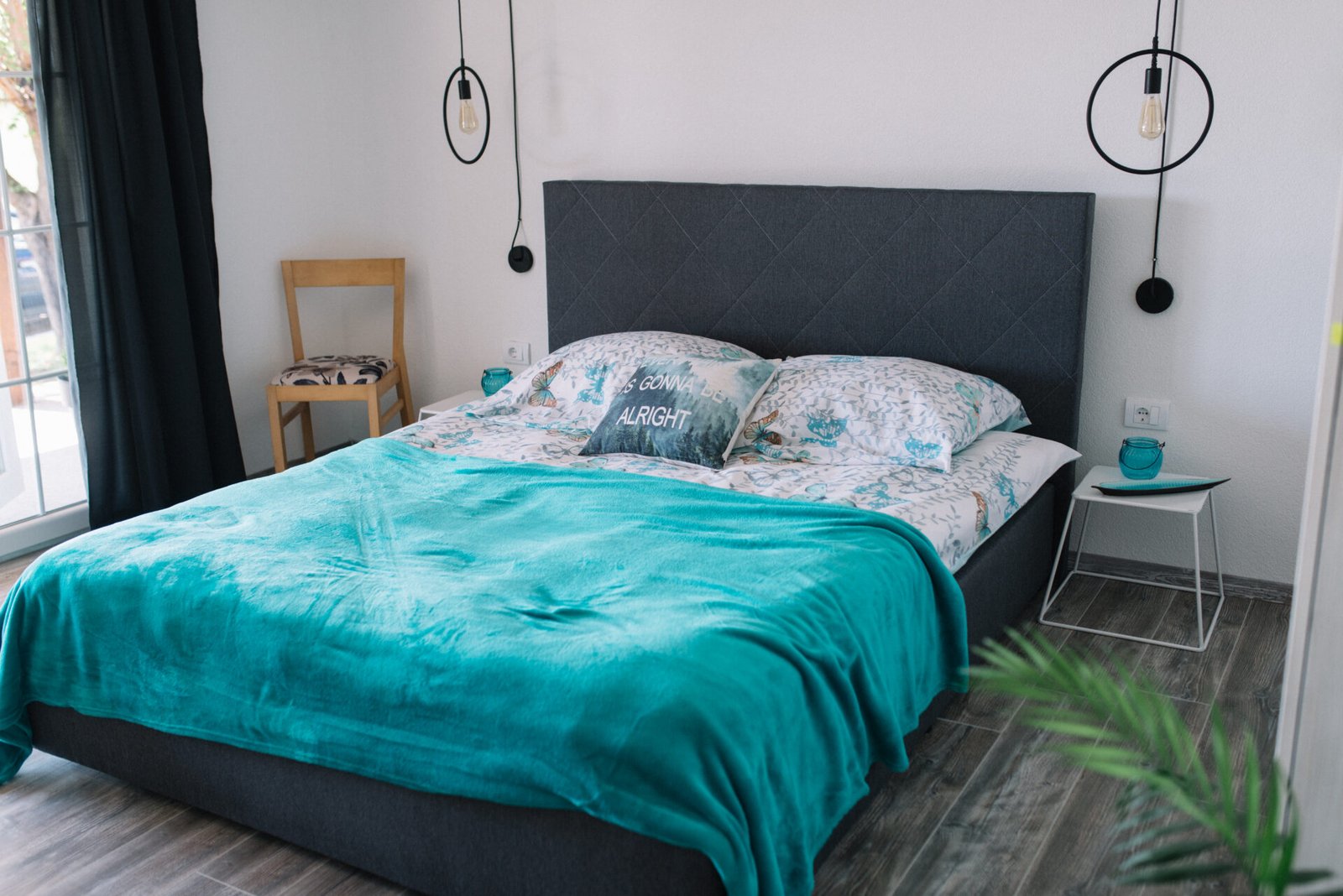
Photo: Shixart1985 / Wikimedia Commons
Motivation is hard to find on a morning after a bad night. Sleep is not separate from work health — it is where your energy for the next day is made.
The CDC’s guidance for adults is 7 or more hours of sleep a night. That is a goal to work toward, not a test to pass — some nights will be shorter, and that is normal.
A calmer wind-down helps more than a perfect routine. Dim the lights, put work messages away an hour before bed if you can, and keep the bedroom mainly for sleep.
If you regularly lie awake for a long time, snore heavily, or feel exhausted despite a full night, raise it with a clinician. Sleep problems deserve proper attention, not just stronger coffee.
5. Take real pauses — and keep the day realistic 🌿

Photo: Amy Serin / Wikimedia Commons
Stress at work is not a personal failure, and it is not cured by a single technique. Some days are simply heavy, and pretending otherwise only adds pressure.
What does help, for many people, is a genuine pause. Step away from the screen, eat lunch away from your desk when you can, and take a few slow breaths before answering a stressful message.
It also helps to make the day’s goal honest. Write down the one or two things that truly matter today, and let the rest wait. A short, finished list feels better than a long one that never ends.
Life outside work matters here too. A difficult week at home will naturally lower your energy at work, and that is human. Talking to someone you trust — or a professional, if things feel heavy for a while — is a sensible step, not a weakness.
Quick answers
How often should I move during a desk day? Aim to stand, stretch, or walk briefly at least once an hour, plus a longer walk at lunch when you can.
Do I need a gym to stay healthy at work? No. Walking, stretching, and short home routines are a solid start — the habit matters more than the location.
What if I still feel drained every day? Look at sleep first, then talk to a clinician if tiredness, pain, or low mood persists. This article is general information, not a diagnosis.
None of this needs to happen all at once. Pick one habit — a lunch walk, a stretch break, or an earlier bedtime — and let it settle before adding another. Small, steady days build the motivation that big overhauls usually promise and rarely deliver. 💛