

Resistance bands are the cheapest gym you can own — until you need somewhere to anchor them. A band looped around a doorknob, a chair leg, or a wobbly shelf is not a workout station. It is an accident waiting for a rep. 🏋️
An anchor gives a band a fixed point: a wall mount screwed into a stud, a padded stopper trapped behind a closed door, or a strap that turns a whole door into five anchor heights. With one, bands do rows, presses, rotations, and pull-aparts that free weights cannot copy.
But let us be plain from the start: an anchor gives bands a fixed point, but it does not make band training safe by itself, it does not replace checking the door, the wall, and the band before every session, and it does not fix a band that is worn, nicked, or overloaded.
Used the right way — anchored into a solid door or a stud, bands and straps inspected before every session, the band’s path kept clear of your face — an anchor is the smallest upgrade that makes band training feel like real training.
How We Picked These Anchors

Photo: U.S. Army / Wikimedia Commons
This guide is research-based. We did not buy or hands-on test these anchors, and we do not claim otherwise.
We compared verified buyer reviews and manufacturer specifications, and we checked each product’s Amazon listing status through search results and listing trackers.
We picked 6 anchors that are genuinely sold and cover different needs: a physio-backed wall set, a weld-free steel wall set, a heavy-duty door anchor, a multi-point door strap, a sliding door-and-wall strap, and a six-pack of wall anchors.
Prices are not quoted in this guide because they change often. The check-price links take you to the current listing, where you can see the latest price and availability.
Availability and colour options vary, so if your option shows as unavailable, check the listing’s other options before switching products.
One note before we start: the anchor is only as strong as what it is fixed to. A wall anchor in drywall alone, or a door anchor on a hollow door that flexes, is not a fixed point — check the door and the wall first, then shop.
Quick Comparison
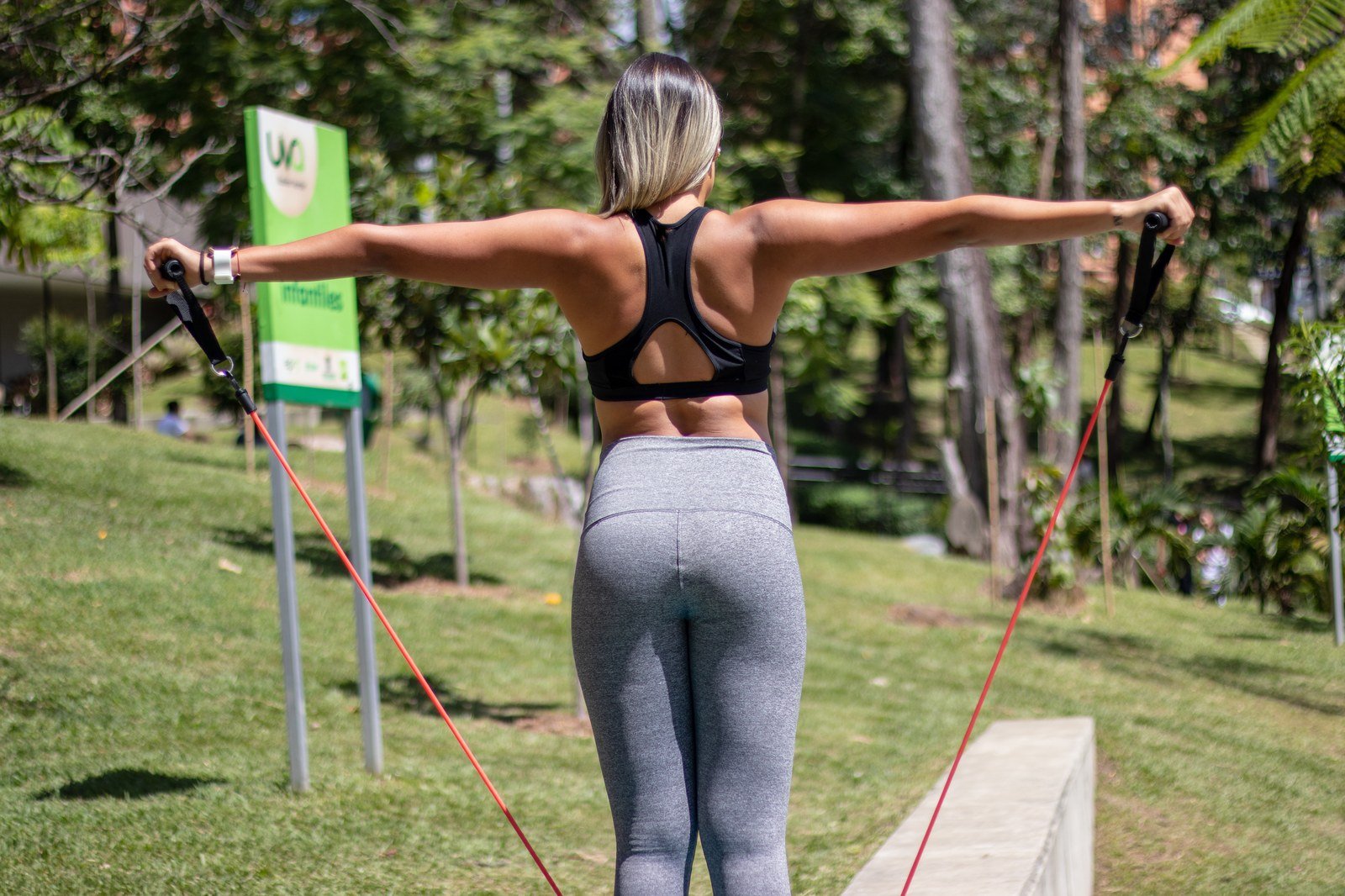
Photo: Tyler Read / Wikimedia Commons
| Anchor | Type | Fixing | Best for |
|---|---|---|---|
| OPTP Wall Anchor Set (Bob and Brad) | Wall clips, set of 3 | Screws into wall | Best overall |
| FITKIT 3-Pack Wall Anchor Set | Wall hooks, set of 3 | Lag bolts into stud | Best steel wall set |
| Serious Steel Door Anchor (Premium) | Door anchor | Trapped behind door | Best door anchor |
| Brebebe Multi-Point Door Anchor Strap | Door strap, 5 points | Over the door, no tools | Best multi-point strap |
| FITKIT Door Sliding Anchor Straps | Sliding strap | Door frame or wall | Best sliding strap |
| KOMOHOM Wall Anchors (6-pack) | Wall hooks, set of 6 | Screws into wall | Best value wall set |
1. OPTP Resistance Band Wall Anchor Set by Bob and Brad — Best Overall
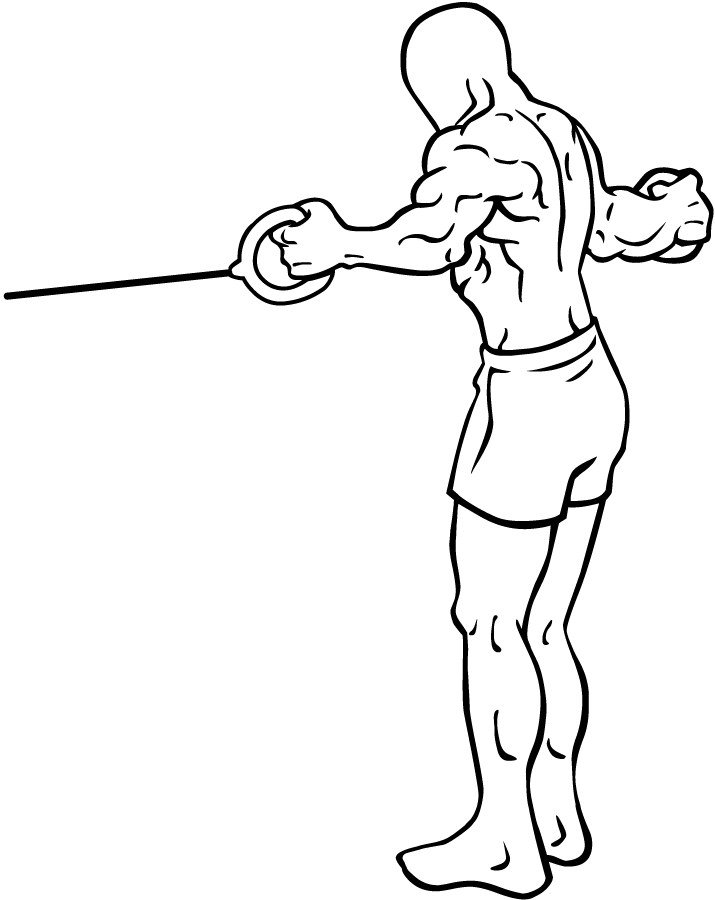
Photo: Everkinetic / Wikimedia Commons
Who it suits: lifters who want one permanent, trusted wall setup for band training and rehab-style work, and who do not mind drilling.
OPTP’s wall anchor set, made with physical therapists Bob Schrupp and Brad Heineck, is a set of three wall clips for lower, middle, and upper attachment positions. Each clip carries three attachment points — a wide middle opening and two smaller ones — and the maker rates each clip at 800 pounds of pull force.
The kit includes the three clips, screws, an exercise poster, and online exercise videos, and it is made in the USA. It is the longest-running pick here — on sale since 2018 — and the one most often recommended by therapists, which is why it takes the top slot despite its plain plastic build.
Pros: three clips for low, middle, and high positions; three attachment points per clip; 800-pound maker rating per clip; exercise poster and videos included; long-running, therapist-backed pick.
Cons: polypropylene clips, not steel — they look plainer than the steel sets below; needs drilling and a solid wall or stud; the rating is the maker’s figure, not a tested rating, and it depends on the fixing, not just the clip.
2. FITKIT 3-Pack Resistance Band Wall Anchor Set — Best Steel Wall Set
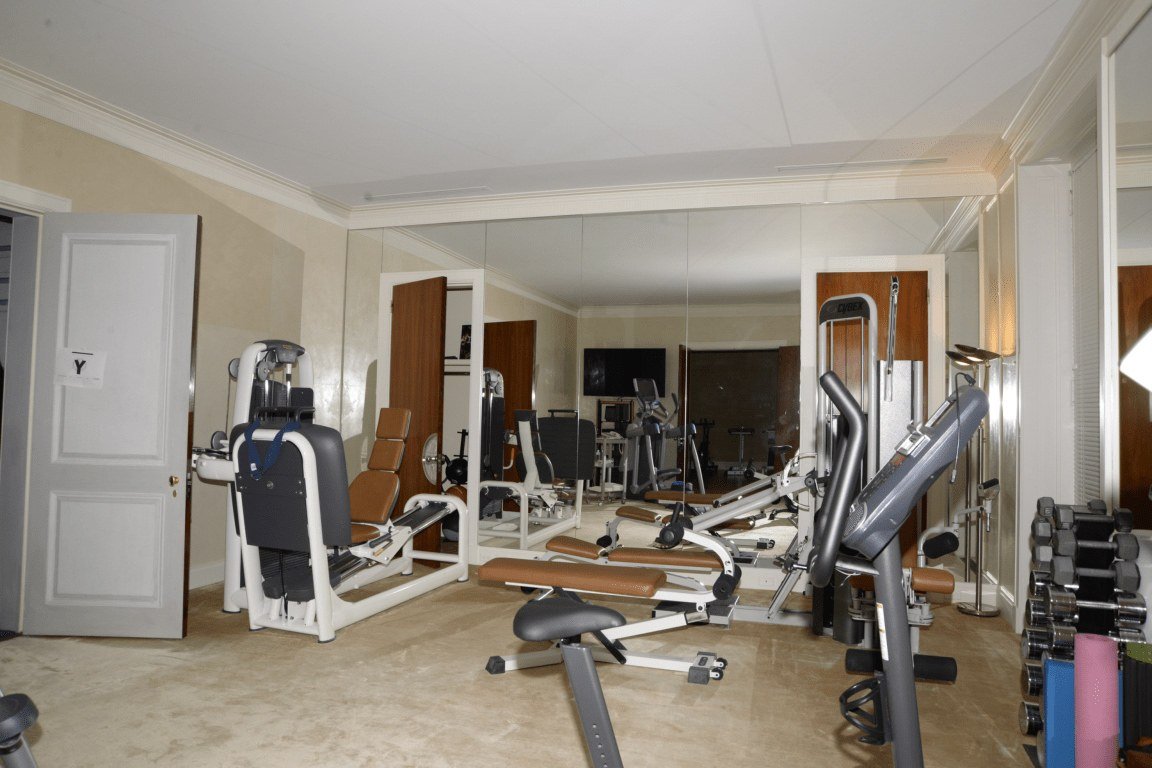
Photo: Wikimedia Commons
Who it suits: lifters who want steel wall anchors, a spring-locking gate that keeps bands from slipping out, and three heights for a full-body setup.
FITKIT’s 3-pack is a set of three wall anchors made from a single piece of carbon steel — no welds, so there is no weld to fail — with a spring-locking mechanism that stops bands slipping out mid-rep. The maker rates them at 800 pounds, and the kit includes a triangular connecting ring, six lag bolts, six expansion tubes, and an installation manual.
Three anchors at different heights cover legs, abdomen, chest, back, shoulders, and arms without moving anything: low for rows and kickbacks, middle for presses, high for pulldowns and face pulls.
Pros: weld-free single-piece steel; spring-locking gate keeps bands in; 800-pound maker rating; three heights in one kit; triangular ring included for suspension straps.
Cons: one recent listing crawl showed no featured offers available, so check availability before ordering; needs lag bolts into a stud — drywall plugs alone will not hold a band under load; compact anchors, so check the opening size against thick band handles.
👉 Check price on Amazon (check availability — one recent crawl showed no featured offers).
3. Serious Steel Fitness Resistance Band Door Anchor (Premium) — Best Door Anchor

Photo: Latif2022 / Wikimedia Commons
Who it suits: renters and travellers who want one anchor, no tools, and a door they already own.
Serious Steel’s premium door anchor is a heavy-duty nylon strap, 10 inches by 2 inches, with a padded stopper that traps behind a closed door and a loop on the room side for bands, tubes, or straps. It comes from a strength brand founded in 2009 that has sold bands for over a decade, and it is the simplest anchor in this guide: shut the door, clip in, train.
One anchor gives one height per door position — top, middle, or bottom of the door — so it suits lifters who move the anchor between sets rather than those who want five heights at once. That is what the multi-point straps below are for.
Pros: no tools, no drilling, no damage; heavy-duty nylon webbing; from an established strength brand; packs flat for travel; works on any firmly closing door.
Cons: one height at a time — reposition between exercises; only as strong as the door — never use it on a door that does not latch firmly, or one that opens toward you; check the stopper and stitching before every session, since the whole anchor is one strap.
4. Brebebe Multi-Point Door Anchor Strap — Best Multi-Point Strap

Photo: Shixart1985 / Wikimedia Commons
Who it suits: lifters who want low, middle, and high anchor points on a single door, with no drilling and no repositioning.
Brebebe’s door anchor strap is a long nylon strap — about 196 inches unfolded — that threads over the top of a door and down the room side, with five stainless steel D-rings from top to bottom. Clip a band to the ring at the height you need, and switch heights by moving the carabiner, not the strap.
The strap fits doors from 77 to 90 inches tall, needs a 1–2 mm gap at the top of the doorway and a small gap at the floor for the strap to pass through, and installs with no tools and no holes. The strap alone weighs just 160 grams, so it packs into a bag for travel.
Pros: five anchor heights on one door; five stainless steel D-rings for quick carabiner changes; no tools, no drilling; fits most standard doors; light and packable.
Cons: one recent listing crawl showed no featured offers available, so check availability before ordering; Brebebe sells several strap-and-band bundles side by side — confirm the listing is the strap alone if you already own bands; needs a door in the 77–90 inch range with the right gaps, so measure before ordering.
👉 Check price on Amazon (check availability — one recent crawl showed no featured offers — and confirm the listing is the strap alone if you already own bands).
5. FITKIT Door Sliding Anchor Straps — Best Sliding Strap
Photo: Shixart1985 / Wikimedia Commons
Who it suits: lifters who want an anchor point that slides to any height, on a door frame or a wall, without fixed clips.
FITKIT’s door sliding anchor straps — sold under its Caiman sub-brand — are a strap system with a movable sliding buckle that sets the anchor point anywhere along the strap, rather than at five fixed rings. It fits doors from 6 to 8 feet, mounts on door frames and walls with the included eyebolts and triangle locking buckles, and the maker rates it at 220.5 pounds.
The sliding design is the practical difference from the Brebebe strap: instead of choosing the nearest fixed ring, you slide the anchor to exactly the height the exercise needs, then lock it. That matters for movements where a few inches change the angle — face pulls, Pallof presses, and overhead work.
Pros: anchor point slides to any height, not just fixed points; works on door frames and walls; 220.5-pound maker rating; ratchet-style tightening holds the setting; no band included, so it pairs with bands you already own.
Cons: one recent listing crawl showed no featured offers available, so check availability before ordering; the 220.5-pound rating is lower than the wall sets here — respect it, and do not stack heavy bands past it; the sliding buckle needs a firm lock check before every set.
👉 Check price on Amazon (check availability — one recent crawl showed no featured offers).
6. KOMOHOM Resistance Band Wall Anchors (6-pack) — Best Value Wall Set
Photo: Wikimedia Commons
Who it suits: lifters who want the most anchor points for the money — a full wall of band stations, or anchors in two rooms.
KOMOHOM’s 6-pack is six wall anchors with screws and washers, each with three attachment points for bands, tubes, or pulleys. The maker claims each anchor withstands a pull force of up to 3,000 pounds — the highest figure in this guide — and the set is meant to be installed at several heights, so one wall covers legs, core, chest, back, shoulders, and arms.
Three anchors per wall is the usual layout; six means a second wall, a second room, or spares when one position does not suit an exercise. The three-point design also takes suspension straps and bodyweight straps, not just bands.
Pros: six anchors in one kit — the most mounting points here; three attachment points per anchor; screws and washers included; takes bands, tubes, pulleys, and suspension straps.
Cons: one recent listing crawl showed no featured offers available, so check availability before ordering; the 3,000-pound figure is the maker’s peak-pull claim — treat it as a ceiling, not a working load, and remember the fixing into the wall decides the real strength; six anchors means six holes, so plan positions before drilling.
👉 Check price on Amazon (check availability — one recent crawl showed no featured offers).
How to Choose the Right Band Anchor
Photo: Shixart1985 / Wikimedia Commons
Start with where you train. A rented room points to a door anchor; a dedicated home gym points to wall mounts; a lifter who trains in several places points to a strap that packs flat.
Then check the fixing: the door, the wall, and the stud behind it. An anchor is only a fixed point when what it is fixed to is fixed.
Anchor type: door anchor vs wall mount vs rack strap vs freestanding base
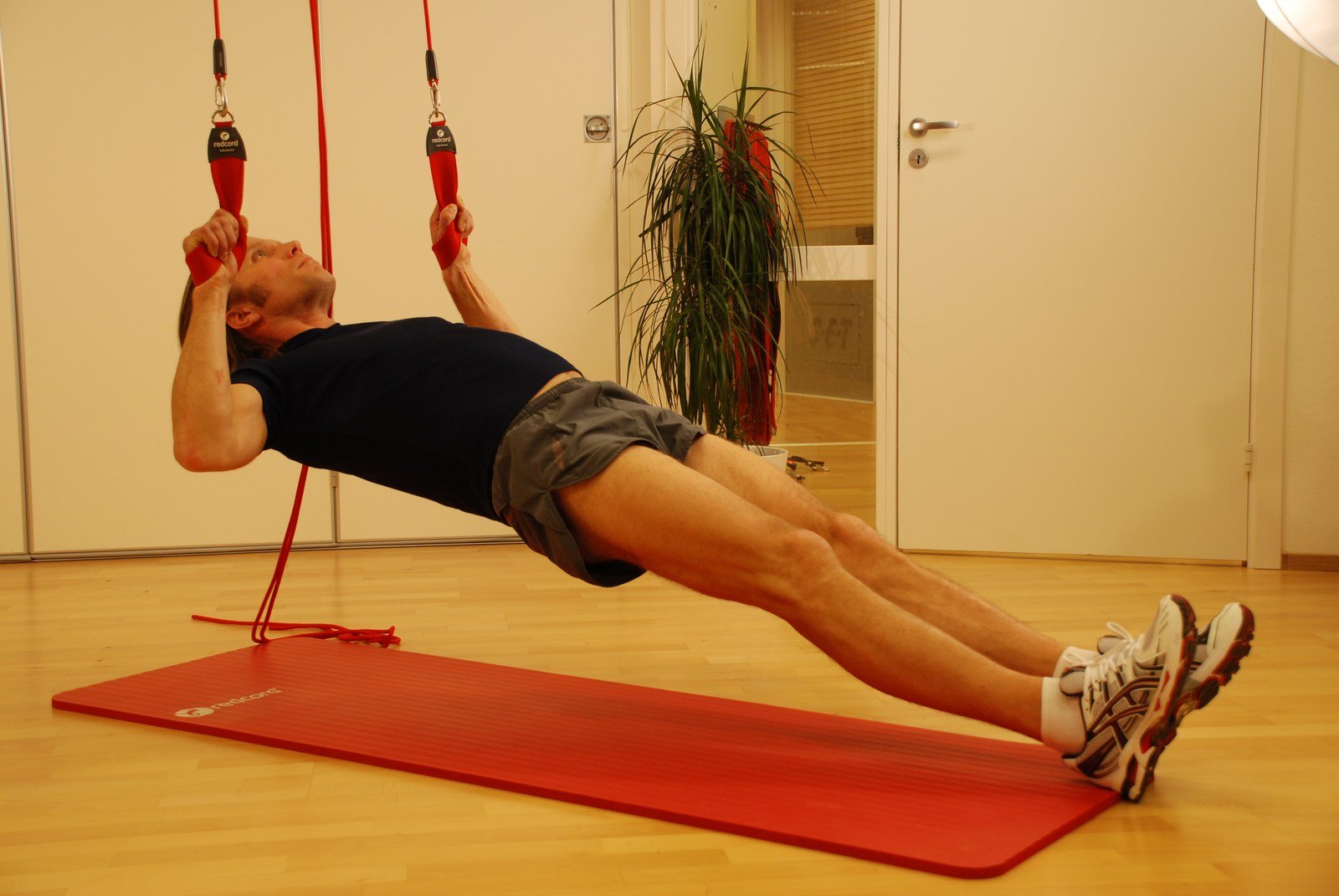
Photo: Slyngebehandling / Wikimedia Commons
Door anchors (Serious Steel) trap a padded stopper behind a closed door. Best for renters and travellers, worst for heavy work — one height at a time, and only as strong as the door.
Door straps (Brebebe, FITKIT sliding) thread over a door and offer several heights or a sliding point. Best for a full session on one door, worst for doors outside their height range.
Wall mounts (OPTP, FITKIT wall, KOMOHOM) screw into a wall or stud and stay put. Best for a dedicated gym and the heaviest band work, worst for renters — they leave holes.
Rack straps and freestanding bases wrap around a rack upright or a heavy base. No pick here uses one — a rack strap needs a rack, and a freestanding base needs floor space and weight — but if you already own a rack, a simple loop strap around an upright is the cheapest anchor of all.
Door and wall suitability: solid doors vs hollow doors, studs vs drywall
Photo: Infrogmation / Wikimedia Commons
Door anchors need a door that closes firmly and latches, and that opens away from you — so a pull cannot drag the door open mid-rep. A solid-core door is best; a hollow door that flexes under load is not a safe anchor, however good the strap is.
Check the gaps too: multi-point straps need a small gap at the top of the doorway and at the floor for the strap to pass through, and a door height in the strap’s range — 77 to 90 inches for the Brebebe, 6 to 8 feet for the FITKIT sliding strap.
Wall mounts need a stud, not just drywall. Find the stud with a stud finder or by tapping, drill into it, and use the lag bolts or screws the kit includes. Drywall plugs alone will pull out under a band’s peak load, and a mount that pulls out mid-rep sends the band straight back at you.
Strap and carabiner compatibility with common band sets
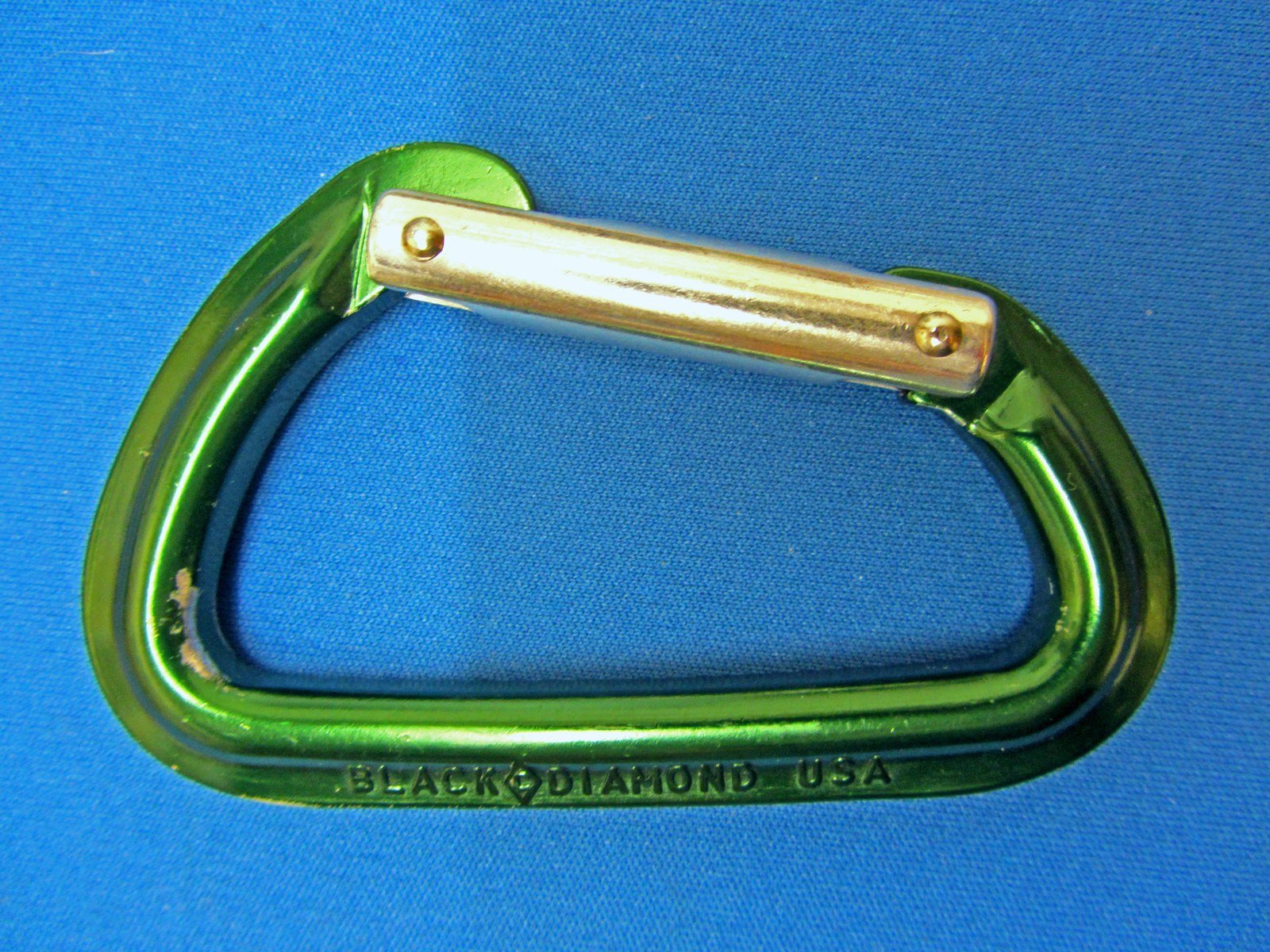
Photo: Stefan Bellini / Wikimedia Commons
Most tube bands and loop bands clip to an anchor with a carabiner, a D-ring, or a loop threaded through the anchor’s opening. Check the opening size before ordering: a thick band handle or a wide carabiner that does not fit the anchor’s gate is useless, however strong the anchor is.
Flat loop bands (the 41-inch power bands) usually loop straight through an anchor’s opening or around a wall hook — no carabiner needed. Tube bands with handles need a clip or D-ring, which every pick here provides except in the sense that you supply the carabiner yourself.
Mixing brands is fine as long as the connection closes fully: a carabiner gate that does not shut, a D-ring that is bent, or a loop that sits half-on the hook is a connection waiting to fail. Check it before every set, not once a month.
Load ratings and what they actually mean
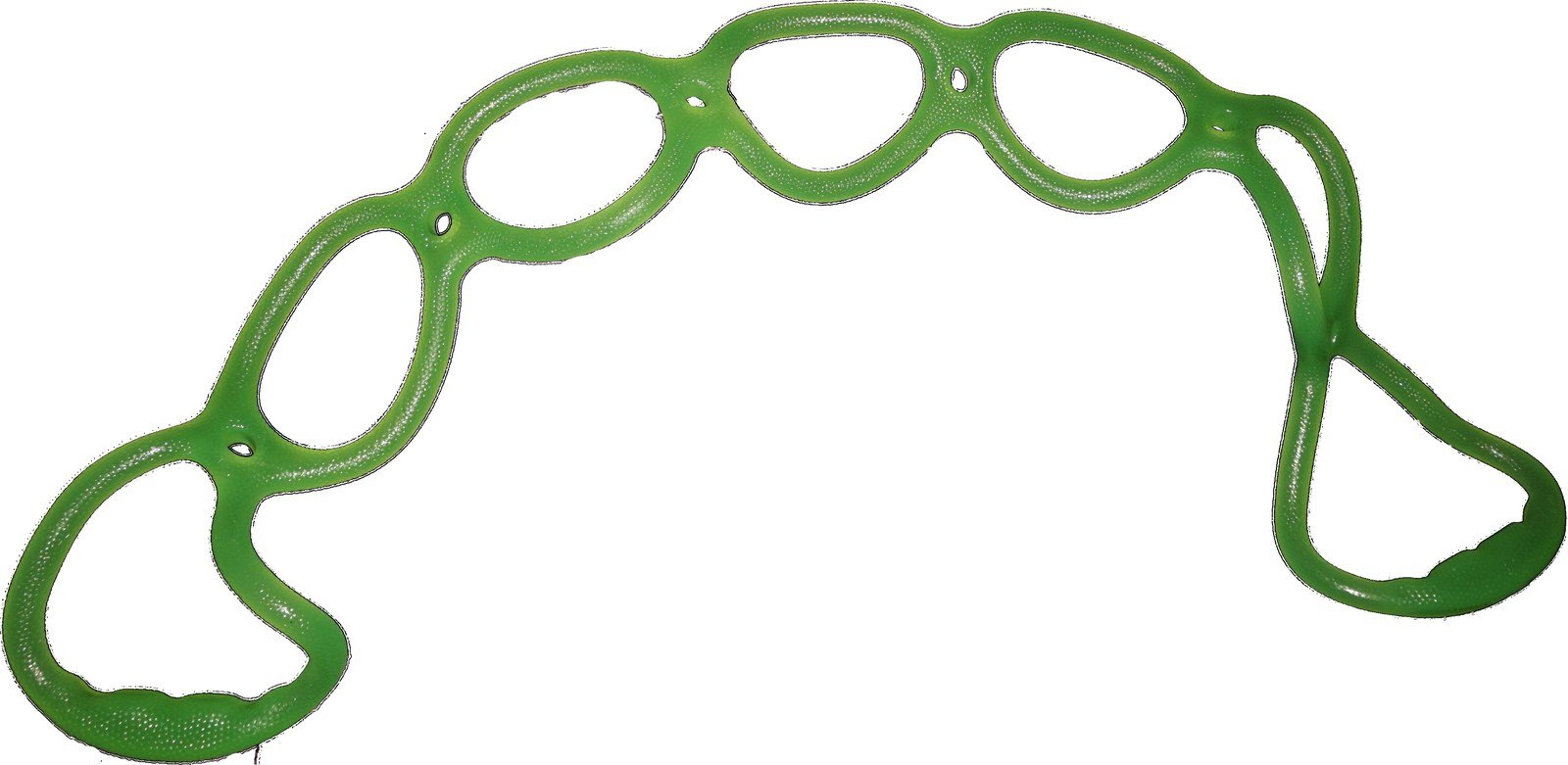
Photo: Tiia Monto / Wikimedia Commons
Load ratings are makers’ figures, not tested ratings. A “3,000-pound” anchor, an “800-pound” clip, and a “220.5-pound” strap are not measured the same way, and none of them is the strength of your setup — the setup is only as strong as its weakest link: anchor, fixing, wall, or door.
Peak pull is not working load. A band’s peak pull at full stretch, plus a jerky rep, loads an anchor harder than a slow, controlled rep at the same band weight. Buy an anchor rated well above the band weight you actually use, and never test a rating with a maximal effort.
Two honest flags from this guide: the KOMOHOM 3,000-pound figure is a peak-pull claim, not a working load, and the FITKIT sliding strap’s 220.5-pound rating is far lower than the wall sets — both are stated in the picks above rather than smoothed over.
Anchoring safely: what no anchor makes safe
Photo: Corn cheese / Wikimedia Commons
Inspect before every session: the band for nicks, cracks, and thinning; the strap for fraying and stitching; the carabiner gate for full closure; the wall mount for looseness. A band that snaps under load whips back — check it, and retire it at the first sign of damage.
Keep the band’s path clear of your face and joints, and never anchor a band at face height and pull toward yourself without checking what happens if it slips. Stand to the side of the anchor’s line of pull where you can, and keep the area behind you clear.
No anchor makes band training safe by itself. A worn band, a hollow door, a mount in drywall alone, or a load past the anchor’s rating is not fixed by buying a stronger anchor — fix the weak link first.
If you have an injury, or a condition that affects how safely you can train with bands, talk to a clinician or qualified coach before starting. This guide is general information only, not medical advice.
Frequently Asked Questions
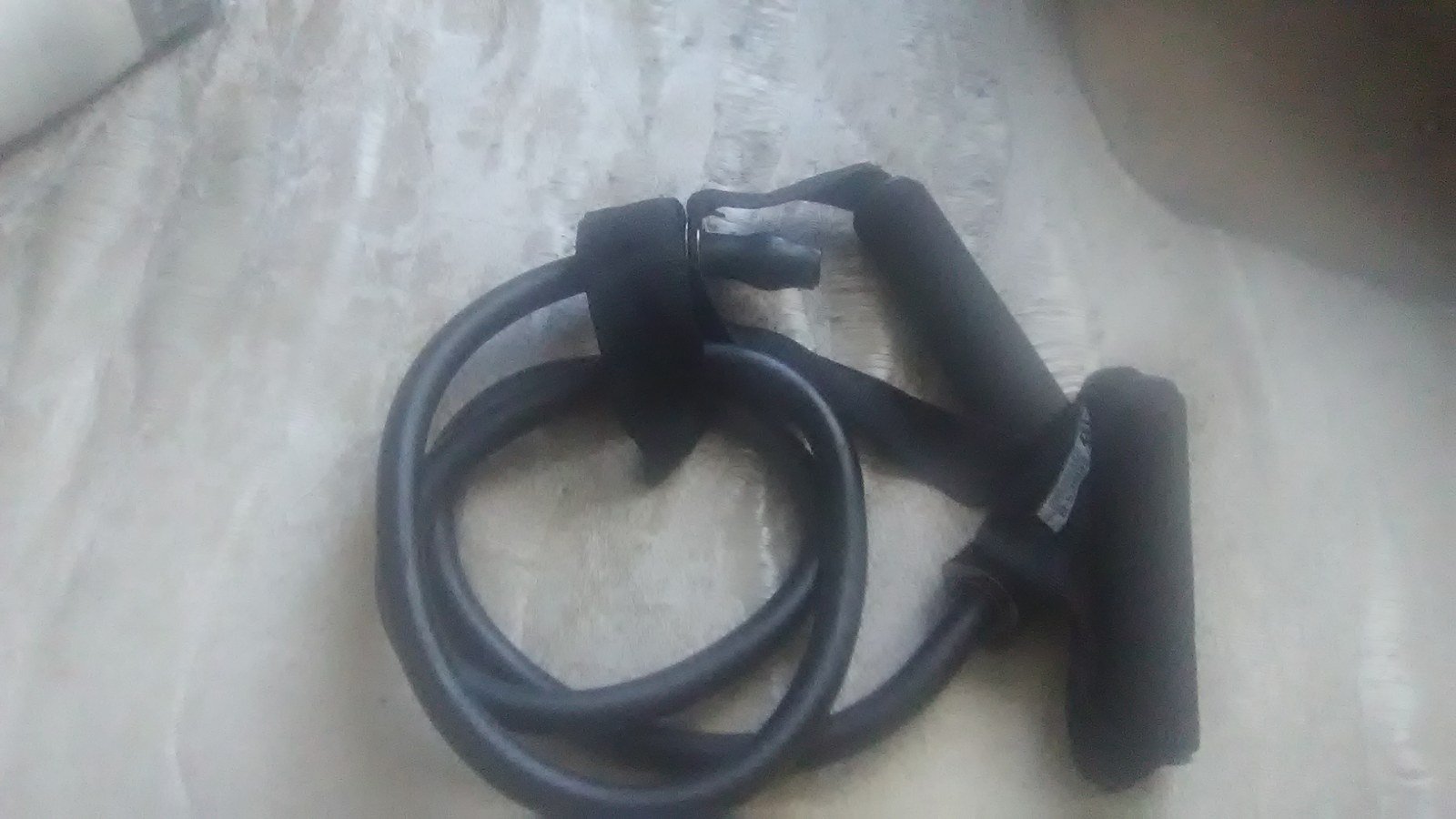
Photo: Corn cheese / Wikimedia Commons
Will a door anchor damage my door?
A padded stopper on a solid, firmly latching door causes little damage, but a strap dragged across a painted frame will mark it over time, and a hollow door can flex or crack under heavy load. Use a solid door where you can, and check the frame regularly.
Can I use a wall anchor in drywall?
No — not with drywall plugs alone. Wall anchors need a stud, or a masonry fixing in brick or concrete. A mount in drywall alone will pull out under a band’s peak load.
Do I need tools to install a door anchor?
No. Door anchors and door straps need no tools and no drilling — shut the door, clip in, train. Wall mounts are the ones that need a drill, a stud finder, and the kit’s screws or lag bolts.
Will these anchors fit my bands?
Loop bands thread straight through most anchor openings; tube bands with handles clip on with a carabiner or D-ring. Check the anchor’s opening and gate size against your band handles before ordering, since a clip that does not close fully is not a connection.
How many anchor points do I need?
Three heights — low, middle, and high — cover almost every band exercise. A three-clip wall set or a five-point door strap gives you that; a single door anchor gives you one height at a time, moved between exercises.
When should I replace an anchor or a band?
When a strap frays, stitching loosens, a carabiner gate sticks or bends, a wall mount wobbles, or a band shows nicks, cracks, or thinning. Worn anchors and bands fail without warning — replace them before they do.
Our Pick in One Line
Photo: Corn cheese / Wikimedia Commons
If you want one answer: the OPTP wall anchor set is the best all-round buy because three therapist-backed clips at three heights cover almost any band session permanently — but if you rent, or you refuse to drill, the Serious Steel door anchor is the pick, because one strap and one solid door is all it needs.
For the rest of your band setup, see our cable attachments guide and our resistance bands guide, and for timing your band intervals, see our gym timers guide.
As an Amazon Associate, we earn from qualifying purchases made through links on this page, at no extra cost to you.
This guide is research-based: we compared verified buyer reviews and manufacturer specifications, and we did not buy or hands-on test these products. Prices and availability change, so check the listing before ordering. The training information here is general information only, not medical advice — if you have an injury or a condition that affects how safely you can train, talk to a clinician first.