

💪 Creatine is the most studied sports supplement in the world — and the simplest to buy badly.
Walk into the category and you will find dozens of powders, capsules, and blends promising faster gains.
Almost all of them contain the same core ingredient. What differs is the form, the dose per serving, the testing behind it, and the price you pay per scoop.
This guide cuts through that noise. Every pick below is a real, currently sold product, compared on its label — not on marketing claims.
🔍 How We Chose These Picks
This is a research-based guide. We did not buy or test these products, and no product here is described as personally tested.
Picks were scored on five things: the creatine form and dose on the label, third-party testing or certification, serving count (which drives real value), verified buyer-review volume, and how clean the label is.
Prices change constantly, so this guide does not quote them. Use the check-price links to see the current price before you buy.
If a product’s label did not clearly state its creatine form and dose, it did not make the list.
⚡ Quick Comparison
| Product | Form | Creatine per serving | Servings | Best for |
|---|---|---|---|---|
| Optimum Nutrition Micronized | Monohydrate | 5 g | 120 | Best overall |
| Nutricost Micronized | Monohydrate | 5 g | 100 | Best value |
| Thorne Creatine | Monohydrate | 5 g | 90 | Tested athletes |
| Transparent Labs Creatine HMB | Monohydrate + HMB | 5 g + 1.5 g HMB | 30 | Combo formula |
| MuscleTech Platinum 100% | Monohydrate | 5 g | 80 | Trusted brand pick |
| Kaged Creatine HCl | Hydrochloride | 750 mg | 75 | Sensitive stomachs |
One pattern jumps out immediately: five of the six picks are monohydrate.
That is not an accident. Monohydrate is the form with decades of human trials behind it, and every major sports-nutrition authority recommends it first.
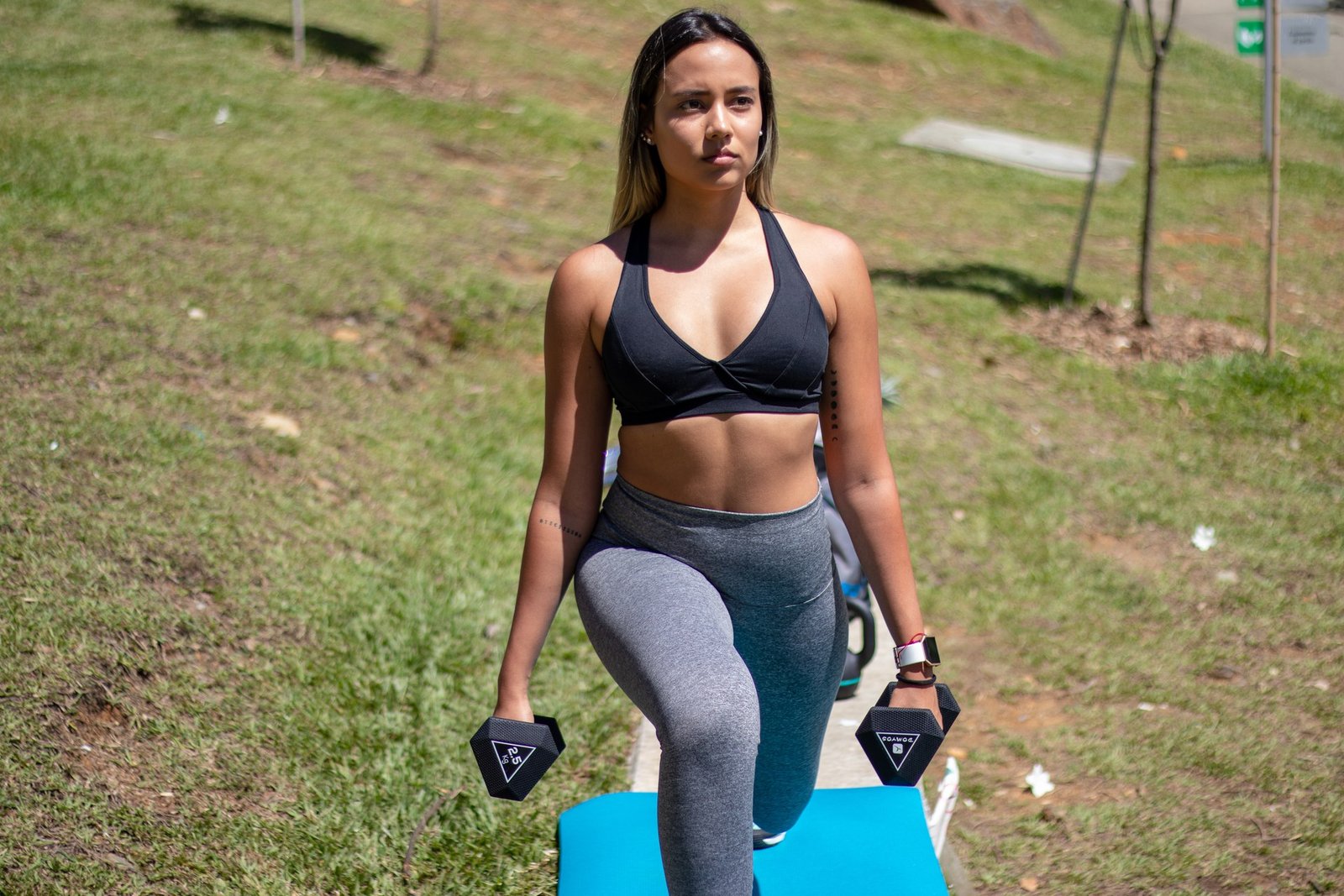
🧪 What Creatine Actually Does — and Which Form to Buy
Creatine tops up your muscles’ fastest energy system.
During short, hard efforts — a heavy set, a sprint, a jump — your muscles burn through ATP, their immediate fuel, in seconds.
Creatine stored in muscle helps rebuild that ATP faster, which is why the evidence is strongest for strength, power, and repeated high-intensity efforts.
It is not a steroid, not a stimulant, and not a shortcut around training. It helps you squeeze a little more out of the training you already do.
Monohydrate is the default. It is the cheapest per effective gram, the most studied, and the form used in nearly every major trial.
Creatine HCl dissolves far more easily in water — that solubility advantage is real and measurable.
What has NOT been shown is that HCl outperforms monohydrate where it counts. Small head-to-head trials have found no meaningful difference, and a 2022 systematic review concluded the evidence for alternative forms is too limited to displace monohydrate.
Buffered (alkaline) creatine fared no better: a 2012 trial found no advantage over monohydrate for muscle creatine, strength, or power.
Creatine ethyl ester is the one form to actively avoid — the one head-to-head trial against monohydrate found it performed worse.
Bottom line: buy monohydrate unless you have a specific reason not to, such as stomach trouble with it.
🏆 1. Optimum Nutrition Micronized Creatine Monohydrate Powder — Best Overall
Optimum Nutrition’s micronized monohydrate is the category’s reference point — and one of Amazon’s best-selling creatine products.
Each serving delivers 5 g of micronized creatine monohydrate, unflavored, with nothing else on the label.
The 120-serving tub (600 g) lasts four months at one scoop a day, which makes it one of the best cost-per-serving buys from a major brand.
Micronized simply means the powder is ground finer, so it mixes more easily than coarse monohydrate.
Who it suits: first-time buyers and anyone who wants the safe, standard choice.
Pros: 5 g monohydrate per serving; 120 servings; unflavored and easy to mix into any drink; huge buyer-review base.
Cons: no third-party sport certification stated on this listing; unflavored powder is not for everyone.
💰 2. Nutricost Creatine Monohydrate Micronized Powder 500 g — Best Value
Nutricost’s 500 g tub is the value king of this list.
You get 100 servings of 5 g micronized creatine monohydrate, third-party tested according to the listing, in an unflavored, vegan, non-GMO, gluten-free powder.
It has also held the #1 Best Seller spot in Amazon’s creatine category and carries one of the largest review counts of any creatine powder.
There is nothing fancy here — no added ingredients, no flavors in the unflavored version — and that is exactly the point.
Who it suits: buyers who want the lowest cost per serving without giving up a clean label.
Pros: 100 servings; 5 g monohydrate per serving; third-party tested; simple single-ingredient label.
Cons: no NSF or Informed Sport certification; the tub is plain, and flavored versions cost more per serving.
🛡️ 3. Thorne Creatine — Best for Tested Athletes
Thorne is the pick for anyone who gets drug-tested or simply wants the strongest testing story.
Each serving gives 5 g of micronized creatine monohydrate, unflavored, and the product is NSF Certified for Sport.
That certification means every batch is tested for label accuracy and for nearly 300 substances banned by major athletic organizations.
The 90-serving tub costs more per serving than the budget picks — you are paying for that testing regime.
Who it suits: competitive athletes, drug-tested lifters, and buyers who prioritize certification over price.
Pros: NSF Certified for Sport; 5 g monohydrate per serving; 90 servings; clean single-ingredient label.
Cons: higher cost per serving; no flavored option in the unflavored tub.
🧬 4. Transparent Labs Creatine HMB — Best Combo Formula
Transparent Labs pairs the standard 5 g of creatine monohydrate with 1.5 g of HMB, a metabolite of the amino acid leucine.
The formula also includes BioPerine (black pepper extract) and vitamin D3, and it is Informed Choice certified.
HMB has its own modest evidence base for muscle retention, but be clear-eyed: this is a creatine product with an added ingredient, not a proven multiplier of creatine’s effects.
The trade-off is serving count. At 30 servings per tub, it costs considerably more per serving than the monohydrate-only picks.
Who it suits: lifters who want creatine plus HMB in one scoop and are happy to pay for it.
Pros: 5 g creatine + 1.5 g HMB per serving; Informed Choice certified; flavored and unflavored options.
Cons: only 30 servings; highest cost per serving on this list; HMB’s added benefit is modest, not proven to multiply creatine’s effect.
🏋️ 5. MuscleTech Platinum 100% Creatine — Trusted Brand Pick
MuscleTech’s Platinum 100% Creatine is the old reliable of this list.
Each scoop delivers 5 g of micronized creatine monohydrate, HPLC-tested for purity, in an unflavored powder with 80 servings per tub.
MuscleTech has funded more creatine research than most brands in the category, and this is its no-frills monohydrate offering.
It sits between the budget picks and Thorne on price, and it is one of the easiest creatine tubs to find in stock.
Who it suits: buyers who want a big-brand monohydrate with a long track record.
Pros: 5 g micronized monohydrate per serving; 80 servings; HPLC-tested; widely available.
Cons: no NSF or Informed Sport certification on this listing; unflavored only in this tub.
🤢 6. Kaged Creatine HCl Powder — Best for Sensitive Stomachs
Kaged’s Creatine HCl is the one non-monohydrate pick on this list, and it earns its place for a narrow reason.
Some people get stomach discomfort or bloating from monohydrate. HCl dissolves almost completely in a small glass of water, and many such users report it sits better.
Each serving delivers 750 mg of patented creatine hydrochloride, third-party tested, in 75 servings per tub, with fruit punch, lemon lime, unflavored, and capsule versions available.
Read the label carefully, though. A 750 mg HCl serving is NOT proven equal to a 5 g monohydrate serving — the “7x concentrated” marketing claim rests on solubility, not on a trial showing equal muscle saturation.
Kaged’s own directions suggest multiple servings around workouts if you take no other creatine. Follow the label, and do not assume one small scoop replaces a full monohydrate dose.
Who it suits: people who have tried monohydrate and struggled with bloating or stomach upset.
Pros: dissolves fully in little water; third-party tested; flavored and capsule options; 75 servings.
Cons: 750 mg per serving is not proven equal to 5 g monohydrate; outcome advantage over monohydrate not established in trials; flavored versions contain sweeteners.
🥤 How to Take Creatine (What the Evidence Actually Says)
You have two well-supported options, and both end in the same place: saturated muscles.
Option 1 — daily dose, no loading: take 3–5 g of monohydrate every day. Your muscles reach saturation over about four weeks.
Option 2 — loading, then maintenance: take about 0.3 g per kg of body weight per day (roughly 20–25 g for a 70 kg adult), split across the day, for 5–7 days, then drop to 3–5 g daily.
Loading saturates you faster, but it is optional — and it is the phase most likely to cause stomach upset or a quick 1–2 kg jump on the scale from water.
Timing barely matters. Studies have not shown a meaningful difference between taking creatine before or after training, so take it whenever you will remember it daily.
Mix it into water, juice, or your protein shake. If you pair creatine with your protein, our best protein powders guide covers that side of the stack.
And if your creatine sits inside a pre-workout, check the dose — many pre-workouts under-dose it. See our pre-workout guide for label checks.
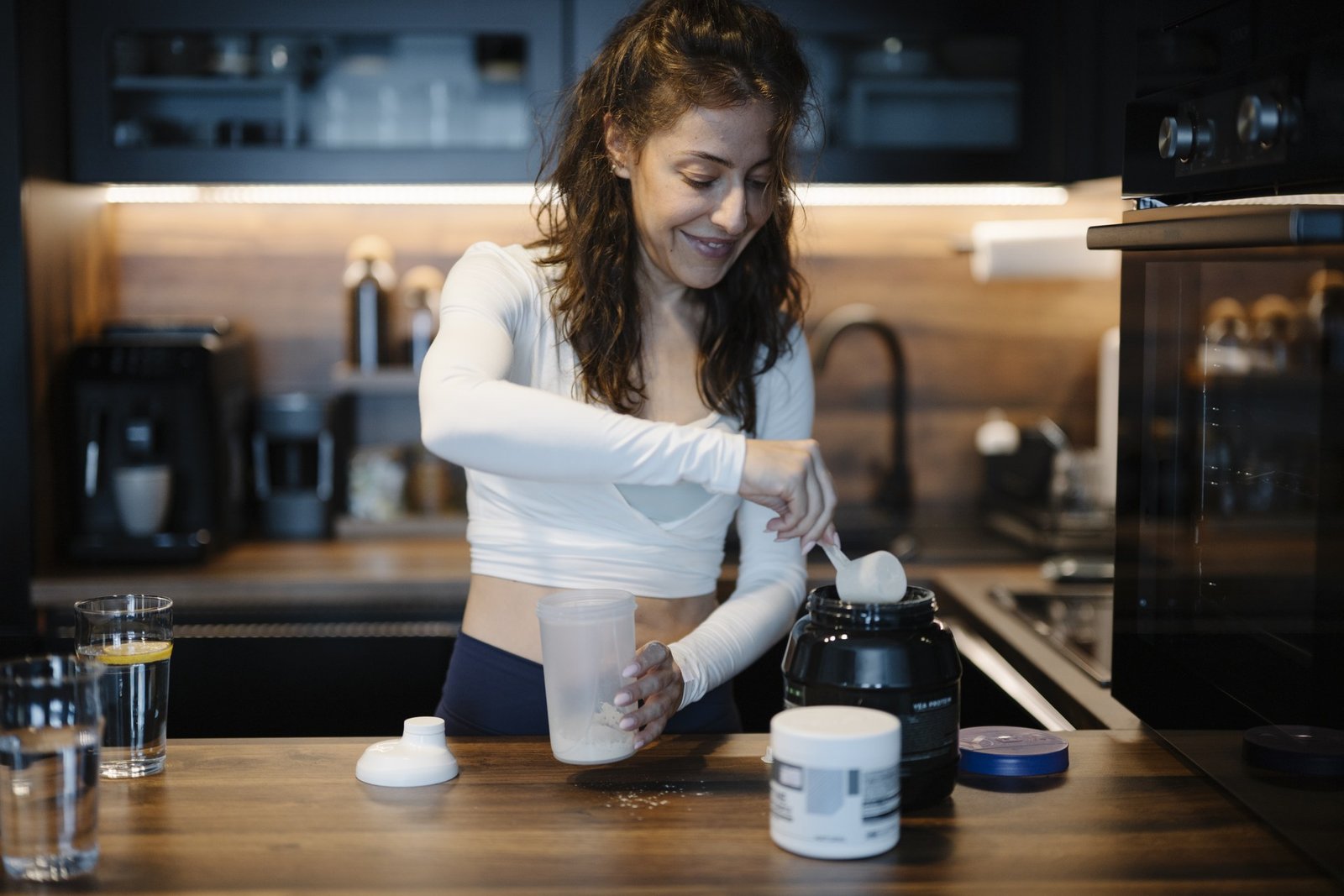
⚠️ Safety, Side Effects, and Myths — Honestly Stated
Creatine is one of the few supplements with a safety record measured in decades, not months.
The International Society of Sports Nutrition’s 2017 position stand reviewed hundreds of studies and found short- and long-term use — up to 30 g per day for five years — safe and well-tolerated in healthy individuals.
It also found no compelling evidence that creatine harms the kidneys or liver in healthy users. That myth survives largely because creatine raises blood creatinine, a marker doctors use to check kidney function.
Raised creatinine from supplementation is expected and does not by itself mean kidney damage — but do tell your clinician you take creatine before any kidney blood test, so the result is read correctly.
The most common real side effects are mild: stomach discomfort (usually from a large single dose or taking it dry), and water retention inside muscle, which is part of how creatine works.
Drink normally and stay hydrated, especially during a loading phase. Creatine does not dehydrate you, but hard training does.
One caution that matters: creatine is a supplement, not medicine. People with kidney disease, or anyone taking medication that affects the kidneys, should talk to a clinician before using it.
Supplements are also not pre-approved for safety the way medicines are, which is why third-party testing (NSF, Informed Sport, Informed Choice) is worth weighing in your choice.

❓ Creatine FAQs
How much creatine should I take per day?
For most adults, 3–5 g of creatine monohydrate daily is the standard maintenance amount used in studies. Loading (about 0.3 g per kg daily for 5–7 days) saturates muscles faster but is optional. Always follow the label on the product you buy.
Does creatine damage your kidneys?
In healthy users, the evidence says no. The ISSN position stand found no compelling evidence of kidney harm at studied doses, and long-term studies up to five years found creatine well-tolerated. Creatine does raise blood creatinine, which can confuse kidney test results — tell your clinician you take it. Anyone with kidney disease should ask a clinician first.
Does creatine cause hair loss?
No study has shown that it does. The worry comes from a single 2009 study of 20 rugby players in which the hormone DHT rose but stayed within the normal range — and hair was never measured. A 2021 review found that result was never replicated, and a 2025 12-week trial that measured hair directly found no differences between creatine and placebo. Twelve weeks cannot settle effects over years, so the honest answer is “not established by evidence,” not “proven impossible.”
Will creatine make me bloated?
Some people gain 1–2 kg quickly, mostly during loading, because creatine pulls water into muscle. That is different from the puffy, under-the-skin bloating people worry about. If monohydrate upsets your stomach, a smaller split dose, taking it with food, or an HCl product may sit better — though HCl’s advantage there is reported by users, not proven in trials.
Monohydrate or HCl — which should I buy?
Monohydrate, unless you have a reason not to. It has the deepest evidence, the lowest cost per effective gram, and every major authority recommends it first. Buy HCl if monohydrate bothers your stomach and you value easy mixing — just do not assume a small HCl serving equals a full monohydrate dose.
Do I need to cycle creatine, or take it only on training days?
No. The evidence supports continuous daily use, and muscles stay saturated only if you keep topping them up. Taking it every day, training or not, matters more than timing it around workouts. There is no established requirement to cycle on and off.
As an Amazon Associate, we earn from qualifying purchases made through links on this page, at no extra cost to you. This guide is research-based: products were compared from their labels, certifications, and verified buyer-review records — not from hands-on testing. Prices and availability change, so always check the current listing before buying. This article is general information, not medical advice; if you have a health condition or take medication, talk to a clinician before starting any supplement.