

Why Barefoot Shoes Belong in a Home Gym
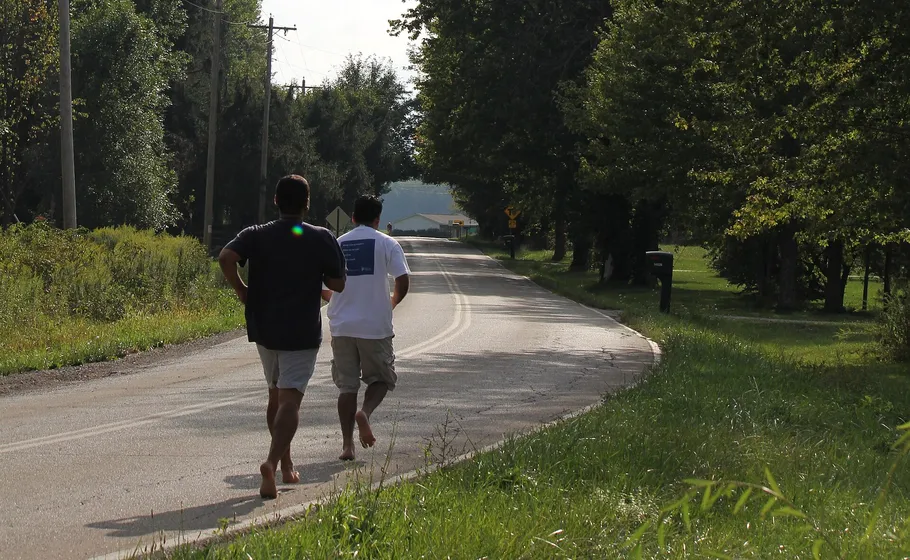
A barefoot shoe is a zero-drop, thin-soled, wide-toe-box shoe. The heel and the forefoot sit at the same height, the sole is thin enough to feel the floor, and the toe box is wide enough for the toes to spread.
That is the whole idea: the foot moves and feels the ground, with a thin layer of protection under it. 👣
Know what a barefoot shoe is not. It is not a heeled weightlifting shoe, which raises the heel for squats — our best weightlifting shoes for home gyms covers that type. It is not a cushioned cross-training shoe, which is structured and padded for mixed workouts.
And it is not training barefoot: no protection at all, with weights and plates around your feet. Our best workout shoes for home gyms covers the safety note on bare feet around weights — a shoe is the protected version of that.
The previous guide in this series, our best tibialis trainers for home gyms, covers the machines that train the shin muscle at the front of the leg. A barefoot shoe is the footwear that goes with that work: it lets the foot move freely while the tibialis trainer loads the shin.
In a home gym, the shoe earns its place on the floor you train on. Deadlifts, squats, lunges and carries all start with the foot planted — and a thin, flat sole keeps that plant honest.
No heel lifts the foot, and no cushion swallows the push. The shoe does not do the lift for you. It lets the foot do it.
How We Picked
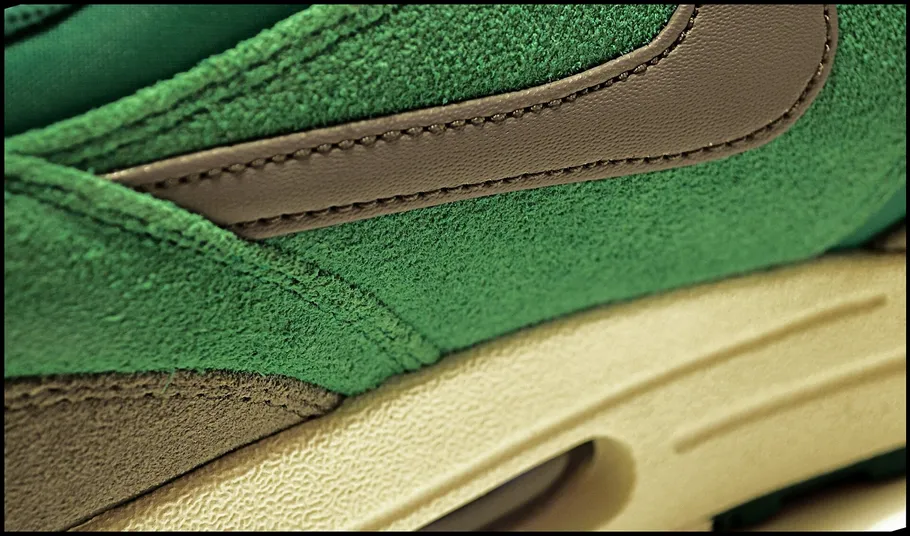
We compared six barefoot shoes that are genuinely sold for home gyms right now, using maker records and listing records — not hands-on testing, and not roundup scores copied from other sites.
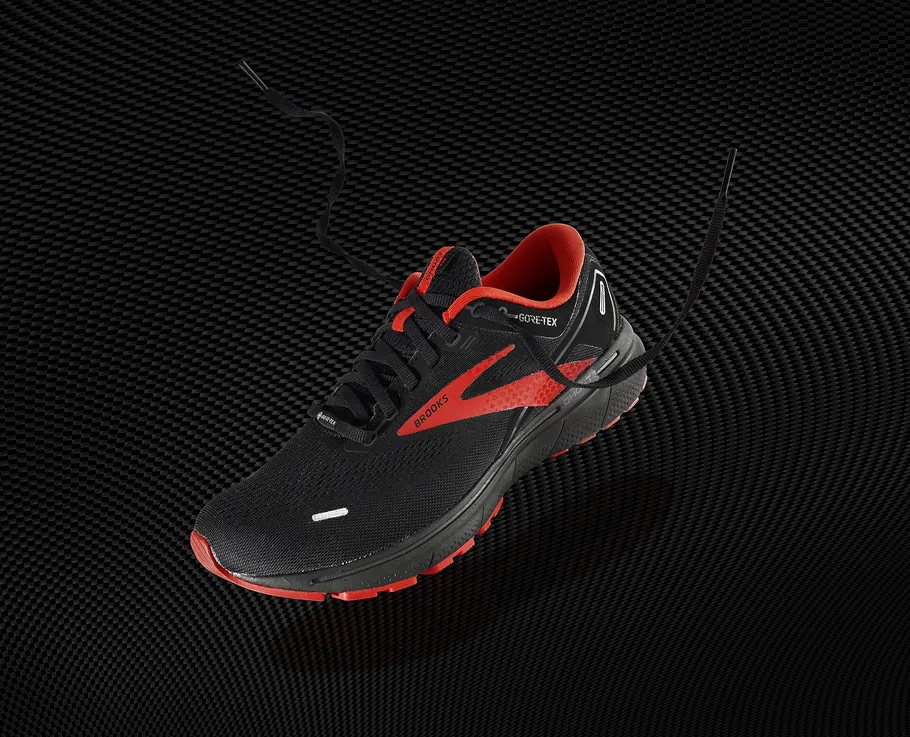
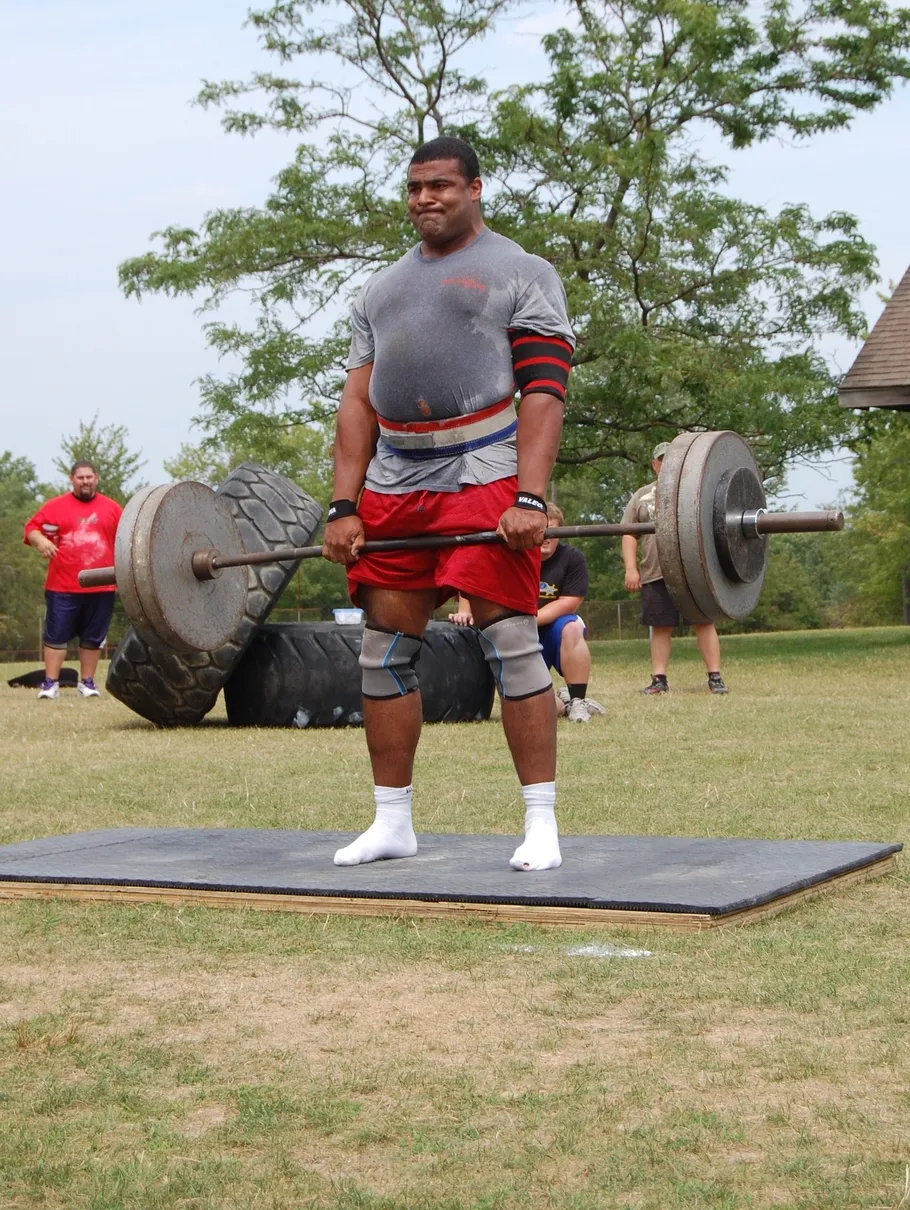
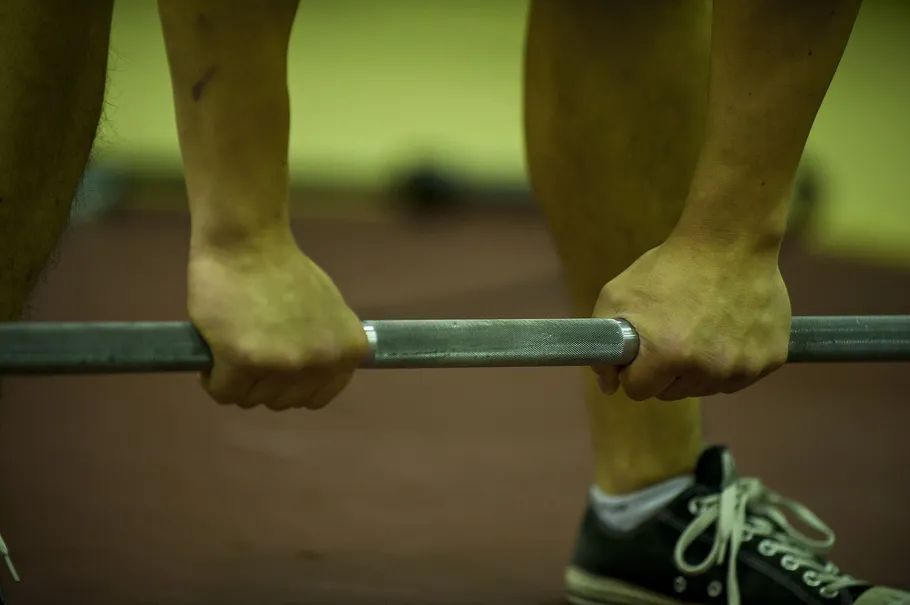
Every photo in this guide is an honest training scene, not a product shot of the named shoe, because free-license photos of the exact named shoes do not exist for this category.
Where records disagree, the article says so instead of picking the flattering number — and this category disagrees on the basics, because stack is stated as sole-only by some makers and with-insole by others, and weights are stated on different sizes.
- Drop: zero drop for every pick — heel and forefoot at the same height — and how the listing states it.
- Stack: the sole thickness as stated, and whether the figure is sole-only or with the insole.
- Width: the toe box shape, and whether wide feet get real room or just a wider label.
- Ground feel: how thin and flexible the sole is, and how much of the floor it lets through.
- Weight: the stated weight, and the size it was measured on — sizes differ, so no cross-size crown.
- Honest limits: what each shoe cannot do, stated in its own section.
Also considered: the Altra Escalante Racer (zero-drop but cushioned, not a barefoot shoe); the New Balance Minimus TR v2 (already a pick in our cross-training shoes guide); the Vibram FiveFingers (a separate toe-shoe category); and the Inov-8 Bare-XF 210 V3 ($120 list, 0 drop, dropped for the Freet).
Comparison
| Pick | Drop | Stack | Standout |
|---|---|---|---|
| Vivobarefoot Primus Lite III | 0 mm | 4 mm sole (maker-linked reviews) / 5 mm (thatfitfriend) | Classic vegan build, PRO5 puncture layer |
| Xero Shoes Prio | 0 mm | 5.5 mm sole, 8.5 mm with insole | Best value, 5,000-mile sole warranty |
| Merrell Vapor Glove 6 | 0 mm | 6 mm (maker) / 7.6 mm (RunRepeat measured) | Lightest here, Vibram EcoStep outsole |
| Lems Primal 3 | 0 mm | 9.5 mm without insole | Widest Natural-Shape fit here |
| Whitin Minimalist Barefoot Shoes | 0 mm | Not stated | Budget pick, Amazon only |
| Freet Tanga | 0 mm | 4 mm outsole, 6.5 mm with insole | 4 mm outsole, CoffeeFlyMesh upper |
Read the table honestly. It carries no whole-guide thinnest-sole crown on purpose: the stack column mixes sole-only figures and with-insole figures as makers publish them — the Vivo’s 4 mm is a sole figure, the Freet’s 4 mm is an outsole figure, and the Xero’s 8.5 mm and the Freet’s 6.5 mm include the insole.
So crowning one shoe the thinnest would compare unlike with unlike. The drop column is 0 mm for all six, because zero drop is the category definition, not a ranking.
It carries no weight column either: makers state weight on different sizes — men’s US9 against men’s US10 — and per shoe against per pair, so a weight column would print a guess for some picks.
It carries no price column: prices vary by size, colour and sale, so prices sit in the pick sections as sourced.
Vivobarefoot Primus Lite III
The Vivobarefoot Primus Lite III is the classic pick because it is the shoe this category is measured against: a zero-drop, thin-soled trainer with a wide toe box, a recycled PET mesh upper, and a PRO5 puncture-resistant layer under the foot.
You lace it, the foot spreads, and the ground comes through — which is the barefoot idea in its cleanest form. It is the pick for a buyer who wants the reference shoe, and for a buyer who wants a vegan build with a stated puncture layer. 👟
The record carries two flags, and both are printed here. First, the stack is in conflict: maker-linked reviews state a 4 mm sole, while thatfitfriend states a 5 mm stack — so the table prints both, and this guide does not crown one figure as settled.
Second, the weight is stated on different sizes: 6.3 oz for a men’s US9 per barefootrunreview, against 8.85 oz for a men’s 10 per thatfitfriend — so no lightest claim is made from these two numbers.
The price sits around $160 per thatfitfriend, and the line itself tangles: the Primus Lite III sits beside the Knit, the All Weather and the 3.5, so check the exact name before ordering.
Pros
- Zero drop, thin sole, wide toe box — the barefoot idea in its cleanest form.
- Recycled PET mesh upper, vegan build, PRO5 puncture layer under the foot.
- The reference shoe of the category — the one other barefoot shoes are measured against.
Cons
- Stack in conflict: 4 mm sole against 5 mm stack — no settled figure.
- Weight stated on different sizes (US9 against US10) — no lightest claim.
- Line tangles with the Knit, All Weather and 3.5 — check the exact name.
Listing check: confirm the Vivobarefoot Primus Lite III (not a Primus Lite Knit, Primus Lite All Weather or Primus Lite 3.5) before ordering, and check the drop, the stack and the upper from that listing itself.
If the listing shows a different model name, it is a different shoe, not this pick, and if it shows a raised heel, it is a different type, not this pick.
Best for: a buyer who wants the classic barefoot shoe — zero drop, thin sole, wide toe box, vegan build and a stated puncture layer.
May not fit: anyone who needs a settled stack figure, anyone who buys on weight alone, or anyone who orders without checking the exact model name.
Xero Shoes Prio
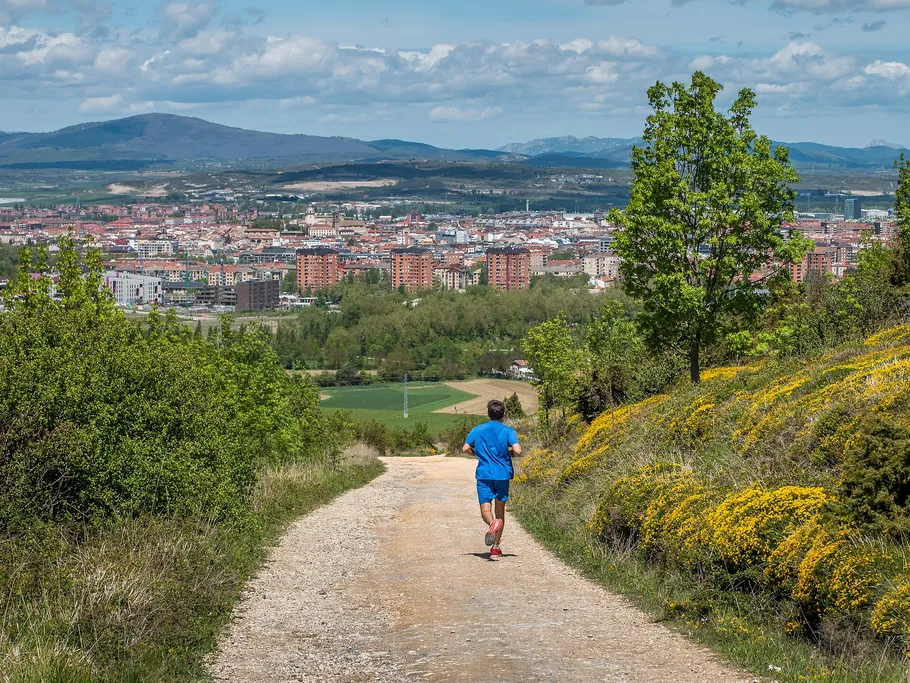
The Xero Shoes Prio is the value pick because it is the shoe here that gives the most barefoot shoe for the least money: a zero-drop trainer with a 5.5 mm FeelTrue rubber sole, a removable insole, and a 5,000-mile sole warranty behind it.
You get the thin sole, the wide toe box and the ground feel — and the warranty is the longest stated here. It is the pick for a buyer who wants the barefoot idea without the premium price. 💰
The record carries two flags, and both are printed here. First, the insole is stated as 2 mm by some sources and 3 mm by others — so the 8.5 mm with-insole stack is a with-insole figure, not a sole-only one, and the table prints it as such.
Second, the weight is stated on different records: 8.7 oz for a men’s 9 per Xero’s current record, against 6.5 oz on an older naturalfootgear listing — so no lightest claim is made from these two numbers.
The price reads $89.99 per baretread against a $99.99 list per theinventory, and the line tangles with the Prio Neo at $110, so check the exact name before ordering.
Pros
- 5.5 mm FeelTrue rubber sole + removable insole — thin sole, adjustable stack.
- 5,000-mile sole warranty — the longest warranty stated here.
- $89.99 per baretread — the value price in this guide.
Cons
- Insole stated as 2 mm by some sources and 3 mm by others — no settled insole figure.
- Weight stated on different records (8.7 oz against 6.5 oz) — no lightest claim.
- Line tangles with the Prio Neo at $110 — check the exact name.
Listing check: confirm the Xero Shoes Prio (not a Prio Neo) before ordering, and check the drop, the sole and the insole from that listing itself.
If the listing shows a different model name, it is a different shoe, not this pick, and if it shows a raised heel, it is a different type, not this pick.
Best for: a buyer who wants the most barefoot shoe for the least money — thin sole, removable insole and a 5,000-mile warranty.
May not fit: anyone who needs a settled insole figure, anyone who buys on weight alone, or anyone who orders without checking the exact model name.
Merrell Vapor Glove 6
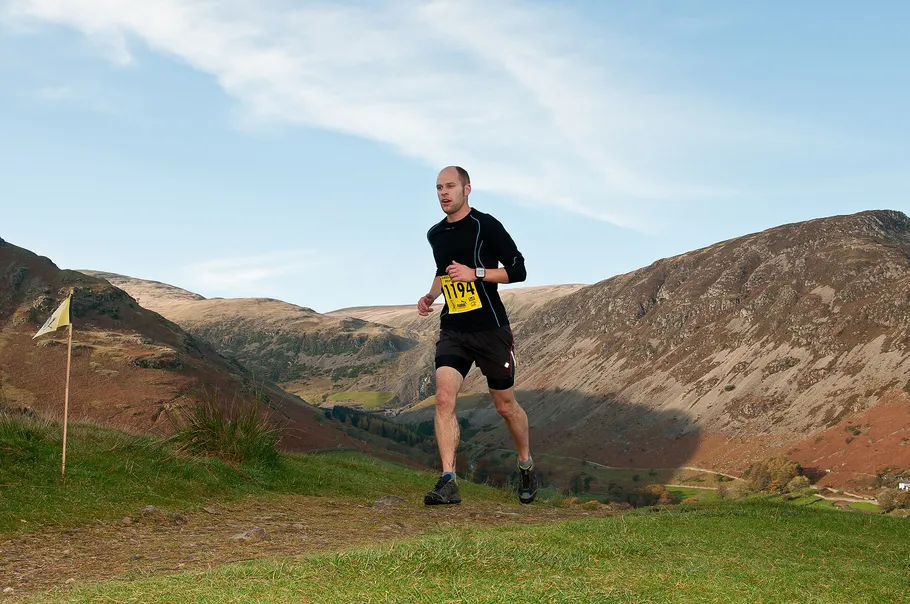
The Merrell Vapor Glove 6 is the lightweight pick because it is the lightest shoe stated here: about 5.22 oz for a men’s US9 per barefootrunreview, on a zero-drop, thin-soled frame with a Vibram EcoStep outsole under it.
You lace a shoe that barely registers on the foot — and the trail grip is the reason it earns the pick over lighter-looking rivals. It is the pick for a buyer who wants the least weight with real grip. 🪶
The record carries three flags, and all are printed here. First, the stack is in conflict: the maker states 6 mm, while RunRepeat’s lab measured 7.6 mm — so the table prints both, and this guide does not crown one figure as settled.
Second, the weight is stated on different records: 5.22 oz per barefootrunreview against 5.6 oz per RunRepeat’s lab — so the lightest claim rests on the lower figure, not on both.
Third, the line tangles: the Trail Glove 7 looks similar but carries a 14 mm stack, and some listings show a ‘0–4 mm drop’ range — the true drop is 0 mm. The list price reads $100 per camelcamelcamel, with Amazon seen at $59–$110 by size and date, and $110 current on Oct 29 2025.
Pros
- About 5.22 oz for a men’s US9 — the lightest stated here.
- Vibram EcoStep outsole — real trail grip under a thin sole.
- Zero drop, thin sole — the barefoot idea at its lightest.
Cons
- Stack in conflict: 6 mm maker against 7.6 mm RunRepeat measured.
- Weight stated on different records (5.22 oz against 5.6 oz).
- Trail Glove 7 lookalike at 14 mm stack — and some listings show a ‘0–4 mm drop’ range.
Listing check: confirm the Merrell Vapor Glove 6 (not a Trail Glove 7) before ordering, and check the drop, the stack and the outsole from that listing itself.
If the listing shows a different model name, it is a different shoe, not this pick, and if it shows a raised heel, it is a different type, not this pick.
Best for: a buyer who wants the lightest shoe stated here — thin sole, real trail grip, zero drop.
May not fit: anyone who needs a settled stack figure, anyone who buys on weight alone, or anyone who orders without checking the exact model name.
Lems Primal 3
The Lems Primal 3 is the wide-fit pick because it is the widest shoe here: Lems’ widest Natural-Shape fit, with a toe box that lets the toes spread wide and a zero-drop, thin-soled frame under it.
You get the barefoot feel with room to spare — and whole and half sizes both, so the fit can be tuned. It is the pick for a buyer with wide feet who has been squeezed by narrow barefoot shoes. 👣
The record carries two flags, and both are printed here. First, the Primal 2 is discontinued: Lems points buyers to the Primal 3, and the Primal 2 now survives only as leftover or secondhand stock — so do not buy a Primal 2 expecting the current shoe.
Second, the line tangles with the Primal Zen, which carries an 11 mm stack against the Primal 3’s 9.5 mm without the insole — so check the exact name before ordering.
The stack reads 9.5 mm without the insole, with an 8.0 mm outsole and a 4.5 mm removable PU insole, and the weight reads about 8.5 oz.
The price reads $125 per naturalfootgear.
Pros
- Lems’ widest Natural-Shape fit — the widest toe box here.
- Whole and half sizes — the fit can be tuned.
- 8.0 mm outsole + 4.5 mm removable insole — stack you can adjust.
Cons
- Primal 2 discontinued — leftover or secondhand stock only, not the current shoe.
- Line tangles with the Primal Zen at 11 mm stack — check the exact name.
- 9.5 mm stack without insole — thicker than the thinnest picks here.
Listing check: confirm the Lems Primal 3 (not a Primal 2 or a Primal Zen) before ordering, and check the drop, the stack and the fit from that listing itself.
If the listing shows a different model name, it is a different shoe, not this pick, and if it shows a raised heel, it is a different type, not this pick.
Best for: a buyer with wide feet who wants the widest toe box here — zero drop, thin sole, whole and half sizes.
May not fit: anyone who wants the thinnest sole here, anyone shopping for a Primal 2, or anyone who orders without checking the exact model name.
Whitin Minimalist Barefoot Shoes
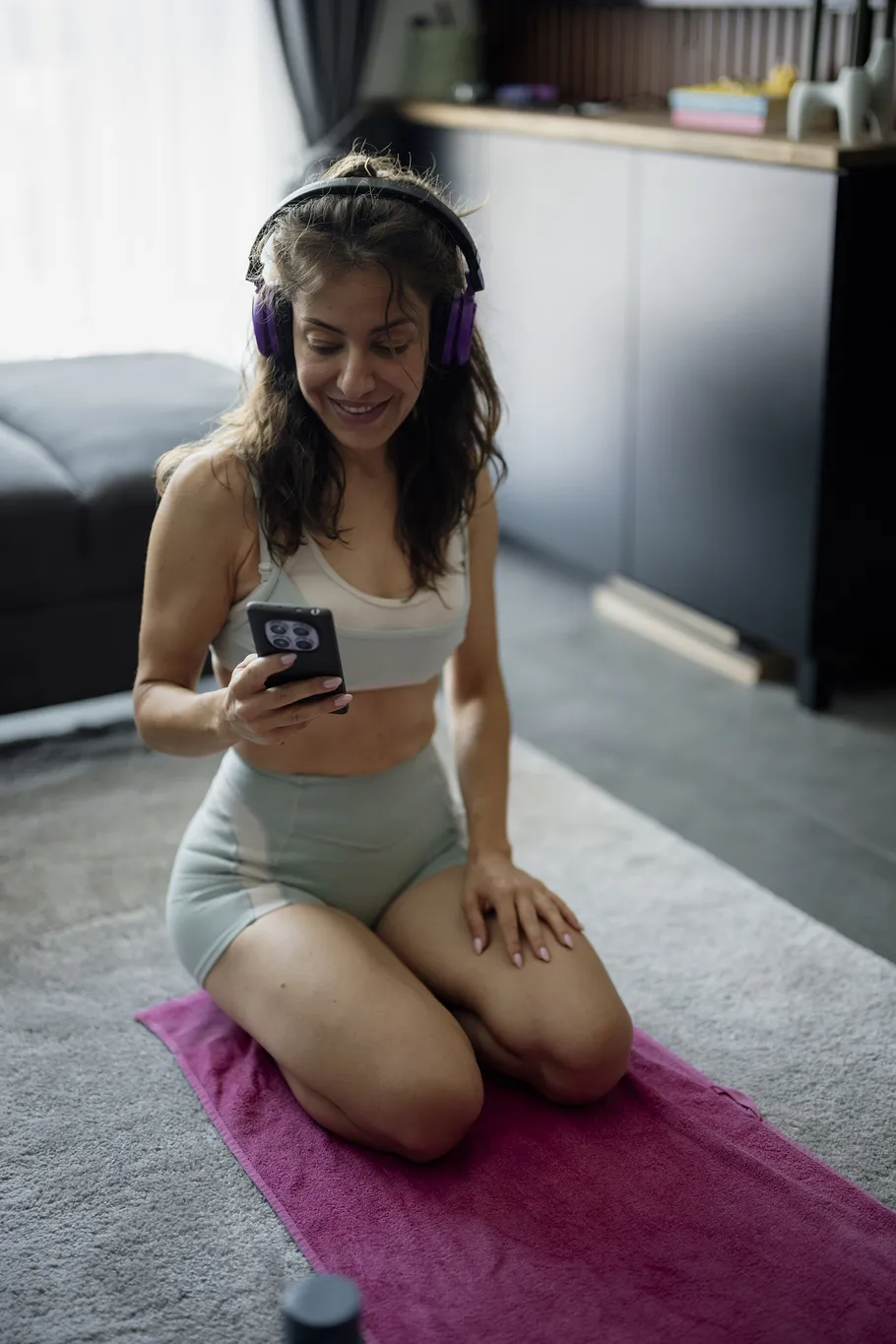
The Whitin Minimalist Barefoot Shoes are the budget pick because they are the cheapest way into this category: styles around $40 per Anya’s Reviews, with a zero-drop, thin-soled frame and a wide toe box.
That is the barefoot idea at a quarter of the classic pick’s price. You get the flat sole and the roomy toe box without the premium badge. It is the pick for a buyer who wants to try barefoot training before spending more. 💰
The record carries three flags, and all are printed here. First, the fit is in conflict: Anya’s Reviews says the shoe runs small and to order a half size up, while the Amazon listing itself says ‘true to size’ — so this guide does not crown one.
Second, the stack is not stated anywhere in the records checked, so the table prints ‘Not stated’ rather than a guess. Third, the storefront is a maze: Whitin sells under generic model names like ‘minimalist barefoot sneaker’, so confirm the ‘wide/barefoot’ labelling before ordering.
The shoe is sold exclusively on Amazon, and the insole wears with heavy use.
Pros
- Styles around $40 — the budget price in this guide.
- Zero drop, thin sole, wide toe box — the barefoot idea at a quarter of the classic price.
- Amazon only — one place to buy, no hunting across shops.
Cons
- Fit in conflict: ‘runs small, order a half size up’ against ‘true to size’.
- Stack not stated — the table prints ‘Not stated’, not a guess.
- Maze-like storefront with generic model names — confirm the ‘wide/barefoot’ labelling.
Listing check: confirm the Whitin Minimalist Barefoot Shoes with the ‘wide/barefoot’ labelling (not a Whitin running shoe or a Whitin walking shoe) before ordering, and check the drop and the sizing from that listing itself.
If the listing shows no ‘barefoot’ labelling, it is a different shoe, not this pick, and if it shows a raised heel, it is a different type, not this pick.
Best for: a buyer who wants the cheapest way into barefoot training — flat sole, roomy toe box, around $40.
May not fit: anyone who needs a stated stack figure, anyone who orders without checking the fit note, or anyone who buys on the model name alone.
Freet Tanga
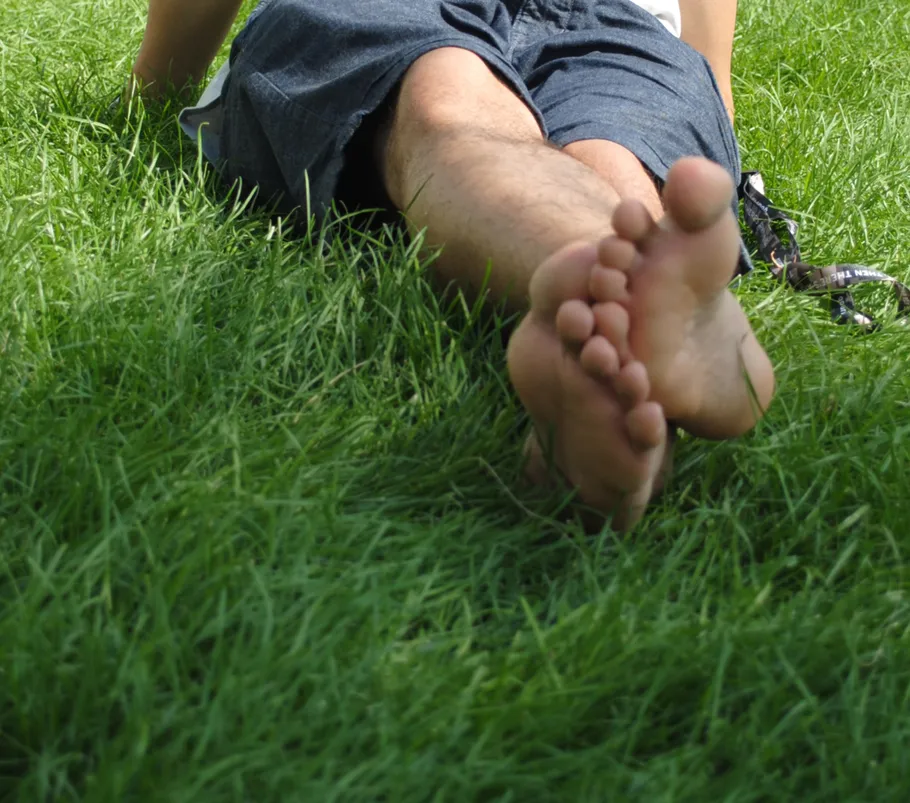
The Freet Tanga is the ground-feel pick because it is the shoe here that lets the most ground through: a 4 mm outsole, a 6.5 mm stack with the insole, and a wide foot-shaped toe box that lets the toes spread.
You feel the floor under every rep — and the recycled CoffeeFlyMesh upper is the most unusual material here. It is the pick for a buyer who wants one of the thinnest outsoles stated here. 🦶
The record carries two flags, and both are printed here. First, three generations share the name — the Tanga, the Tanga 2 and the Tanga 3 — and the current version is the Tanga 3 at $110 per barefootrunreview, so confirm which version the listing sells before ordering.
Second, the glued upper can separate with heavy use, and the repair note is Shoe Goo — so check the upper on arrival, not after a month. The weight reads about 410 g per braveperformance, and the stack reads 6.5 mm with the insole.
Pros
- 4 mm outsole — among the thinnest soles stated here.
- Wide foot-shaped toe box — the toes spread, not squeeze.
- Recycled CoffeeFlyMesh upper — the most unusual material here.
Cons
- Three generations share the name (Tanga, Tanga 2, Tanga 3) — confirm the version.
- Glued upper can separate — the repair note is Shoe Goo.
- About 410 g — heavier than the lightest picks here.
Listing check: confirm the Freet Tanga 3 (not a Tanga or a Tanga 2) before ordering, and check the drop, the outsole and the upper from that listing itself.
If the listing shows a different version, it is a different shoe, not this pick, and if it shows a raised heel, it is a different type, not this pick.
Best for: a buyer who wants the most ground feel — one of the thinnest outsoles stated here, wide toe box, recycled upper.
May not fit: anyone who orders without checking the version, anyone who wants the lightest shoe here, or anyone who needs a stitched upper.
How to Choose
Choosing a barefoot shoe is choosing the foot first and the brand second: the classic, the value pick, the lightest, the widest, the budget shoe and the thinnest ground feel all do the same job differently, and the right one is the one whose drop, stack, width and fit match your foot and your training.
Start from the training you already do — deadlifts, squats, carries, mat work — and buy the shoe that lets the foot do that work, not the shoe with the longest spec sheet. The four sections below walk through type, size, features and placement in that order.
Choose Your Type
Pick the type by the training you do most. A barefoot trainer — the Primus Lite III, the Prio, the Vapor Glove 6 and the Primal 3 — is the everyday lane: flat, thin and wide for lifts, carries and mat work.
A budget minimalist — the Whitin — is the trial lane: the same idea at a quarter of the price, for a buyer testing the barefoot feel.
And a ground-feel specialist — the Freet Tanga — is the thin-sole lane: the most ground through the sole, for a buyer who wants the floor under every rep.
None of these types is a heeled shoe. A raised-heel squat shoe is a different type for a different job — our best squat shoes for home gyms covers that type — and a cushioned cross-trainer is a different type again.
If your main work is lifting on a flat floor, the barefoot trainer is the honest lane; if your main work is learning whether barefoot suits you, the budget lane is the honest lane — and neither type is a weightlifting shoe, which lifts the heel instead of flattening it.
Choose Your Size
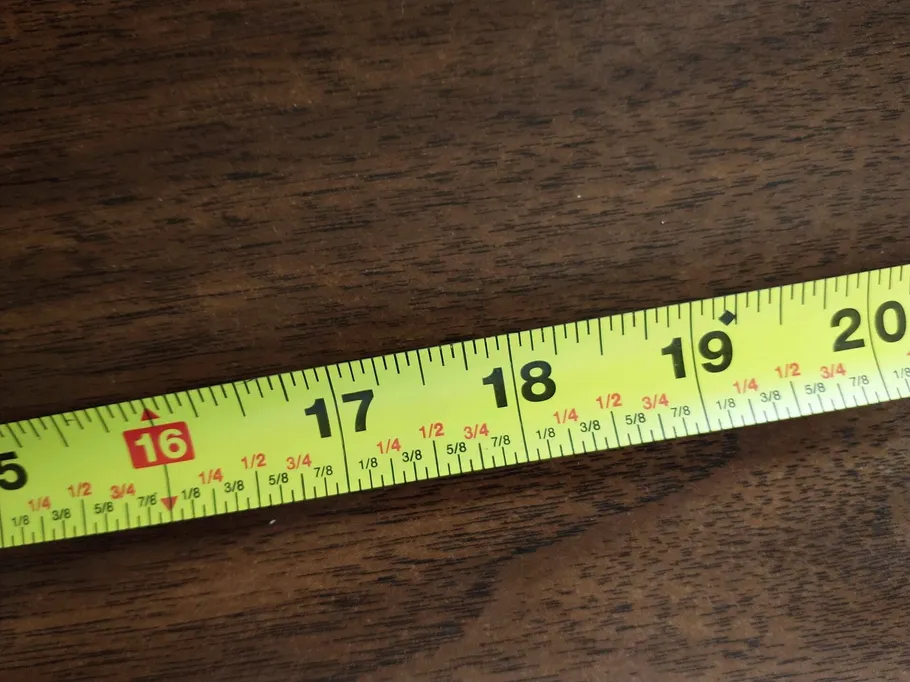
Pick the size by the foot, not the label. Barefoot shoes fit differently from cushioned trainers: the toe box is wide, the heel is flat, and the size that fits your length may pinch your width.
So measure the foot in centimetres, heel to longest toe, and check the maker’s size chart before ordering, not after.
The Lems Primal 3 comes in whole and half sizes, which helps the fit; the Whitin runs small per Anya’s Reviews, so order a half size up on that pick.
A shoe that fits the length but not the width is a shoe you will not wear. Stand on the tape, not off it — the foot spreads under body weight, so measure standing, with the weight on the foot, and measure both feet.
Most people have one foot longer than the other, and the longer foot sets the size. And check the return window before ordering: a barefoot shoe that pinches on day one will not stretch into comfort by day seven.
Choose Your Features
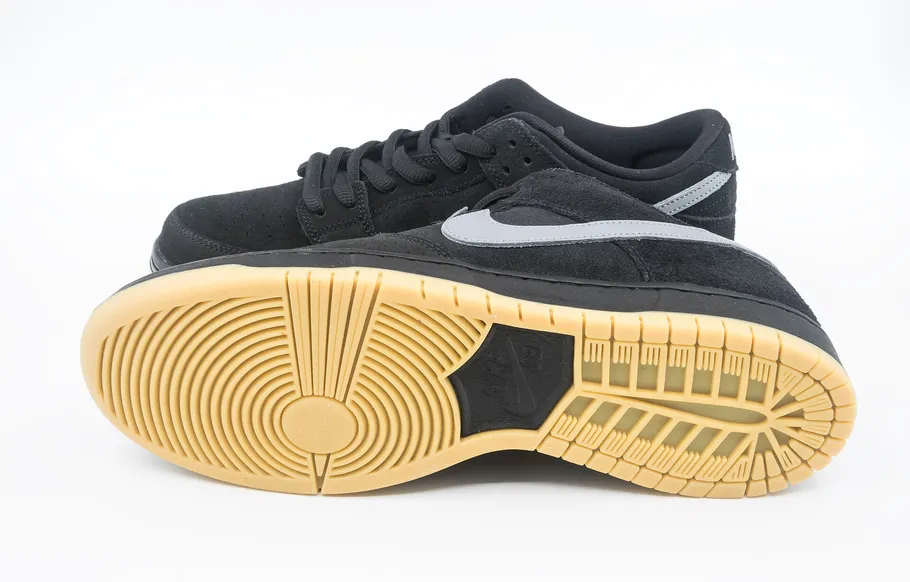
Pick the features by what you will feel every session. The outsole comes first: the Freet’s 4 mm outsole is among the thinnest stated here, the Xero’s 5.5 mm FeelTrue rubber is the grippy middle, and the Merrell’s Vibram EcoStep is the trail grip.
So check the rubber and the tread on the listing, not from a photo, before ordering.
The insole comes second: the Xero’s removable insole lets you choose between a 5.5 mm sole and an 8.5 mm stack, and the Lems’ 4.5 mm PU insole lifts the 8.0 mm outsole to 9.5 mm without it.
And the Whitin’s stack is not stated at all, so no insole claim is made for that pick.
The upper comes third: the Vivo’s recycled PET mesh is the vegan pick, the Freet’s CoffeeFlyMesh is the recycled pick, and a glued upper — the Freet’s — needs a check on arrival.
And check the small print on every feature before ordering: the warranty where stated (the Xero’s 5,000-mile sole warranty is the longest here), the puncture layer where stated (the Vivo’s PRO5), and the version where the name repeats (the Freet’s three Tanga generations). The feature that disappoints is always the one nobody checked.
Choose Your Placement
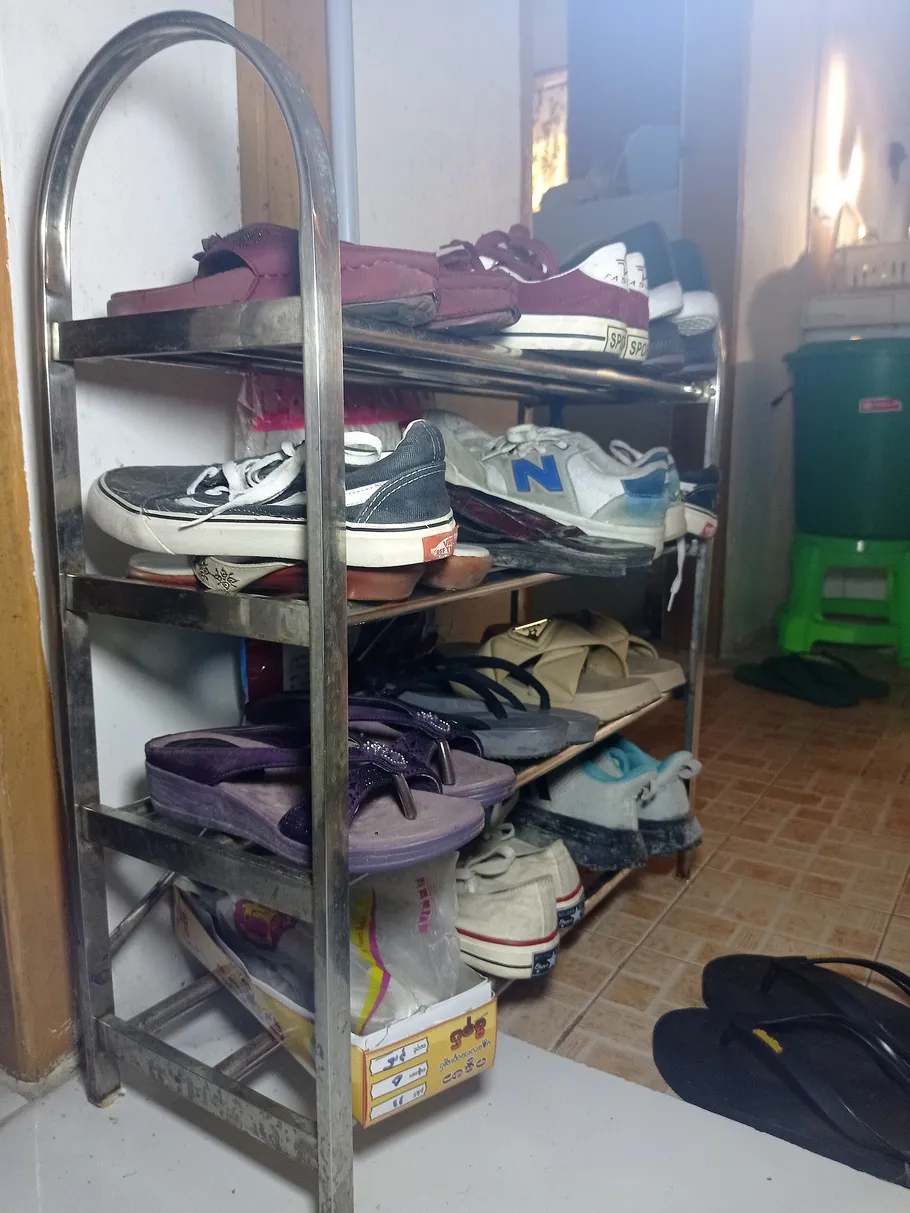
Pick the placement by where the shoe lives between workouts. A barefoot shoe needs no bay and no corner: it lives by the door of the training room, on the mat, or in the gym bag.
And the test is whether it is on your feet when the session starts. The shoe that lives in a cupboard upstairs gets worn less than the shoe that lives by the mat.
Put the shoe where the session starts, not where the room ends: a barefoot shoe by the training mat gets worn every session, and a shoe stored with the outdoor shoes gets forgotten.
Whatever spot you pick, keep the pair together and the insoles inside — a missing insole is a different stack, and a shoe with one insole lost is a shoe that fits differently on each foot.
Safety
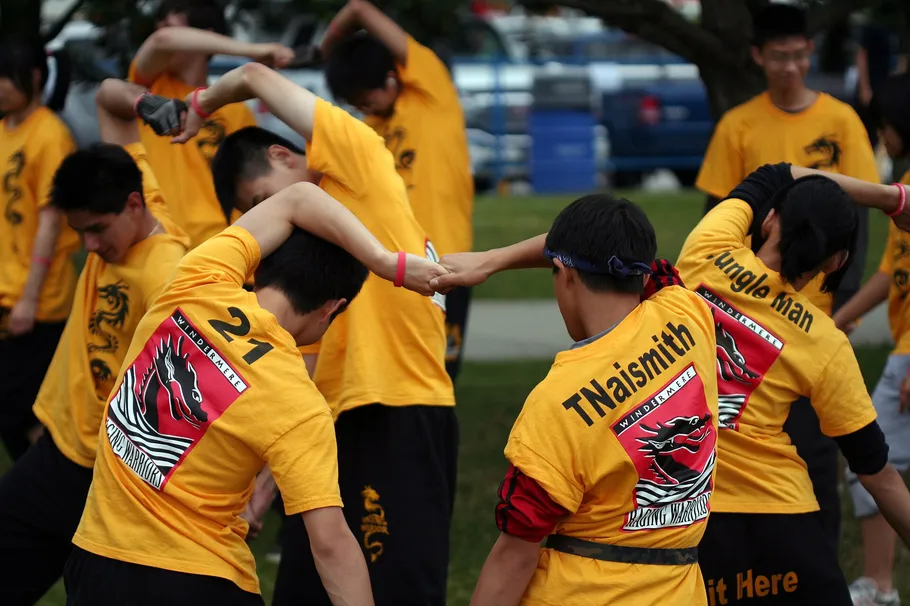
1. Warm up first: five minutes of easy movement before any loaded lift, so the feet, the ankles and the calves are warm before the shoe loads them.
2. Break them in slowly: wear the new shoe for short sessions first, then build up — a thin sole asks more of the foot than a cushioned shoe, and the foot needs time to adapt.
3. Check the floor before you lift: a plate or a dumbbell on the floor is a trip risk, and a barefoot shoe protects less than a boot — so clear the working area before the first rep.
4. Keep feet flat and knees tracking over toes: a foot that rolls or a knee that caves is a stop signal — end the set, reset the feet, and do not push through it.
5. Stop on sharp pain: a burn in the calves is training, a sharp or shooting pain in a foot, ankle, knee or back is a stop signal — end the set, not the rep, and do not push through it.
6. Keep children and pets clear of the lifting area: a dropped plate lands the same whatever shoe you wear, and a barefoot shoe is no shield against a falling weight.
7. Foot, ankle, knee or back pain that keeps coming back is a clinician’s question: see a clinician before buying a shoe to fix it, and do not use any pick here as treatment for a foot, ankle, knee or back condition.
This guide is general information only, not medical advice. If you have a foot, ankle, knee or back condition, are recovering from surgery, or are pregnant, talk to a clinician before using a barefoot shoe.
Frequently Asked Questions
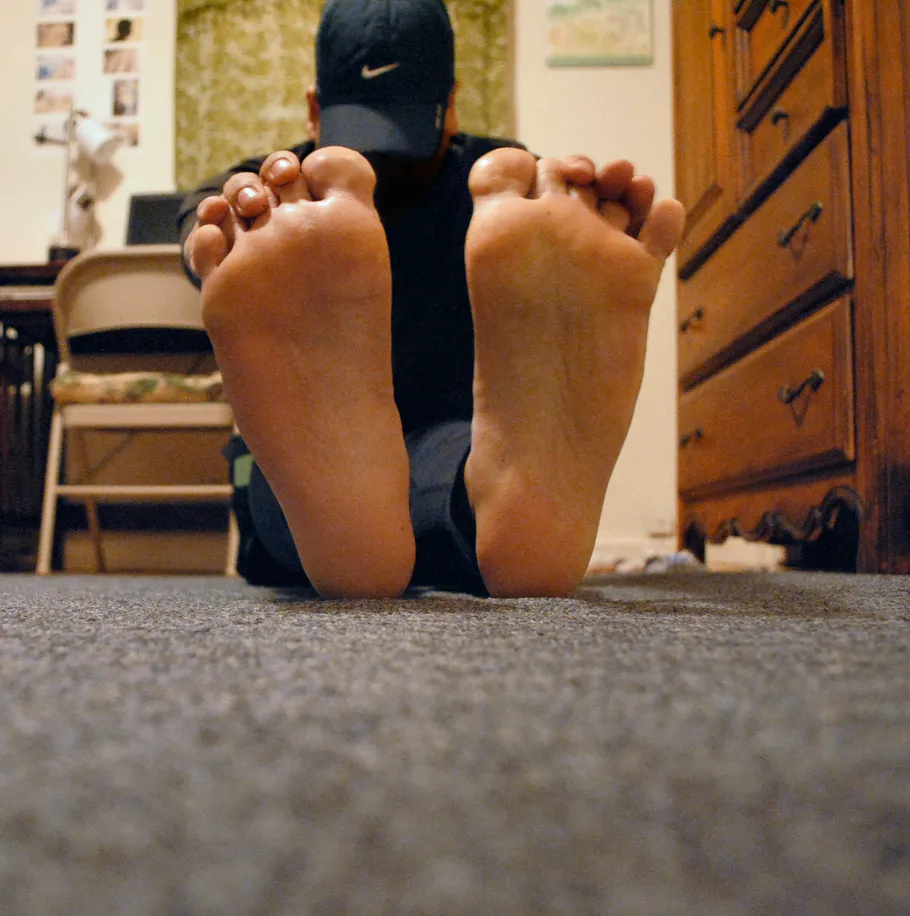
Will barefoot shoes fix my feet or my back?
No — this guide makes no treatment claim for any pick here. A barefoot shoe is a training tool for healthy feet, not a treatment for foot, ankle, knee or back pain.
Pain that keeps coming back, shoots up a leg, or follows an injury is a clinician’s question, not a shopping question. See a clinician first, and buy a shoe only for training, not for fixing.
Is a barefoot shoe the same as a weightlifting shoe?
No. A weightlifting shoe raises the heel to help the squat, while a barefoot shoe keeps the heel and the forefoot level — and the raised heel is the whole difference: one lifts the foot, the other flattens it.
If your main work is the flat floor, buy the barefoot shoe; if your main work is the deep squat, buy the weightlifting shoe.
Can I wear barefoot shoes for running too?
Yes — but build up slowly. The picks here are training shoes for a home gym, and the thin sole that suits a deadlift also suits a short run — but the foot needs weeks, not days, to adapt to the ground feel.
Start with short runs on soft ground, and keep your cushioned running shoe for the long runs until the feet are ready.
Do barefoot shoes work for wide feet?
Yes — and the Lems Primal 3 is the pick for it, with Lems’ widest Natural-Shape fit. But wide means the toe box, not the whole shoe: check the width on the listing, measure the foot, and remember the Whitin runs small per Anya’s Reviews.
A wide foot in a narrow barefoot shoe is no better than a wide foot in a narrow cushioned shoe.
Can I wear barefoot shoes for cross-training?
For light cross-training, yes — but the picks here are lifting shoes, not all-round trainers. A barefoot shoe suits lifts, carries and mat work, while a structured cross-trainer suits jumps, cuts and mixed workouts.
Our best cross-training shoes for home gyms covers that type in full. If your main work is mixed training, buy the cross-trainer; if your main work is lifting, buy the barefoot shoe.
What goes under the shoe?
A floor that protects both the shoe and the room. Hard floors want a mat or tiles under a training area so the thin sole does not slip and the floor does not mark, and carpet wants a firm base so the foot stays level through the lift.
Our best gym flooring for home gyms covers mats and tiles by room type in full. Whatever you put down, check it after the first week: a mat that has shifted has already told you the base is wrong.
Our Pick: Start Here
Start with the Vivobarefoot Primus Lite III if you want the classic barefoot shoe — zero drop, thin sole, wide toe box, vegan build and a PRO5 puncture layer. Start with the Xero Shoes Prio if you want the value pick — thin sole, removable insole and a 5,000-mile warranty.
Start with the Merrell Vapor Glove 6 if you want the lightest shoe stated here, the Lems Primal 3 if you want the widest fit, the Whitin if you want the budget trial, and the Freet Tanga if you want the most ground feel.
Whichever you start with, check the listing’s own model name, drop, stack and size note before ordering — the conflicts in this guide are the reason, not the excuse.
Disclosure: As an Amazon Associate, we earn from qualifying purchases made through links in this guide, at no extra cost to you.
Specs in this guide come from maker and listing records checked during research; where records conflict, the conflict is printed in the guide rather than resolved by picking one figure.