

Why Elbow Wraps Belong in a Home Gym
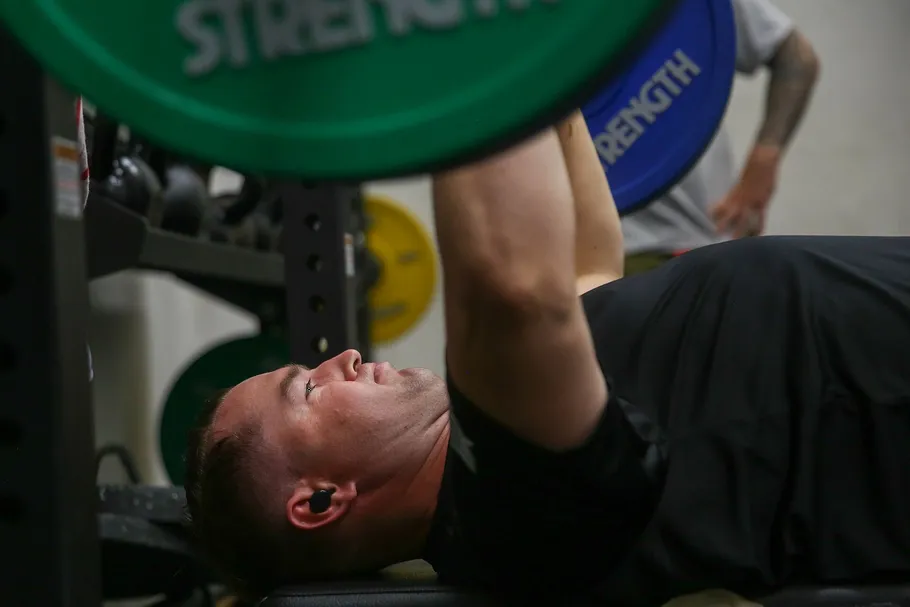
An elbow wrap is a long elastic band you wind around the elbow for heavy pressing: you wrap it tight around the joint before a working set, it adds elastic rebound and compression through the press, and you unwrap it when the set is done.
It is for the bench press, the overhead press, dips and heavy push-ups — the movements where the elbow bends under load and the bar is heaviest at the bottom.
In a home gym, where the heavy set happens beside your rack with no coach watching, a wrap is a low-cost piece of pressing support you own: a band, a closure, and a tighter elbow for the sets that matter. 💪
Know what an elbow wrap is not. It is not an elbow sleeve: a pull-on neoprene tube that gives fixed compression and warmth and stays on through the whole session, which our best elbow sleeves covers, while a wrap is wound tight per set and unwound after it.
It is not a knee wrap either: the same winding idea on a different joint, which our best knee wraps for home gyms covers — so check the joint on the listing before ordering, because a knee wrap on an elbow is the wrong band in the wrong place.
It is not a wrist wrap, which is wound around the wrist and not the elbow, and which our best wrist wraps covers.
And it is not an elbow brace: a padded, stayed or hinged support made for an injured or unstable joint, not a pressing aid for a healthy one. A brace is a clinician’s conversation, a wrap is a training tool, and the two are not substitutes for each other.
Elbow wraps are routine in home gyms and garage corners, and one pair brings that support to the bench beside your rack.
On a heavy session, the wrap is what tightens the elbow for the top set, what comes off between sets, and what rolls up on the shelf when the session ends.
On press days it is a piece of kit that changes how the heavy sets feel, without changing the bar, the bench or the program.
The previous guide in this series, our best cross-training shoes for home gyms, covers what your feet stand in while you train; an elbow wrap is different work — it is what your elbows get wound in before the bar moves, not a shoe you stand in.
How We Picked
We compared six elbow wraps that are genuinely sold for home-gym pressing right now, using maker records and listing records — not hands-on testing, and not roundup scores copied from other sites.
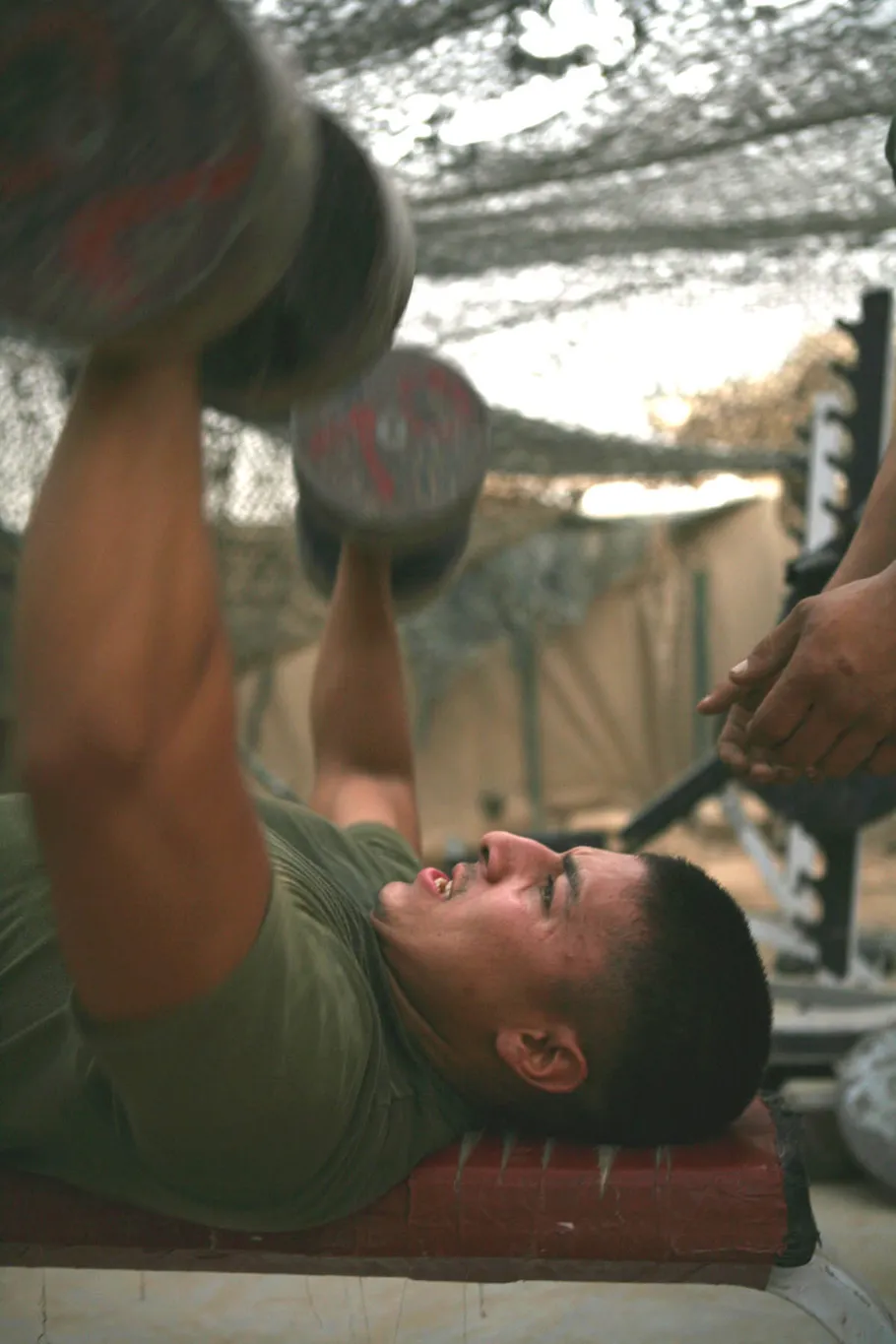
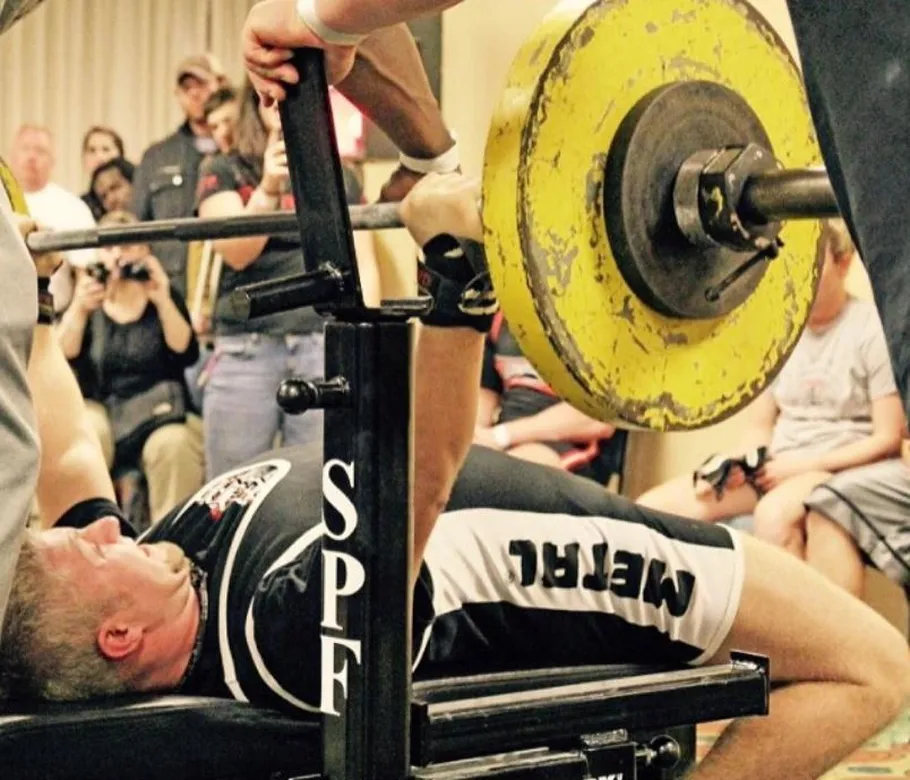
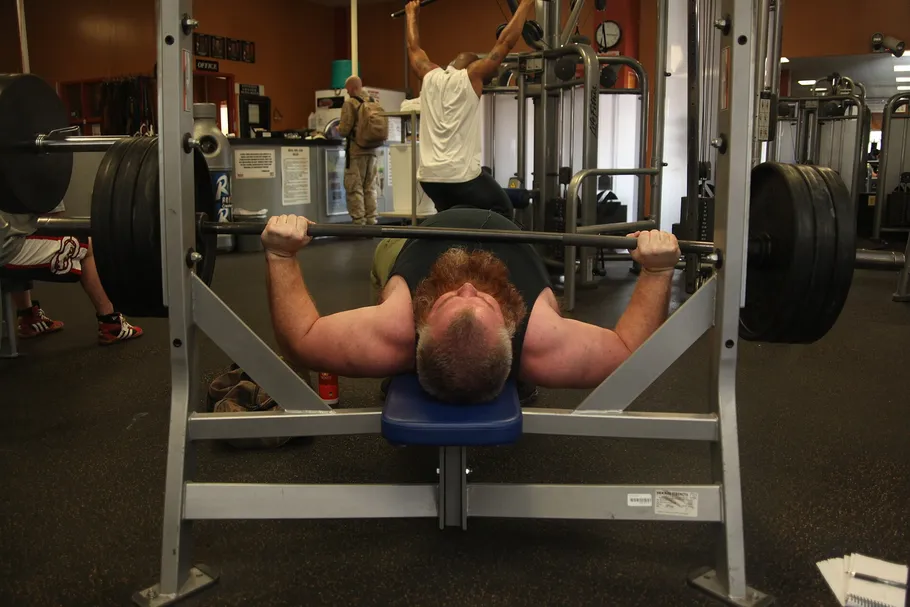
Every photo in this guide is an honest training scene, not a product shot of the named wrap, because free-license photos of the exact named wraps do not exist for this category.
Where records disagree, the article says so instead of picking the flattering number.
This category disagrees on the basics: lengths are stated for different versions of the same wrap, and materials are stated by makers, repeated by retailers, and contradicted by marketplaces — all differently, for the same product.
- Length and coverage: the stated length, and how many winds it buys around the elbow.
- Material and stiffness: the stated blend, and whether a stiffness grade is stated at all.
- Closure and adjustability: hook-and-loop, extra straps, double attachment points, or a belt-loop system.
- Thumb loop or belt loop: whether the wrap anchors with a thumb loop, a belt loop, or neither.
- Pair and sizing: sold as a pair, and whether one size genuinely fits all arms.
- Honest limits: what each wrap cannot do, stated in its own section.
Also considered: the Schiek Sports Model 1152 Elbow Wraps (named, not picked — the name is confirmed in a related-products listing, but its length and material are not settled in the records checked, so it is not merged into any pick below).
Titan (named, not picked — Titan’s famous Yellow Jacket line is knee wraps, not elbow wraps, and no Titan elbow wrap is confirmed in the records checked, so no Titan pick is printed here).
And Stoic, Rogue and Nordic Lifting (named, not picked — only sleeves, cuffs or wrist wraps were found for those brands in the records checked, no elbow wraps confirmed).
None of the six picks below hides a conflict like those — where a pick’s own records disagree, the disagreement is printed in its section.
Comparison
| Pick | Length | Material | Standout |
|---|---|---|---|
| Gymreapers Weightlifting Elbow Wraps | 40 in | Polyester / elastic | Classic |
| DMoose Elbow Wraps | 40 in | Cotton-elastic blend (one listing: nylon) | Everyday |
| Iron Bull Strength Elbow Wraps | 40 in (50 in version listed) | Elastic (PRO Line: medium stiffness) | Long |
| TuffWraps Villain Elbow Wraps | 60 in | Heavy-duty elastic | Maximum Support |
| Gunsmith Fitness Apex Elbow Wraps | 40 in (36 in variants listed) | Thicker elasticated cotton | Heavyweight Cotton |
| WildBeast Elbow Wraps | 41 in | Nylon | Flexible |
Read the table honestly. It carries no stiffness crown on purpose: stiffness here is maker words — medium, heavy-duty, flexible — not a common scale, so no pick is crowned the stiffest or the softest.
The labels in the last column are the guide’s editorial picks, not measured rankings. It carries no weight column either: wraps are not sold by weight in the records checked, so a weight column would invent a measurement nobody states.
The longest stated length is the Villain’s 60 in, but length alone does not make a wrap the most supportive — support also depends on stiffness, width and how tight you wind it, and those are not measured on one scale here.
And the disputed cells are labelled as such, not smoothed over.
The DMoose material reads cotton-elastic blend by the maker and nylon in one marketplace listing. The Iron Bull length reads 40 in for the standard and PRO Line versions, with a 50 in version also listed.
The Gunsmith length reads 40 in on the specs page against 36 in variants in the variant list — so check the listing’s own version before ordering any of the three.
Gymreapers Weightlifting Elbow Wraps
The Gymreapers Weightlifting Elbow Wraps are the classic pick because they are the standard shape of this category at its most settled: a 40-inch strap, a polyester and elastic build, a hook-and-loop closure plus an extra strap over the top, and a pair in the box.
You wind, you hook-and-loop shut, you strap over it, and you press — no belt-loop system to learn, no version puzzle to solve before ordering.
It is the pick for a buyer who wants the established elbow wrap with no surprises, and for a buyer whose press days lean toward bench and overhead work with a straightforward wind. 🏋️
The record carries one flag, and it is printed here.
The records checked do not settle whether a thumb loop is included — the closure is stated as hook-and-loop plus an extra strap, and no thumb loop is named — so if you want a thumb loop to anchor the first wind, confirm it on the listing before ordering rather than assuming it.
No length conflict was found for this pick: 40 inches reads consistently across the records checked, and no stiffness grade is stated, so this guide does not call it soft, medium or stiff — it calls it the classic, which is a shape claim, not a stiffness claim.
Pros
- Most settled shape here: 40 in, polyester / elastic, pair included.
- Hook-and-loop plus an extra strap — a simple, double closure.
- No version puzzle: one standard length, no conflicting variants.
Cons
- Thumb loop not settled in the records checked — confirm on the listing.
- No stiffness grade stated — soft, medium or stiff is not claimed.
- Not the longest or the heaviest here — the classic, not the extreme.
Listing check: confirm the Gymreapers Weightlifting Elbow Wraps (40 in, sold as a pair, hook-and-loop plus an extra strap) before ordering, and check whether a thumb loop is included from that listing itself.
If the listing shows a knee wrap or a sleeve under the Gymreapers name, it is a different product, not this pick, and if it shows a different length, it is a different version, not this pick.
Best for: a buyer who wants the standard 40-inch classic for bench and overhead press days, with a simple double closure.
May not fit: anyone who wants the longest wrap, a stated stiffness grade, or a confirmed thumb loop.
DMoose Elbow Wraps
The DMoose Elbow Wraps are the everyday pick because they are the wrap here built to be worn often and adjusted easily: 40 inches per the maker page, a cotton-elastic blend, reinforced stitching, a reinforced hook-and-loop closure, one-size adjustability, and a pair in the box.
You wind to the tightness the set needs, the reinforced closure holds it, and the same pair adjusts across arms and sessions without a version choice.
It is the pick for a buyer who presses most days and wants one adjustable pair for all of them, and for a buyer who prefers cotton-elastic feel over slicker synthetics. 🔄
The record carries one conflict, and it is printed here.
The maker page states a cotton-elastic blend, but one marketplace listing describes the material as nylon — the two do not agree, neither figure is adopted here as settled, and the table carries both.
Check the listing’s own material note before ordering, because a cotton-elastic wrap and a nylon wrap feel different on the skin and grip differently when wound.
No length conflict was found: 40 inches reads consistently, and the one-size label means the closure adjusts, not that the length stretches to fit every arm.
Pros
- Cotton-elastic blend per the maker, with reinforced stitching.
- Reinforced hook-and-loop — built for repeated winding.
- One-size adjustable pair — one pair across arms and sessions.
Cons
- Material conflict: cotton-elastic blend by the maker, nylon in one listing.
- No stiffness grade stated — soft, medium or stiff is not claimed.
- 40 in only — not the longest wrap here.
Listing check: confirm the DMoose Elbow Wraps (not a DMoose knee wrap or sleeve, and not a DMoose lifting strap sold under a similar name) before ordering, and check the material note from that listing itself.
If the listing says nylon, weigh it against the maker page’s cotton-elastic blend before choosing, and if it shows a different length, it is a different version, not this pick.
Best for: a buyer who presses most days and wants an adjustable pair with reinforced stitching and closure.
May not fit: anyone who needs a settled material record, a stated stiffness grade, or the longest wrap.
Iron Bull Strength Elbow Wraps
The Iron Bull Strength Elbow Wraps are the long pick because they are the wrap here with a 50-inch version on offer beside the standard 40-inch one.
A standard 40-inch elastic version, a 50-inch version also listed, a PRO Line version at 40 inches with a stated medium stiffness, a hook-and-loop closure, and a pair in the box.
You wind further around the elbow, you overlap more, and the lock feels tighter for the same winding effort — which is why length, not stiffness, is this pick’s argument.
It is the pick for a buyer with bigger arms who runs out of band on a 40-inch wrap, and for a buyer who wants more winds per elbow than the 40-inch standard gives. 📏
The record carries one conflict, and it is printed here.
The length reads 40 inches for the standard version and the PRO Line version, but a 50-inch version is also listed — so the length you get depends on the version the listing ships, and this guide does not adopt one figure as the wrap’s length.
Confirm the version and its length from the listing itself before ordering, because a buyer who wants the 50-inch coverage and receives the 40-inch standard has bought the wrong version, not a defective wrap.
Stiffness is stated only for the PRO Line, at medium, so no stiffness claim is made for the standard or the 50-inch versions, and the material blend is not detailed in the records checked.
Pros
- Long coverage on offer: a 50 in version listed beside the 40 in standard.
- PRO Line states a medium stiffness — a grade, not just a word.
- Hook-and-loop closure, sold as a pair.
Cons
- Length conflict: 40 in standard and PRO Line, 50 in version also listed.
- Stiffness stated only for the PRO Line, not the other versions.
- Material blend not detailed in the records checked.
Listing check: confirm the Iron Bull Strength Elbow Wraps and the exact version (standard, PRO Line or 50-inch version) before ordering, and check the length for that version from that listing itself.
If the listing shows only 40 inches and you wanted the 50-inch coverage, it is the standard version, not this pick’s long version, and if it shows a sleeve or a knee wrap under the Iron Bull name, it is a different product, not this pick.
Best for: a buyer who wants long coverage — the 50-inch version, once the listing confirms it — or bigger arms that run out of band on 40 inches.
May not fit: anyone who needs one settled length, a stiffness grade for every version, or a detailed material blend.
TuffWraps Villain Elbow Wraps
The TuffWraps Villain Elbow Wraps are the maximum-support pick because they are the wrap here built to lock the hardest: 60 inches, the longest stated length in this guide, a patented Belt Loop Tightening System with no thumb loop at all, double Velcro attachment points, and a heavy-duty build.
You thread the belt loop, you pull it tight, you anchor it twice — and the elbow is locked for the heaviest set in the session, with more band and more anchor than any other pick here.
It is the pick for a buyer who wants the most support this guide offers for heavy singles and top sets, and for a buyer who dislikes thumb loops and would rather tighten from a belt loop. 🛡️
The record carries one use rule, and it is printed here because it changes how you train.
The maker states these wraps are for one working set at a time and must be removed after each set — not worn for multiple sets, not worn through a session, and not worn between exercises.
That rule is the price of the support: the tightest lock here is also the shortest wear, so a buyer who wants a wrap that stays on all session should not buy this one.
No length conflict was found: 60 inches reads consistently, and the no-thumb-loop design is stated, not assumed — if you want a thumb loop, this is the wrong pick on purpose.
Pros
- Longest stated length here: 60 in, for the most winds.
- Belt Loop Tightening System — no thumb loop to fuss with.
- Double Velcro attachment points — two anchors, not one.
Cons
- Maker rule: one working set at a time, removed after each set.
- Not a wear-all-session wrap — wrap-on, wrap-off every heavy set.
- Heavy-duty stiffness may feel too rigid for light days.
Listing check: confirm the TuffWraps Villain Elbow Wraps (60 in, Belt Loop Tightening System, double Velcro, no thumb loop) before ordering, and check the one-set-at-a-time use note from that listing itself.
If the listing shows a thumb loop, it is a different TuffWraps model, not this pick, and if it shows a shorter length, it is a different version, not this pick.
Best for: a buyer who wants maximum support for heavy singles and top sets, and accepts wrap-on and wrap-off for every heavy set.
May not fit: anyone who wants a wear-all-session wrap, a thumb loop, or a quick on-off sleeve-like fit.
Gunsmith Fitness Apex Elbow Wraps
The Gunsmith Fitness Apex Elbow Wraps are the heavyweight-cotton pick because they are the wrap here built with a thicker elasticated cotton, sold as pairs, 3 inches wide, with extra-long Velcro.
You wind a wider, thicker band, the cotton grips rather than slicks, and the extra-long Velcro anchors a longer overlap than a standard tab.
It is the pick for a buyer who wants cotton feel with heavyweight substance, and for a buyer whose wraps have slipped before and wants a longer anchor to hold them. 🏋️
The record carries two flags, and both are printed here.
The length reads 40 inches on the specs page, but the variant list shows 36-inch options — so the length you get depends on the variant the listing ships, and this guide does not adopt one figure as the wrap’s length.
And some variants were out of stock at crawl time, so the variant you want may not be the variant you can buy — confirm both the length and the stock for the exact variant from the listing itself before ordering.
No stiffness grade is stated, so this guide does not call it soft, medium or stiff — it calls it heavyweight cotton, which is a material claim, not a stiffness grade.
Pros
- Thicker elasticated cotton — the heavyweight cotton material here.
- 3 in wide — the only stated width in this guide.
- Extra-long Velcro — a longer anchor for a longer overlap.
Cons
- Length conflict: 40 in on the specs page, 36 in variants listed.
- Some variants out of stock at crawl time — confirm stock first.
- No stiffness grade stated — heavyweight is material, not a grade.
Listing check: confirm the Gunsmith Fitness Apex Elbow Wraps and the exact variant (length and stock) before ordering, and check the width and the Velcro length from that listing itself.
If the listing shows 36 inches and you wanted 40, it is a different variant, not this pick’s long version, and if it shows a sleeve or a knee wrap under the Gunsmith name, it is a different product, not this pick.
Best for: a buyer who wants a thicker cotton wrap with a wide band and a long Velcro anchor, for heavy bench days.
May not fit: anyone who needs one settled length, guaranteed stock of a specific variant, or a stated stiffness grade.
WildBeast Elbow Wraps
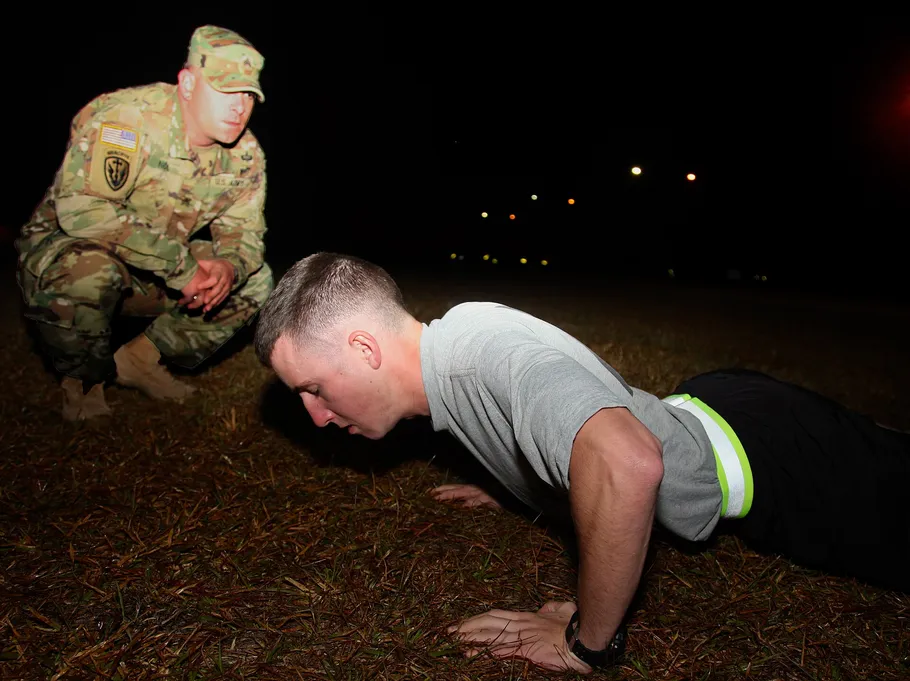
The WildBeast Elbow Wraps are the flexible pick because they are the wrap here for lifters who dislike rigid wraps: 41 inches, a nylon build, a bench-press focus, and a flexible character per the roundup record — a wrap that bends with the elbow rather than locking it into a cast.
You wind, you press, and the elbow still moves the way it wants to, with support rather than a splint.
It is the pick for a buyer who wants support without rigidity, and for a buyer whose bench-led days do not need the heaviest lock in this guide. 🪶
The record carries two flags, and both are printed here.
The maker-page detail is thin in the records checked: the closure type is not settled — so this guide does not assume hook-and-loop, and a buyer who needs a confirmed closure should check the listing before ordering.
And the 41-inch length comes from a roundup listing, not a maker page, so it is printed as a roundup figure, not a maker figure.
The bench-press focus is likewise a roundup note: less record exists for overhead or dip use, so a buyer whose week is overhead-led should weigh the Iron Bull or TuffWraps picks first.
Pros
- Flexible character — support without a rigid, cast-like lock.
- 41 in length — a touch longer than the 40 in standard.
- Nylon build — slicker, lighter feel than heavyweight cotton.
Cons
- Closure type not settled in the records checked — confirm on the listing.
- Maker-page detail thin — length comes from a roundup listing.
- Bench-press focus — less record for overhead or dip use.
Listing check: confirm the WildBeast Elbow Wraps (41 in, nylon, bench-press focus) before ordering, and check the closure type from that listing itself.
If the listing shows a different length or a sleeve under the WildBeast name, it is a different product, not this pick, and if it shows no closure detail, weigh that gap before ordering.
Best for: a buyer who wants a flexible, less rigid wrap for bench-led days, with support that bends with the elbow.
May not fit: anyone who needs a confirmed closure type, a heavy-duty rigid lock, or an overhead-led record.
How to Choose
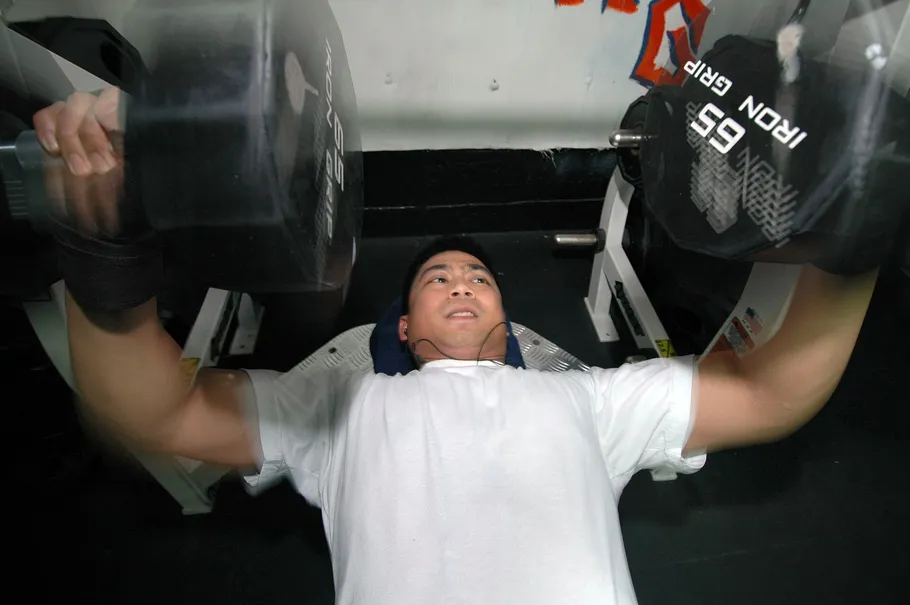
Choosing starts with your pressing week, not the wrap’s looks.
A bench-led week wants the classic or the cotton wrap. An overhead-led week wants the longest or the maximum-support wrap.
A dips-and-bodyweight week wants the everyday adjustable wrap. A week that mixes all three wants the pair you will actually wind every session, not the stiffest one you leave on the shelf.
Write down your week’s split — how much bench, how much overhead, how many dips — and then match the wrap to the biggest share, not the boldest colour.
The four sections below take that split apart: type, size, features and placement, each with its own figure. 💪
Choose Your Type
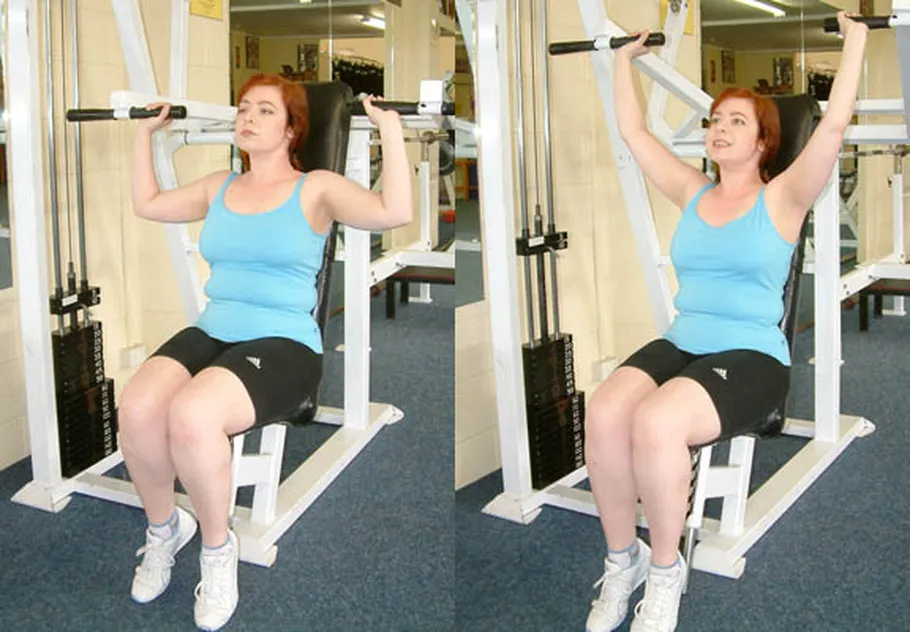
Type is the pressing shape.
A bench-led type — flat bench, incline bench, close-grip bench — wants the Gymreapers classic, the Gunsmith cotton or the WildBeast flexible, with their straightforward winds and bench-first records.
An overhead-led type — strict press, push press, seated press — wants the Iron Bull long or the TuffWraps maximum-support, because the elbow travels furthest overhead and the lock matters most at the top.
A dips-and-bodyweight type — weighted dips, heavy push-ups, ring work — wants the DMoose everyday, which adjusts across sessions without a version choice.
A machine-led type — Smith machine presses, machine chest presses — still uses a wrap on heavy sets, but the bar path is fixed, so the wrap’s job is smaller and the flexible or everyday pick is enough.
Wraps are for pressing, not pulling.
Deadlifts, rows, pull-downs and carries do not call for an elbow wrap — those are straps, belts and grip territory, and winding an elbow wrap for a pull is the wrong tool for the job.
And if what you actually want is warmth through the whole session rather than tightness per set, you do not want a wrap at all — you want a sleeve, which stays on from warm-up to last set while a wrap comes off between sets.
Pick the tool for the job: wrap for the heavy press set, sleeve for the whole session, and neither for the pull.
Choose Your Size
Size is the length, because elbow wraps are one-size: there is no small, medium or large, only a band length and the winds it buys.
Forty inches is the standard — several winds around most elbows, enough overlap to lock.
Fifty and sixty inches buy more winds and a tighter lock for the same effort, which is why the Iron Bull 50-inch version and the TuffWraps 60-inch wrap lead on coverage.
Thirty-six-inch variants buy fewer winds, so a bigger arm may run out of band before the elbow feels locked.
Learn it on a light set: wind the wrap, count your winds, and check whether the elbow feels locked with band to spare — if you run out of band first, you need a longer wrap, not a tighter wind.
Width is the second half of size, and it is mostly unstated.
The Gunsmith pick states 3 inches wide, but the other five picks state no width in the records checked — so do not assume every wrap here is 3 inches, and check the listing’s width note on any other pick before ordering.
One-size adjustable, as on the DMoose, means the closure adjusts to the arm, not that the length stretches to fit every arm — a long arm still needs a long band, and an adjustable closure does not fix a short one.
Where two lengths feel possible, the longer one usually wins for a wrap: spare band can be overlapped, but missing band cannot be invented mid-set.
Choose Your Features
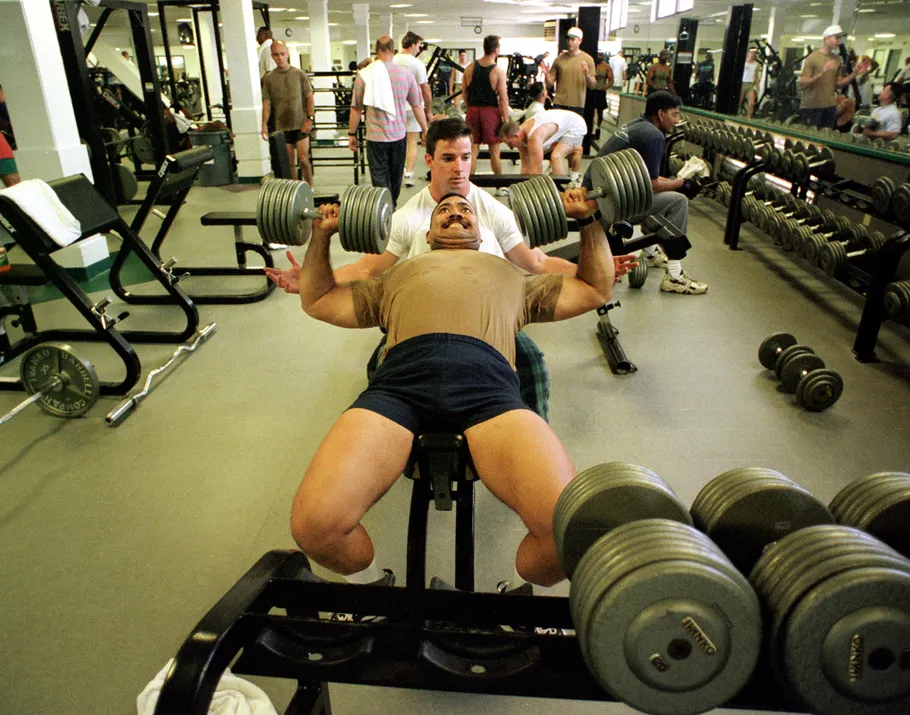
Features are the trade-offs, and each one buys something by giving something up.
Closure buys security at the cost of fuss: hook-and-loop is the standard, quick and proven.
An extra strap over it, as on the Gymreapers, adds a second anchor. Double Velcro, as on the TuffWraps, adds two anchors. And a belt loop, as on the TuffWraps, tightens without a thumb loop at all.
Stitching buys life at the cost of nothing much: reinforced stitching, as on the DMoose, is what keeps a wrap winding session after session instead of fraying at the seam.
Material buys feel at the cost of grip: cotton-elastic breathes and grips, polyester-elastic snaps back, nylon slicks and feels lighter — and where the records disagree on material, as on the DMoose, the feel is the thing to check on the listing, not to assume.
Two features deserve their own check before ordering: the thumb loop and the belt loop.
A thumb loop anchors the first wind so the band cannot slip while you wrap one-handed — but it is not stated for every pick here, so confirm it where you want it.
A belt loop, as on the TuffWraps, replaces the thumb loop entirely: thread it, pull it tight, anchor twice, and the wrap is locked without a loop over the thumb.
After the session, recovery is the other half of the pair: our best saunas for home gyms covers the heat session that follows a hard press day, while the wrap itself just needs to be rolled, dried and aired before the next one.
Choose Your Placement
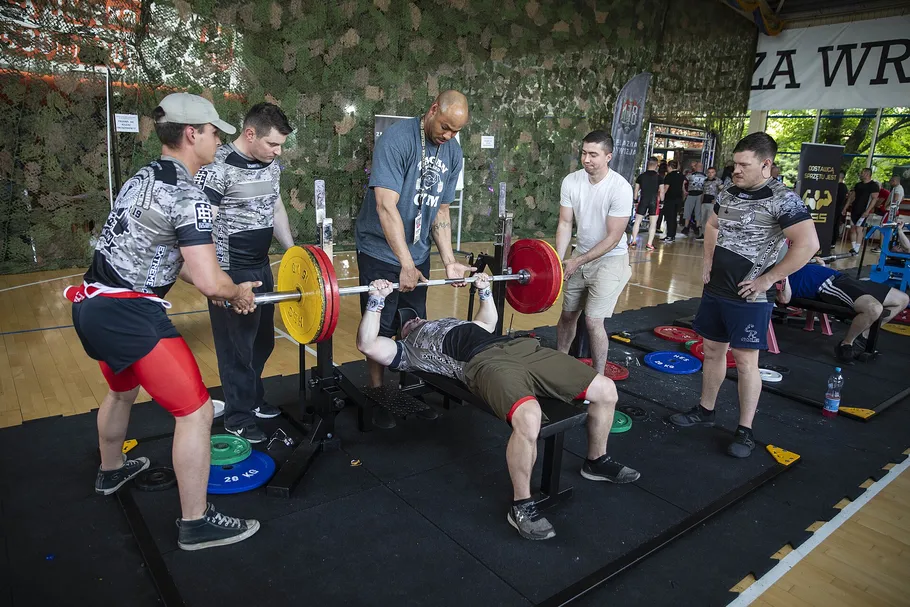
Placement is where the wrap lives and where it winds.
A wrap needs a hook or a shelf beside the bench — rolled, paired, dry — not a tangled ball at the bottom of a bag where the Velcro picks up lint and the pair splits.
Keep the training pair for training: wearing a wrap around the house between sessions stretches the elastic for nothing, packs lint into the hook-and-loop, and turns a pressing tool into a loose band within months.
One pair for the bench corner, rolled after every session, and the closure and the elastic last far longer.
Floor and safety gear matter as much as the wrap.
A clear corner of floor — a mat’s worth, with room to unrack, press and re-rack without hitting furniture — and safety arms or a spotter for heavy bench, because a wrap does not catch a failed rep: safeties and a spotter do, and no wrap replaces either.
Keep the press zone clear: a dumbbell left in the landing zone is a twisted ankle waiting for a step back, and a plate left against the bench leg is a trip waiting for a re-rack.
The wrap is only half the safety — the rack, the safeties and the spotter are the other half, and all three need to be in place before the heavy set starts.
Safety
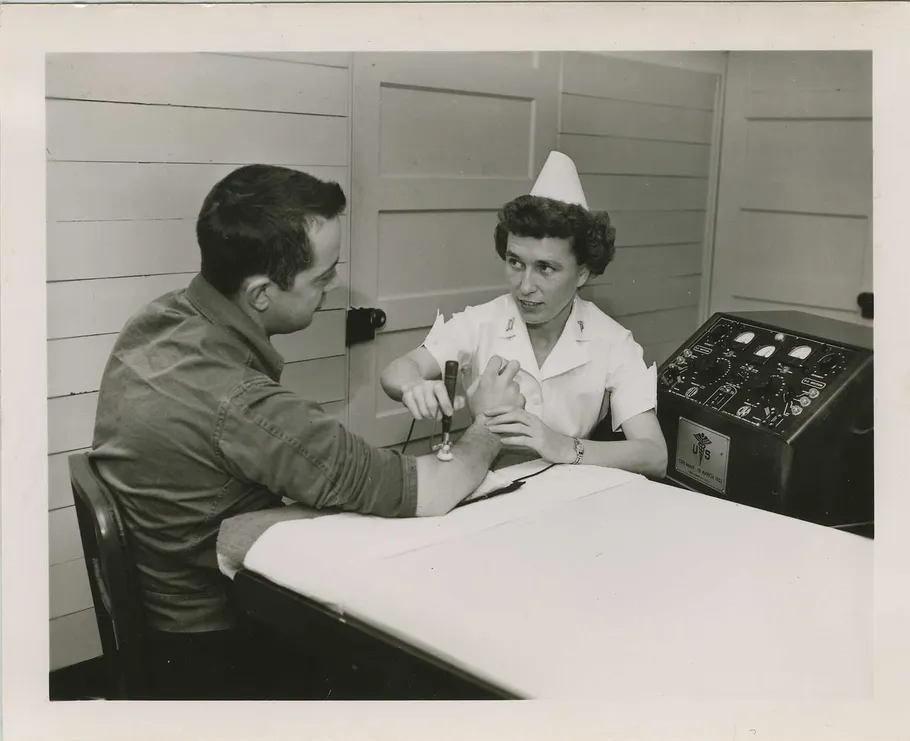
1. Check with a clinician first if you have an elbow injury or surgery, if you have numbness, tingling or weakness in the arm or hand, if you have diabetes or any condition that affects feeling, if you have arthritis or a chronic elbow condition, or if any condition makes heavy pressing risky.
A wrap supports the elbow, it does not diagnose or treat anything.
2. Wind snug, never tight enough to cut feeling: if the fingers tingle, go numb, change colour or feel cold, unwrap at once and rewind looser.
Tightness is not support if it cuts circulation, and a wrap that numbs the hand is a wrap wound wrong, not a wrap working well.
3. Wrap for the working set only: wind for the heavy set, unwrap between sets, and never wear wraps through a whole session, between exercises, or to sleep in.
The maker’s one-set-at-a-time rule on the TuffWraps pick is the safe habit for every wrap here, not just that one.
4. Learn on light sets: wind the wrap for the first time on light weights, check that it stays put, that the closure holds, and that the elbow still moves through its range.
Only then load heavy, because a wrap that slips, bunches or binds shows up on a light set, not on a max attempt.
5. Stop at once and talk to a clinician if sharp elbow pain appears during pressing, if numbness, tingling or weakness appears in the arm or hand, if swelling follows a session, or if anything about your elbow worries you afterwards.
And never push through sharp pain to finish a set.
6. Use a spotter and safeties on heavy bench: set the safety arms, agree the spotter’s cues, and keep the press zone clear.
Wraps do not catch a failed rep, safeties and a spotter do, and no wrap replaces either on a max set.
7. Keep wraps clean, dry and inspected: roll them after every session, air them before the next one, never store them wet or tangled, check the Velcro, stitching and elasticity before each session.
Retire a wrap whose Velcro no longer holds or whose elastic has gone slack rather than pressing on it.
These notes are general information only, not medical advice — if pain, an injury or a medical condition worries you, talk to a clinician before pressing in a new wrap.
Frequently Asked Questions
Can elbow wraps fix tennis elbow, tendonitis or elbow pain?
No — and no wrap in this guide claims to.
A wrap supports the elbow and steadies the press while you train, but tennis elbow, tendonitis and elbow pain have causes a wrap cannot diagnose or treat, and a wrap marketed as a fix should be read as a marketing claim, not a medical one.
If pain worries you, talk to a clinician first, and choose the wrap for pressing support, not as a treatment.
Elbow wraps or elbow sleeves — which do I need?
A wrap if your heaviest sets need adjustable tightness, a sleeve if you want warmth through the whole session.
A wrap is wound tight per set and unwound after it, so the tightness changes with the set; a sleeve is pulled on once and gives the same fixed compression from warm-up to last set.
Heavy top sets call for a wrap, all-session warmth calls for a sleeve, and many lifters own both — the wrap for the top set, the sleeve for everything else.
How tight should I wind them, and how long do I leave them on?
Snug, with the fingers staying warm and feeling normal — and on for the working set only, off between sets.
If the fingers tingle, go numb, change colour or feel cold, the wrap is too tight: unwrap at once and rewind looser.
The TuffWraps maker rule — one working set at a time, removed after each set — is the safe habit for every wrap here, and no wrap in this guide is a wear-all-session product.
Do I need wraps for push-ups, dips and overhead press too, or only bench?
Any heavy press loads the elbow, so wraps help wherever the load is heaviest — bench first, overhead press second, weighted dips third.
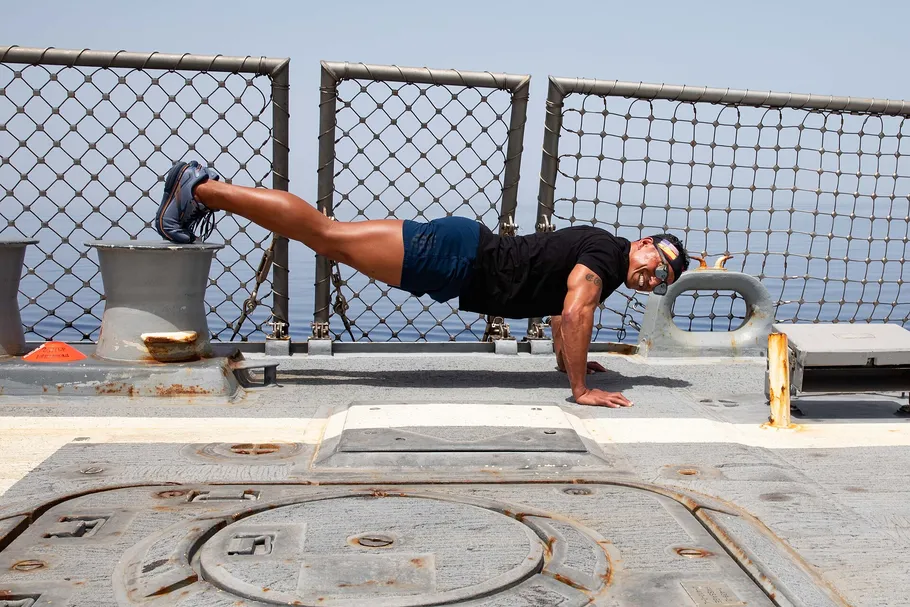
Bodyweight push-ups rarely need a wrap unless load is added, because the load is the body’s own weight and the elbow is not the limiting joint.
Match the wrap to the heaviest press in the session, not to every movement in it.
What length do I need — 36, 40, 50 or 60 inches?
Forty inches is the standard, and it fits most arms with several winds to spare.
Fifty and sixty inches buy more winds and a tighter lock, which bigger arms need and heavy singles reward.
Thirty-six-inch variants buy fewer winds, so check the variant before ordering.
The Iron Bull length reads 40 inches for the standard and PRO Line versions with a 50-inch version also listed, and the Gunsmith length reads 40 inches on the specs page against 36-inch variants, so the length you get depends on the version the listing ships.
What floor should I press on at home, and where do I keep the wraps?
A clean, dry, flat floor — wood, rubber matting or a firm platform — with a mat’s worth of clear space around the bench, and no wet patches, no curled mat edges and no equipment in the step-back zone.
A soft carpet dulls a low, planted press, and a wet or oily floor defeats any footing, so the floor is half the safety and the wrap is the other half.
Our best gym flooring for home gyms covers the mats and tiles that build that corner, while the wraps themselves live rolled, paired and dry on a hook or shelf beside the bench.
Our Pick: Start Here
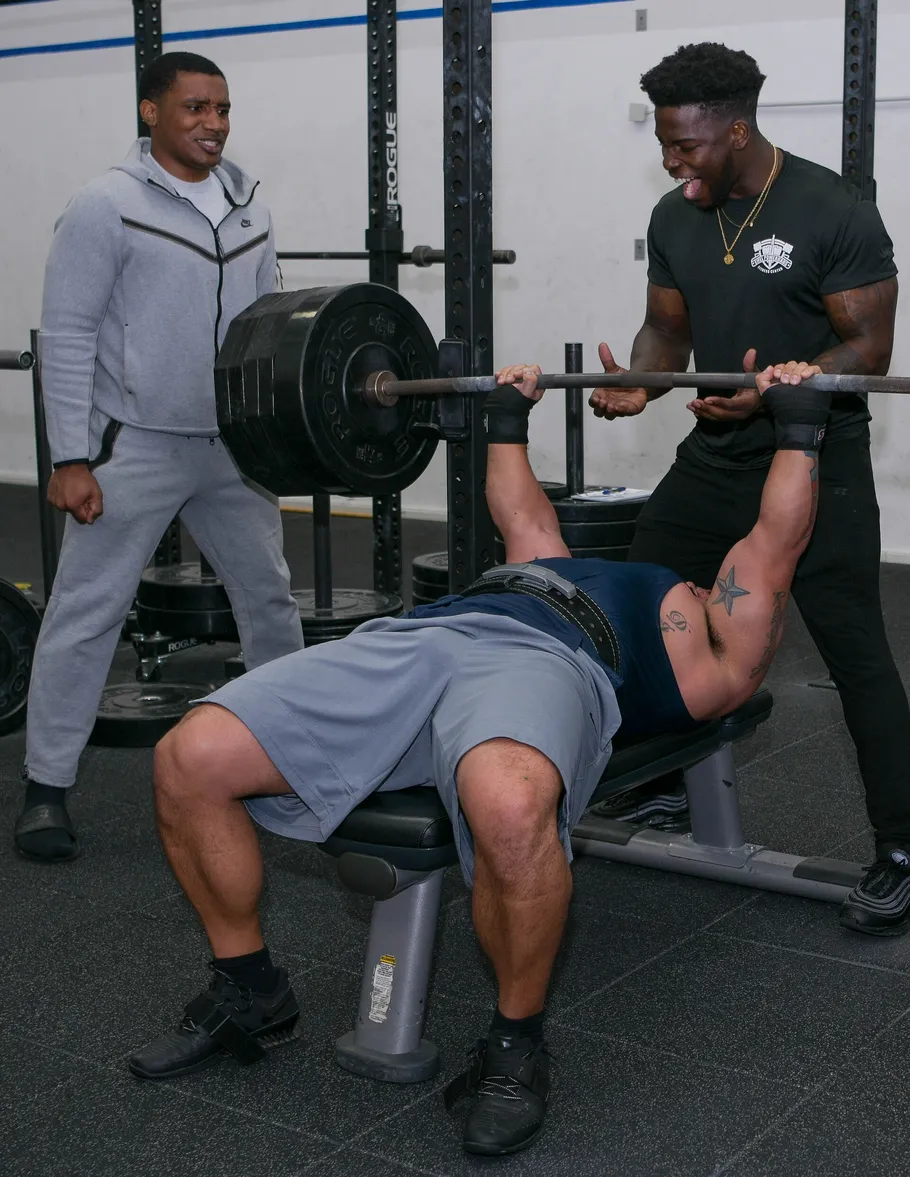
Start with the Gymreapers Weightlifting Elbow Wraps if you want the standard 40-inch classic, or the DMoose Elbow Wraps if you press most days and want the adjustable everyday pair.
And reach for the TuffWraps Villain Elbow Wraps only if you want maximum support and accept wrap-on and wrap-off for every heavy set.
Whichever you start with, confirm the exact model, version and length from the listing, learn the wind on light sets, and unwrap between sets.
The classic first, the everyday second, and the maximum-support last — that order keeps the first pair the safest bet, not the boldest one.
As an Amazon Associate, we earn from qualifying purchases made through links on this page, at no extra cost to you.
Specifications come from maker records and listing records at the time of writing and can change without notice — the lengths, materials, closures and model numbers above are the settled records we found, with conflicts stated in the text, not smoothed over. Always confirm the current listing before ordering.