

Why Saunas Belong in a Home Gym
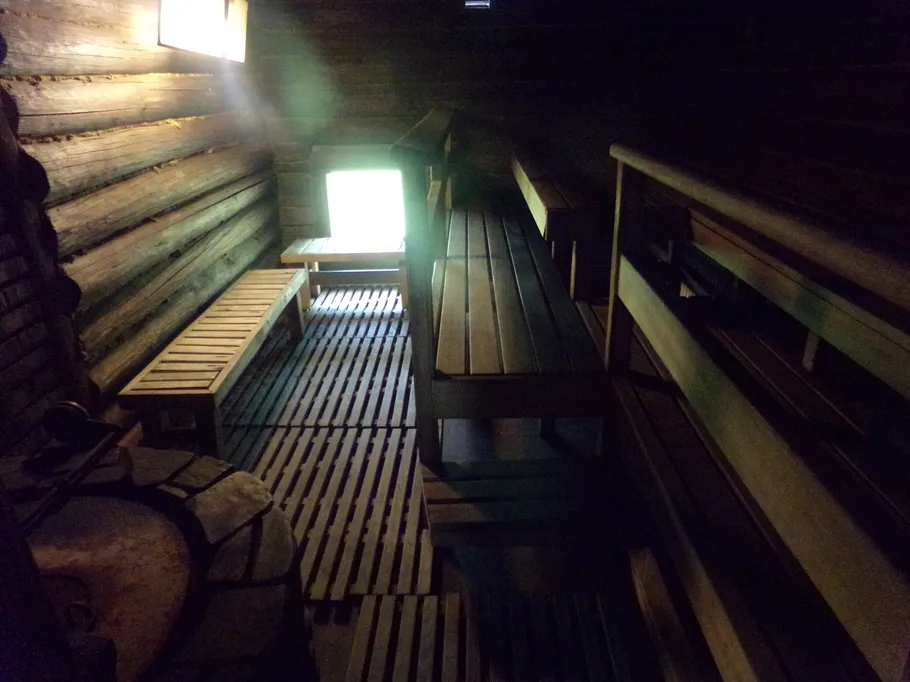
A sauna is a heated room you sit in and sweat in. That is the whole idea, and it is what separates it from everything else sold as heat therapy. You finish training, you sit down, the room warms you up, and you step out, cool down and rehydrate. No workout happens inside it, and nothing about it replaces the training itself. 🧖
The recovery angle is the honest one. Lifters use a sauna the way they use a cool-down: a short, calm block after the hard work, in the same building as the rack and the plates, so the habit actually sticks. Put the sauna in another building and it becomes a trip; put it next to the home gym and it becomes part of the session.
Know what a sauna is not. It is not a sauna blanket — our best sauna blankets for home gyms covers the wrap you lie in, which is a different product with a different feel. And it is not a cold plunge either — our best cold plunge tubs for home gyms covers the cold side of the same recovery pairing, and some lifters alternate the two. If you came from our best pulling blocks for home gyms, the previous guide in this series, this is the same home gym with a recovery room added — different job, same building.
How We Picked
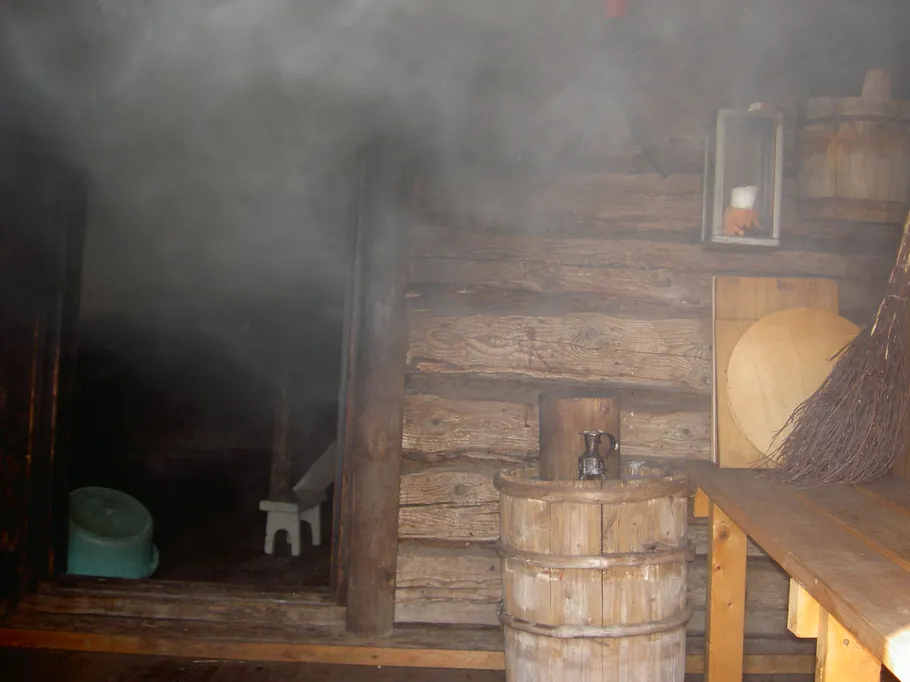
We compared six saunas that are genuinely sold for home gyms right now, using maker pages and listing records — not hands-on testing, and not roundup scores copied from other sites. Every photo in this guide is an honest sauna scene, not a product shot of the named sauna, because free-license photos of the exact named products do not exist for this category. Where records disagree, the article says so instead of picking the flattering number.
- Type: infrared cabin, traditional barrel, or portable tent — and what each heat feels like.
- Seats: the maker’s person count, read against the cabin’s real interior size.
- Power: what circuit the sauna needs, and whether an electrician is part of the purchase.
- Heat: the maker’s temperature range, with disputes printed, not smoothed over.
- Footprint: the floor space the assembled sauna takes, and the ceiling height it needs.
- Honest limits: what each sauna cannot do, stated in its own section.
Also considered: the Dynamic Andora and Santiago larger cabins (bigger infrared cabins from the same maker, named, not picked, because the Barcelona already covers the compact infrared slot); the Radiant Saunas 2-person hemlock infrared cabin (named, not picked — its records were thinner than the six picks here); the JNH Joyous+ 2-Person (a different model with 8 heaters and a higher temperature range, named here only so nobody merges it with the Joyous below); and commercial fixed saunas (named, not picked — they are built rooms, not products you buy and install). None of the six picks below hides a conflict like those — where a pick’s own records disagree, the disagreement is printed in its section.
Comparison
| Sauna | Type | Seats | Power | Standout |
|---|---|---|---|---|
| Dynamic Barcelona | Infrared cabin | 1–2 | 120V / 15A | Most compact cabin |
| JNH Joyous 2-Person | Infrared cabin | 2 | 120V / 15A | Best value cabin |
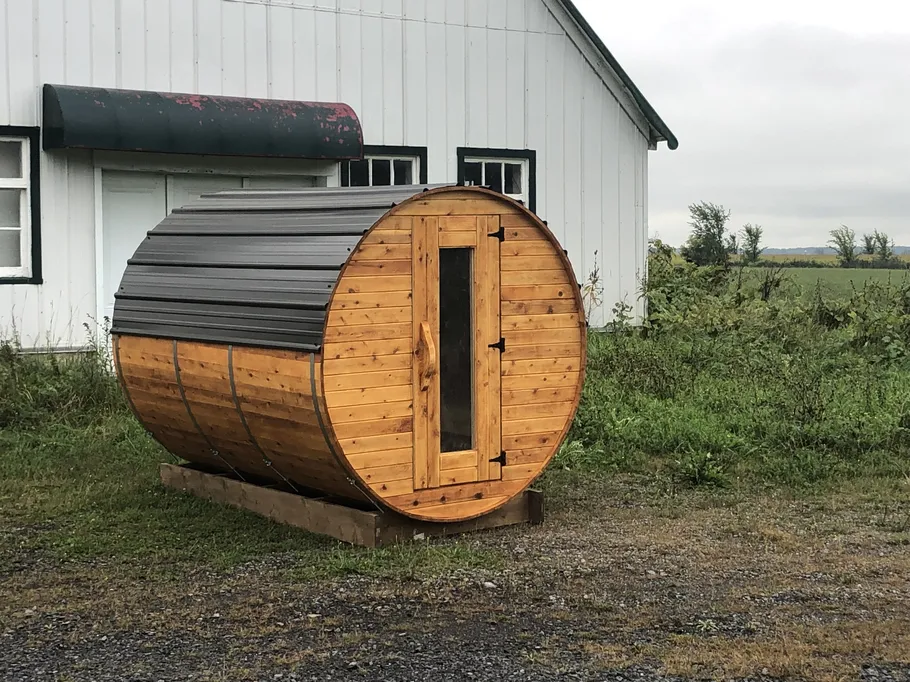
| Almost Heaven Salem | Traditional barrel | 2 | 240V / 30A | Compact cedar barrel |
| ALEKO SB6CEDBLK | Traditional barrel | 5–6 | 240V | Seats the most |
| SereneLife Portable | Portable tent | 1 | 120V | Folds away |
| Maxxus Chaumont 4-Person | Infrared cabin | 4 | 120V / 20A | Full 4-person cabin |
Read the table honestly. It carries no temperature column on purpose: temperatures are not one measure across types — the infrared cabins here run around 118–140°F while the traditional barrels run around 158–194°F, and a hotter number does not mean a better sauna. It carries no weight column either: the ALEKO barrel’s unit weight is not stated, and the others run from about 20 lb to about 590 lb across incomparable types, so a weight range would mislead. The one whole-guide claim the table does make is seats: the ALEKO seats the most at 5–6, because every pick here has a settled capacity count.
Dynamic Barcelona
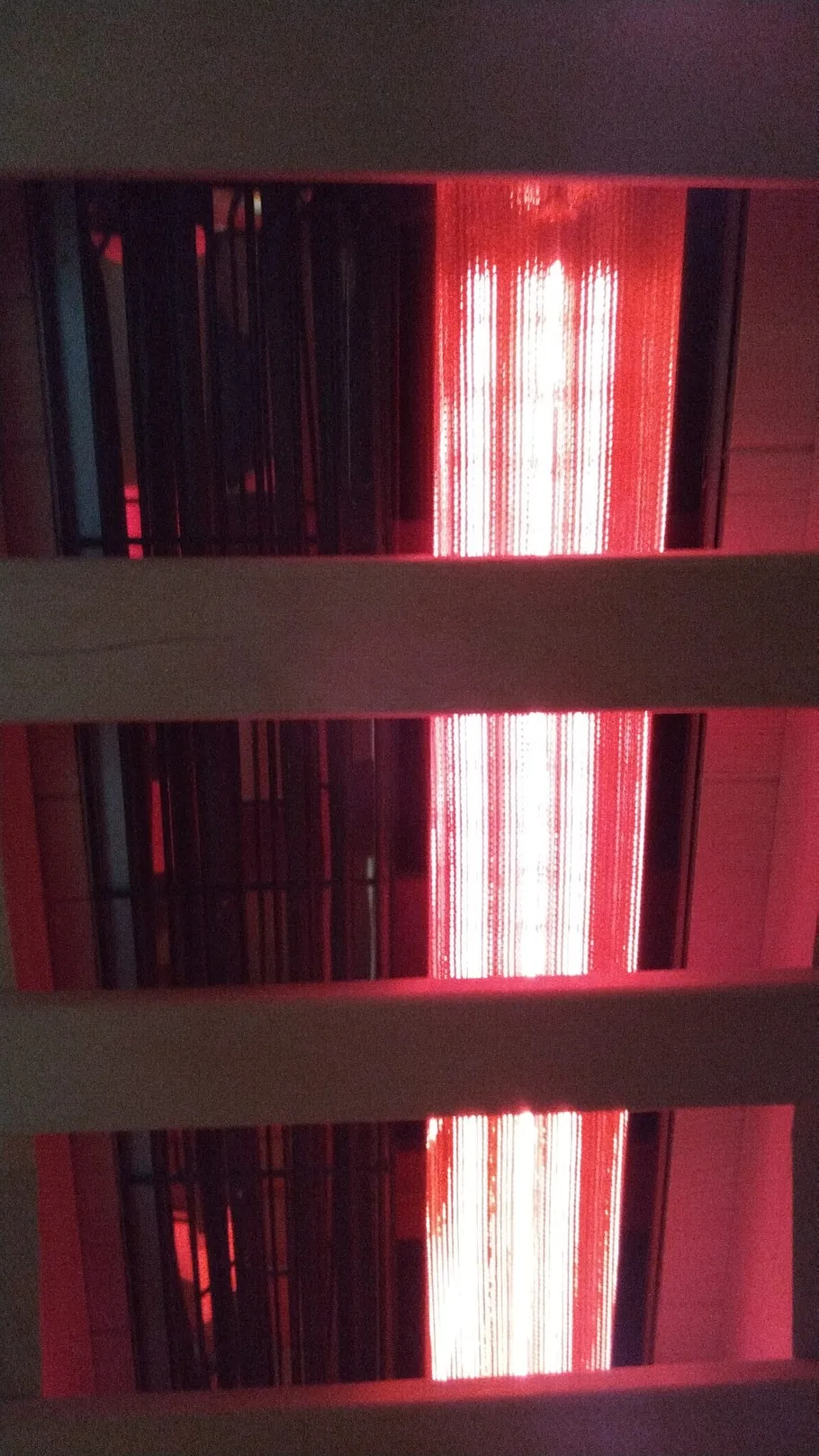
The Barcelona is the compact infrared cabin: model DYN-6106-01, sold as 1–2 person, with 6 low-EMF carbon PureTech panels — 2 on the rear wall, 1 on each side, 1 under the bench and 1 on the floor. The cabin is natural Canadian hemlock in a honey dark stain, about 39 in wide, 36 in deep and 73 in tall outside, with an interior of about 36 × 32 × 67 in. It runs on a standard 120V / 15A outlet and weighs about 250 lb.
Pros
- 6 carbon panels covering back, sides, bench and floor — even infrared coverage for a small cabin.
- Standard 120V / 15A outlet — no electrician, no new circuit.
- Compact 39 × 36 in footprint — the smallest cabin footprint in this guide.
Cons
- Maximum temperature is disputed across records — see the listing check below.
- Sold as 1–2 person but realistically a comfortable solo cabin — two adults only if both are small.
- About 250 lb — plan two people to move and place it.
Listing check: confirm model DYN-6106-01 (also written AMZ-DYN-6106-01) and the 6-panel PureTech layout before ordering. Maximum temperature is disputed: the maker describes an ideal range of 118–132°F up to 140°F, one listing record says up to 135°F, and the display itself goes to 150°F — state all three, settle none, and do not buy on a single temperature number. EMF figures also vary by version (the standard version reads around 5–10 mG at 2–3 in; the Elite version reads lower) — do not merge versions when comparing.
Best for: a solo lifter with a tight corner and a standard outlet, who wants an infrared cabin without rewiring.
May not fit: two regular-sized adults sitting together, or anyone who wants traditional steam heat — this is a dry infrared cabin.
JNH Lifestyles Joyous 2-Person
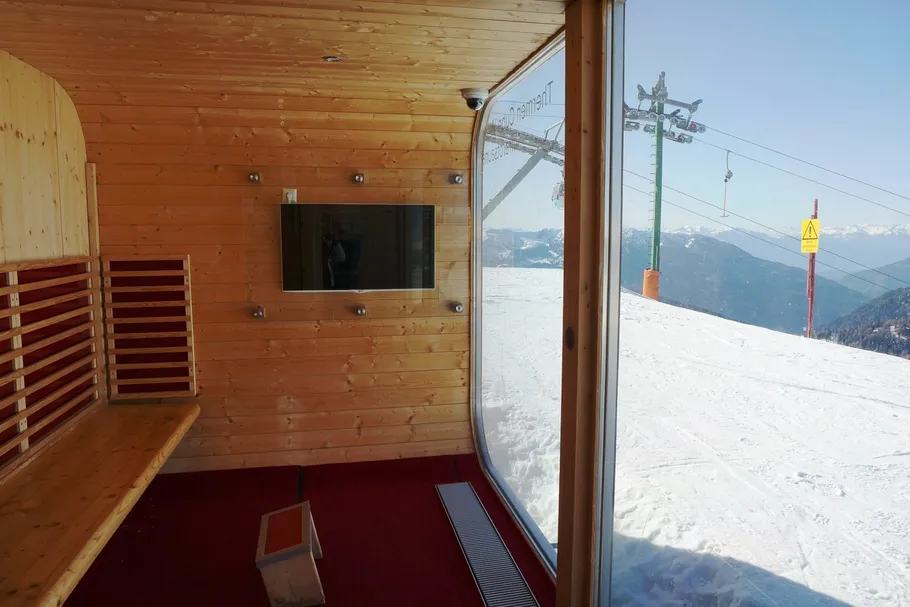
The Joyous is the value infrared cabin: model HD2-L, a genuine 2-person cabin with 7 ultra-low-EMF carbon fiber panels, built from 100% Canadian hemlock that is FSC-certified, with dual-wall construction. It measures about 47.3 × 39.5 × 75 in, runs at 1,540W on a standard 120V / 15A outlet, lists a maximum of 140°F, and weighs about 250 lb. Bluetooth audio, chromotherapy lighting and a reversible tempered-glass door are included.
Pros
- 7 carbon fiber panels in a true 2-person cabin — room for two without the barrel’s footprint.
- FSC-certified Canadian hemlock with dual-wall construction.
- Bluetooth, chromotherapy and a reversible glass door included.
Cons
- The Joyous+ 2-Person is a different model — easy to confuse, different specs (see listing check).
- Listed maximum of 140°F — lower air temperature than the traditional barrels here.
- About 250 lb — plan two people to move and place it.
Listing check: confirm model HD2-L and the 7-panel layout. The Joyous+ 2-Person is a different model with 8 heaters and a maximum up to 170°F — do not merge its figures into this pick. One retailer’s third-party EMF test (Vitatech, 0.02 mG at the seating position and under 2 mG at the highest-EMF area) is a single retailer’s claim, not a maker specification — read it as such.
Best for: two people sharing a cabin on a standard outlet, who want infrared heat with the extras included.
May not fit: anyone who wants steam, a lie-down bench, or a cabin taller than 75 in of ceiling clearance allows.
Almost Heaven Salem
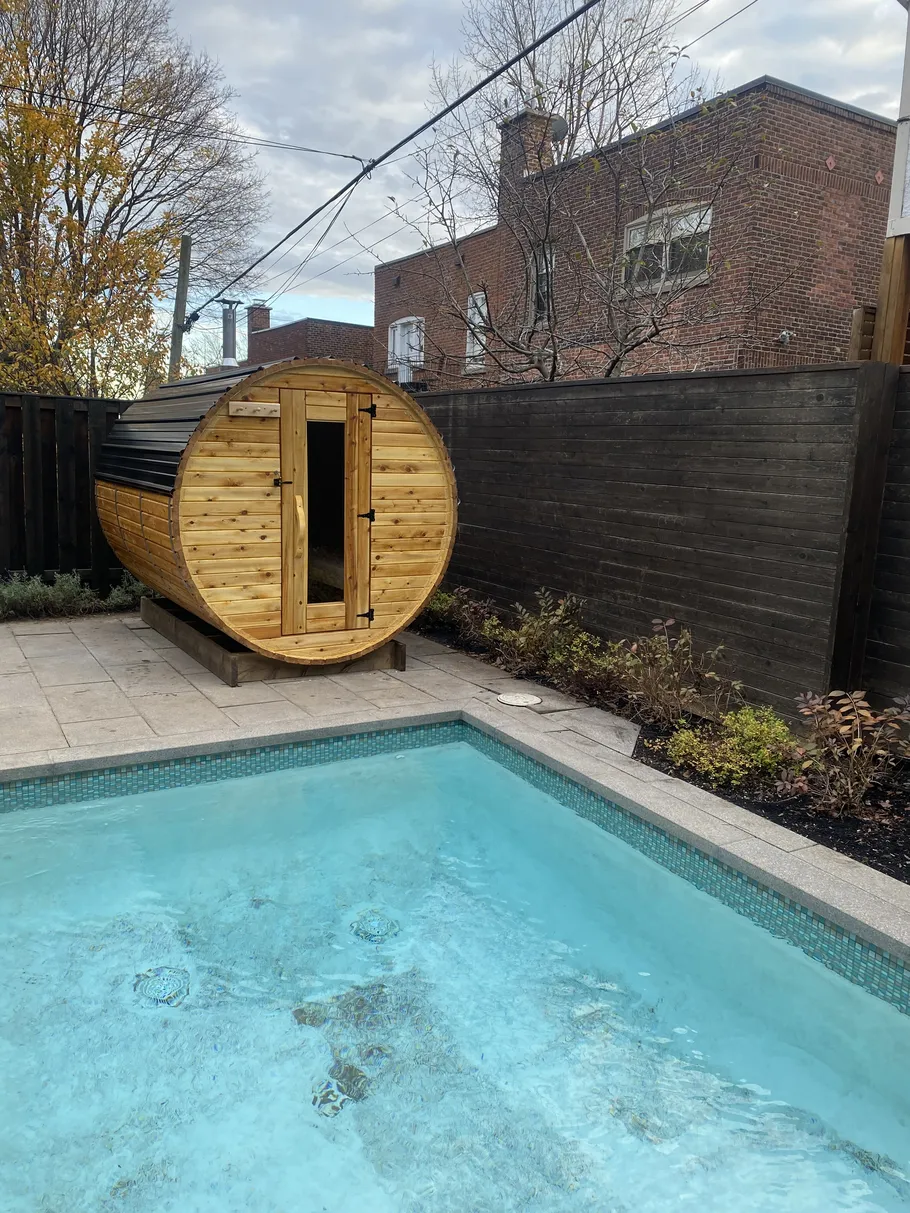
The Salem is the compact traditional barrel: a 2-person barrel in rustic red cedar, built from 1-3/8 in ball-and-socket staves, assembled to about 72 × 47 × 75⅜ in. Inside are two opposite-facing benches of about 39¼ in each — a sitting sauna, not a lie-down room. Stainless bands and hardware hold the barrel together, and a bucket, ladle and thermo-hygrometer are included. It weighs about 590 lb.
Pros
- Rustic red cedar with ball-and-socket staves — the traditional barrel build.
- Two opposite-facing benches — two people sit facing each other, not shoulder to shoulder.
- Bucket, ladle and thermo-hygrometer included in the box.
Cons
- Heater size is disputed across records — see the listing check below.
- Needs a dedicated 240V circuit and an electrician — hard-wired, not plug-in.
- About 590 lb — the heaviest cabin here, and a real assembly job.
Listing check: confirm the heater before ordering — the maker’s listing says a Harvia 4.5kW heater (240V / 30A, reaching 175–185°F in 45–60 minutes), while other sources say a Harvia KIP 6kW. Both records are printed here; neither is settled. Whatever the heater, this barrel needs a dedicated 240V circuit installed by an electrician — budget that work into the purchase, not after it.
Best for: a lifter who wants real traditional steam heat outdoors in the smallest barrel footprint.
May not fit: anyone without a 240V circuit, or anyone who wants to lie down — the benches are for sitting.
ALEKO SB6CEDBLK
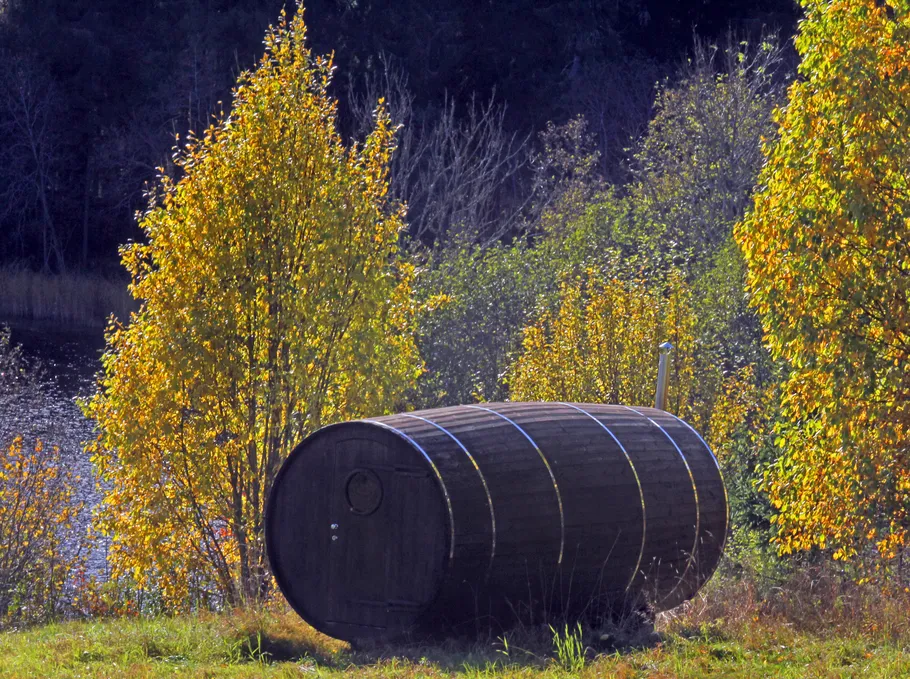
The ALEKO is the large barrel: model SB6CEDBLK, a 5–6 person barrel in rustic cedar with a 6kW Harvia KIP electric heater on 240V, running about 158–194°F (70–90°C). The opposing benches run about 70 in of inside length, and a bitumen shingle roof covers the top. Heater and stones, bucket and scoop, sand timer, lamp and thermo-hygrometer are included. It is an outdoor barrel that can sit indoors only with proper ventilation.
Pros
- Seats 5–6 — the most seats in this guide, for families or training partners.
- Bitumen shingle roof and a full accessory kit in the box.
- About 70 in of inside bench length on each side — real legroom for tall users.
Cons
- Some ALEKO barrel models are Finland pine, not cedar — check the wood on the listing (see listing check).
- ALEKO heaters are timer-limited to 60 minutes per session per one source — reset for longer sessions.
- Unit weight is not stated — you cannot plan the delivery crew from a published number.
Listing check: confirm model SB6CEDBLK and confirm cedar on the listing itself — some ALEKO barrels are Finland pine, and the model code is what separates them. Confirm the 6kW Harvia KIP heater and the 240V supply, and note the 60-minute heater timer limit reported by one source: longer sessions need a reset, so plan session length around it.
Best for: a household or training group that wants the biggest traditional barrel in this guide.
May not fit: small yards, indoor-only spaces without ventilation, or anyone who wants a plug-in cabin — this is a 240V outdoor barrel.
SereneLife Portable
The SereneLife is the portable pick: model AZSLISAU10BK.5 (also written SLISAU10), a sit-in tent for one person. It runs at 1,050W on 120V, reaches a maximum of 140°F, and times out at 60 minutes. Assembled it measures about 27.6 × 31.5 × 37.8 in and weighs about 20.15 lb. A folding chair, a heated foot pad, a wired controller and hand-access zippers are included — it folds away when the session is done.
Pros
- About 20 lb and folding — the only pick one person carries and stores in a closet.
- Standard 120V outlet — no circuit work, no installation.
- Chair, heated foot pad and wired controller included.
Cons
- A tent, not a cabin — no benches, no lie-down room, no second person.
- 60-minute timer cap — sessions end on the timer’s terms.
- Smaller heat space than every cabin here — a different experience, not a smaller version of one.
Listing check: confirm model AZSLISAU10BK.5 / SLISAU10. The full-size SLISAU30 (about 35.4 × 35.4 × 70.9 in, 1,300W) is a different, taller model — do not merge its figures into this pick. One honest-use note from a review: the sensor reads 15–20°F cooler if the wired remote is left outside the tent — keep the remote inside the tent for the full 140°F reading.
Best for: a lifter with no spare room, a renter, or anyone who wants sauna heat without installing anything.
May not fit: anyone who wants a real cabin, a second seat, or steam — this is a solo electric tent.
Maxxus Chaumont 4-Person
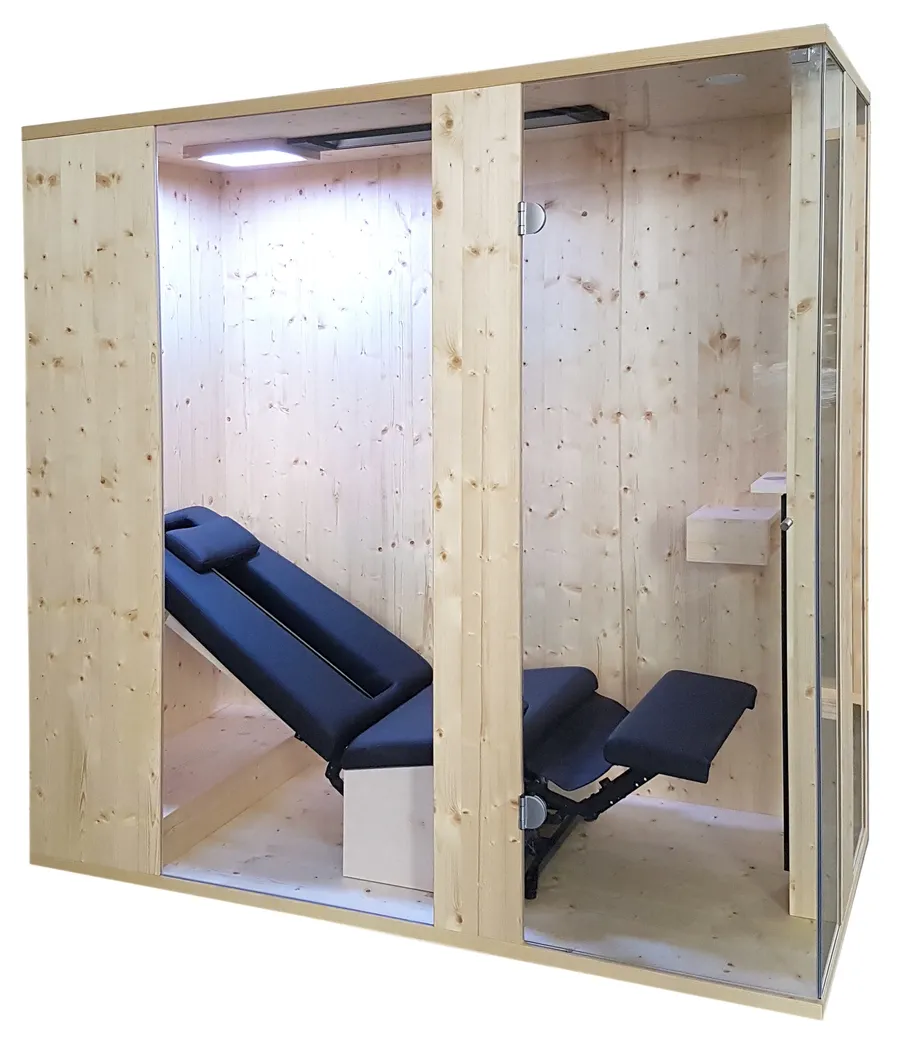
The Chaumont is the large infrared cabin: model MX-K406-01-ZF CED, the red cedar variant, a full 4-person cabin with 9 PureTech Near Zero EMF carbon panels — 3 on the rear wall, 1 on each side, 2 under the bench and 2 on the floor. The cabin is natural Canadian red cedar, about 74 × 42 × 75 in outside (the roof overhang adds 5.9 in), with an interior of about 68 × 37 × 68 in. It runs on 120V but needs a dedicated 20A NON-GFCI receptacle — consult an electrician. Ideal temperatures are 118–132°F, up to 140°F, and it weighs about 390 lb.
Pros
- 9 carbon panels — the most panels of the three infrared cabins here.
- Full 4-person interior, about 68 × 37 in — the roomiest infrared cabin in this guide.
- Natural Canadian red cedar in the CED variant.
Cons
- Needs a dedicated 20A NON-GFCI receptacle — check your panel before ordering.
- About 390 lb — the heaviest infrared cabin here.
- Wood and EMF versions vary — check both on the listing (see listing check).
Listing check: confirm model MX-K406-01-ZF CED. Three variants circulate — hemlock MX-K406-01, near-zero-EMF ZF, and cedar ZF CED — so check both the wood and the EMF version on the listing before ordering. EMF figures vary by variant record (under 2 mG versus under 3 mG at 2–3 in, against a standard low-EMF 6–10 mG at 6–8 in) — read them per variant, never merged. And confirm the dedicated 20A non-GFCI receptacle with an electrician: a standard GFCI outlet is not the specified supply.
Best for: a household that wants four seats indoors on a 120V supply, with the panel coverage to match.
May not fit: small rooms (74 × 42 in plus roof overhang), or anyone without a spare 20A circuit.
How to Choose
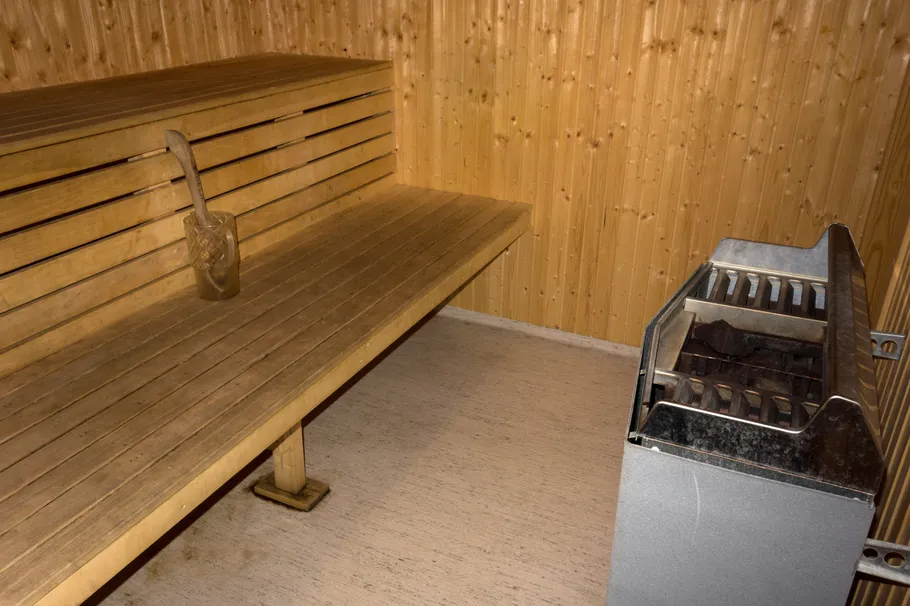
Four decisions, in order: type, size, power, location. Get them in that order and the sauna you buy is the sauna you keep using. 🧭
Choose Your Type
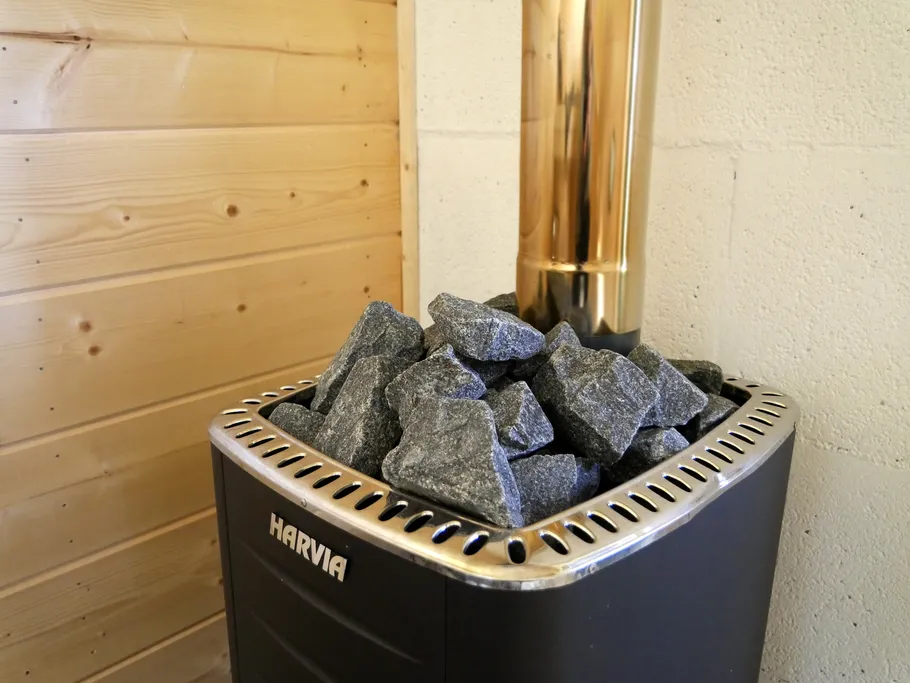
Infrared cabins heat you with panels, at lower air temperatures — the three infrared cabins here run around 118–140°F. Traditional barrels heat the air and the stones, and run hotter — the two barrels here run around 158–194°F, and ladled water on the stones makes the steam (löyly) that defines the traditional feel. Portable tents are a third type: electric heat in a folding tent, solo, with no benches and no steam.
Pick the heat you actually like, not the hotter number. If you have used a gym infrared cabin and liked it, buy infrared. If you want steam and the hottest air, buy a barrel. If you have no spare room at all, the tent is the only type that fits — and it is honest about being a tent, not a cabin.
Choose Your Size
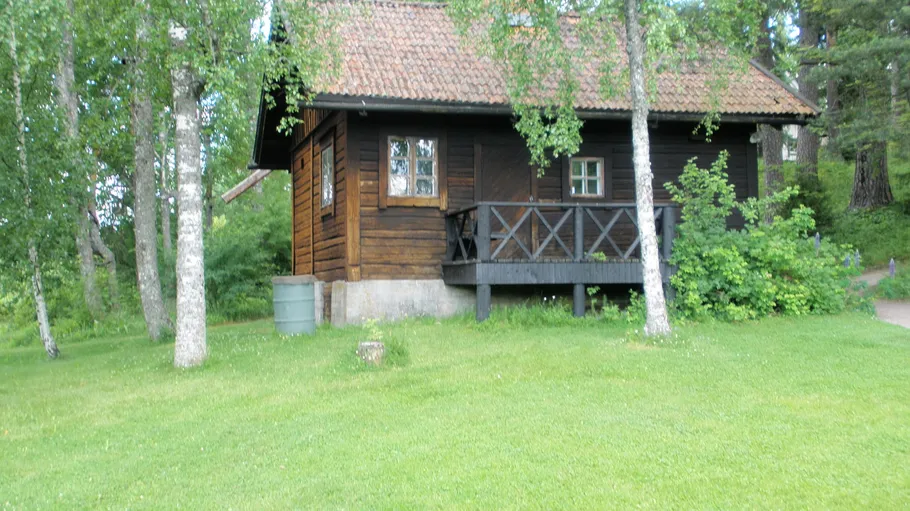
Measure twice: the footprint and the ceiling. The cabins here run from the Barcelona’s 39 × 36 in to the Chaumont’s 74 × 42 in, and the barrels run longer still — the Salem is about 72 in long, and the ALEKO longer again. Ceiling height matters just as much: the cabins stand 73–75 in tall, and the Salem stands 75⅜ in, so a low basement ceiling rules them out before anything else does.
Then read the person count against the interior, not the headline. The Barcelona is sold as 1–2 person but is realistically a solo cabin; the Joyous is a genuine 2-person cabin at 47.3 × 39.5 in; the Salem seats two facing each other; the Chaumont seats four; the ALEKO seats 5–6. And check the door: a 74 in wide cabin that cannot get through your doorway is a return, not a sauna.
Choose Your Power
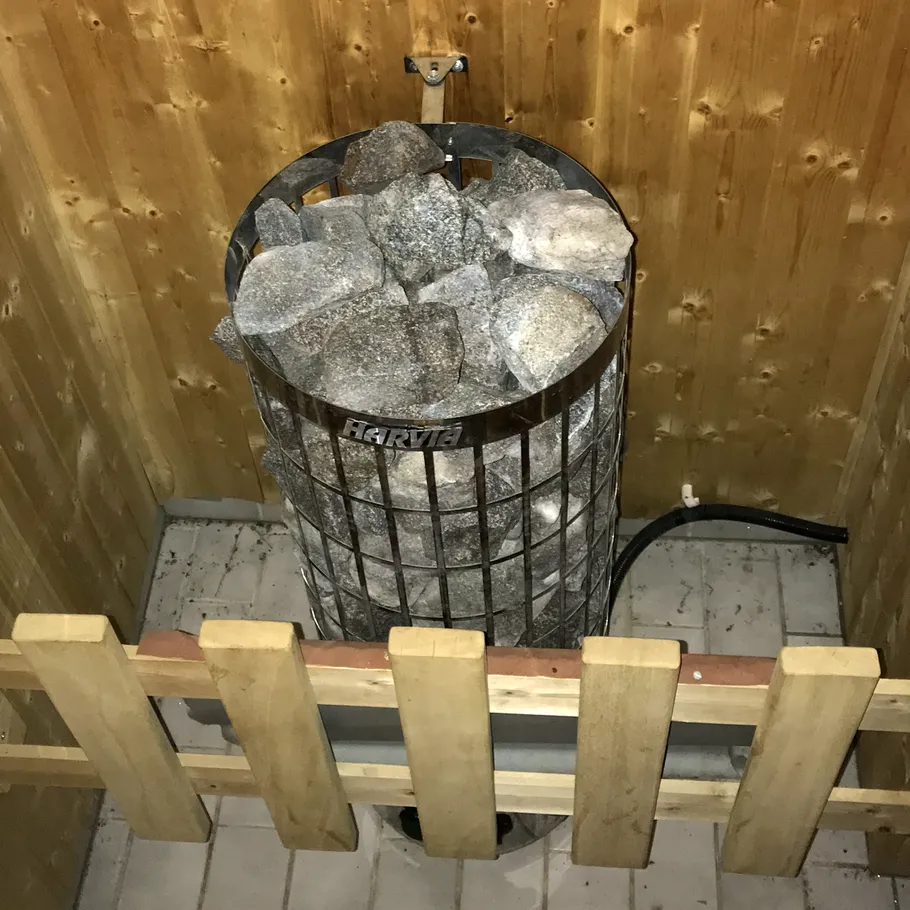
Power is where a sauna purchase quietly grows. The Barcelona, the Joyous and the SereneLife run on a standard 120V outlet — the Joyous at 1,540W on a 15A circuit, the tent at 1,050W. The Chaumont also runs on 120V but needs a dedicated 20A NON-GFCI receptacle, so check your panel and talk to an electrician even though no rewiring to 240V is involved. The Salem and the ALEKO are 240V barrels — a dedicated circuit, installed by an electrician, is part of the purchase price, not an optional extra.
Do not buy the barrel first and discover the circuit second. Get the electrician’s answer before ordering, and remember the ALEKO’s 60-minute heater timer: longer sessions need a reset, whatever circuit you are on.
Choose Your Location
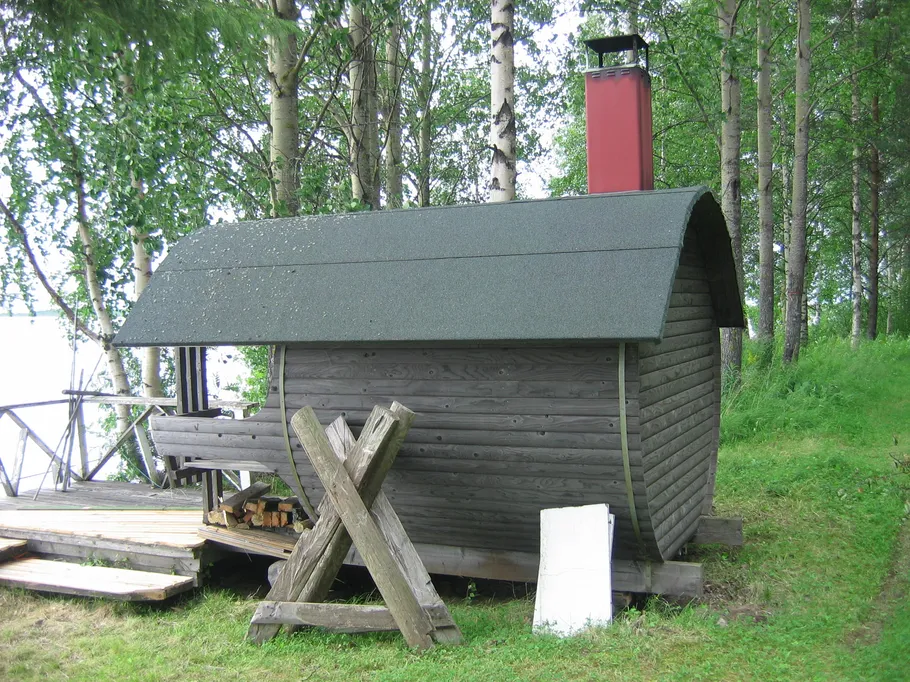
Indoor cabins need three things: a level floor that can take the weight, ventilation so humidity has somewhere to go, and the ceiling height from the size section above. A garage or a spare room works if all three are true; a damp, unventilated corner does not. Protect the floor underneath — our best gym flooring for home gyms covers the floor and ventilation thinking that applies here too.
Outdoor barrels need a level base, drainage away from the staves, and a roof that actually sheds weather — the ALEKO’s shingle roof and the Salem’s bands are part of that, not decoration. Barrels can sit indoors only with proper ventilation, and a portable tent needs nothing more than a flat floor and an outlet — which is the whole point of it.
Safety
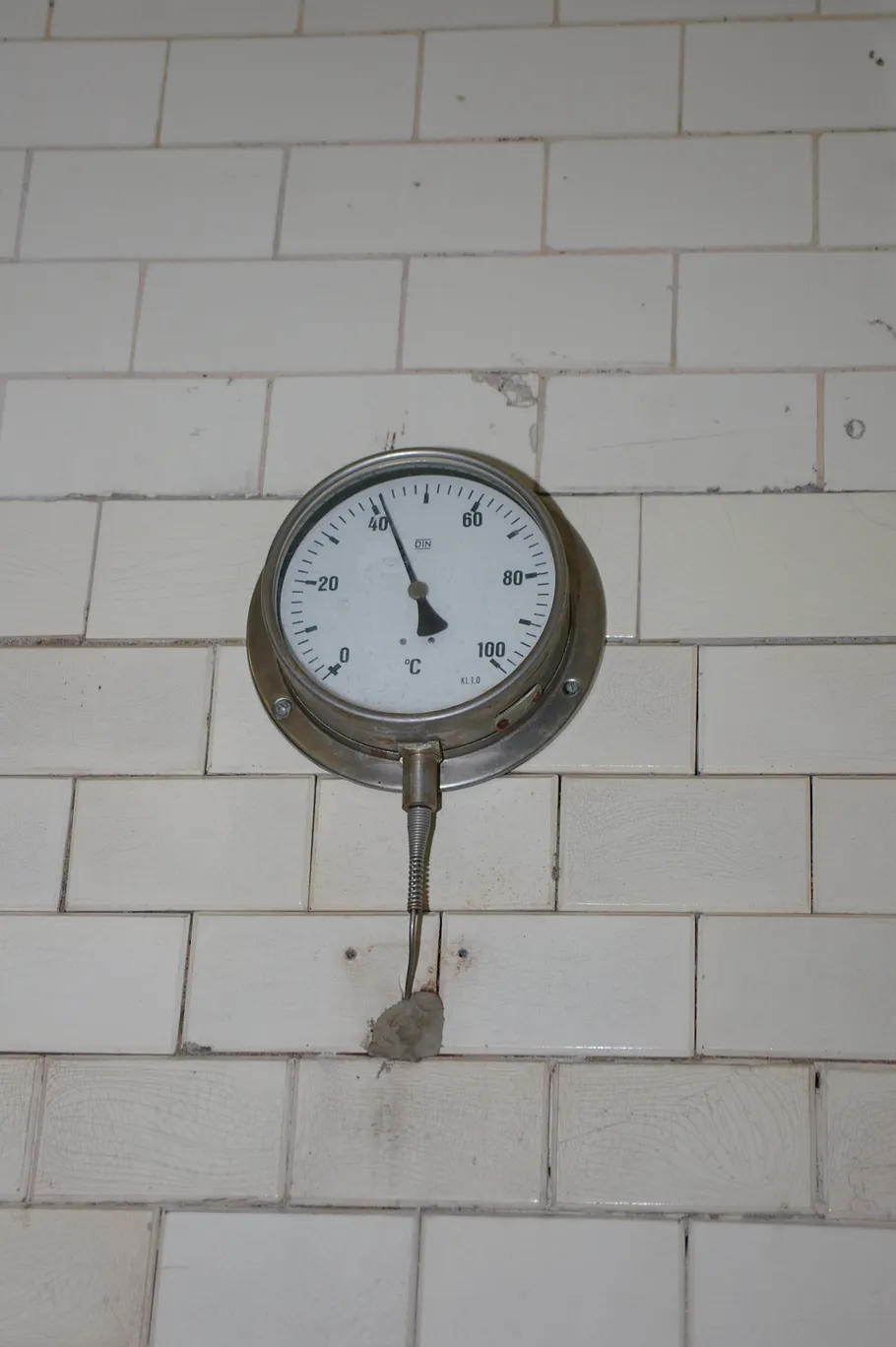
1. Check with a clinician first if you are pregnant, have a heart condition, take medication that affects blood pressure or heat tolerance, or have any condition that makes overheating dangerous — a sauna is not for everyone, and a clinician’s answer beats any article’s.
2. Start short: 10–15 minutes for a first session, and build up slowly over weeks — never chase a long session on day one.
3. Drink water before and after, and keep water nearby during the session — sweating without replacing fluid is how a short session turns into dizziness.
4. Leave at once if you feel dizzy, nauseous, confused or unwell — sit down somewhere cool, drink water, and do not go back in the same day.
5. Never sauna alone if you have a health condition, and never fall asleep inside — set the timer and respect it, including the 60-minute caps on the tent and the ALEKO heater.
6. Keep children out unless a clinician has said otherwise, and never leave a child unsupervised in or near a hot sauna.
7. Keep towels, wood and anything flammable clear of the heater, respect the heater guard, and let the room cool before cleaning or covering it.
These notes are general information only, not medical advice — if heat, sweating or a sauna session worries you, or if you have a health condition, talk to a clinician before using one.
Frequently Asked Questions
Infrared or traditional — which one heats up faster?
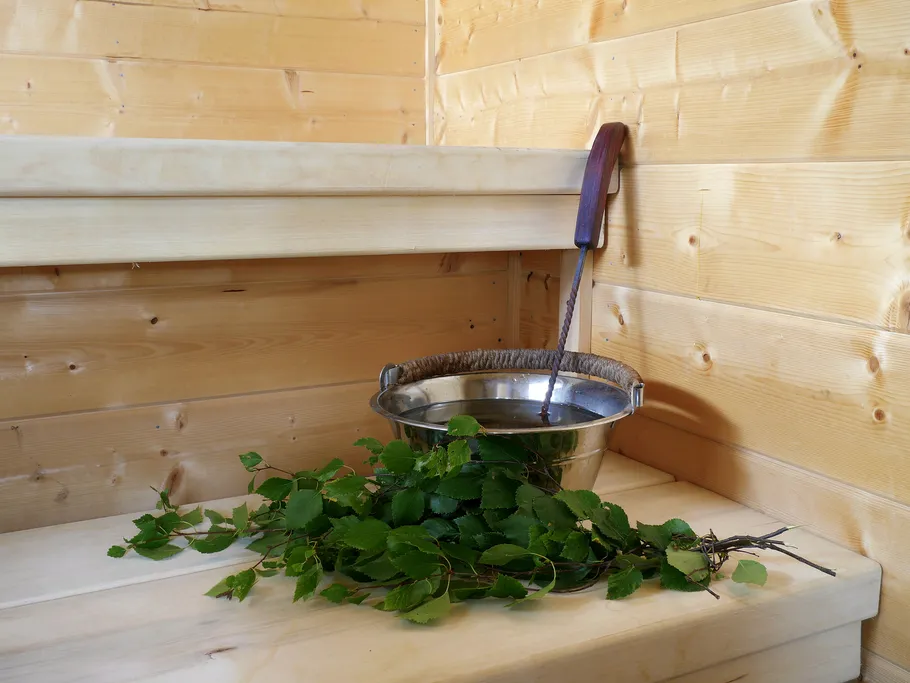
There is no single winner, because they heat different things. An infrared cabin warms your body directly through its panels and is typically ready at its lower air temperatures without heating a whole room of air. A traditional barrel heats the air and a load of stones, which takes longer — the Salem’s maker quotes 45–60 minutes to reach 175–185°F — but then holds a hotter room with steam on demand. Judge by the heat you want, not by a warm-up race.
Do I need an electrician to install a home sauna?
For the 240V barrels, yes — the Salem and the ALEKO need a dedicated circuit installed by an electrician, and that work belongs in your budget before ordering. For the 120V cabins, usually not — the Barcelona, Joyous and SereneLife plug into a standard outlet — but the Chaumont’s dedicated 20A non-GFCI receptacle still deserves an electrician’s check, because a standard GFCI outlet is not its specified supply.
Can a sauna go in a garage?
Yes, if the garage gives it a level floor, enough ceiling height (73–75 in for the cabins here, 75⅜ in for the Salem), ventilation for humidity, and the right circuit. A garage that is damp, unventilated or too low fails on one of those four before the sauna itself matters — check all four, in that order, before ordering.
How long should a sauna session last?
Start at 10–15 minutes and build up slowly; most regular users settle somewhere in the 15–30 minute range, and the tent and the ALEKO heater both cap sessions at 60 minutes by timer. The honest rule is your body, not the clock: leave the moment you feel dizzy or unwell, cool down, and drink water. This is general information, not medical guidance — see the Safety section above.
What is the difference between a sauna and a sauna blanket?
A sauna is a room you sit inside — a cabin, a barrel or a tent — with space around you and heat in the air. A blanket is a wrap you lie in that heats your body directly, with your head outside it. They share the word “sauna” and little else: the cabin is a room and a ritual, the blanket is a portable wrap, and this guide covers rooms.
What pairs with a sauna after training?
Cool down first, rehydrate, and then work on the tight spots — that is where a massage gun earns its place in the same session, and our best massage guns covers the ones worth pairing with a post-training sauna. Keep the order: train, sauna short, cool down and drink, then massage — not the other way round.
Our Pick: Start Here
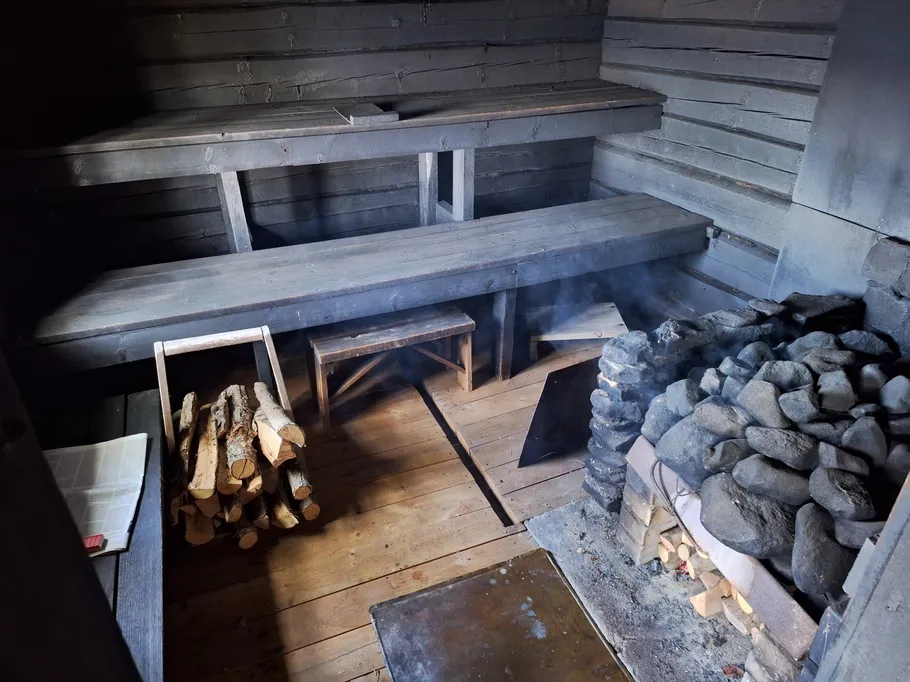
Start with the Dynamic Barcelona if space is tight and you have a standard outlet — and keep the JNH Joyous 2-Person as the alternate if two people will share it. If you want traditional steam heat outdoors, the Almost Heaven Salem is the compact barrel route, while the ALEKO SB6CEDBLK is the group-sized barrel. If you have no spare room at all, the SereneLife Portable folds the whole idea into a closet. Whichever you pick, confirm the circuit first, measure the doorway second, and start with short sessions.
As an Amazon Associate, we earn from qualifying purchases made through links on this page, at no extra cost to you.
Specifications come from maker pages and listing records at the time of writing and can change without notice — the heater sizes, temperatures, weights and dimensions above are the settled records we found, with conflicts stated in the text, not smoothed over. Always confirm the current listing before ordering.