

Why Wrist Weights Belong in a Home Gym

Wrist weights are straps or bangles worn around the wrists that add a small load to movements you already do — walking, aerobics, Pilates and boxing drills — without anything to hold. 🚶♀️
That hands-free point is the whole appeal: a dumbbell needs grip, a wrist weight just rides along while the arms swing. The load stays light by design, so think of these as walking and class weights, not as a replacement for strength training.
One honest distinction first. Many wrist weights are sold as wrist-and-ankle sets, and our ankle weights guide covers the ankle-worn side of that world. This guide judges every pick on WRIST use, and it flags the fit caveat plainly: a strap sized for an ankle can run long on a wrist, so a dual-use strap still needs a wrist measurement before ordering.
The previous guide in this series, our under-desk bikes guide, covers seated movement for desk hours. Wrist weights are the outdoor counterpart — the cheapest, simplest way to make an ordinary walk a little harder, with no machine, no plug and nothing to store.
How We Picked

Six picks made this guide, drawn from maker manuals, listings and review roundups, and every conflict found between those records is stated in the pick section rather than averaged into a tidy number. No price is claimed anywhere, because listings and variants move too fast for a printed figure to stay honest.
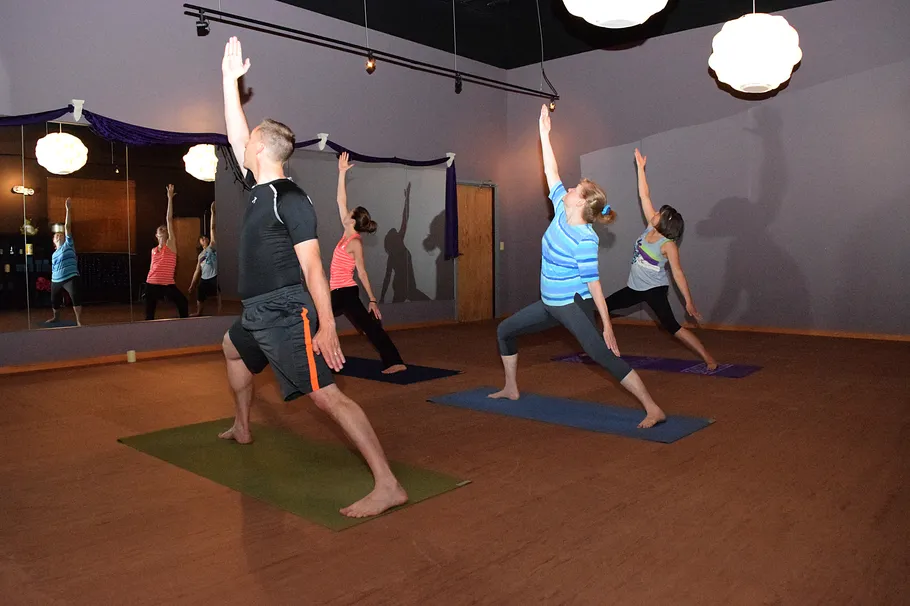
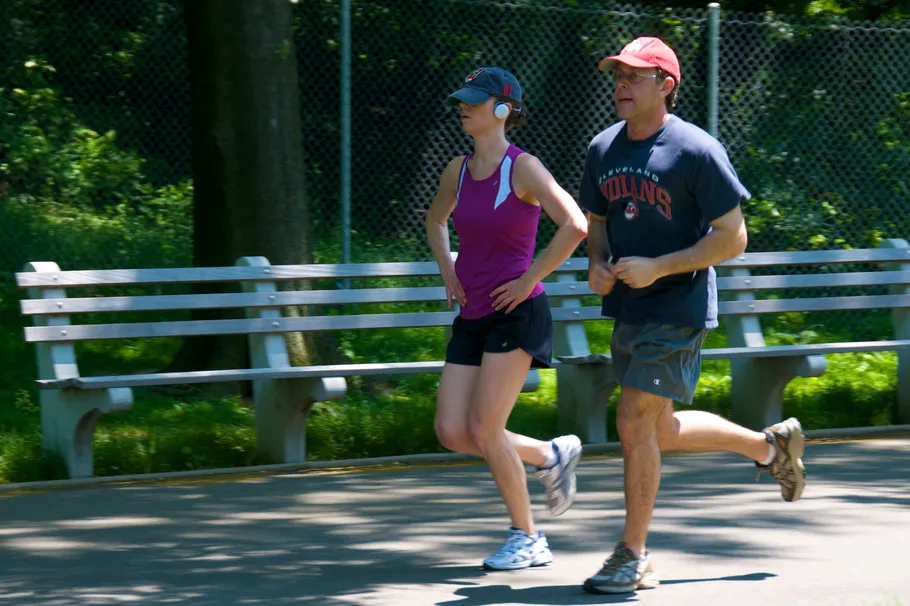
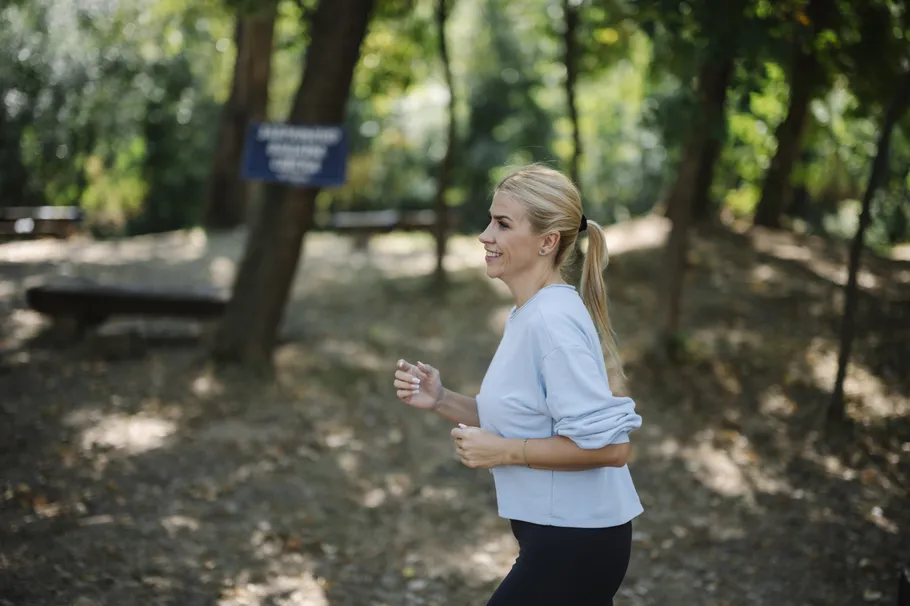
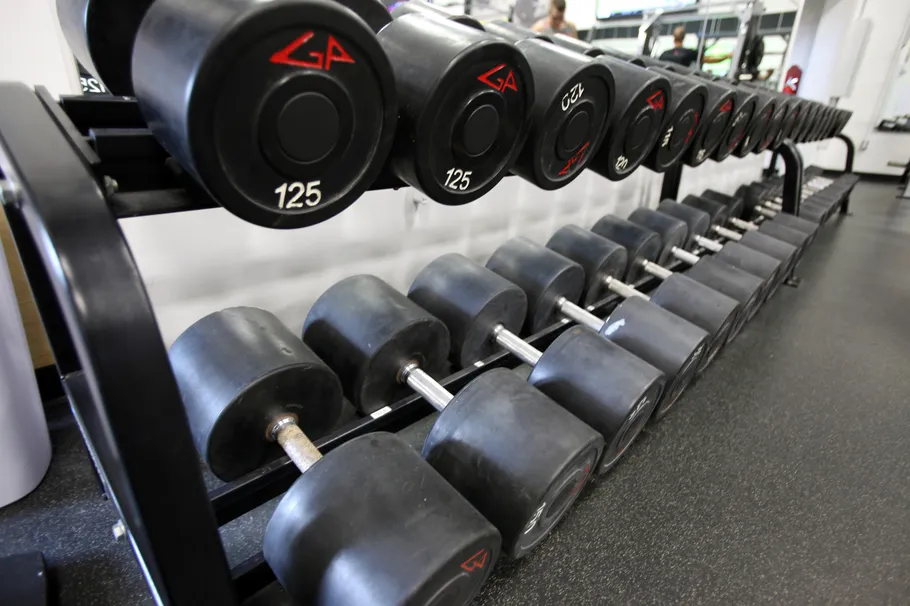
Photo honesty: no genuine free-license photo of any named pick in this guide exists — the product shots of Bala, Sportneer, Henkelion, APEXUP and TheraBand weights are seller photos, and seller photos are never used here. Every figure in this guide is therefore an honest generic scene — walking, jogging, yoga, aerobics, gym racks, physio and trail walking — captioned as the scene it actually shows, never presented as the named product.
- Weight honesty — per-weight figures, not pair totals dressed up as singles
- Fit honesty — stated wrist ranges, disputed ranges and missing ranges all flagged
- Adjustment — fixed bangles versus removable bags and modules
- Material — steel-core silicone, neoprene with iron sand, and terrycloth comfort
- Wrist-use suitability — bulk, slip and ankle-first sizing called out
- Listing clarity — model codes and variant traps stated before ordering
Also considered: ZELUS modular straps were left out because their bag-weight records conflict irreconcilably — one listing record reads five removable 0.4 lb sandbags per strap while another reads five 1 lb bags — and the set duplicates the modular picks below. CAP Barbell’s 20 lb adjustable set is ankle-first and far heavier than any sensible wrist load. Bala Bars (3 lb) and the Bala Power Ring (10 lb) are hand-held, not wrist-worn, so they belong to a different category entirely. If loaded walking itself is the goal rather than wrist load, our weight vests guide covers the heavier, torso-worn route.
Comparison

| Pick | Best for | Weight (per weight) | Adjustment | Fit |
|---|---|---|---|---|
| Bala Bangles (1 lb) | Walking, Pilates, aerobics | 1 lb each, fixed | Fit only — weight fixed | 5.5–11 in (stated) |
| Sportneer Adjustable (neoprene) | Progressing walkers | 0.5–5 lb each, by option | Removable iron-sand bags | Disputed (see section) |
| Henkelion Adjustable | Heaviest wrist loads | 2–10 lb each, by option | 5 separable bags | Not stated |
| Sportneer Silicone Bangles | Everyday, watch-style fit | 1 or 2 lb each, fixed | Removable sections for fit | Disputed (see section) |
| APEXUP Adjustable | Budget modular set | 1–5 lb each | Five 1 lb modules | Not stated |
| TheraBand Comfort Fit | Gentle and rehab use | 1–2.5 lb each, by option | Fixed per option | Strap adjusts (range not stated) |
Read the Weight column with care, because it mixes three different kinds of figure, not one like-for-like scale. Fixed bangles state one load per weight — Bala at 1 lb each and Sportneer silicone at 1 or 2 lb each — while the modular straps state adjustable ranges per weight, and the option ladders (Sportneer neoprene, Henkelion, TheraBand) state different loads for different bought options. Pair totals are double the per-weight figure in every case, so a “10 lb pair” is 5 lb on each wrist, and the pick sections carry the full per-option records.
Read the Fit column the same way: two rows read Disputed, because the records conflict — Sportneer neoprene’s manual gives 5.5–12.2 in for its smallest option while roundups give a 7.5–12.5 in ankle fit, and Sportneer silicone’s listing gives 5.91–8.66 in while a roundup gives 5.8–13 in — and two rows read Not stated, because no circumference range was found in the records checked for Henkelion or APEXUP. Scoped superlatives: the lightest per-weight load is a tie at 1 lb each between Bala and Sportneer silicone; the heaviest per-weight option is Henkelion at 10 lb each; the most adjustment modules are a tie at five bags between Sportneer neoprene and APEXUP; the lowest top end is TheraBand at 2.5 lb each; Bala and Sportneer silicone are the only steel-core bangles here; and TheraBand is the only terrycloth-lined rehab pick.
Bala Bangles (1 lb)
Bala Bangles are the benchmark wearable bangle in this guide: a recycled stainless steel core wrapped in baby-soft silicone, closed with athletic elastic and a hook-and-loop fastener, sold with a travel pouch. The 1 lb size weighs 16 oz as a set and measures 13×3×½ in per bangle, with 2 lb and 3 lb sizes per bangle in the same line.
The stated fit range is 5.5–11 in around the wrist or ankle, which is the widest stated range in this guide. That matters, because a bangle that cannot close snugly slides toward the hand mid-walk and stops being a wrist weight at all.
✅ Pros
- Benchmark bangle design — steel core, silicone wrap, no grip needed
- Widest stated fit range here at 5.5–11 in
- Travel pouch included in the box
⚠️ Cons
- Load fixed per bangle — only the fit adjusts, not the weight
- Material record conflict: one secondary guide says recycled ocean-bound plastic, maker and listing records say stainless steel wrapped in silicone
- Fit record conflict: one guide gives roughly 6–9 in against the stated 5.5–11 in
Listing check: no confident listing code was verified for this bangle, so the link above is a tagged search — confirm the 1 lb per-bangle size, the steel core and the 5.5–11 in fit range before ordering.
Best for: walking, Pilates and aerobics with a fixed light load that never needs holding.
May not fit: buyers who want to add weight later without buying a new pair, since the load cannot grow.
Sportneer Adjustable Ankle & Wrist Weights (Neoprene)
Sportneer’s neoprene strap is the most documented adjustable pick here, with a maker manual (model Y22-82001-36) that tables three pair options. The 2 lb pair adjusts 0.5–2 lb each with 0.37 lb sandbags at 4×11.8 in; the 3.5 lb pair adjusts 1–3.5 lb each with 0.66 lb bags at 4.7×13.4 in; and the 5 lb pair adjusts 1–5 lb each with 0.96 lb bags at 5.1×14 in. Each weight carries one fixed bag plus four removable ones, closed with a D-ring.
The manual is unusually precise, which makes the conflicts around it easier to see. Roundups state the range generically as 1–5 lb each, and one review site states 1–4 lb — both blur the per-option ladder the manual actually gives. Fit is the same story: the manual’s smallest option fits 5.5–12.2 in, while roundups quote a 7.5–12.5 in ankle fit, so wrist fit must be checked against the manual’s figures, not the roundup’s.
✅ Pros
- True progression — removable iron-sand bags from 0.5 lb each upward
- Three pair options with a detailed maker manual behind them
- Neoprene strap with a D-ring for a snug close
⚠️ Cons
- Pair-versus-each confusion across listings and roundups — one review site reads 1–4 lb against the manual’s per-option ladder
- Fit conflict: manual 5.5–12.2 in for the smallest option versus roundup ankle fit at 7.5–12.5 in
- Ankle-first sizing may run long on small wrists, and roundups note bulk on wrists
Listing check: no confident listing code was verified for this strap, so the link above is a tagged search — confirm the Y22-82001-36 model, the pair option and the per-weight bag count before ordering.
Best for: walkers who want to progress from half a pound toward 5 lb per wrist in small steps.
May not fit: small wrists unless the strap length is checked first, and buyers who want a fixed bangle rather than bags to manage.
Henkelion Adjustable Wrist/Ankle Weights
Henkelion’s adjustable strap is the heavyweight of this guide: five separable weight bags per strap, with options at 2, 3, 5, 8 and 10 lb each — pairs of 4, 6, 10, 16 and 20 lb — in premium neoprene with reinforced stitching and a hook-and-loop close.
That ladder needs a warning label of its own. Ten pounds on each wrist is far beyond a walking load, and the heavy options suit short training sets, not long walks. One roundup also states an adjustable 1.5–3 lb per ankle, which conflicts with the maker’s own 2–10 lb option ladder and is not followed here. No fit range was stated in the records checked, and the 4 lb set showed “Currently Unavailable” on one listing record, so availability and fit both need a live listing check.
✅ Pros
- Heaviest per-weight option here at 10 lb each
- Five separable bags per strap for stepped loading
- Wide option ladder from 2 lb to 10 lb each
⚠️ Cons
- Roundup conflict: one guide reads adjustable 1.5–3 lb per ankle against the maker’s 2–10 lb options
- No fit range stated in the records checked — wrist fit cannot be verified from the listing alone
- 4 lb set showed Currently Unavailable on one listing record; heavy options exceed sensible walking loads
Listing check: no confident listing code was verified for this strap, so the link above is a tagged search — confirm the per-weight option, the five-bag count and current availability before ordering.
Best for: stronger users who want heavy wrist loads for short training sets.
May not fit: beginners, small wrists, and anyone who wants a stated fit range before buying.
Sportneer Silicone Bangles

Sportneer’s silicone bangle is the wrist-first pick in this guide: a steel core wrapped in silicone on a high-elastic woven band with a hook-and-loop close, in an Apple Watch-style strap design, with removable sections that slim the fit for smaller wrists. Options are 1 lb × 2 and 2 lb × 2 per set.
Wrist-first matters because most straps here are ankle-first designs adapted to wrists. A bangle shaped for the wrist, with sections that come out for fit, avoids the long-strap problem entirely — but the load is fixed per bangle, so progression means buying the 2 lb set, not adding a bag.
✅ Pros
- Wrist-first design — not an ankle strap adapted to wrists
- Steel core wrapped in silicone, wipe-clean and watch-style
- Removable sections slim the fit for smaller wrists
⚠️ Cons
- Fit conflict: one listing record gives 5.91–8.66 in against a roundup’s 5.8–13 in
- Load fixed per bangle — sections adjust fit, not weight
- 2 lb option described on one record as ankle weights doubling as wrist weights, against the wrist-first design
Listing check: no confident listing code was verified for this bangle, so the link above is a tagged search — confirm the 1 lb or 2 lb per-bangle size and the wrist fit range before ordering.
Best for: everyday walking with a watch-style bangle that stays put without bags.
May not fit: buyers who want adjustable load, and wrists outside the disputed fit range without measuring first.
APEXUP Adjustable Ankle & Wrist Weights
APEXUP’s adjustable set (model APEXUP-003) is the budget modular pick: a 10 lb per pair set with five removable 1 lb modules per weight, so each weight adjusts 1–5 lb and the pair adjusts 2–10 lb, in a neoprene sleeve with iron sand, a hook-and-loop close and a D-ring. The wider line lists 5, 10, 15, 20, 25 and 30 lb sets, so the set size must be confirmed on the listing.
One lb steps are the finest adjustment in this guide, tied with Sportneer neoprene’s bag system — but the records checked state no fit or circumference range, and a roundup buyer note says the straps “feel a bit bulky when used on the wrists.” The 10 lb figure is also a trap for skimmers: it is the maximum pair total, not the fixed weight, and the set arrives adjustable from 2 lb per pair upward.
✅ Pros
- Five 1 lb modules per weight — the finest steps here, tied with Sportneer neoprene
- Clear 1–5 lb each range with a D-ring close
- Budget modular set with a stated model code
⚠️ Cons
- No fit or circumference range stated in the records checked
- Roundup buyer note: straps feel a bit bulky when used on the wrists
- Pair-total confusion: 10 lb is the maximum pair total, not the fixed weight, and wider line sizes may confuse listings
Listing check: no confident listing code was verified for this set, so the link above is a tagged search — confirm the APEXUP-003 model, the 10 lb pair size and the five-module count before ordering.
Best for: budget buyers who want 1 lb steps without paying bangle prices.
May not fit: small wrists, given the bulk note and the missing fit range, and buyers who want a bangle rather than modules.
TheraBand Comfort Fit Ankle & Wrist Weight Sets
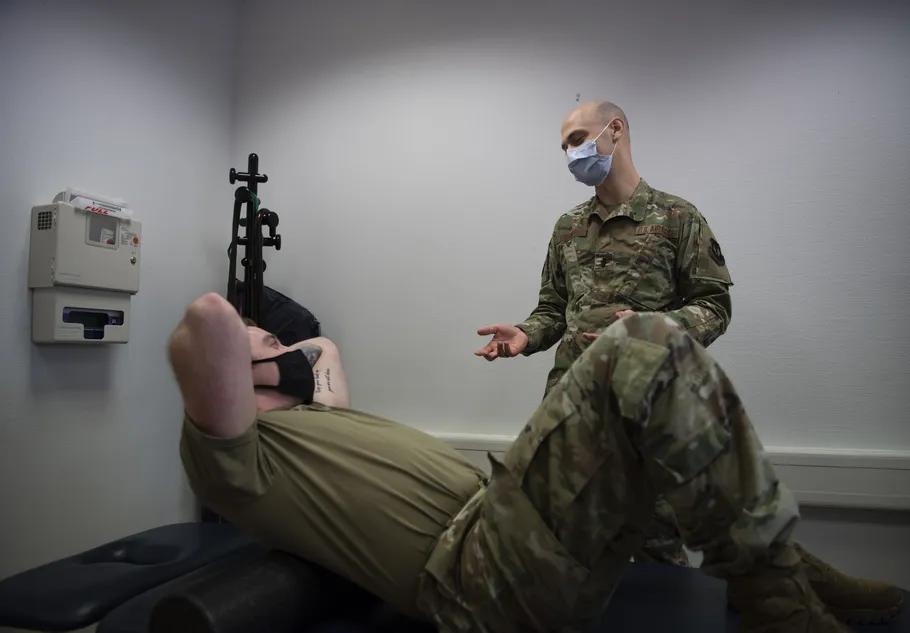
TheraBand’s Comfort Fit set is the rehab-leaning pick: a neoprene exterior, a soft terrycloth interior, an adjustable strap and reflective trim, positioned for fitness and therapy use. Pair options run 0.45 kg (1 lb) Red, 0.7 kg (1.5 lb) Green and 1.15 kg (2.5 lb) Blue by catalog records.
Two catalog quirks need stating. One catalog scan reads the Red pair as “0.45 kg (0.1 lb)” — an obvious misprint, and this guide uses 1 lb. And an older catalog line reads Red as a 2-lb pair (1 lb each), which conflicts with the current catalog’s pair reading — so confirm the per-weight load on the listing rather than trusting either catalog line alone. Note also that TheraBand Soft Weights are hand-held balls, a different product entirely, and are not merged into this pick.
✅ Pros
- Gentlest ladder here — 1 lb to 2.5 lb each for careful starts
- Soft terrycloth interior against the skin, not bare neoprene
- Reflective trim for low-light walks, colour-coded options
⚠️ Cons
- Lowest top end here at 2.5 lb each — no progression beyond it
- Catalog pair-versus-each conflict: older line reads Red as a 2-lb pair (1 lb each) against the current catalog reading
- Catalog misprint reads Red as 0.1 lb — confirm the per-weight load on the listing
Listing check: no confident listing code was verified for this set, so the link above is a tagged search — confirm the colour option, the per-weight load and the strap adjustment before ordering.
Best for: gentle, rehab-style use and beginners who want the softest start in this guide.
May not fit: anyone who wants more than 2.5 lb per wrist, and progression buyers who will outgrow the ladder.
How to Choose
Four checks decide a wrist weight: the load, the fit, the material and the session it will actually serve. Get those four right and the brand almost chooses itself. 🏋️
Choose Your Weight
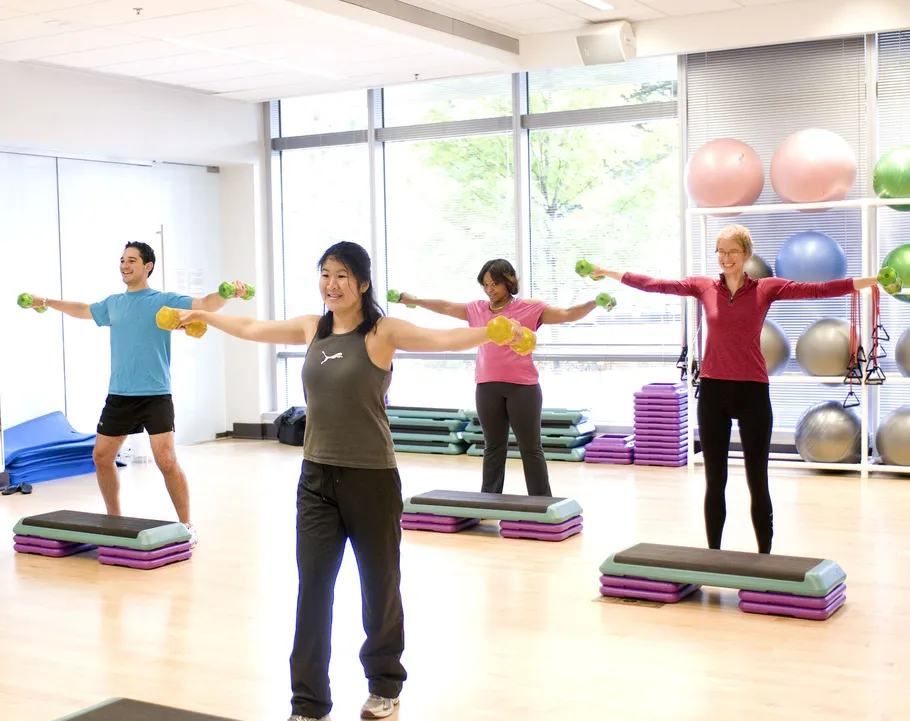
Start at 1 lb per wrist, whatever your fitness level, and add weight only when ordinary walks feel unchanged. Wrist weights are not the place for ambition: the wrists, elbows and shoulders carry every gram through thousands of swings per walk.
Keep expectations modest, too. A 2017 study in the Journal of Exercise Rehabilitation found that walking with 1.36 kg of handheld weights raised effort without substantially raising energy burn beyond ordinary walking — and handheld weights are not wrist straps, so the numbers do not transfer directly. The honest takeaway is simpler: light wrist loads make a walk feel harder; they do not turn it into heavy training.
Fixed bangles suit buyers who know their load; modular straps suit buyers who want to grow. If the load is still undecided, a modular set with 1 lb steps is the safer first buy than a fixed bangle at the wrong weight.
Choose Your Fit

Measure around the wrist bone with a tape, then compare against the stated range — not against the ankle range, and not against a roundup’s generic figure. A snug close with no sliding toward the hand is the pass mark; a weight that migrates mid-walk pulls on the wrist with every swing.
Dual-use straps deserve an extra check: ankle-sized straps can run long on wrists, and the two picks here with no stated range — Henkelion and APEXUP — cannot be verified for fit from their records at all. When the range is missing or disputed, measure twice and buy from a listing with a clear return route.
One boundary worth keeping: if the wrist itself needs support rather than load — an aching or previously injured wrist — that is a different product, and our wrist wraps guide covers support wraps for training. Load and support solve different problems, and a weight will not fix a wrist that needs holding still.
Choose Your Material
Silicone-wrapped steel (Bala, Sportneer silicone) wipes clean after sweaty walks and suits daily use, but the load is fixed. Neoprene with iron-sand bags (Sportneer neoprene, Henkelion, APEXUP) gives adjustment at the cost of sweat management — rinse or wipe the straps, dry them fully, and check the stitching where bags load the seams.
Terrycloth-lined TheraBand suits sensitive skin and therapy-style sessions, but it absorbs sweat and needs washing more often. Whichever material you pick, check the hook-and-loop close before every walk: a tired fastener is the most common reason a weight starts sliding.
Choose Your Use
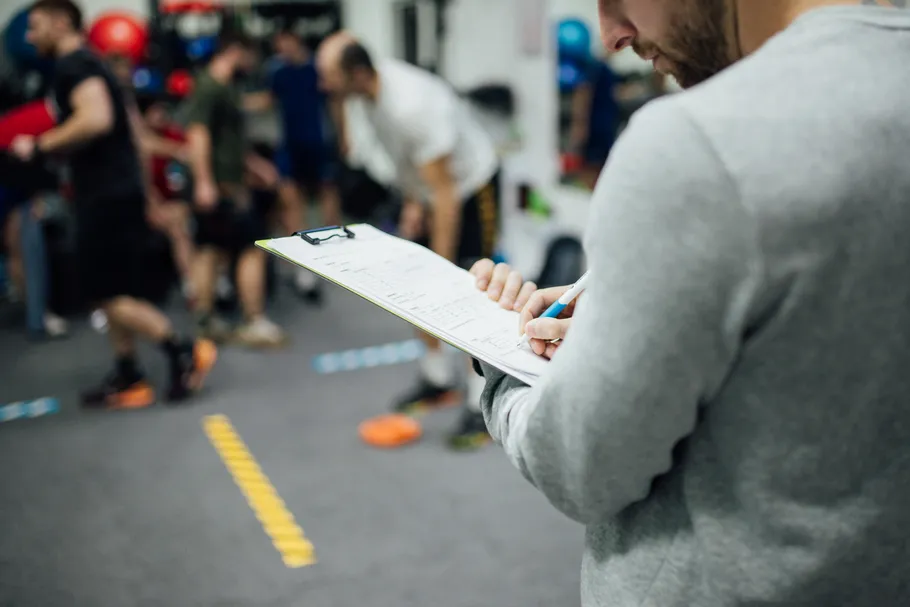
Walking suits all six picks, and it is where wrist weights earn their keep — steady swings, light load, long sessions. Pilates and aerobics suit the bangles best, because nothing dangles or shifts during floor work and arm sequences.
Boxing drills are the edge case: light bangles or snug straps only, with the fastener checked before every round, and no hard punching with a weight that moves. Heavy straps on fast punches load the wrist joint exactly where it is weakest, so keep drill loads at the bottom of the range.
Rehab-style and gentle sessions suit TheraBand alone in this guide, and even there the rule is the same: the lightest option, short sessions, and a stop the moment anything hurts. A weight that causes pain is not training — it is a warning.
Safety
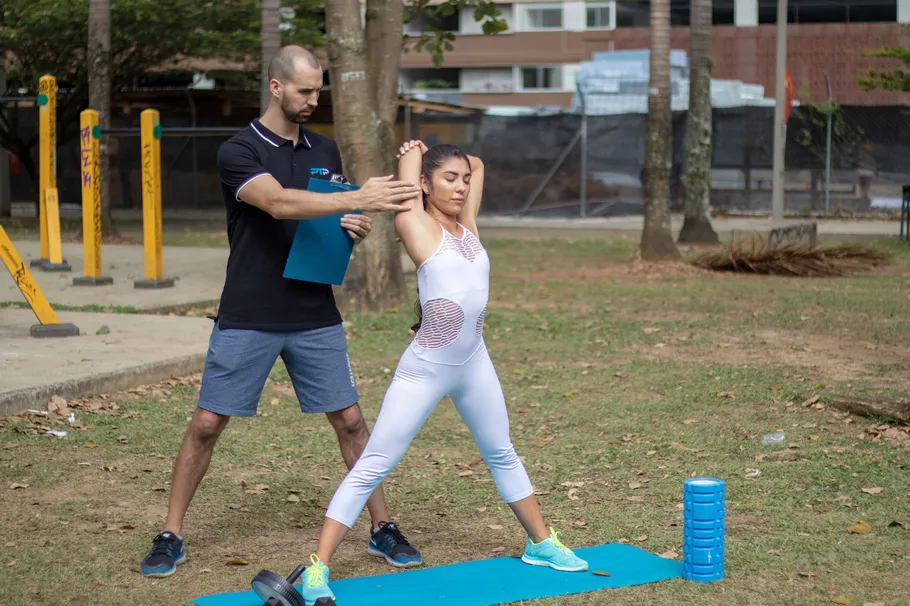
Wrist weights look harmless and still load small joints rep by rep, so treat the first sessions with care. A gentle warm-up helps here too — our resistance bands guide covers light bands for arm circles and shoulder warm-ups before a weighted walk, which loosen the shoulders without adding wrist load.
1. Start at 1 lb per wrist for short walks — ten easy minutes beats an hour at a load the wrists were not ready for.
2. Measure the wrist before ordering and re-check the close before every walk — a sliding weight strains the wrist with every swing.
3. Stop for wrist, elbow or shoulder pain, numbness, tingling or swelling that was not there before — light loads should feel light, and pain is the signal to stop, not to push through.
4. Keep the arms swinging naturally — do not lock the elbows, snap the wrists or punch hard while weighted, especially with heavy straps.
5. Do not run, jump or do fast drills with heavy wrist loads until easy walking feels effortless — impact multiplies the load on small joints.
6. Check the straps mid-walk and retighten if a weight slips toward the hand — a migrating weight changes the lever on the wrist without warning.
7. Wash or wipe the straps after sweaty sessions and check stitching and hook-and-loop before each use, so a tired fastener never fails mid-walk.
Safety note: this guide is general information, not medical advice. If you have a wrist injury, carpal tunnel symptoms, arthritis or any condition affecting the hands, wrists or shoulders, speak to a clinician or physiotherapist before using wrist weights.
Frequently Asked Questions

Are wrist weights the same as ankle weights?
Many straps are sold as both, but fit and bulk differ: ankle straps can run long on wrists, and ankle-first bulk feels different on a swinging arm than on a leg. This guide judges every pick on wrist use, and the ankle-worn side has its own guide.
How heavy should wrist weights be for walking?
Start at 1 lb per wrist, whatever your fitness level. Add weight only when ordinary walks feel unchanged, and keep walking loads light — heavy wrist loads belong to short training sets, not long walks.
Can I wear wrist weights all day?
No — wear them for sessions, not all day. Hours of constant wrist load irritate tendons and joints without adding training value, and a weight that slides during daily tasks pulls on the wrist unpredictably.
Do wrist weights build muscle?
Only modestly. Light wrist loads add effort to walking and classes and can tone the arms and shoulders over time, but they do not replace strength training — the loads are too small and the reps too light for serious muscle gain.
Can I use wrist weights for boxing drills?
Yes, but light and snug only: a fixed bangle or a well-fastened strap at the bottom of the range, checked before every round, with no hard punching on a weight that moves. Stop at once for wrist pain or numbness.
What pairs well with wrist weights?
Light warm-ups before the walk and gentle recovery after it. Our foam rollers guide covers rollers for post-walk shoulders, forearms and calves, which pair well with any weighted walking routine.
Our Pick: Start Here

Start with the Bala Bangles (1 lb) if walking, Pilates or aerobics with a fixed light load matters most, the Sportneer Adjustable Ankle & Wrist Weights (Neoprene) if progression from half a pound toward 5 lb matters most, the Henkelion Adjustable Wrist/Ankle Weights if the heaviest wrist loads for short sets matter most, the Sportneer Silicone Bangles if a wrist-first, watch-style bangle matters most, the APEXUP Adjustable Ankle & Wrist Weights if budget 1 lb steps matter most, and the TheraBand Comfort Fit Ankle & Wrist Weight Sets if gentle, rehab-style use matters most — then measure the wrist, confirm the model and per-weight load on the listing, and start at 1 lb per wrist.
As an Amazon Associate, this site earns from qualifying purchases made through links in this guide, at no extra cost to you. The Amazon links above are tagged search links, not direct product listings, because no confident listing code was verified for these weights — always confirm the exact model, per-weight load and fit range on the listing before ordering.
Specifications in this guide come from maker manuals, listings and review records that frequently disagree, and every disagreement found is stated in the pick sections rather than averaged away. Figures may change between listings and variants, so treat this guide as a comparison of published records, not as a substitute for the listing on the day of purchase.