

Why a Curved Treadmill Belongs in a Home Gym
A curved treadmill is a self-powered running machine: the belt is concave — low in the middle, raised at the front and back — and built from slats instead of one flat sheet. There is no motor setting the pace, so you set it yourself: step toward the front of the curve to speed up, drift back toward the middle to slow down, and stop by stepping back and letting the belt settle. That direct link between effort and speed is the whole point of the category.
A curved treadmill is not a motorized treadmill, and the two must not be confused. Our treadmills guide covers motorized machines with a set speed and incline, while this guide covers non-motorized, self-powered curves only. Nor is a curved treadmill a cardio rower: our rowing machines guide covers sliding-seat rowers for conditioning, while this guide covers running machines that stay in one place and load the legs rep by rep, stride by stride.
For a home gym, the appeal is the workout with no motor, no speed ceiling and no power draw for the belt itself. A curved treadmill suits runners who want sprint and interval work at home, walkers who want a harder walk than a flat belt gives, and lifters who want conditioning that does not need a plug socket for the belt. Our seated row machines guide covers the strength machine that pairs with a curved treadmill, since pulling strength and running conditioning balance each other — but for self-paced running indoors, nothing else in the guide series does quite what a curved treadmill does.
How We Picked
We scored each curved treadmill on the details that decide whether it actually gets used, not on brand name alone. A machine that does not fit through the door, needs ceiling height you do not have, or states a capacity no record agrees on is a bad buy at any finish, and a spec figure that no record agrees on is not a figure at all.
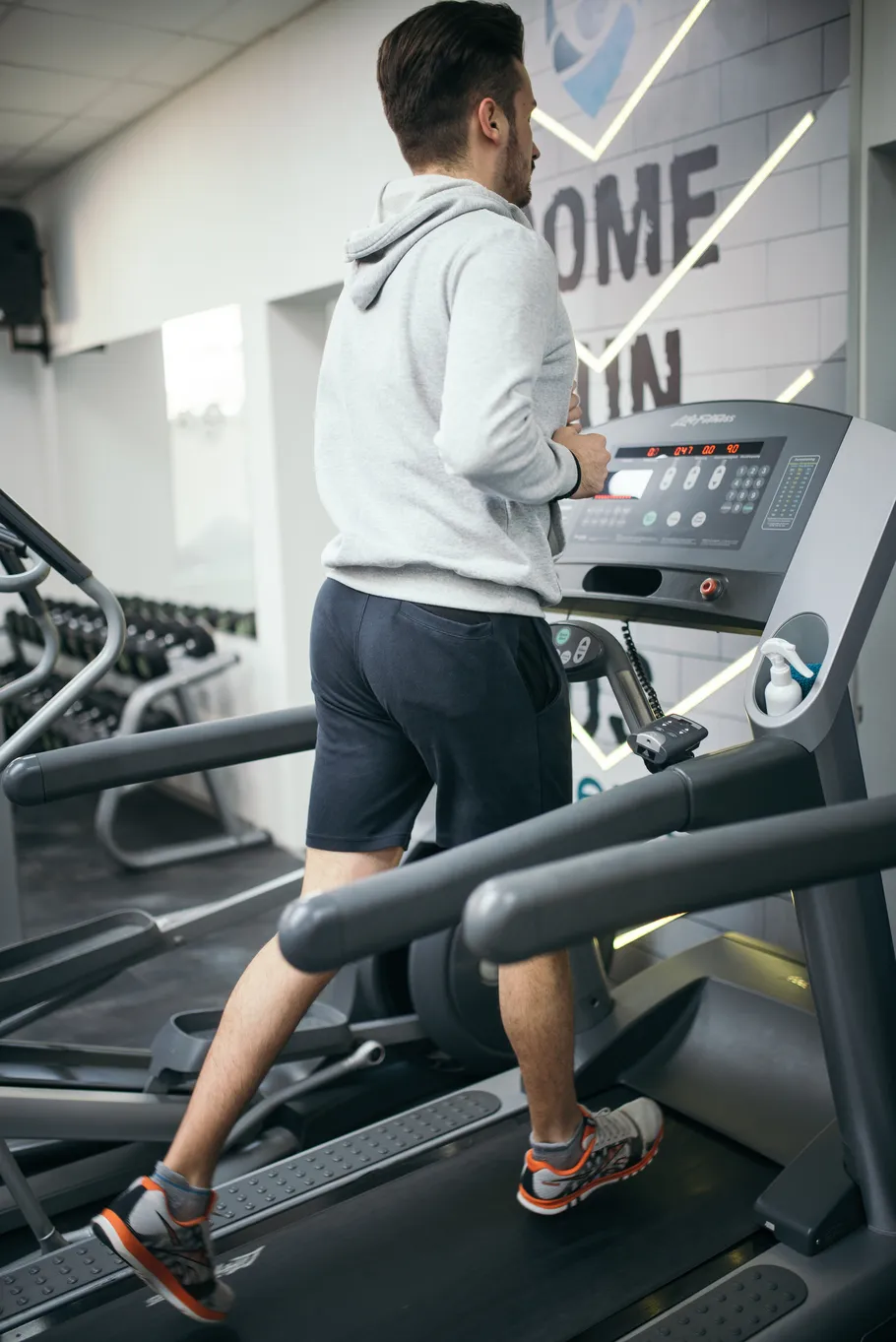
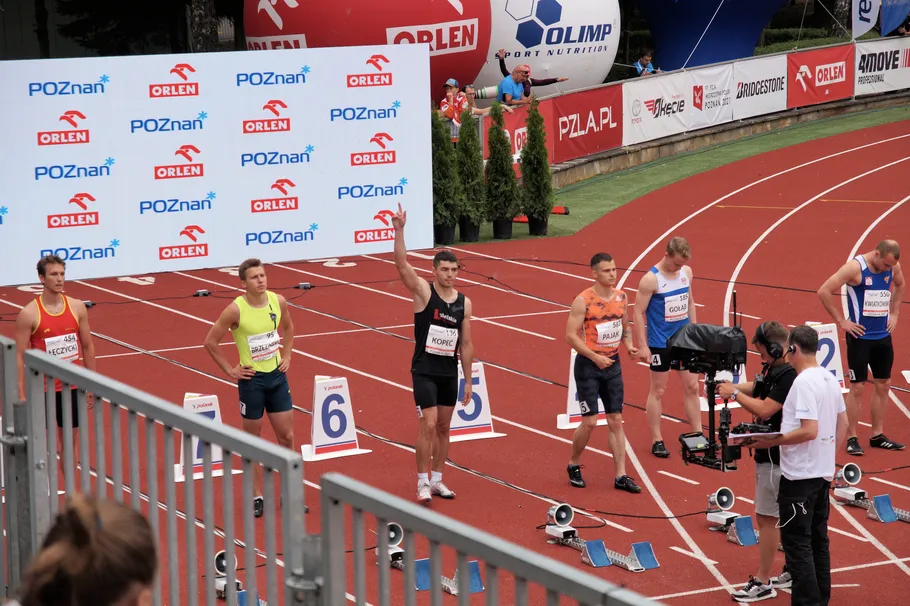
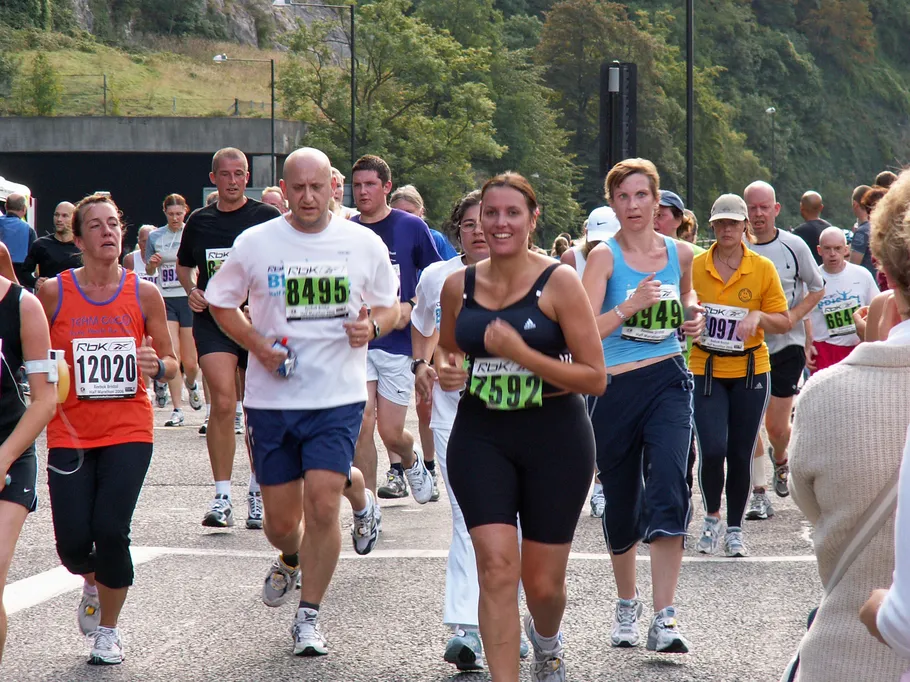
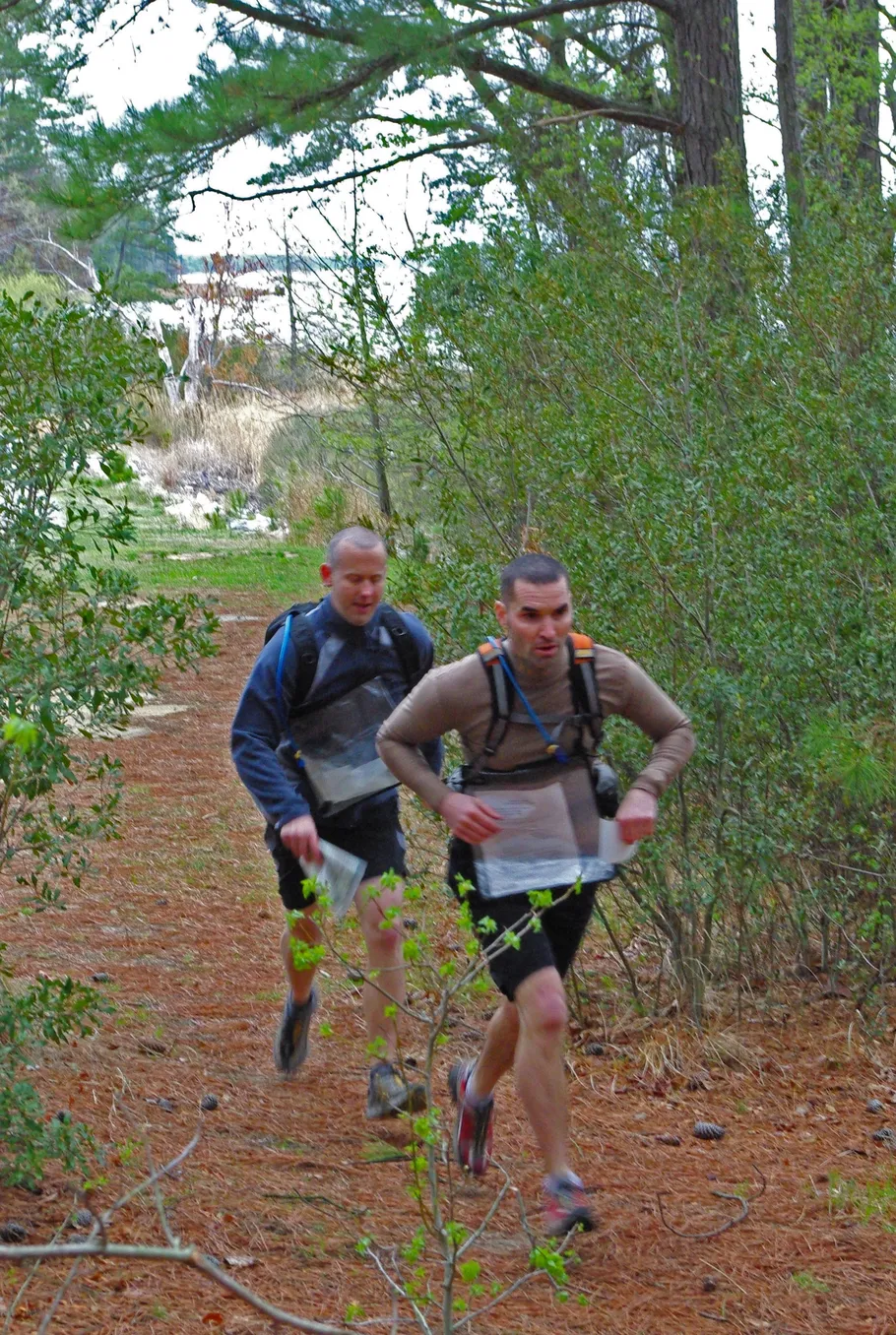
One limit applies to every photo in this guide: no free-license photo of any of the six named curved treadmills exists, so every figure is an honest generic scene — gym interiors, treadmills in use, runners on roads, tracks and trails — captioned as what it actually shows, never presented as a product shot. Two figures do show real treadmill running — the gym runner above and the treadmills in the featured row — but neither machine is one of the six named picks.
- Belt type and size — slat count, belt width and running length — and whether the figure is a running surface or a full deck length
- Resistance type — pure self-powered curve or added magnetic levels — and whether the level count is stated at all
- Footprint, height and step-up, with length and width stated as recorded, never blended into a single square figure
- Console and tracking — basic LCD, touchscreen, Bluetooth and app links — and whether the console needs power even though the belt does not
- Capacity honesty, with disputed and scope-mixed figures flagged rather than averaged
- Honest availability, with conflicting figures stated as conflicts, not resolved by guesswork
AssaultRunner Elite was considered and set aside as the same-brand step-up — same 17×62 in belt, 400 lb user figure, 10-year frame and lifetime belt warranty on a 2026 roundup record, but a premium price tier above the Pro rather than a separate value case. TrueForm Trainer was considered and set aside as the compact sibling — 64×31×63 in, 270–300 lb, 400 lb capacity, same shallow curve and Responsive Belt, but a smaller machine rather than a different idea. Woodway Curve was considered and set aside on thin home-availability records — a commercial machine with a 17×67 in slat belt and a 400 lb running figure, better suited to a gym floor than a home order. Technogym SkillMill was considered and set aside as a commercial club machine with thin home records. SB Fitness CT400 was considered and set aside as the smaller sibling — 73×30.5×61.6 in, 165 lb, 300 lb, 3 magnetic levels — and SB Fitness CT550 was considered and set aside the same way — 70×34×57 in, 181 lb, 350 lb, 8 magnetic levels — because the CT700 carries the longer belt of the family. Sunny SF-X7110 Smart Curved records were considered and set aside because the model-code records conflict with the X7100’s — a 59×17.7 in surface, 8 magnetic levels and 330 lb capacity appear under a Smart Curved label sometimes tied to X7110, and this guide will not merge those figures into the documented X7100 pick. Our gym flooring and treadmills guides cover the floor under the machine and the motorized cousin to a curved treadmill.
Comparison
| Machine | Best for | Resistance | Footprint | Standout |
|---|---|---|---|---|
| AssaultRunner Pro | Benchmark curved pick, no resistance levels | Self-powered, no resistance levels | 69.7×33.1 in (width disputed) | 17×62 in belt, Bluetooth + ANT+ |
| TrueForm Runner | Shallow curve, form-correcting belt | Self-powered, Responsive Belt | 64×36 in | 700 lb walk / 450 lb run (scope-split) |
| NOHrD Sprintbok | Wooden frame, touchscreen training | Self-powered, no resistance levels | 71×34 in (disputed) | 62 wooden slats, 17.3 in screen |
| Sunny Health & Fitness Premium Curve Treadmill (SF-X7100) | Highest settled user capacity, budget curve | Self-powered, levels not stated | 74×34.6 in (single record) | 375 lb user, sled-grip handlebar |
| SB Fitness CT700 | Magnetic resistance, longest belt | 8 magnetic levels | 78×34 in | 19×66.6 in belt, capacity disputed |
| Sole C80 Curved Manual Treadmill | Magnetic resistance, app-connected | 8 magnetic levels | Not stated | 19×62 in belt, lifetime frame warranty |
Read the Resistance column with care, because it mixes two different kinds of effort, not one like-for-like figure. The self-powered picks state no resistance levels at all — the effort comes from where the runner stands on the curve — while the magnetic picks add numbered drag levels on top of the curve, so an 8-level magnetic machine and a no-level curve machine cannot be ranked on the same scale. Read the Footprint column the same way: the figures are length × width as recorded, with one Not stated, two disputed rows and one single-record row, so the table alone does not rank size — read the pick sections for the full figures before measuring your room.
On footprint, the longest settled machine is the CT700 at 78 in, and the shortest settled length is the Runner at 64 in — the Sprintbok is excluded from the length ranking because its dimensions are disputed, and the C80 is excluded because no footprint is stated. On width, the narrowest machine is the Pro at 33.1 in on its maker record, against a 31.7 in dealer record — either figure still leaves the Pro narrowest, so the width ranking holds at the narrow end only. On belt width, the widest is a tie at 19 in between the CT700 and the C80, and the narrowest is a tie at 17 in between the Pro and the Runner. On belt length, the longest is the CT700 at 66.6 in, and the shortest stated running surface is the Runner at 54 in — note the distinction, because the Runner deck measures 64 in while its running surface measures 54 in, and the two figures describe different things. On user capacity, the highest settled figure is the Sunny at 375 lb, and the lowest settled is a tie at 350 lb between the Pro and the Sprintbok — the Runner is excluded because its capacity splits by use at 700 lb walking and 450 lb running against 500 lb and 750 lb records, the CT700 is excluded because its capacity reads 350 lb, 400 lb and 475 lb across records, and the C80 is excluded because its 330 lb figure conflicts with a 300 lb record. On unit weight, the heaviest settled machine is the CT700 at 308 lb, and no settled lightest winner is declared — the Sunny 280 lb figure rests on a single record, and the Pro 280 lb figure conflicts with a 289.2 lb record. On magnetic resistance, the most levels is a tie at 8 between the CT700 and the C80. On frame warranty, the longest stated term is the C80 at lifetime, against the CT700 at 10 years.
AssaultRunner Pro

The AssaultRunner Pro is the benchmark curved treadmill here, and the pick every other curve gets measured against. The belt is 17 in wide × 62 in long, built from 62 TPU slats, and the machine carries a 350 lb maximum user figure with Bluetooth and ANT+ connectivity — so the run data can reach a watch or an app without a cable, even though the belt itself needs no power at all.
The curve is the point. A steep curve rewards a forefoot strike and punishes a lazy shuffle, which is why coaches use this shape for sprint work: the runner drives from the front of the curve, and the belt answers at once. Suitable heights are stated at 150–194 cm, so very short and very tall runners should check their stride against the 62 in belt before ordering, because a stride longer than the belt has nowhere to go.
Three flags must be stated plainly. The footprint conflicts across records: the maker record reads 69.7×33.1×64 in, while dealer records read 69.9×31.7×64.4 in — so the table uses the maker width with the disputed flag, and the difference is small enough that either set still needs the same corner measured. The unit weight conflicts the same way, at 280 lb against 289.2 lb, so no settled weight is claimed. And the frame warranty conflicts across roundups, at 5 years in one table against a 7-year frame with 3-year moving parts in another 2026 roundup — so no settled warranty term is claimed either, and the listing must be checked before ordering.
✅ Pros
- Benchmark curve for sprint and interval work
- Bluetooth + ANT+ for watch and app data
- No motor, no speed ceiling, no belt power needed
⚠️ Cons
- Width disputed: 33.1 in vs 31.7 in
- Weight disputed: 280 lb vs 289.2 lb
- Frame warranty disputed: 5 years vs 7 years
Listing check: no confident listing code was found for this machine, so the link above is a tagged search — confirm the footprint, the unit weight, the 350 lb user figure and the frame warranty before ordering.
Best for: runners who want the benchmark sprint curve with connected data.
May not fit: buyers who want a settled spec sheet, or anyone who wants magnetic resistance levels.
TrueForm Runner
The TrueForm Runner is the form pick here, built around a shallow curve and Responsive Belt Technology: when running form breaks down, the belt slows, so a heel strike or a fading stride gets instant feedback instead of a free ride. The frame is 7-gauge steel, the belt runs on 106 sealed steel ball bearings, the machine is made in the USA, and the belt comes in rubber, turf or track options — so the surface can be matched to the training, not just the machine.
The shallow curve is the point. A steep curve forces the issue, while a shallow curve teaches it: the runner still drives the belt, but the correction is gentler, which suits runners rebuilding form after time off, or runners who want the curved feel without the steepest learning curve. The belt is 17 in wide, the deck measures 64 in long, and the running surface measures 54×17 in on the Rogue record — so the surface and the deck must not be confused, because the surface is what the feet actually meet.
Three flags must be stated plainly. The unit weight conflicts three ways across records — 340 lb, 350 lb on the Rogue listing, and 400 lb in one review — so no settled weight is claimed, and the pick is excluded from the weight ranking. The capacity conflicts by scope: 700 lb walking and 450 lb running on the BarBend and Treadmill Review Guru records, against 500 lb on older dealer records and 750 lb on Garage Gym Reviews — so no settled capacity is claimed either, and the pick is excluded from the capacity ranking. And the 54 in running surface against the 64 in deck length is a surface-versus-deck distinction, not a conflict, but it is stated here so the two figures are never swapped.
✅ Pros
- Responsive Belt slows when form breaks down
- Shallow curve — gentler learning curve than steep curves
- Rubber, turf or track belt options
⚠️ Cons
- Unit weight disputed: 340 lb vs 350 lb vs 400 lb
- Capacity scope-split: 700 lb walk / 450 lb run vs 500 lb vs 750 lb
- Shortest stated running surface here at 54 in
Listing check: no confident listing code was found for this machine, so the link above is a tagged search — confirm the footprint, the unit weight, the capacity scope and the belt option before ordering.
Best for: runners rebuilding form, or anyone who wants the curved feel with a gentler curve.
May not fit: buyers who want a settled weight and capacity figure, or anyone who wants magnetic levels.
NOHrD Sprintbok

The NOHrD Sprintbok is the design pick here: a solid wood frame carrying 62 movable wooden slats with a linoleum finish, a 17.3 in touchscreen, and a self-powered belt that needs no motor. The running bed measures 180×45 cm, the maker recommends a training area of 8 ft × 4.5 ft, and the maximum user figure is 160 kg (350 lb) — so the machine is built for a room that shows it off, not for a corner that hides it.
The wooden slats are the point. Most curved belts are rubber or TPU over steel, while the Sprintbok runs on wood — so the feel underfoot is firmer and quieter, and the frame reads as furniture rather than gym equipment. The touchscreen carries the training, and the maker guidance adds ceiling clearance of the runner height plus 20 in — so a tall runner in a low room must check the ceiling before the floor, because the machine itself stands 60 in high on the maker record.
Two flags must be stated plainly. The dimensions conflict across records: the maker record reads 180×86×153 cm (71×34×60 in), one dealer reads 175×86×160 cm, another reads 180×86×175 cm, and the manual reads 180×86×170 cm — so the table uses the maker set with the disputed flag, and the height ranking excludes this pick because its height reads anywhere from 60 in to 69 in. The unit weight conflicts the same way, at 160 kg on the maker and manual records against 120 kg on one dealer record — so no settled weight is claimed, and the pick is excluded from the weight ranking. No maximum user height restriction is stated, which is noted here rather than invented.
✅ Pros
- Solid wood frame with 62 wooden slats
- 17.3 in touchscreen for guided training
- No maximum user height restriction stated
⚠️ Cons
- Dimensions disputed four ways, height 60–69 in
- Weight disputed: 160 kg vs 120 kg
- Needs room to show off, plus ceiling clearance
Listing check: no confident listing code was found for this machine, so the link above is a tagged search — confirm the dimensions, the unit weight and the 160 kg user figure before ordering.
Best for: buyers who want a wooden, furniture-grade curved treadmill with a touchscreen.
May not fit: low ceilings, or anyone who wants a settled dimension and weight figure.
Sunny Health & Fitness Premium Curve Treadmill (SF-X7100)
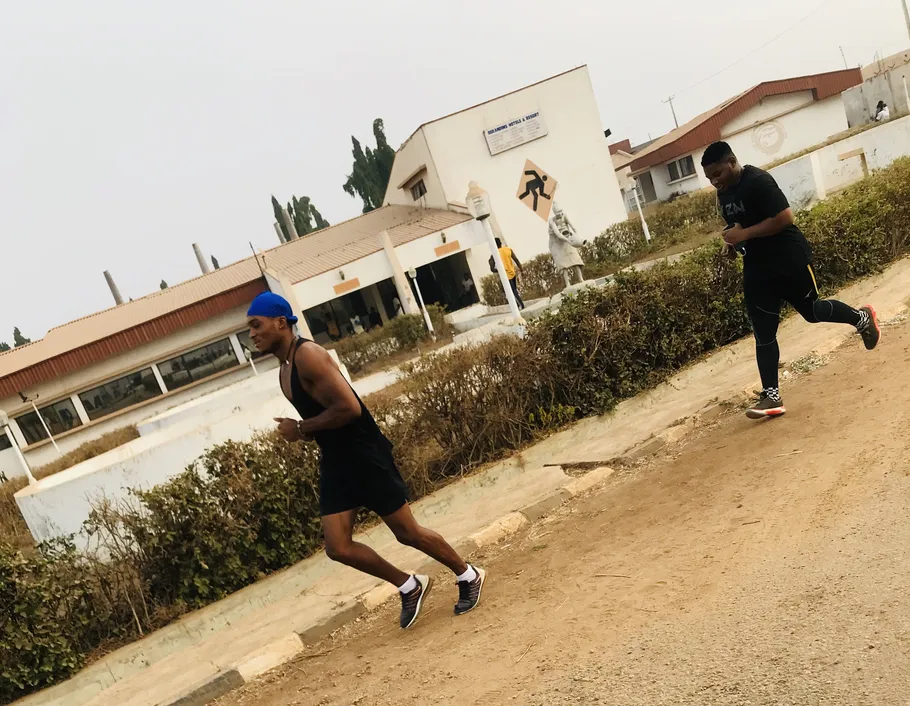
The Sunny Health & Fitness Premium Curve Treadmill, model SF-X7100, is the budget curved pick here and the highest settled user capacity in the guide at 375 lb. The user manual confirms the model code, the 375 lb maximum capacity and indoor household use only, and the machine carries an LCD monitor, a sled-grip handlebar, an aluminum-alloy-core belt running on 92 bearings with 14 steel idlers, and a 61×17.7 in belt on the retailer record — so the running surface is wider than the 17 in belts here, at a lower tier of build.
The sled grip is the point. The handlebar is shaped for a sled-style push, so the machine doubles as a push trainer for short, hard efforts as well as a running curve — a useful second use at this tier, where a single-purpose machine would be a narrower buy. The footprint reads 74×34.6×62.2 in and the weight reads 280 lb, but both figures rest on single dealer-style records, so they are flagged as single-record figures here rather than settled — measure the listing figures against your room before ordering, because this guide will not settle them for you.
One model-code warning must be stated plainly, and it decides this pick. Separately-listed Sunny Smart Curved records carry a different set of figures — a 59×17.7 in surface, 8 magnetic resistance levels, 330 lb capacity, Bluetooth and a SunnyFit app — and one roundup ties a similar entry to the code SF-X7200 while other records leave the code unclear. None of those figures is attributed to the SF-X7100 in this guide, because the X7100 manual and retailer records do not state magnetic levels, Bluetooth or a 330 lb figure — so the buyer must confirm the exact model code on the listing, and must not expect magnetic levels or app links from an X7100 unless the listing states them.
✅ Pros
- Highest settled user capacity here at 375 lb
- Sled-grip handlebar for push training as well as running
- 61×17.7 in belt — wider than the 17 in belts here
⚠️ Cons
- Footprint and weight rest on single records
- No magnetic levels stated — do not expect them
- Model-code confusion: confirm SF-X7100 on the listing
Listing check: no confident listing code was found for this machine, so the link above is a tagged search — confirm the SF-X7100 model code, the 74×34.6×62.2 in size, the 280 lb weight and the 375 lb capacity before ordering.
Best for: heavier runners on a budget who want a curve with a sled-push second use.
May not fit: buyers who want magnetic levels or app links, or anyone who will not check the model code.
SB Fitness CT700
The SB Fitness CT700 is the magnetic pick with the longest belt here: a 19 in wide × 66.6 in long running track built from 75 mm thick rubber slats on stainless steel bearings, with 8 high-tension magnetic resistance levels, a step-up height of 13.5 in, and a digital display tracking distance, speed, time, calories and total miles. The belt runs in one direction only, needs no electricity, and carries a recommended top speed of up to 18 mph — so the machine suits sprint work without a motor, and the 10-year frame warranty on the roundup records is the second-longest stated term here.
The magnetic levels are the point. On a pure curve, the only resistance control is foot position, while the CT700 adds numbered drag — so walking, sled-style pushes and easy sessions can be loaded without running faster, and two runners sharing the machine can return to the same level instead of guessing the feel. At 78×34×62 in and 308 lb, this is also the longest and heaviest settled machine here, so it needs a permanent corner and a delivery path that fits 308 lb through the door.
One flag must be stated plainly, and it is prominent. The user capacity conflicts three ways across records: 350 lb on the maker’s own buying-guide comparison table, 400 lb on the maker’s CT700 product page spec table, and 475 lb on the owner’s manual and dealer records — so no settled capacity is claimed, the pick is excluded from the capacity ranking, and the listing must be checked before ordering, because this guide will not average three maker figures into one.
✅ Pros
- 8 magnetic levels — drag without running faster
- Longest belt here at 19×66.6 in
- 10-year frame warranty on roundup records
⚠️ Cons
- Capacity disputed three ways: 350 lb vs 400 lb vs 475 lb
- Longest and heaviest settled machine — needs a permanent corner
- One-direction belt only, 13.5 in step-up
Listing check: no confident listing code was found for this machine, so the link above is a tagged search — confirm the 78×34×62 in size, the 308 lb weight, the 8 magnetic levels and the capacity before ordering.
Best for: runners who want magnetic drag levels and the longest belt here.
May not fit: small rooms, or buyers who want a settled capacity figure.
Sole C80 Curved Manual Treadmill
The Sole C80 Curved Manual Treadmill is the connected magnetic pick here: a 19×62 in self-powered slat belt with 8 magnetic resistance levels, a 330 lb capacity, a Bluetooth LCD console, SOLE+ app and Strava compatibility, a bidirectional belt, and a lifetime frame warranty on the SOLE blog and roundup records — the longest stated frame term in the guide. The belt runs both ways, so backward walking and reverse drills are possible where the one-direction belts here are not.
The app link is the point. Most curved consoles are basic, while the C80 pairs its Bluetooth console with the SOLE+ app and Strava — so a runner who already tracks sessions by app keeps one log instead of two, and the 8 magnetic levels give the same drag control as the CT700 at a different belt width and length. The 19 in belt width ties the CT700 for widest here, which suits runners who want lateral room on a curve.
Three flags must be stated plainly. Neither footprint nor unit weight is stated in the records checked, so the pick is excluded from both rankings — measure the listing figures against your room before ordering, because this guide cannot do it for you. The belt length conflicts slightly across records, at 62 in against 63 in in one record, so the table uses 62 in. And the capacity conflicts across records, at 330 lb on the summary table and two roundups against 300 lb on one summary line — so the table uses 330 lb with the conflict stated here, and one SOLE blog page even contradicts itself, stating a 17×62 in surface in one paragraph against the 19×62 in figure in its own summary table, which is why the table figure follows the summary table and the two roundups.
✅ Pros
- 8 magnetic levels with SOLE+ app and Strava links
- Bidirectional belt — backward walking and reverse drills
- Lifetime frame warranty, longest stated term here
⚠️ Cons
- Footprint and unit weight not stated
- Belt length disputed slightly: 62 in vs 63 in
- Capacity disputed: 330 lb vs 300 lb
Listing check: no confident listing code was found for this machine, so the link above is a tagged search — confirm the footprint, the unit weight, the 19×62 in belt and the 330 lb capacity before ordering.
Best for: app-tracked runners who want magnetic levels and a bidirectional belt.
May not fit: buyers who want a stated footprint and weight, or anyone ordering without measuring first.
How to Choose

Four decisions separate a good curved-treadmill buy from a disappointing one, and they matter in this order: how the curve feels underfoot, whether resistance levels matter to you, how much room the machine really claims, and what the console actually tracks. Get the first two right and the rest is preference.
Curve and Feel
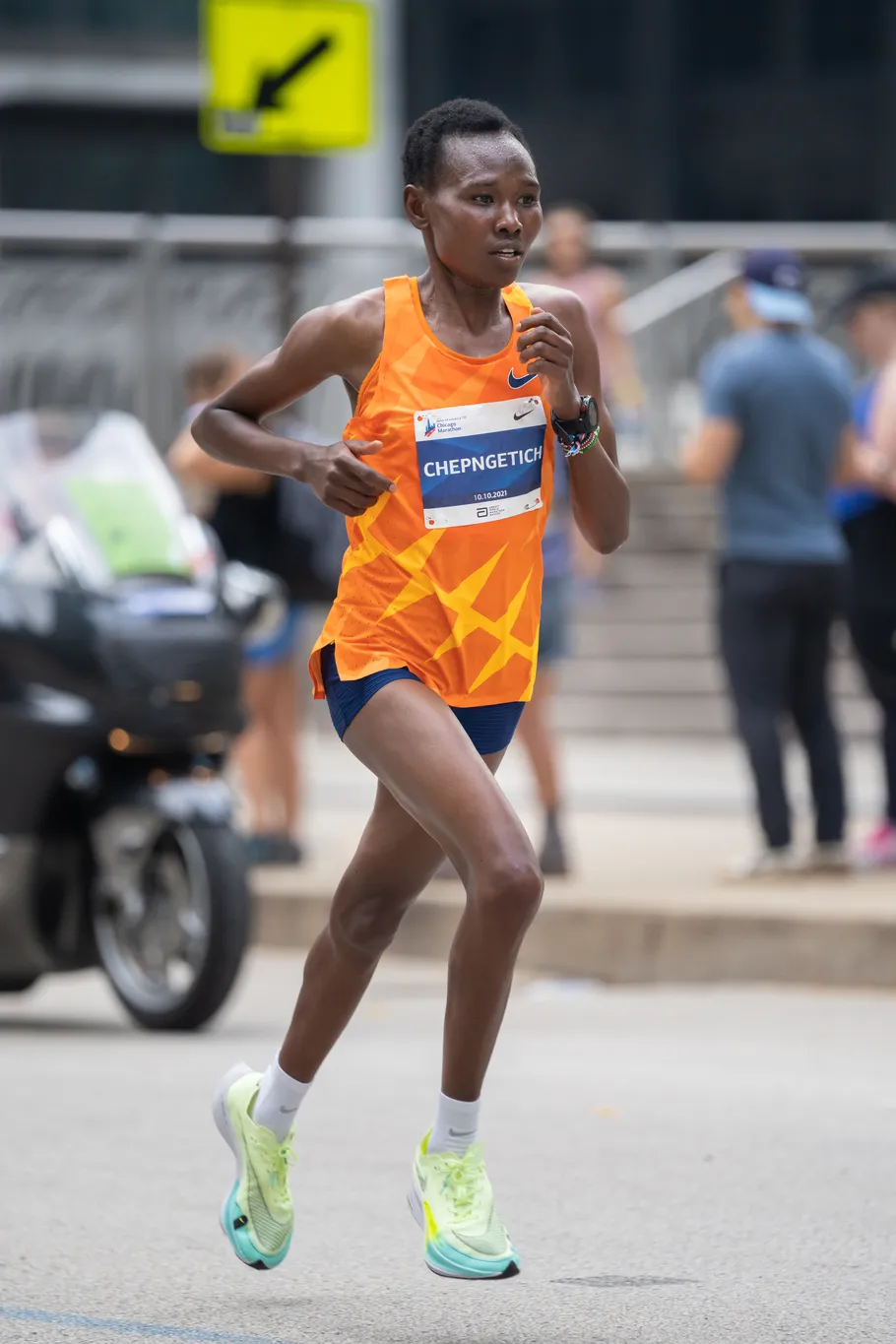
The curve shape decides the feel. A steep curve drives a forefoot strike hard and suits sprint work, while a shallow curve — the TrueForm Runner here — corrects form more gently through its Responsive Belt, which slows when the stride breaks down. The Sprintbok wooden slats feel firmer underfoot than rubber or TPU slats, and the Sunny sled grip adds a push-training second use that no other pick here offers.
Test the feel the way you would test a pair of shoes: walk the curve first, then jog, then sprint, and notice where the feet land. If the stride feels cramped, the belt is too short — the longest belt here is the CT700 at 66.6 in, against the Runner running surface at 54 in — and if the heels clip the rear rise, the curve is too steep for the stride. A curved treadmill teaches form by feedback, not by settings, so the first session should feel different from a flat belt, and that difference is the point.
Resistance: Magnetic or None
Magnetic resistance is the clearest split in this guide. The CT700 and the C80 both carry 8 magnetic levels, so walking, sled-style pushes and easy sessions can be loaded with drag instead of speed — and two runners sharing one machine can return to the same numbered level. The Pro, the Runner and the Sprintbok carry no levels at all, so the effort control is foot position alone: forward on the curve for faster, back toward the middle for slower.
The Sunny sits apart, because no resistance levels are stated for the SF-X7100 in the records checked — so it must not be sold as a magnetic machine, and the 8-level figures in the separate Smart Curved records belong to a different listing, not to this pick. Choose magnetic if you walk as much as you run, or if two users share the machine and want repeatable settings; choose pure curve if you sprint and want nothing between the feet and the belt. Neither type is stronger by nature — the level count matters less than whether the belt length fits the stride.
Footprint, Ceiling and Step-Up
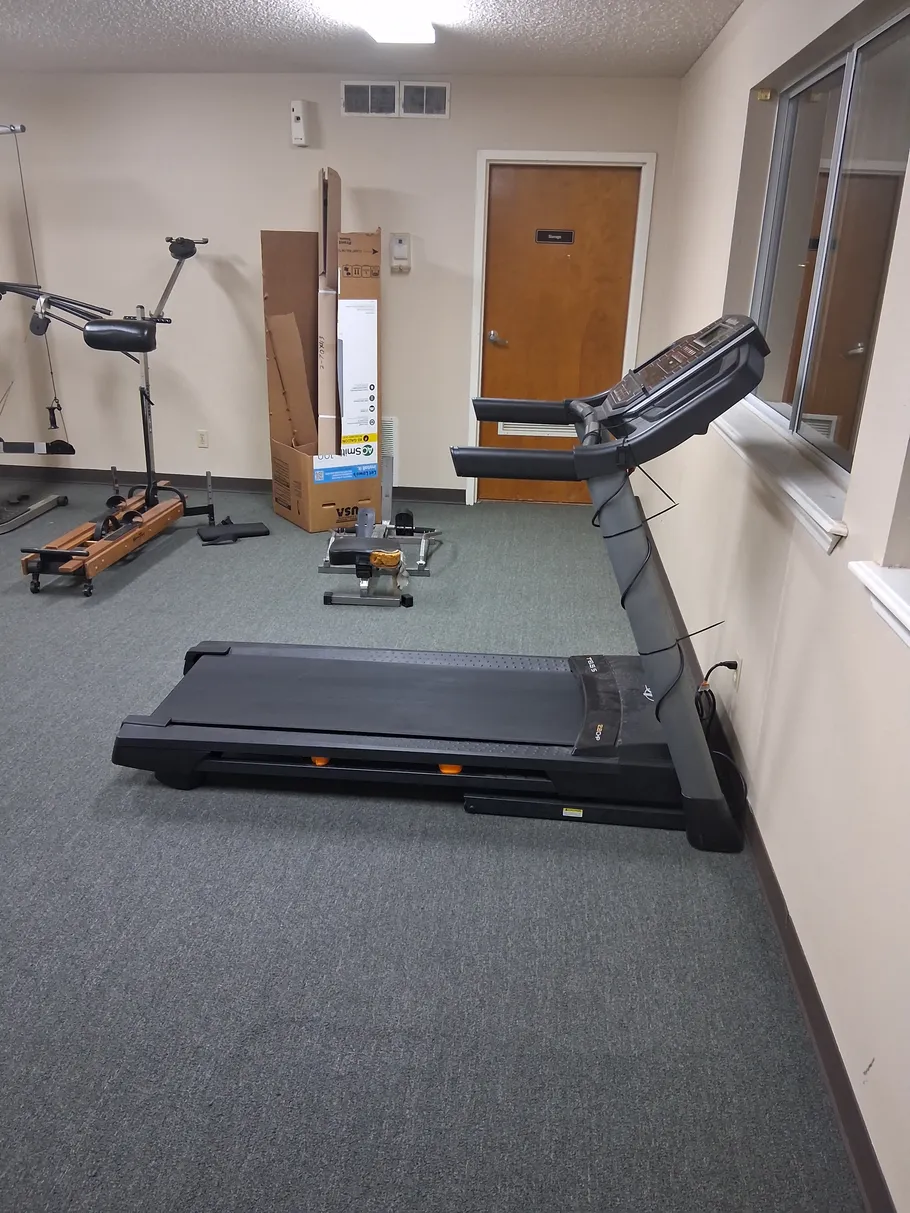
A curved treadmill claims more than its base. The runner mounts from the side or rear, the belt needs a walkway around it, and the tallest settled machine here stands about 64 in — so add a walkway to the table footprint and check the ceiling too, since the Sprintbok maker guidance adds the runner height plus 20 in, and the Sprintbok height itself is disputed from 60 in to 69 in.
The room ranking is simple once the disputed and unstated rows are set aside: the CT700 is the longest settled machine at 78 in, the Runner is the shortest settled length at 64 in, and the Pro is the narrowest at 33.1 in on its maker record. The Sprintbok footprint is disputed and the C80 footprint is not stated, so neither can be ranked on size — confirm both on their listings before measuring, because this guide will not guess them for you. Step-up matters next: the CT700 states 13.5 in, and no other pick states a step-up figure in the records checked — so check the step-up on the listing if knees or balance make mounting a concern, and plan the delivery path for the heaviest settled machine at 308 lb.
Console and Tracking
Consoles split three ways here. The Sunny carries a basic LCD monitor, and the CT700 carries a digital display tracking distance, speed, time, calories and total miles — both cover the basics without a screen to learn. The Sprintbok carries a 17.3 in touchscreen for guided training, which needs power even though its belt does not. The Pro carries Bluetooth and ANT+ for watch and app data, and the C80 carries a Bluetooth LCD console with SOLE+ app and Strava links — so connected runners keep one log instead of two.
Match the console to the tracking you already use, not to the biggest screen. If a watch already logs the runs, a basic LCD plus Bluetooth is enough, and the Pro and the C80 both cover that; if guided sessions on a screen are the reason for the buy, only the Sprintbok offers a touchscreen here. Check console power on the listing before ordering, because a self-powered belt does not mean a self-powered screen — and no pick here states a subscription requirement in the records checked, so none is claimed.
Safety
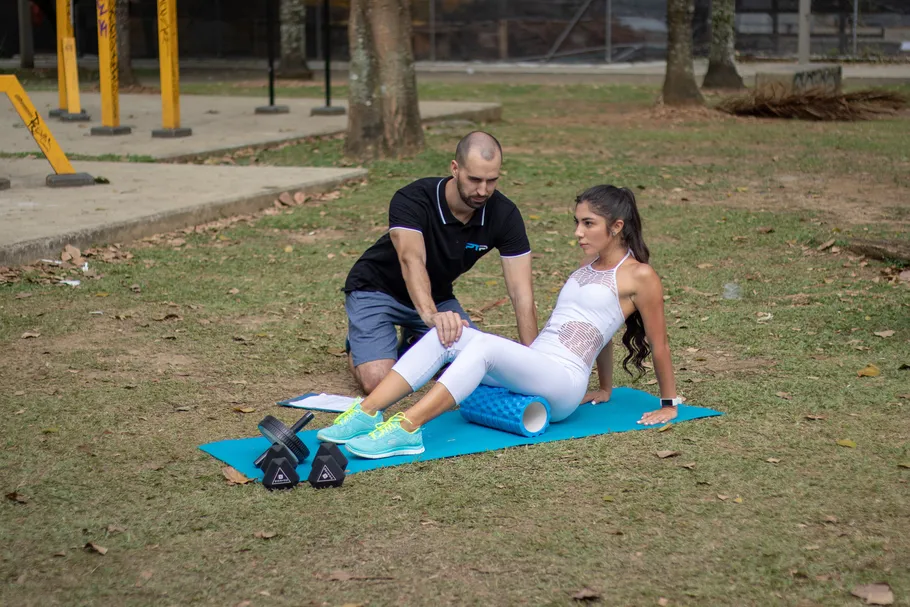
Curved treadmills look simple and load the legs hard by design, so treat the first sessions with care. Joint support helps here too — our knee sleeves guide covers sleeves for runners whose knees want warmth and compression before curved sessions, which loosen the joints without tiring the legs first.
1. Check the slats, belt and rails before every session — a curved belt runs on bearings and slats that wear, and a loose slat must be fixed before running, not after.
2. Walk the curve before running it — step on at the low middle, hold the rails, and learn where the belt speeds up and slows down before any sprint.
3. Warm the legs and hips up with light walking and empty strides — cold sprints on a curve stiffen faster than cold jogs on a flat belt.
4. Hold the rails when stepping on and off — the belt moves when you move, so a mistimed step mounts a moving surface, especially at the 13.5 in CT700 step-up.
5. Keep children and pets clear of the belt — a self-powered belt looks still until a foot lands on it, and the C80 bidirectional belt runs both ways.
6. Wear tied running shoes with no loose laces — a lace in a slat gap stops a stride at once, and curved belts have more gaps than flat belts.
7. Check the ceiling clearance and the walkway after training, so the machine, its rails and the step-up do not trip anyone in the dark.
Curved-treadmill training is general fitness information, not medical advice. Stop and seek professional advice if you feel sharp joint pain, dizziness or shortness of breath, or if you have a knee, hip, ankle, back or heart condition.
Frequently Asked Questions
What is a curved treadmill?
A self-powered running machine with a concave slat belt — low in the middle, raised at the front and back — and no motor. You set the pace by foot position: forward on the curve to speed up, back toward the middle to slow down, and the belt stops when you stop driving it.
Are curved treadmills harder than motorized ones?
Yes, at the same pace, because the runner drives the belt instead of the motor carrying it — so the same speed costs more effort, and sprint and interval work feels harder sooner. That effort is the reason coaches use curves for conditioning, but it also means the first sessions should be shorter than flat-belt sessions, not longer.
Do curved treadmills need electricity?
The belt needs none — every pick here is self-powered. The console is a separate question: basic LCD and digital displays may run on batteries or a small supply, while the Sprintbok 17.3 in touchscreen needs power, so check console power on the listing before ordering, because a self-powered belt does not mean a self-powered screen.
How much floor space does a curved treadmill need?
More than its base. Add a walkway around the machine to the table footprint, and check the ceiling — the longest settled machine here is the CT700 at 78 in, the tallest settled is the Pro at about 64 in, and the Sprintbok maker guidance adds the runner height plus 20 in. The C80 footprint is not stated, so measure it from the listing, not from this guide.
Can I walk on a curved treadmill, or only run?
Both. Walking works on every pick here, and magnetic levels make walking better — the CT700 and the C80 both carry 8 levels, so a walk can be loaded with drag instead of speed. Check the step-up before buying for walking use, since the CT700 states 13.5 in and no other pick states a step-up figure in the records checked.
What pairs well with a curved treadmill?
Strength work for the upper body, floor protection for the room, and recovery tools for after the session — our foam rollers guide covers rollers for leg and back recovery once the runs are done.
Our Pick: Start Here
Start with the AssaultRunner Pro if you want the benchmark sprint curve with connected data, move to the TrueForm Runner if you want a shallow curve that corrects form through its Responsive Belt, pick the NOHrD Sprintbok if you want a wooden, furniture-grade machine with a touchscreen, choose the Sunny Health & Fitness Premium Curve Treadmill (SF-X7100) if you want the highest settled user capacity here on a budget — after confirming the SF-X7100 model code on the listing — keep the SB Fitness CT700 for magnetic drag levels with the longest belt here, and save the Sole C80 Curved Manual Treadmill for app-tracked training with magnetic levels, a bidirectional belt and a lifetime frame warranty.
As an Amazon Associate, we earn from qualifying purchases made through links on this page, at no extra cost to you.
Product specs, footprints and capacities in this guide come from maker and dealer records checked during research, and conflicting figures are stated as conflicts rather than settled — always confirm the size, weight and load limit on the listing before ordering.