

An exercise bike is the easiest cardio machine to live with. 🚲 It is quiet, low impact, and simple to use while you watch a show or follow a class. You do not need good weather, and you do not need to share the road with traffic.
This guide compares six genuinely sold bikes: a premium indoor cycling bike, a budget classic, a heavy-flywheel bike, a recumbent for supported riding, a slim upright bike, and a folding bike for small rooms. Our previous cardio guide, the Best Rowing Machines for Home Gyms, covers the other big home cardio choice if you want to compare the two.
What an Exercise Bike Actually Gives You
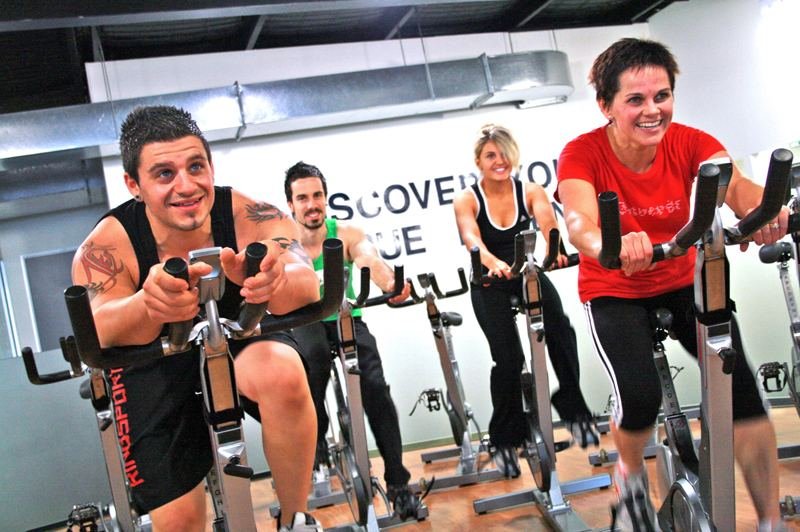
A bike gives you steady, low-impact cardio at home. Your knees and ankles take far less pounding than they do with running, which is why bikes suit daily use and gentle comebacks after time off.
It also gives you control. You set the resistance, you set the pace, and you can stop instantly. A class or an app can push you, but the bike itself never forces a speed on you.
What a bike does not do matters too. It does not build much upper-body strength, it does not teach outdoor road skills, and its calorie readout is an estimate, not a measurement. Treat those numbers as a rough guide, not a fact.
The 6 Picks at a Glance
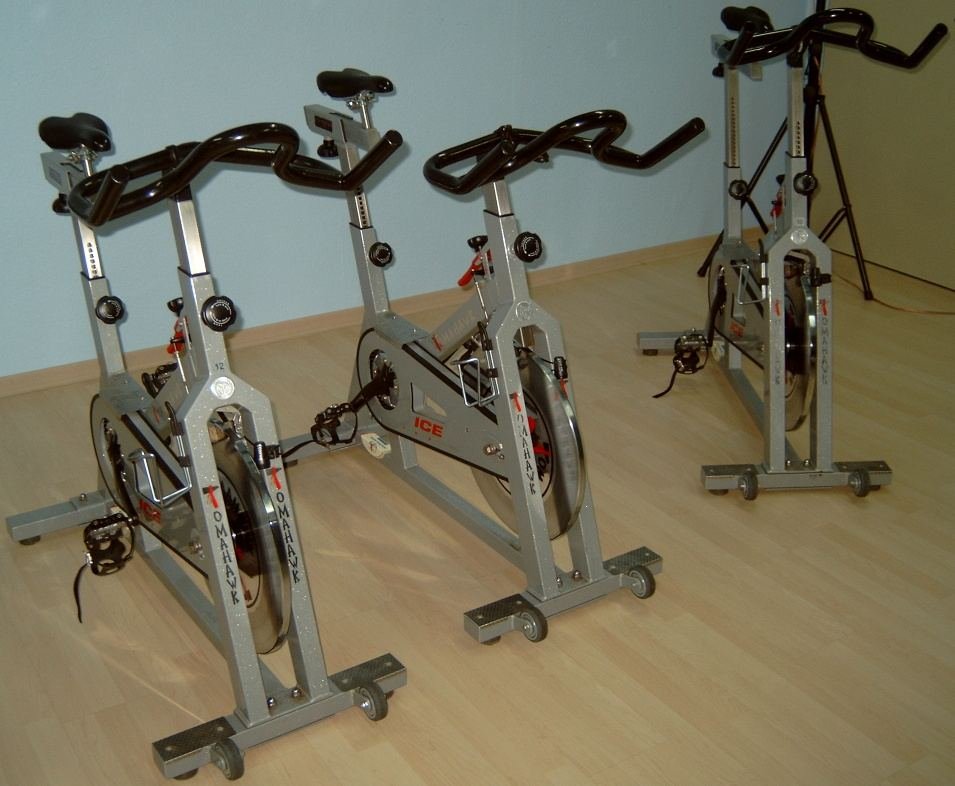
| Bike | Best for | Type | Resistance | Max user weight |
|---|---|---|---|---|
| Schwinn IC4 | Best overall | Indoor cycling | Magnetic, 100 levels | 330 lb |
| YOSUDA Magnetic | Best budget | Indoor cycling | Magnetic | 300 lb |
| JOROTO X2 | Best heavy flywheel | Indoor cycling | Magnetic, 100 levels | 350 lb (see note) |
| Sunny SF-RB4850SMART | Best recumbent | Recumbent | Electro-magnetic, 16 levels | 300 lb |
| MERACH S26 | Best value upright | Upright | Magnetic | 300 lb |
| YOSUDA X-Bike | Best compact | Folding upright | Magnetic, 8 levels | 270 lb |
Every pick below links to its US Amazon listing. Listings change often, so please confirm the current offer, colour and variant before you buy.
1. Schwinn IC4 — Best Overall
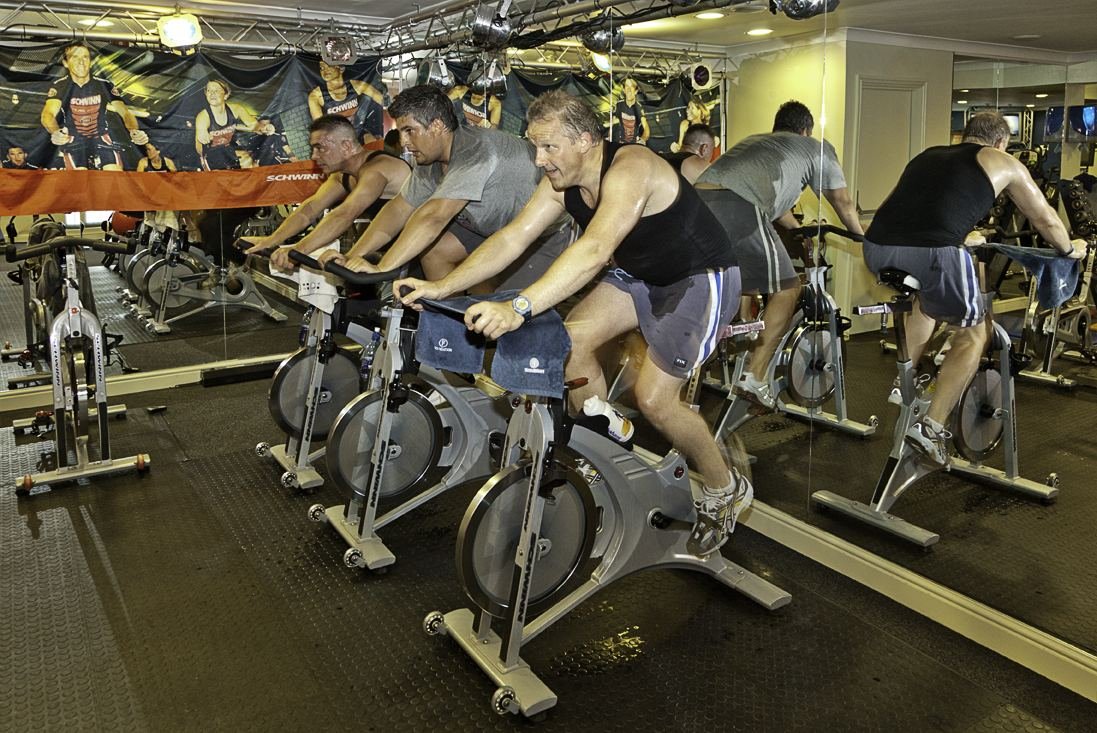
The Schwinn IC4 is the bike we would recommend to most home riders. Its magnetic resistance has 100 micro-adjustable levels, so changes feel smooth rather than jumpy, and its dual-sided pedals take SPD cleats on one side and regular shoes on the other.
Check the Schwinn IC4 on Amazon
Please confirm the current offer before buying — the listing details below come from searches made months ago, and one older check showed no featured offers at that time.
- ✅ 100 micro-adjustable magnetic resistance levels
- ✅ Dual-sided pedals: SPD cleats or toe cages
- ✅ Bluetooth, works with Peloton and Zwift apps on your own device
- ✅ 330 lb max user weight, 112 lb frame
- ⚠️ No built-in screen — you supply the phone or tablet
- ⚠️ Third-party apps need their own subscriptions
- ⚠️ Assembly required; it arrives unassembled
Best for: riders who want a quality indoor cycling bike that works with any app, without being locked into one subscription.
May not fit: anyone who wants a built-in touchscreen or a bike that works straight out of the box with no assembly.
2. YOSUDA Magnetic Indoor Cycling Bike — Best Budget
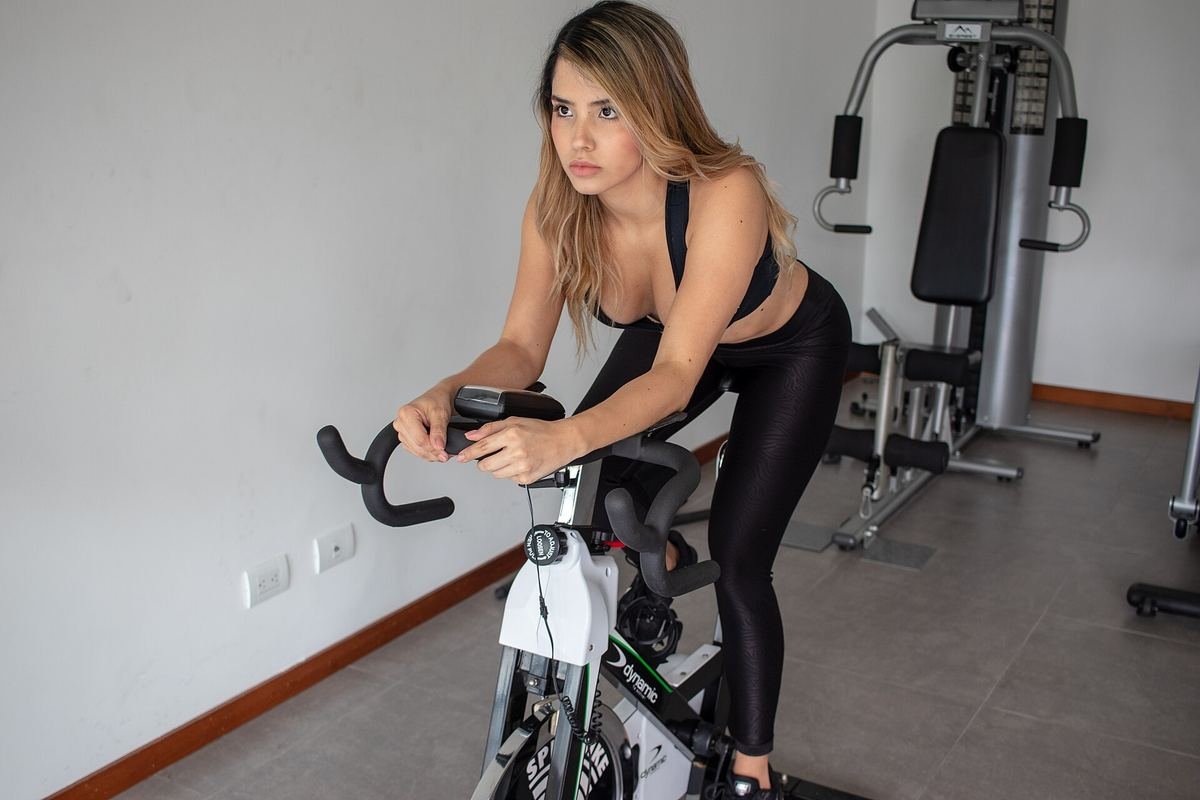
YOSUDA’s classic indoor cycling bike is the most-reviewed budget bike in this guide. It pairs magnetic resistance with a quiet belt drive, a tablet holder, and a 300 lb capacity, in a frame of about 60 lb.
Check the YOSUDA Magnetic Indoor Cycling Bike on Amazon
Please confirm the current offer before buying — the listing details below come from a search made about 275 days ago.
- ✅ Magnetic resistance with a quiet belt drive
- ✅ 300 lb max user weight
- ✅ Tablet holder for classes on your own device
- ✅ Four-way adjustable seat in the classic design
- ⚠️ Basic LCD console, no built-in classes
- ⚠️ YOSUDA sells several similar-looking bikes — confirm the magnetic model, not a friction one
Best for: first-time buyers who want a simple, quiet bike at a budget level.
May not fit: data-focused riders who want watts, RPM and app sync built in.
3. JOROTO X2 — Best Heavy Flywheel
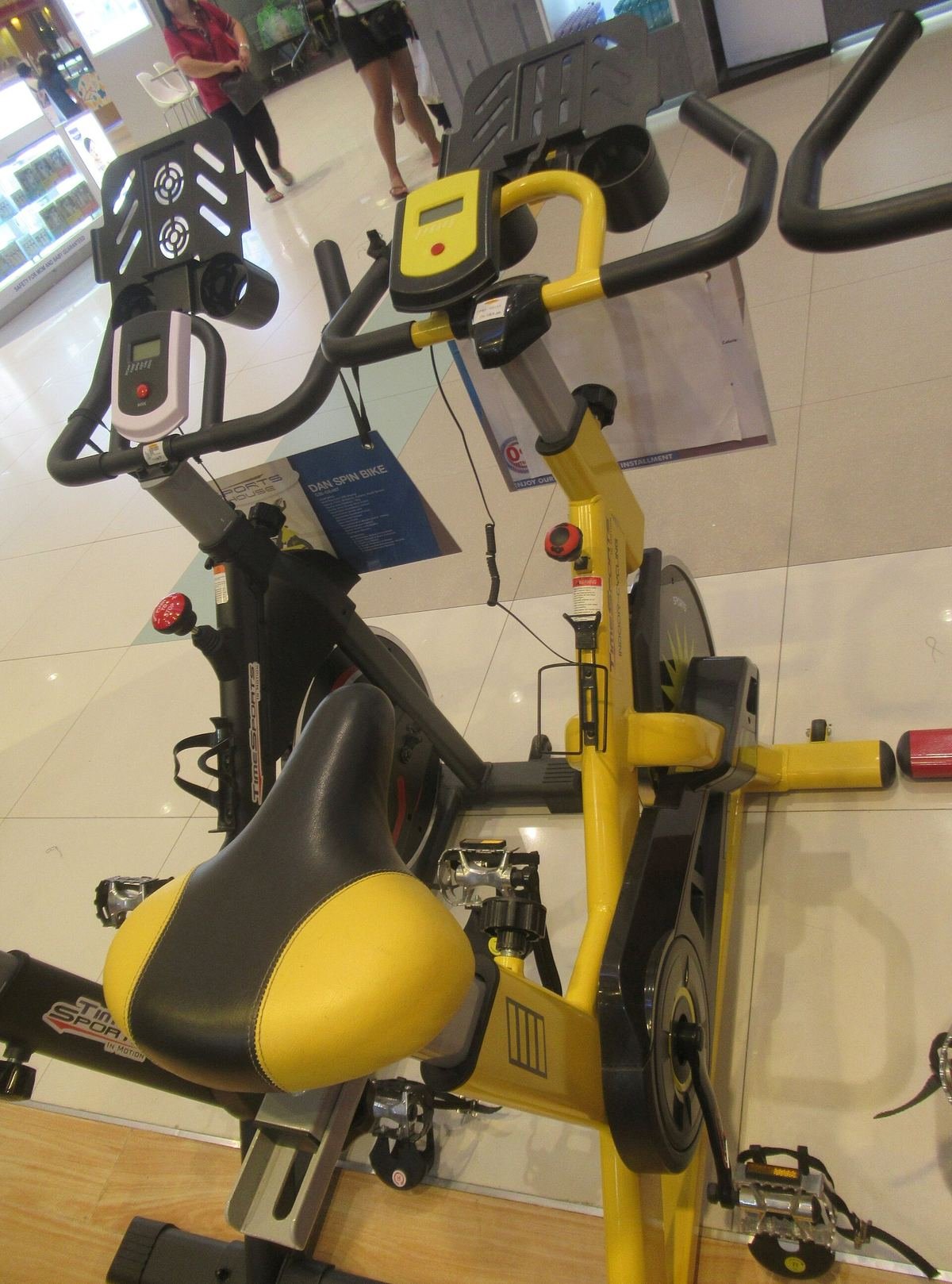
The JOROTO X2 pairs a 40 lb flywheel with magnetic resistance and 100 levels, which is the heaviest flywheel in this guide. A heavier flywheel keeps the pedals turning smoothly between strokes, which matters most at low cadence and on climbs.
Please confirm the current offer before buying — the listing details below come from searches made about 224 to 276 days ago.
- ✅ 40 lb flywheel for a smooth, road-like feel
- ✅ Magnetic resistance with 100 levels
- ✅ Bottle holder and tablet holder included
- ✅ Ships from Amazon, sold by JOROTO Sports and Fitness
- ⚠️ Capacity conflict: the listing title says 350 lb while a specification field says 399 lb — train to the lower 350 lb figure
- ⚠️ The plain X2 has no Bluetooth; the X2PRO variant adds it — confirm which variant you are buying
Best for: riders who want the smoothest pedal feel in this guide and mostly ride seated or standing climbs.
May not fit: anyone who needs app connectivity on the base model, or who must be sure of capacity above 350 lb.
4. Sunny Health & Fitness Smart Recumbent Bike — Best Recumbent
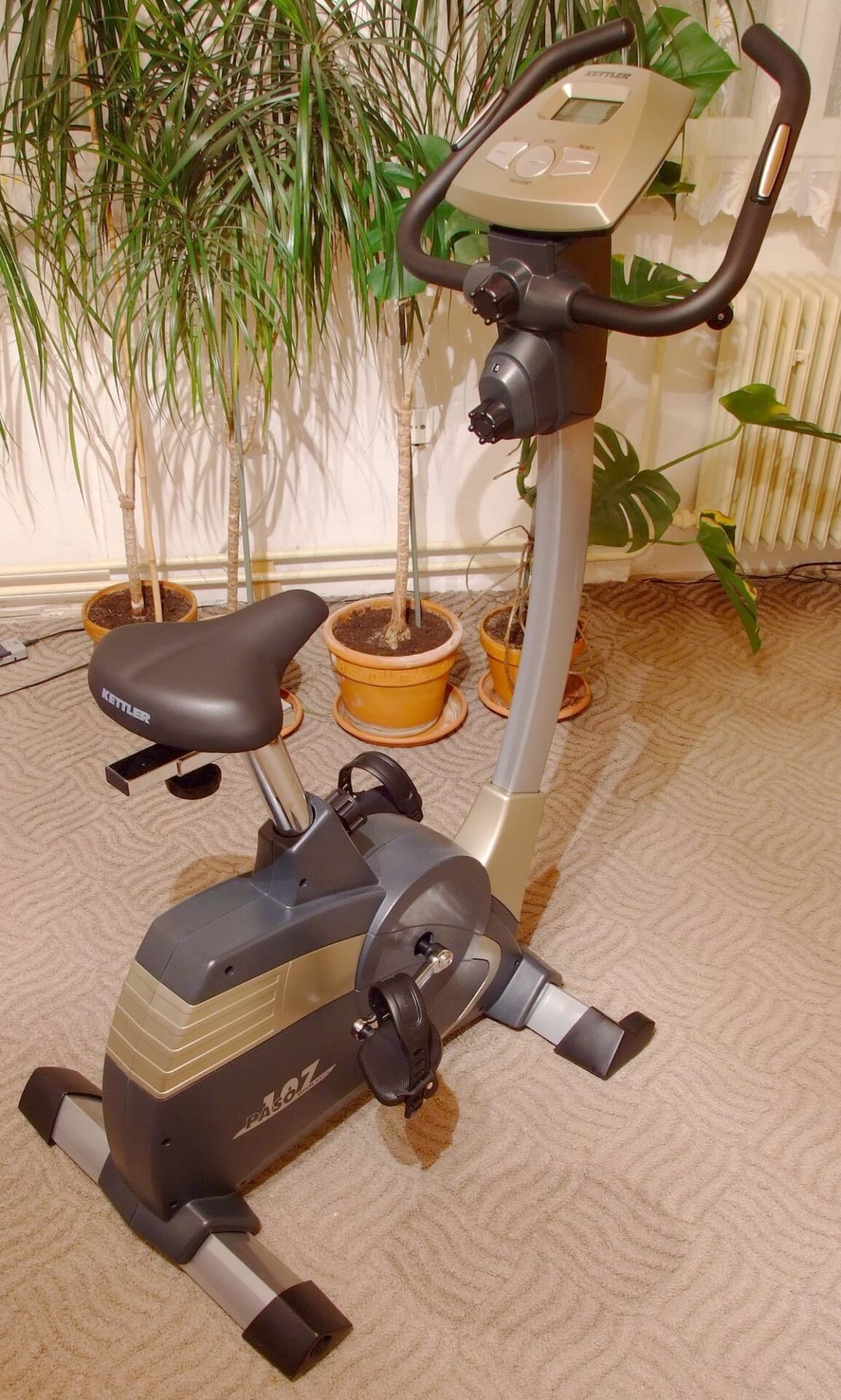
A recumbent bike puts you in a reclined seat with a backrest and the pedals in front of you, instead of above them. That posture suits riders with sore backs, stiff knees, or anyone who finds an upright saddle uncomfortable.
Sunny’s SF-RB4850SMART adds 16 levels of electro-magnetic resistance you control from the console, a step-through frame for easy mounting, a wide cushioned seat with a breathable mesh backrest, pulse sensors, and the free SunnyFit app.
Check the Sunny Smart Recumbent Bike on Amazon
Please confirm the current offer before buying — the listing details below come from searches made about 229 to 253 days ago, and both of those checks showed no featured offers at that time.
- ✅ Reclined seat with backrest and step-through frame
- ✅ 16 levels of electro-magnetic resistance
- ✅ 300 lb max user weight, inseam adjustment 29.9 to 39.4 inches
- ✅ Free SunnyFit app, pulse sensors
- ⚠️ Long frame at about 62 inches — measure your room first
- ⚠️ 3-year frame warranty but only 180 days on other parts
- ⚠️ Not built for high-intensity spin-style training
Best for: seniors, back-sensitive riders, and anyone returning to exercise who wants support and easy access.
May not fit: riders chasing intense intervals, or rooms shorter than the bike’s footprint.
5. MERACH S26 — Best Value Upright
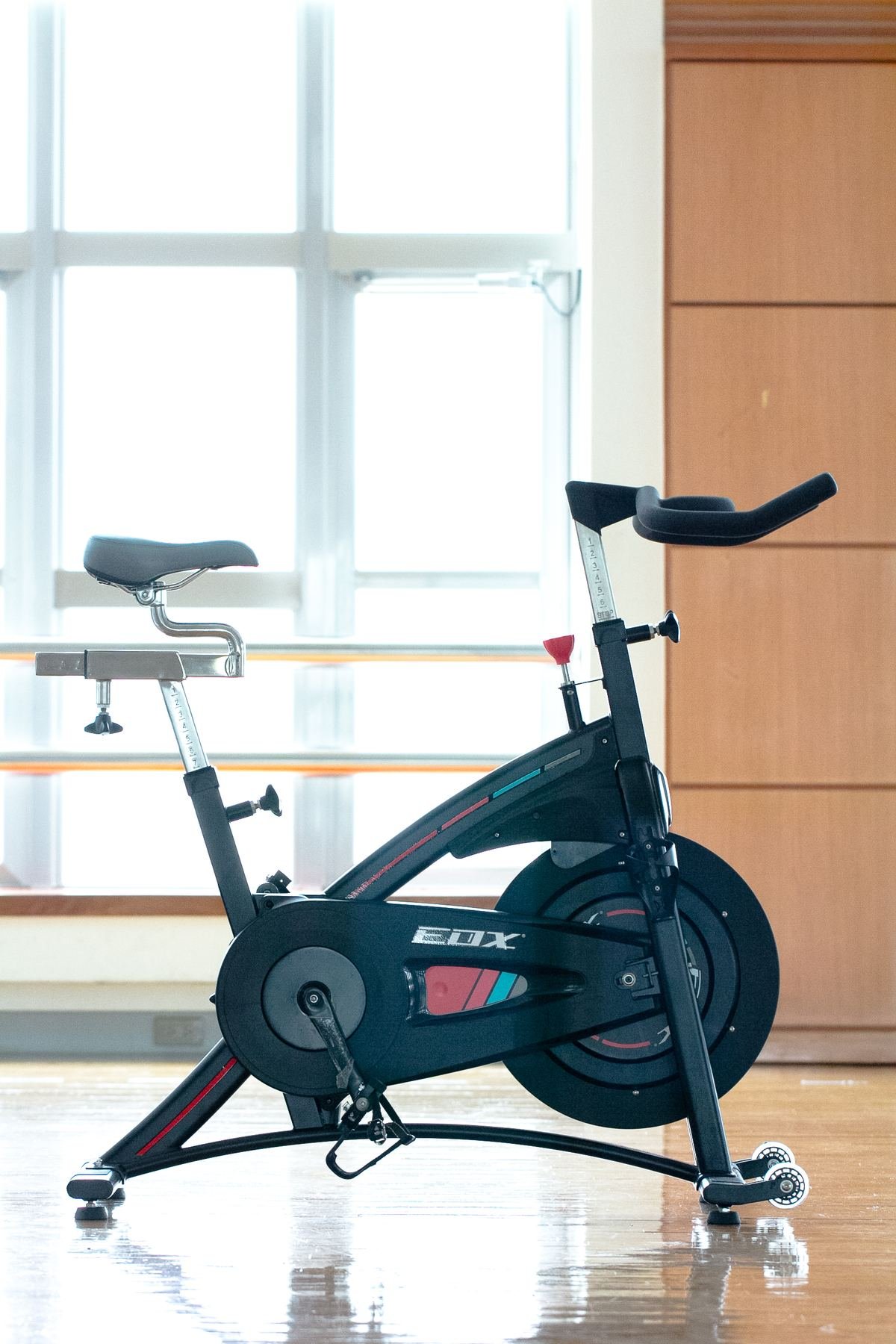
The MERACH S26 is a narrow upright bike — about 42.6 inches long and 19.3 inches wide — that fits where a full spin bike will not. It uses magnetic resistance with a belt drive, supports 300 lb, and pairs with the free MERACH app and Kinomap for guided rides.
Check the MERACH S26 on Amazon
Please confirm the current offer before buying — the listing details below come from searches made about 195 to 303 days ago.
- ✅ Narrow 19-inch-wide frame for small rooms
- ✅ Quiet magnetic resistance with a belt drive
- ✅ 300 lb max user weight at about 62 lb of bike
- ✅ Free MERACH app with Kinomap compatibility
- ⚠️ Resistance reporting varies: the listing shows 8 levels while roundups describe 0 to 100 percent control — confirm on the variant you buy
- ⚠️ Some variants include a dumbbell rack and some do not
- ⚠️ Lighter frame than the Schwinn or JOROTO picks
Best for: small rooms and budgets, and riders who like app-guided sessions.
May not fit: heavy sprinting or standing climbs, where a heavier frame feels steadier.
6. YOSUDA Folding X-Bike — Best Compact
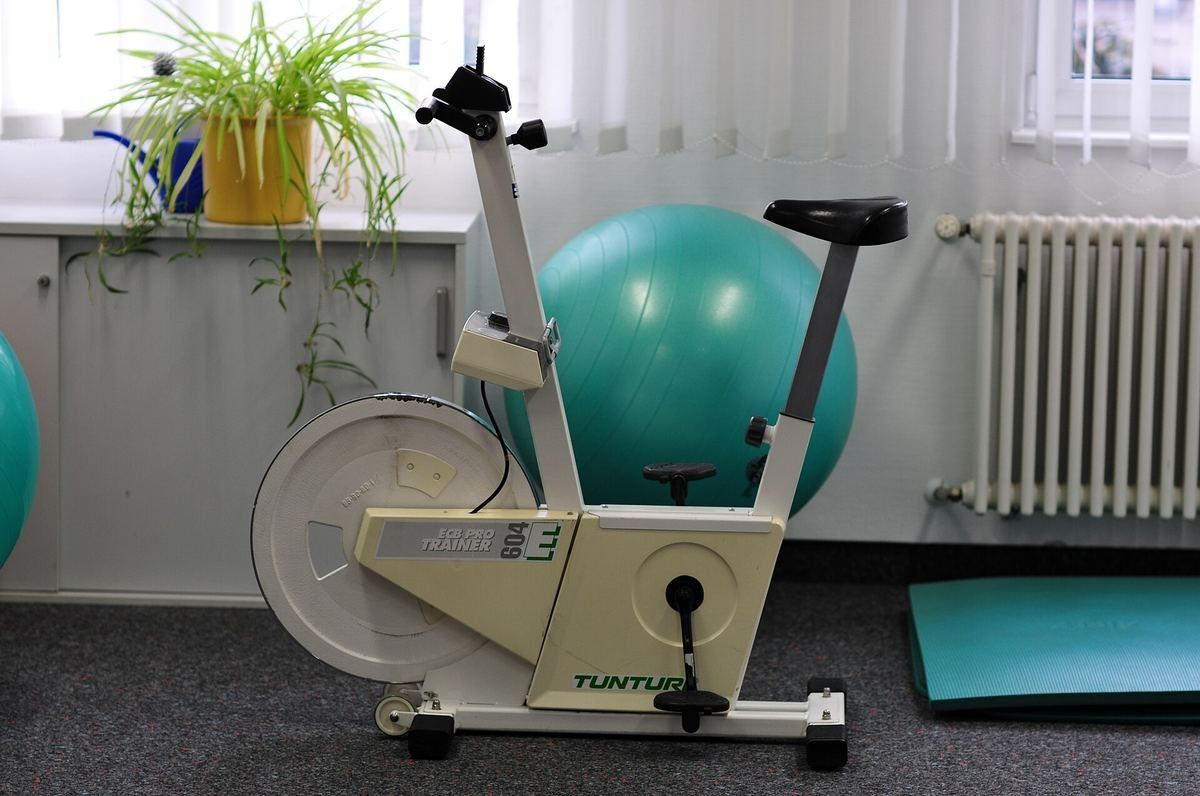
The YOSUDA X-Bike folds for storage, which is its whole point. It is a magnetic upright bike with 8 resistance levels, a belt drive, and a 270 lb capacity, made for riders who need the bike to disappear after the workout.
Check the YOSUDA Folding X-Bike on Amazon
Please confirm the current offer before buying — the listing details below come from a search made about 346 days ago, the oldest check in this guide.
- ✅ Folds for storage in flats and shared rooms
- ✅ Magnetic resistance with 8 levels
- ✅ Simple console and belt drive
- ⚠️ 270 lb capacity — the lowest in this guide
- ⚠️ Folding frames trade some rigidity for storage
- ⚠️ Not a spin bike: no heavy flywheel, no standing-climb feel
Best for: small flats, shared rooms, and riders who will actually fold it away after every ride.
May not fit: heavier riders, or anyone who wants spin-class intensity.
How to Choose an Exercise Bike
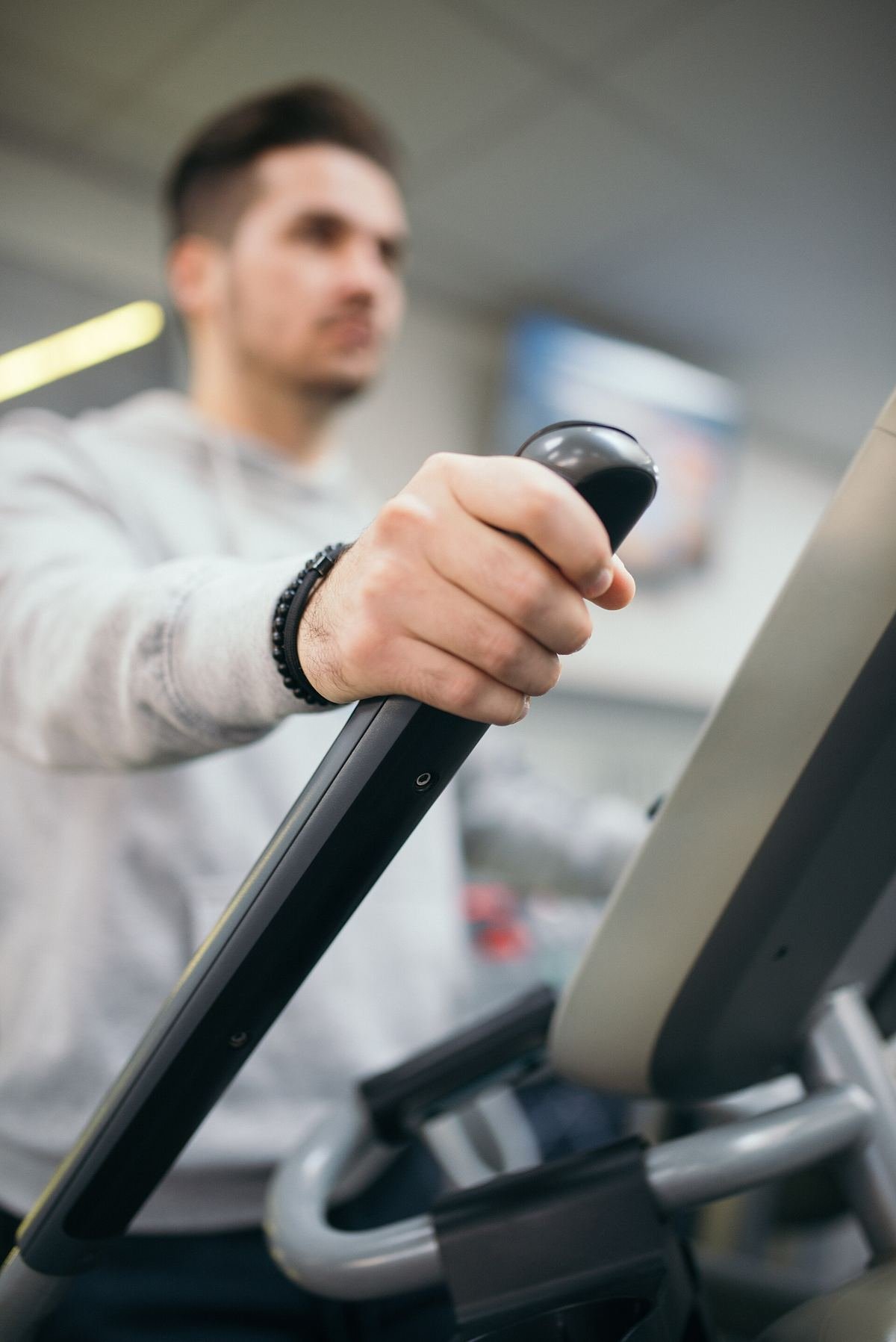
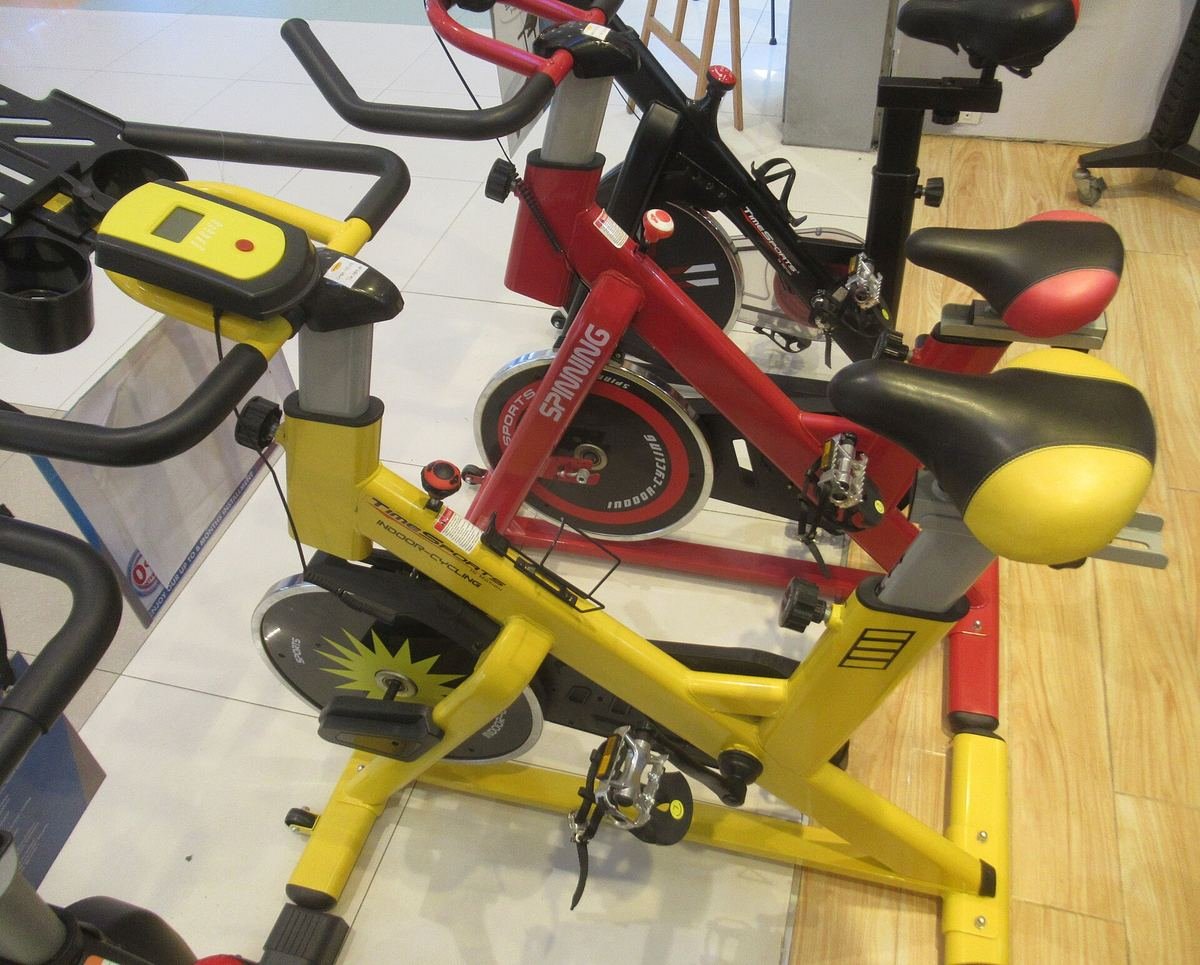
Start with the type, not the brand. Indoor cycling bikes suit intense, spin-style workouts. Upright bikes suit general cardio in less space. Recumbent bikes suit supported, low-impact riding. Folding bikes suit rooms where the bike must pack away.
Next, check fit before features. A bike you cannot adjust to your height will hurt, however good its screen is. Look for seat and handlebar adjustment, the inseam range, and the max user weight — and compare those numbers with your own height and weight.
Finally, decide how much screen you really want. A tablet holder plus your own device covers most classes for free, while built-in screens usually tie you to one app. Our Best Workout Headphones and Earbuds guide can help if you plan to ride with classes on your own device.
Resistance Types: Magnetic, Friction and Fan
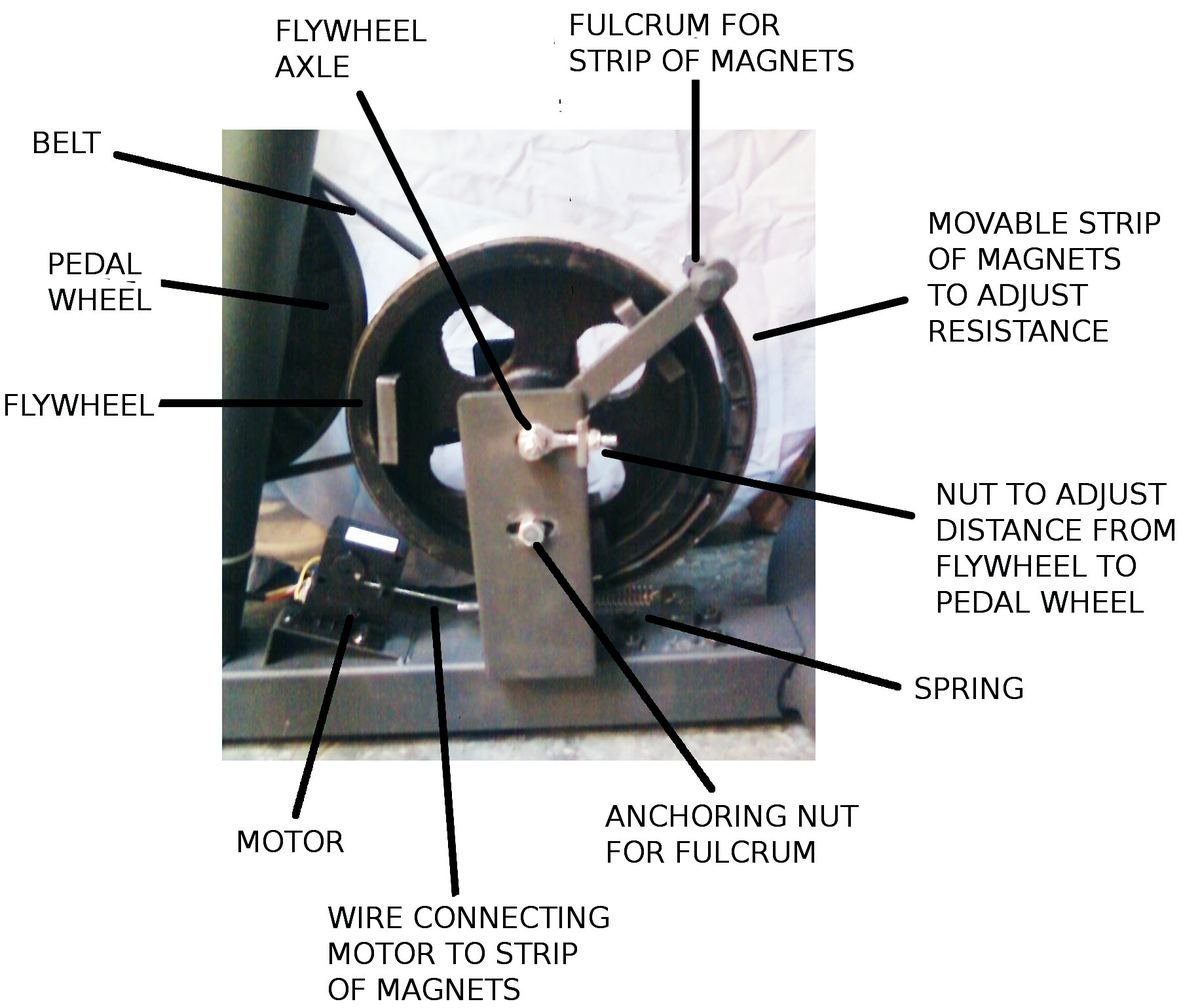
Magnetic resistance uses magnets near the flywheel to slow it down without touching it. It is quiet, smooth, and needs almost no maintenance, which is why five of the six picks here use it.
Friction resistance presses a pad against the flywheel. It is cheaper and feels road-like, but pads wear down, need replacing, and can squeak. Fan resistance uses air: the harder you pedal, the harder it gets. It is loud and best for short, intense efforts.
For a shared home, magnetic is the easy choice. For a garage gym where noise does not matter, friction and fan bikes are worth a look — but they are a different category from the six picks here.
Flywheel Weight and Ride Feel
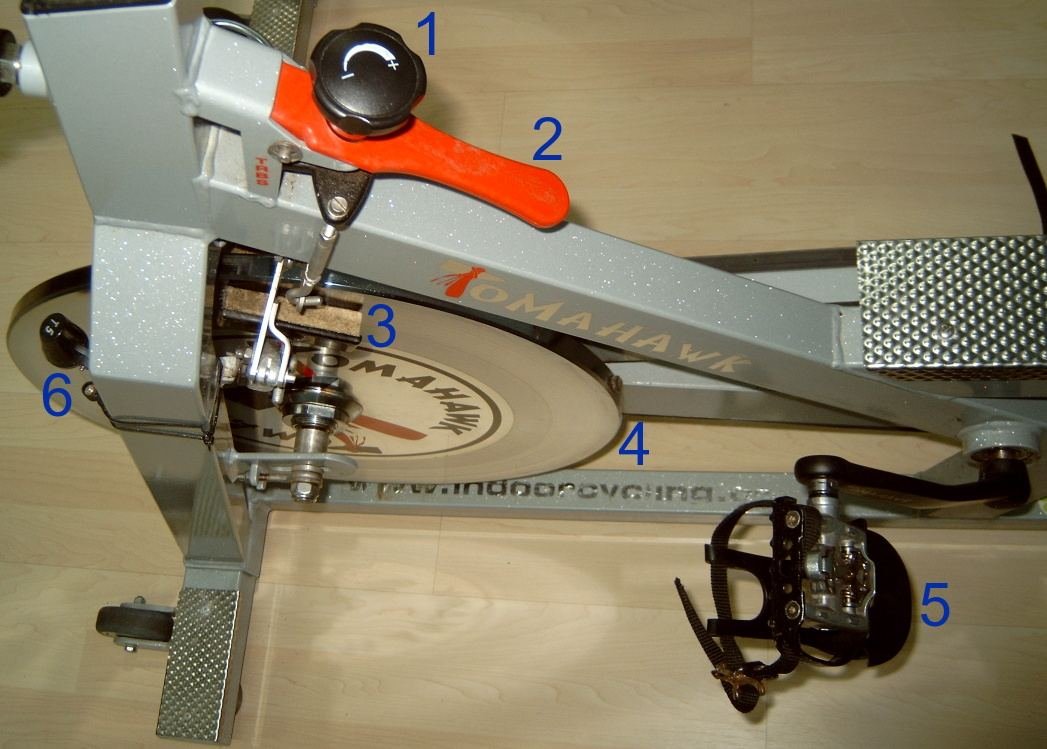
The flywheel is the heavy disc that keeps the pedals moving between strokes. A heavier flywheel feels smoother, especially at low cadence and on climbs. A lighter flywheel feels choppier and stops faster when you stop pedalling.
In this guide the JOROTO X2 leads with a 40 lb flywheel, while budget bikes use lighter ones. Weight is not everything, though: a well-built belt drive and a steady frame matter as much as the number on the spec sheet.
If you mostly ride seated at a steady pace, flywheel weight matters less. If you love climbs and intervals, it matters a lot — and it is worth paying for.
Fit: Seat, Handlebars and Inseam
Fit is the most skipped step, and the one that causes sore knees and numb hands. Set the saddle so your knee has a slight bend at the bottom of the pedal stroke — never fully straight, never deeply bent.
Set the handlebars so you can reach them without rounding your back or locking your elbows. On a recumbent, slide the seat along its rail until your legs extend comfortably without locking at the knee.
Check the inseam range before you buy. The Sunny recumbent lists 29.9 to 39.4 inches, for example. If you fall outside a bike’s range, no amount of adjustment will fix it — pick a different bike.
Apps, Screens and Subscriptions
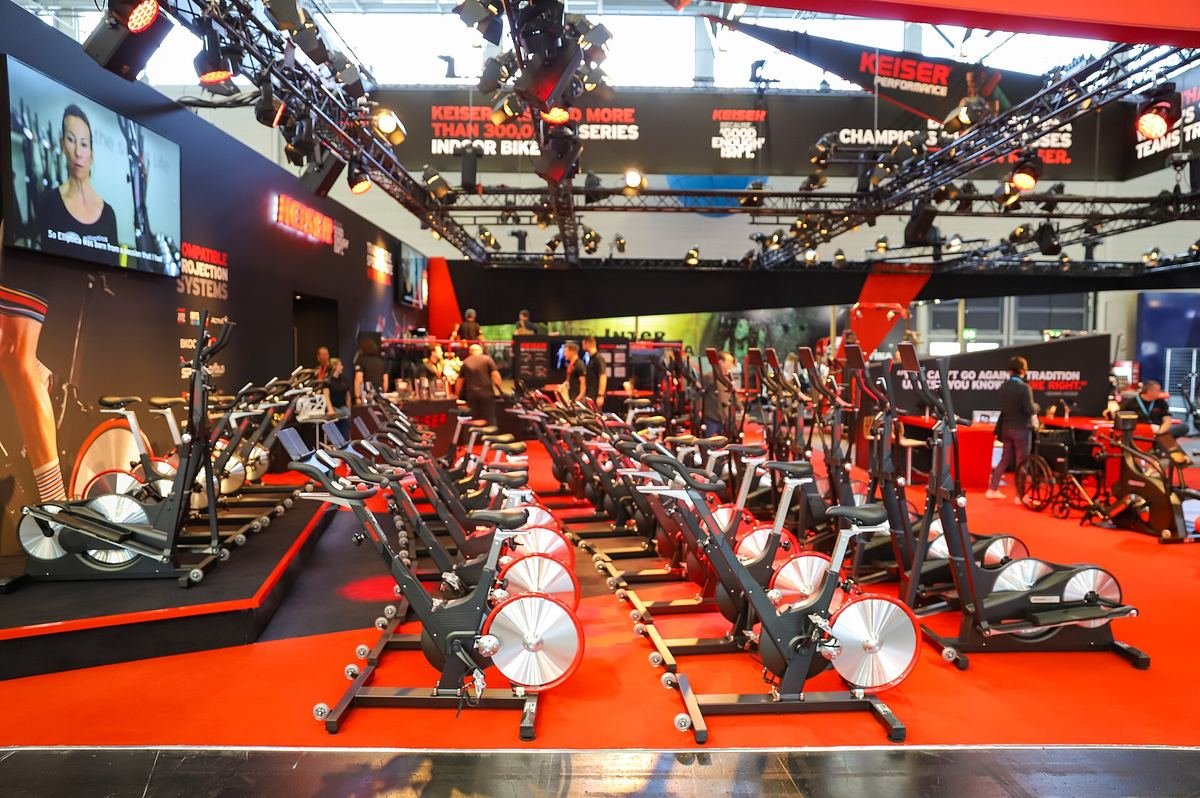
Apps fall into three groups. Free brand apps, like SunnyFit and the MERACH app, give you guided rides at no extra cost. Third-party apps, like Zwift and Peloton, charge a subscription but work across many bikes. Built-in screens usually lock you into one platform.
The Schwinn IC4 takes the flexible route: no screen, but Bluetooth to the apps you already pay for. The Sunny and MERACH picks take the free route: their own apps cost nothing extra. Neither route is wrong — it depends on whether you already pay for an app.
Before you buy a screen bike, check two things: whether the screen works without a subscription, and whether the app runs on your phone. A screen that goes dark without a paid plan is an expensive tablet holder.
Noise, Space and Neighbours
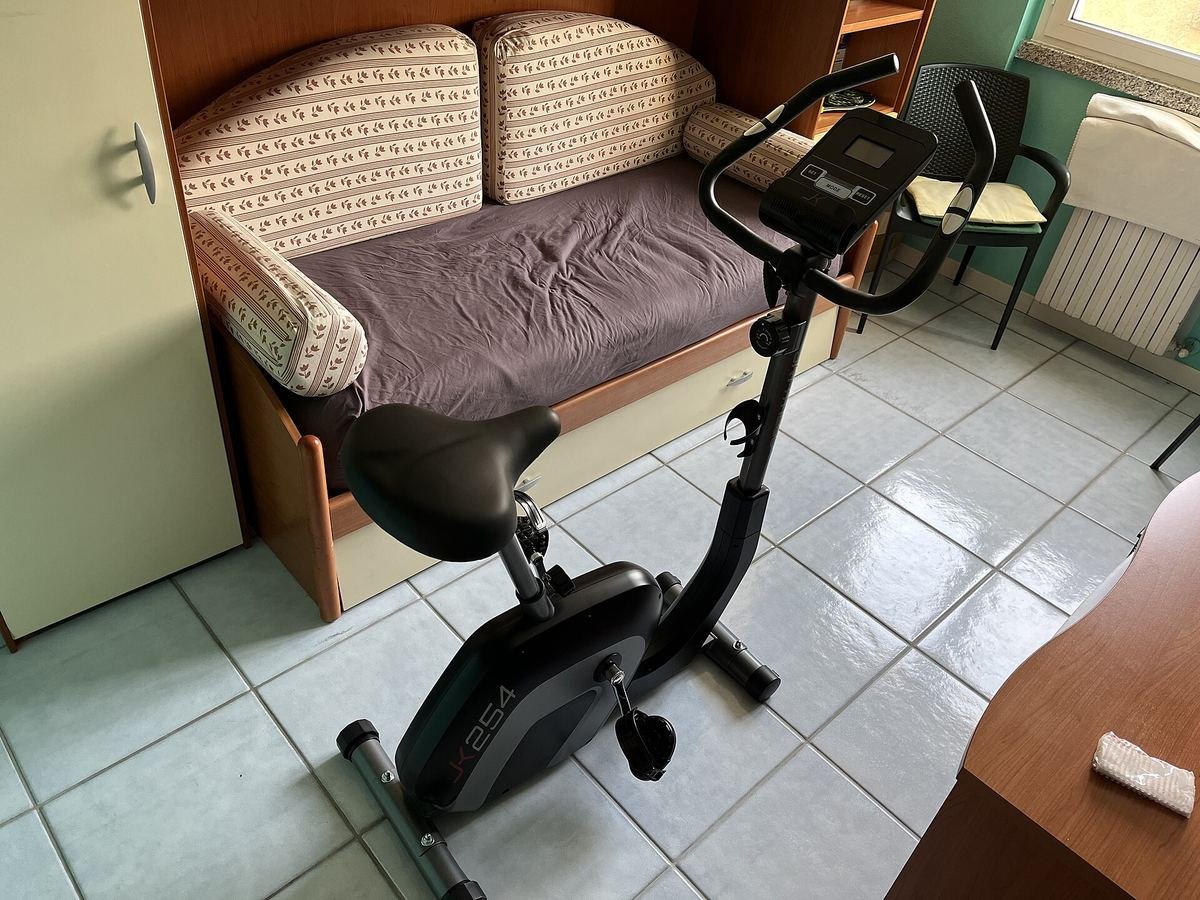
Magnetic bikes with belt drives are the quietest choice for flats and shared houses. The noise your neighbours actually hear is usually vibration through the floor, not the bike itself — a mat under the bike helps a lot, and our Best Gym Fans guide covers airflow for the same small room.
Measure twice. Note the bike’s length, width and height, then add room to mount and dismount safely. Recumbent bikes are the longest here at about 62 inches, while the MERACH S26 is the narrowest at about 19 inches wide.
If the bike must share a room, the folding YOSUDA X-Bike wins on storage. If it gets a permanent corner, a heavier frame like the Schwinn or JOROTO will feel steadier and last longer.
Assembly and Maintenance
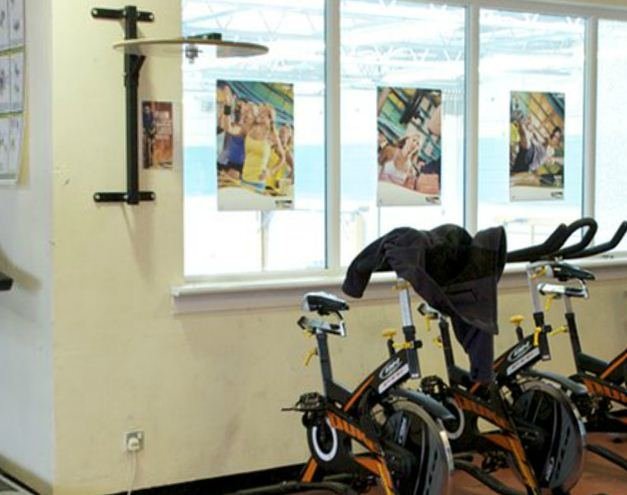
Most bikes arrive partly assembled and take 30 to 60 minutes to finish. The Schwinn IC4 arrives unassembled, so set aside a full hour and a second pair of hands for the heavy frame.
Maintenance is light. Wipe sweat off the frame after rides, check the pedals and bolts monthly, and keep the belt area free of dust. Magnetic bikes need no pad changes, which is one less job on the list.
Keep the manual. Resistance knobs, seat posts and consoles all have model-specific parts, and the model number — like the IC4’s 100873 or the Sunny’s SF-RB4850SMART — is what parts sellers will ask for. A gym timer on the wall also helps you run honest intervals without staring at the console.
Safety
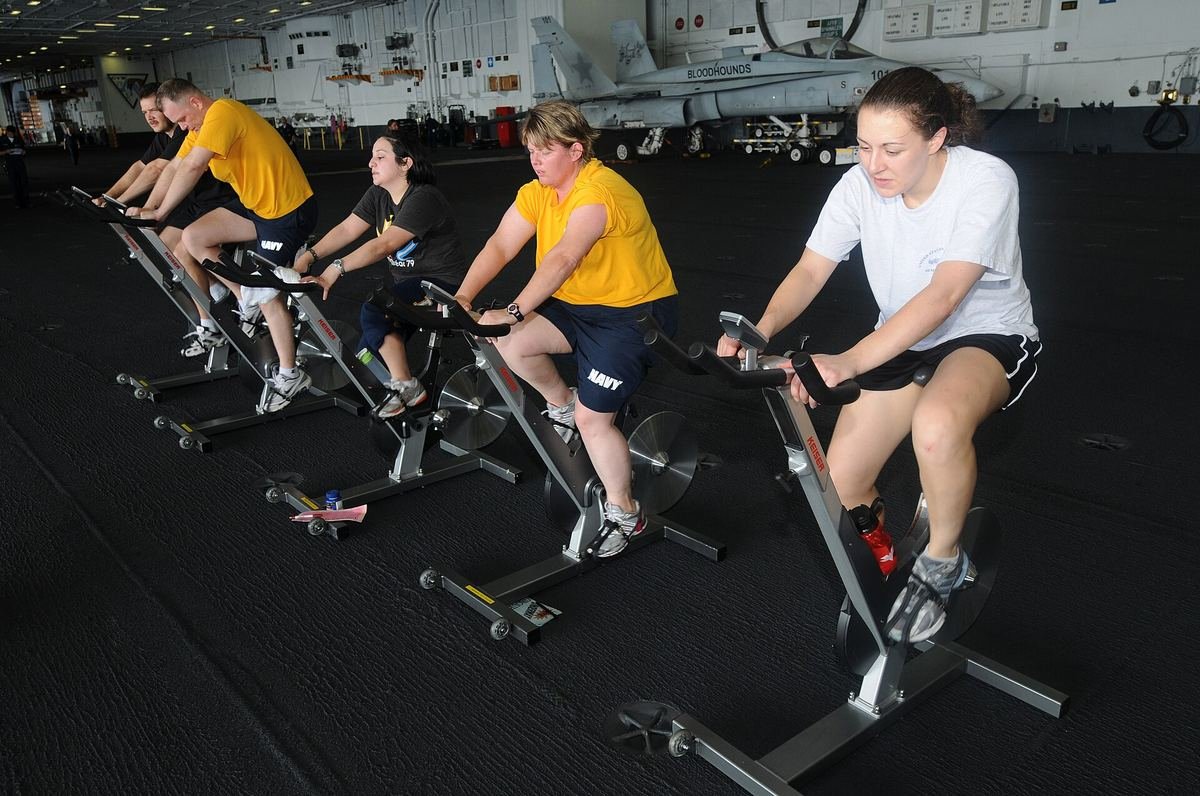
Exercise bikes are among the safest cardio machines, but a few habits keep them that way:
- Level the bike before your first ride — a rocking bike strains the frame and your knees.
- Strap your feet in and start at low resistance for the first five minutes.
- Keep your back straight and your grip relaxed; white knuckles mean you are holding too tight.
- Stop at once if you feel pain, dizziness, or chest discomfort, and speak to a clinician before riding again.
- Keep children and pets clear of the flywheel and moving pedals.
- Wipe the saddle and handlebars after use, and check bolts monthly.
An exercise bike is not a medical device. If you have a heart condition, a joint problem, or you are returning after surgery, ask your clinician which type and intensity suit you before buying.
Frequently Asked Questions
Which type of exercise bike is best for beginners?
A recumbent bike is the most comfortable starting point, and a budget upright bike like the YOSUDA is the easiest to learn. Both let you control the intensity completely.
Are exercise bikes good for weight loss?
They help, because they make regular cardio easy to stick with — and consistency matters more than any single workout. No bike burns fat on its own; food and total activity still decide the result.
Do I need special shoes?
No. Toe cages work with regular trainers. The Schwinn IC4’s dual pedals also take SPD cleats if you already own cycling shoes, but they are optional.
How much space does an exercise bike need?
Plan for the bike’s footprint plus room to get on and off. The MERACH S26 needs about 43 by 19 inches, the Sunny recumbent about 62 inches long, and the folding X-Bike needs the least stored space of all.
Is magnetic resistance better than friction?
For most home riders, yes: quieter, smoother, and no pads to replace. Friction feels a little more like a road bike and costs less, but it wears and can squeak.
Can I use an exercise bike every day?
Yes, at easy to moderate effort — low-impact riding suits daily use. Mix hard and easy days, and take a rest day if your knees or back complain.
Our closing pick: if you want one bike for most riders, the Schwinn IC4 leads on resistance control and app freedom. If your budget is tight, the YOSUDA Magnetic covers the basics quietly. If your back or knees need support, the Sunny recumbent is the kind choice. For small rooms, the MERACH S26 or the folding YOSUDA X-Bike make the most sense, and the JOROTO X2 is the one for riders who care most about a smooth, heavy flywheel feel.
Pair your bike with the rest of the home gym: a power rack for strength days, home gym mirrors to check your riding posture, adjustable dumbbells for off-bike strength, and a suspension trainer for core work between rides.
As an Amazon Associate, we earn from qualifying purchases made through links on this page, at no extra cost to you.
This guide is based on published specifications, roundups and listing records — not hands-on testing. Specifications, availability and offers change over time, so please confirm the current listing before buying. This is general information only, not medical advice; speak to a clinician about any health condition before starting a new exercise routine.