

Plates sliding off a bar mid-set is not a small annoyance. It throws the bar off balance, and a suddenly uneven bar is how lifts go wrong. 🏋️
A barbell collar — also called a barbell clamp or clip — slides onto the sleeve after the plates and locks them in place, so the load stays where you put it through the set.
But let us be plain from the start: a collar does not make an overloaded or poorly loaded bar safe, and it does not replace checking that the plates are seated and the bar is balanced before you lift.
It keeps plates from sliding. If the bar is loaded unevenly, or a plate is only half on the sleeve, a collar hides the problem without fixing it — and a damaged or loose collar is worse than no collar at all, because it gives false confidence.
Used the right way — the right size for your bar, locked properly, checked before heavy sets — a collar is a small, cheap piece of kit that earns its place on every loaded bar.
How We Picked These Collars
This guide is research-based. We did not buy or hands-on test these collars, and we do not claim otherwise.
We compared verified buyer reviews and manufacturer specifications, and we checked each product’s Amazon listing status through search results and listing trackers.
We picked 6 collars that are genuinely sold and cover different needs: a resin quick-release clamp, a nylon lever clamp, a budget quick-release clamp, a magnetic clamp, a screw-lock collar, and a classic spring clip.
Prices are not quoted in this guide because they change often. The check-price links take you to the current listing, where you can see the latest price and availability.
Availability can vary by colour, so if your colour shows as unavailable, check the listing’s other options before switching products.
One note on fit: nearly every pick here is made for 2-inch Olympic sleeves (50 mm), the standard on most modern barbells. A 2-inch collar will not fit a 1-inch standard bar, and it will slide on a 1.9-inch axle bar — check your bar’s sleeve size before ordering.
Quick Comparison
| Collar | Type | Build | Best for |
|---|---|---|---|
| Lock-Jaw OLY 2 | Quick-release clamp | Resin, elastomer pads | Best overall |
| Lock-Jaw PRO 2 | Lever clamp | Nylon resin, rubber lining | Best quick-lock lever |
| Clout Fitness Heavy Duty PRO | Quick-release clamp | Resin, oversized latch | Best budget quick-release |
| DMoose Olympic Barbell Clips | Quick-release clamp | Nylon, TPR lining, magnetic option | Best magnetic storage |
| Fox Claw T-Screw Collar | Screw lock | Chrome stainless steel | Best screw-lock |
| ProsourceFit Spring Clips | Spring clip | Chrome steel, easy-grip handles | Best classic spring backup |
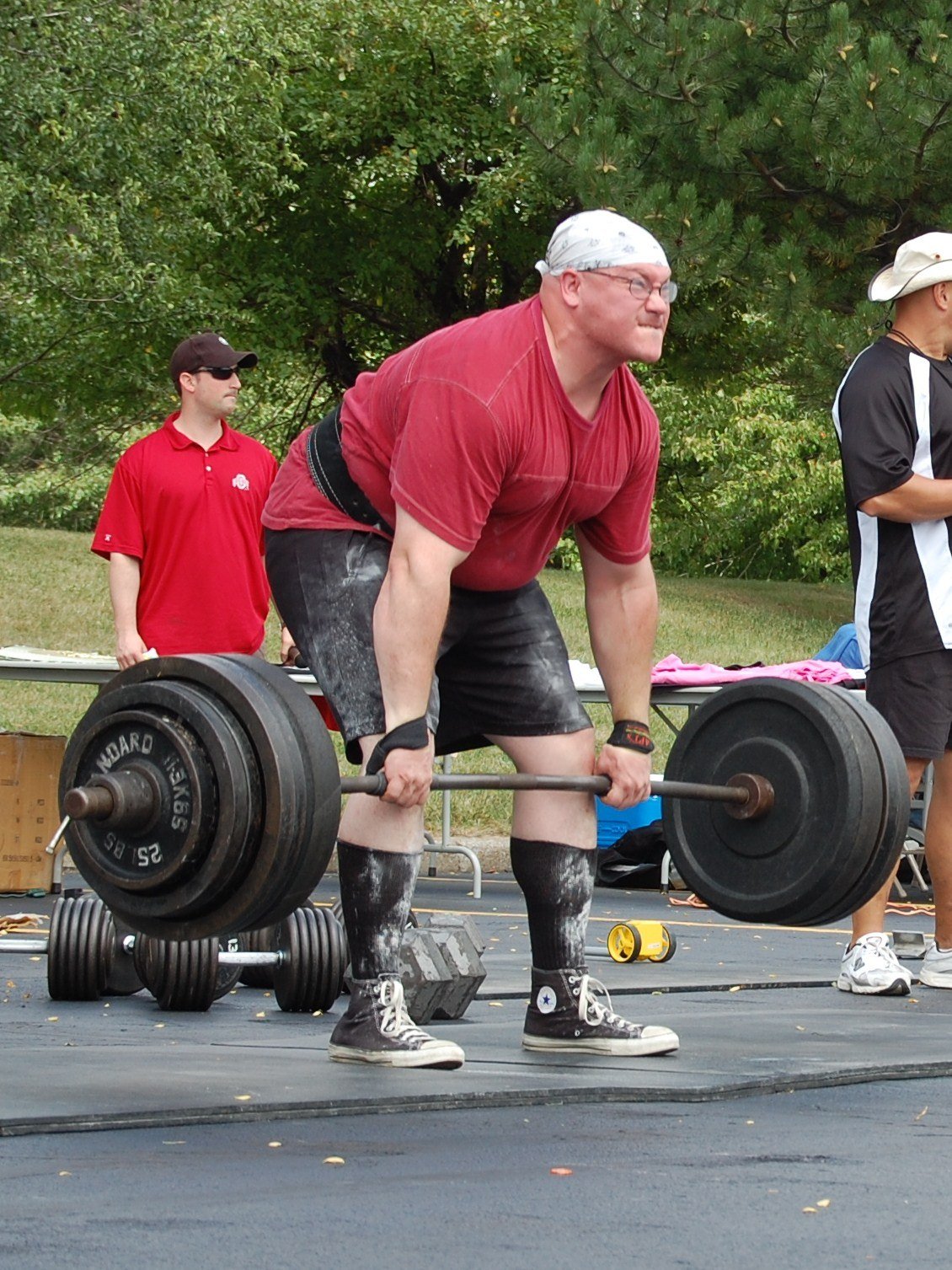
Photo: stu_spivack / Wikimedia Commons
1. Lock-Jaw OLY 2 Olympic Barbell Collar — Best Overall
Who it suits: most lifters who want one dependable clamp for everyday Olympic barbell training, from squats to deadlifts.
Lock-Jaw’s OLY 2 is a quick-release resin clamp with elastomer inner pads, made for 50 mm / 2-inch Olympic sleeves. The lever snaps the clamp shut in one motion, and the pads grip the sleeve while protecting it from scratches.
The brand lists a 500-pound weight limit for the pair, and roundups consistently rank the OLY 2 as the safest all-round Olympic collar for home and garage gyms.
Pros: one-motion quick release; elastomer pads grip without scratching the sleeve; well-established brand with a long sales history; slim enough to leave sleeve room for plates.
Cons: resin build, not metal — it will not feel as solid as an aluminium clamp; other colours sit on separate listings, so check the colour before ordering.
2. Lock-Jaw PRO 2 Barbell Collar — Best Quick-Lock Lever
Who it suits: lifters who want the classic Lock-Jaw lever design, with a sprung snap-latch that keeps the collar secured through heavy sets.
The PRO 2 is Lock-Jaw’s long-running nylon-resin clamp, with a rubber interior lining and a single-action cam lock. A permanent sprung snap-latch holds the collar on the bar, which is why it has stayed popular for years despite newer designs.
Roundups describe it as nearly unbreakable resin construction, 2 inches wide, with a 1-year warranty, and it is made for 2-inch / 50 mm Olympic sleeves.
Pros: proven lever-and-latch design; rubber lining grips the sleeve; durable resin build; 1-year warranty.
Cons: no confident US product-page link was found, so this is a search link — check the listing before ordering; several colourways sit on separate listings.
👉 Search for Lock-Jaw PRO 2 barbell collars on Amazon
3. Clout Fitness Heavy Duty PRO Barbell Clamps — Best Budget Quick-Release
Who it suits: home gym lifters who want a quick-release clamp without paying premium-collar prices.
Clout Fitness’ clamps are a resin quick-release pair for 2-inch Olympic bars, with an oversized latch that opens and locks with one hand. The brand says they suit Olympic-style movements, deadlifts, powerlifting, and high-intensity training, with bumper plates or standard plates alike.
Roundups rank them as the best budget quick-release pick, and the large latch is the practical point: it is easy to operate even with chalky or sweaty hands.
Pros: oversized one-hand latch; quick-release action; fits all 50 mm / 2-inch bars; budget price tier.
Cons: resin build like the Lock-Jaw picks, not metal; colour variants sit on separate listings — confirm you are ordering the colour you want.
4. DMoose Olympic Barbell Clips — Best Magnetic Storage
Who it suits: lifters who keep losing their collars between sets and want a pair that snaps onto the bar or rack when not in use.
DMoose’s clips are a nylon quick-lock pair for 2-inch Olympic sleeves, with an anti-slip TPR rubber lining that grips the sleeve without scratching it. The magnetic version snaps onto a barbell or rack upright between sets, so the clips are always within reach.
DMoose is a familiar brand across our guides — the same brand behind the dip belt, ankle strap, and barbell pad picks — and its clamps use a slim profile, roughly 7.3 by 3.7 inches per clamp.
Pros: magnetic version stores on the bar or rack; TPR lining grips without scratching; quick-release lever for fast plate changes; slim profile.
Cons: magnetic and non-magnetic versions are sold separately — check which version the listing shows; one recent listing crawl showed no featured offers available, so check availability before ordering.
👉 Check price on Amazon (check availability and version — one recent crawl showed no featured offers).
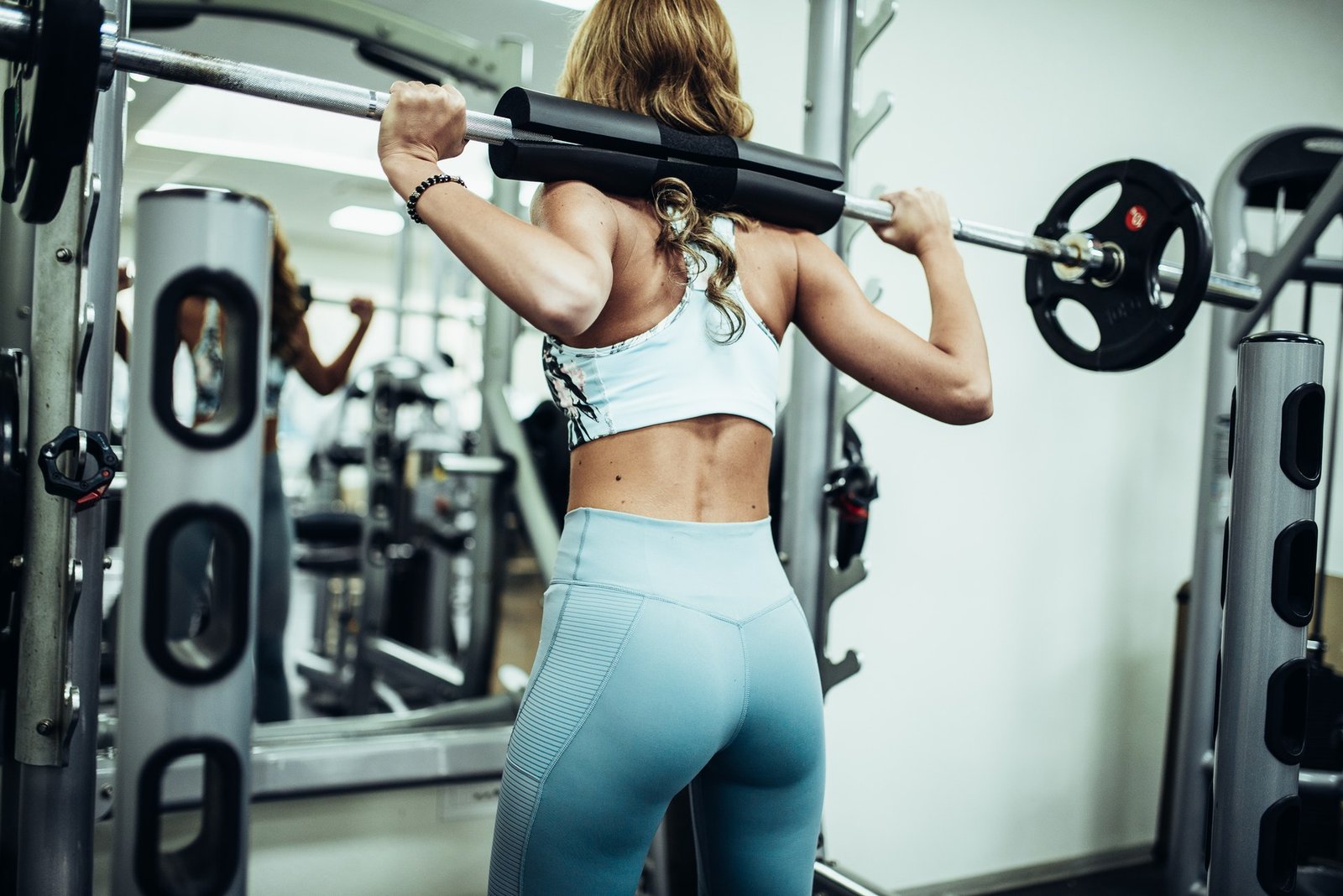
Photo: Nenad Stojkovic / Wikimedia Commons
5. Fox Claw T-Screw Barbell Collar — Best Screw-Lock
Who it suits: lifters who want a metal collar that tightens down hard and stays put, especially on bars where clamp collars feel loose.
Fox Claw’s collar is a chrome-plated stainless steel screw clamp for 2-inch / 50 mm Olympic sleeves. Slide it on, twist the T-screw, and it locks onto the sleeve — a slower change than a lever clamp, but a very firm hold once tightened.
The screw design also suits sleeves that are slightly under size: where a fixed clamp might slide, a screw collar can be tightened until it locks, within its stated limit.
Pros: stainless steel build, longer service life than plastic collars; T-screw locks firmly onto the sleeve; suits slightly smaller sleeves within its limit.
Cons: slower plate changes than a lever clamp — you twist to tighten and loosen every time; a screw collar needs checking too, since vibration can loosen a screw that was not fully tightened.
6. ProsourceFit Olympic Spring Clip Collars — Best Classic Spring Backup
Who it suits: lifters who want the simplest, cheapest collar that works — or a spare pair to keep in the gym bag.
ProsourceFit’s spring clips are chrome-plated steel for 2-inch Olympic sleeves, with easy-grip plastic handles that make them simpler to squeeze on and off, even with sweaty hands. They are the traditional design every gym has used for decades: squeeze, slide on, let go.
They are best as a backup or a light-training pair rather than a first choice for heavy drops. Spring tension weakens with age, and a worn spring clip is the classic collar failure — if a clip feels loose, replace it.
Pros: simplest design, cheapest of the six; chrome steel with easy-grip handles; no moving parts to break.
Cons: the Amazon product link below rests on a single source, so confirm the listing before ordering; spring clips wear out faster than clamps — check tension regularly; the listing’s stated weight limit is low, so treat these as a light-duty or backup pair, not a heavy-lifting first choice.
👉 Check price on Amazon (please confirm the listing matches the ProsourceFit Olympic spring clips — its link is single-source, see the note in our research).
How to Choose the Right Barbell Collar
Start with your bar. If you train on a standard Olympic barbell, any 2-inch collar here fits. If you train on a 1-inch standard bar, none of these picks fit — you need a 1-inch clip. If you train on a 1.9-inch axle bar, you need a collar made for that size, not a 2-inch clamp that will slide.
Then think about how often you change plates. If you change weights every set, a quick-release clamp saves real time. If you load once and lift, a screw collar’s slower change does not matter.
Collar type: spring vs clamp vs magnetic vs screw
Spring clips are the oldest design: a steel spring you squeeze open, slide on, and release. Cheap and simple, but the spring weakens over time, and they take two hands and decent grip strength to operate.
Clamp collars (Lock-Jaw, Clout, DMoose) use a lever to close a split body around the sleeve. One-handed, fast, and the most popular style for home gyms. Resin clamps are light and cheap; aluminium clamps are heavier, pricier, and tougher.
Magnetic collars are clamp collars with a magnet built in, so they stick to a rack or bar between sets. The magnet is a storage convenience, not a holding feature — it does nothing for plate security during a lift.
Screw collars (Fox Claw) tighten a T-screw onto the sleeve. Slower to change, but they grip hard and suit sleeves that are slightly under size. Check the screw is fully tight before every set.
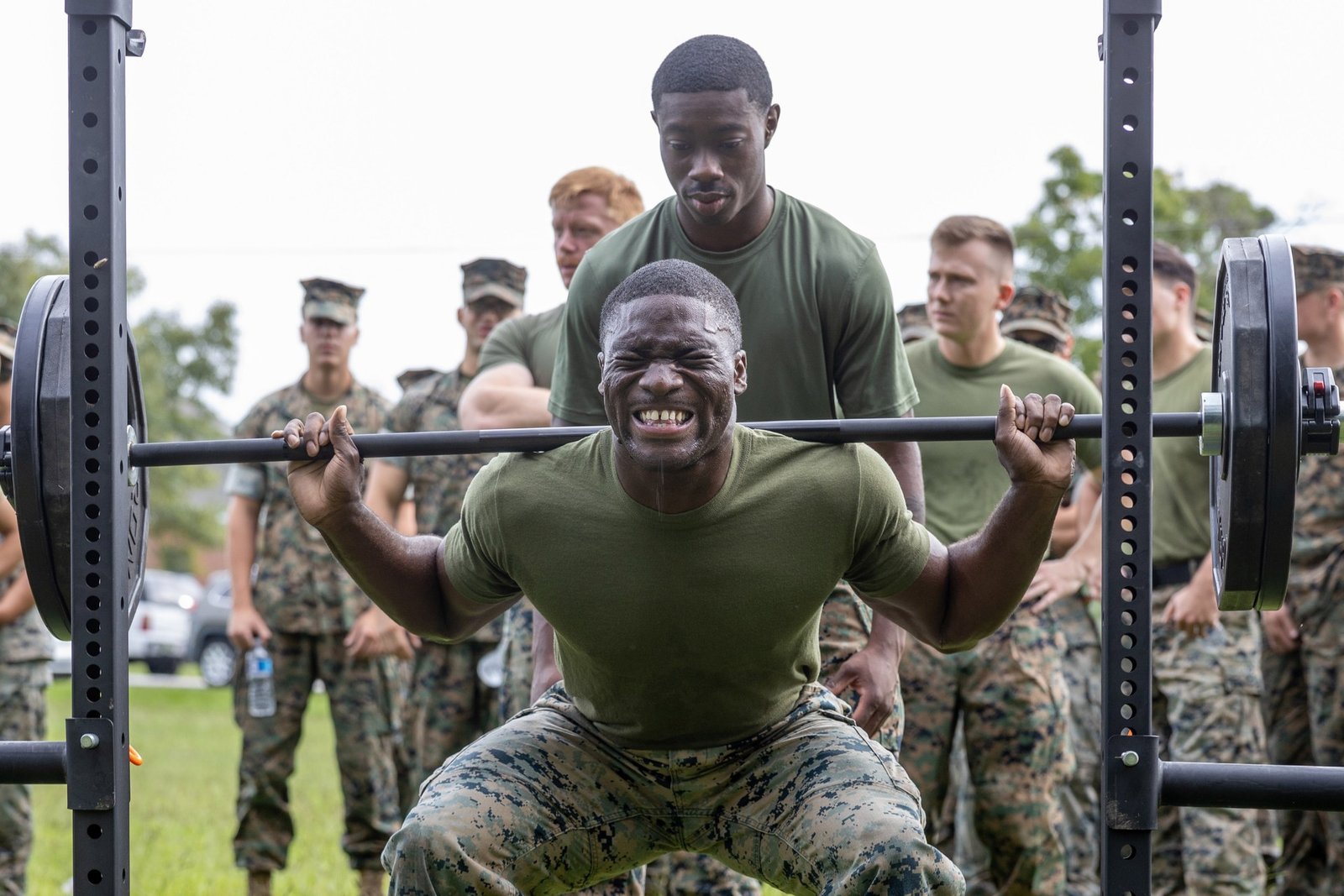
Photo: Wikimedia Commons
Bar fit: Olympic 2-inch vs standard 1-inch
Most modern barbells use 50 mm / 2-inch sleeves, and that is what five of the six picks here are made for. The ProsourceFit spring clips are also a 2-inch Olympic pair.
A 1-inch standard bar needs a 1-inch clip — CAP Barbell sells one, but it is a different product from the Olympic clips, and the two must not be confused. If your bar came with a home gym set of small plates, measure the sleeve before ordering.
Axle bars and some specialty bars use 1.9-inch pipe. A 2-inch collar will slide on a 1.9-inch sleeve, so axle lifters need a collar made for that size — Lock-Jaw sells a PRO 2 Axle version for 1.9-inch bars, sold separately from the standard PRO 2.
Ease of on and off
Quick-release clamps win on speed: one lever, one motion, plates changed in seconds. That matters most on circuits, drop sets, and shared racks where plates change constantly.
Screw collars are the slowest — twist on, twist off, every time. Spring clips sit in the middle for speed but need two hands and grip strength, which is awkward with chalky hands.
If you train alone and load once, speed barely matters. If you train with a partner or change weights often, it matters a lot — pick a clamp.
Durability
Metal collars (stainless screw collars, aluminium clamps) last longest, but cost more and weigh more. Resin and nylon clamps are light and cheap, and good ones last years — but a cracked resin body or a worn latch means replacement, not repair.
Spring clips wear out fastest: the spring loses tension with use, and a loose spring clip is the one collar failure every lifter has seen. Replace any clip that slides on without resistance.
Whatever you buy, store collars where they will not be stepped on or dropped from height — a cracked clamp body is a failed collar, even if it still closes.
A note on the collars not linked here
Rogue’s collars — the USA Aluminium, OSO 2.0, and HG 2.0 — top most roundups, but Rogue sells them direct from its own store, not through Amazon, so they are not linked in this guide. If you already buy from Rogue, they are a sound choice; this guide covers what you can buy through Amazon links.
Competition collars, which weigh 2.5 kg each and count toward the loaded weight, are left out deliberately — they are for competition platforms, not home gyms, and they would eat into your plate budget on a home bar.
Using collars safely
Load plates evenly on both sides, seat each plate fully on the sleeve, then slide the collar on and lock it. Push the collar against the outermost plate so there is no gap for plates to walk into.
Check both collars before every heavy set: locked, snug, no wobble. Re-check after any set where the bar was dropped or rolled — impact can loosen a collar that was tight.
Never lift with a cracked, bent, or loose collar. A collar that closes but does not grip is not protecting anything. Replace it.
If you have an injury or a condition that affects how safely you can lift, talk to a clinician or qualified coach before training with heavy loads. This guide is general information only, not medical advice.
Frequently Asked Questions
Do I really need barbell collars?
Yes, for any loaded barbell work. Plates walk outward during sets, especially on squats and deadlifts where the bar moves or tilts. Collars are cheap insurance against a suddenly uneven bar.
Will collars fit my barbell?
If your bar has 2-inch / 50 mm sleeves — the standard on most modern barbells — any pick in this guide fits. If your bar has 1-inch sleeves or a 1.9-inch axle sleeve, you need a collar made for that size instead.
Are spring clips good enough for heavy lifting?
Fresh spring clips hold fine for controlled lifts, but they are the weakest option here and they wear out. For heavy or dropped bars, a clamp collar holds better and lasts longer. Keep spring clips as backups.
How tight should a collar be?
Snug against the outermost plate, with no gap and no wobble when you push it. If you can slide it along the sleeve with the lever locked or the screw tightened, it is either the wrong size or worn out — replace it.
Do magnetic collars hold plates better?
No. The magnet only helps storage — it sticks the collar to a rack or bar between sets. Plate security comes from the clamp itself, not the magnet.
When should I replace a collar?
When it no longer grips firmly, when the body is cracked, when a latch or screw is damaged, or when a spring clip slides on without resistance. A collar that looks fine but does not hold is already failed — replace it before it matters.
Our Pick in One Line
If you want one answer: the Lock-Jaw OLY 2 is the best all-round buy because its quick-release lever and padded grip suit almost every home gym — but if budget matters most, the Clout Fitness clamps do the same basic job for less.
For the rest of your barbell setup, see our Olympic barbells guide and our beginners equipment guide, and for a full home gym, see our dumbbells guide.
As an Amazon Associate, we earn from qualifying purchases made through links on this page, at no extra cost to you.
This guide is research-based: we compared verified buyer reviews and manufacturer specifications, and we did not buy or hands-on test these products. Prices and availability change, so check the listing before ordering. The training information here is general information only, not medical advice — if you have an injury or a condition that affects how safely you can lift, talk to a clinician first.