

🏋️ Why a Kettlebell Earns Its Floor Space
A kettlebell is one of the simplest home-gym tools you can own. It is a weighted ball with a handle, and that handle changes everything.
It lets you swing, carry, squat and press with a single piece of equipment. No rack, no bench, no assembly required.
That simplicity is also why kettlebells suit small spaces so well. One or two bells can cover a huge share of a home workout.
🔍 How We Picked These
This guide is research-based. We did not buy or hands-on test these kettlebells.
Our picks come from verified buyer reviews, manufacturer specifications and independent review comparisons. Where a detail could not be confirmed, we say so rather than guessing.
Prices are not quoted here because they change often. Check the current price on the linked store page before you buy.
📊 Quick Comparison
| Kettlebell | Best for | Type | Sold as |
|---|---|---|---|
| Amazon Basics Cast Iron | Best overall on a budget | Cast iron | Single |
| Yes4All Solid Cast Iron | Widest weight range | Cast iron | Single |
| Kettlebell Kings Powder Coat | Premium grip and finish | Cast iron, powder coat | Single |
| Bowflex SelectTech 840 | Best adjustable, space-saving | Adjustable | Single adjustable unit |
| REP Fitness Adjustable | Adjustable with a cast-iron feel | Adjustable | Single adjustable unit |
| CAP Barbell Cast Iron | Classic, widely stocked bell | Cast iron | Single |
Every listing below is for a single kettlebell unless it says otherwise. Always check the listing’s weight and quantity before ordering, because sellers vary.
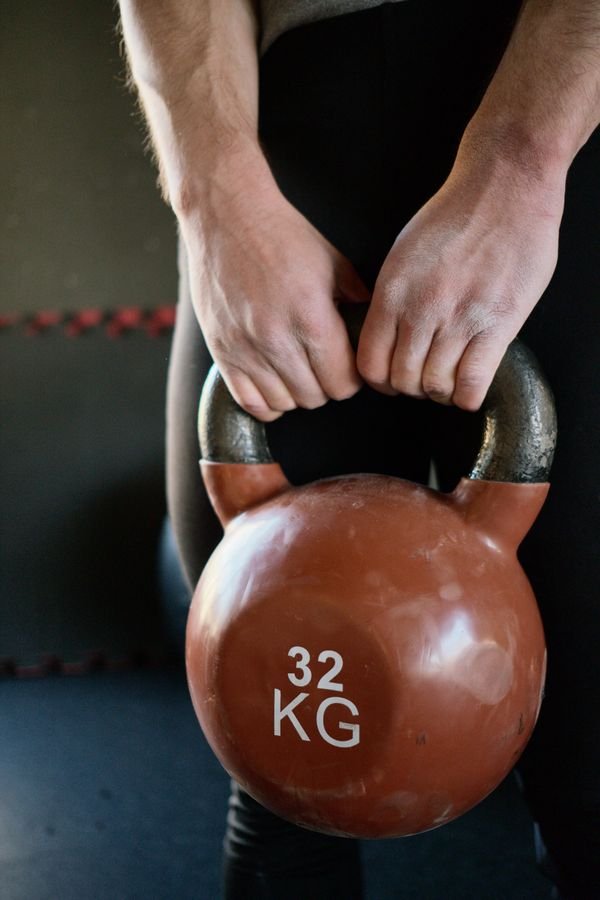
1. Amazon Basics Cast Iron Kettlebell — Best Overall on a Budget 💰
Who it suits: First-time buyers who want a solid, no-fuss bell without paying a premium brand price.
The Amazon Basics bell is a plain cast-iron kettlebell with a painted finish. It does the job without extras, and that is exactly its appeal.
Pros: Simple, durable cast-iron build; easy to find in common weights; friendly price for a first bell.
Cons: Painted finish can feel smoother than powder coat, so chalk helps for longer sessions; the bell grows in size as the weight goes up, like most cast-iron bells.
2. Yes4All Solid Cast Iron Kettlebell — Widest Weight Range 📏
Who it suits: Lifters who want to start light and stay with the same brand as they get stronger.
Yes4All sells its solid cast-iron bell singly across a very wide range, from light starter weights up to heavy bells. That makes it easy to add a second, heavier bell later without switching brands.
Pros: Huge weight range from one product line; solid cast-iron construction; sold singly, so you buy only what you need.
Cons: Finish and handle feel vary by weight, as with most budget cast iron; heavier bells are large, so check your floor space.
3. Kettlebell Kings Powder Coat Kettlebell — Premium Grip and Finish ✨
Who it suits: Lifters who train often and want a handle that holds chalk well and a finish built to last.
Kettlebell Kings’ powder-coat bell is a single cast-iron kettlebell with a matte, textured coating. Powder coat grips better than smooth paint, which matters once your hands start to sweat.
Pros: Powder-coat finish gives a secure, chalk-friendly grip; single-piece cast iron; reviewers note a lifetime warranty from the brand.
Cons: Costs more than budget bells; still grows in size with weight, unlike competition bells.
4. Bowflex SelectTech 840 — Best Adjustable, Space-Saving 🔄
Who it suits: Home gyms short on space, and households where more than one person trains at different strengths.
The SelectTech 840 replaces six kettlebells with one adjustable unit. A dial selects weights from 8 lb up to 40 lb, so one bell covers warm-ups, swings and presses.
Pros: Six weights in one unit (8, 12, 20, 25, 35 and 40 lb); dial selection is quick; far less floor space than a full set.
Cons: The shape and balance differ from a traditional bell, so it feels less natural for some moves; the top weight of 40 lb will limit stronger lifters.
5. REP Fitness Adjustable Kettlebell — Adjustable With a Cast-Iron Feel 🏠
Who it suits: Lifters who want adjustable convenience but prefer the feel of a real cast-iron bell.
REP’s adjustable bell uses stackable plates inside a cast-iron-style shell, adjusted with a push-down-and-twist mechanism. Reviewers describe a matte powder-coat finish and a comfortable handle.
Pros: Feels much closer to a fixed cast-iron bell than dial-style adjustables; powder-coat grip; several weight ranges available.
Cons: Changing weights takes a moment longer than turning a dial; check which weight range you are buying, as ranges differ.
6. CAP Barbell Cast Iron Kettlebell — The Classic, Widely Stocked Bell 🏋️
Who it suits: Buyers who want a straightforward, widely available bell from a long-established fitness brand.
CAP Barbell’s cast-iron kettlebell is one of the most commonly stocked bells around. It comes in small weight jumps at lighter weights, which helps beginners progress gradually.
Pros: Widely stocked and easy to replace or match later; small weight steps at the light end; simple, proven design.
Cons: Enamel-style finish can chip over time and feels smoother than powder coat; size grows with weight.
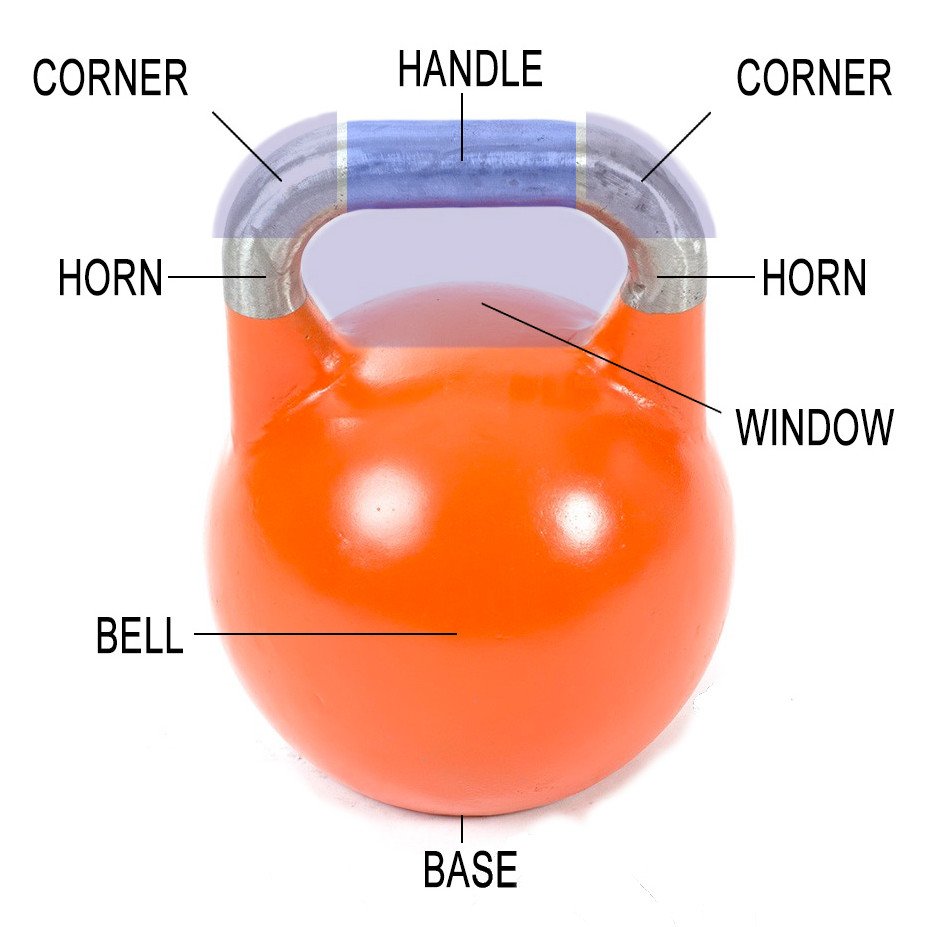
🧭 How to Choose the Right Kettlebell
Cast iron vs competition steel vs adjustable
Cast-iron bells are the classic choice. They are solid, durable and affordable, but each weight is a different size — heavier bells are bigger.
Competition bells are hollow steel shells made to one fixed size no matter the weight, with colour coding by weight. That fixed size means your technique never changes as you get stronger, which competitive lifters value.
Adjustable bells trade some traditional feel for space and value. One unit covers several weights, which suits small home gyms and shared households.
What weight should you start with?
Beginner guides commonly suggest a first bell of around 8–12 kg for women and 12–16 kg for men. These are starting points, not rules — your strength and experience matter more than any chart.
One detail surprises most beginners: swings need a heavier bell than presses. A weight that feels right overhead will often feel too light for swings.
Start light, learn the movement properly, and add weight gradually. A bell you can control with good form beats a heavier one you wrestle with.
Handle finish and coating — the honest version
Powder coat is the grip-friendly option. Its matte, slightly rough surface holds chalk well and stays secure in sweaty hands.
Enamel or painted finishes look smart but feel smoother, and paint can chip with heavy use. They still work fine — chalk closes much of the gap.
Vinyl-coated bells protect your floors and look friendly, but they are mostly a light home-use option. For serious, frequent training, bare or powder-coated iron is the better bet.
Handle width matters too. A handle that is too thick tires your grip early; one that is too narrow feels cramped with two hands. If you plan two-handed swings, check that the handle fits both hands comfortably.

✅ What Kettlebells Are Good For — and What They Are Not
Kettlebells shine at swings, carries, goblet squats and general conditioning. They build practical strength and stamina in short, space-efficient sessions.
They are not a barbell replacement for maximal strength. If your goal is the heaviest possible squat or deadlift, a barbell still wins.
Technique matters more with kettlebells than with most home equipment. Learn the swing properly — ideally from a qualified coach or a reputable instructional source — before chasing heavier weights.
If you already train with dumbbells, a kettlebell adds a different kind of movement rather than replacing them. Our dumbbells guide and resistance bands guide pair well with this one for a complete small home gym, and our beginners equipment guide covers the wider setup.
❓ Frequently Asked Questions
How many kettlebells do I need to start?
One is enough. Pick a weight you can swing with good form, and add a second, heavier bell later when swings start feeling easy.
Should I buy a pair or a single?
Start with a single. Pairs matter for double-bell work, which is an advanced step — most beginners progress faster with one bell and good technique.
Are kettlebells in kilograms or pounds?
Both. Competition bells are traditionally sold in kilograms, while many cast-iron bells are sold in pounds. The weight matters, not the unit — just check which one your listing uses.
Can kettlebells replace my gym membership?
For general strength and conditioning, a couple of bells go a long way. For heavy barbell training or machines, they complement rather than replace a gym.
Do I need chalk?
Not at first. Chalk helps once your hands sweat during longer sessions, especially on smooth or painted handles. It is cheap and worth having.
How do I protect my floors?
Use a rubber mat or train on a surface you do not mind marking. Never drop a cast-iron bell on bare hard floors — and avoid dropping bells overhead in general.
As an Amazon Associate, we earn from qualifying purchases made through links on this page, at no extra cost to you. This guide is research-based: products were compared from their labels, stated weight ranges, and verified buyer-review records — not from hands-on testing. Prices and availability change, so always check the current listing before buying. This article is general information, not medical advice; if you have an injury or health condition, talk to a clinician before starting a new training programme.