

Ronnie Coleman did not arrive as a champion. 🏋️ He arrived as a working police officer with a footballer’s build, a free gym membership, and a long way to go.
This is the story of how his physique changed — from those early years, through a frustrating plateau, to the 1998 breakthrough that started an eight-year reign. 👑
It is told mainly in Coleman’s own public words, and it keeps the sensitive part of the story brief and factual. Nothing here describes any substance use in detail, and nothing here is advice of any kind.
For his full career record, see his biography, and for his life today, see Ronnie Coleman Now.
From the Football Field to the Stage 🏈
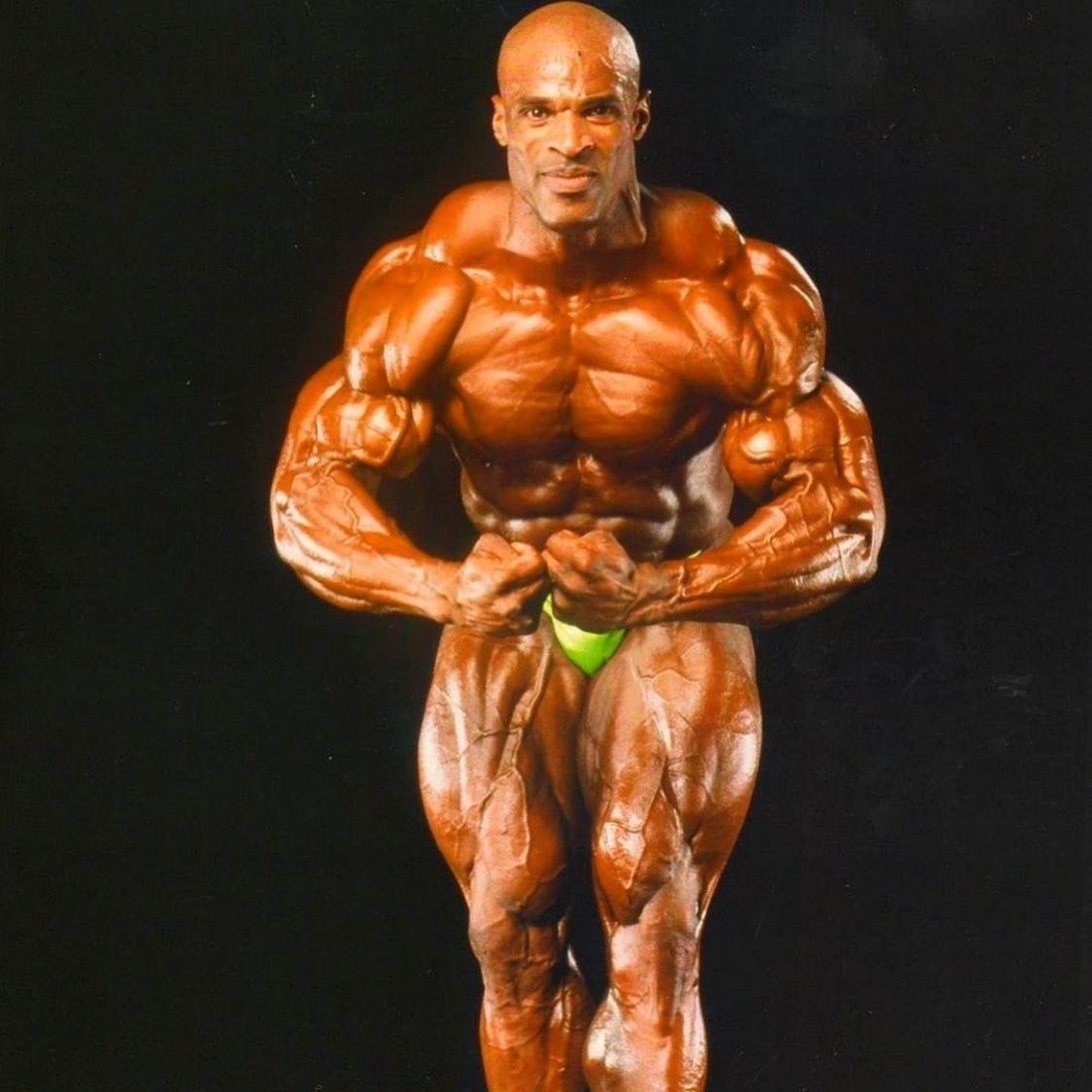
Ronald Dean Coleman was born on 13 May 1964 in Monroe, Louisiana, and raised in nearby Bastrop. He played football as a middle linebacker at Grambling State University, under the legendary coach Eddie Robinson, and graduated with a degree in accounting.
Work was hard to find, so he took a job at Domino’s Pizza before joining the Arlington, Texas police department in 1989. He would stay on the force through his rise, serving full-time until 2000 and as a reserve until 2003. 🚓
A fellow officer, Gustavo Arlotta, pointed him toward Metroflex Gym in Arlington. Its owner, Brian Dobson, offered Coleman a free lifetime membership if Dobson could coach him for the 1990 Mr. Texas.
Coleman accepted — and won the 1990 Mr. Texas heavyweight and overall titles, beating his own coach in the process. He then placed third in the heavyweight class at the 1990 NPC Nationals, and in 1991 he won the IFBB World Amateur Championships heavyweight title, earning his pro card. 🎟️
The Natural Years — and the Plateau ⏳
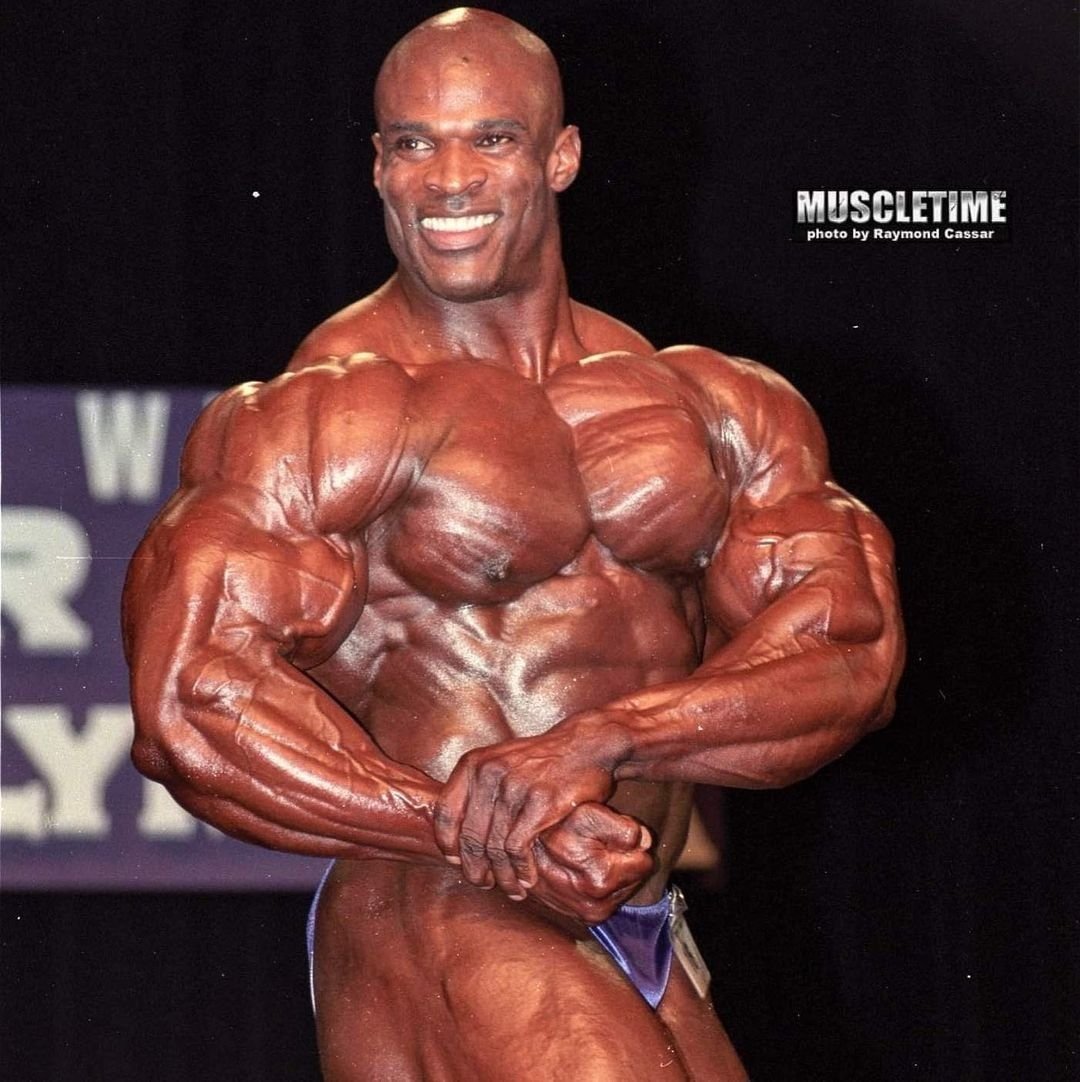
In later interviews, Coleman has said he competed for his first six years without using performance-enhancing substances. His highest placing in that period, by his own account, was third — the 1990 NPC Nationals result.
That is a striking detail, because the Coleman fans remember looked nothing like a third-place amateur. He was strong, hard-working, and already famous inside the gym for heavy training at Metroflex — but on a pro stage, he was still some way from the top.
His first pro win came at the 1995 Canada Pro Cup. It was progress, not a breakthrough. The Olympia stage, the sport’s biggest, was still telling a slower story. 📈
The Turning Point, in His Own Words 🎙️
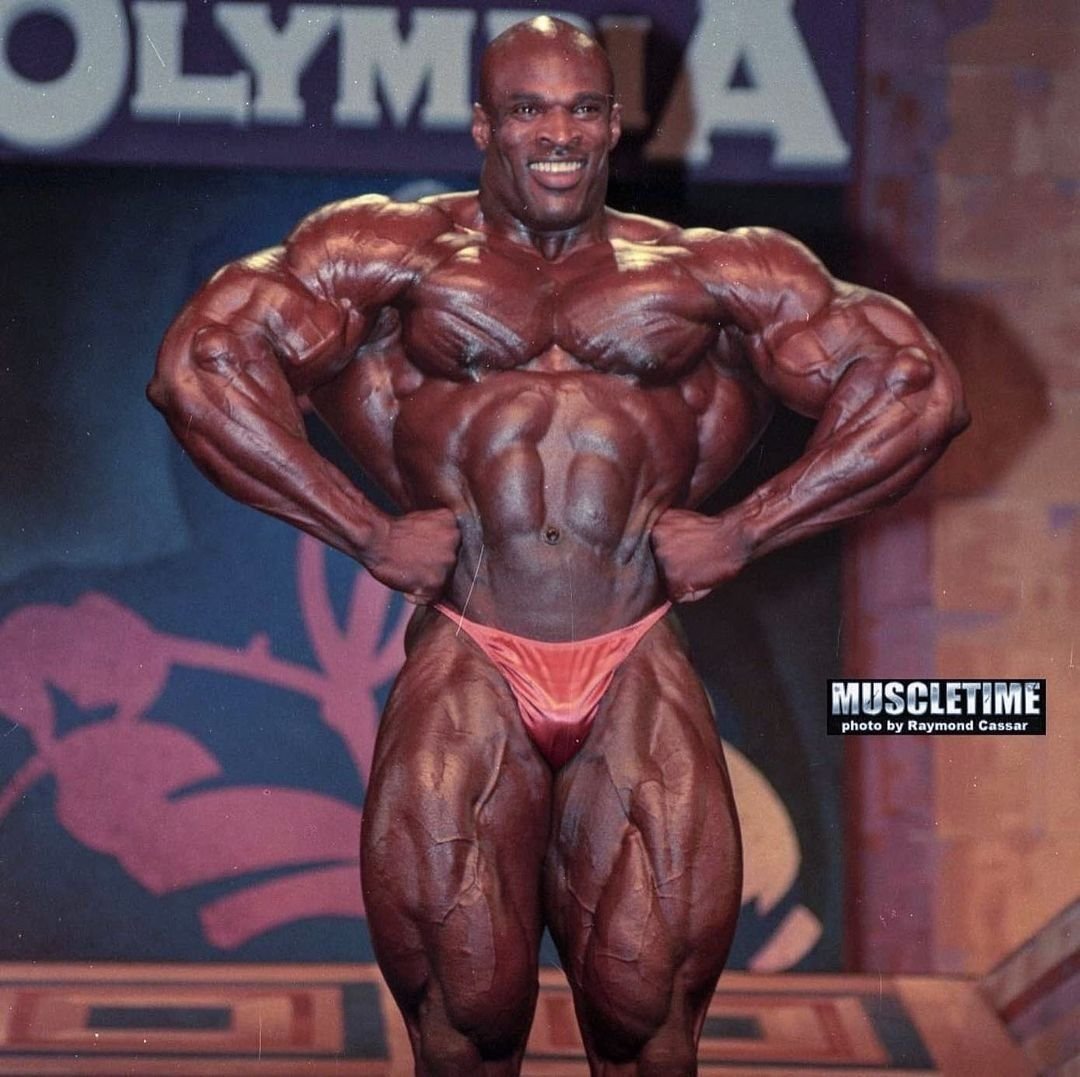
Coleman has spoken openly about this part of his life in later years, including on the Joe Rogan Experience, and he has never hidden it. He said he was tired of losing — in his words, tired of getting his “ass kicked” — while rivals had an advantage he did not.
By his account, fellow competitor Flex Wheeler, one of his closest friends in the sport, suggested the change. Coleman decided to compete on equal terms. Flex Wheeler’s own story runs alongside Coleman’s at this point, and the two men remained close.
Coleman also said that during an era of Drug Enforcement Administration scrutiny, what he used was prescribed by doctors rather than bought on the street, and that he did not take vastly more than his peers. That is his account, reported here as he gave it — no more detail is given, because none is needed to understand the transformation.
What he stressed, again and again, was that substances alone explained nothing. Genetics and work ethic, he said, came first. That view shapes the rest of this story. 💪
The Long Climb: 1992 to 1997 🧗
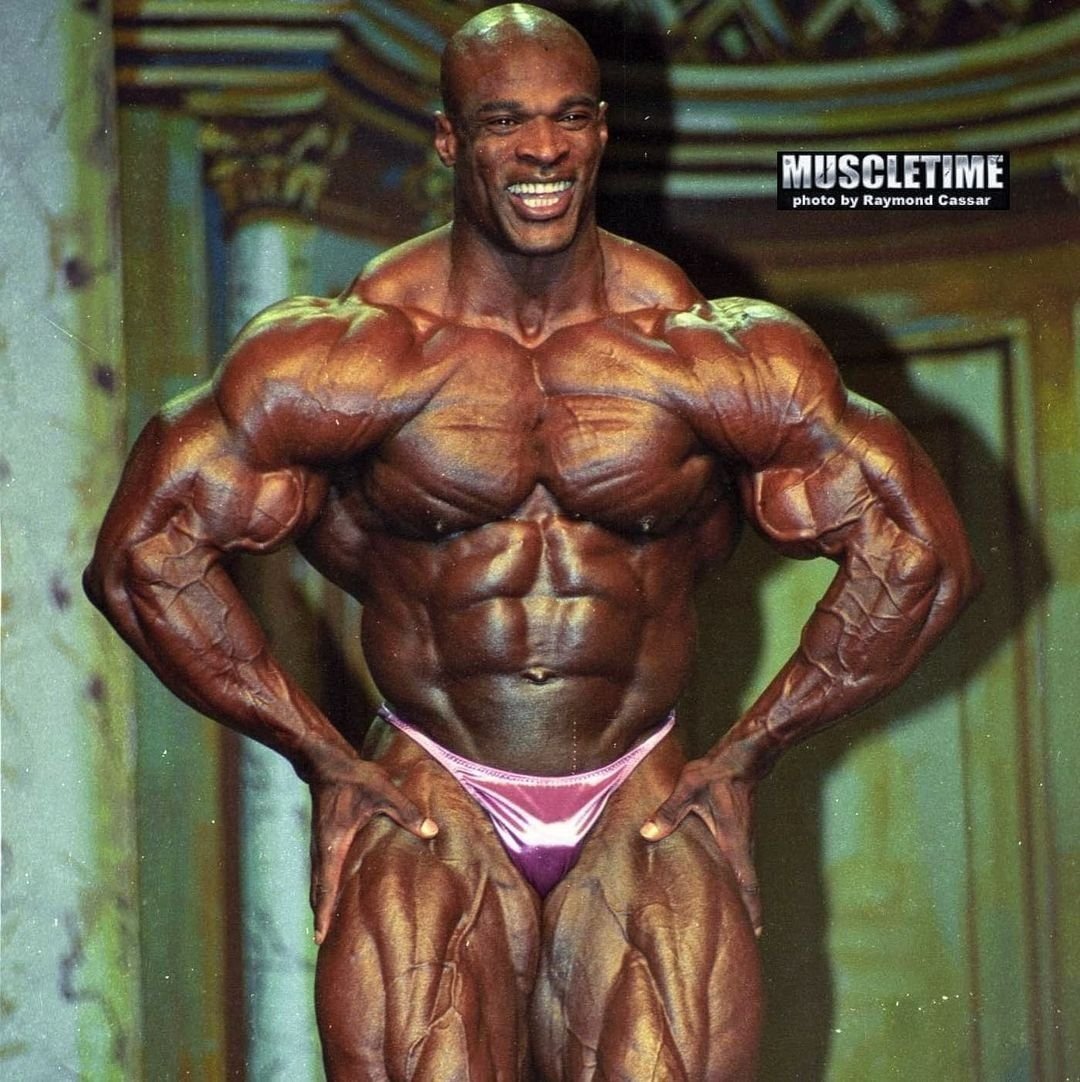
Coleman’s Olympia record reads like a patience test. In 1992, his first Olympia, he did not place at all. In 1994 he finished 15th, in 1995 11th, in 1996 6th — and then, in 1997, he slipped back to 9th.
Most athletes would have read that as a verdict. Coleman read it as unfinished work. He kept showing up, kept training heavy, and kept refining his contest shape year after year.
The change between 1997 and 1998 is the heart of this transformation. Reports from the time credit a new coaching relationship with Chad Nicholls before the 1998 season, and an earlier 1998 Night of Champions win that raised his standing. Whatever the exact mix, the man who walked on stage in 1998 looked like a different athlete. ✨
1998: The Breakthrough Season 🏆
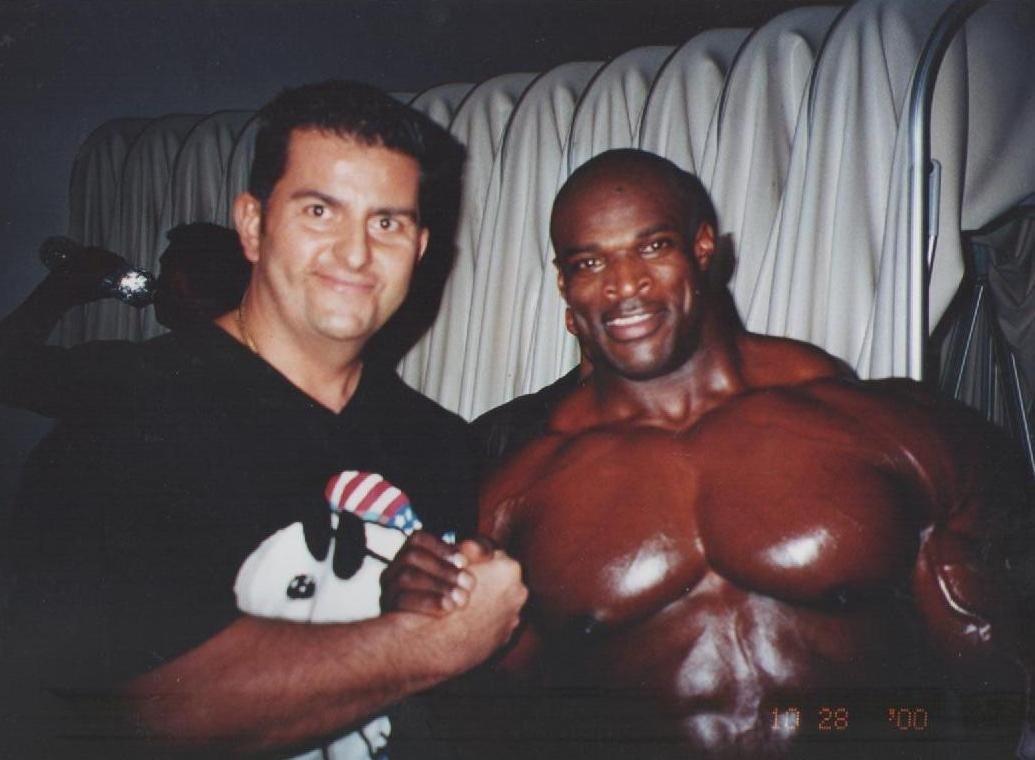
The 1998 Mr. Olympia was the first after Dorian Yates retired, so a new champion was guaranteed. Few expected it to be Coleman — but he beat the favourite, Flex Wheeler, to win his first title in one of the sport’s great upsets.
That win opened the most dominant run in modern bodybuilding. Coleman defended the title every year through 2005 — eight consecutive Mr. Olympia victories, tying Lee Haney’s all-time record — and finished his career with 26 professional wins in total.
His rivalry with Yates, the man whose retirement cleared the way, is covered in Dorian Yates vs Ronnie Coleman. His training and eating approach from those years is covered separately in his diet plan and workout routine feature — described there as history, not as a plan to copy.
The Reign, the Ending — and What He Says Mattered Most 👑
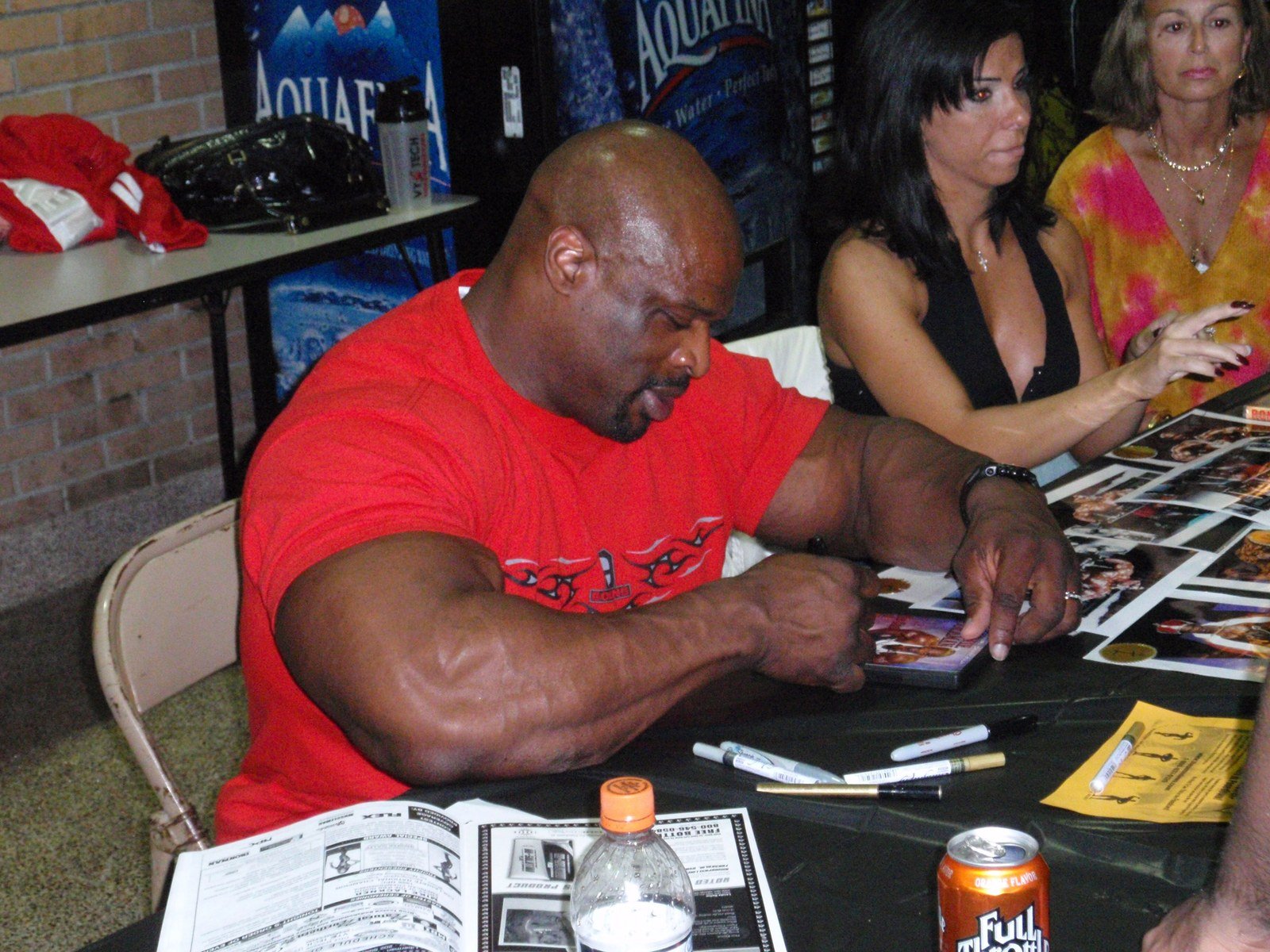
Jay Cutler ended the reign in 2006, after four straight years as runner-up. Coleman made his final Olympia appearance in 2007, finishing fourth, and then stepped away from the stage.
The years since have been hard on his body. He has spoken of 13 surgeries in total — that total only, with no breakdown given here — and his life today, including his business work, is covered in Ronnie Coleman Now, refreshed in 2026 when he turned 62.
Asked what made the transformation possible, Coleman’s answer never changed: genetics first, work ethic second, and everything else a distant third. Fans still argue about the rest — but nobody argues about the arc itself.
From a police officer chasing a free gym membership to an eight-time champion, that arc is why this journey is still talked about. It was not one decision, and it was not one season. It was a decade of showing up, a turning point he has never hidden, and a breakthrough that rewrote the sport. 🌟
Quick answers ❓
Was Coleman really a natural competitor at first? By his own later account, yes — for about his first six years, with third place his best result in that period.
How long was his Olympia reign? Eight straight titles, from 1998 to 2005, tying Lee Haney’s record.
What does he say mattered most? Genetics and work ethic. He has said repeatedly that substances alone could never have built his physique.
For the wider story of his life and legacy, read Ronnie Coleman: The Life and Legacy.