

Bodybuilding is built on patience as much as effort. 🏋️ The same heavy, repeated training that builds muscle also asks a lot of your joints, tendons and back.
No guide can promise you will never get hurt. What smart habits can do is lower the odds, help you spot trouble early, and keep small problems from becoming long layoffs.
Technique cues for the squat, deadlift, bench press and overhead press are woven into the sections below rather than given a separate section, so every section here carries its own photo.
Warm Up Well and Build Load Gradually

A good warm-up is about getting warm, not getting tired. Easy movement first, then lighter versions of the lifts you plan to do, works well for most lifters.
Jumping straight to a heavy top set is one of the simplest ways to invite a strain. Give your body a ramp, not a cliff edge. 📈
Gradual progress matters just as much over weeks as it does within one session. Adding a little load, volume or difficulty at a time lets muscles, tendons and joints adapt together.
Tendons adapt more slowly than muscles, so a programme that feels fine for your muscles can still be too much, too soon, for your tendons. That mismatch is a classic overuse trap.
Watch for form breaking down as a set goes on. When your technique starts to slip, the set has told you what it needed to — stop there rather than grinding through ugly reps.
Muscle Strains: Spotting Trouble Early
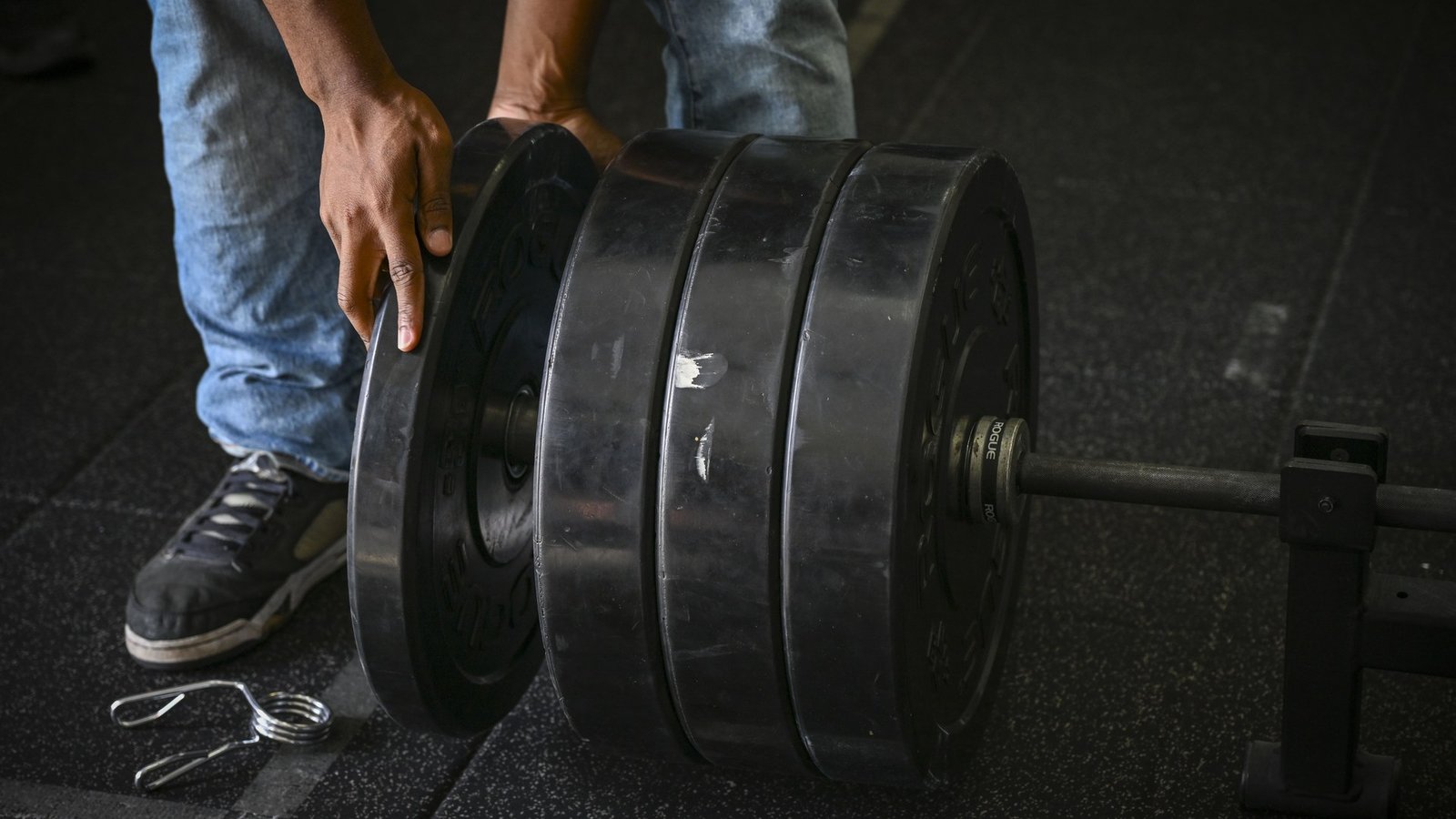
A muscle strain is damage to muscle fibres, ranging from mild irritation to a more serious tear. The biceps, chest, hamstrings and lower back are common trouble spots for lifters.
Typical warning signs include sudden pain during a lift, soreness that is sharp rather than ordinary post-workout ache, swelling or bruising, and a clear loss of strength or movement.
If you feel a sudden pop, sharp pain or weakness, stop lifting. Pushing through it rarely saves a workout and often costs weeks. 🛑
Rest the area, avoid re-testing it with heavy loads, and get it checked by a clinician or physiotherapist if it is painful, swollen, bruised or not settling. They can judge how serious it is far better than guesswork can.
Prevention here is mostly unglamorous: warm up, progress gradually, keep good technique, and respect fatigue. Tired muscles protect joints poorly, so late-session heavy attempts deserve extra caution.
Tendons and Overuse: Give Them Time to Adapt
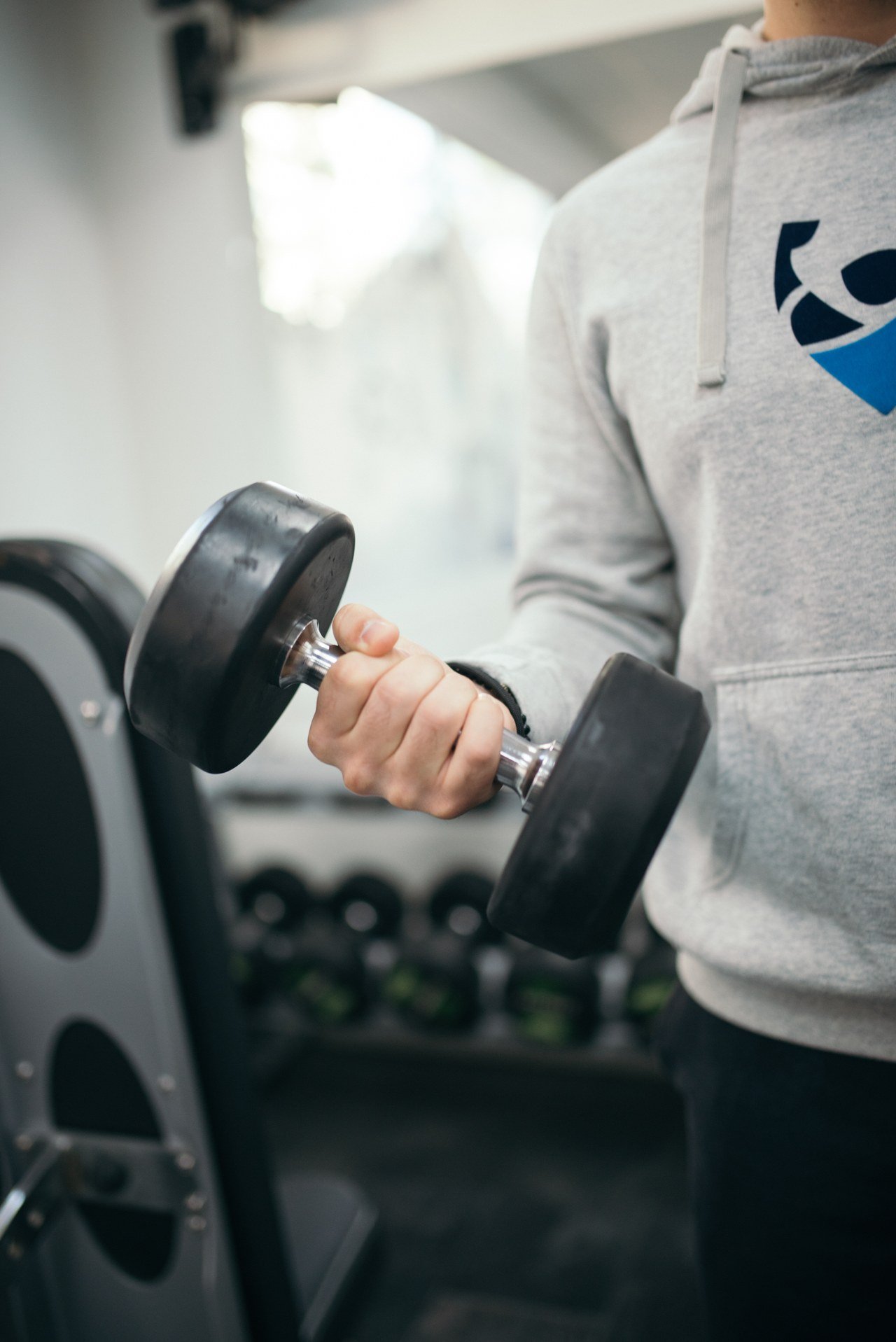
Tendons connect muscle to bone, and they complain when load rises faster than they can handle. Knees, Achilles tendons, elbows and shoulders are frequent sites.
Early tendon trouble often shows up as pain during or after training that settles with rest, then returns when you train hard again. That on-off pattern is worth listening to early.
The fix is rarely one magic exercise. It is usually load management: easing back on the aggravating movements, varying exercises so the same tissues are not hammered daily, and building back gradually.
Planned lighter weeks have a real purpose here. They give irritated tendons breathing room without you having to stop training altogether, and many lifters use them between harder blocks.
If tendon pain lingers, keeps coming back or limits daily life, talk to a physiotherapist. Persistent tendon problems need an individual assessment, not a generic routine.
Shoulders and the Rotator Cuff
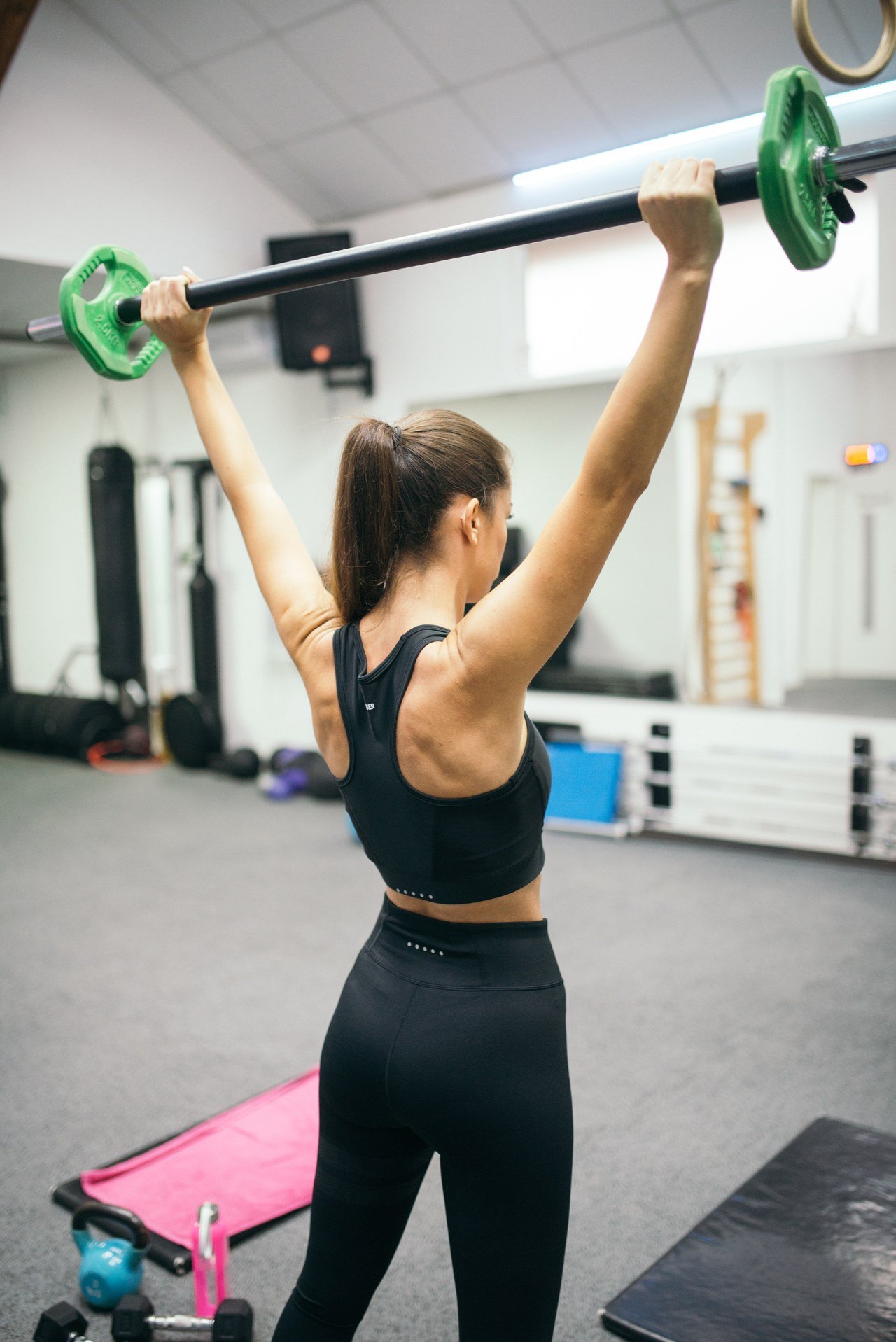
Your shoulders do a huge amount of work in pressing and pulling, and the small rotator cuff muscles help keep the joint stable through it all. When they are overloaded or undertrained, pressing often starts to ache.
Common contributors include very high pressing volume, poor shoulder positioning — such as shoulders creeping forward during presses — and skipping any warm-up for the smaller shoulder muscles.
Balancing pushing with pulling helps, as does choosing a pain-free range of motion. If a particular press hurts, changing the grip, the implement or the range is often wiser than forcing the same version.
Behind-the-neck pressing deserves caution: it puts many shoulders in an awkward position, and plenty of lifters do better with presses in front of the body. If it hurts, leave it out.
For more shoulder-specific reading, see how Dorian Yates approaches strengthening the rotator cuff and protecting the shoulder during workouts.
Pain, clicking with weakness, or trouble sleeping on the shoulder are reasons to get checked rather than train around them. A physio can tell you whether rest, rehab or further assessment is the right next step.
Lower Back: Brace, Hinge, Stay Neutral

Squats and deadlifts load the lower back heavily, and technique matters most exactly when the weight feels heaviest. A rounded, uncontrolled back under load is a risk factor worth avoiding.
Think hinge first, not squat down any old way. Push the hips back, keep the bar close, keep the spine in a neutral position, and brace your trunk before the bar moves.
Keep your ribs down and avoid bouncing out of the bottom of a squat or deadlift. Controlled lowering beats a rushed, jerky rep every time — for your back and for your gains.
Core and hip strength support this, but they are not a shield on their own. If your back rounds because you are fatigued, that is a sign to end the set, not to chase one more rep.
Back pain that shoots down a leg, comes with numbness or weakness, or does not settle should be checked promptly by a clinician. Those are not “train through it” symptoms. ⚠️
Recovery, Deloads and Knowing When to Stop

Recovery is where training actually pays off. Sleep, enough food and planned lighter periods are part of injury prevention, not optional extras.
Watch the bigger picture, not just one session. Lingering fatigue, performance sliding backwards, constant soreness and lost enthusiasm can all signal that you need an easier stretch, not a harder one.
A lighter week is not lost progress. It is how many lifters stay consistent for years instead of burning out in months — and consistency is what builds a physique.
The same long view applies to the sport’s cautionary tales. Ronnie Coleman’s later health struggles are a reminder that pushing through pain for years can carry a heavy price, as covered in what happened to Ronnie Coleman.
Stop and seek prompt medical advice if you notice: sharp or worsening pain, numbness or tingling, new weakness, a limb you cannot use or bear weight on, a visible deformity, or pain that simply does not settle. Do not wait it out if any of these appear.
If you want to round out your training with safer variety, a dumbbell workout can be a joint-friendly way to vary load while your main lifts stay heavy and controlled.
Questions lifters often ask: Can I train with a niggle? Only if it is mild, does not change how you move, and improves rather than worsens — and if in doubt, ask a physio. Should I stretch before lifting? Gentle movement and light warm-up sets are a safer default than aggressive stretching of cold muscles. How do I know it is overtraining? No single sign proves it, but fatigue plus falling performance plus poor sleep is a strong cue to ease off and reassess.
This guide is general information only and is not medical advice. It does not diagnose or treat any condition. If you are injured, in pain, or unsure whether to train, speak to a qualified clinician or physiotherapist before continuing. 💛