

Starting keto can feel confusing. 🥑
There are endless menus, rules, and promises online — and much of it disagrees with itself.
This guide takes a calmer route. It explains how a beginner’s low-carb eating is usually structured, what to shop for, and what to watch out for.
It is general information only, not medical advice. It does not prescribe a diet for you, and it never replaces a clinician’s advice.
For the background science, see our companion explainer: Ketogenic Diet for Weight Loss (2026). For meal ideas, see Keto Diet Recipes (2026).
1. Start With the Safety Check, Not the Shopping List 🩺
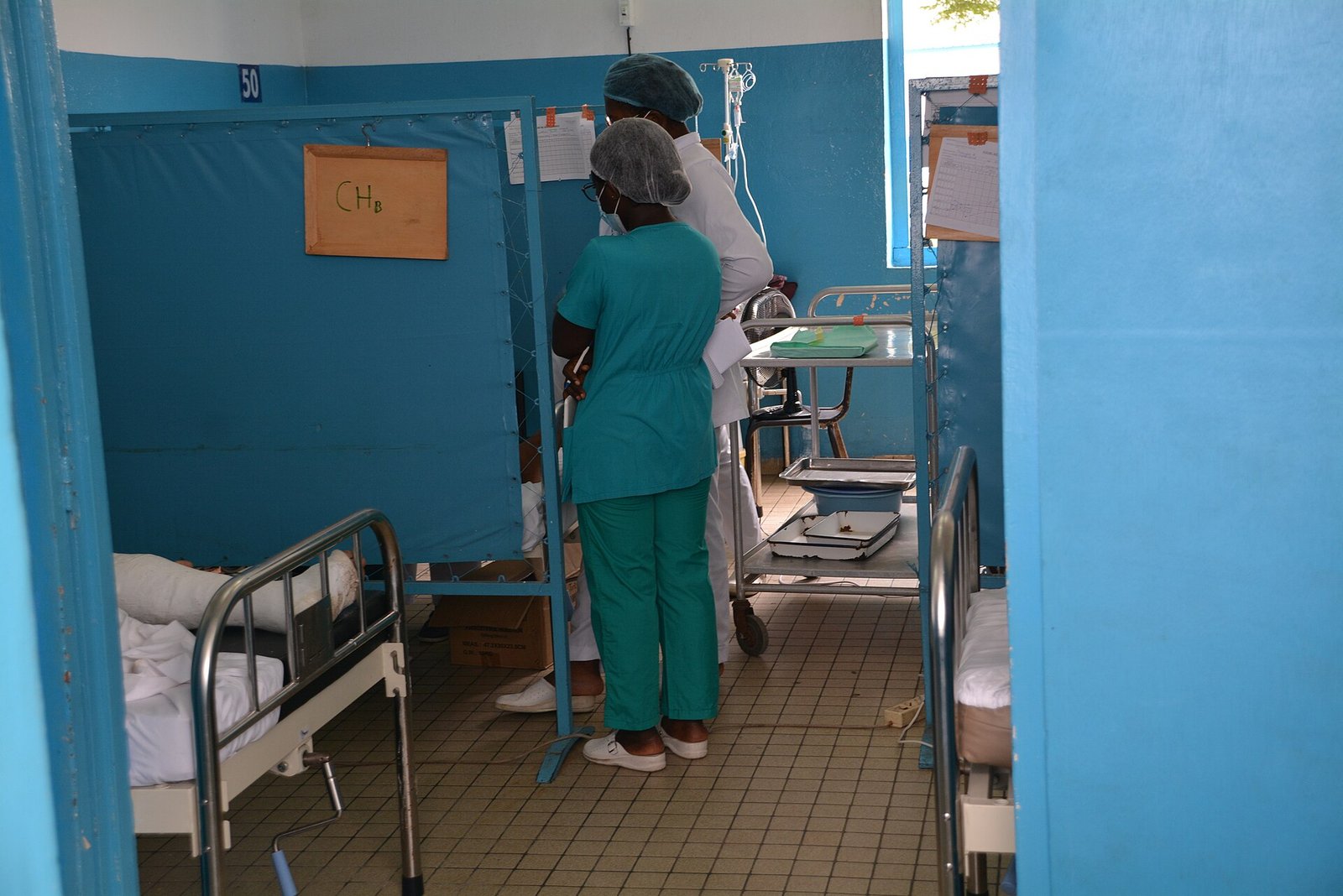
Before changing how you eat in a big way, talk to a clinician or a registered dietitian — especially if anything below applies to you.
Do not try keto without medical supervision if you have type 1 diabetes, use insulin, or take medicines that lower blood sugar.
The same caution applies with kidney or liver disease, heart conditions, gallbladder problems, or a history of eating disorders.
Pregnancy and breastfeeding are also times to get professional advice first, not to experiment on your own.
And one rule is absolute: never adjust prescribed medicine on the basis of a diet article — including this one. Any medicine change is a clinician’s decision.
If you take regular medication of any kind, mention the diet change at your next appointment, and ask what warning signs to watch for.
2. What a Beginner’s Low-Carb Day Is Built Around 🥗
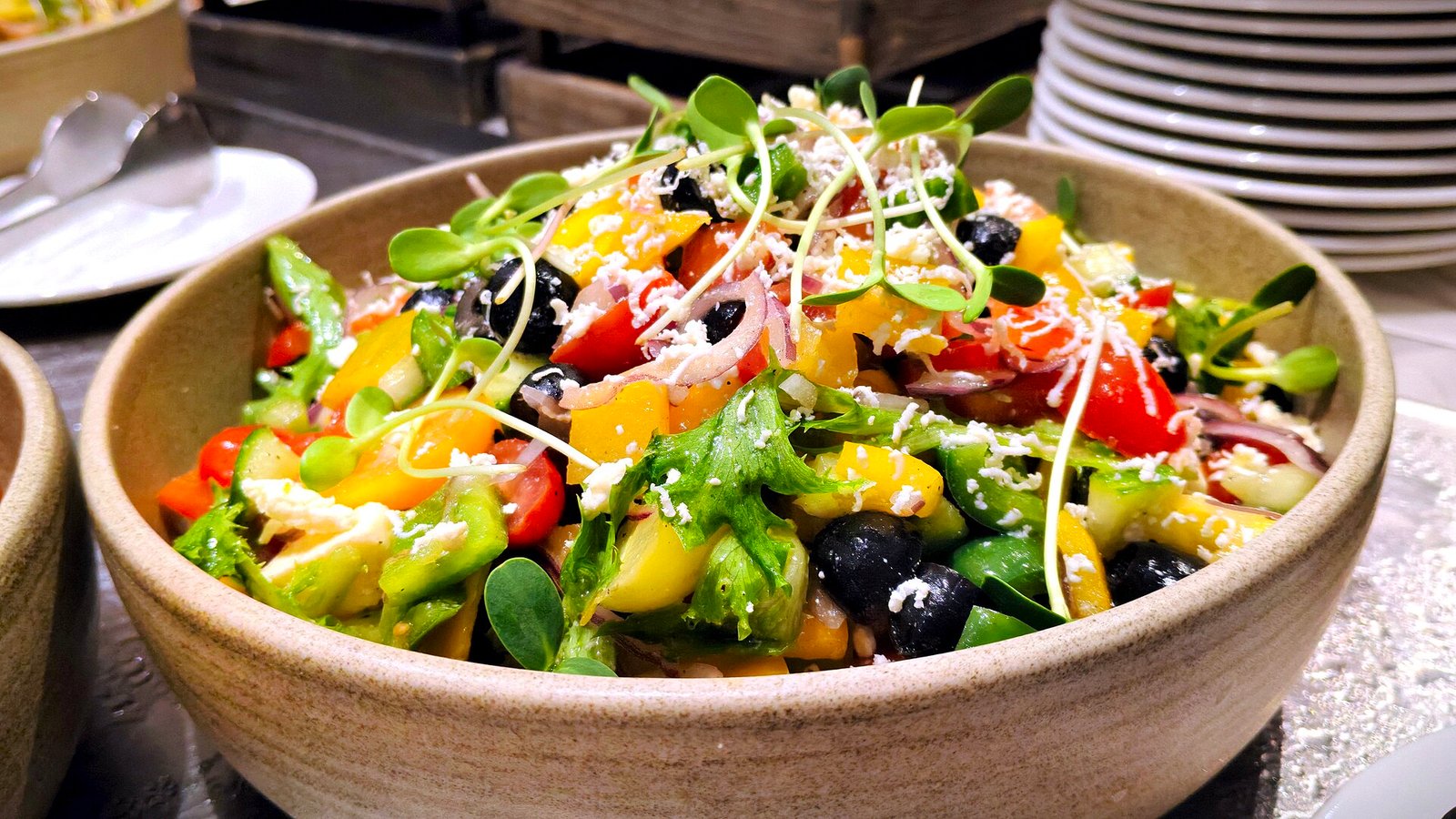
A keto-style day is built around very low carbohydrate intake, with most energy coming from fat and a moderate amount of protein.
In practice, that usually means each meal centres on a protein food, plenty of non-starchy vegetables, and a source of fat such as olive oil, butter, or avocado.
Bread, rice, pasta, potatoes, and sugary foods are the items that normally leave the plate first.
That is the shape of it — not a timetable. This guide deliberately gives no day-by-day menu and no personal macro targets.
Those numbers depend on your health, medicines, activity, and goals, so they belong in a conversation with a professional, not in a general article.
A useful beginner habit is to build one familiar meal at a time, rather than overhauling every meal on day one.
3. Foods That Usually Fit — and Foods That Usually Don’t 🐟
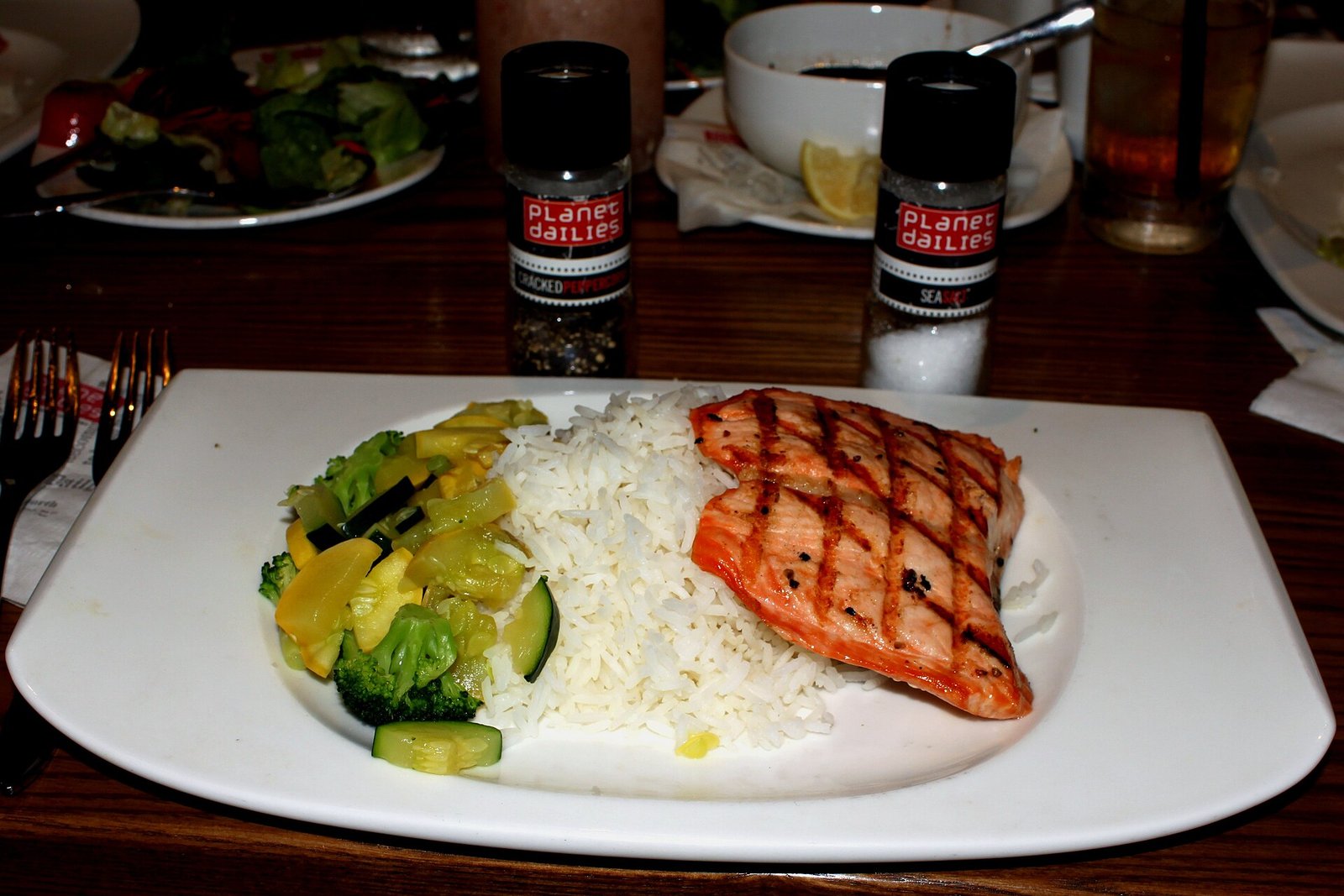
Foods that commonly fit a low-carb pattern include meat, fish and seafood, eggs, and full-fat dairy in moderation.
Non-starchy vegetables — leafy greens, broccoli, cauliflower, courgettes, peppers, and mushrooms — do most of the heavy lifting on the plate.
Avocados, olives, olive oil, nuts, and seeds are common fat sources, though nuts are easy to overeat, so portions still matter.
On the other side, sugary drinks, sweets, cakes, breakfast cereals, bread, pasta, rice, and potatoes are usually out.
Beans and lentils are nutritious, but they are high in carbohydrate, so they do not fit a strict low-carb pattern either.
Hidden sugars are the classic beginner trap. Sauces, dressings, condiments, and packaged foods often carry more sugar than their taste suggests — read the label.
4. Your First-Week Pantry and Shopping Reset 🛒

Start with what is already in your kitchen. Move the obvious high-carb staples out of easy reach, so the default choice is not the sugary one.
Then shop around the edges of the store: fresh vegetables, meat and fish counters, eggs, and dairy.
Keep a few versatile basics at home — cooking oil, butter, tinned fish, eggs, and frozen vegetables for busy evenings.
Frozen vegetables are a genuinely useful beginner backup. They keep well, cook fast, and save a takeaway order on a tired night.
Do not buy a shelf of specialist “keto” products in week one. Most beginners do better with ordinary whole foods they already know how to cook.
When you read labels, look at the carbohydrate line and the ingredients list, not just the front-of-pack claims.
5. Snacks, Drinks, and Eating Out Without a Spreadsheet 🥜
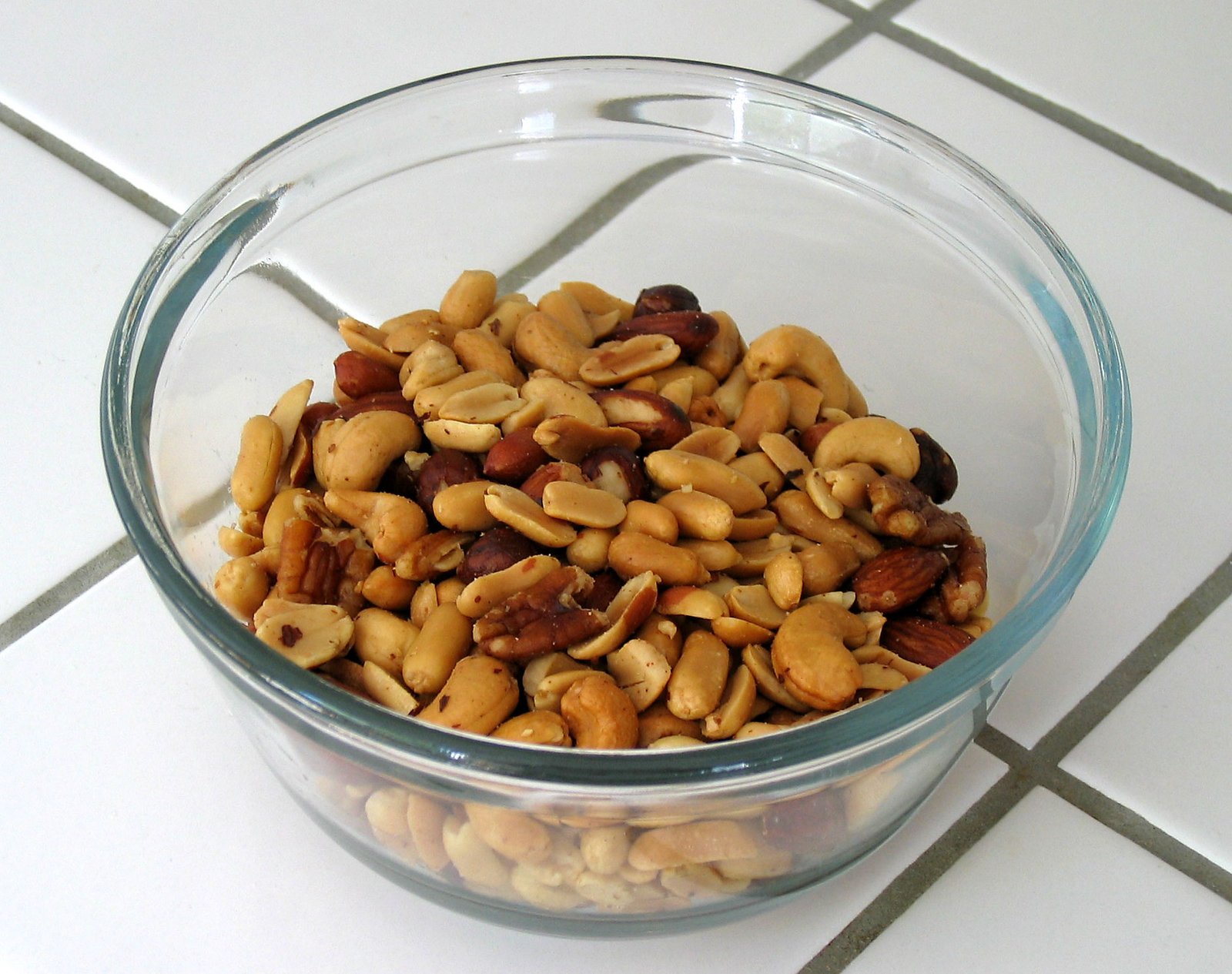
For snacks, keep it simple: a small handful of nuts, cheese, olives, boiled eggs, or avocado are common low-carb options.
Portion snacks in advance if you can. Eating straight from a large bag is how a small snack quietly becomes a large one.
For drinks, water is the safest default. Sparkling water, plain tea, and black coffee are also common choices.
Sugary drinks, fruit juice, and sweetened “vitamin” waters work against a low-carb pattern, even when the bottle looks healthy.
When eating out, pick a grilled or roasted main, swap the starchy side for salad or vegetables, and ask about sauces.
Creamy or sugary sauces can hide a lot of carbohydrate, so a simple dressing or sauce on the side is the easier choice.
For dessert, fresh berries in a small portion are a common compromise — but skipping dessert entirely is also a perfectly good plan.
6. The First Weeks: Adjustment, and a Warning Worth Knowing ⚠️
Many beginners feel rough for a few days when they cut carbohydrates sharply. Headaches, tiredness, irritability, nausea, and muscle cramps are commonly reported.
This is often nicknamed “keto flu,” though it is not flu at all — it is the body adjusting to a very different fuel mix.
Drinking enough water and eating regular, balanced meals usually helps, but persistent or worsening symptoms are a reason to seek medical advice, not to push through.
Digestive changes, constipation, and disturbed sleep are also reported in the early weeks. If they do not settle, get advice rather than guessing.
Ketosis is not ketoacidosis — do not confuse them
Ketosis is the controlled state where the body uses ketones, made from fat, as fuel when carbohydrate is low.
Ketoacidosis is something else entirely: a dangerous build-up of ketones and acid in the blood, most often linked to diabetes and too little insulin.
Warning signs that need urgent medical attention include vomiting, abdominal pain, rapid or laboured breathing, confusion, and extreme thirst or tiredness.
You cannot reliably tell the two apart by how you feel alone — especially early on. Anyone with diabetes who feels unwell on a low-carb diet should seek urgent care.
That distinction is also why the safety check in section 1 comes first. It is not a formality.
7. Beginner Mistakes That Trip Up Almost Everyone 🌱
The first mistake is going all-or-nothing. A single high-carb meal is not failure — it is a normal part of learning a new way of eating.
The second is eating only meat and cheese. Without vegetables, meals get monotonous fast, and fibre and variety suffer.
The third is trusting every “keto” label. Many packaged products are low in sugar but still high in carbohydrate, or simply overpriced.
The fourth is skipping meals to “speed things up.” Hunger usually leads to worse choices later, not better ones.
The fifth is never checking in. If you feel unwell, lose your appetite entirely, or have a medical condition, stop guessing and get professional advice.
Finally, remember that keto is not the only way to eat well. If it does not suit you, a less restrictive balanced pattern — like the general approach in our weight-loss guide — may suit you better.
FAQs ❓
Can I ever eat carbohydrates again?
Yes — keto is a pattern you choose for a period, not a lifelong ban. Many people return to a broader diet later, and that transition is also worth discussing with a professional.
Will I lose muscle on keto?
Muscle is mainly protected by eating enough protein overall and staying active, not by any single diet label. This article gives no personal protein target — ask a professional for one that fits you.
Do I need supplements to start keto?
No — this guide recommends none. Be cautious about any product that promises to speed up ketosis, and discuss any supplement with a clinician first, especially if you take medication.
What if I feel constantly tired or unwell?
Do not push through it. Persistent tiredness, vomiting, confusion, or rapid breathing are reasons to seek medical care promptly, not to wait it out.
Is keto suitable for everyone?
No. People with diabetes (especially type 1), kidney, liver, or heart disease, pregnant or breastfeeding women, and anyone with an eating-disorder history should not start it without medical supervision.
Where can I find meal ideas?
Our companion post Keto Diet Recipes (2026) covers practical low-carb meals, and our boiled-egg guide is another simple starting point. For protein choices in general, see our protein guide.
This article is general information only and is not medical advice. Talk to a clinician or registered dietitian before starting a ketogenic diet, and never change prescribed medicine because of something you read here.