

Baking soda is one of the handiest things to keep in a kitchen cupboard. 🧂
Its proper name is sodium bicarbonate, a mild alkaline powder that can neutralise acids and soak up smells.
That simple chemistry is why it cleans, freshens, and deodorises so well around the home.
This guide keeps only the household uses that are safe and easy to picture. 🏠
It is general household information only, not medical advice, and it contains no remedy you swallow.
Please Read This First: 4 Safety Rules ⚠️
Do not swallow baking soda as a remedy. If you have heartburn, stomach pain, or any health concern, ask a pharmacist or clinician instead of mixing up a home drink.
Keep it away from children in quantity. A small amount in baking is normal, but a box left where children can scoop from it is not safe.
Test a small area first. Baking soda is mildly gritty, so try a hidden spot before scrubbing a whole surface, especially on polished or delicate finishes.
Never mix baking soda with vinegar in a sealed container. The fizz builds up gas and pressure, and a closed bottle or jar can burst.
One more caution: baking soda is not a disinfectant on its own, so do not rely on it to sanitise surfaces that need proper disinfecting.
1. Kitchen Cleaning 🍳
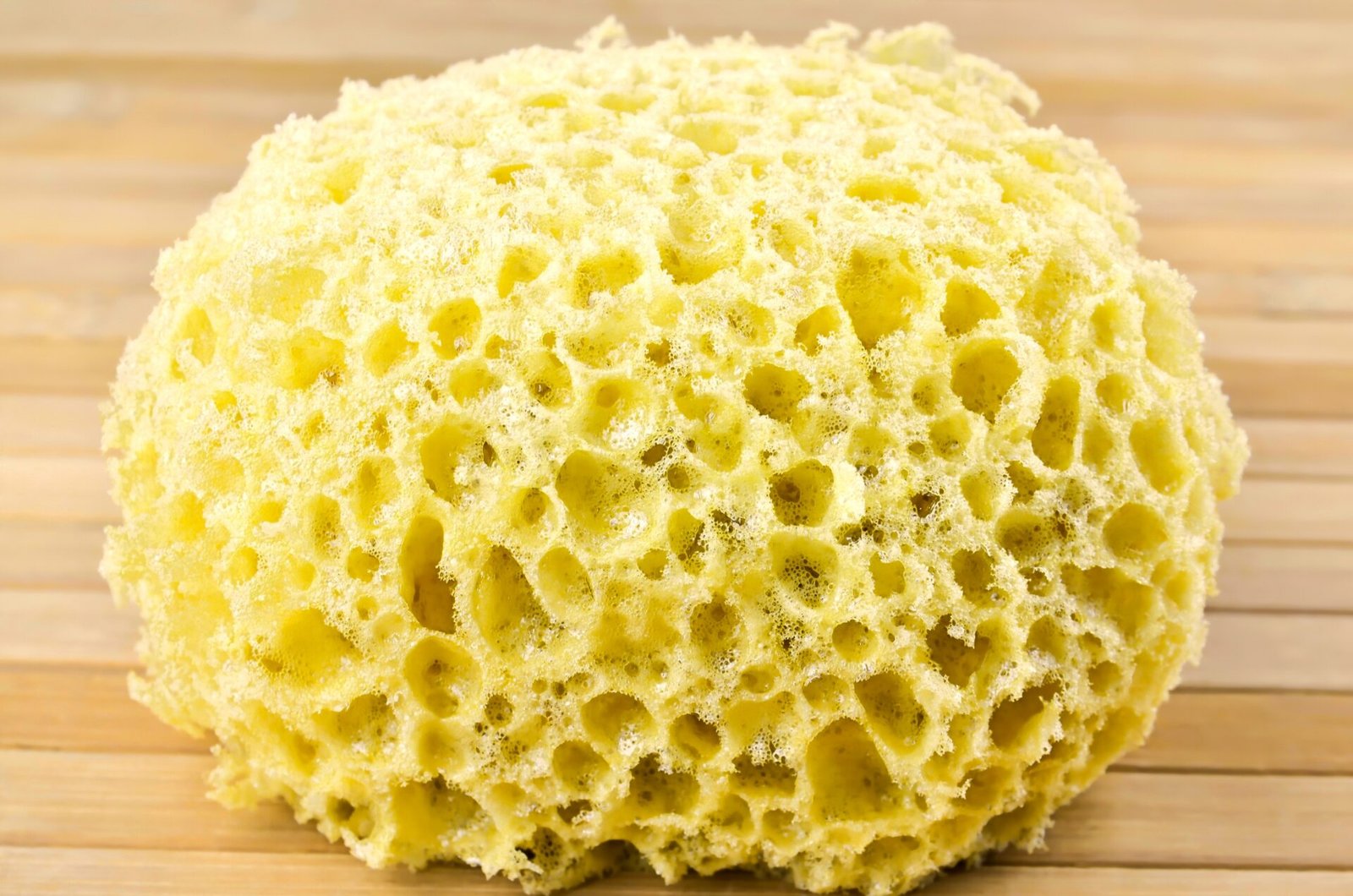
Microwave: Wipe the inside with a damp sponge sprinkled with baking soda, then rinse with clean water.
Oven: Spread a paste of baking soda and a little water over the base, leave it overnight, then scrub and rinse in the morning.
Scorched pots: Cover the burnt area with baking soda and water, bring it gently to a boil, then empty and wash as usual.
Coffee and tea pots: Soak stained pots and cups in warm water with baking soda, then scrub lightly and rinse well.
Plastic food containers: Wipe stains with a baking soda paste, or soak stubborn containers in warm baking soda water before washing.
Freshen sponges: Soak a sponge in warm water with a few spoonfuls of baking soda, then rinse and let it dry fully.
2. Bathroom Cleaning 🚿
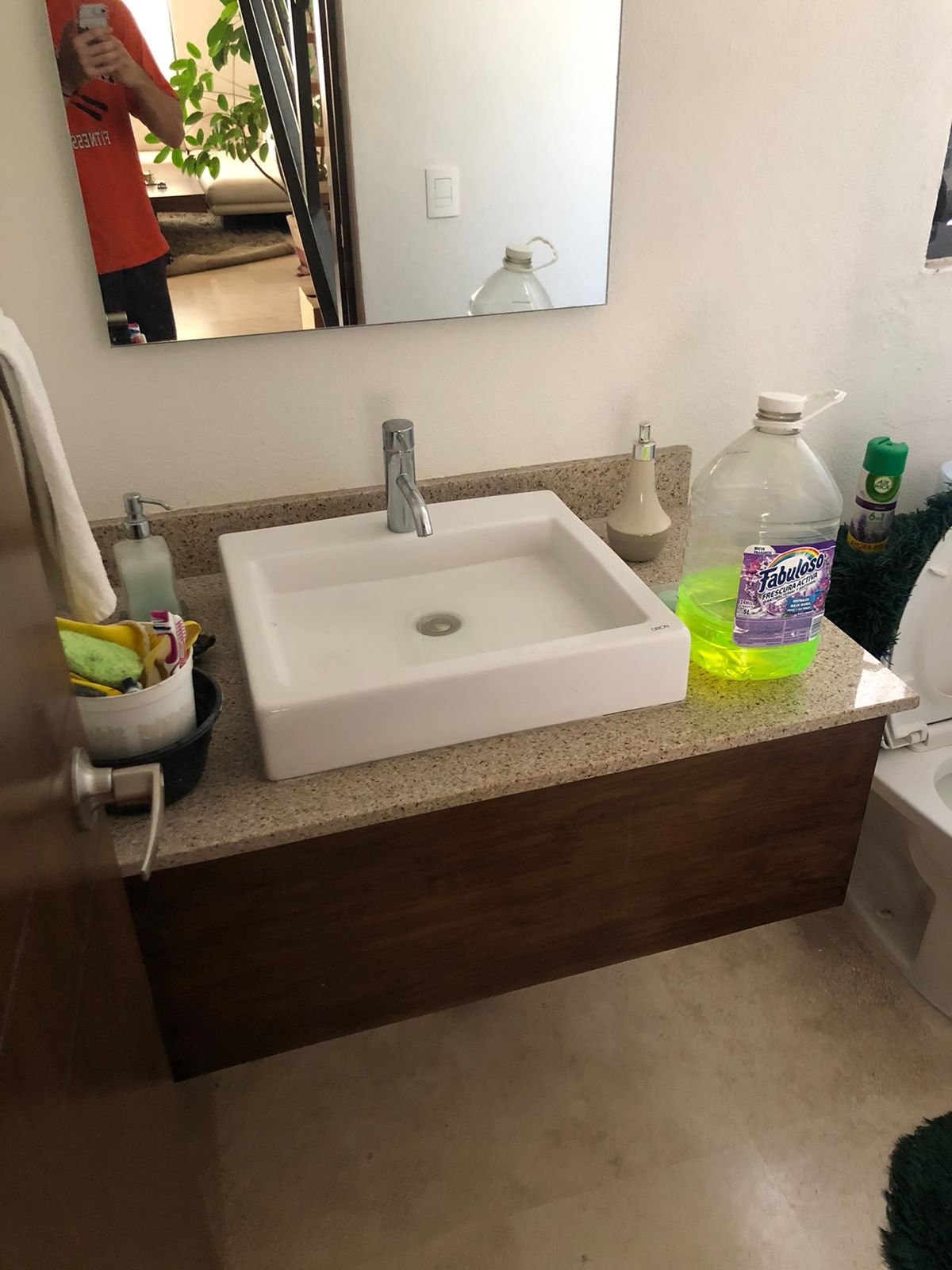
Shower curtains: Scrub with a damp sponge and baking soda, rinse clean, and hang the curtain up to dry.
Tiles, floors, sinks and tubs: Mop with warm water mixed with baking soda, use a baking soda paste on scuff marks, and wipe sinks and tubs gently with a damp sponge before rinsing so no gritty residue is left behind.
3. Laundry and Fabrics 👕
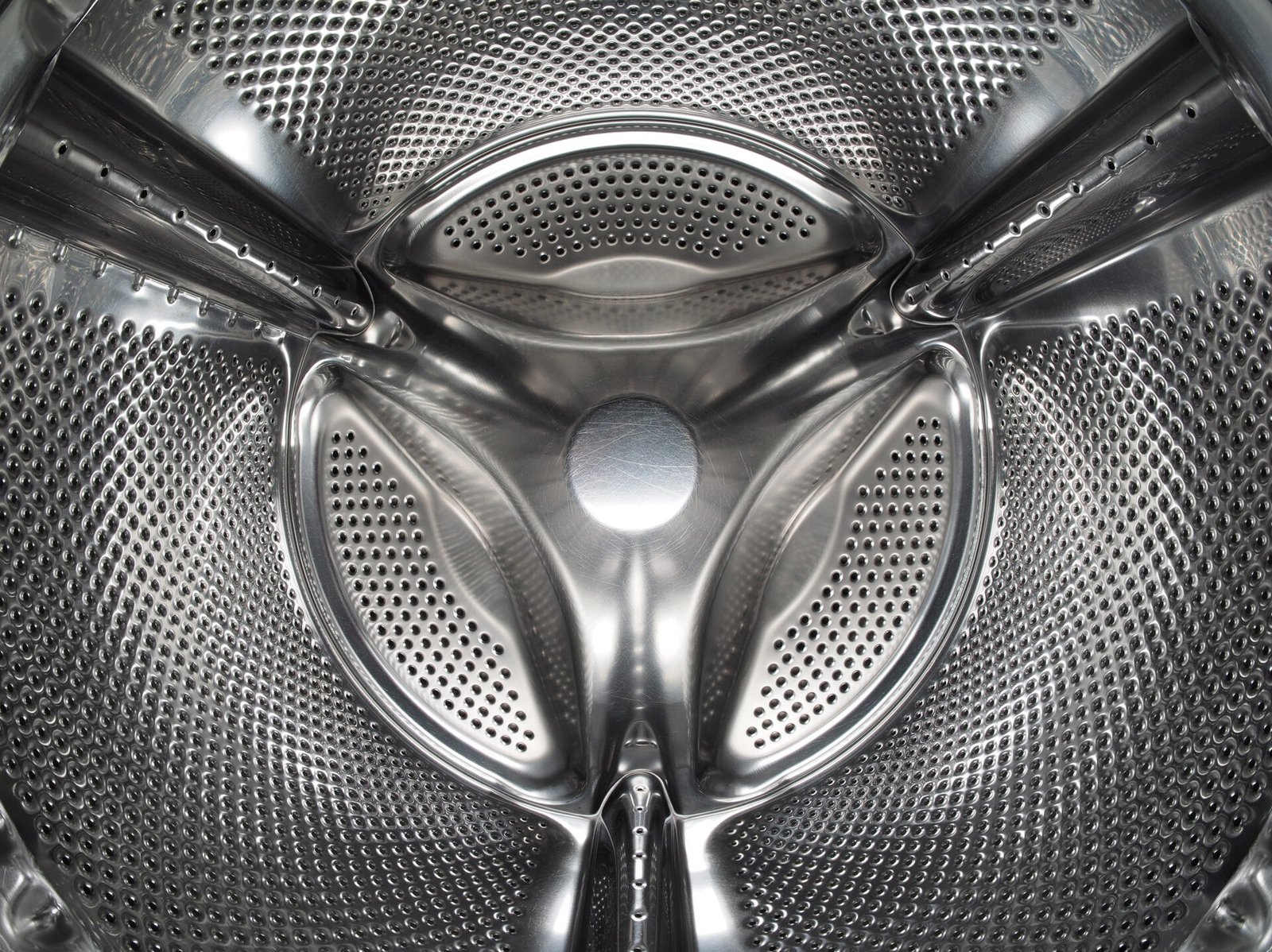
Boost your detergent: Add half a cup of baking soda to the wash with your usual liquid detergent for fresher-smelling clothes.
Baby clothes: Add half a cup to the wash or rinse for stains and smells, then rinse thoroughly as you normally would.
Sports gear: Wash smelly kit in warm baking soda water, and sprinkle dry baking soda inside gym bags between uses.
4. Deodorising Around the Home 🌿
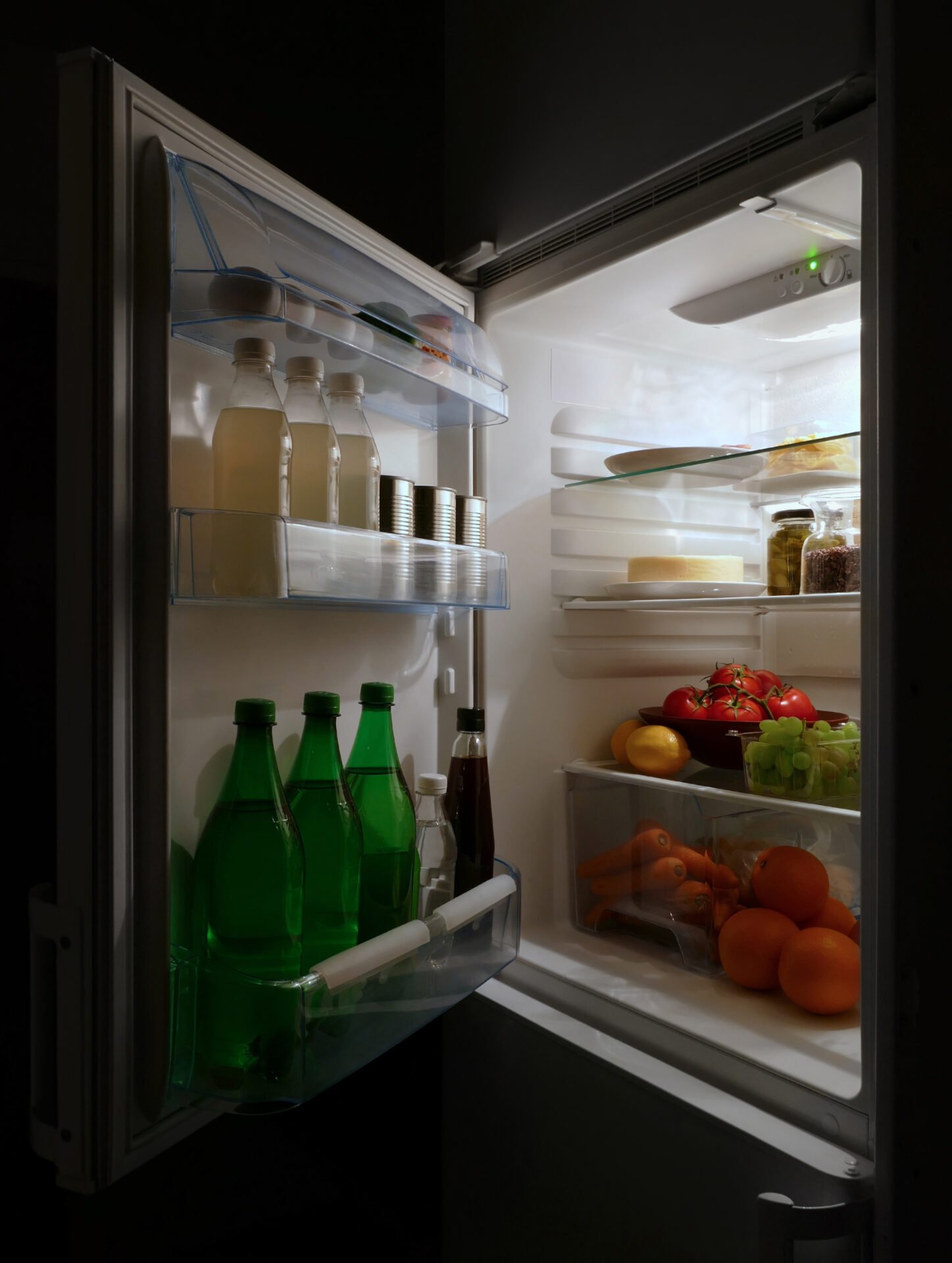
Fridge: Leave an open box or small bowl of baking soda inside, and replace it every month or so.
Garbage bins: Sprinkle baking soda in the bottom of the bin to calm smells between emptying and washing.
Carpets: Sprinkle lightly, leave it for several hours or overnight, then vacuum thoroughly.
Sneakers: Sprinkle inside, leave overnight, and shake out well before wearing them again.
Car interiors: Sprinkle on fabric seats and carpets, wait about ten minutes, then vacuum it all up.
Drains: Pour half a cup down the drain and follow with hot tap water to freshen it up.
Recycling containers: Sprinkle inside as you add items, and wipe the container with baking soda water when you clean it.
Stuffed toys: Dust with baking soda, leave for ten minutes, then brush it off outdoors.
5. Cooking and Food Prep 🥦
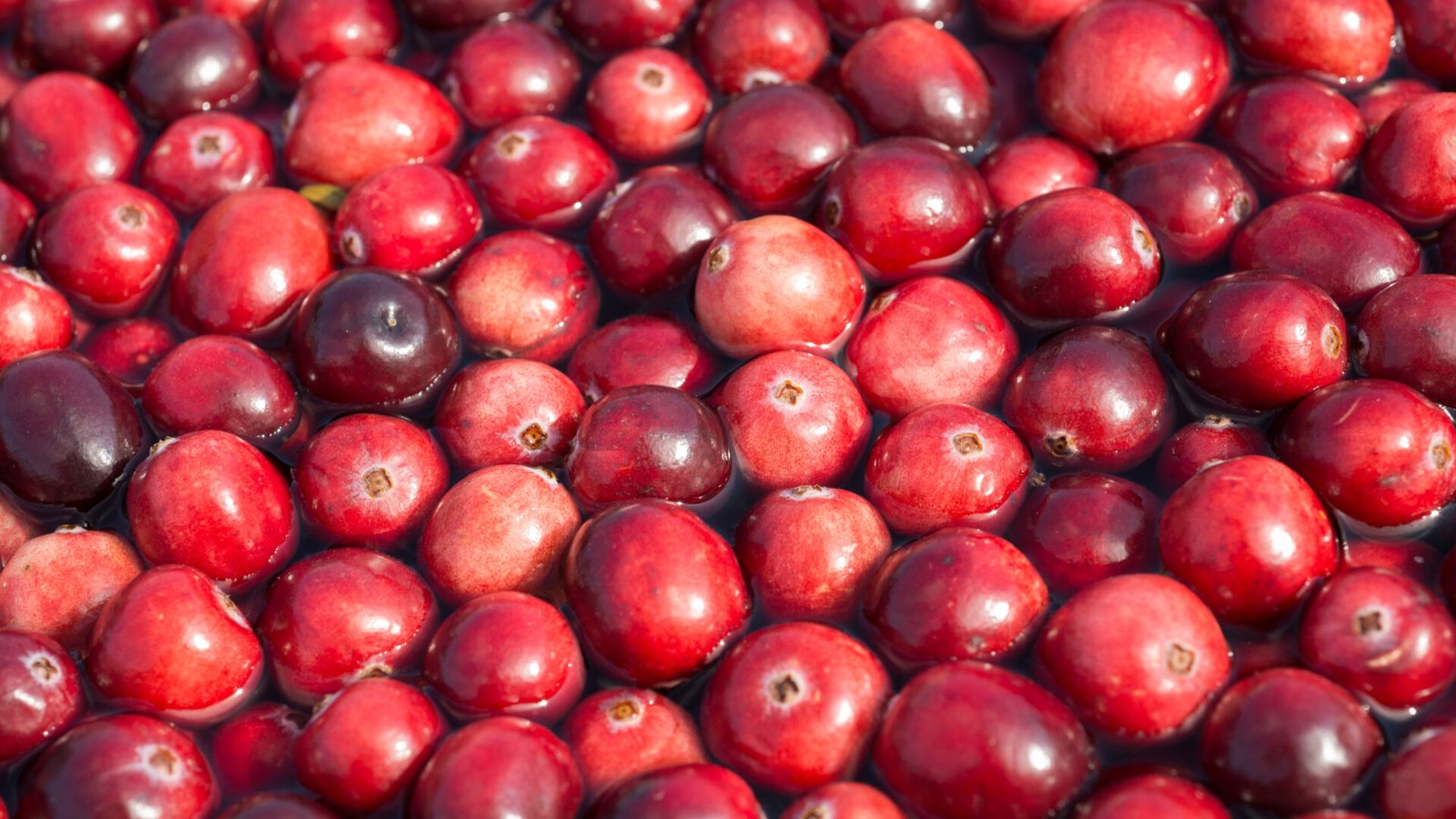
Baking: Baking soda is a raising agent that reacts with acidic ingredients, such as lemon juice or buttermilk, to help batters rise.
Washing fruit and vegetables: Soak produce in a bowl of water with about a teaspoon of baking soda per two cups of water for 12 to 15 minutes, then rinse well.
That soak cut surface residues in a laboratory study of apples, but it cannot remove anything that has already soaked into the fruit itself.
Peeling is still the surest way to remove residues from the skin, even though you lose some nutrients with the peel.
For a lighter everyday lunch idea, see our guide to the healthiest lunch choices.
6. Polishing and Small Household Jobs ✨
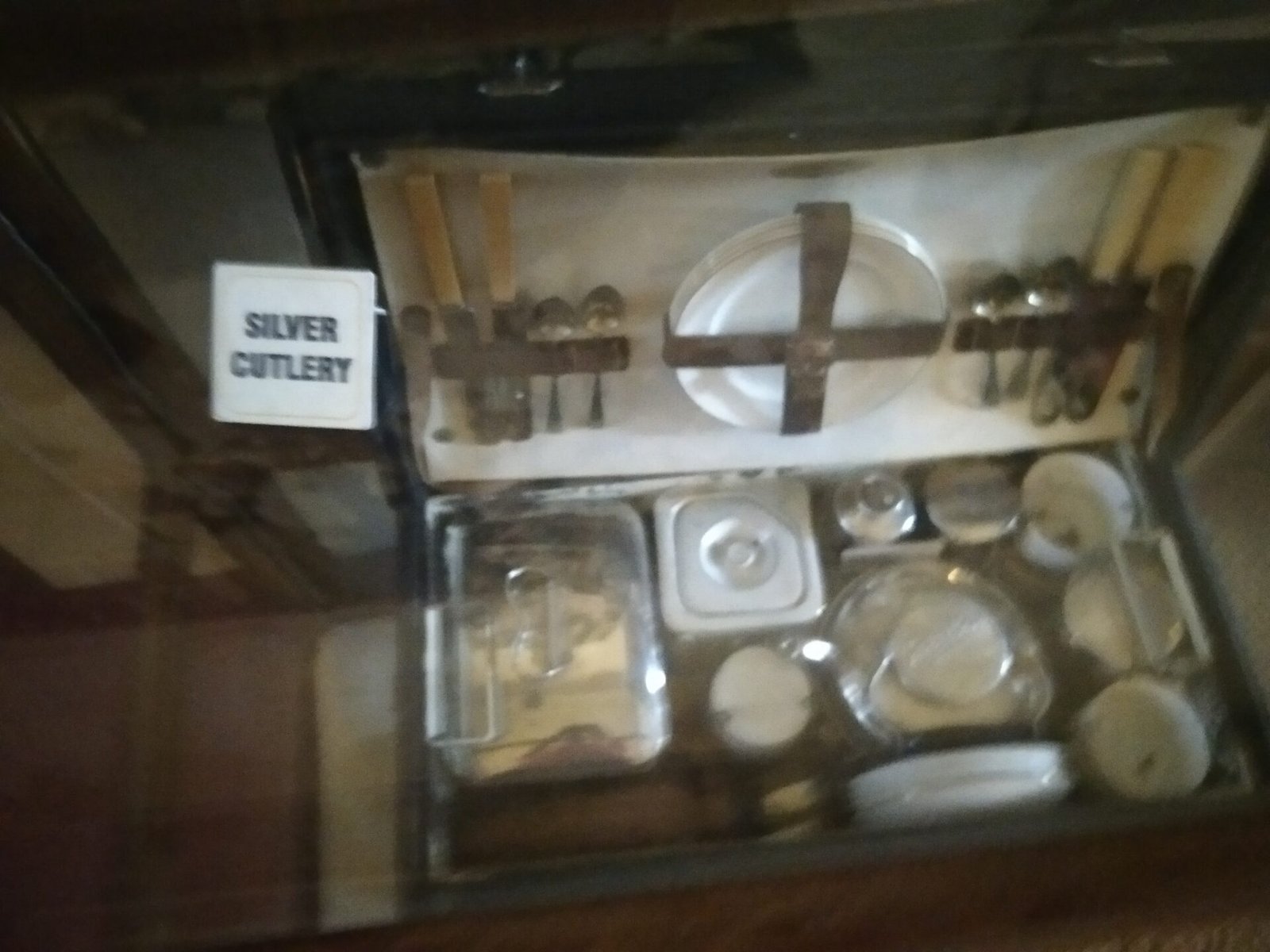
Silverware: Rub a paste of three parts baking soda to one part water over silver with a soft cloth, leave for ten minutes, then rinse.
Silver jewellery: Use the same gentle paste on dull silver, rinse well, and dry with a soft cloth.
Crayon on walls: Rub crayon marks lightly with baking soda on a damp sponge, testing a hidden spot first.
Hands after cooking: Rub hands with baking soda and warm water to lift strong food smells, then rinse.
Combs and brushes: Soak them in warm baking soda water to loosen styling-product build-up, then rinse and dry.
Furniture marks: Rub light marks gently with baking soda on a damp sponge, then wipe with a clean, dry cloth.
7. Outdoors and the Garage 🚗

Oil and grease on driveways: Sprinkle baking soda over the stain, scrub with a wet brush, and rinse with water.
Weeds on paths: Sprinkle baking soda over weeds growing in cracks in paths and driveways only, never on flower beds or lawns, where it can harm the plants you want.
A note on small pan fires: Baking soda gives off carbon dioxide when heated, which is why it is sometimes thrown at very small cooking fires, but only if it is safe to do so, and the fire service should still be called.
Never use water on a grease fire, and never try to fight a fire that is growing or spreading.
Frequently Asked Questions ❓
Is baking soda the same as baking powder? No. Baking soda is pure sodium bicarbonate, while baking powder already contains an acid, so they are not interchangeable in recipes.
Can I use baking soda on every surface? No. Skip it on delicate stone, polished wood, and non-stick coatings unless the maker says it is safe, and always test first.
Does baking soda remove smells or just cover them? It reacts with many acidic smell molecules, which is why it neutralises odours instead of masking them with fragrance.
How long does an open box last in the fridge? About a month, after which it loses strength, so mark the date when you open it.
Related reading: our previous guide to detox juices for weight loss is linked here for readers browsing the site’s earlier articles.