

💪 Your triceps sit at the back of your upper arm, and they do most of the work whenever you straighten your elbow.
That simple job makes them important for pressing, pushing and everyday tasks like pushing yourself up from a chair.
This guide keeps things simple: three essential exercises, clear form cues, and a sample session you can build around.
⚠️ General information only — this is not a personalised plan. Start light, learn the movement first, stop if something hurts, and seek qualified coaching if you have pain or an injury.
What Are the Triceps? 🦾
The triceps brachii is a three-headed muscle on the back of the upper arm.
Its three heads are the long head, the lateral head and the medial head, and all three join into one tendon at the elbow.
The main job of the whole muscle is elbow extension — straightening the arm. The long head also crosses the shoulder joint, so it helps there too.
No single exercise fully isolates one head, since all three work together to straighten the elbow.
Different arm positions simply shift the emphasis a little, which is why a mix of pressing and extension moves works well.
1. Parallel-Bar Dip 🏋️
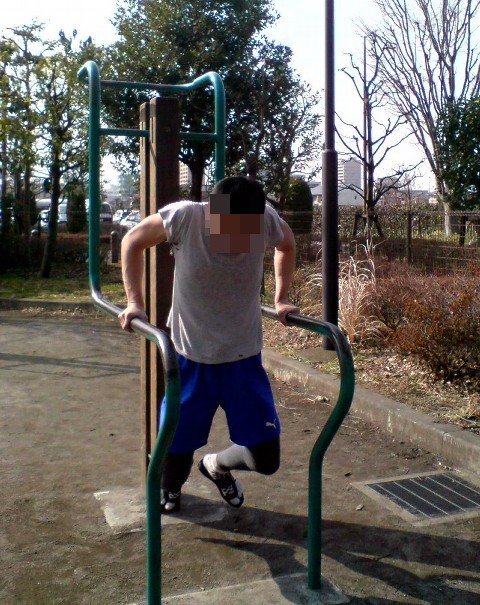
Dips are a classic bodyweight pressing move, and keeping your torso fairly upright shifts more of the work to your triceps.
Grip the bars, press yourself up until your arms are straight, and keep your shoulders down and controlled.
Lower yourself slowly until your elbows are bent to a comfortable angle, then press back up through elbow extension.
Do not force a very deep dip, especially if your shoulders complain — a comfortable range with good control beats depth every time.
Try 3 sets of 6–12 reps, and use an assisted dip machine or a band if full bodyweight dips are still too hard.
🔁 Bodyweight alternative: close-grip push-ups use the same idea at home — hands close under your chest, elbows tucked, body in a straight line.
2. Close-Grip Bench Press 🏋️
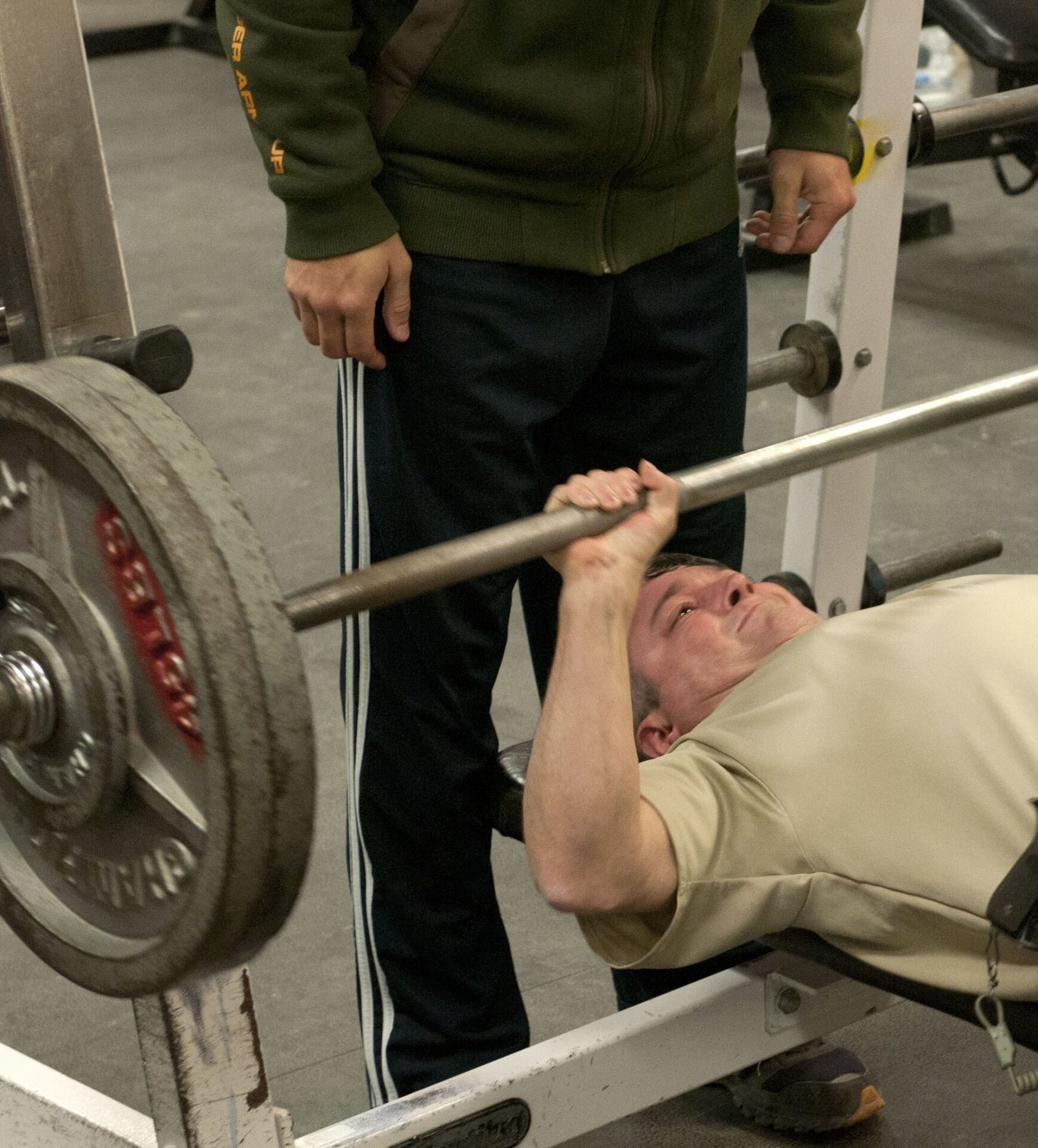
The close-grip bench press is the heavy compound lift of this list, and it lets you load the triceps more than most isolation moves.
Lie on a flat bench with your feet planted, and take a grip somewhat narrower than your usual bench press.
Keep the grip narrow enough to feel your triceps working, but not so narrow that your wrists feel uncomfortable.
Lower the bar under control with your elbows fairly close to your sides, then press up smoothly.
Use a spotter or safety arms for heavy sets, and never bounce the bar off your chest.
Try 3–4 sets of 6–10 reps, placed early in the session while you are fresh.
3. Lying Triceps Extension (Skull Crusher) 💀
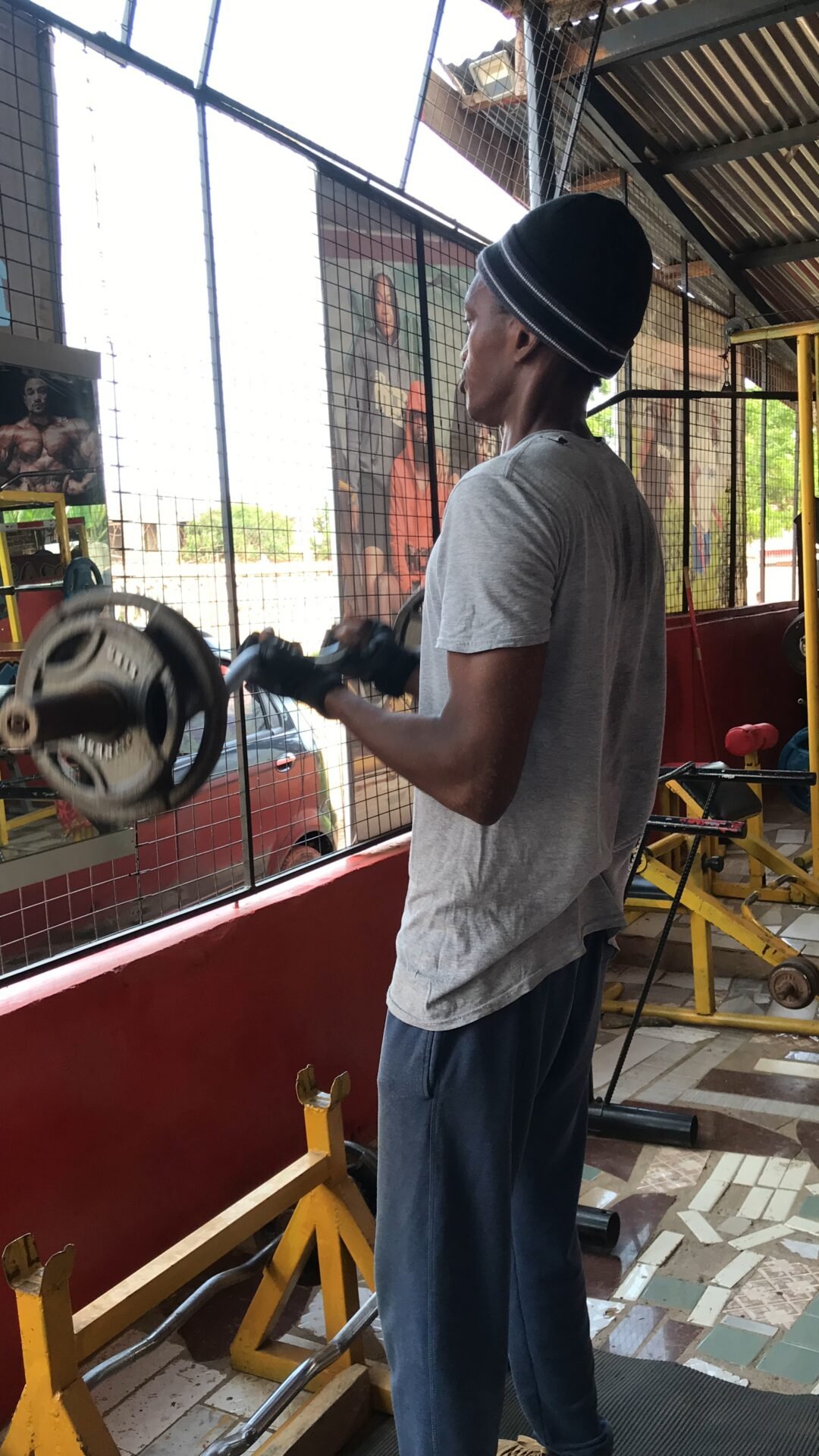
The lying triceps extension, often called the skull crusher, is a direct elbow-extension move done lying on a bench.
Hold a bar or dumbbells above your shoulders, then bend only at the elbows to lower the weight toward or slightly behind your head.
Keep your upper arms fairly steady and your elbows pointing up rather than flaring wide.
Extend your elbows smoothly to return to the start, without bouncing or forcing a load you cannot control.
An EZ bar can feel kinder on the wrists than a straight bar, and a spotter is a smart idea for this one.
Try 3 sets of 8–12 reps, after your heavier pressing work.
🔁 Overhead option: the overhead dumbbell extension follows the same pattern — one dumbbell held overhead with both hands, lowered behind the head and pressed back up, with your upper arms steady and your back kept flat.
Putting It Together 📋
You do not need to do everything in one session — two or three triceps moves per arm session is plenty.
A simple session looks like this: close-grip bench press for 3–4 sets of 6–10, dips for 3 sets of 6–12, and lying extensions for 3 sets of 8–12.
Finish with a lighter move if you like, such as cable pushdowns — elbows pinned to your sides, handle pressed down until your arms are straight, then returned slowly.
Another light finisher is the dumbbell kickback: hinge forward, keep your upper arm still and close to your side, and straighten your elbow behind you.
Rest enough between sets to keep your form clean, and add weight only when you can finish your target reps with good technique.
For balanced arms, pair triceps work with biceps work — see Jay Cutler’s top three dumbbell exercises for biceps.
Training is only part of the picture, and recovery and nutrition matter too — see our guide to protein powders for strength athletes.
Triceps Workout FAQs ❓
How often should I train triceps?
Most lifters do well training triceps two or three times per week as part of pressing or arm sessions, with at least a day of rest between hard sessions.
Can I train triceps at home?
Yes — dips on sturdy bars, close-grip push-ups and overhead extensions with a single dumbbell all work without a full gym.
Do I need heavy weights to build triceps?
Not to start with. Controlled reps with a weight that challenges the last few reps, plus steady progress over time, matter more than any single heavy set.
Should my elbows hurt during triceps work?
No — some muscle effort is normal, but sharp or persistent elbow or shoulder pain is a sign to stop, lighten the load and get qualified advice.
Start light, practise clean form, and let progress come week by week. 💪