

Chris Bumstead, known everywhere as “CBum,” did not stop growing because he ran out of talent. 🏆
He stopped growing — in Classic Physique, at least — because the division itself drew a line on the scales, and he was already standing right on it.
This is the 2026 version of that story, with the ending corrected. Bumstead is no longer chasing a seventh title. His reign is complete, his retirement is confirmed, and the weight cap that shaped his career is now a piece of bodybuilding history rather than a live problem.
🏆 A reign that ended at the top
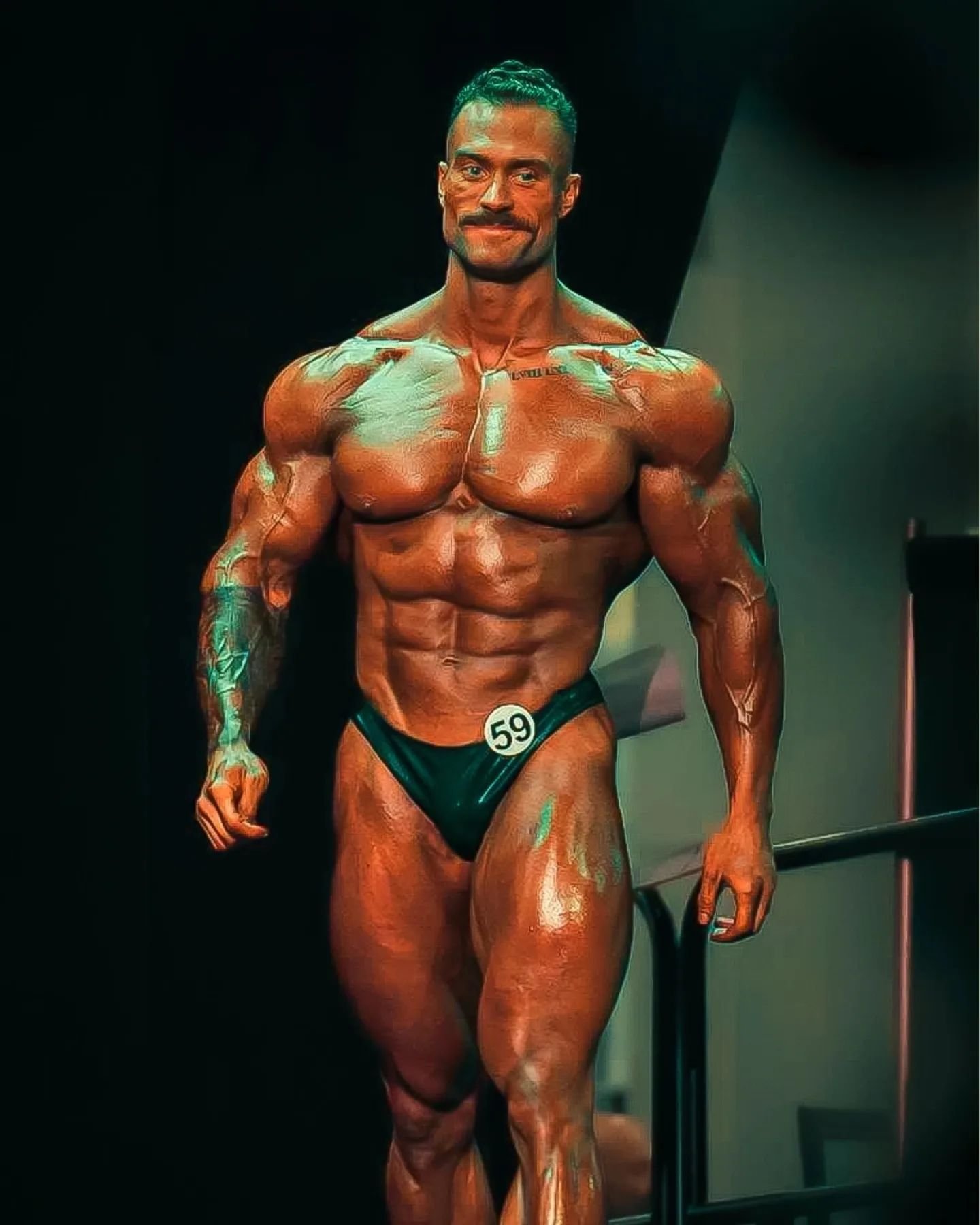
Bumstead first reached the Olympia stage in 2017 and finished second twice before dethroning Breon Ansley in 2019 to win his first Classic Physique title.
From there he did not lose again in the division. He won six Classic Physique Olympia titles in a row, from 2019 through 2024, with scorecards so low they bordered on perfection.
His rivals were closing in, not standing still. Ramon Rocha Queiroz, fifth in 2021, finished second to Bumstead in 2022 and 2023, while Wesley Vissers announced himself with a seven-point card to win the 2024 Arnold Classic.
None of that changed the outcome while Bumstead was still competing. What changed everything was his own decision: after winning his sixth title on 12 October 2024, he announced his retirement on the Olympia stage itself.
The division has moved on since. Queiroz won the vacant Classic Physique Olympia title in 2025, and Niall Darwen won it in 2026. Bumstead’s record now stands complete at six titles, not as an open chase.
⚖️ How the Classic Physique weight cap actually works
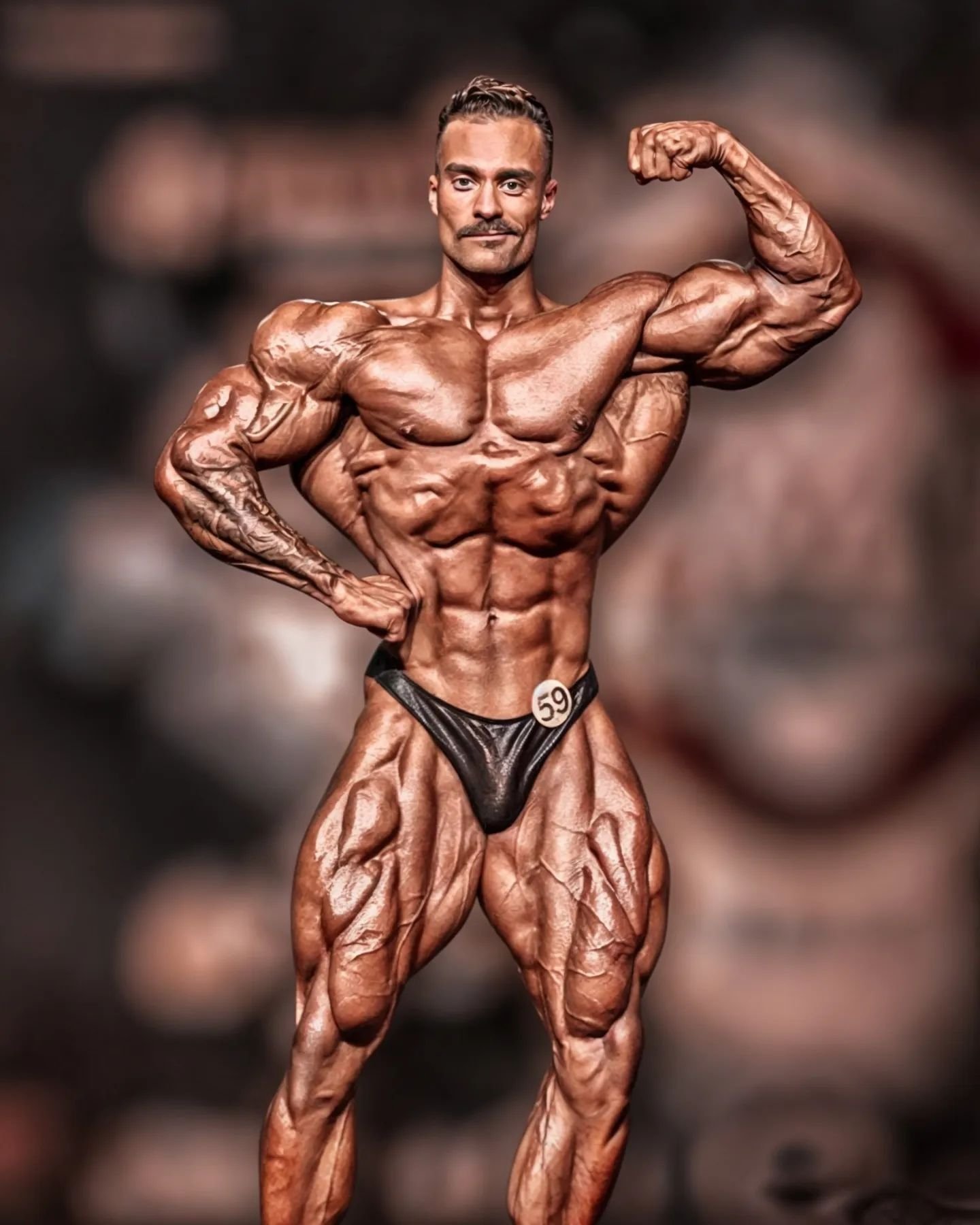
Unlike Men’s Open, where there is no maximum bodyweight, Classic Physique sets a weight limit for each height. The taller you are, the more you are allowed to weigh.
The idea is simple: keep the division looking classic. Judges reward proportion, shape, flow and condition, not sheer mass alone, so the cap stops the division sliding into an Open-style size race.
Under the IFBB Pro League table used during Bumstead’s title run, the limits around his height were:
5’9″ — 204 lb. 5’10” — 212 lb. 5’11” — 219 lb. 6’0″ — 227 lb. 6’1″ — 234 lb. 6’2″ — 242 lb.
That is the pro table, and it matters which table you read. Amateur NPC tables publish lower numbers for the same heights, so mixing the two tables together is the easiest way to get Bumstead’s cap wrong.
Miss the cap at a weigh-in and you cannot compete in Classic Physique at that show. The choice is then stark: come in lighter, or move to a division without a cap.
For the full career story behind these numbers, see Chris Bumstead’s biography, which covers his six titles and retirement in full. This article stays focused on the cap itself.
📏 The half-inch that mattered
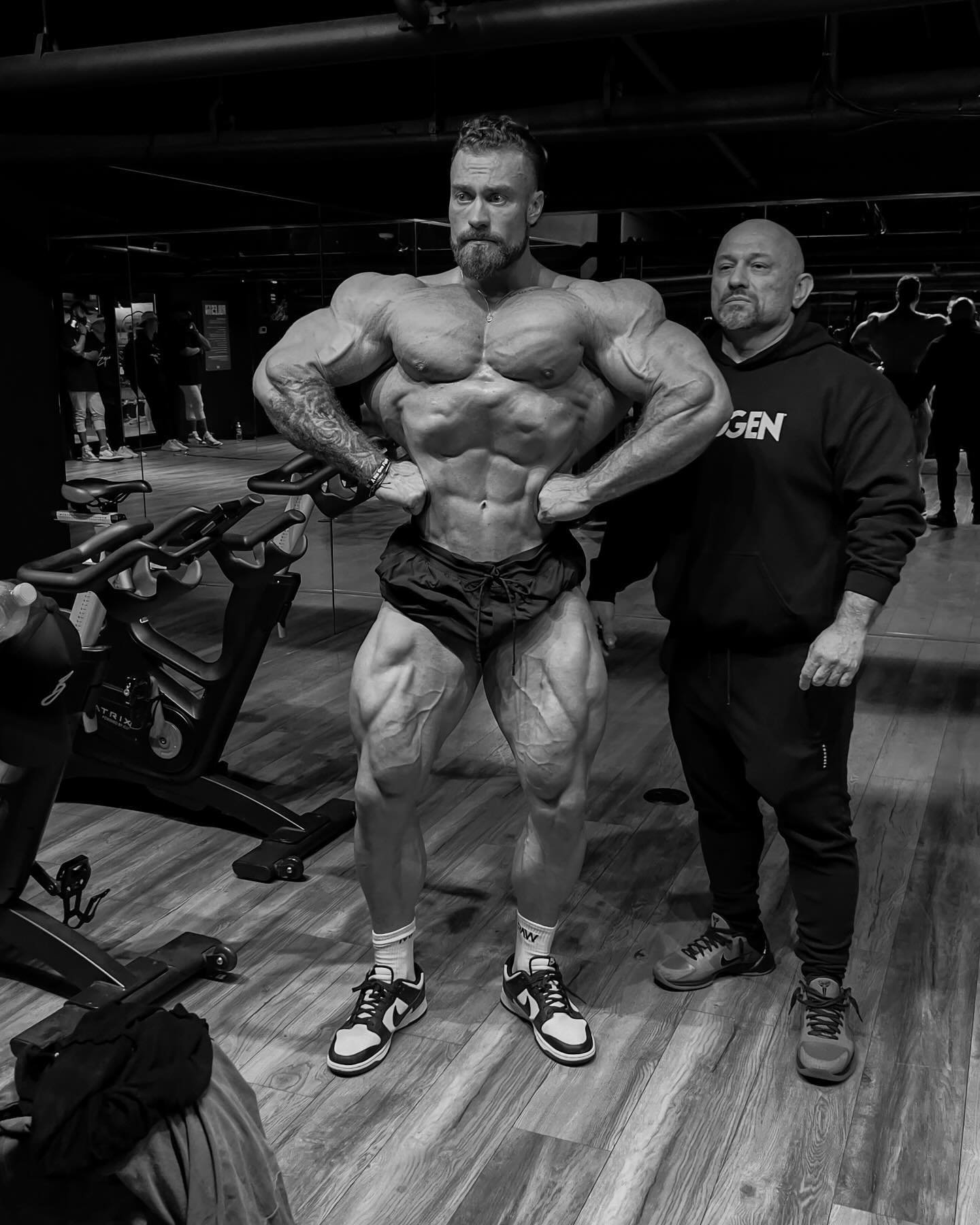
Bumstead is generally listed at 6’1″, which on its own would cap him at 234 lb under the table above. At the 2023 Olympia weigh-in, though, he measured six foot one and a half inches.
That extra half-inch pushed him into the bracket for athletes up to 6’2″, where the cap was 242 lb. He weighed in at 241 lb — a single pound below that limit.
Put plainly, his stage weight and his allowed weight had almost met. Any meaningful extra muscle, kept at stage condition, would have pushed him over the line.
Bumstead himself joked about the absurdity of it, describing the division as a battle to be taller. He had even tried an inversion table after his 2020 win in the hope of measuring a little taller, which shows how seriously a few pounds of allowance were taken.
With raw size off the table, the work shifted to refinement. Under coach Hany Rambod, the emphasis became targeted improvements to specific areas and ever-sharper condition, rather than a broad push for more mass.
Think scalpel, not sledgehammer. In a division judged on balance, an overdeveloped area can hurt just as much as an underdeveloped one, so every addition had to earn its place.
That is also why his late-career wins were so impressive. He won titles while carrying injuries, including a torn lat and a torn biceps in different seasons, because proportion and presentation still carried him when size could no longer grow.
🚪 Prague, retirement, and what came next
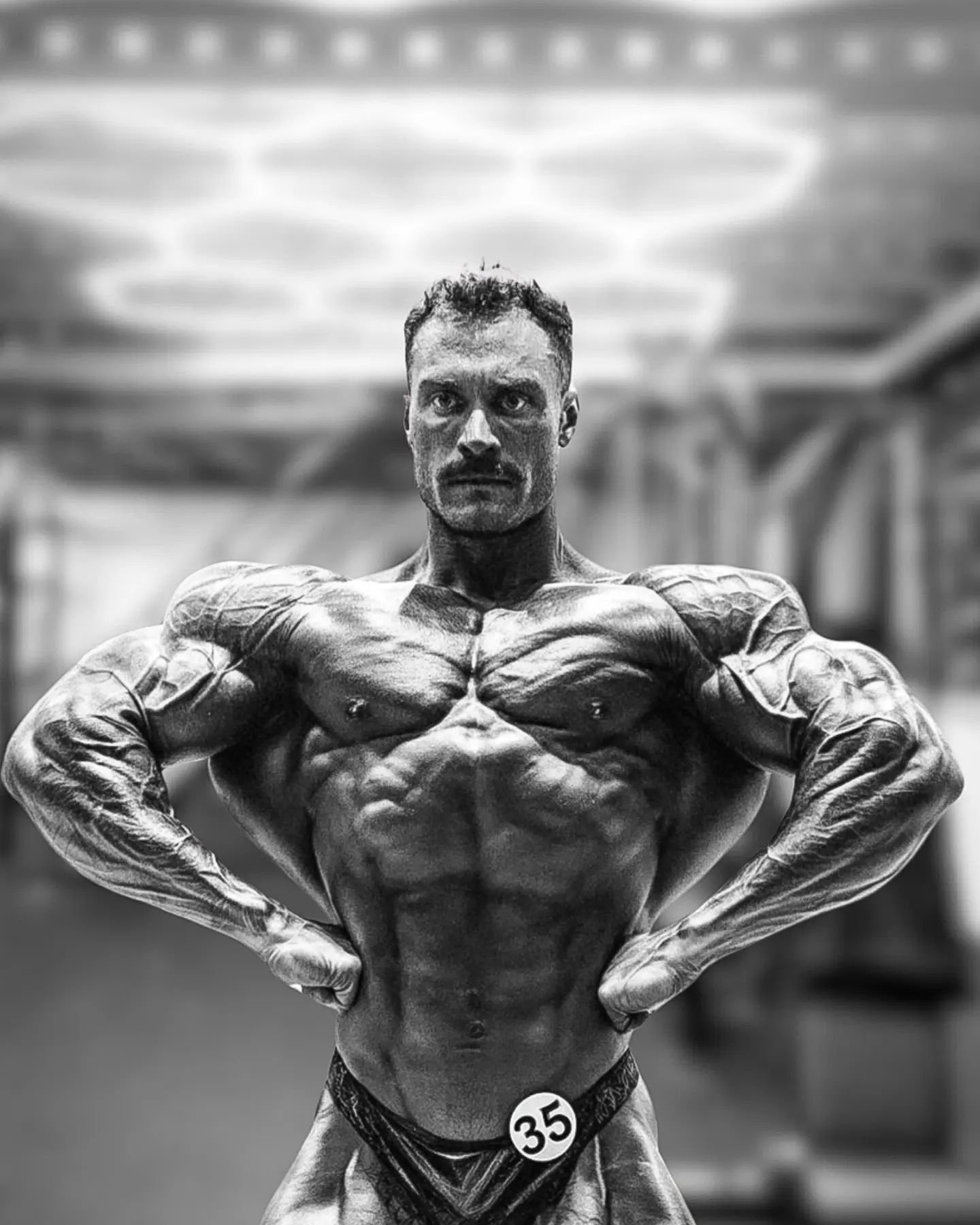
Retirement did not quite end the story in October 2024. Five weeks later, Bumstead took up a long-held ambition and entered the Men’s Open division at the EVLS Prague Pro on 16 November 2024.
With no weight cap to meet, he was reportedly around 260 lb in Prague — well above anything he could have carried into a Classic Physique weigh-in — and finished second behind Martin Fitzwater, ahead of Shaun Clarida in third.
That one outing proved the central point of this article in reverse. The muscle was never the missing piece; the division’s ceiling was. Remove the ceiling, and the same athlete could present a much bigger physique on an Open stage.
After Prague, Bumstead confirmed his retirement from competition for good. He has not competed since, and no verified comeback has been announced through 2025 or 2026.
Since retiring he has spoken publicly about putting health and family first, and about having no regrets over stepping away at 30. He has also spoken publicly about a kidney condition, which he has said shaped his thinking about the cost of competing at the very top.
So the old question — why couldn’t he build more muscle? — now has a cleaner answer. In Classic Physique, he couldn’t, because the rules would not let him carry it. In Open, he showed he could. And in retirement, he has chosen not to chase either anymore.
Could he simply have moved to Open earlier? In theory, yes, and Prague showed he could hold his own there. In practice, he was the defining champion of Classic Physique, and he chose to finish that story first.
Is he coming back? There is no verified comeback to report. Claims otherwise should be treated as rumour unless Bumstead himself announces a show.
Where does the natural question fit? That is a separate discussion, covered in detail in Is Chris Bumstead Natural? An In-Depth Exploration and deliberately not repeated here.
For a cross-era comparison with the man whose look the division was built to honour, see Chris Bumstead vs Arnold Schwarzenegger.
Bumstead’s legacy, then, is not a physique left unfinished. It is a physique finished exactly at the limit the sport allowed him — six titles, a clean retirement, and one final Open outing that showed what lay beyond the cap. 🏆