

Back pain that travels down a leg can make ordinary days feel harder. 🛋️
Sitting through a meal, getting comfortable at night, or pacing a normal day can all take more thought than they used to.
This article is general information about those everyday parts of life with sciatica. It is not a guide to exercises, and it does not replace medical advice.
For gentle movements people often discuss, our main sciatica guide is the place to start: Sciatica Exercises for Back Pain. That guide covers movements, while this article covers comfort, sitting, sleep and pacing.
Important: this is general information only, not medical advice. It cannot diagnose you, and it is not a treatment plan.
Talk to a clinician or physiotherapist before changing how you manage back or leg pain, especially if your pain is new, severe, or getting worse.
What Sciatica Means, in Plain Terms
Sciatica is a name for pain linked to irritation or pressure on the sciatic nerve, which runs from the lower back down each leg.
People often describe it as a sharp or burning pain in the bottom and down the back of one leg, sometimes reaching the foot or toes.
Tingling, numbness or weakness in the leg can also be part of the picture, and back pain may be present too, though it is often milder than the leg pain.
Only a clinician who can examine you can say what is causing your symptoms, so please do not use this article to self-diagnose.
Warning Signs That Need Prompt Medical Care ⚠️
Most back and leg pain is not an emergency, but a small number of symptoms always deserve urgent attention.
Seek emergency care straight away (A&E or 999 in the UK) if back or leg pain comes with any of these:
- Sciatica affecting both legs at the same time
- Severe or worsening weakness or numbness in both legs
- Numbness around or under the genitals, or around the bottom
- Difficulty starting to pass urine, being unable to pass urine, or losing control of urination — when this is new for you
- Not noticing the need to pass a stool, or losing bowel control — when this is new for you
These can be signs of a serious back problem that needs hospital assessment as soon as possible, so do not wait to see whether they settle.
Also arrange to see a clinician promptly if you have:
- Fever or unexplained weight loss alongside back or leg pain
- Pain after a recent injury or fall
- Leg weakness that is steadily getting worse
- Pain that has not improved after a few weeks, keeps getting worse, or stops you doing your normal activities
Severe or worsening pain on its own is also a reason to seek prompt clinical advice, even when none of the emergency signs above are present.
Sitting More Comfortably 🪑

Photo: Michael D Beckwith / Wikimedia Commons
Long, unbroken sitting is something many people with back and leg pain find uncomfortable.
Some people find it helps to change position often, rather than holding one posture for a whole afternoon.
A chair that supports your lower back, with your feet resting on the floor, is a comfortable starting point for many people.
If you work at a screen, try placing it so you are not twisting or reaching for it, and take short breaks to stand and move around.
Short, frequent position changes are generally easier to sustain than one long stretch of sitting followed by one long stretch of standing.
If a particular chair or position clearly makes your pain worse, stop using it and discuss alternatives with a clinician or physiotherapist.
Pacing Your Day, Little and Often 🚶
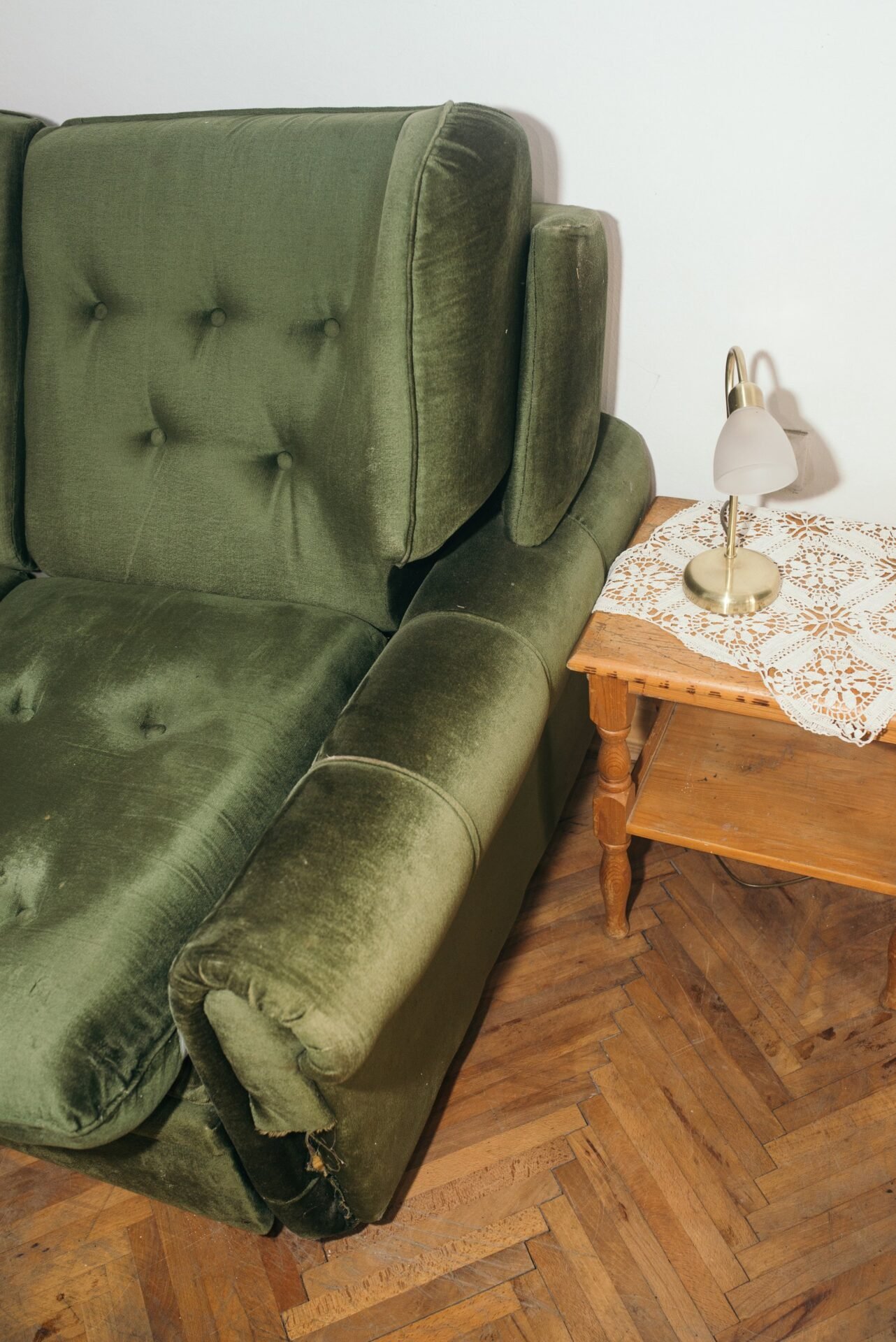
Photo: Shixart1985 / Wikimedia Commons
Pacing means spreading activity through the day instead of doing everything in one big burst.
Some people find it helps to break chores, errands and walks into smaller pieces, with rest in between.
A short, easy walk around the home or garden, little and often, is a simple way to break up long spells of sitting.
Start with whatever distance feels manageable, rest when you need to, and build up only as comfort allows.
If walking makes pain clearly worse or brings new symptoms, stop and seek advice rather than pushing on.
Keeping a brief note of what a day involved — and how the evening felt — can be useful to share with a clinician at your next appointment.
Sleep and Night-Time Comfort 🌙
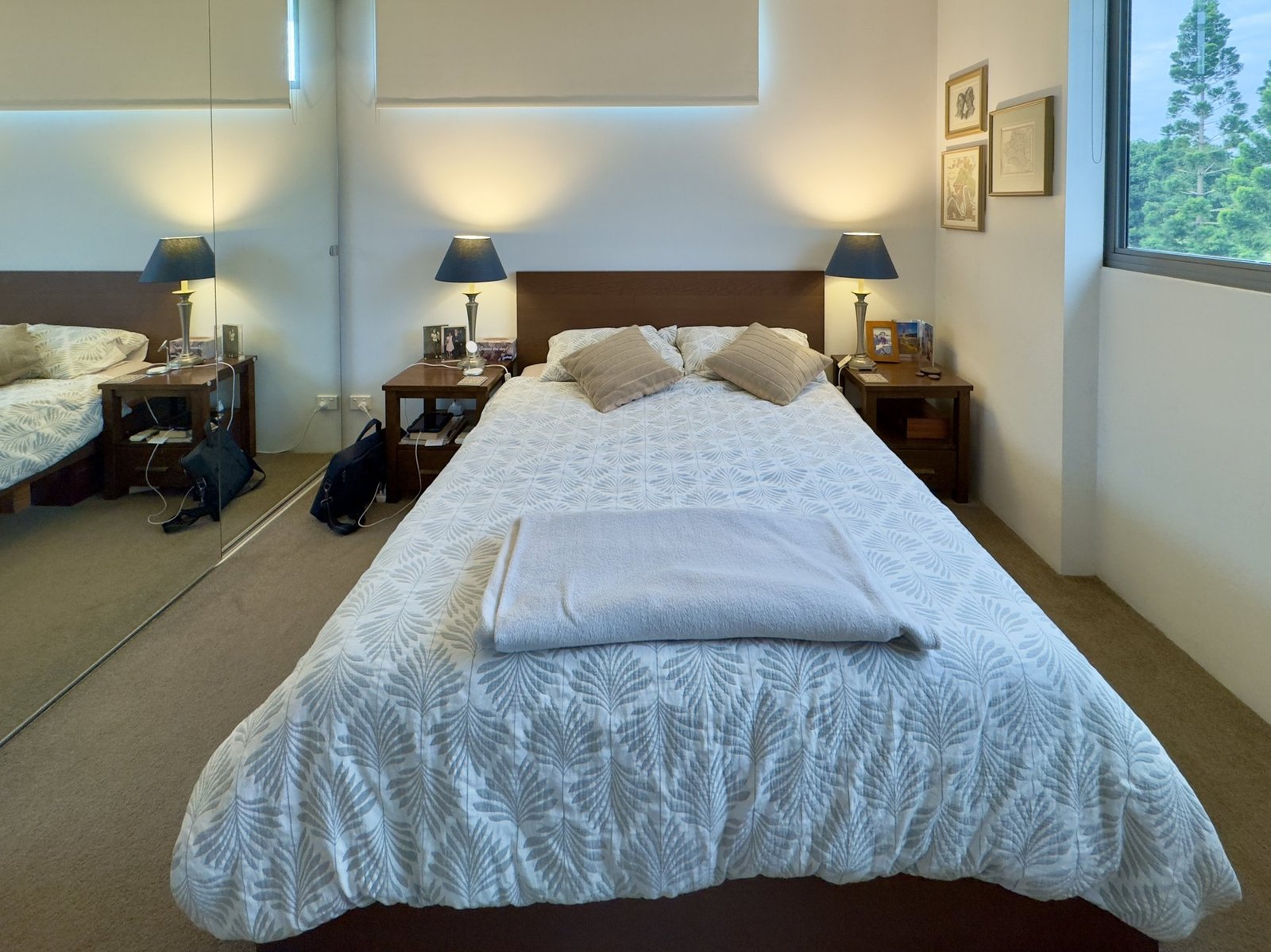
Photo: Kgbo / Wikimedia Commons
Nights can be the hardest part of the day when leg pain is present, and poor sleep can make the next day feel heavier.
Some people find it more comfortable to sleep with a pillow supporting their knees or between their knees, depending on whether they lie on their back or side.
What feels comfortable varies a lot from person to person, so it is worth trying small changes one at a time.
A regular wind-down routine and a cool, dark bedroom help many people sleep better in general, whatever the cause of their discomfort.
If pain regularly wakes you, or you are waking with new numbness or weakness, raise it with a clinician promptly rather than adjusting sleep positions alone.
Warmth and Cold as Comfort — With Care 🧣

Photo: Science Museum Group Studio / Wikimedia Commons
Some people find warmth comforting for a short while, for example a warm bath or a heat pack held against the sore area.
Others find a cold pack more soothing, particularly when an area feels tender or inflamed.
These are comfort measures, not treatments, and they do not address whatever is irritating the nerve.
Use any heat or cold product exactly as its own instructions describe, protect your skin from direct extremes of temperature, and stop if it makes things worse.
If you have reduced feeling in the area, diabetes, circulation problems, or any doubt about safety, ask a clinician or pharmacist first.
Everyday Habits That Support a Healthy Back 💛
General guidance points to regular activity, safe lifting technique, and comfortable sitting and standing positions over time.
When lifting, bend at the knees, keep the load close to your body, and avoid twisting while you lift.
Staying active over time, rather than in one big burst, is the pattern most guides describe.
Our general guide to obesity and its causes covers, in general terms, why extra body weight can add to back strain.
Smoking is also linked in general guidance with a higher chance of back problems, so stopping smoking is worth discussing with a clinician.
A Note on Pregnancy 🤰
Back and leg discomfort in pregnancy is common, but this article makes no recommendations for pregnancy.
If you are pregnant and have back or leg pain, talk to your clinician, midwife or physiotherapist before trying anything new described here.
Questions People Often Ask 💬
How long does sciatica usually last?
NHS guidance describes improvement over a few weeks to a few months for many people, though it can last longer and can come back.
Because every situation is different, a clinician is the right person to talk through what to expect in your case.
Is it sciatica if I only have back pain?
Probably not on its own — sciatica usually involves symptoms travelling down a leg as well as, or more than, back pain.
Back pain alone has many possible causes, which is another reason self-diagnosis is not a good idea.
Should I rest in bed until it passes?
General NHS guidance advises against sitting or lying down for long periods, even when moving hurts.
Carrying on with normal activities as much as possible, and starting gentle movement as soon as you can, is the general pattern guides describe.
That said, rest in short spells is part of pacing a day — the point is to avoid long, unbroken inactivity, not to push through worsening pain.
When should I stop and seek care?
Stop anything that clearly worsens your pain, and seek care promptly for any warning sign listed earlier in this article.
This article is general information only, not medical advice — if you are unsure, a clinician or physiotherapist is the safest next step. 💛
Related general reading: our main guide, Sciatica Exercises for Back Pain, and Yoga Poses for Women for general background on gentle activity.