

How we put this guide together: This is a research-based guide. Every protein figure below comes from USDA FoodData Central values for the cooked or ready-to-eat food, rounded to sensible numbers, and prices were checked in October 2026. Brands vary a little, so check the label on anything packaged.
Protein Is a Target, Not a Mystery
Ask ten lifters what the best source of protein is and you will get ten different answers — chicken, eggs, whey, lentils. In truth, “best” depends on three things: how much protein a food gives you per serving, how many calories come along for the ride, and what it costs per gram.
This guide ranks the leading sources on exactly those terms: the animal heavyweights first, then the plant-based options that genuinely pull their weight, a side-by-side table, and a sample day that adds up to 150 g without a single exotic ingredient. One thing first, because it shapes everything below: food should do most of the work. Powders are a convenience for busy days, not the foundation.
How Much Protein Do You Actually Need?
Government minimums and lifter targets are very different numbers.
General health: the official Recommended Dietary Allowance is 0.8 g per kilogram of body weight per day — a minimum to avoid deficiency in sedentary adults, not an optimum. Active people generally do better around 1.0–1.2 g/kg.
Building muscle: the International Society of Sports Nutrition puts muscle building at roughly 1.4–2.0 g/kg/day, and a large 2018 meta-analysis (Morton and colleagues) found gains level off around 1.6 g/kg, with 2.2 g/kg as a sensible upper end. For a 75 kg (165 lb) lifter, that is about 120–150 g a day.
Losing fat: when calories drop, protein matters even more — it protects the muscle you want to keep. Aiming for roughly 1.6–2.4 g/kg/day is a practical range for dieters who train, with lean, experienced athletes sometimes going higher relative to their lean body mass.
A quick health note: these ranges are general nutrition information for healthy adults, not medical advice. If you have kidney disease or another condition where protein is medically managed, follow your doctor’s guidance rather than any number on this page.
The Best Animal Sources of Protein
Chicken breast — the benchmark
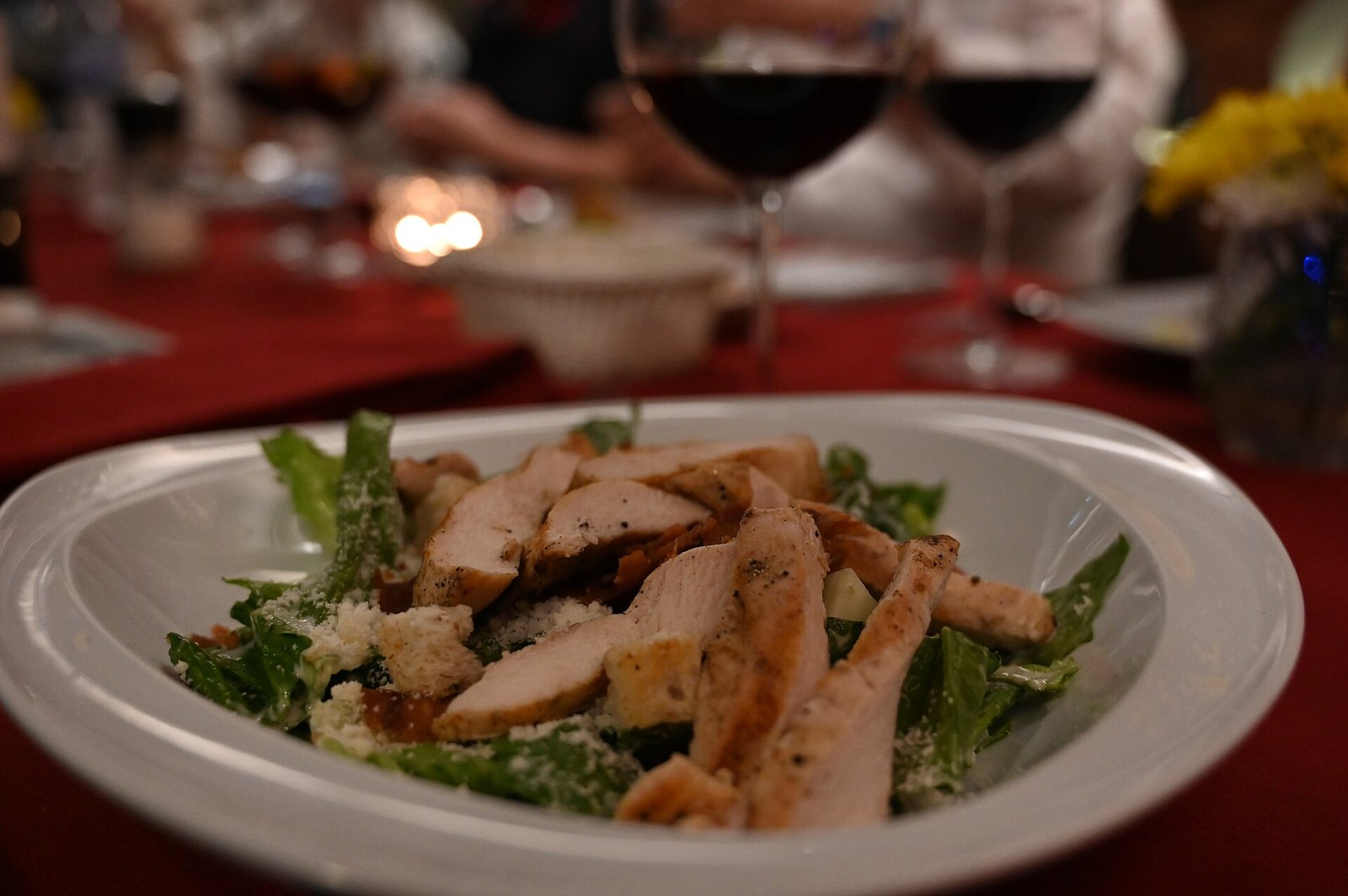
Cooked chicken breast delivers about 31 g of protein per 100 g for roughly 165 calories — the combination almost every other food is judged against. A typical 150 g cooked breast gives you around 46 g of protein. Turkey breast is effectively its twin, at about 30 g per 100 g and slightly fewer calories.
It is versatile, freezes well, and is usually one of the cheapest animal proteins per gram. If you eat meat and want one default protein, this is it.
Fish — the protein-per-calorie champions
White fish is where protein efficiency peaks. Cooked cod gives about 23 g of protein per 100 g for only ~105 calories — gram for gram, the leanest serious protein on this page. Canned tuna in water lands around 20–26 g per 100 g depending on the type, and a drained small can is an easy ~24 g serving that needs no cooking.
Salmon brings more calories (~180–210 per 100 g, ~22–25 g protein) but adds the omega-3 fats white fish lacks — the nutrient-rich rotation option, once or twice a week.
Eggs — cheap, complete, endlessly useful
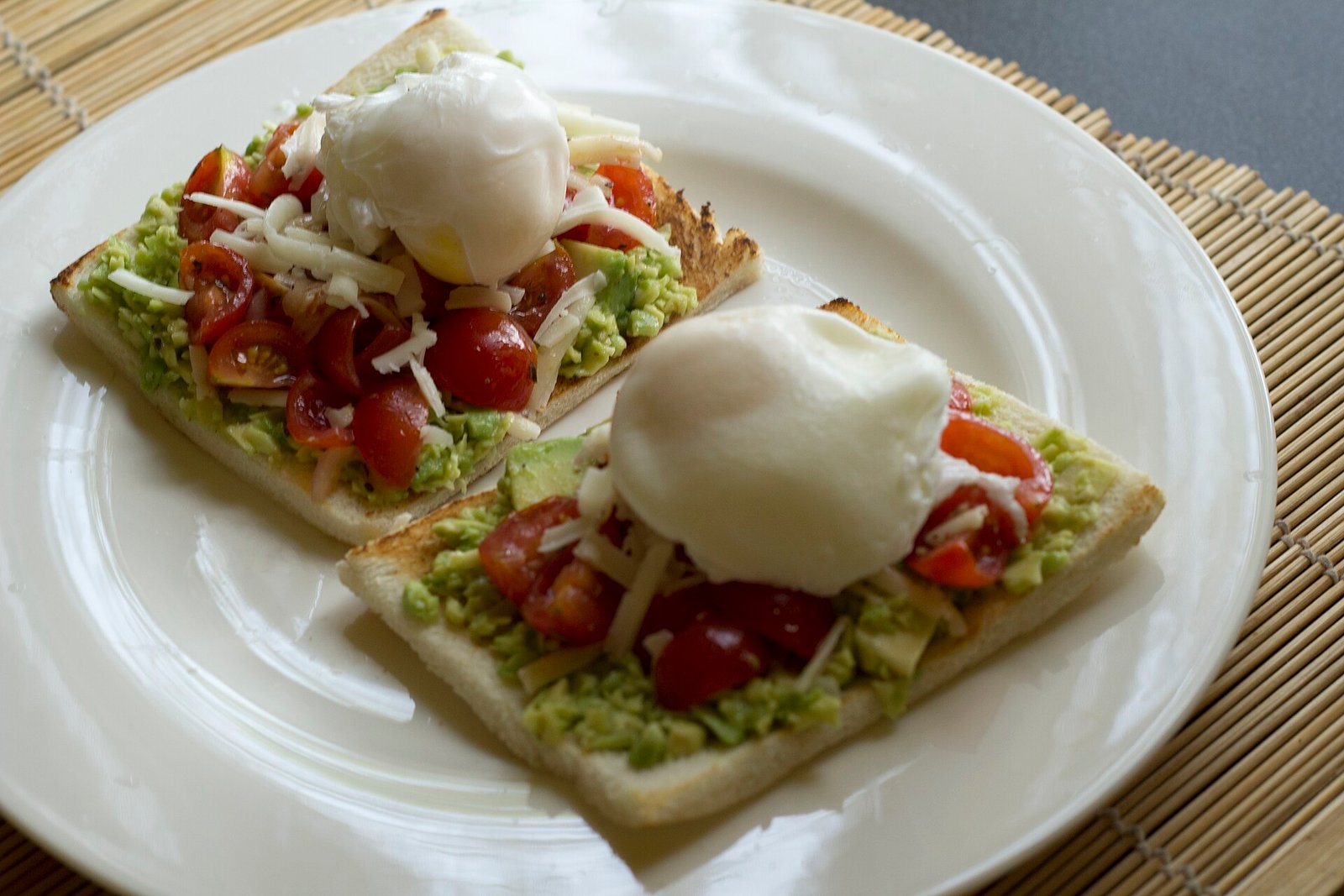
One large egg gives about 6 g of protein; two eggs, about 13 g. At roughly 13 g per 100 g, eggs are not the densest source here — but they are among the cheapest per gram, cook in minutes, and their protein is the reference standard for quality that other foods are compared against. Eat the whole egg: the yolk carries around half the protein plus most of the vitamins, and throwing it away wastes both.
Greek yogurt — the breakfast cheat code
Plain non-fat Greek yogurt packs about 10 g of protein per 100 g, so a standard 170 g tub gives you ~17 g before you have cooked anything. It is strained, which is why it has roughly double the protein of regular yogurt for similar calories. Buy it plain — flavoured versions often trade that advantage away with added sugar — and add your own fruit if you need sweetness.
Cottage cheese — the underrated one
Low-fat cottage cheese gives about 11–12 g of protein per 100 g for only ~72–100 calories — surprisingly close to Greek yogurt on efficiency. Half a cup (113 g) is roughly 12–14 g.
It is mostly casein, the slow-digesting milk protein, which makes it a classic pre-bed snack. If the texture puts you off, blend it smooth — it disappears into scrambled eggs and sauces.
Lean beef — dense and satisfying
Lean beef (90–93% lean, cooked) delivers roughly 26–29 g of protein per 100 g, plus iron, B12 and creatine in meaningful amounts. It costs more per gram than chicken and carries more calories, so it works best as a rotation food a few times a week rather than an everyday default.
The Best Plant-Based Sources of Protein
Lentils — the plant MVP
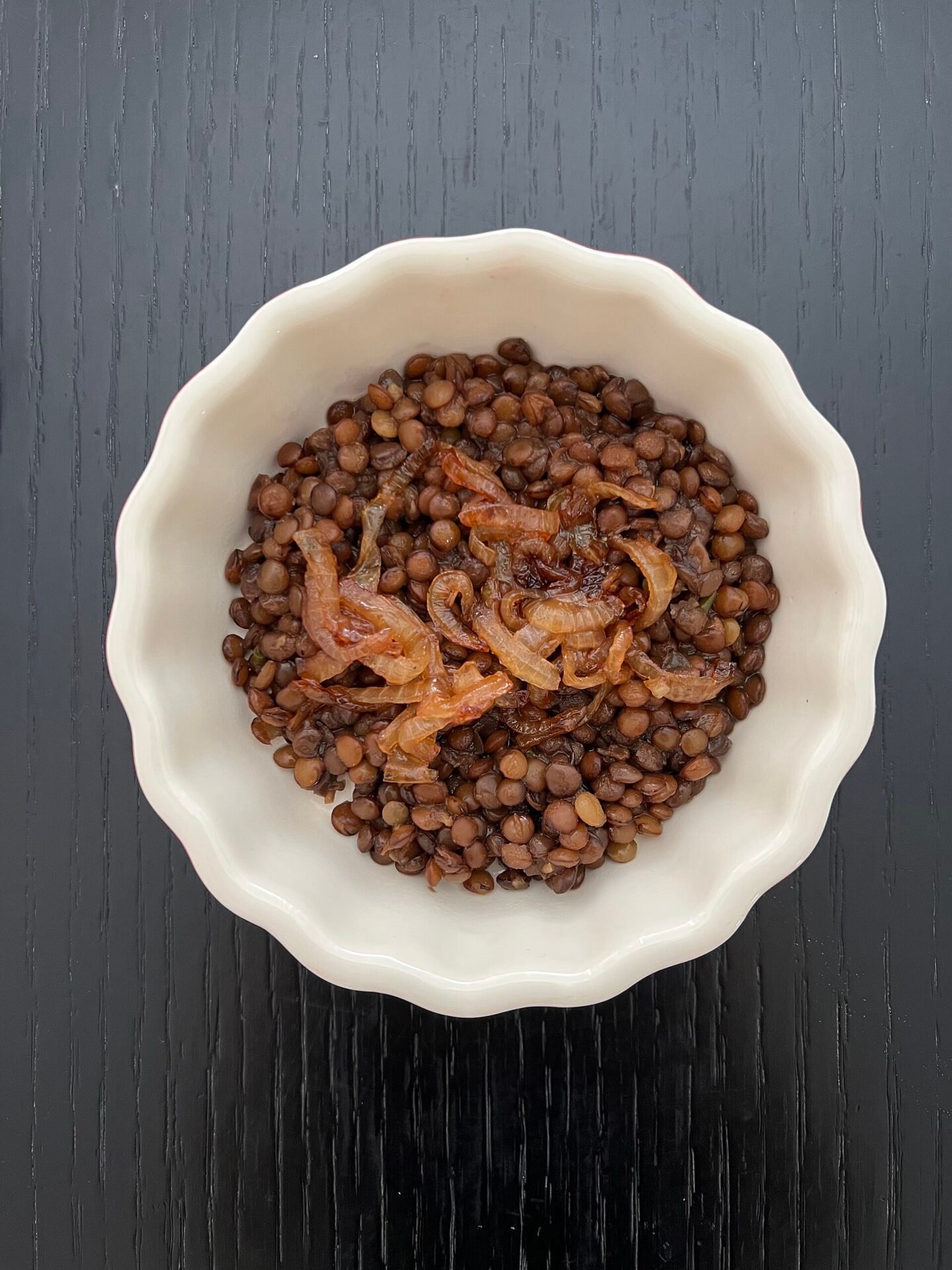
Cooked lentils give about 9 g of protein per 100 g, so a one-cup serving (198 g) lands at ~18 g — with 15 g of fibre alongside, something no meat can offer. They are also among the cheapest protein sources in any supermarket, need no soaking, and cook in about 20 minutes.
Chickpeas — the versatile runner-up
Cooked chickpeas match lentils per 100 g at about 9 g of protein, with a cup (164 g) giving ~15 g. They carry more calories than lentils (164 vs 116 per 100 g), so they rank a touch lower on efficiency — but between curries, salads, roasting and hummus, they are the easiest legume to eat often.
Tofu and tempeh — the soy heavyweights
Soy is the one plant family that goes toe-to-toe with animal protein. Firm tofu gives roughly 10–17 g of protein per 100 g depending on how much water the block holds (extra-firm is at the top) — check your label, because brands differ. Tempeh, the fermented, denser cousin, gives about 20 g per 100 g and a chewier bite.
Both are complete proteins that take on the flavour of whatever they are cooked with. If you eat plant-based and only memorise two products, make it these.
Edamame — the snack that counts
Shelled edamame gives about 12 g of protein per 100 g; a cup (155 g) is ~18 g. It is also a complete protein, cooks from frozen in five minutes, and works as a snack, salad topper or side.
Quinoa — a helpful supporting act
Cooked quinoa has about 4.4 g of protein per 100 g (a cup gives ~8 g) — modest, so never your main protein plan. Its value is that, unlike rice, it is a complete protein and adds a few bonus grams to whatever it is served under.
Nuts and seeds — protein with a calorie warning
Shelled pumpkin seeds are the standouts at roughly 30 g of protein per 100 g — about 8 g in a one-ounce handful. Peanut butter gives ~22 g per 100 g (about 7 g per two-tablespoon serving) and almonds ~21 g per 100 g.
The catch is calories: all three sit between 550 and 600 calories per 100 g, because the protein rides along with a lot of fat. A measured handful is a useful top-up; a return trip to the jar is a calorie problem, not a protein strategy. Raw pumpkin seeds (pepitas) are sold in bulk online — for example raw pumpkin seeds on Amazon — and keep for months in a sealed jar.
Protein per Calorie: The Number That Matters on a Diet
Per-100 g rankings flatter fatty foods. On a diet, the smarter question is: how much protein do I get per 100 calories?
On that measure the leaderboard reshuffles. Cod and canned tuna top it (~21–23 g per 100 kcal), followed by turkey and chicken breast (~19–21 g), then Greek yogurt and cottage cheese (~17 g). Salmon drops to ~11–14 g, eggs to ~8 g, and lentils lead the plants at ~8 g. Nuts and seeds fall to the bottom (~4–5 g) despite their big per-100 g numbers.
Rule of thumb: build a fat-loss diet on the top of that list and let the bottom season it.
Best Sources of Protein at a Glance
| Food | Typical serving | Protein per serving | Protein per 100 kcal (approx.) | Cost tier |
|---|---|---|---|---|
| Chicken breast, cooked | 150 g | ~46 g | ~19 g | Medium |
| Cod, cooked | 150 g | ~34 g | ~22 g | Medium |
| Canned tuna in water, drained | 120 g can | ~24 g | ~20 g | Low–Medium |
| Salmon, cooked | 150 g | ~34 g | ~12 g | High |
| Lean beef (90–93%), cooked | 150 g | ~40 g | ~14 g | High |
| Eggs, whole | 2 large | ~13 g | ~8 g | Low |
| Greek yogurt, plain non-fat | 170 g tub | ~17 g | ~17 g | Medium |
| Cottage cheese, low-fat | ½ cup (113 g) | ~13 g | ~17 g | Medium |
| Tempeh | 100 g | ~20 g | ~10 g | Medium |
| Tofu, firm | 150 g | ~15–25 g | ~12 g | Medium |
| Edamame, shelled | 1 cup (155 g) | ~18 g | ~10 g | Medium |
| Lentils, cooked | 1 cup (198 g) | ~18 g | ~8 g | Low |
| Chickpeas, cooked | 1 cup (164 g) | ~15 g | ~5 g | Low |
| Pumpkin seeds, shelled | 1 oz (28 g) | ~8 g | ~5 g | Medium |
| Peanut butter | 2 tbsp (32 g) | ~7 g | ~4 g | Low |
Figures are USDA-based approximations; brands and cooking methods shift them slightly.
A Sample Day That Hits 150 g of Protein
Here is an ordinary day for a roughly 75 kg lifter aiming at ~150 g:
- Breakfast: 170 g Greek yogurt tub with berries, plus 2 boiled eggs — about 30 g
- Lunch: 150 g grilled chicken breast with a cup of cooked quinoa and salad — about 54 g
- Afternoon: a whey shake or a 250 ml glass of milk — about 24 g (shake) or 8 g (milk)
- Dinner: 150 g salmon with vegetables — about 34 g
- Evening: ½ cup cottage cheese — about 13 g
With the shake, the day totals roughly 155 g; with milk instead, about 139 g — and a handful of pumpkin seeds or a slightly bigger lunch closes the gap. Notice what does the work: three normal meals, each built around a proper protein anchor, plus one or two small top-ups. No six-meal bodybuilder schedule required.
Vegetarian or Vegan? Read This Before Worrying About “Combining”
You may have heard that plant proteins are “incomplete” and must be carefully combined at every meal — rice with beans, or the meal does not count. That idea is outdated. What actually matters is total intake across the day and a variety of plant sources: legumes, soy, grains, nuts and seeds between them cover every essential amino acid comfortably, and soy foods (tofu, tempeh, edamame) and quinoa are complete on their own anyway. Your body pools amino acids from everything you eat; it does not grade each plate in isolation.
The two genuine watch-outs for plant-based eaters are different: aim a little higher on total protein (plant proteins are slightly less digestible, so the top half of the ranges above suits you), and lean on the dense anchors — tempeh, tofu, edamame, lentils — rather than hoping grains and vegetables add up alone.
Where Protein Powder Actually Fits
After all that food, why does powder exist? Convenience. A scoop of whey gives ~24 g of protein in about 120 calories, needs no cooking, and travels in a gym bag — a top-up for days when real meals fall short, not a replacement for them.
Two sensible defaults: a straightforward whey — Optimum Nutrition Gold Standard 100% Whey (about $60–75 for a standard tub, checked October 2026) — or, if you are plant-based, a pea-and-rice blend such as Orgain Organic Protein (around $30–38 for a 2 lb tub). Blends matter for plant powders: pea alone is low in one amino acid that rice has, which is why the two are paired.
Choosing between powders is its own rabbit hole, so we built dedicated guides for it: our best protein powders for strength athletes compares the top picks for building muscle, and our best protein powder for fat loss ranks seven options purely by protein per calorie.
Frequently Asked Questions
What food has the most protein per 100 g?
Among everyday whole foods, cooked chicken and turkey breast lead at about 30–31 g per 100 g, with shelled pumpkin seeds close behind at ~30 g — though the seeds carry far more calories. Powders sit higher still (~70–80 g per 100 g) because they are dried concentrates, which is why per-serving and per-calorie numbers are fairer comparisons.
How can I get 150 g of protein a day without powder?
Anchor every meal: eggs and Greek yogurt at breakfast (~30 g), a chicken or fish lunch (~50 g), a meat, tofu or tempeh dinner (~40 g), and dairy or legume-based snacks (~30 g). The sample day above shows one version; milk, cottage cheese or a bigger lunch portion covers the shake’s share easily.
Is plant protein as good as animal protein?
Per gram, animal proteins are generally a bit more digestible and richer in leucine, the amino acid that most strongly triggers muscle building. In practice, plant-based eaters who eat enough total protein from varied sources — with soy foods as regular anchors — build muscle perfectly well.
Can you eat too much protein?
For healthy adults, intakes in the ranges discussed here (up to about 2.2 g/kg) have a long track record of safe use in research. There is little benefit in going far beyond your target, though — extra protein is mostly extra calories and extra grocery bill. People with kidney disease or other medical conditions should follow their doctor’s guidance instead.
Which protein source is cheapest per gram?
Lentils and other dried legumes win by a wide margin, followed by eggs and milk. Chicken breast is usually the cheapest meat per gram, while salmon and lean beef sit at the expensive end — one more reason to rotate them rather than rely on them daily.
The Bottom Line
The best source of protein is the one that fits your goal, budget and plate — several times a day. Build meals around the anchors: chicken, fish, eggs and Greek yogurt if you eat animal foods; lentils, tofu, tempeh and edamame if you do not. Judge foods by protein per serving and per calorie, not by marketing, and let a powder fill the occasional gap rather than carry the plan. Do that consistently and the target stops being a problem — it just becomes how you eat.
Affiliate disclosure: This guide contains a small number of Amazon affiliate links. If you buy through them, Tikkay Khan may earn a commission at no extra cost to you. Most of this page is about ordinary supermarket food, which needs no link at all — the few products mentioned genuinely make hitting a protein target easier.