

A slalom pole is the simplest weave-training tool in the home gym — a row of tall markers, a strip of grass, and your own two feet. No motor, no screen, no subscription. Just weave, dribble, and cut around the poles, for as long as your legs and focus hold out. 🏃
Line them up, weave them, repeat. The poles’ height decides how visible the course is, their bases decide whether they stay standing, and their count decides how long the course can run.
But let us be plain from the start: poles add slalom and weave drills, but they do not build speed by themselves, they do not prevent injury by themselves, they do not replace progressive training, and they do not make a crowded or slippery drill area safe.
Used the right way — the right height for your level, on a surface the bases suit, checked before every session, progressed slowly — poles are one of the cheapest ways to add real agility training to a home gym.
How We Picked These Slalom Poles
Photo: Taco fleur / Wikimedia Commons
This guide is research-based. We did not buy or hands-on test these poles, and we do not claim otherwise.
We compared verified buyer reviews and manufacturer specifications, and we checked each product’s Amazon listing status through search results and listing trackers.
We picked 6 sets that are genuinely sold and cover different needs: a best-overall telescoping set, a fixed value set, a weighted-base set for hard surfaces, a base-included value set, a flexible count set, and a multi-use fibreglass set.
Prices are not quoted in this guide because they change often. The check-price links take you to the current listing, where you can see the latest price and availability.
Availability and pack options vary, so if your option shows as unavailable, check the listing’s other options before switching products.
One note before we start: the base is the least forgiving part of this guide. A tall pole on a weak base tips at the first brush, while a spiked pole on concrete has nowhere to go — read the base section before you trust any single height figure.
Quick Comparison
Photo: GymNation / Wikimedia Commons
| Set | Type | Height | Best for |
|---|---|---|---|
| SKLZ Pro Training Telescoping Poles | Telescoping, spiked | 24 / 45 / 60 in | Best overall telescoping |
| GHB Agility Poles 6 Pack | Fixed, detachable | 6 ft | Best fixed value |
| SEAOTTER Soccer Agility Poles | Detachable, weighted base | Up to 6 ft | Best hard-surface set |
| Desyeryamimi Agility Poles | Fixed, rubber base | 5.4 ft | Best base-included value |
| BlueDot Trading Agility Poles | Telescopic / fixed / collapsible | About 5 ft 8 in | Best count choice |
| QUICKPLAY Agility Poles | Two-part fibreglass | 3 ft or 6 ft | Best multi-use set |
1. SKLZ Pro Training Telescoping Agility Poles, Set of 8 — Best Overall Telescoping
Photo: Wikimedia Commons
Who it suits: coaches, teams, and serious home athletes who want one trusted, no-fuss set for slalom, dribble, and footwork drills, with heights that change in seconds.
SKLZ’s Pro Training set bundles eight telescoping poles that adjust to 24, 45, or 60 inches, with protective caps, 125-millimetre detachable spikes, and a carry bag included. The reversible spike works on grass, turf, and courts, and the poles pair with SKLZ Pro Training cones to form hurdles 2 feet or 3 feet 6 inches wide.
Telescoping is the honest advantage here: three heights in one pole cover youth drills, standard slalom, and tall vision screens without a second purchase — which matters when one set serves a whole squad. The maker is also a long-running coaching brand, and buyers bought 50 or more sets in a recent month.
Pros: eight poles with three heights each (24, 45, 60 inches); detachable 125-millimetre spikes with a reversible design; protective caps included; carry bag included; works on grass, turf, and courts; pairs with Pro Training cones to form hurdles; long-running coaching brand.
Cons: telescoping joints wear with every adjustment, so check the locks before each session; 60 inches is the ceiling, shorter than the 6-foot fixed sets here; one buyer review notes the stake is partly plastic, so drive spikes in straight, never at an angle.
2. GHB Agility Poles 6 Pack 6ft — Best Fixed Value
Photo: Akhlispurnomo / Wikimedia Commons
Who it suits: athletes who want a set that never needs adjusting — six identical tall poles, one height, built for daily drills.
GHB’s set bundles six detachable plastic poles at 6 feet, in yellow, with a two-year manufacturer warranty. The detachable design breaks the poles down for carrying and storage, which matters when a set travels to fields and gyms.
Fixed height is the honest advantage here: no joints to wear, no locks to check, and every drill looks identical — and 6 feet is the tallest standard height in this guide, so the course stays visible from anywhere on the pitch. The trade is progression: height never changes, so harder drills must come from spacing and speed, not from taller poles.
Pros: six poles at a full 6 feet; detachable design for easy carrying and storage; bright yellow for visibility; two-year manufacturer warranty; long-running budget brand.
Cons: fixed 6-foot height only — no progression by height; plastic construction will not outlast fibreglass or composite poles under daily team use; no bases are listed, so the poles suit spiked ground best.
3. SEAOTTER Soccer Agility Poles Set, 6ft — Best Hard-Surface Set
Photo: Rodhullandemu / Wikimedia Commons
Who it suits: coaches and home athletes who train on turf, courts, and gym floors, where spiked poles have nowhere to go.
SEAOTTER’s set bundles detachable poles up to 6 feet with a heavy-duty rubber base under each pole, in packs of 4, 6, or 10, with a storage bag included. Each base weighs about 1.2 kilograms — five times the pole’s own weight, by the maker’s account — so the pole stands on hard ground without a spike, and the pole length adjusts from about 1.65 feet to 6 feet.
The weighted base is the honest advantage here: spiked poles are useless on turf and courts, while a heavy rubber base stands anywhere, which is why this set suits indoor and hard-ground sessions best. Buyers bought 100 or more sets in a recent month, the largest recent buyer base in this guide.
Pros: heavy-duty rubber base under each pole, about 1.2 kilograms; adjustable length from about 1.65 feet to 6 feet; packs of 4, 6, or 10 to suit any course; storage bag included; suits soccer, basketball, rugby, and multi-sport training.
Cons: one listing crawl showed no featured offers available, so check availability before ordering; a weighted base per pole adds real carry weight — a 10-pack is a haul, not a hand-carry; plastic poles will not outlast fibreglass sets under daily team use.
👉 Check price on Amazon (check availability — one recent crawl showed no featured offers).
4. Desyeryamimi Agility Training Poles, Set of 6, 5.4ft — Best Base-Included Value
Photo: Tyler Read / Wikimedia Commons
Who it suits: families, schools, and home athletes who want a complete set — poles, bases, and bag — without buying anything extra.
Desyeryamimi’s set bundles six yellow plastic poles at 65 inches (about 5.4 feet) with six round rubber bases and a storage bag included. The round bases stand on hard ground the way spikes stand on grass, so the set works indoors and out without extra parts.
Complete in the box is the honest advantage here: many pole sets ship poles alone and leave bases as a separate purchase, while this one includes a base per pole and a bag — which matters when the set is a gift or a first purchase. The trade is height: 5.4 feet sits below the 6-foot sets, so tall vision-screen drills lose a little presence.
Pros: six poles with six round rubber bases included; storage bag included; bright yellow for visibility; suits kids, youth, and adult athletes; suits soccer, basketball, and multi-sport training.
Cons: 5.4-foot height is shorter than the 6-foot sets here; rubber bases add carry weight versus spiked poles; budget plastic will not outlast the fibreglass sets under daily team use.
5. BlueDot Trading Soccer Agility Poles — Best Count Choice
Photo: Wikimedia Commons
Who it suits: coaches who want to choose the count — 4, 6, or 8 poles — and the style — telescopic, fixed, or collapsible — in one listing.
BlueDot Trading’s poles come in 4, 6, or 8-piece sets with telescopic, fixed, and collapsible options, at about 5 feet 8 inches, for agility, dribbling, and speed drills across sports. The telescopic and collapsible styles adjust to the athlete, while the fixed style suits a permanent course.
Choice is the honest advantage here: most listings sell one count and one style, while this one lets a solo athlete buy four and a team buy eight, in the style that fits their ground. The trade is the link itself, which rests on a single import listing — confirm it matches the BlueDot set before ordering.
Pros: 4, 6, or 8-piece sets to suit solo athletes through teams; telescopic, fixed, and collapsible options in one listing; about 5 feet 8 inches tall; suits soccer, football, and multi-sport training.
Cons: the Amazon link below rests on a single source — an import listing embedding the ASIN — so confirm the listing matches the BlueDot Trading set before ordering; height and style vary by option, so check the option you select; no carry bag is confirmed in the listing details found.
👉 Check price on Amazon (please confirm the listing matches the BlueDot Trading set, since the link rests on a single source).
6. QUICKPLAY Agility Poles, Set of 10 with Bands — Best Multi-Use Set
Photo: Jdsteakley / Wikimedia Commons
Who it suits: coaches and home athletes who want one set to do three jobs — slalom poles, hurdles, and quickstep gates — instead of three separate purchases.
QUICKPLAY’s set bundles ten fibreglass poles, each in two parts: 3 feet on its own, or locked together into a 6-foot slalom pole, with neon bungee agility bands included. Clip the bands between poles to build adjustable hurdles at any height, and the two-part design packs to half length for the included carry bag.
Two heights in one pole is the honest advantage here: 3-foot poles suit quickstep and youth drills, 6-foot poles suit full slalom and vision screens, and the bungee bands turn the same set into hurdles — which no other set in this guide does. Fibreglass also flexes and recovers under impact better than plain plastic, so clipped poles bend instead of snapping.
Pros: ten poles, each 3 feet or joined to 6 feet; neon bungee bands included for adjustable hurdles; 10-millimetre fibreglass shafts that flex and recover; two-part design packs to half length; carry bag included; long-running coaching brand.
Cons: no confident US Amazon product page was pinned down, so the link below is a search link — confirm the listing matches the QUICKPLAY 10-pole set before ordering; bases are NOT included, so grass spikes suit the poles best and hard-ground use needs base weights sold separately; fibreglass ground spikes suit grass, not concrete.
👉 Check price on Amazon (search link — no confident US product page was found, so confirm the listing matches the QUICKPLAY 10-pole set with bungee bands, and note bases are sold separately).
How to Choose the Right Slalom Pole Set
Photo: Shixart1985 / Wikimedia Commons
Start with your surface, then your count, then your height. A pole set that cannot stand on your ground is decoration, and a set with too few poles cannot run a real weave course.
Then buy in this order: a telescoping 8-pack first if you coach a squad, a weighted-base set first if you train on turf or courts, and a two-part fibreglass set first if you want poles and hurdles in one purchase.
Pole type: fixed vs telescopic vs spring-loaded — what each actually does
Photo: Tokumeigakarinoaoshima / Wikimedia Commons
Fixed poles (GHB 6-foot, Desyeryamimi 5.4-foot) stand at one height forever: they never need adjusting, never wear at a joint, and keep every drill identical — but progression must come from spacing and speed, not from height, which limits advanced athletes.
Telescoping poles (SKLZ, BlueDot telescopic option, QUICKPLAY two-part) change height by slide, twist, or joining: they grow with the athlete and cover youth through adult drills in one purchase — but moving parts wear, and a pole set to the wrong height teaches the wrong weave.
Spring-loaded poles (the FORZA-style sets named but not linked below) bend on impact and snap back upright: they forgive a clipped pole instead of snapping or tipping — but the spring base costs more, and a spring that weakens over time leans instead of standing straight. Check the spring before every session if you buy this style.
Pole height and count: what each height and pack actually suits
Photo: Wikimedia Commons
24 inches (SKLZ’s lowest setting) suits youth athletes and quick-feet drills: the pole marks the course without blocking vision or demanding a tall weave. This is where most real pole training starts.
45 to 60 inches (SKLZ’s mid and top settings, BlueDot at about 5 feet 8 inches, Desyeryamimi at 5.4 feet) suits most home athletes: genuine slalom and dribble work that challenges footwork without demanding track technique. This is where most real weave training happens.
6 feet (GHB, SEAOTTER’s top setting, QUICKPLAY joined) suits teams and vision-screen drills: the course stays visible from anywhere on the pitch, and the poles double as screens and gates. A height is a progression step, not a target — train well below your maximum.
Count follows the course: four poles suit a short solo weave, six suit a standard drill row, eight to ten suit team courses, stations, and full slalom lanes. Buy the count your longest drill needs — a course that runs out of poles mid-pattern teaches stopping, not weaving.
Base and stability: what keeps a pole standing
Photo: Wikimedia Commons
Spikes are the grass standard: SKLZ’s 125-millimetre detachable spikes and the QUICKPLAY fibreglass spikes push straight into grass and hold through sharp cuts. Drive them in straight, keep feet clear of the spike, and never use spikes on concrete — they skate, bend, and break.
Weighted bases are the hard-ground standard: SEAOTTER’s 1.2-kilogram rubber bases and Desyeryamimi’s round rubber bases stand on turf, courts, and gym floors where spikes cannot go. Heavier is steadier — a base five times the pole’s weight, as SEAOTTER claims, resists a brush that would topple a light base.
Utility weights are the bridge: SKLZ’s Pro Training system sells 4-pound rubber weights that hold poles on surfaces where neither spike nor base fits. If your sessions move between grass and courts, a weight set is cheaper than a second pole set.
Whatever the base, check it before every session: spikes straight and tight, bases flat and un-cracked, poles seated fully. A pole that leans is a pole that falls — and a falling pole mid-weave trips the athlete behind it.
Surface and storage suitability: grass, turf, gym floor, and concrete
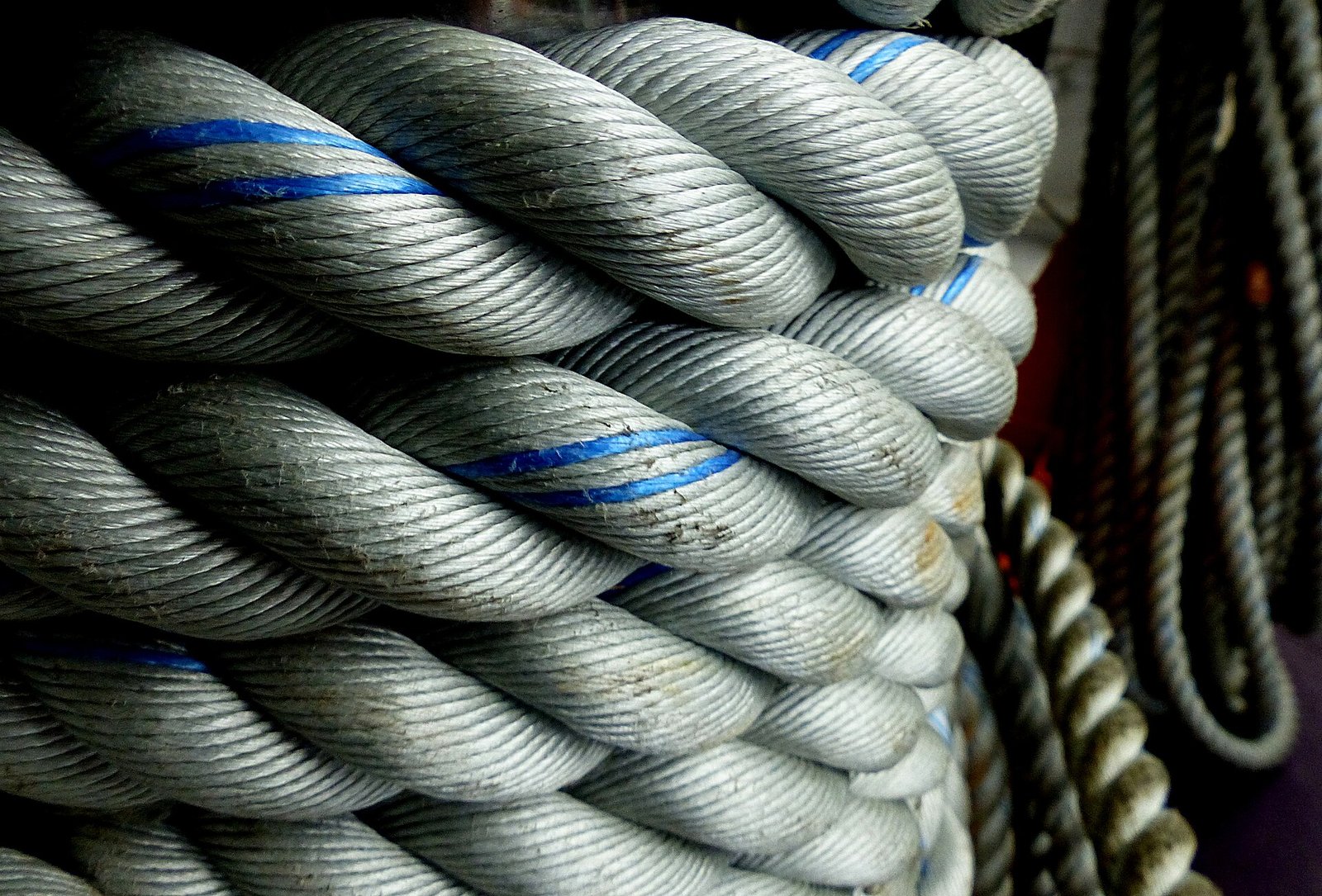
Photo: Wikimedia Commons
Grass is the kindest surface: every pole here stands well, spikes bite, and missed steps land soft. This is where every set performs best, and where tall poles earn their keep.
Turf and courts need bases or weights: spiked poles have nowhere to bite, so weighted-base sets (SEAOTTER, Desyeryamimi) or utility weights suit indoor work better than spiked sets. Bare feet indoors work well — cleats do not, and they will chew both the poles and the floor.
Concrete wears poles fastest: it bends spikes, cracks thin plastic, and punishes missed landings. If concrete is your only surface, buy thicker poles and weighted bases, and accept that the set is a consumable, not a lifetime tool.
Storage decides whether a set survives the season: a bag (SKLZ, SEAOTTER, Desyeryamimi, QUICKPLAY) keeps poles together and visible, while loose poles in a corner get lost, cracked, and forgotten. Break down, bag, and count the set before every session.
What no pole makes safe
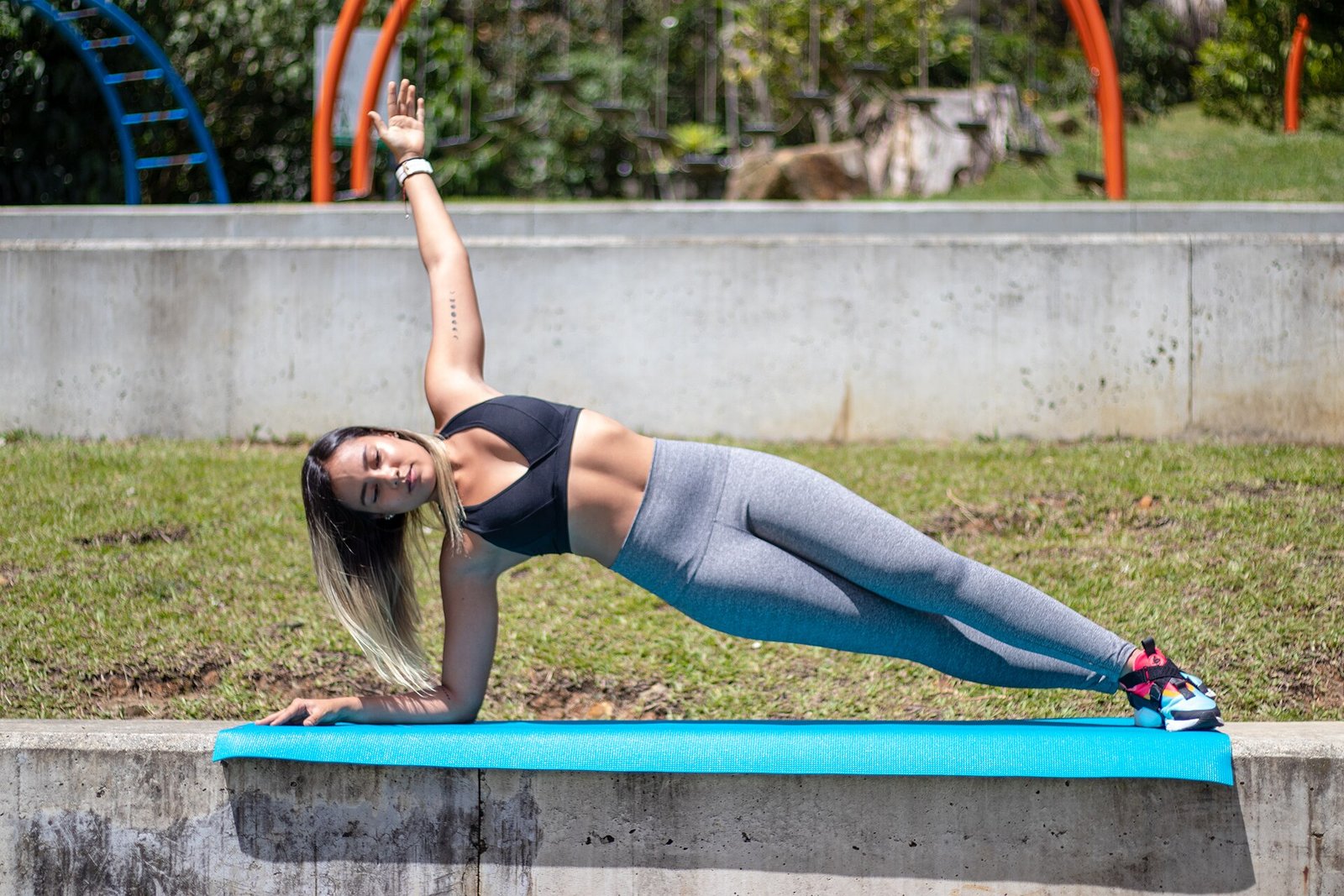
Photo: Tyler Read / Wikimedia Commons
A pole does not make a weave safe by itself, does not fix a strip that is wet, uneven, or crowded, and does not protect ankles, knees, or Achilles tendons that are already injured. The pole marks the course; it does not judge whether the course is wise.
Check the poles and the area before every session: no cracked or split plastic, no loose joints, spikes straight and tight, bases flat, and a drill area clear of obstacles, holes, and other people. A pole that collapses mid-weave, or a landing area with a hole in it, ends the session abruptly.
Start slow: learn each weave at walking pace, then add speed in small steps over sessions, never at maximum effort on the first rep. Keep the area clear of the row’s ends and of anything you could run into. Never train through sharp pain, and never use a cracked pole hoping it holds one more session. If you have an injury, or a condition that affects how safely you can train, talk to a clinician or qualified coach before starting pole training. This guide is general information only, not medical advice.
Frequently Asked Questions
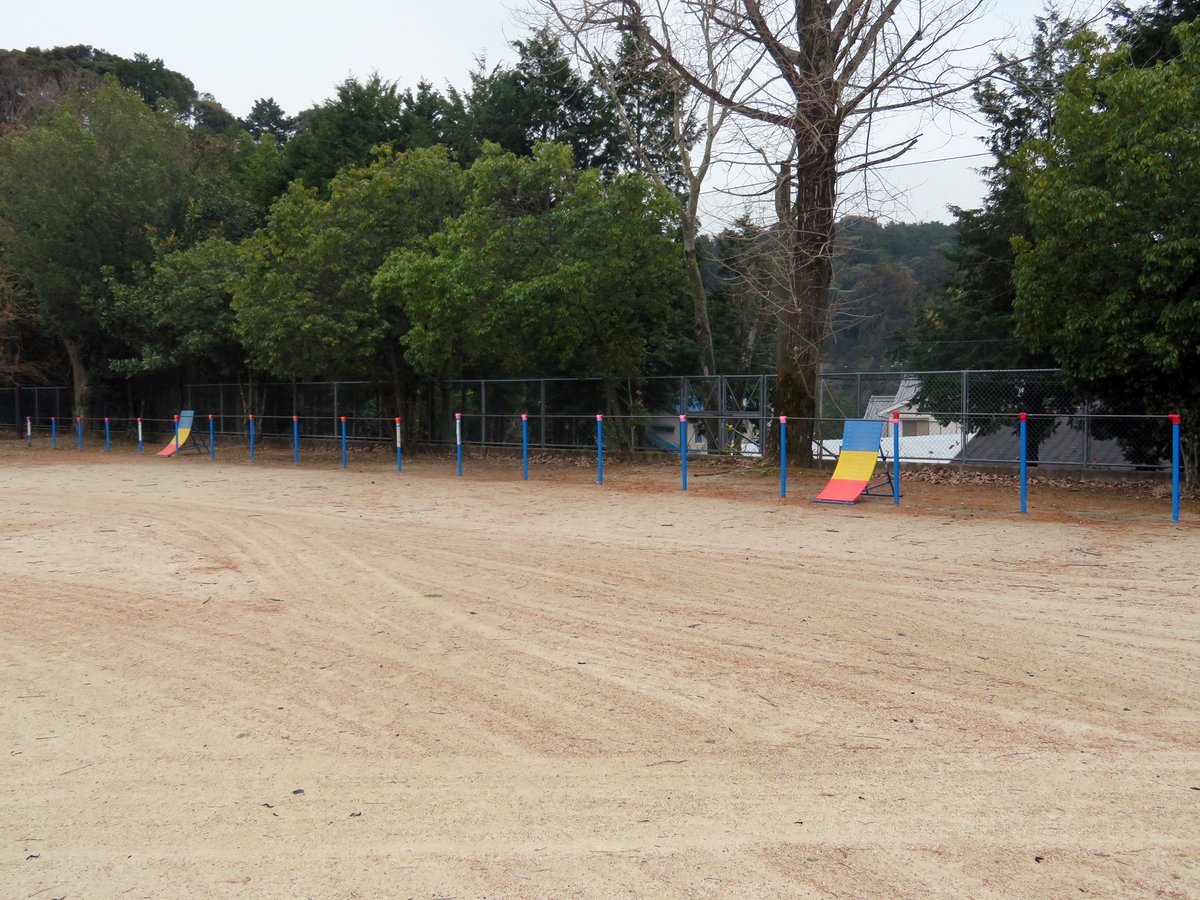
Photo: Tokumeigakarinoaoshima / Wikimedia Commons
How many slalom poles do I need?
Six for a standard drill row, eight to ten for team courses and full slalom lanes. Four suits a short solo weave. Buy the count your longest drill needs — a course that runs out of poles mid-pattern teaches stopping, not weaving.
Spiked poles or weighted bases — which is better?
Neither is better in general — spiked poles (SKLZ, QUICKPLAY) hold best on grass, while weighted bases (SEAOTTER, Desyeryamimi) stand on turf, courts, and gym floors. Buy spikes for grass, bases for hard ground, and both if your sessions move between the two.
Can I use slalom poles indoors?
Yes, if the floor allows it: a gym or rubber floor works well with weighted bases, but clear breakables and give the row room to weave. Low poles suit small indoor spaces better than 6-foot poles, and skip cleats indoors.
What height poles should a beginner buy?
A telescoping set: start at 24 inches and raise height only when every rep at the current height is clean. Beginners should start low and short, and add height and poles only when form holds at full effort.
How do I stop poles tipping over?
Match the base to the surface, seat poles fully, and check spikes and bases before every session. A pole that leans before the drill starts will fall during it — straighten it or replace it, never drill around it.
When should I replace poles?
When plastic cracks or splits, telescoping locks no longer hold height, spikes bend or snap, bases crack, or a pole leans under its own weight. Worn poles trip athletes and mislead drills — replace them before they do.
Our Pick in One Line
Photo: Staff Sgt. Clinton Firstbrook / Wikimedia Commons
If you want one answer: the SKLZ Pro Training 8-pack is the best all-round buy because its three telescoping heights, detachable spikes, and coaching-brand build cover almost any home-gym athlete — but if you train on turf or courts, buy the SEAOTTER set first, because its weighted rubber bases stand where spiked poles cannot.
For the rest of your home-gym setup, see our agility rings guide and our sprint sleds guide, and for the cones those weave sessions complement, see our agility cones guide.
As an Amazon Associate, we earn from qualifying purchases made through links on this page, at no extra cost to you.
This guide is research-based: we compared verified buyer reviews and manufacturer specifications, and we did not buy or hands-on test these products. Prices and availability change, so check the listing before ordering. The training information here is general information only, not medical advice — if you have an injury or a condition that affects how safely you can train, talk to a clinician first.