

Agility cones are the simplest course-marking tool in the home gym — a set of bright markers, a patch of floor, and your own two feet. No motor, no screen, no subscription. Just drills, courses, and boundaries, laid out in seconds and packed away just as fast. 🔶
Lay them out, run the drill, pick them up, repeat. The cones’ height decides whether you see them at speed, their count decides how big a course you can build, and their weight decides whether they stay put or scatter on first contact.
But let us be plain from the start: cones mark drills and courses, but they do not build speed by themselves, they do not prevent injury by themselves, they do not replace progressive training, and they do not make a slippery or crowded drill area safe.
Used the right way — the right height for your drills, enough markers for your course, checked before every session, progressed slowly — cones are one of the cheapest ways to turn an empty floor into a training ground.
How We Picked These Agility Cones
Photo: Taco fleur / Wikimedia Commons
This guide is research-based. We did not buy or hands-on test these cones, and we do not claim otherwise.
We compared verified buyer reviews and manufacturer specifications, and we checked each product’s Amazon listing status through search results and listing trackers.
We picked 6 sets that are genuinely sold and cover different needs: a best-overall low-profile set, a coaching disc set, a budget tall set, a tall cone set with a bag, a flat-marker set, and a bulk colour set.
Prices are not quoted in this guide because they change often. The check-price links take you to the current listing, where you can see the latest price and availability.
Availability and colour options vary, so if your option shows as unavailable, check the listing’s other options before switching products.
One note before we start: height is the least forgiving figure in this guide. A tall cone you can see at speed is also a cone you can trip over, while a disc cone you cannot trip over is also a cone you can lose sight of — read the cone-type section before you trust any single number.
Quick Comparison
Photo: GymNation / Wikimedia Commons
| Set | Type | Count / Height | Best for |
|---|---|---|---|
| GoSports Agility Training Sport Cone | Low-profile cone | 20 / about 7.75 in | Best overall |
| SKLZ Agility Cone Set | Disc cone | 20 / 2 in | Best coaching set |
| Super Z Outlet Training Cones | Disc cone | 20 / 2 in tall, 8 in wide | Best budget |
| ZEAYEA Agility Training Sport Cone | Tall cone | 8 / 9 in | Best tall set |
| WildTracks Spot Markers | Flat marker | 12 / 9 in wide | Best flat markers |
| Suwimut Agility Cones | Tall cone | 24 / 9 in | Best bulk set |
1. GoSports Agility Training Sport Cone, 20 Pack — Best Overall
Photo: Wikimedia Commons
Who it suits: coaches, families, and home lifters who want one trusted, no-fuss set for drills, boundaries, and courses, with a bag included.
GoSports’ set bundles 20 low-profile plastic cones with a tote bag, in orange, green, pink, yellow, or red, each cone about 7.75 inches across and stackable for storage. The cones are low-profile field markers — tall enough to see at speed, low enough to step over without a stumble.
Low-profile is the honest advantage here: a full 9-inch cone marks a boundary clearly but trips a careless foot, while a flat disc can vanish underfoot at speed. At roughly 7.75 inches, this set sits between the two — visible, but forgiving when a drill goes wrong.
Pros: 20 cones in one purchase with a tote bag; low-profile height that balances visibility and safety; stackable for compact storage; five colour options; long-running sports brand with a large buyer base.
Cons: one colour per pack, so colour-coded drills need more than one pack; plastic construction will not outlast heavy team use on concrete; no drills guide is listed, so bring your own patterns.
2. SKLZ Agility Cone Set, 20 Cones — Best Coaching Set
Photo: Rodhullandemu / Wikimedia Commons
Who it suits: coaches and serious home athletes who want the disc-cone standard — the set other sets are compared against.
SKLZ’s Agility Cone Set bundles 20 low-profile disc cones — 5 each in yellow, black, white, and orange — each 2 inches tall, with a carrying rack for transport and storage. The maker says the cones will not break when stepped on, and the set is a staple at evaluation combines, where precise timing and body control are tested.
Colour-coding is the honest advantage here: four colours in one set let you run reaction drills — call a colour, change direction — that a single-colour pack cannot. The rack is the other half of the story: twenty loose cones are a chore, while twenty racked cones are a course in a minute.
Pros: 20 disc cones in four colours for colour-coded drills; 2-inch height that will not trip a runner; maker says the cones will not break when stepped on; carrying rack included; one-year warranty; long-running coaching brand.
Cons: no confident US Amazon product page was pinned down, so the link below is a search link — confirm the listing matches the SKLZ 20-cone set before ordering; 2 inches is low, so the cones are harder to spot at distance than tall cones; the set is sold widely through sporting-goods stores, so compare before ordering.
👉 Check price on Amazon (search link — no confident US product page was found, so confirm the listing matches the SKLZ 20-cone set).
3. Super Z Outlet Training Cones, 20 Pack — Best Budget
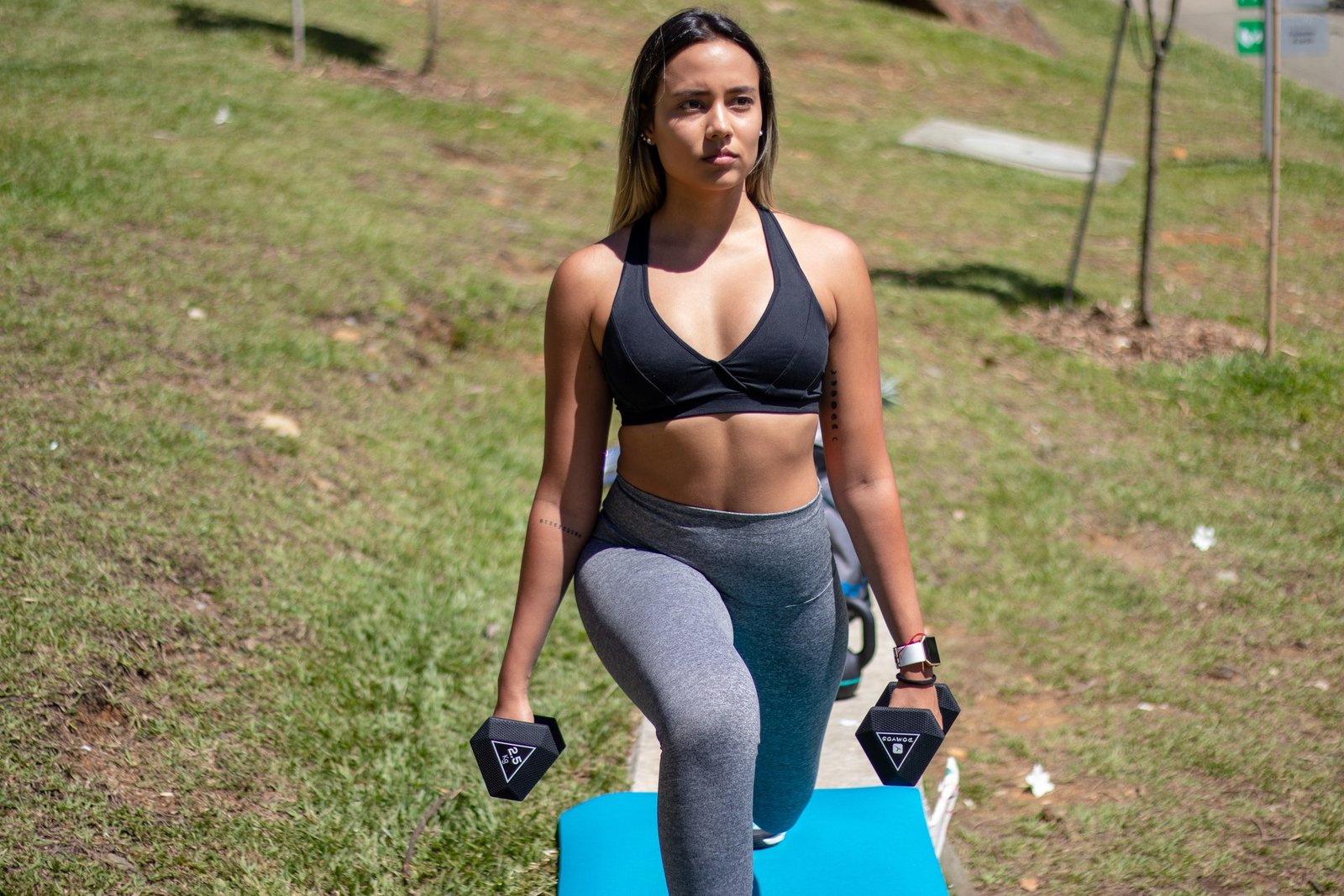
Photo: Tyler Read / Wikimedia Commons
Who it suits: athletes who want the cheapest honest cone set for agility work, and who do not mind plain orange plastic to get it.
Super Z Outlet’s set bundles 20 bright orange round cones, each 8 inches across and 2 inches tall, made from durable orange plastic that stacks for carrying. The cones suit indoor and outdoor sports alike, and the same listing runs in 20, 40, and 60-pack sizes.
The price is the point here: twenty cones for less than a gym day pass, in the brightest colour on the field, with the same disc-cone idea as the SKLZ set at a lower cost. The trade is colour — one colour only, so colour-coded drills need a second pack or a marker pen.
Pros: cheapest approach here; 20 bright orange cones that are easy to see; 2-inch disc height that will not trip a runner; stackable for easy carrying; 40 and 60-pack options in the same family; long-running listing.
Cons: one colour only, so no colour-coded drills from a single pack; no bag or rack is listed, so storage is your own problem; budget plastic will not outlast the SKLZ set under daily team use.
4. ZEAYEA Agility Training Sport Cone, 8 Pack — Best Tall Set
Photo: Akhlispurnomo / Wikimedia Commons
Who it suits: coaches and home athletes who want tall, visible cones for boundaries, dribbling courses, and field marking, with a bag to carry them.
ZEAYEA’s set bundles 8 plastic cones, each 9 inches tall and about 6.7 inches across, with a carry bag, for soccer, football, basketball, tennis, and volleyball training. The cones are tall enough to read from across a field, and the bag keeps eight tall cones from becoming a pile in the car boot.
Height is the honest advantage here: a 9-inch cone marks a boundary no one misses, which matters for dribbling courses and field edges where a disc cone would vanish. The trade is the trip risk — tall cones demand a clear drill path and athletes who watch their feet.
Pros: 9-inch height that reads clearly at distance; carry bag included; suits soccer, football, basketball, tennis, and volleyball; 8 cones cover a full dribbling course; compact 6.7-inch base for tight layouts.
Cons: only 8 cones, so large courses need two packs; tall cones trip careless feet — keep the drill path clear; budget plastic, so check for cracks after hard use on concrete.
5. WildTracks Spot Markers, 12 Pack — Best Flat Markers
Photo: Wikimedia Commons
Who it suits: indoor trainers, schools, and home athletes who want markers that cannot trip anyone — spots on the floor, not obstacles.
WildTracks’ set bundles 12 flat field cones — non-slip rubber spot markers, each 9 inches across, in 6 bright colours, with a bag. The markers are designed to be run over: flat, grippy, and built to hold up indoors and outdoors in a variety of conditions.
Flat is the honest advantage here: a spot marker cannot trip a runner, cannot blow over, and cannot be kicked across the gym, which makes it the safest marker in this guide for children, beginners, and crowded indoor sessions. The trade is visibility — a flat spot reads well underfoot but poorly from across a field.
Pros: flat, non-slip rubber design that cannot trip a runner; 9-inch diameter that reads clearly underfoot; 6 bright colours for colour-coded drills; bag included; suits soccer, basketball, baseball, and speed training.
Cons: flat markers are hard to spot from a distance, so they suit footwork drills better than field boundaries; rubber markers are heavier to carry than plastic discs; only 12 markers, so large courses need two packs.
6. Suwimut Agility Cones, 24 Pack — Best Bulk Set
Photo: Jdsteakley / Wikimedia Commons
Who it suits: coaches, teams, and households who want one big colour set for large courses, stations, and games — and spares for the cones that go missing.
Suwimut’s set bundles 24 plastic cones, each 9 inches tall, 7.5 inches long, and 5.5 inches wide, in 6 colours — red, yellow, blue, green, orange, and purple, 4 of each — with six holes for attachment. The listing says the cones retract into their original shape if trampled or squeezed, and they suit indoor and outdoor training alike.
Bulk is the honest advantage here: twenty-four cones in six colours build courses, stations, and games that an 8-pack cannot, and colour-coding comes free. The trade is the same as every tall budget set — height that trips, and plastic that needs checking after hard use.
Pros: 24 cones in six colours for colour-coded courses and stations; 9-inch height that reads clearly; flexible plastic that retracts after trampling, per the listing; suits soccer, basketball, football, and party games alike; spares built in.
Cons: one older listing crawl showed no featured offers available, so check availability before ordering; tall cones trip careless feet — keep the drill path clear; 24 tall cones need real storage space, so stack them or lose them.
👉 Check price on Amazon (check availability — one older crawl showed no featured offers).
How to Choose the Right Agility Cones
Photo: Shixart1985 / Wikimedia Commons
Start with your drills, then your floor, then your count. A cone set that cannot mark your course is decoration, and a cone that trips your athletes is a hazard, not a training tool.
Then buy in this order: a low-profile 20-pack first if you train alone, a disc set first if you want colour-coded drills, and a tall set first if you mark boundaries and fields.
Cone type: tall cones vs disc cones vs flat markers — what each actually does
Photo: Tokumeigakarinoaoshima / Wikimedia Commons
Tall cones (ZEAYEA, Suwimut) stand 9 inches high and mark boundaries and courses that read from across a field: they suit dribbling, field edges, and games — but they trip careless feet, so the drill path must stay clear.
Disc cones (SKLZ, Super Z Outlet) stand 2 inches high and mark footwork patterns without becoming obstacles: they suit agility drills, speed work, and combines — but they vanish at distance, so they suit footwork, not field boundaries.
Flat markers (WildTracks) lie flush with the floor and mark spots you run over: they suit indoor training, schools, and beginners — but they read only underfoot, so they suit stations, not sight-lines.
Low-profile cones (GoSports) sit between the three at roughly 7.75 inches: visible enough to follow at speed, low enough to forgive a stumble. If you buy one set for everything, buy this shape.
Size and visibility: what each height actually suits
Photo: Wikimedia Commons
2 inches (SKLZ, Super Z Outlet) suits footwork drills and combines: the cone marks a spot without becoming an obstacle, and athletes step over it without breaking stride. This is where most real agility training happens.
About 7.75 inches (GoSports) suits general drills and courses: visible at speed, forgiving on contact, and large enough to follow through a full course without losing the pattern.
9 inches (ZEAYEA, Suwimut) suits boundaries, dribbling courses, and field marking: the cone reads from across the field, but it trips feet that do not watch where they land — keep the path clear and the athletes alert.
9 inches wide, flat (WildTracks) suits spot drills and stations: the marker reads clearly underfoot in bright colours, but it will not guide an athlete across a field. Buy flat for stations, tall for sight-lines.
Material and durability: what keeps a cone alive

Photo: Wikimedia Commons
Flexible plastic is the standard: disc cones (SKLZ, Super Z Outlet) flex rather than crack when stepped on, while tall cones (ZEAYEA, Suwimut) rely on thicker walls and, in Suwimut’s case, a shape that retracts after trampling. Check the plastic before ordering — a cone you can crease by hand will not survive a season of cleats.
Rubber is the flat-marker standard: WildTracks’ non-slip rubber spots grip the floor, survive being run over, and stay put in wind that would scatter plastic discs. Rubber costs more to carry, but it lasts longer under feet.
Colour is a durability signal in disguise: bright colours (orange, yellow, red) stay visible as plastic fades, while black and white discs (SKLZ) blend into shadows and gym floors. Pick the colours that read on your floor, not the colours that look neat in the bag.
Surface and storage suitability: grass, turf, gym floor, and concrete
Photo: Wikimedia Commons
Grass and turf are the kindest surfaces: every cone here sits well, nothing slides, and missed steps land soft. This is where every set performs best, and where tall cones earn their keep.
Gym floors need grip: a plastic disc on a polished floor slides underfoot, so flat rubber markers (WildTracks) or heavier low-profile cones (GoSports) suit indoor work better than light discs. Bare feet indoors work well — cleats do not, and they will chew both the cones and the floor.
Concrete wears cones fastest: it cracks thin plastic, fades colours, and punishes missed steps. If concrete is your only surface, buy thicker cones (SKLZ, GoSports) and accept that the set is a consumable, not a lifetime tool.
Storage decides whether a set survives the season: a rack (SKLZ), a tote (GoSports), or a bag (ZEAYEA, WildTracks) keeps cones together and visible, while loose cones in a corner get lost, cracked, and forgotten. Stack discs, bag tall cones, and count the set before every session.
What no cone makes safe
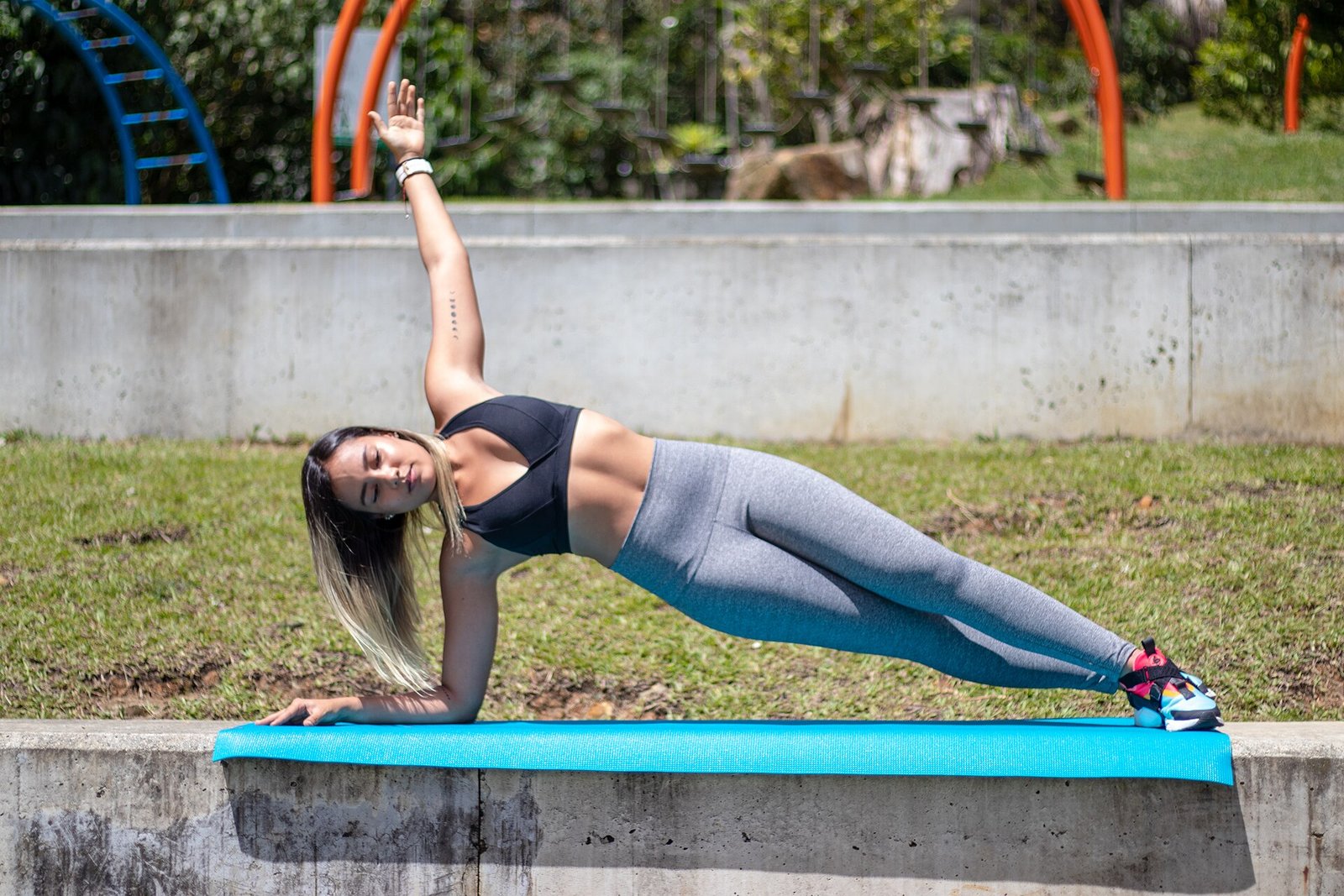
Photo: Tyler Read / Wikimedia Commons
A cone does not make a drill safe by itself, does not fix a floor that is wet, uneven, or crowded, and does not protect ankles, knees, or Achilles tendons that are already injured. The cone marks the pattern; it does not judge whether the pattern is wise.
Check the cones and the area before every session: no cracked or split plastic, no sharp edges, and a drill area clear of obstacles, holes, and other people. A cracked cone cuts a hand that grabs it, and a tall cone in a crowded area trips more than it trains.
Start slow: learn each pattern walking, then jogging, then at speed — never at full speed on the first rep. Keep the area clear of the course’s edges and of anything you could trip over on the way out. Never train through sharp pain, and never use a cracked cone hoping it holds one more session. If you have an injury, or a condition that affects how safely you can train, talk to a clinician or qualified coach before starting cone training. This guide is general information only, not medical advice.
Frequently Asked Questions
Photo: Tokumeigakarinoaoshima / Wikimedia Commons
How many cones do I need to start?
Twenty cones: enough for a full drill course, a set of stations, or a small-sided game, without running out mid-pattern. An 8-pack covers one dribbling course; a 24-pack covers a team session.
Tall cones or disc cones — which is better?
Neither is better in general — tall cones (9 inches) mark boundaries you can see from across a field, while disc cones (2 inches) mark footwork patterns without tripping you. Buy tall for fields, disc for footwork, low-profile for both.
Can I use agility cones indoors?
Yes, if the floor allows it: flat rubber markers and low-profile cones suit gym floors well, while tall cones suit larger halls. Clear breakables, keep the area dry, and skip cleats indoors.
Do I need different colours?
Not for basic drills, but colours add drills: call a colour and change direction, split teams by colour, or mark stations by colour. A four-colour set (SKLZ) or six-colour set (Suwimut, WildTracks) buys those drills in one pack.
How do I store cones so they last?
Rack them, bag them, or stack them — never leave them loose in a corner. Disc cones stack flat, tall cones nest, and a bag or rack keeps the set countable. Store out of sun, since UV fades colours and weakens plastic.
When should I replace agility cones?
When plastic cracks or splits, edges turn sharp, colours fade so far the cone blends into the floor, or a flat marker loses its grip and slides. Worn cones trip athletes and mislead drills — replace them before they do.
Our Pick in One Line
Photo: Staff Sgt. Clinton Firstbrook / Wikimedia Commons
If you want one answer: the GoSports 20-pack is the best all-round buy because its low-profile height, tote bag, and colour options cover almost any home-gym athlete — but if you coach colour-coded drills, buy the SKLZ 20-cone set first, because four colours and a carry rack turn a bag of markers into a coaching tool.
For the rest of your home-gym setup, see our reaction balls guide and our speed parachutes guide, and for the ladder those cone courses complement, see our agility ladders guide.
As an Amazon Associate, we earn from qualifying purchases made through links on this page, at no extra cost to you.
This guide is research-based: we compared verified buyer reviews and manufacturer specifications, and we did not buy or hands-on test these products. Prices and availability change, so check the listing before ordering. The training information here is general information only, not medical advice — if you have an injury or a condition that affects how safely you can train, talk to a clinician first.