

Parallettes are short parallel bars that lift your hands off the floor. 🏋️ That extra clearance turns ordinary push-ups into deeper ones, makes L-sits possible without your legs hitting the ground, and gives you a stable base for dip and handstand practice at home.
They sit between two guides you may already know: taller than push-up bars, and far smaller than the freestanding dip stations in this series. This guide follows our slant boards guide, and pairs well with gymnastic rings for upper-body work, suspension trainers for rows and core work, and foam rollers for recovery between sessions.
Below are six parallettes we researched: tall steel sets, a wooden-bar set, and a premium formed-steel pair. Every pick states its honest limits, and no prices are quoted because offers change.
Why Parallettes Belong in a Home Gym
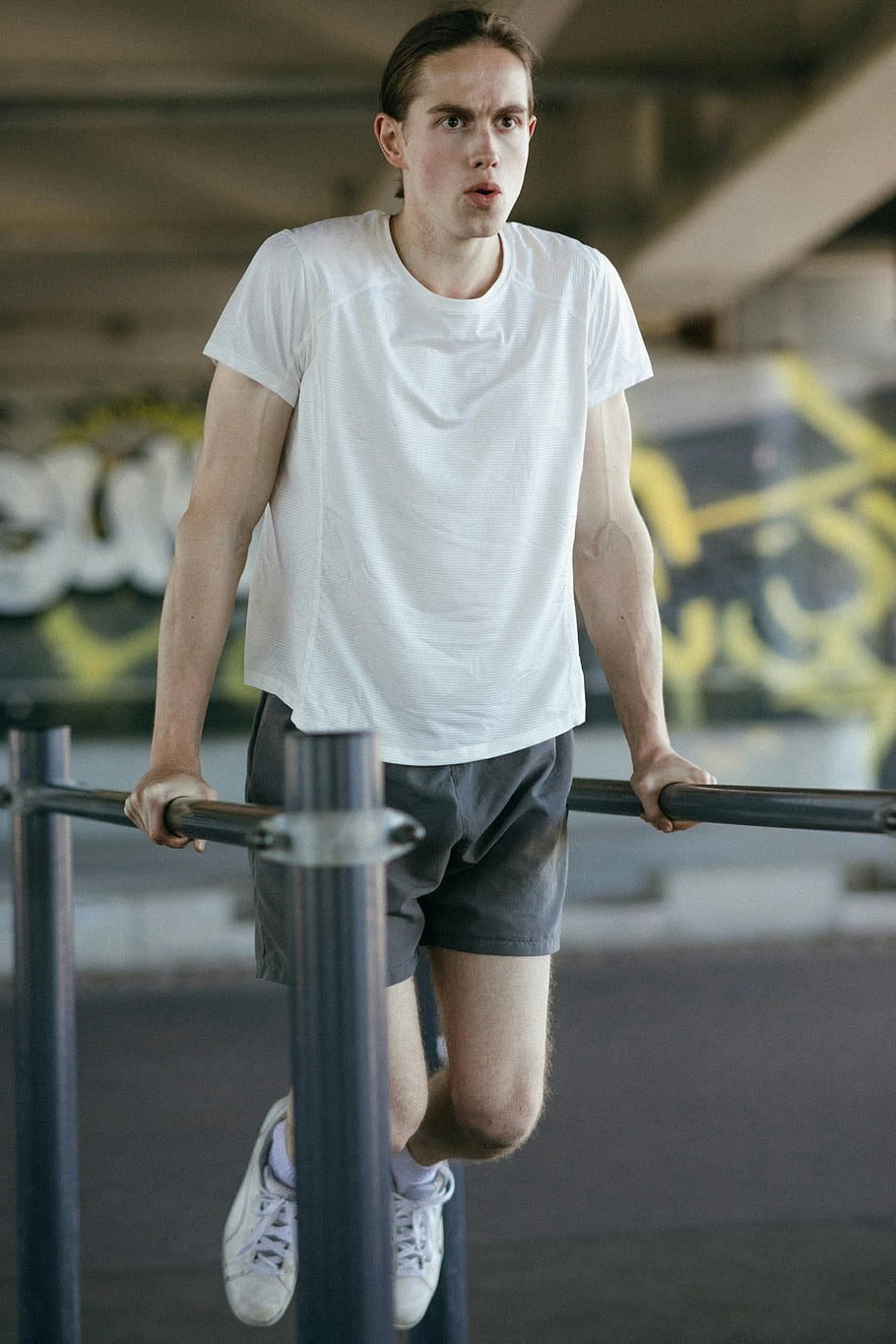
A parallette’s job is simple: it raises your grip above the floor. That clearance lets your chest sink below your hands in a push-up, lets your legs hang straight in an L-sit, and lets you dip without your feet touching down. One small tool, three movements that are awkward or impossible on flat ground.
They also take up very little room. A pair of parallettes slides under a bed or leans against a wall, which is why they suit small home gyms better than a full dip station. They are portable tools that need no installation, unlike a wall-mounted rig or a full station.
What parallettes do not do is replace a pull-up bar, a bench, or coaching. They are a bodyweight tool for pushing and core work. If a movement hurts sharply, especially in the wrists or shoulders, stop and get it checked rather than pushing through. 🛑
How We Picked
We started from published roundups and gear reviews, mainly Garage Gym Reviews and Total Shape, then checked the listing records behind each pick. No hands-on testing was done, and every capacity below is the maker’s stated figure, not a tested load.
Five picks carry a dated US listing record, ranging from about 194 to 259 days old at research time. The sixth pick, Rogue, is sold mainly direct by its maker, so it is linked by an honest tagged search link instead of a product page. Where a record showed no featured offers, or where an ASIN rests on a single source, the pick’s own section says so plainly.
One load-bearing fact was double-checked: the Rogue Formed Parallettes’ height, length, width, weight and warranty appear in the Garage Gym Reviews review of that pair, which names the same 13.5-inch height and 14 lb pair weight used below.
Quick Comparison
| Parallettes | Height | Bar / Grip | Stated Capacity | Standout |
|---|---|---|---|---|
| TABEKE Push Up Bar | 14″ | Alloy steel, foam-covered grip | 660 lb | Tallest stated height in this guide |
| Teclor Steel Push Up Bar | 9.5″ | Alloy steel, 1.5″ grip | 660 lb | Compact 9.5-inch steel frame |
| The Beam Store 24-Inch | 9″ | 1.5″ hardwood on steel frames | Not stated | Hardwood bars, made in USA |
| LIFECYCLE SPORTS | Not stated | Steel + ABS, powder-coat grip | Not stated | Powder-coat grip finish |
| Dolibest Push Up Bar | 12″ | Wooden handles | 660 lb | Wooden handles at mid height |
| Rogue Formed Parallettes | 13.5″ | 14-gauge 1.5″ steel tubing | Not stated | Only stated warranty in this guide |
Capacities above are the makers’ stated figures, not tested loads. Three picks state the same 660 lb figure (TABEKE, Teclor and Dolibest), so none is singled out as the strongest. Three picks state no capacity at all — check the live listing before buying, and never exceed the maker’s rating.
TABEKE Push Up Bar, 14″ High Steel Parallettes
The TABEKE set is the tallest steel option in this guide at 14 inches high. That height gives the most leg clearance of any stated height in this guide for L-sits and a deep dip range, which is why it leads the list for calisthenics training rather than just push-ups.
The bars are alloy steel with a full-coverage foam handle, and the stated capacity is 660 lb — one of three picks sharing that figure. Foam grips are kinder on bare hands than bare steel, though foam will show wear sooner than a powder-coat or wooden grip if the bars live in a garage.
✅ Pros
- Tallest stated height in this guide (14 inches)
- Full-coverage foam handle for bare-hand comfort
- 660 lb stated capacity, shared with two other picks
- Alloy steel construction
⚠️ Cons
- Tall bars raise your centre of gravity — test stability first
- Foam grips wear sooner than steel or wood finishes
- No warranty stated in the records checked
Check the TABEKE Push Up Bar on Amazon
⚠️ Listing check: the most recent record, about 204 days old, showed the listing in the usual way — confirm the current offer on the listing before buying, as offers change.
Best for: calisthenics trainees wanting tall bars for L-sits, dips and deep push-ups.
May not fit: anyone wanting a low, ultra-stable bar for floor push-ups only, or a wooden grip feel.
Teclor Steel Push Up Bar, 9.5″ Parallettes
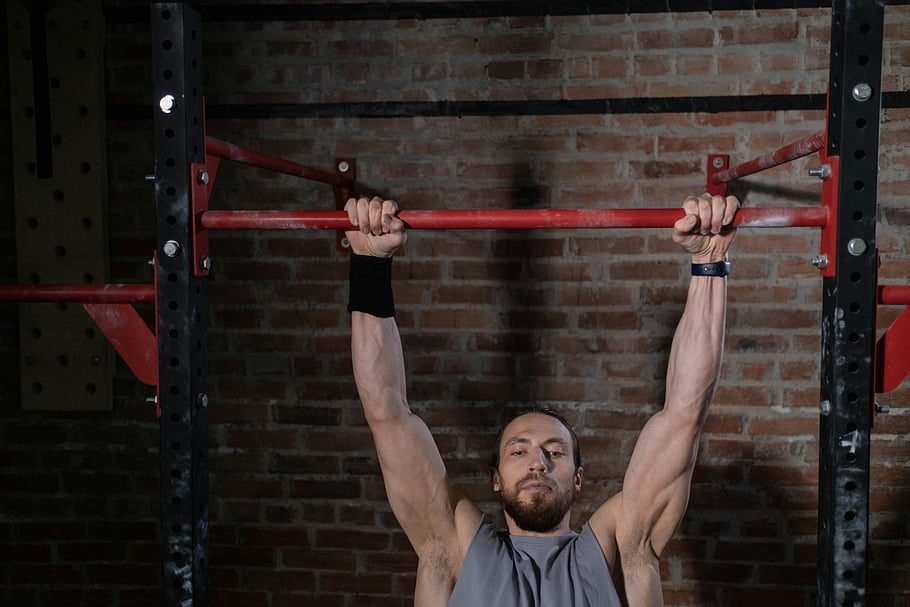
The Teclor set is the compact steel option: 17 by 8.3 by 9.5 inches, with a 1.5-inch diameter grip and a 660 lb stated capacity. At 9.5 inches high it stores easily and feels planted, though the lower height gives less leg clearance for L-sits than the taller picks in this guide.
The 1.5-inch grip diameter matches the Beam Store and Rogue bars, so if you already know that thickness suits your hands, this set keeps the same feel in a smaller frame. Alloy steel keeps the build simple and rigid.
✅ Pros
- Compact 9.5-inch frame that stores easily
- 1.5-inch grip diameter, a common bar thickness
- 660 lb stated capacity, shared with two other picks
- Alloy steel construction
⚠️ Cons
- Lower height means less leg clearance for L-sits
- ASIN rests on a single source — see the listing check
- No warranty stated in the records checked
Check the Teclor Steel Push Up Bar on Amazon
⚠️ Listing check: this ASIN rests on a single source, tied by the product page address only, and the most recent record, about 259 days old, was the oldest dated record in this guide — verify the listing matches this steel set before buying.
Best for: home lifters wanting a compact steel set for dips and push-up variations.
May not fit: anyone training L-sits or handstand work that needs taller clearance.
The Beam Store 24-Inch Parallettes (Set of 2)
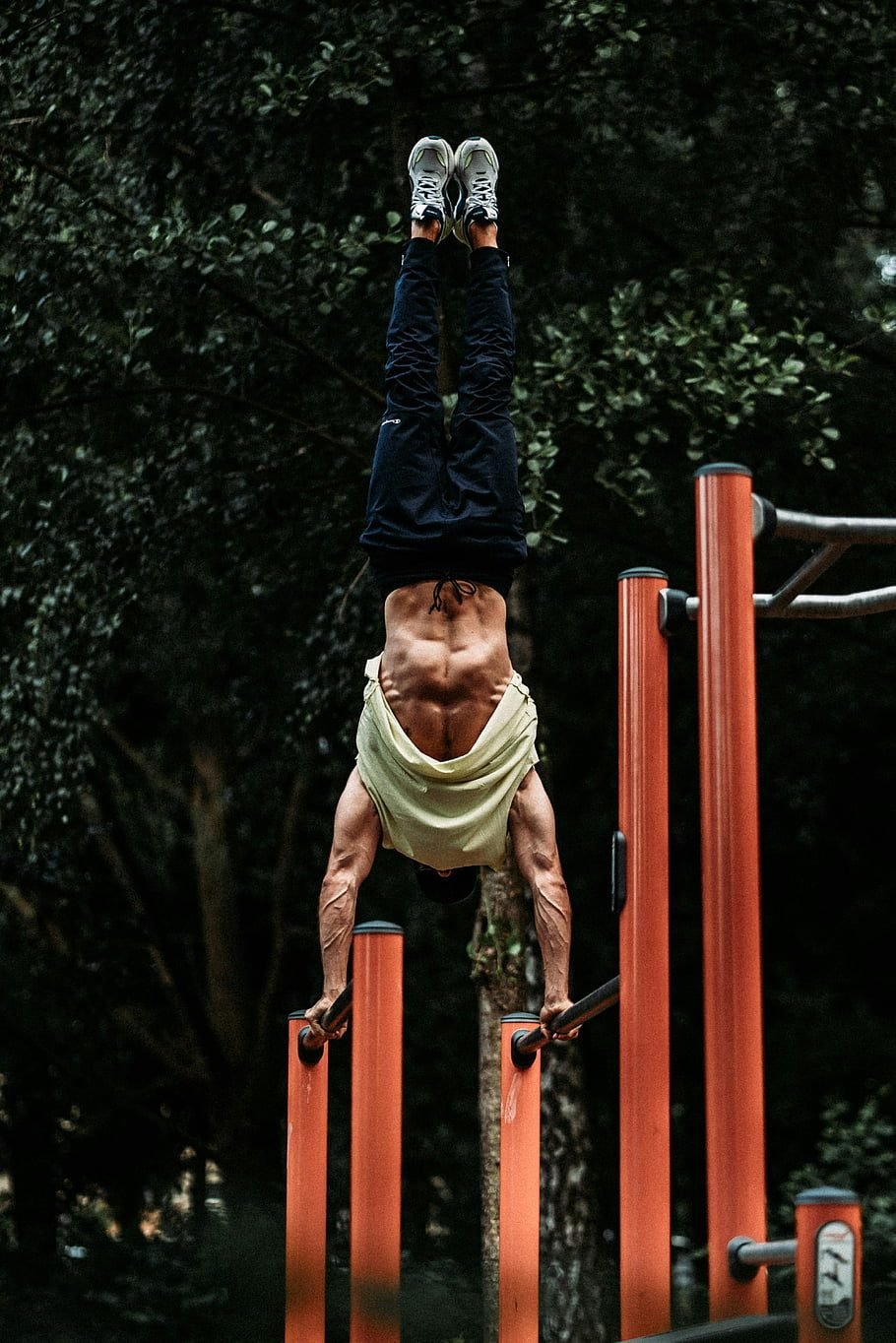
The Beam Store set pairs 1.5-inch diameter hardwood bars with 9-inch high steel frames, measuring 24 by 1.5 by 9 inches overall, and is made in the USA. Wood feels warmer and less slippery in bare hands than steel, which is why gymnasts have trained on wooden bars for decades.
At 9 inches high this is the lowest stated height in the guide, so it suits push-ups, support holds and beginner dip work better than full L-sit training. No capacity is stated in the records checked, so train within your own bodyweight plus any added load you have verified with the maker.
✅ Pros
- 1.5-inch hardwood bars on steel frames
- Made in USA
- 24-inch bars give a long, stable grip area
- Wood feels warm and grippy in bare hands
⚠️ Cons
- No capacity stated in the records checked
- Lowest stated height (9 inches) — less L-sit clearance
- Wood needs dry storage to stay in good shape
Check The Beam Store 24-Inch Parallettes on Amazon
⚠️ Listing check: the most recent record, about 195 days old, showed the listing in the usual way — confirm the current offer on the listing before buying, as offers change.
Best for: trainees wanting traditional wooden bars for push-ups, support holds and dip work.
May not fit: anyone needing a stated capacity rating or taller clearance for L-sits.
LIFECYCLE SPORTS Parallettes
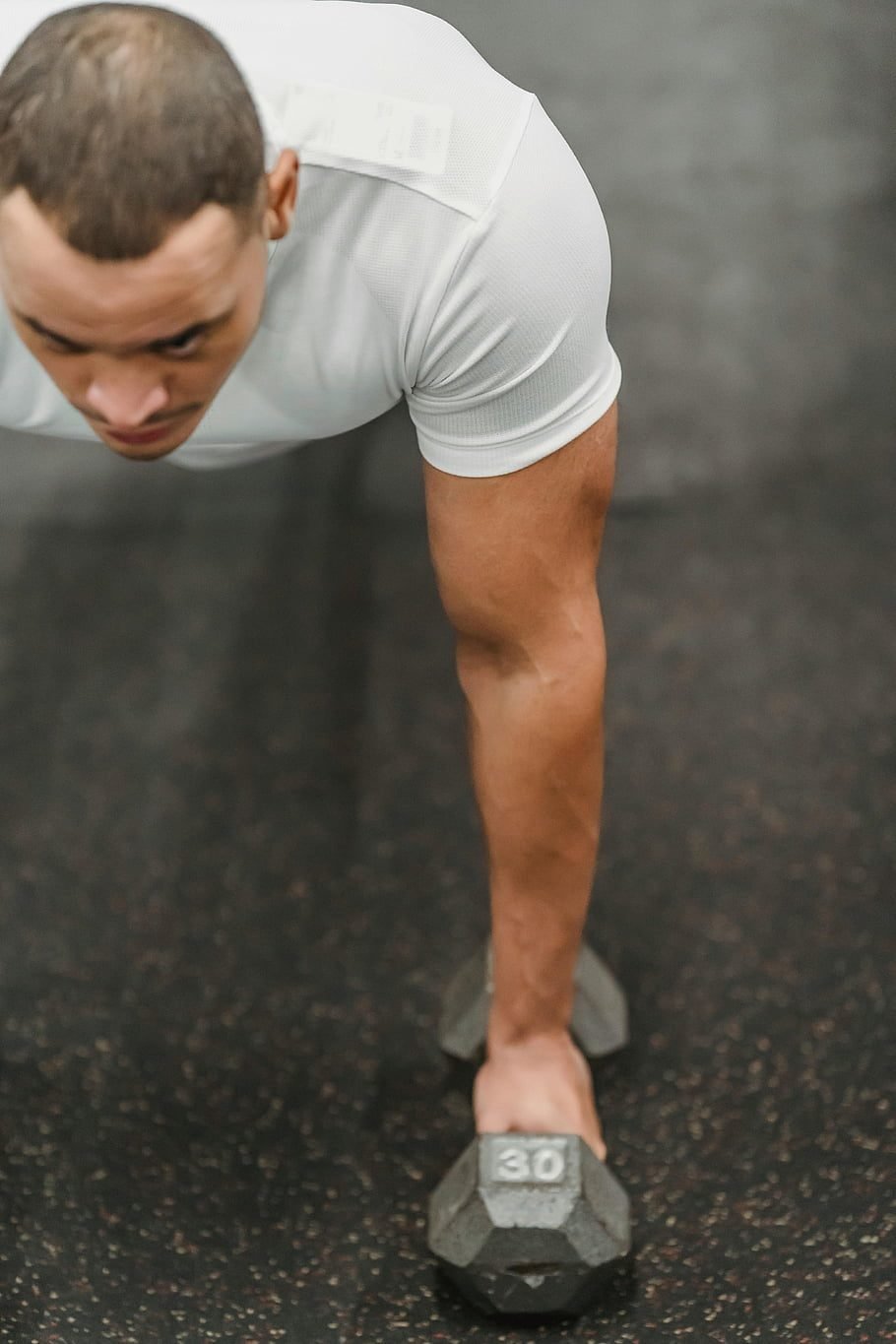
The LIFECYCLE set mixes steel with ABS plastic and a powder-coat grip finish. Powder-coat gives a textured, grippy surface without foam, so it should outlast a foam grip while still feeling secure in sweaty hands.
One honest gap: the listing record gives the size as 14 by 24.6 inches without labelling which figure is which, and states no height at all. This guide therefore gives no height for this pick — do not assume the 24.6-inch figure is the length, and check the live listing’s dimensions before buying if height matters to you.
✅ Pros
- Powder-coat grip finish — grippy without foam
- Steel and ABS construction
- Compact all-round set for push-ups and support work
⚠️ Cons
- Height not stated in the records checked
- No capacity stated in the records checked
- Listed dimensions are unlabelled — verify before buying
Check the LIFECYCLE SPORTS Parallettes on Amazon
⚠️ Listing check: the most recent record, about 194 days old — the freshest dated record in this guide — showed the listing in the usual way, but height and capacity remain unstated, so confirm both on the live listing before buying.
Best for: trainees wanting a grippy powder-coat finish for push-ups and support holds.
May not fit: anyone who needs a confirmed height or a stated capacity before buying.
Dolibest Push Up Bar, 12″ High Parallettes with Wooden Handles
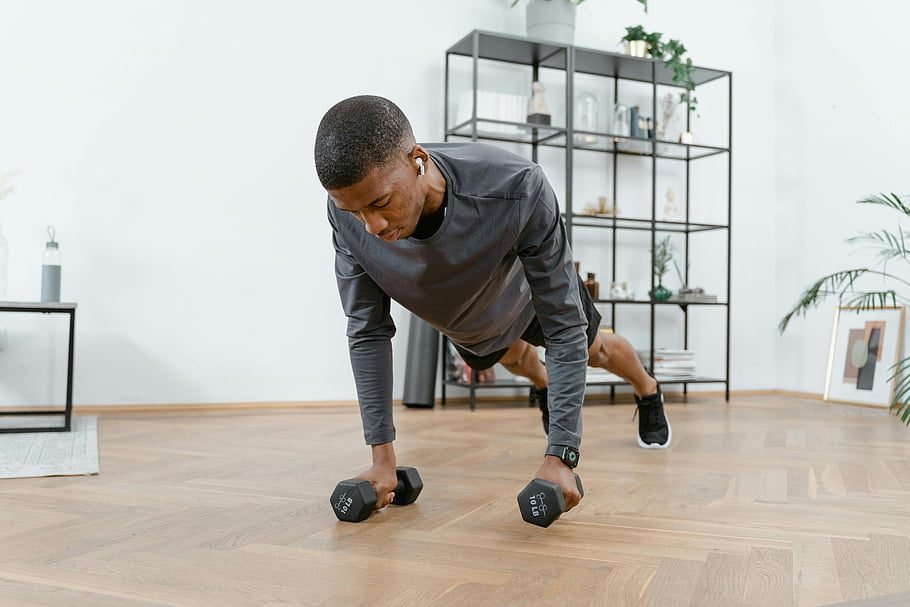
The Dolibest set pairs wooden handles with a 12-inch high frame, in a 20-inch long variant, and states a 660 lb capacity — the third pick sharing that figure. Twelve inches is a useful middle height: enough clearance for most dip and L-sit practice, without the taller feel of the 14-inch TABEKE set.
Wooden handles suit bare-hand training, and the mid height keeps the bars stable for beginners while still giving real clearance. As with any wooden grip, keep the set dry and check the handles for wear over time.
✅ Pros
- Wooden handles for bare-hand comfort
- Mid 12-inch height — clearance without a tall feel
- 660 lb stated capacity, shared with two other picks
- 20-inch long variant for a stable base
⚠️ Cons
- Wood needs dry storage and occasional checks for wear
- Check you are buying the 20-inch variant — sizes vary
- No warranty stated in the records checked
Check the Dolibest Push Up Bar on Amazon
⚠️ Listing check: the most recent record, about 219 days old, showed the listing in the usual way — confirm the current offer and the variant on the listing before buying, as offers change.
Best for: trainees wanting wooden handles at a mid height for dips, push-ups and L-sit practice.
May not fit: anyone wanting a steel grip, or the tallest bars for advanced handstand work.
Rogue Formed Parallettes

The Rogue pair is formed from 14-gauge 1.5-inch steel tubing, standing 13.5 inches high, 23.5 inches long and 14.5 inches wide, weighing 14 lb per pair, made in the USA, with no assembly required. It is also the only pick in this guide with a stated warranty — a limited lifetime warranty.
Rogue sells mainly direct, so no confident US marketplace listing could be tied to this pair. The link below is therefore an honest tagged search link, not a product page — the same approach used for the Rogue wrist roller in the earlier wrist rollers guide. If the search results do not show this exact pair, buy direct from the maker instead.
✅ Pros
- 14-gauge 1.5-inch steel tubing, formed in one piece
- Only stated warranty in this guide (limited lifetime)
- Made in USA, no assembly required
- 13.5-inch height suits L-sits and handstand work
⚠️ Cons
- No confident US product page — search link only
- No capacity stated in the records checked
- 14 lb per pair — heavier to move and store than the rest
Search for the Rogue Formed Parallettes on Amazon
⚠️ Listing check: no dated US listing record was established for this pair, and no confident product page could be tied to it — use the search link above, and if the exact pair is not shown, buy direct from the maker.
Best for: trainees wanting a premium formed-steel pair with a stated warranty for long-term calisthenics work.
May not fit: anyone wanting a one-click product page, or the lightest pair to carry.
How to Choose the Right Parallettes
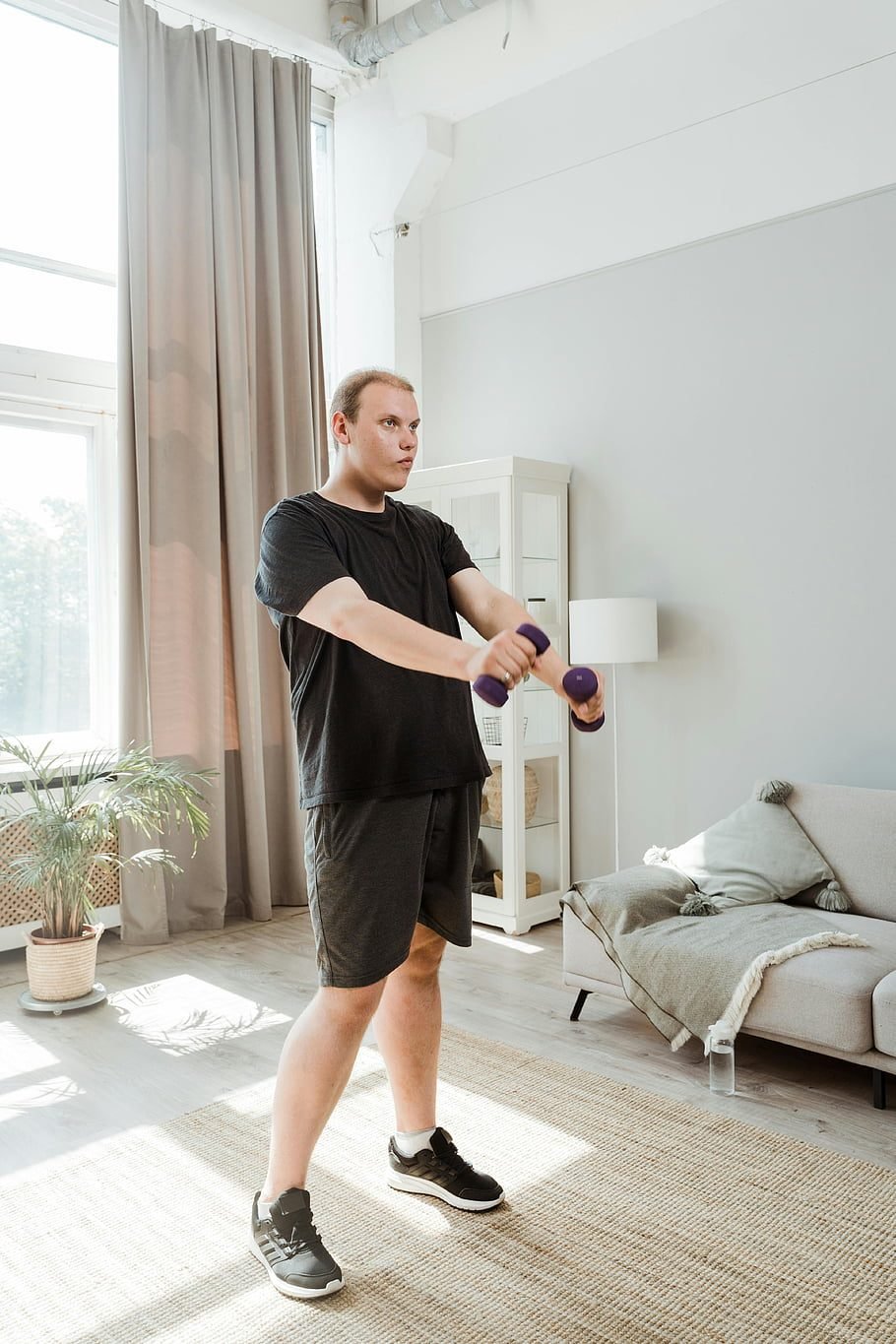
Start from the moves you actually train. Push-ups and support holds work on any height, dips want a stable base, and L-sits and handstand work want real clearance — so taller bars suit calisthenics goals, while shorter bars suit simple push-up training.
Then check your floor space, your grip preference and the stated capacity. The four points below cover each in turn, so you can match a pick to your training instead of buying on looks. For the rest of your home setup, see our wrist rollers guide and acupressure mats guide for grip and recovery work.
Height and Clearance
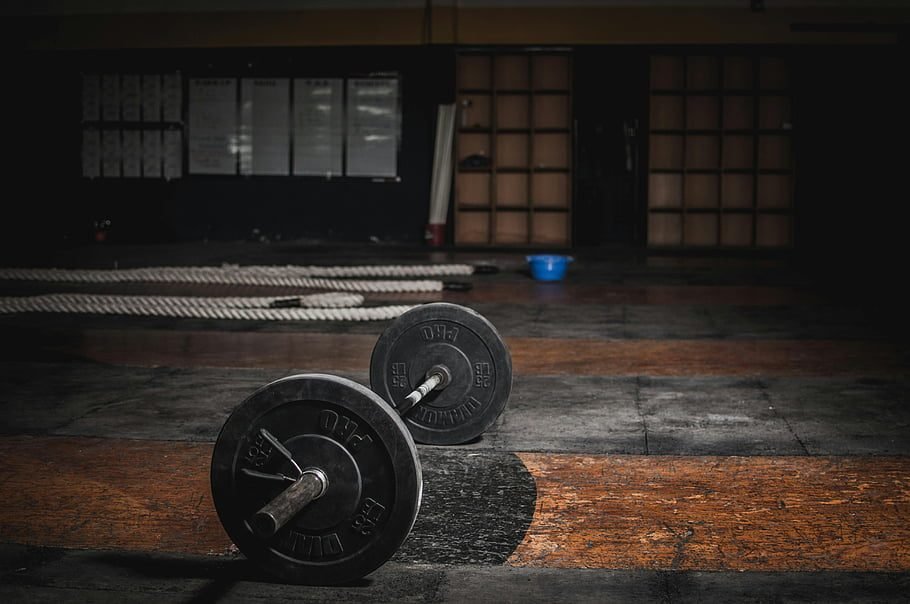
Height decides which moves fit. Nine inches covers push-ups and support holds comfortably, 12 inches adds real dip and beginner L-sit room, and 13.5 to 14 inches gives the clearance advanced L-sits and handstand entries need.
Measure your space too: parallettes need a flat area roughly the length of the bars plus room for your body to swing. Taller bars also raise your centre of gravity, so test them on a mat first if you are new to support holds.
Grip Diameter and Bar Material

Three picks in this guide use a 1.5-inch grip diameter (Teclor, Beam Store and Rogue), which suits most adult hands. Thinner grips tire the forearms sooner; thicker grips challenge grip strength but can strain small hands.
Material is about feel: steel is rigid and long-lived, wood is warm and grippy in bare hands, and foam is the most comfortable but the least durable. Powder-coat, as on the LIFECYCLE set, splits the difference with a textured steel feel. If you train bare-handed, wood or foam will treat your palms better than bare steel.
Base Stability and Footprint
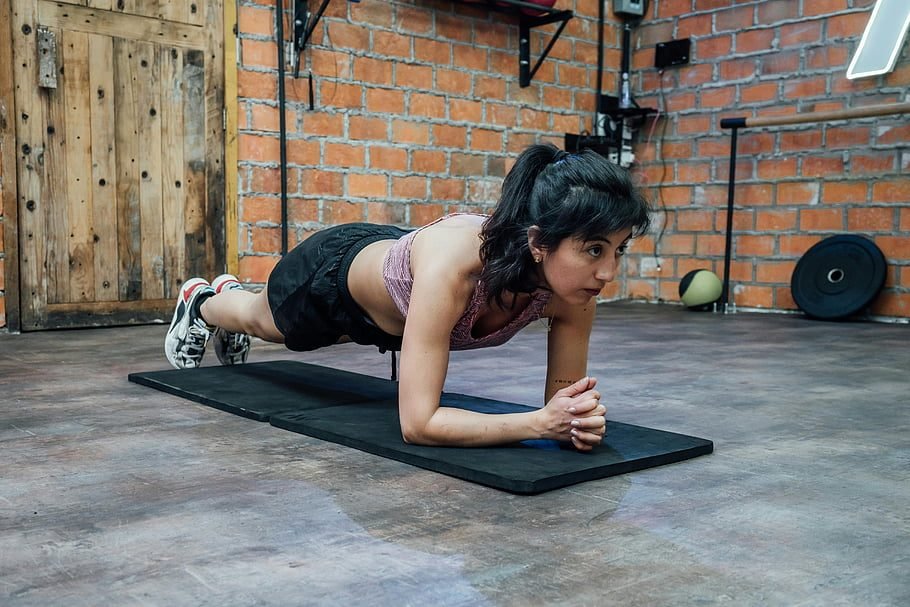
A parallette only works if it stays put. Wider feet and longer bars resist tipping during dips, while narrow low bars can rock on uneven floors. Always set the bars on a flat, hard surface or a thin mat — never on thick carpet or a wobble board.
Footprint matters in small rooms: a 24-inch pair needs a clear strip of floor, while a compact 17-inch set tucks away more easily. Check the listed length and width before buying, and keep the area around the bars clear of plates and furniture.
Weight Capacity and Build
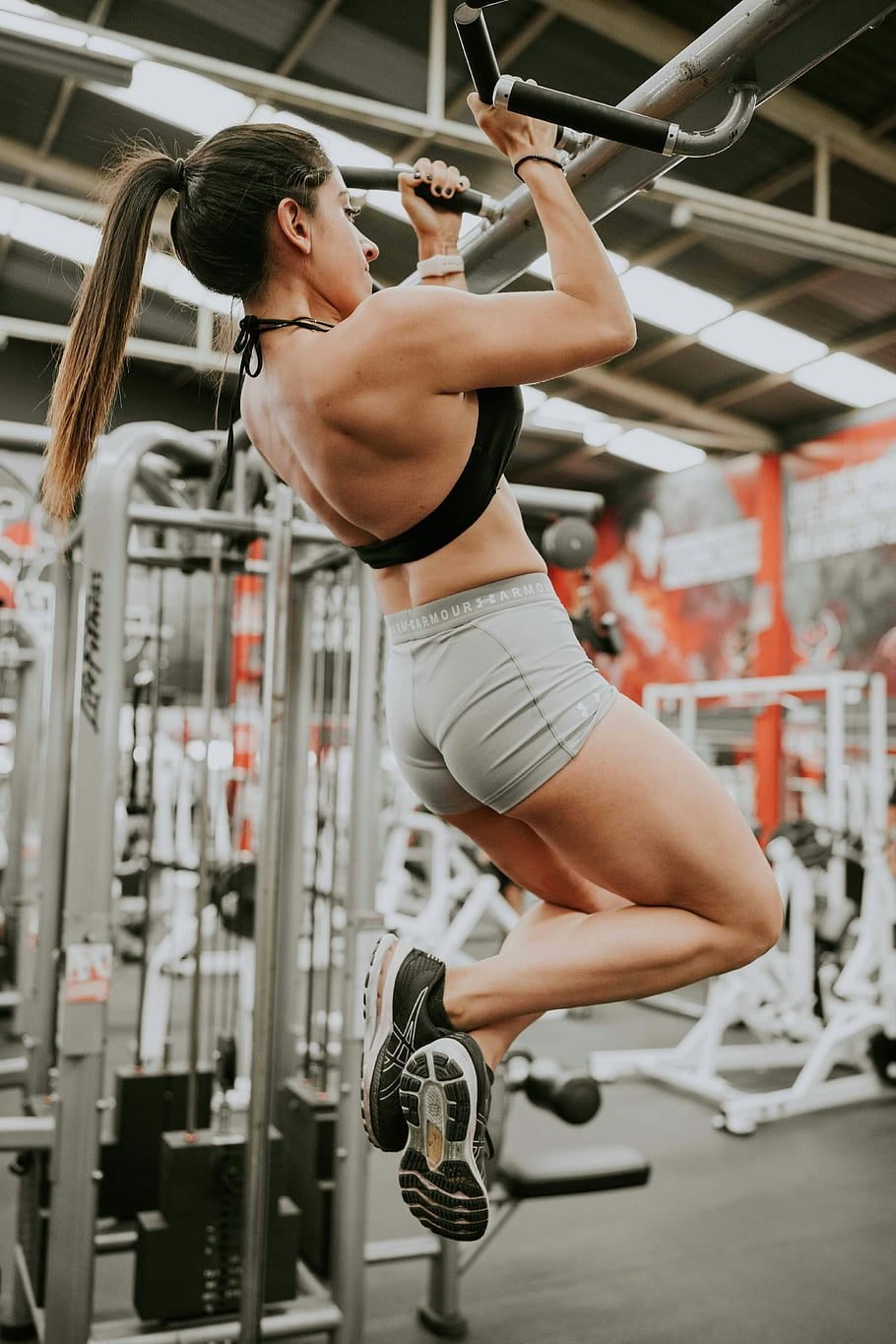
Stated capacities in this guide run from unstated to 660 lb, and the three 660 lb figures are the makers’ claims, not tested loads. Treat an unstated capacity as a gap, not a promise: ask the maker or choose a rated pick if you train with added weight.
Build quality shows in the joints and feet: the formed Rogue pair needs no assembly, while any bolted frame should be checked for tightness now and then. Rubber feet protect floors and stop sliding — replace them if they wear smooth.
Safety First: Using Parallettes Without Injury
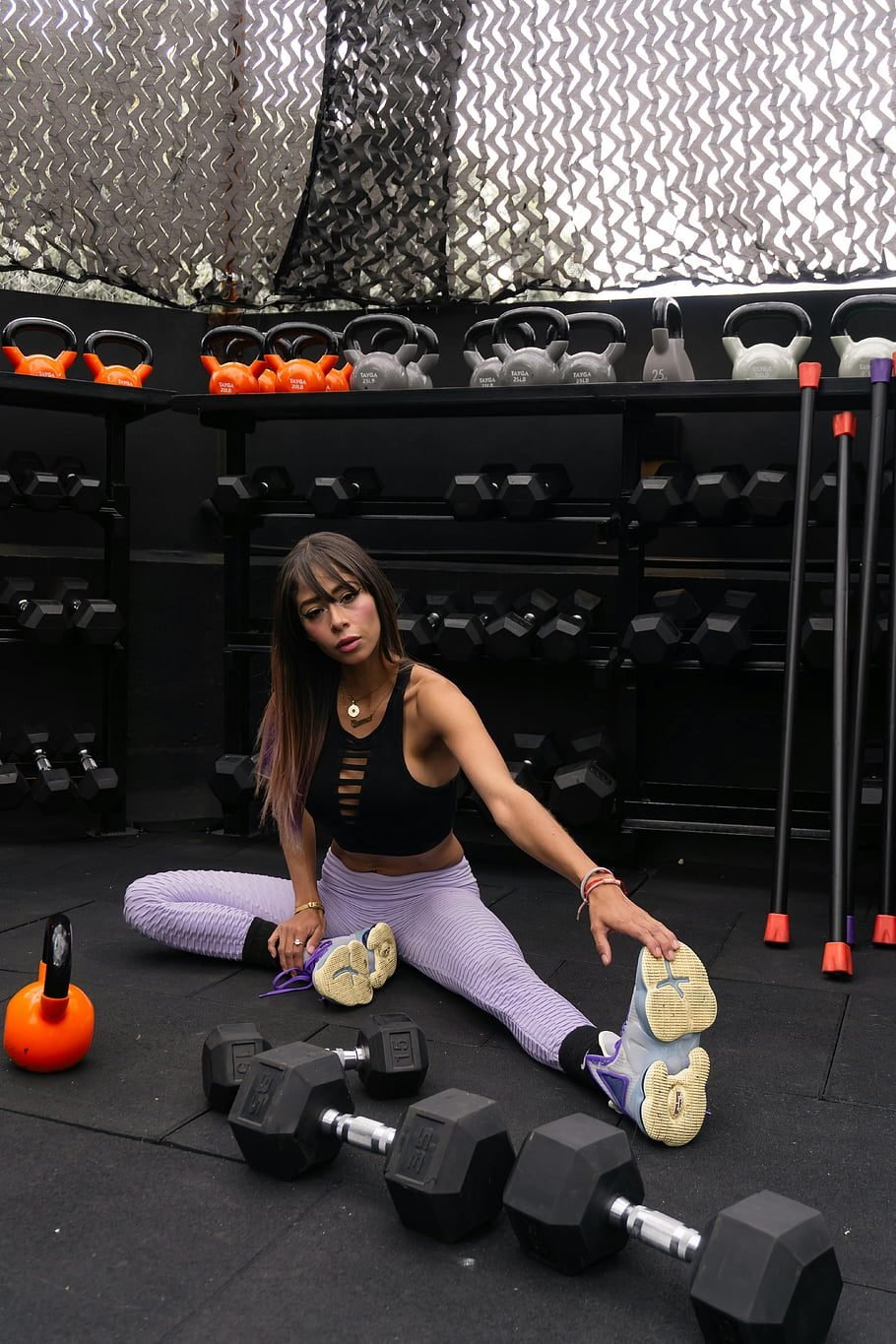
Parallettes are safe when used with care, but wrist and shoulder strains are the common beginner mistake. Follow these steps every session:
- Warm up your wrists and shoulders for five minutes — circles, light stretches and easy push-ups — before any support hold or dip.
- Set the bars on a flat, hard floor with rubber feet down, and test them with a gentle support hold before loading full bodyweight.
- Keep your shoulders down and away from your ears during holds and dips — shrugged shoulders load the neck, not the chest.
- Progress in order: support hold, then dips, then tucked L-sits, then full L-sits — do not jump to handstand work on day one.
- Keep reps controlled and stop a set when your form breaks down — swinging reps strain shoulders fast.
- Use a spotter or a mat under you for handstand entries, and keep the area around the bars clear of plates and furniture.
- Stop for sharp wrist or shoulder pain, swelling or numbness, and get it checked before training again — soreness is normal, sharp pain is not.
This is general fitness information, not medical advice. If you have wrist, elbow or shoulder pain, a past injury, or any condition that affects your joints, talk to a clinician before training on parallettes.
Frequently Asked Questions
Are parallettes the same as dip stations? No. Parallettes are low, portable bars for push-ups, L-sits and handstand work, while dip stations are tall freestanding frames built for full dips. See our dip stations guide if you want a dedicated dip frame.
What height should a beginner start with? Nine to 12 inches. That range covers push-ups, support holds and beginner dips with a stable feel, and you can move to taller bars once L-sits and handstand work enter your training.
Are parallettes good for L-sits and handstands? Yes — clearance is the whole point. Taller bars (12 inches and up) give your legs room in an L-sit and your head room in a handstand entry, while low bars limit both.
Do I need chalk or grips? Not at first. Bare hands work well on wood and foam grips; chalk helps on steel bars once your hands sweat, and grips help if your skin tears. Start bare-handed and add chalk only if grip becomes the limit.
How much floor space do parallettes need? A flat strip about the length of the bars plus room for your body — roughly 3 by 5 feet for most sets. Keep the area clear and avoid thick carpet, which lets bars rock.
Can parallettes hold heavy users? Three picks in this guide state 660 lb (TABEKE, Teclor and Dolibest), and three state no capacity at all. If you train with added weight, choose a rated pick and stay within the maker’s figure.
Our Pick: Start Here
Start with the TABEKE Push Up Bar, 14″ High Steel Parallettes: the tallest stated height in this guide, a foam grip that suits bare hands, and a 660 lb stated capacity make it the most versatile all-round choice for calisthenics training. ✅
If you prefer wooden bars, the Dolibest Push Up Bar, 12″ High Parallettes with Wooden Handles gives the same 660 lb stated capacity at a friendlier mid height. If you want a premium pair with a stated warranty, the Rogue Formed Parallettes are the pick — just use the search link, since no confident product page could be tied to them.
Whatever you choose, warm up, test stability first, and confirm the live listing before you buy — offers and stock change.
As an Amazon Associate, we earn from qualifying purchases made through links on this page, at no extra cost to you.
Research note: this guide is based on published roundups (Garage Gym Reviews, Total Shape) and listing records checked at research time — no hands-on testing was done, and no prices are quoted because offers change. The photos are generic training scenes, not shots of the named products. This is general fitness information, not medical advice; if you have wrist, elbow or shoulder pain, talk to a clinician before training on parallettes.