

Why Massage Chairs Belong in a Home Gym
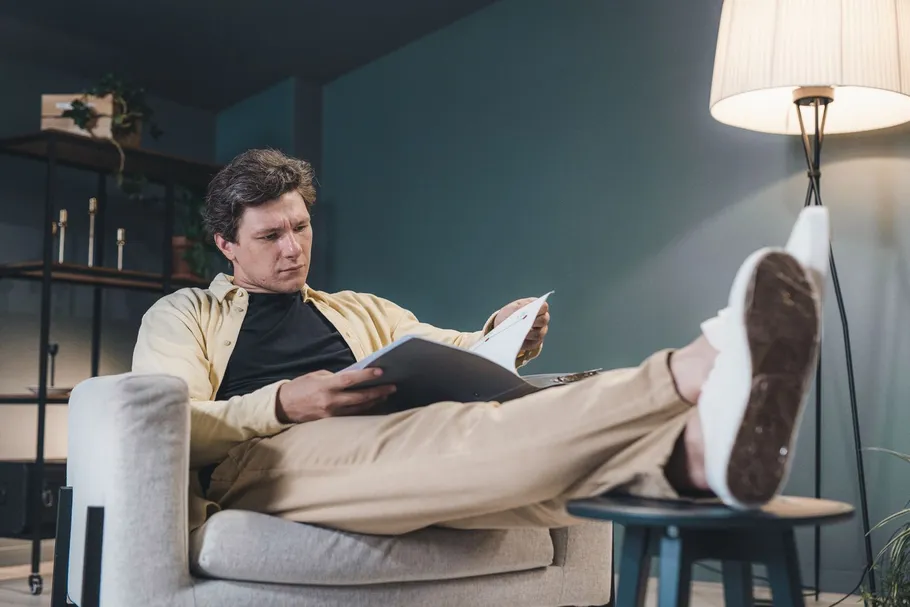
A massage chair is a full-body recliner with rollers that travel on a track up your back — and, on most models here, down under your seat and legs — plus airbags that inflate and squeeze your arms, hips, calves and feet in turn. You sit down, pick a program, and the chair works through a sequence on its own: rollers kneading along the track, airbags tightening and releasing, the footrest extending and the back reclining into zero gravity. That seated, whole-body, hands-free pattern is the whole point: the chair does the work while you sit still, instead of you working a tool over one muscle at a time. 💆
Know what a massage chair is not. It is not a massage gun — a handheld percussion device that pounds one spot at a time, which our best massage guns covers, and which suits a single tight spot rather than your whole body at once. It is not a massage cushion or pad either: a pad is a portable layer you drape over a chair you already own, with no track of its own and no recline of its own. And it is not an ordinary recliner, which tilts back but has no massage mechanism at all. A massage chair differs from all three because the rollers move on a track and the airbags squeeze in sequence, on a program, while you sit in it.
Massage chairs are routine in recovery corners, clinics and living rooms alike, and a home chair brings that post-session ritual into a spare room or living room. If you came from our best recovery boots for home gyms, the previous guide in this series, this is the same home gym with a recovery corner added — a bigger, heavier job than a pair of boots, and one where the size and safety rules below matter more than the chair choice itself.
How We Picked

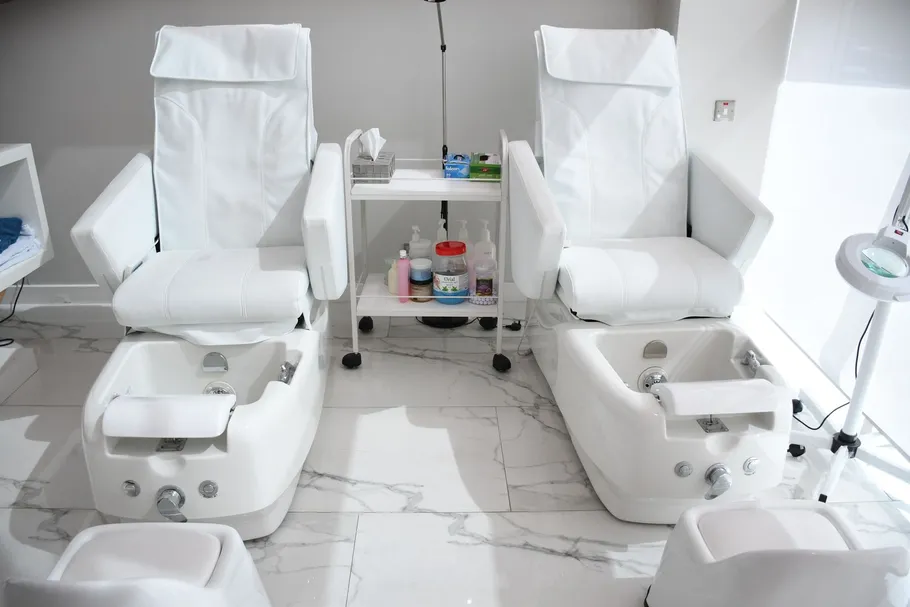
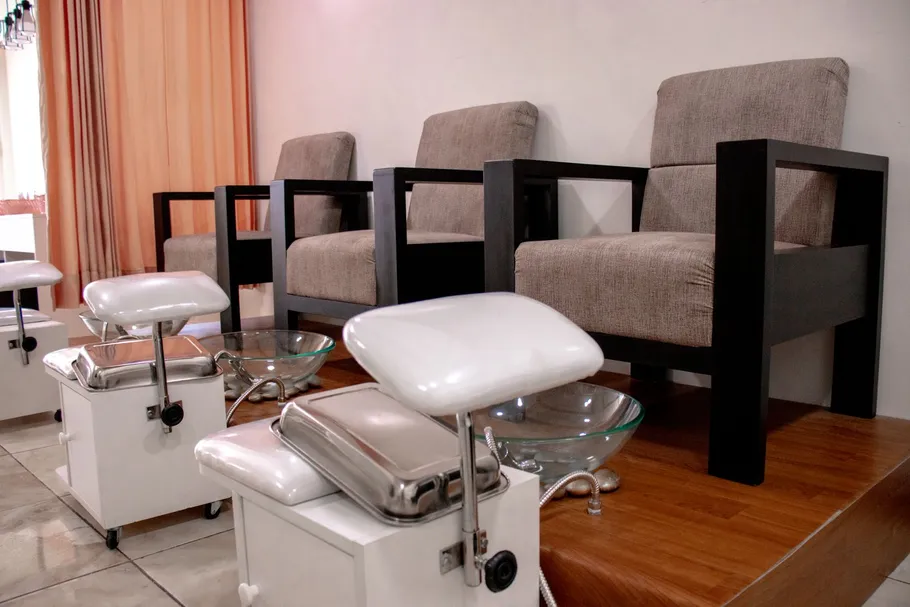
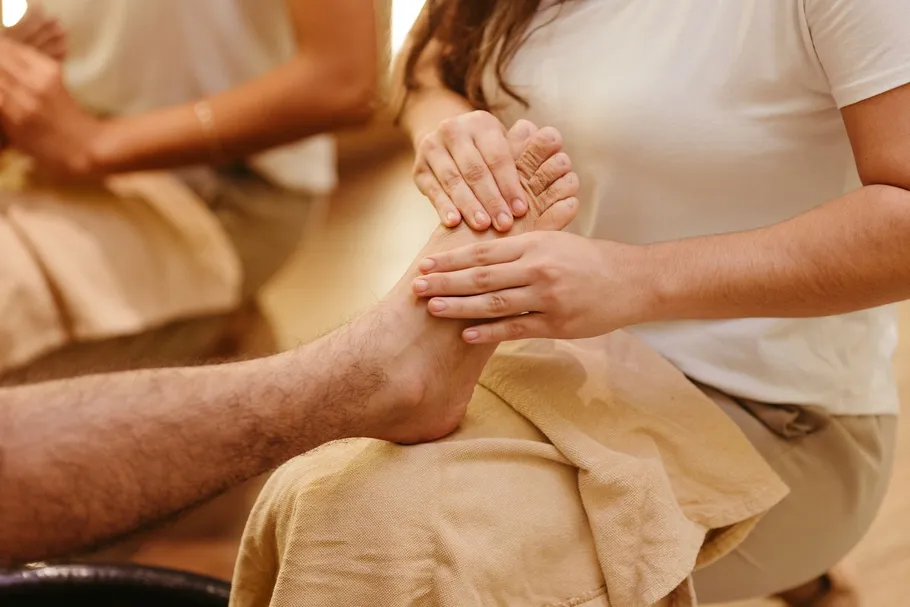
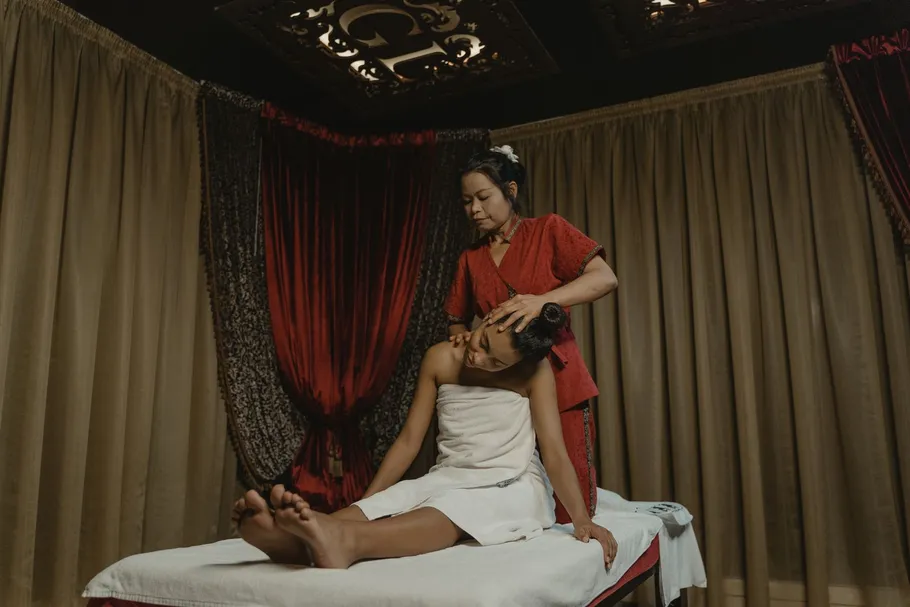
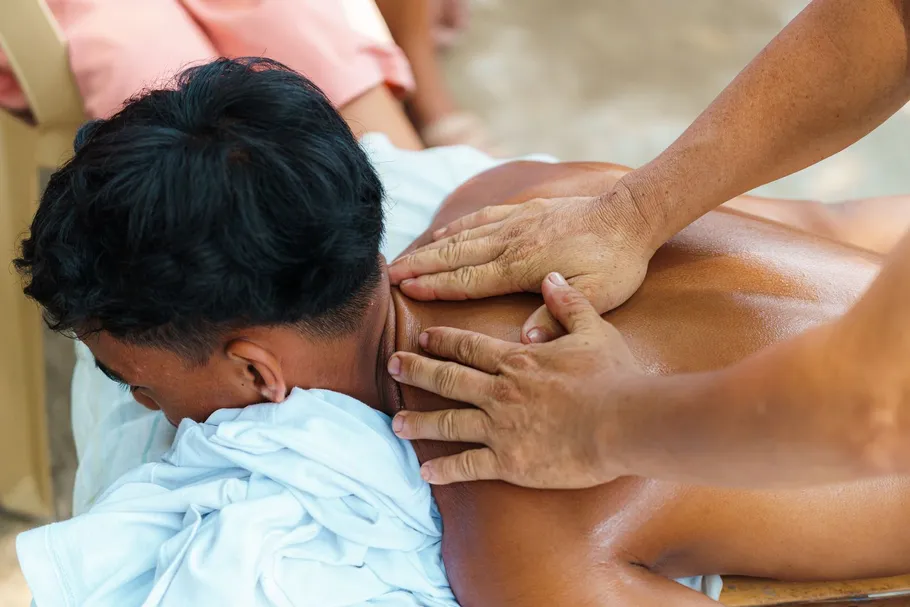
We compared six massage chairs that are genuinely sold for home gyms right now, using maker pages and listing records — not hands-on testing, and not roundup scores copied from other sites. Every photo in this guide is an honest home, gym or clinic scene, not a product shot of the named chair, because free-license photos of the exact named products do not exist for this category. Where records disagree, the article says so instead of picking the flattering number — and this category disagrees a lot, because several picks exist in more than one version under one name.
- Track: S-track, L-track or SL-track shape, and how far down the body the rollers travel.
- Rollers: 2D, 3D or 4D movement, and whether depth is adjustable or fixed per program.
- Airbags: how many, where they sit, and whether the count is settled or disputed.
- Fit: chair dimensions, wall clearance, user height and user weight limits.
- Programs: auto programs, techniques, heat, foot rollers and zero-gravity stages.
- Honest limits: what each chair cannot do, stated in its own section.
Also considered: the original Osaki OS-Champ (named, not picked — a 2D L-track model with 2-stage zero gravity and 18 airbags, not merged into the Champ II below); the Kahuna LM-7000 (named, not picked — the LM-6800’s successor with 12 programs and an SL-track, not merged into the LM-6800); the Titan Jupiter LE (named, not picked — the reinvented Jupiter with 80 air cells and voice control, not merged into the Jupiter XL); the original Human Touch Super Novo (named, not picked — discontinued and replaced by the 2.0 below); and the Real Relax Favor-04 (named, not picked — a later Favor sibling whose records were thinner than the Favor-03’s, not merged into it). None of the six picks below hides a conflict like those — where a pick’s own records disagree, the disagreement is printed in its section.
Comparison
| Chair | Type | Track | Airbags | Standout |
|---|---|---|---|---|
| Real Relax Favor-03 | Full-body recliner | S/SL (version-dependent) | 50 / 20 (version-dependent) | Budget |
| Osaki OS-3D Champ II | 3D full-body | SL-track | 32 / 26 (disputed) | Mid-range balance |
| Kahuna LM-6800 | Stretch recliner | L-track | 36 / 28 (disputed) | Yoga stretch programs |
| Titan Pro Jupiter XL | 3D tall-fit | L-track, 53 in | 44 | Tall fit |
| Osaki OS-4000XT | 2D classic | L-track | 24 / 32 (disputed) | Classic |
| Human Touch Super Novo 2.0 | 3D/4D premium | SL-track | 36 | Premium programs |
Read the table honestly. It carries no weight column on purpose: chair weights mix net, gross and shipping figures across records — the Favor-03 alone reads 176 lb, 102.6 lb and 132 lb across its versions — so a weight column would imply a comparison the records do not support. It carries no most-airbags crown either: the Favor-03’s 50 belongs to its original version while its ADV lists 20, and three more picks carry disputed counts of their own, so airbag numbers here are not one comparison. Program counts are likewise not crowned: makers mix auto programs, modes and techniques in their counts, so the 38 auto-wellness programs on the Super Novo 2.0 are stated as its own figure, not as a guide-wide win.
Real Relax Favor-03
The Favor-03 is the budget pick because it is the entry full-body chair this guide’s research keeps returning to: a recliner that covers neck to feet at the entry tier, with zero-gravity positions and a footrest that extends for taller users. But it is also the version-soup pick, and the soup has to be printed before anything else. The original Favor-03 reads as a fixed-frame chair with 8 nodes, 50 airbags, 3 zero-gravity positions, about 400 lb capacity per reviews, 176 lb weight and 63 × 30 × 34 in dimensions, with 4 programs and no body scan. The ADV version reads as a Dual-Core S/SL track chair with 6 modes, 20 airbags per the maker FAQ, 102.6 lb weight, 200 lb per its listing and a 5–6 ft height range. The 2026 upgraded version reads as an SL-track chair with 8 modes, 240 lb per Amazon, 55.1 × 29.5 × 43.3 in dimensions and 132 lb weight. Those are three different chairs under one name, and only the listing you actually buy from tells you which one ships.
Pros
- Budget tier — the entry price in this guide, with no price quoted here.
- Full-body coverage at the entry tier, with zero-gravity positions.
- Multiple versions to choose from, if you check which one ships.
Cons
- Version soup — airbags, weight, programs and track all change by version (see listing check).
- No body scan on the original version — the chair cannot measure you first.
- Height and weight figures disagree across versions, so fit must be checked per listing.
Listing check: confirm which Favor-03 version ships before ordering — check the track (fixed-frame, Dual-Core S/SL or SL), the airbag count (50 or 20), the program count (4, 6 or 8 modes) and the weight limit (about 400 lb, 200 lb or 240 lb) on that listing itself, and do not read any other version’s spec onto it. If the listing shows a body scan, it is not the original version; if it shows 50 airbags, it is not the ADV.
Best for: a first-time buyer who wants a full-body chair at the entry tier and is willing to check the listing version carefully before ordering.
May not fit: anyone who wants one settled spec sheet, or anyone who wants a body scan as standard.
Osaki OS-3D Champ II
The Champ II is the mid-range pick because it puts 3D rollers on an SL-track at a middle tier: rollers that move up and down, side to side and in and out, travelling the S-curve of the spine and continuing under the seat along the L. Twelve auto programs plus 6 manual modes run through a touchscreen, a body scan measures the user first, lumbar heat warms the lower back, 3-stage zero gravity reclines in steps, foot rollers work the soles, and the chair needs 7 in of wall clearance. The user weight limit reads 264 lb, while the chair’s own weight reads 187 lb on one record and 178.2 lb on another.
Pros
- 3D rollers on an SL-track — depth plus full back-to-seat travel.
- Body scan, lumbar heat and foot rollers in one mid-range chair.
- 12 auto programs plus 6 manual modes, on a touchscreen.
Cons
- Air-cell count disputed: 32 per the Osaki store, 26 per Amazon.
- Chair weight disagrees across records: 187 lb vs 178.2 lb.
- No published height range per one review — fit must be checked on the listing.
Listing check: confirm the OS-3D Champ II (not the original OS-Champ, which is a different model — 2D rollers, L-track, 2-stage zero gravity, 18 airbags and 330 lb per Amazon) before ordering, and check the air-cell count and the height fit from that listing’s chart. If the listing shows 2D rollers or 18 airbags, it is the original Champ, not this pick.
Best for: a buyer who wants 3D depth and a full SL-track without stepping up to the premium tier.
May not fit: anyone who wants the air-cell count settled before buying, or anyone who needs a published height range to trust the fit.
Kahuna LM-6800
The LM-6800 is the stretch pick because its programs are about movement, not just kneading: six auto programs including Yoga stretching and SV-chiro, which stretch and twist the body in the chair rather than only pressing it. Four rollers run an L-track with five techniques, dual foot rollers work both feet, heat is included, wall clearance is 3 in, the timer runs up to 30 minutes, and one review puts the height fit at 5’2″ to 6’2″. The zero-gravity stages read 3 on current records and 2 on older ones, the airbags read 36 on reviews and comparison pages and 28 on one comparison table, and the weight reads 189 lb, 200 lb and 249 lb across records — so all three figures are printed here as disputes, not settled.
Pros
- Yoga stretching and SV-chiro programs — the stretch pick’s whole reason.
- Dual foot rollers, with heat and a 30-minute timer.
- Small 3 in wall clearance for a tight room.
Cons
- Zero-gravity stages disputed: 3 on current records, 2 on older ones.
- Airbags disputed (36 vs 28) and weight disputed (189 vs 200 vs 249 lb).
- Height fit rests on one review’s 5’2″ to 6’2″ — check it on the listing.
Listing check: confirm the LM-6800 (not the LM-7000, the successor with 12 programs and an SL-track) before ordering, and check the zero-gravity stages, airbag count and weight from that listing itself. If the listing shows 12 programs or an SL-track, it is the LM-7000, not this pick.
Best for: someone who wants stretch and twist programs in the chair, not only kneading and squeezing.
May not fit: anyone who wants the zero-gravity stages, airbag count or weight settled before buying.
Titan Pro Jupiter XL

The Jupiter XL is the tall-fit pick because it is built long: a 3D L-track of 53 in, a fit stated to 6’6″, a 21 in seat and a footrest that extends 12.6 in, so longer legs are not left hanging past the end. Forty-four airbags run nine auto programs with five techniques, head airbags cover the head as well as the body, heat runs on the lumbar, seat and calf, the user weight limit reads 300 lb, intensity runs five levels, and the chair is space-saving in its recline. One record adds that the 3D depth is not manually controlled — it is activated per program rather than dialled by the user — and one source puts heat use at 30 minutes a day or less.
Pros
- Fit stated to 6’6″ — the tallest settled fit in this guide.
- 53 in L-track with a 21 in seat and 12.6 in footrest extension.
- Head airbags plus lumbar, seat and calf heat in one chair.
Cons
- 3D depth is not manually controlled per one source — it follows the program.
- Heat use capped at 30 minutes a day per one source.
- Successor confusion: the Jupiter LE is a different chair (see listing check).
Listing check: confirm the Pro Jupiter XL (not the Jupiter LE, the reinvented successor with 80 air cells and voice control) before ordering, and check the fit to 6’6″ and the heat guidance from that listing itself. If the listing shows voice control or 80 air cells, it is the LE, not this pick.
Best for: a taller user who has been left short by standard chairs and wants the longest track and footrest here.
May not fit: anyone who wants to dial 3D depth by hand, or anyone who wants to run heat all day.
Osaki OS-4000XT
The OS-4000XT is the classic pick because it is the long-running 2D model in this guide: quad rollers on an L-track, six auto programs, six techniques, 24 airbags, 2-stage zero gravity, 2 in wall clearance, foot rollers, Bluetooth, an ache sensor that finds sore spots, a 15-minute timer and a footrest that extends 6.5 in. The disputes are printed, not smoothed: airbags read 24 on most records but 32 cells on the Johnson Fitness listing; height reads 5’0″ to 6’0″ on some records and 5’2″ to 6’3″ on others; weight reads 175.2 lb net and 217.1 lb gross; the user weight limit reads 220 lb on older records and 260 lb on newer listings; and one spec table says “43 in S-Track” against the L-track consensus, flagged here as an outlier record.
Pros
- Long-running classic with foot rollers, Bluetooth and an ache sensor.
- Small 2 in wall clearance for a tight room.
- Footrest extends 6.5 in for longer legs.
Cons
- 2D rollers only — no 3D depth at all.
- Airbags, height, weight and user limit all disputed across records.
- One spec table’s “43 in S-Track” contradicts the L-track consensus.
Listing check: confirm the OS-4000XT before ordering, and check the airbag count, height range and user weight limit from that listing itself — the figures above disagree too widely to trust any single record. If the listing shows 3D rollers, it is not this pick.
Best for: a buyer who wants a proven classic with foot rollers and Bluetooth and does not need 3D depth.
May not fit: anyone who wants 3D rollers, or anyone who wants every spec settled before buying.
Human Touch Super Novo 2.0

The Super Novo 2.0 is the premium pick because it stacks the most of everything in this guide’s records: 3D/4D programs on an SL-track built as an S- and L-track unibody, 38 auto-wellness programs, 36 aircells, five intensity levels, three width settings, foot rollers plus a heated extendable calf and foot massager, zero gravity, and 2 in wall clearance. The chair itself weighs 313 lb and the user weight limit reads 285 lb — the heaviest chair here, which matters for delivery and for the floor it sits on. The height fit reads 5’0″ to 6’9″ on most records but 5’0″ to 6’2″ on the emassagechair spec, so the tall end is disputed. The original Super Novo is discontinued and replaced by this 2.0, while the Super Novo X (39 programs) and the 3.0 are different, newer models — none of them is this pick.
Pros
- 38 auto-wellness programs on a 3D/4D SL-track.
- Three width settings, so the squeeze fits different bodies.
- Heated extendable calf and foot massager included.
Cons
- Height fit disputed at the tall end: 6’9″ vs 6’2″ per one spec.
- Heavy at 313 lb — delivery and floor need planning (see placement).
- Model-line confusion: the X and 3.0 are different chairs, not this one.
Listing check: confirm the Super Novo 2.0 (not the original Super Novo, not the Super Novo X with 39 programs, and not the 3.0) before ordering, and check the height range from that listing itself. If the listing shows 39 programs, it is the X, not this pick.
Best for: a buyer who wants the widest program choice and the most adjustable chair here, and has the room and floor for a 313 lb chair.
May not fit: anyone over the disputed tall end who needs the height settled first, or anyone who cannot take a 313 lb delivery.
How to Choose
Four decisions, in order: type, size, features, placement. Get them in that order and the chair you buy is the chair you keep using. 🧭
Choose Your Type
Start with the track shape, because it decides where the rollers can go. An S-track follows the spine’s S-curve from neck to lower back and stops there — good for back work, nothing below it. An L-track follows the spine and then continues flat under the seat, so the rollers reach the glutes and the backs of the thighs — good for lower-body coverage. An SL-track does both: the S-curve up top and the L extension underneath, which is why the Champ II and the Super Novo 2.0 here carry it. Then read the roller dimension: 2D rollers move up and down and side to side (the OS-4000XT); 3D rollers add in-and-out depth (the Champ II and the Jupiter XL); 4D programs vary the speed and rhythm of that depth as well (the Super Novo 2.0). Depth is not always adjustable by hand — the Jupiter XL’s 3D depth follows its program per one source — so check whether the chair lets you dial depth or only pick a program that sets it.
Two links matter for the type decision. If a chair is not the recovery you want at all, cold is the other side of the coin — our best cold plunge tubs for home gyms covers cold-water immersion instead of a roller program. And if you already know you want a full-body chair rather than a leg-only device, the comparison above is the place to start, not a boot or a gun.
Choose Your Size
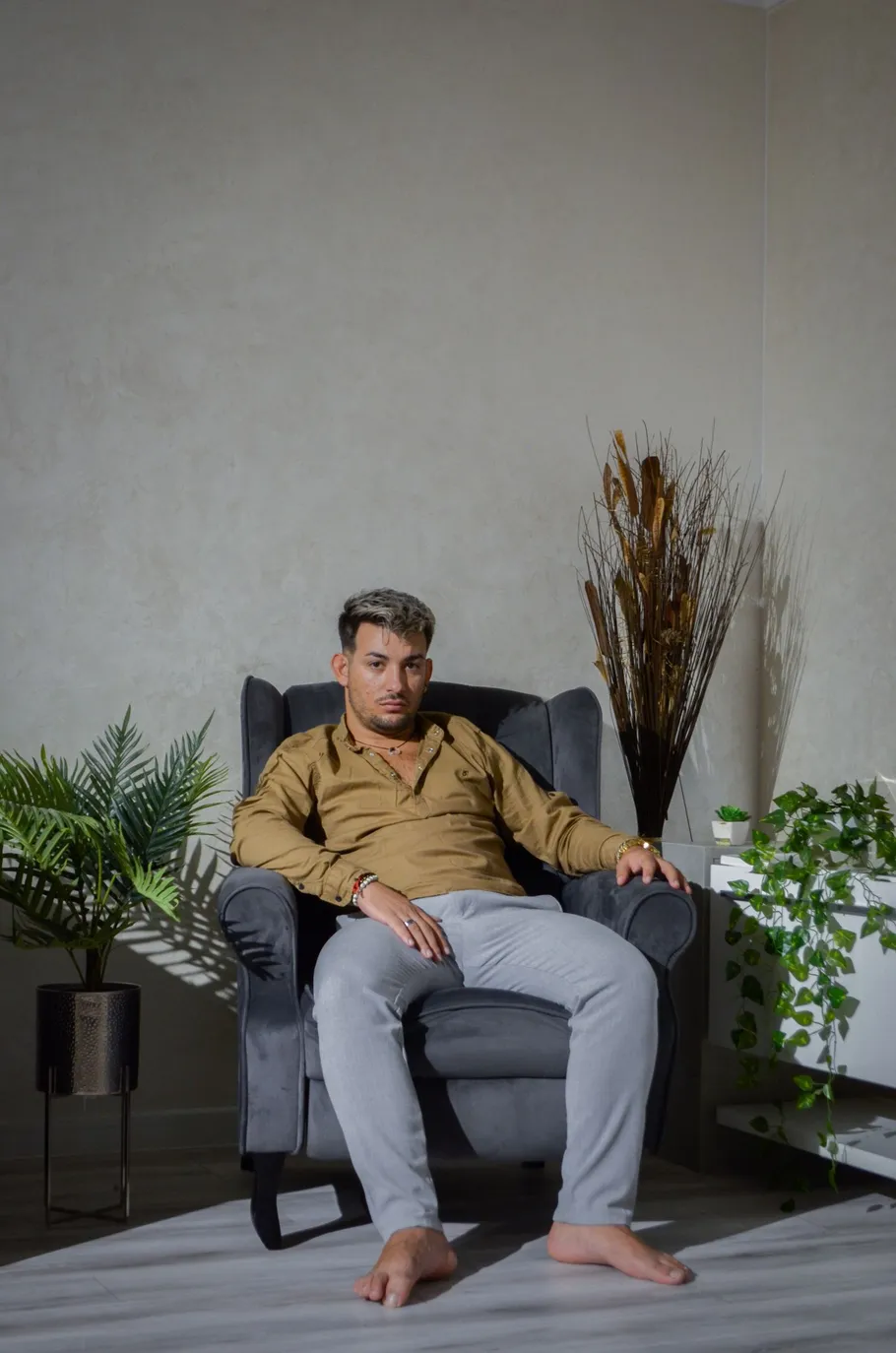
Measure three things: the chair, the wall gap and yourself. The chair’s own dimensions decide whether it fits the room at all — the Favor-03’s versions alone span 63 × 30 × 34 in down to 55.1 × 29.5 × 43.3 in, so read the version you are buying, not the model’s headline size. Wall clearance decides whether it can recline: the Champ II needs 7 in, the LM-6800 needs 3 in, the OS-4000XT and the Super Novo 2.0 need 2 in each, and a chair that cannot recline fully is a chair you will never use properly. Then measure yourself against the height and weight limits: the Jupiter XL fits to 6’6″, the LM-6800 reads 5’2″ to 6’2″ per one review, the Super Novo 2.0 reads 5’0″ to 6’9″ against a 6’2″ spec, and the OS-4000XT’s height and limit are disputed — so a tall or heavy buyer should confirm the listing’s own chart before ordering, not the roundup’s.
Then read the fit against your own body, not the headline. A chair that is too short leaves the shoulders above the rollers; a chair that is too narrow at the seat (the Jupiter XL’s 21 in is the widest stated here) will pinch before it massages; and a footrest that does not extend far enough (the Jupiter XL’s 12.6 in against the OS-4000XT’s 6.5 in) leaves long legs unsupported. If you sit between sizes, the pick with width settings (Super Novo 2.0) or the pick with the longest footrest (Jupiter XL) gives you somewhere to go — a fixed-frame chair does not, and the original Favor-03 is exactly that.
Choose Your Features
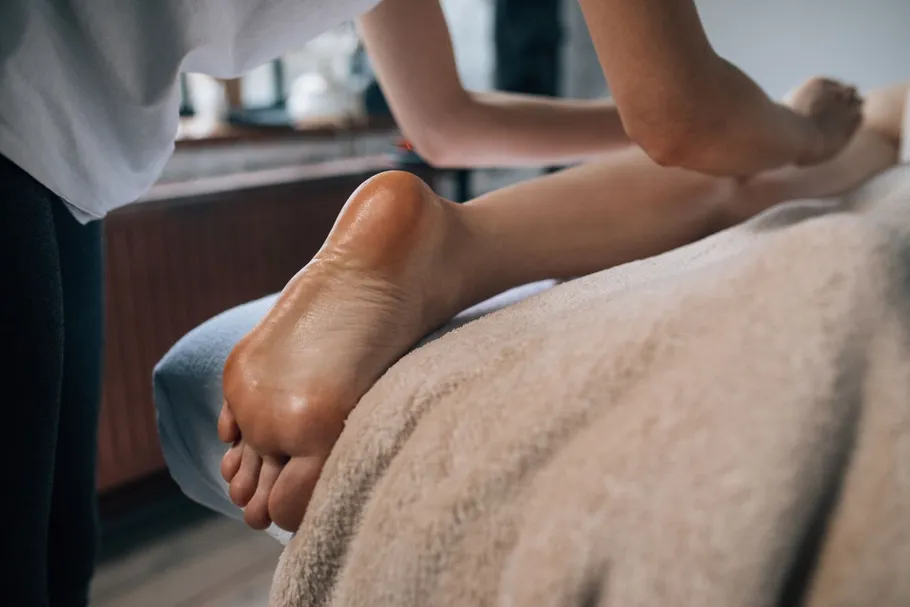
Zero gravity first: it reclines the chair so the knees sit above the heart, which spreads your weight and lets the rollers press more evenly — the Champ II offers 3 stages, the OS-4000XT offers 2, and the LM-6800 reads 3 on current records against 2 on older ones. Heat second: lumbar heat (Champ II), lumbar, seat and calf heat (Jupiter XL) and a heated calf and foot massager (Super Novo 2.0) all warm the area being worked, and heat pairs naturally with a heat room — our best saunas for home gyms covers the heat room that pairs with a chair session, not a replacement for it. Foot rollers third: the Champ II, LM-6800, OS-4000XT and Super Novo 2.0 all include them, and they are the feature most often missed when it is absent. Programs fourth: auto programs do the thinking (38 on the Super Novo 2.0, 12 plus 6 manual on the Champ II, 6 on the LM-6800 and the OS-4000XT), while techniques (5 on the LM-6800 and the Jupiter XL, 6 on the OS-4000XT) are the kneading, tapping and rolling styles inside them. Airbags fifth: they squeeze arms, hips, calves and feet — but their counts are disputed on four picks here, so treat the count as a rough guide and the placement as the real question. Bluetooth and app control last: the OS-4000XT has Bluetooth, and app control matters only if you will actually use it.
Buy the features you will use every session, not the longest list. A body scan matters if more than one person uses the chair; foot rollers matter if your feet are the reason you are buying; heat matters if you recover in a cold room; and a program count matters only if you will try more than the first three programs. Everything else is a line on a spec sheet.
Choose Your Placement

A massage chair needs a room, a floor and a power outlet — in that order. The room must hold the chair reclined, not just upright: measure the reclined footprint, add the wall clearance (2 in to 7 in across the picks here), and check the doorway the chair comes through, because a 313 lb chair in a box does not bend around a tight hall corner. The floor must take the weight: the Super Novo 2.0 alone is 313 lb before you sit in it, and a heavy chair on a weak floor or a thick rug is a problem you discover after delivery. The outlet must sit near the chair’s spot without a cord across a walkway — the Safety section below says why — and the chair’s own weight decides whether delivery is a one-person or two-person job.
Buy the placement before the chair. If the room is tight, the 2 in clearance picks (OS-4000XT, Super Novo 2.0) and the 3 in pick (LM-6800) fit where the 7 in Champ II does not; if the floor is upstairs, the lighter versions matter more than the heavier ones; and if the doorway is narrow, measure the boxed dimensions, not the chair’s, before ordering. A chair that cannot reach its room is not a bargain at any tier.
Safety
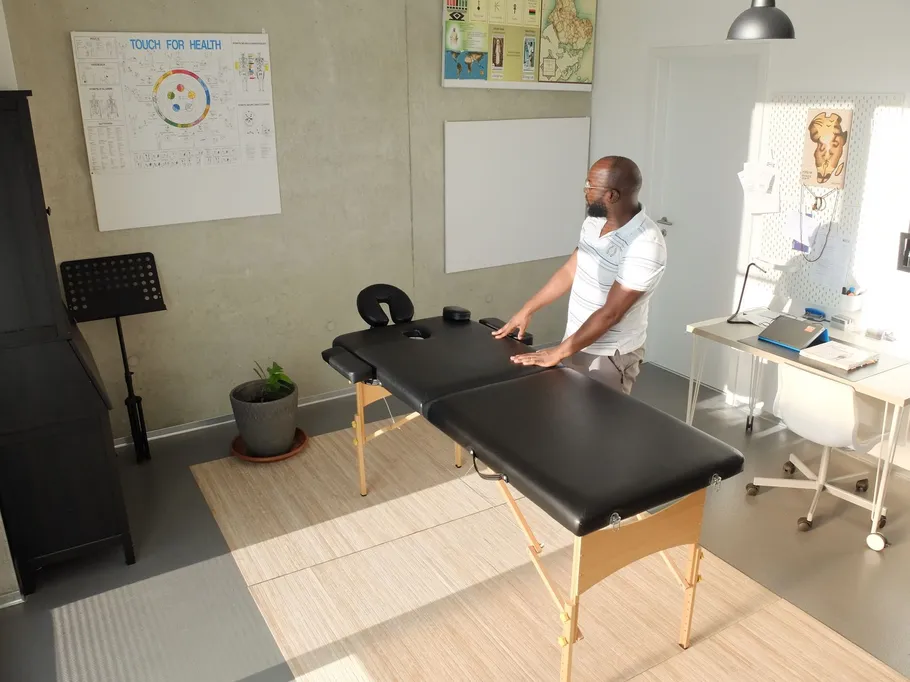
1. Check with a clinician first if you have back problems, a slipped disc or spinal condition, if you are pregnant, if you have a pacemaker or other electronic implant, if you have blood clots or circulation problems, if you have had recent surgery, if you have osteoporosis, or if you have diabetes with reduced feeling — a chair’s rollers and airbags press hard, and a program guides the pressure but does not diagnose your body.
2. Start at the lowest intensity on the first session, whatever the chair’s maximum is, and rise one level at a time only when the pressure feels comfortable — the maximum is a ceiling, not a starting point.
3. Keep sessions short: a typical chair session runs 15 to 30 minutes, the LM-6800’s timer tops out at 30 minutes and the OS-4000XT’s at 15, and heat use on the Jupiter XL reads 30 minutes a day or less per one source — never sleep in a massage chair, and never run program after program without a break.
4. Stop at once on sharp pain, numbness, tingling, dizziness or skin marking that does not fade quickly after the session, get out of the chair, and do not push through it to finish the program.
5. Check fit before every session — the right height and weight range for that chair, feet placed properly in the footrest, and children and pets clear of the reclining back and the moving footrest before any program starts.
6. Keep the power cord clear of walkways and off wet floors, plug the chair into a sound outlet near its spot, and never run the cord under a rug or through a doorway where it can be pinched or tripped over.
7. Respect the chair’s weight limits and its delivery weight — a 313 lb chair needs two people to move and a floor that can take it, and no chair should be dragged across a floor or tipped down stairs to reach its room.
These notes are general information only, not medical advice — if pain, a back problem or a medical condition worries you, talk to a clinician before using a massage chair.
Frequently Asked Questions

Massage chair or massage gun — which one should I buy?
Buy the chair if you want passive, whole-body massage while you sit — rollers on a track plus airbags, on a program, with no effort from you. Buy a massage gun if you want targeted percussion on one tight spot at a time, with your own hand doing the aiming. The two are not upgrades of each other — the chair covers, the gun targets — and many home gyms end up with both, for different jobs.
What is the difference between an S-track, an L-track and an SL-track?
An S-track follows the spine’s S-curve from neck to lower back and stops there. An L-track follows the spine and then continues flat under the seat, so the rollers reach the glutes and the backs of the thighs. An SL-track does both — the S-curve up top and the L extension underneath — which is why the Champ II and the Super Novo 2.0 here carry it. If lower-body coverage matters to you, an S-track alone will leave it out.
How much room does a massage chair need?
More than its upright footprint: measure the reclined length, add the wall clearance (2 in on the OS-4000XT and Super Novo 2.0, 3 in on the LM-6800, 7 in on the Champ II), and check the doorway the boxed chair comes through. A chair that cannot recline fully, or cannot reach its room at all, is not a bargain at any tier — measure the room and the doorway before ordering, not after delivery.
Can a massage chair fix back pain or replace physiotherapy?
No claim of that kind is made in this guide, and you should not buy any massage chair on such a promise. Chairs are a post-session comfort aid for healthy backs; persistent pain, a slipped disc, numbness, or any back worry needs a clinician, not a product page. If a physio has already given you a plan, the chair sits inside that plan — it does not replace it.
How long should a session last?
A typical chair session runs 15 to 30 minutes: the LM-6800’s timer tops out at 30 minutes, the OS-4000XT’s at 15, and heat use on the Jupiter XL reads 30 minutes a day or less per one source. A longer session is not a better session, and you should never sleep in the chair — start at the lowest intensity, and stop at once on pain or numbness.
What floor and power does a massage chair need?
A solid floor that can take the chair plus you — the Super Novo 2.0 alone is 313 lb — and a sound power outlet near the chair’s spot, with the cord clear of walkways and never under a rug. Put the chair on a proper gym floor first, and our best gym flooring for home gyms covers the floor and protection thinking that applies here too.
Our Pick: Start Here

Start with the Osaki OS-3D Champ II if you want the mid-range balance of 3D rollers, an SL-track, a body scan and foot rollers — and keep the Real Relax Favor-03 as the alternate if budget leads and you are willing to check which version ships. If stretch programs matter most, the Kahuna LM-6800 is the stretch route, while the Titan Pro Jupiter XL is the tall-fit route if you need the fit to 6’6″. If a proven classic appeals, the Osaki OS-4000XT is the classic route, and the Human Touch Super Novo 2.0 is the premium route if you want the widest program choice and have the room and floor for a 313 lb chair. Whichever you pick, check with a clinician first if anything about your back or circulation worries you, measure your room and doorway second, confirm the listing version third, and start at the lowest intensity.
As an Amazon Associate, we earn from qualifying purchases made through links on this page, at no extra cost to you.
Specifications come from maker pages and listing records at the time of writing and can change without notice — the dimensions, weights, capacities and model numbers above are the settled records we found, with conflicts stated in the text, not smoothed over. Always confirm the current listing before ordering.