

An agility training set is the simplest way to start footwork training at home — one bag, a ladder, cones, hurdles, and a few extras, ready to lay out on any strip of ground. No motor, no screen, no subscription. Just patterns, jumps, and quick direction changes between markers, for as long as your legs and focus hold out. 🎒
Open the bag, lay out the pieces, drill them, repeat. The kit’s ladder decides how footwork starts, its cones and hurdles decide how courses grow, and its extras decide whether the bag earns its price or just adds weight.
But let us be plain from the start: a kit bundles footwork tools, but it does not build speed by itself, it does not prevent injury by itself, it does not replace progressive training, and it does not make a crowded or slippery drill area safe. A bundle is convenience, not new equipment — every piece inside it already exists on its own, and the kit’s value is that it arrives together, in one bag, at one price.
Used the right way — the right kit for your drills and surface, pieces checked before every session, progressed slowly — an agility set is one of the cheapest ways to add real footwork, jumping, and sprint-resistance training to a home gym.
How We Picked These Agility Training Sets
Photo: Taco fleur / Wikimedia Commons
This guide is research-based. We did not buy or hands-on test these kits, and we do not claim otherwise.
We compared verified buyer reviews and manufacturer specifications, and we checked each product’s Amazon listing status through search results and listing trackers.
We picked 6 sets that are genuinely sold and cover different needs: a best-overall bundle with resistance bands, a five-hurdle combo set, a poster-guided starter kit, a value kit, a bands-and-ball kit, and a guide-book kit.
Prices are not quoted in this guide because they change often. The check-price links take you to the current listing, where you can see the latest price and availability.
Availability and pack options vary, so if your option shows as unavailable, check the listing’s other options before switching products.
One note before we start: the ladder is the least forgiving piece in any kit. A 20-foot ladder with 12 rungs is the standard — shorter or fewer rungs cannot run a full drill row, while a ladder you never unroll is bag weight you paid for — read the contents section before you trust any single number.
Quick Comparison
Photo: GymNation / Wikimedia Commons
| Set | Core pieces | Extras | Best for |
|---|---|---|---|
| GHB Football Training Equipment Set | 20 ft ladder, 4 hurdles, 12 cones | Parachute, jump rope, resistance bands, drills guide | Best overall bundle |
| Yes4All Agility Ladder Combo Set | 12-rung ladder, 5 hurdles, 12 cones | Parachute, jump rope, 1-year warranty | Best five-hurdle combo |
| X-UMEUS Agility Ladder Set | 20 ft ladder, 4 hurdles, 12 cones | Parachute, jump rope, footwork drill poster | Best poster-guided kit |
| MUROZA Agility Ladder Set | 20 ft ladder, 4 hurdles, 12 cones | Parachute, jump rope | Best value kit |
| BORNEW Agility Ladder Set | 20 ft ladder, 4 hurdles, 12 cones | Parachute, jump rope, resistance bands, spiked ball | Best bands-and-ball kit |
| FITPARNER Agility Ladder Set | 20 ft ladder, 4 hurdles, 12 cones | Parachute, jump rope, training guides | Best guide-book kit |
1. GHB Football Training Equipment Set — Best Overall Bundle
Photo: Wikimedia Commons
Who it suits: coaches and home athletes who want the fullest single bag — ladder, hurdles, cones, parachute, rope, and bands together, from a high-volume training brand.
GHB’s Football Training Equipment Set bundles a 20-foot ladder with 12 rungs, four adjustable-height hurdles, twelve disc cones, a resistance parachute with a release belt, a jump rope, resistance bands, a cone holder, a paper drills guide, metal pegs, and a carry bag. The ladder’s rungs adjust without tangling, the hurdles switch between two heights, and the set suits soccer, football, basketball, and multi-sport footwork work.
The bundle depth is the honest advantage here: most kits stop at ladder, hurdles, cones, and a parachute, while this one adds resistance bands and a drills guide — the two extras that actually extend a session rather than decorate it. The buyer volume is the other half of the story: hundreds of sets bought in a recent week is the strongest demand signal in this guide.
Pros: 20-foot 12-rung ladder with adjustable rungs; four adjustable-height hurdles; twelve disc cones with holder; resistance parachute with release belt; jump rope, resistance bands, and drills guide included; carry bag included.
Cons: one listing crawl showed no featured offers available, so check availability before ordering; the kit’s pieces are budget-grade, so check rungs and hurdle joints before every session; a full bag takes counting and packing after every session.
👉 Check price on Amazon (check availability — one recent crawl showed no featured offers).
2. Yes4All Agility Ladder Combo Set — Best Five-Hurdle Combo
Photo: Rodhullandemu / Wikimedia Commons
Who it suits: coaches and home athletes who want one more hurdle than the standard four — five hurdles for longer jump rows, from a long-running home-gym brand.
Yes4All’s Agility Ladder Combo Set bundles a 12-rung adjustable ladder, twelve agility cones, five agility hurdles, a running parachute, a jump rope, four metal stakes, and carry and tote bags. The ladder adjusts for all ages, the set carries a 30-day return and one-year warranty, and it suits soccer, football, basketball, and multi-sport training.
Five hurdles is the honest advantage here: four-hurdle kits run out of jumps halfway through a row, while five cover a full jump sequence in one purchase. The warranty is the other half of the story: a one-year warranty on a budget kit is the brand standing behind its rungs and joints.
Pros: 12-rung adjustable ladder for all ages; five hurdles instead of the standard four; twelve agility cones; running parachute and jump rope included; 30-day return and one-year warranty; carry and tote bags included.
Cons: no drills guide is confirmed in the listing details found, so beginners plan their own patterns; five hurdles take more floor than a four-hurdle kit; budget-grade rungs need checking before every session.
3. X-UMEUS Agility Ladder Speed Training Equipment Set — Best Poster-Guided Kit
Photo: Akhlispurnomo / Wikimedia Commons
Who it suits: beginners and families who want patterns with their kit — a footwork drill poster in the bag, not just pieces to improvise with.
X-UMEUS’ Agility Ladder Speed Training Equipment Set bundles a 20-foot adjustable ladder with 12 rungs and four metal pegs, twelve soccer cones, four adjustable-height hurdles, a running parachute with an adjustable belt, an adjustable jump rope, two carry bags, and a footwork drill guide. The ladder’s rungs run 16.5 inches wide, the hurdles twist between 8.5 and 12 inches high, and the parachute measures 56.7 inches across.
The drill poster is the honest advantage here: a kit without patterns sits unused, while a poster on the wall turns the bag into a session plan the first evening it arrives. The two-height hurdles are the other half of the story: twist-adjustable heights change a drill without swapping pieces.
Pros: 20-foot 12-rung adjustable ladder with metal pegs; four twist-adjustable hurdles (8.5 to 12 inches); twelve soccer cones; running parachute with adjustable belt; adjustable jump rope; footwork drill poster and two carry bags included.
Cons: the parachute’s drag is fixed by its size, so it suits sprint work better than gentle resistance; twelve cones only, so long courses need a second cone set; budget-grade hurdle joints need checking before every session.
4. MUROZA Agility Ladder Speed Training Equipment Set — Best Value Kit
Photo: Tyler Read / Wikimedia Commons
Who it suits: buyers who want the standard kit at the lowest outlay — the same core pieces as the bigger names, without the extras they may never use.
MUROZA’s Agility Ladder Speed Training Equipment Set bundles a 20-foot ladder with 12 rungs, twelve high-visibility cones, four adjustable hurdles, a resistance running parachute, and an adjustable jump rope. The ladder suits footwork and coordination work across soccer, football, basketball, and lacrosse, and the set packs into a carry bag for training anywhere.
Value is the honest advantage here: the core five pieces — ladder, cones, hurdles, parachute, rope — are the pieces every kit shares, and this set buys exactly those, without paying for bands, balls, or guides a buyer may already own. The trade is the link itself, which rests on a single non-US listing for the exact product — confirm it matches the MUROZA set before ordering.
Pros: 20-foot 12-rung ladder; twelve high-visibility cones; four adjustable hurdles; resistance running parachute and adjustable jump rope included; carry bag included; suits soccer, football, basketball, and multi-sport training.
Cons: the Amazon link below rests on a single source — a non-US listing for the exact product — so confirm the listing matches the MUROZA set before ordering; one crawl of a close variant showed no featured offers, so check availability before ordering; no drills guide or bands are included.
👉 Check price on Amazon (please confirm the listing matches the MUROZA set, since the link rests on a single source, and check availability).
5. BORNEW Agility Ladder Speed Training Equipment Set — Best Bands-and-Ball Kit
Photo: Wikimedia Commons
Who it suits: athletes who want resistance work and recovery in the same bag — bands for strength drills and a spiked ball for post-training foot work.
BORNEW’s Agility Ladder Speed Training Equipment Set bundles a 20-foot high-strength nylon ladder with soft, durable PE rungs, four adjustable-height ABS hurdles, twelve durable PE soccer cones, a high-resistance running parachute, a professional jump rope, resistance bands, a spiked ball for post-training foot muscle relaxation, and a detailed instruction manual. The hurdles rotate 180 degrees for height adjustment, and the set suits basketball, football, soccer, and running drills alike.
The bands-and-ball combination is the honest advantage here: bands add resistance drills no ladder can, and the spiked ball gives the session a cool-down tool — two extras that extend training beyond footwork alone. The manual is the other half of the story: a detailed guide in the bag, not just pieces to improvise with.
Pros: 20-foot nylon ladder with soft PE rungs; four rotating ABS hurdles for easy height adjustment; twelve PE soccer cones; high-resistance parachute and professional jump rope; resistance bands and spiked ball included; detailed instruction manual included.
Cons: one listing crawl showed no featured offers available, so check availability before ordering; the spiked ball is a recovery extra, not a footwork tool, so it adds bag weight some buyers will not use; ABS hurdles need checking at their rotating joints before every session.
👉 Check price on Amazon (check availability — one recent crawl showed no featured offers).
6. FITPARNER Agility Ladder Training Equipment Set — Best Guide-Book Kit
Photo: Jdsteakley / Wikimedia Commons
Who it suits: beginners who want written guidance with their kit — training guides in the bag, not just pieces and a hope.
FITPARNER’s Agility Ladder Training Equipment Set bundles a 20-foot speed ladder, four agility hurdles, a running parachute, twelve soccer cones, an adjustable jump rope, training guides, and a portable carry bag. The set suits kids, youth, and adults across basketball, football, soccer, and general fitness drills, and the guides walk a beginner through the kit’s pieces in order.
The training guides are the honest advantage here: a beginner with a ladder and no plan wastes the first month, while guides in the bag turn the first session into a real drill. The standard core is the other half of the story: the same 20-foot ladder, four hurdles, and twelve cones as every kit here, so nothing in the bag is a surprise.
Pros: 20-foot speed ladder; four agility hurdles; running parachute and adjustable jump rope included; twelve soccer cones; training guides included; portable carry bag included.
Cons: no resistance bands are included, so strength work needs a separate purchase; twelve cones only, so long courses need a second cone set; budget-grade rungs need checking before every session.
How to Choose the Right Agility Training Set
Photo: Shixart1985 / Wikimedia Commons
Start with your drills, then your floor, then your bag. A kit whose ladder cannot run your patterns is decoration, and a kit whose pieces never leave the bag is storage you paid for.
Then buy in this order: a full bundle first if you want one bag for everything, a poster-guided kit first if you are a beginner, and a value kit first if you already own bands and guides.
Kit type: ladder-plus-cones vs full multi-tool bundle — what each actually does
Photo: Tokumeigakarinoaoshima / Wikimedia Commons
Ladder-plus-cones kits (the MUROZA style) cover footwork and marking with five core pieces: ladder, cones, hurdles, parachute, rope. They suit a buyer who already owns bands and guides, or who wants the lowest outlay — but they leave resistance and recovery work to separate purchases.
Full multi-tool bundles (GHB, BORNEW) add bands, guides, and sometimes a ball to the same core: they suit a buyer who wants one bag for a full session — but the extras add weight and counting, and a band or ball you never use is bag weight you paid for.
Guided kits (X-UMEUS poster, FITPARNER guides) sit between the two: the same core pieces, plus patterns to run. They suit beginners best, because a kit without a plan wastes its first month — but the guides only help if they are actually opened.
Kit contents and count: what each piece actually suits
Photo: Wikimedia Commons
20 feet, 12 rungs (every kit here) suits footwork and coordination drills: the standard ladder length, roomy enough for adult strides, still tight enough to demand control. This is where most real kit training starts.
12 cones suit solo training and short courses; 4 hurdles suit jump rows, while 5 hurdles (Yes4All) suit longer jump sequences. A count is a course limit, not a quality score — buy the count your longest drill needs, not the biggest bag on the listing.
Extras follow the same rule: a parachute suits sprint resistance, a jump rope suits warm-ups and rhythm, bands suit resistance drills, and a spiked ball suits cool-downs. Count the extras you will actually use, not the ones the listing counts.
Count follows the same rule as every progression: start with patterns you can run cleanly, then add pieces and complexity over sessions, never at maximum speed on the first rep.
Material and durability: what keeps a kit alive
Photo: Wikimedia Commons
Nylon straps are the ladder standard: the BORNEW ladder’s high-strength nylon with soft PE rungs bends without creasing and survives being run over, which is why it outlasts stiff plastic under daily use. Check the straps before ordering — a ladder you can snap by hand will not survive a season of cleats.
PP and PE plastic are the cone and rung standards: the X-UMEUS cones use hard-wearing PP, the BORNEW cones use durable PE, and both drill well and pack light — but thin plastic cracks at the joints after hard use. A kit stored indoors, out of sun, lasts far longer than one left in a hot car.
ABS is the hurdle standard: the BORNEW hurdles rotate for height adjustment, which suits changing drills — but rotating joints wear with every adjustment, while a fixed hurdle has nothing to wear. Check hurdle joints before every session.
Surface and storage suitability: grass, turf, gym floor, and concrete
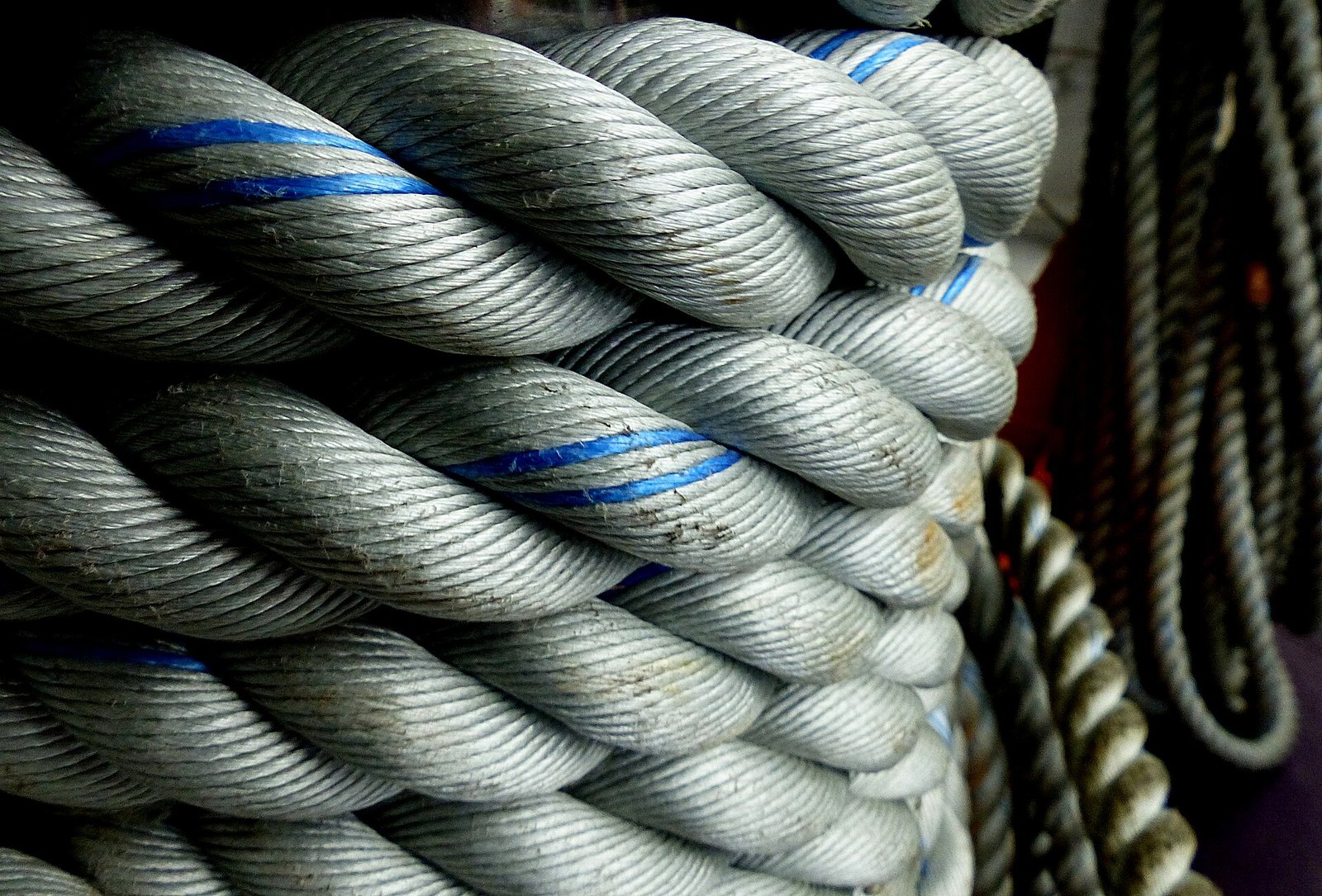
Photo: Wikimedia Commons
Grass and turf are the kindest surfaces: every kit here sits well, ladders peg down, nothing slides far, and missed steps land soft. This is where every set performs best, and where pegged ladders earn their keep.
Gym floors need grip: a light ladder on a polished floor slides on landing, so a rubber floor suits indoor work better than bare boards. Bare feet indoors work well — cleats do not, and they will chew both the rungs and the floor.
Concrete wears kits fastest: it cracks thin plastic, fades colours, and punishes missed landings. If concrete is your only surface, buy thicker pieces and accept that the kit is a consumable, not a lifetime tool.
Storage decides whether a kit survives the season: a bag (every kit here) keeps pieces together and visible, while loose pieces in a corner get lost, cracked, and forgotten. Bag, count, and check the set before every session.
What no kit makes safe
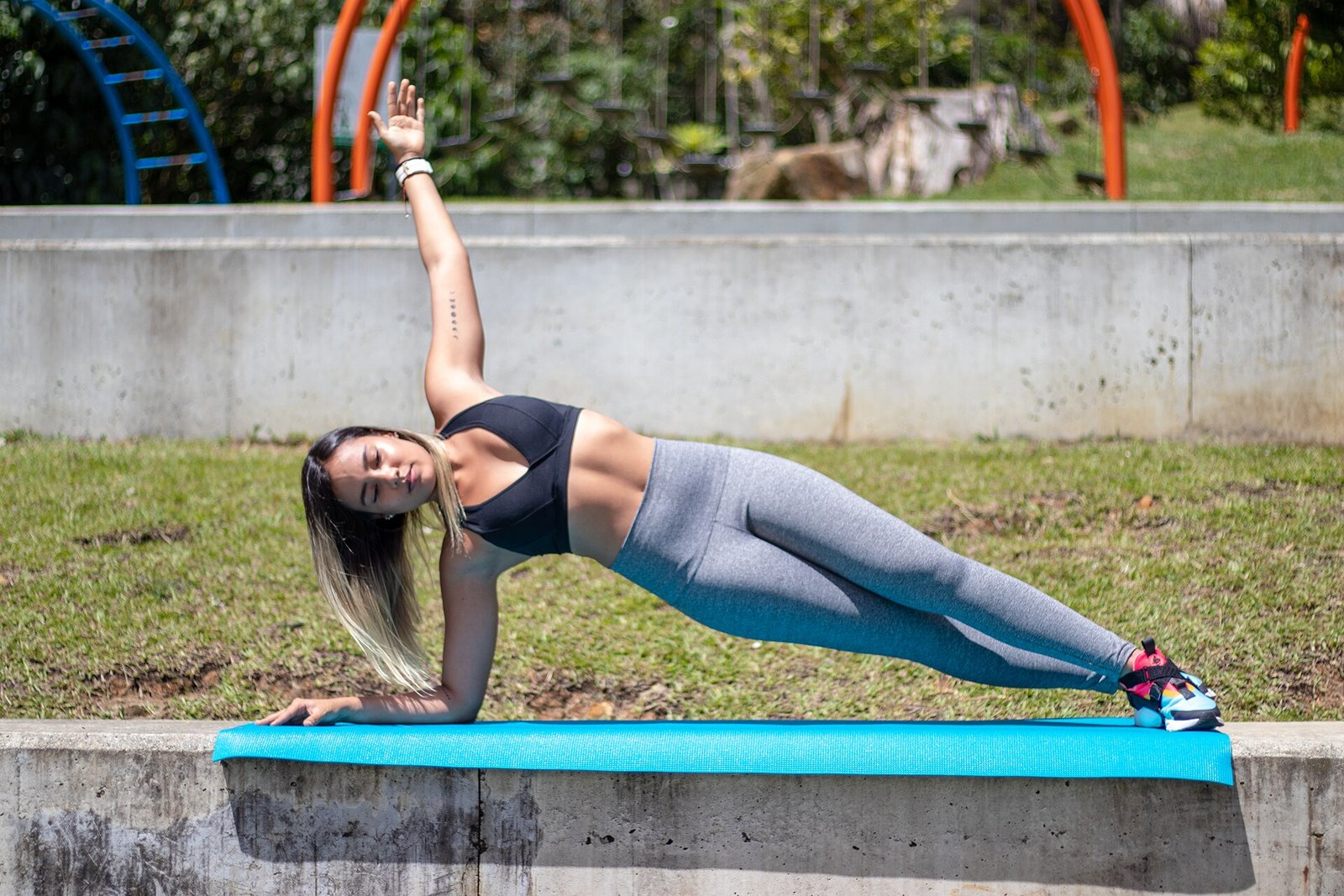
Photo: Tyler Read / Wikimedia Commons
A kit does not make a drill safe by itself, does not fix a floor that is wet, uneven, or crowded, and does not protect ankles, knees, or Achilles tendons that are already injured. The kit lays out the course; it does not judge whether the course is wise.
Check the kit pieces and the area before every session: no cracked or split plastic, no frayed ladder straps, no loose hurdle joints, patterns laid evenly, and a drill area clear of obstacles, holes, and other people. A rung that snaps underfoot, or a landing area with a hole in it, ends the session abruptly.
Start slow: learn each pattern at walking pace, then add speed in small steps over sessions, never at maximum effort on the first rep. Keep the area clear of the course’s ends and of anything you could land on. Never train through sharp pain, and never use a cracked piece hoping it holds one more session. If you have an injury, or a condition that affects how safely you can train, talk to a clinician or qualified coach before starting kit training. This guide is general information only, not medical advice.
Frequently Asked Questions
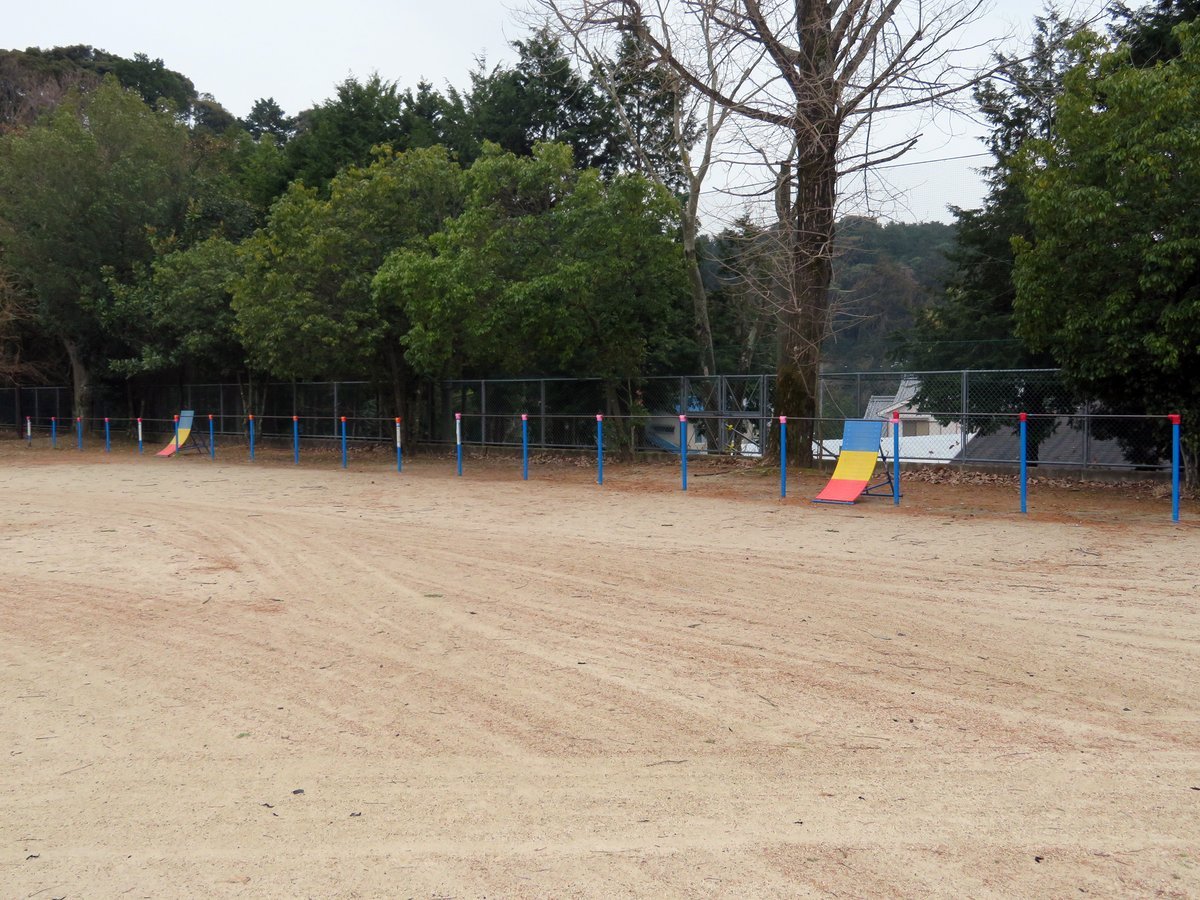
Photo: Tokumeigakarinoaoshima / Wikimedia Commons
Is a kit better than buying pieces separately?
For most buyers, yes for convenience: one bag, one purchase, pieces that arrive together. But a bundle is convenience, not new equipment — if you already own a ladder and cones, a kit mostly duplicates what you have, so buy the missing pieces instead.
What should a good kit include?
At minimum: a 20-foot 12-rung ladder, four hurdles, twelve cones, a parachute, and a jump rope. Bands, guides, and a ball are useful extras, not essentials — count the extras you will actually use.
Can I use an agility kit indoors?
Yes, if the floor allows it: a gym or rubber floor works well, but clear breakables and give the course room to move. Ladders suit small indoor spaces better than parachutes, which need sprint room, and skip cleats indoors.
What size ladder should a beginner buy?
A 20-foot 12-rung ladder: the standard length, roomy enough for adult strides, still tight enough to demand control. Beginners should start at 20 feet and move to longer ladders only when drills need more room, not more length.
How do I stop kit pieces breaking?
Buy nylon-strapped ladders and flexible plastic, step cleanly instead of stomping, and store the bag indoors out of sun — UV weakens plastic and cracks follow. Check rungs and hurdle joints before every session, since thin pieces wear at their joints first.
When should I replace kit pieces?
When plastic cracks or splits, ladder straps fray, hurdle joints no longer hold height, colours fade so far a piece blends into the floor, or a rung snaps under a normal step. Worn pieces trip athletes and mislead drills — replace them before they do.
Our Pick in One Line
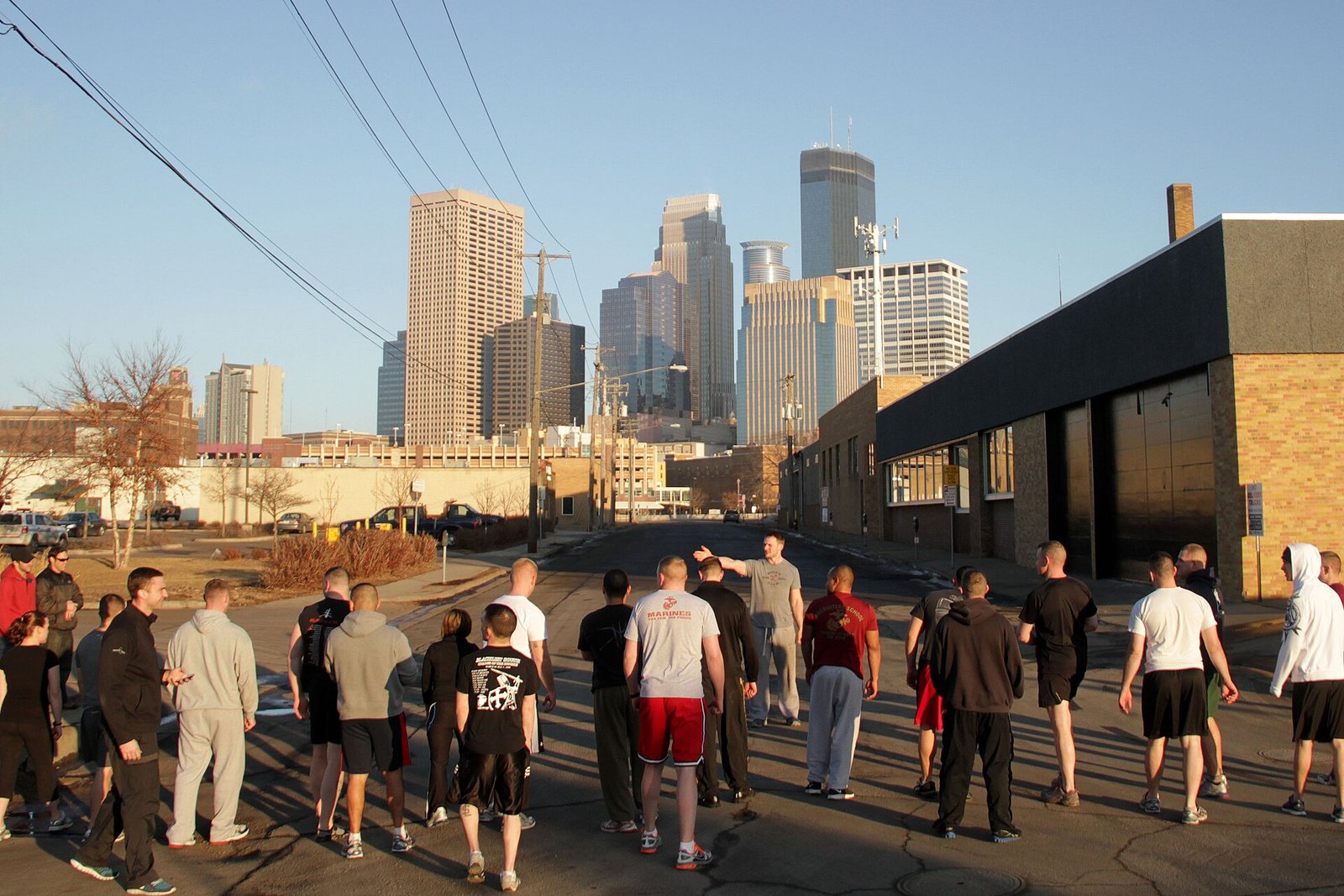
Photo: Staff Sgt. Clinton Firstbrook / Wikimedia Commons
If you want one answer: the GHB Football Training Equipment Set is the best all-round buy because its full bundle — ladder, hurdles, cones, parachute, rope, bands, and drills guide — covers almost any home-gym athlete in one bag — but if you are a beginner, buy the X-UMEUS kit first, because its footwork drill poster turns the bag into a session plan the first evening it arrives.
For the rest of your home-gym setup, see our agility poles guide and our agility ladders guide, and for the cones those kit sessions complement, see our agility cones guide.
As an Amazon Associate, we earn from qualifying purchases made through links on this page, at no extra cost to you.
This guide is research-based: we compared verified buyer reviews and manufacturer specifications, and we did not buy or hands-on test these products. Prices and availability change, so check the listing before ordering. The training information here is general information only, not medical advice — if you have an injury or a condition that affects how safely you can train, talk to a clinician first.