

Heart health is mostly about the pattern of what you eat, week after week. 🫀
No single food is a hero, and no single meal can undo everything else. That is actually good news, because it means small, steady choices add up.
Important: this article is general information only, not medical advice.
If you have diagnosed heart disease, high cholesterol, diabetes, or you take prescribed medicine, follow your clinician’s advice. Never stop prescribed medicine because of something you read about food.
What no food can do ❌
Let us be clear from the start, because the old version of this article was not.
No food cleans, flushes, unclogs or scrubs your arteries, and no food on its own reverses arterial plaque. Plaque is not grease in a pipe that a meal can wash away.
What a heart-healthy eating pattern can do is different, and still worthwhile. It is associated with better cardiovascular outcomes over time, and it can help slow the processes that damage blood vessels.
Anyone promising a food, juice or spice that clears blocked arteries is selling a story, not a treatment. If you have chest pain, breathlessness, or other worrying symptoms, seek medical care promptly rather than trying a food remedy.
The pattern that helps 🥗
Guidance from the American Heart Association and the NHS points in the same direction.
Both describe a pattern rich in vegetables, fruits, whole grains, legumes, nuts, fish and unsaturated fats such as olive oil, with less saturated fat, salt, added sugar and processed meat.
That is the frame for the ten foods below. Each one fits the pattern; none of them works alone.
1. Leafy greens 🥬

Spinach, kale, chard and other leafy greens are a simple way to fill half a plate with vegetables.
They add fibre, colour and variety to a meal without adding much energy. Try them wilted into soups, tossed in salads, or stirred through pasta and rice dishes.
2. Berries 🫐
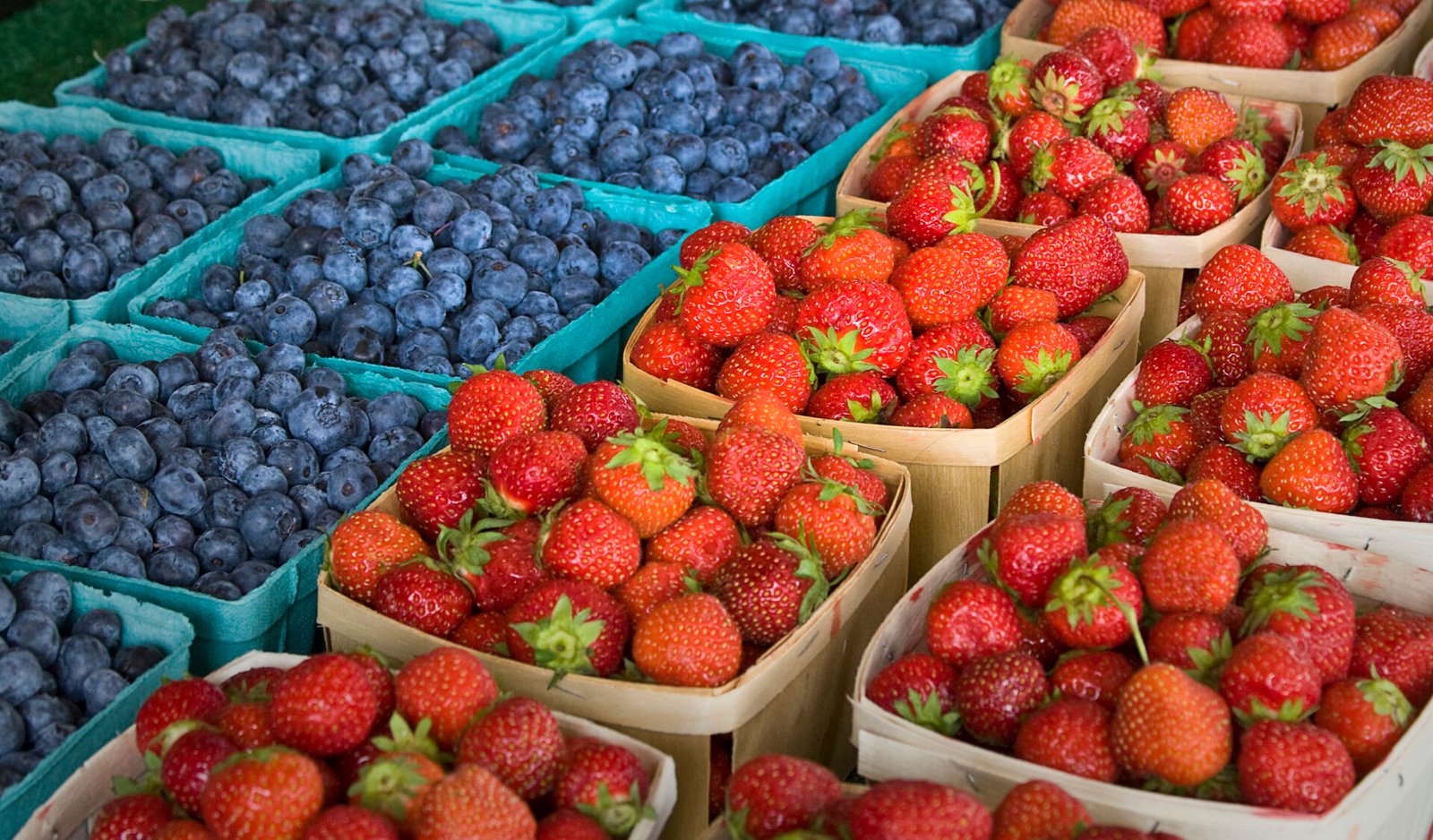
Blueberries, strawberries and raspberries are fruit, first and foremost — sweet, colourful and easy to add to a meal.
Scatter them over porridge or yogurt, or eat a handful as a snack. Frozen berries work just as well when fresh ones are out of season.
3. Oily fish 🐟
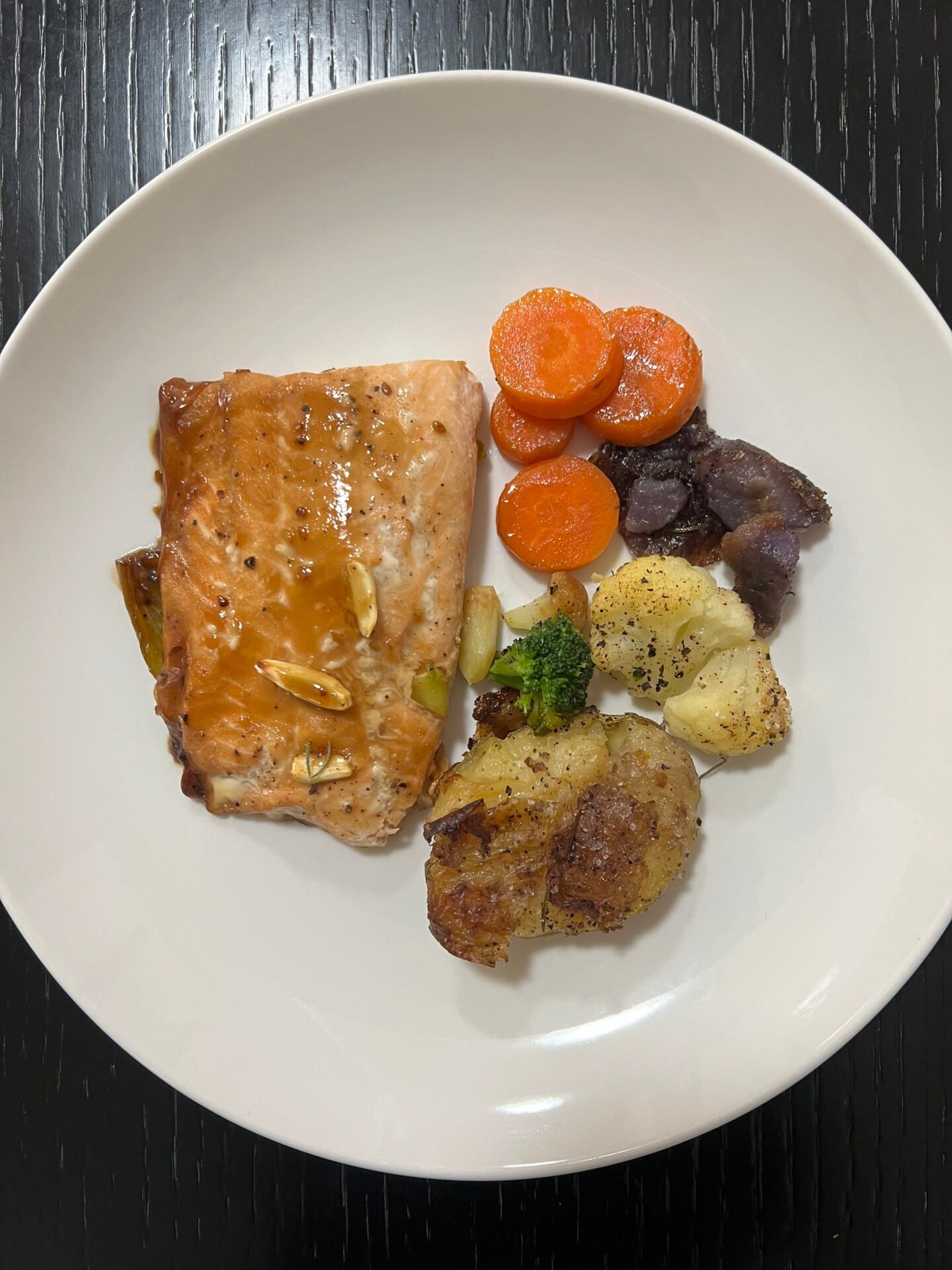
Salmon, mackerel, sardines and trout are the classic oily fish in heart-healthy eating guidance.
NHS guidance suggests eating fish a couple of times a week, with oily fish in at least one of those meals. Baked or grilled fish keeps the meal simple; frying in a lot of fat works against the point.
If you do not eat fish, talk to a clinician or dietitian about alternatives rather than turning to a supplement on your own.
4. Walnuts 🌰
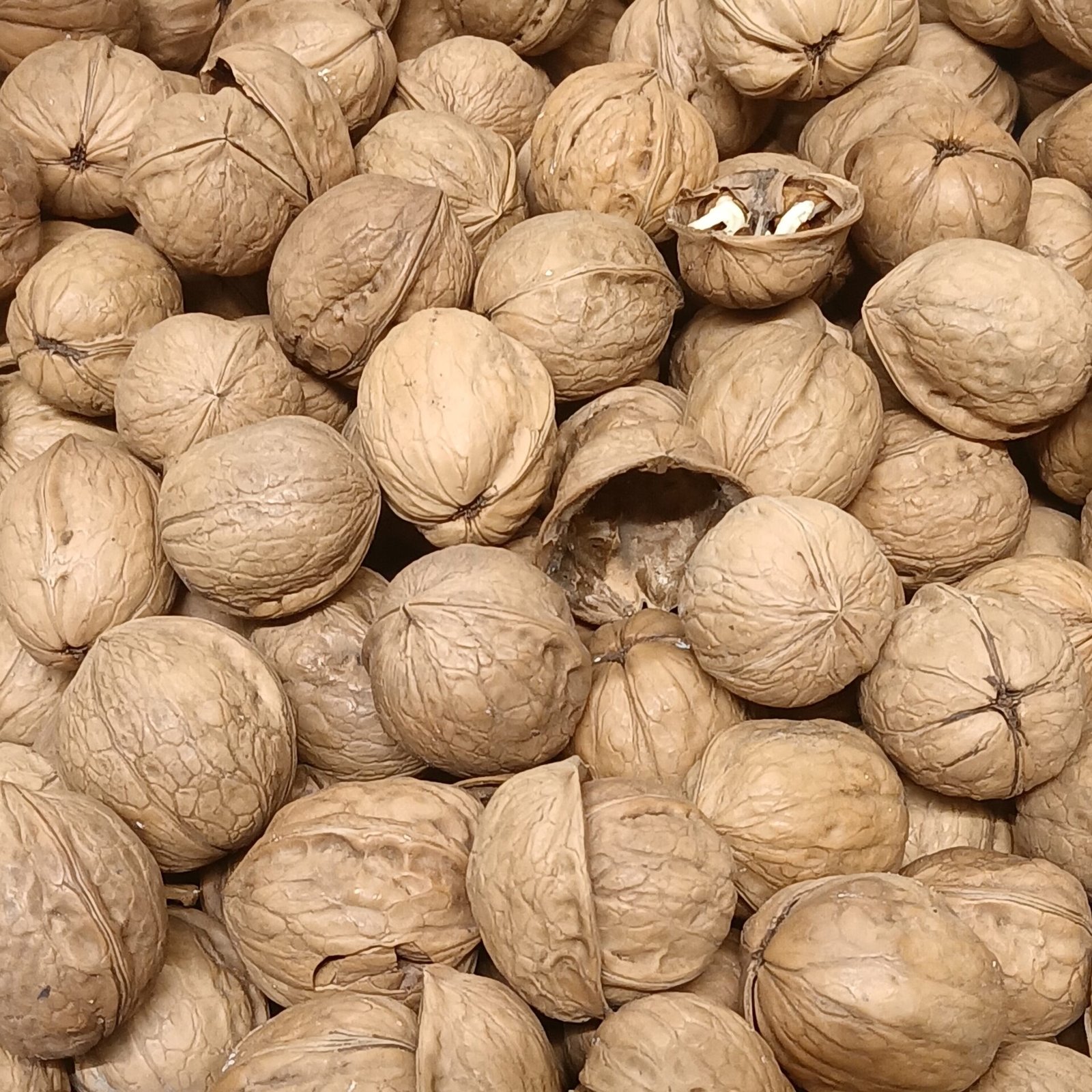
Walnuts and other unsalted nuts bring unsaturated fats, fibre and crunch to a meal.
A small handful is plenty, because nuts are energy-dense. They work well scattered over salads, porridge or yogurt, or eaten on their own as a snack.
5. Olive oil 🫒
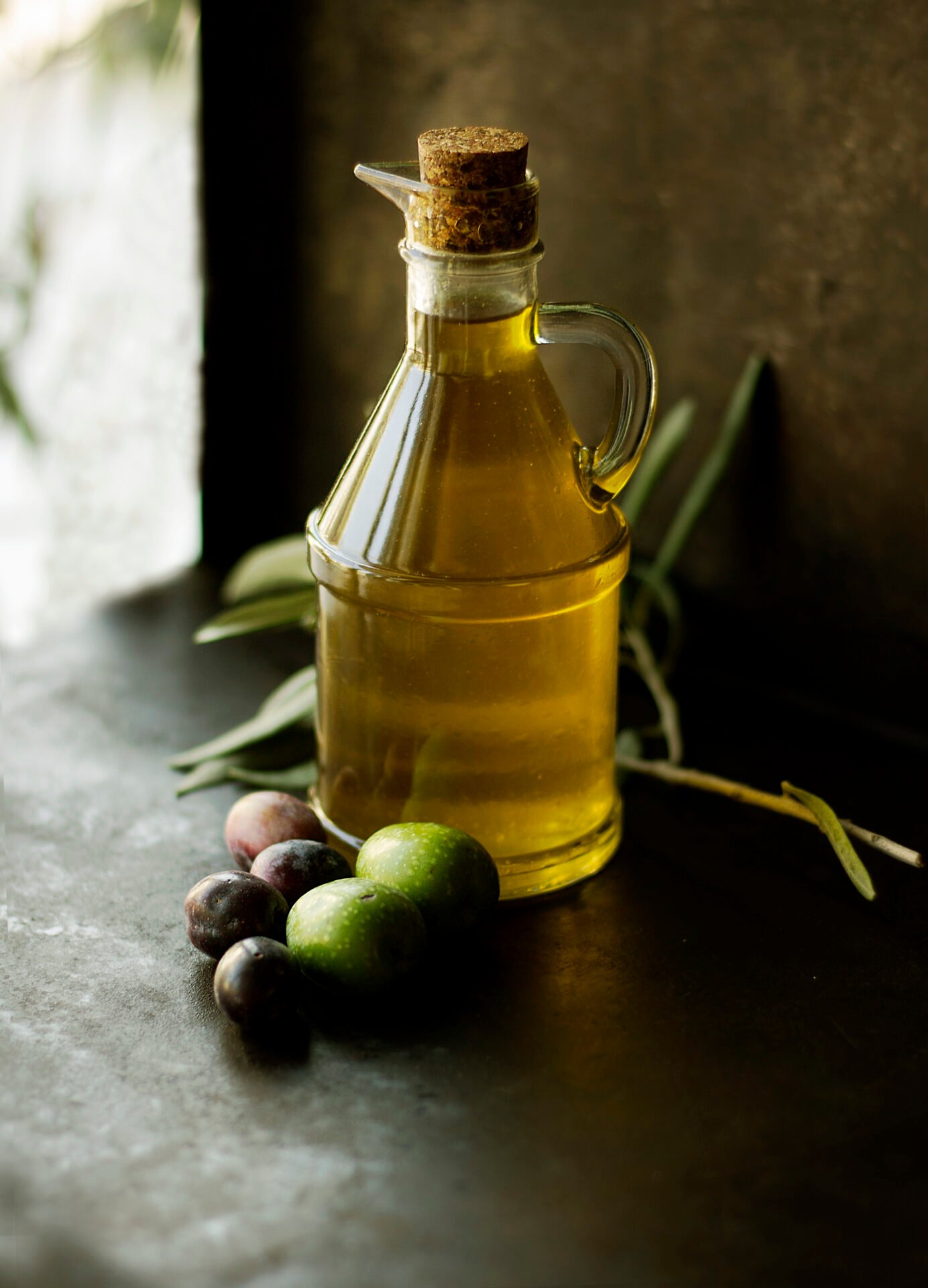
Olive oil is the unsaturated fat at the centre of the Mediterranean-style pattern the NHS describes.
Using it in place of butter, ghee or lard for cooking and dressings is a practical swap. A measured drizzle goes a long way, since all oils are high in calories.
6. Oats and whole grains 🌾
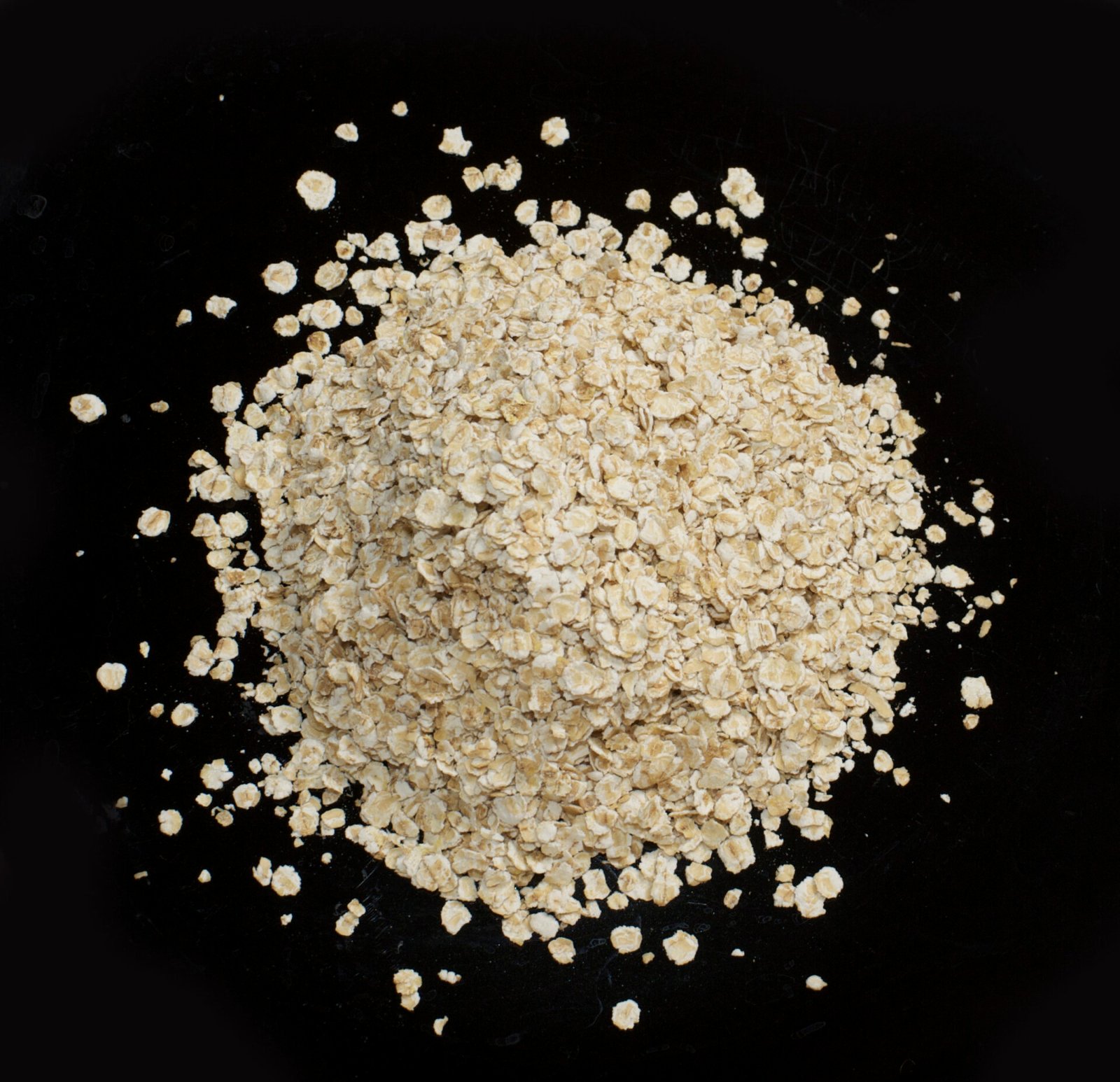
Oats, brown rice, whole-wheat bread and quinoa are whole grains that add fibre to a meal.
Porridge with fruit and nuts is an easy example, and it pairs naturally with the breakfast ideas in our guide to breakfast foods for weight loss.
Swapping refined grains for whole-grain versions, where you can, is a steadier change than overhauling every meal at once.
7. Beans and lentils 🫘
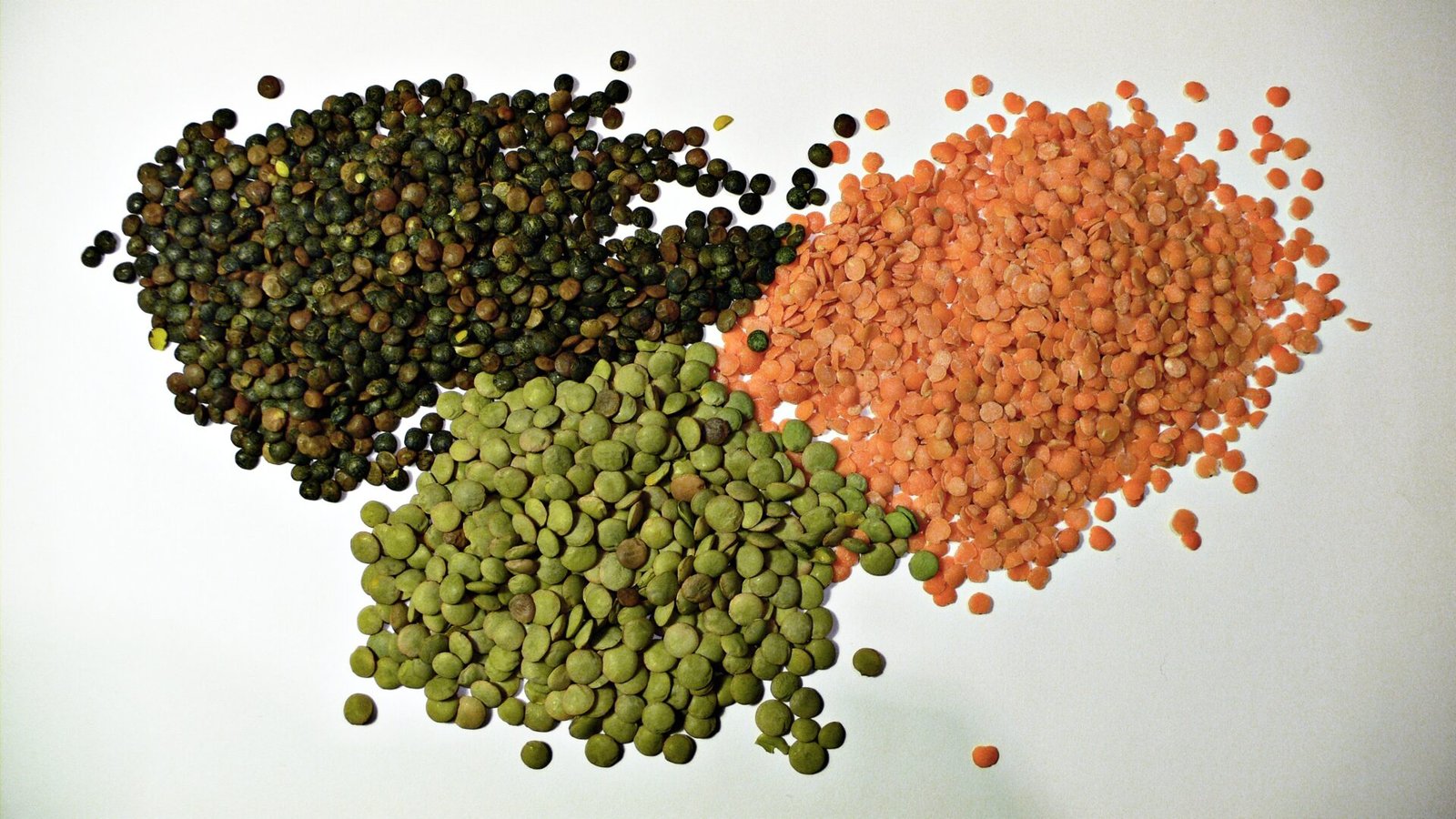
Beans, lentils and chickpeas are legumes: filling, high in fibre, and a useful protein food.
They work in soups, stews, curries and salads, and they can stand in for meat in some meals. Rinsing canned beans helps cut down added salt.
8. Avocado 🥑
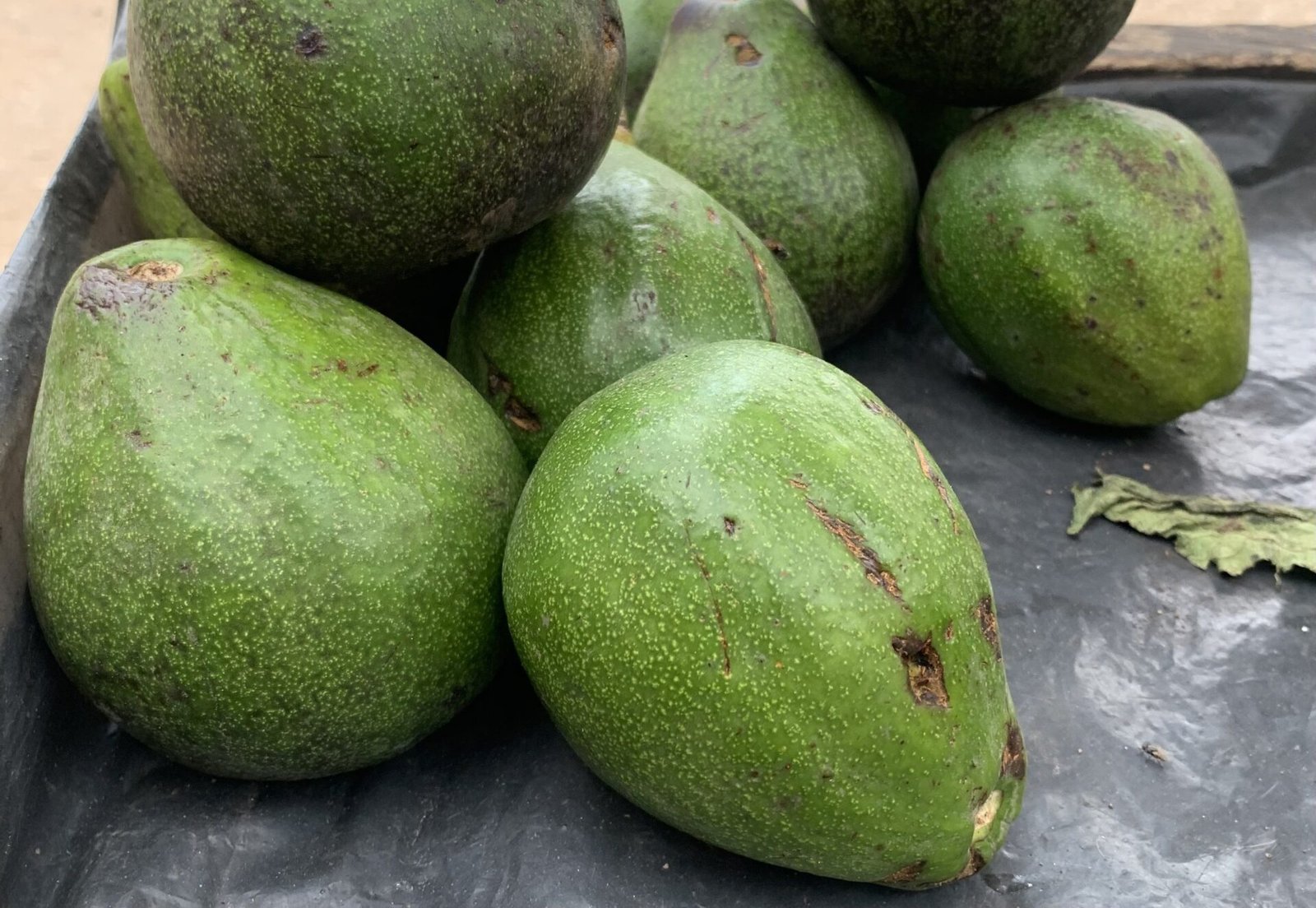
Avocado is a fruit rich in unsaturated fat, and it adds a creamy texture without needing butter or mayonnaise.
Spread it on whole-grain toast, slice it into salads, or mash it as a dip. As with nuts and oils, a moderate portion makes sense because it is energy-dense.
9. Tomatoes 🍅
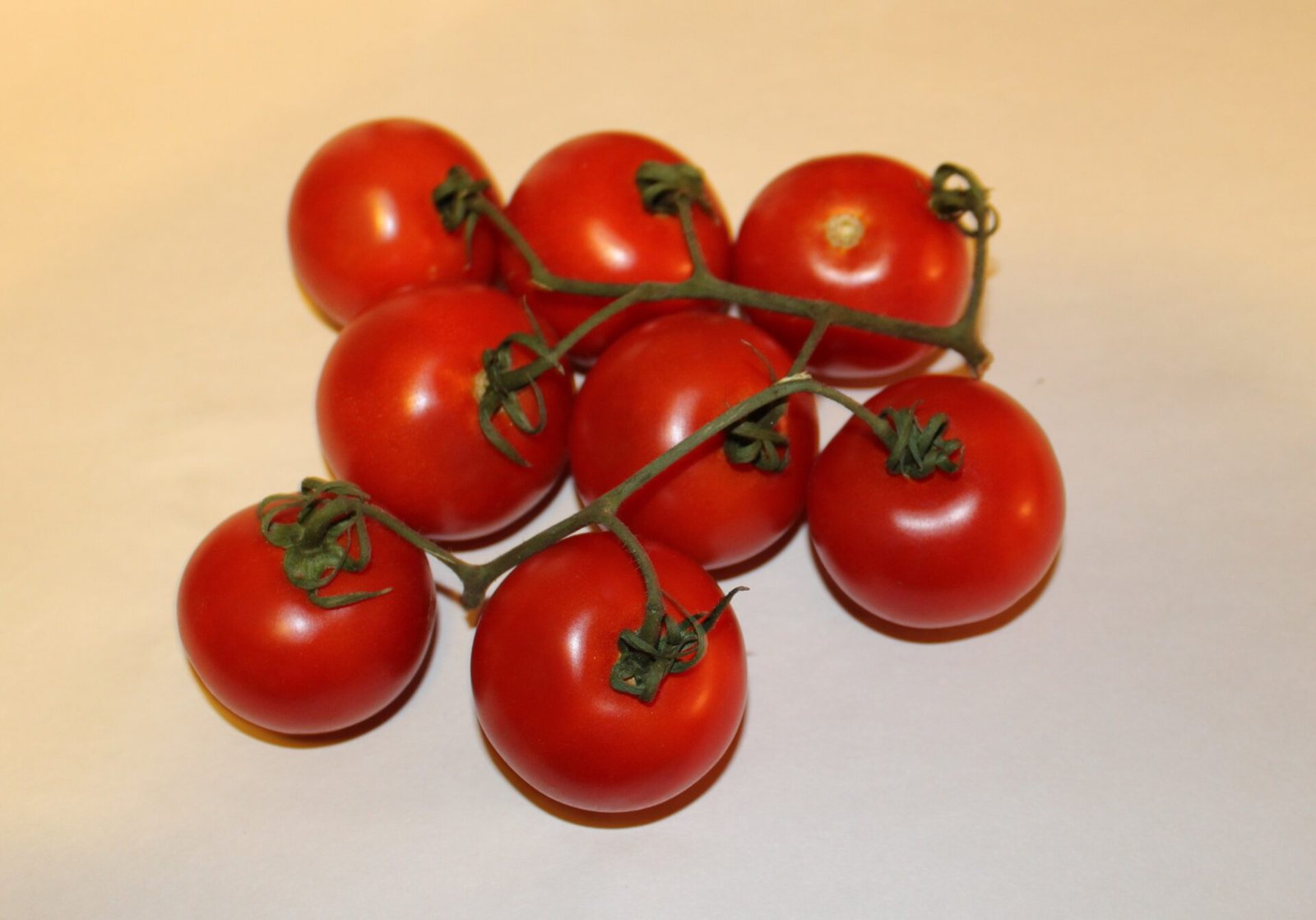
Tomatoes are an everyday vegetable that fits easily into a heart-healthy pattern.
Fresh, tinned or cooked in sauces, they add flavour and colour to meals. Cooked tomato sauces are a handy base for beans, whole grains and fish dishes.
10. Broccoli 🥦
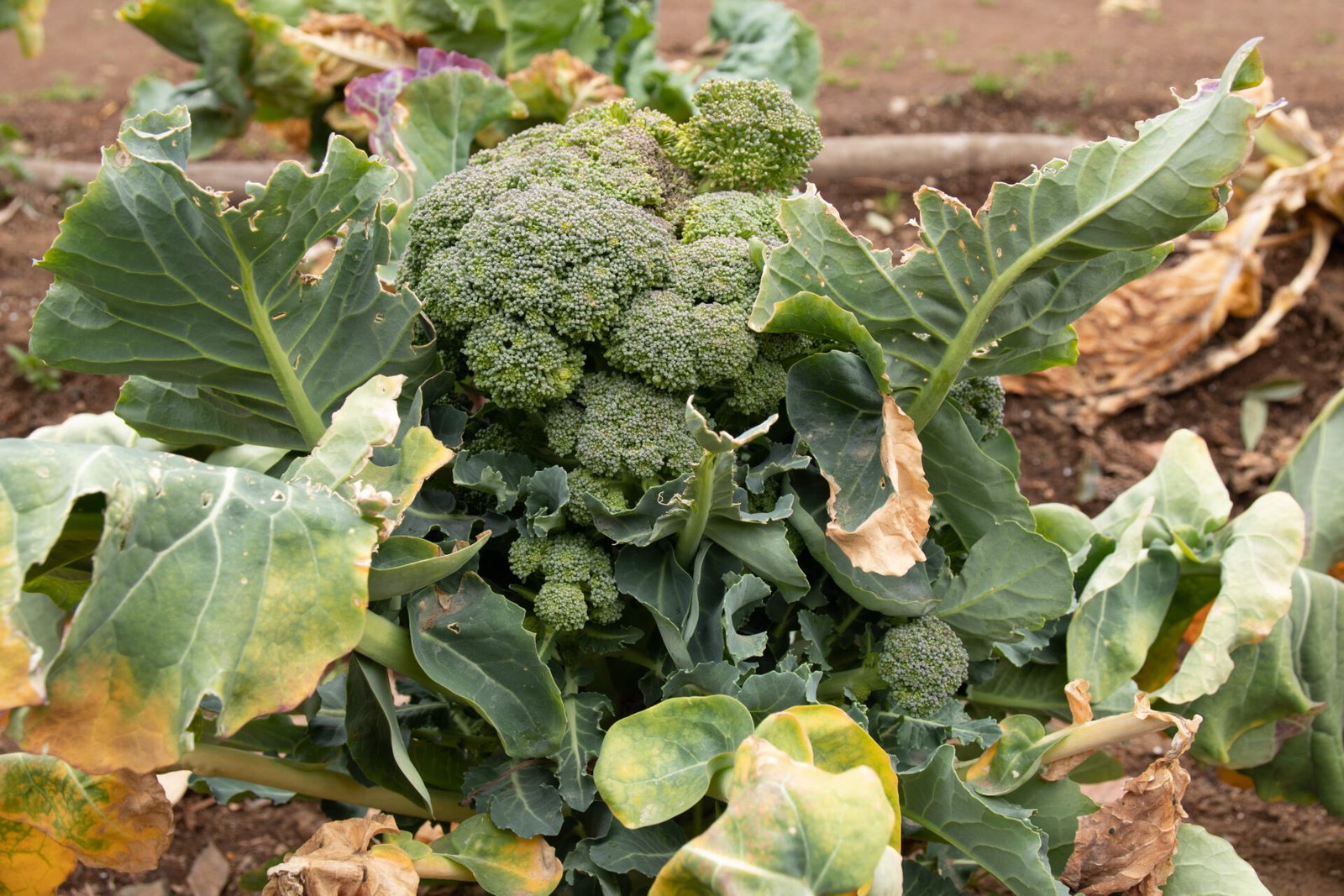
Broccoli is a versatile green vegetable that works roasted, steamed or stirred into pasta and rice.
It is one more way to build a meal around vegetables rather than around fried or heavily processed foods. Variety matters more than any one vegetable, so rotate it with others you enjoy.
What to limit, gently 🚫
The pattern is as much about what is crowded out as what is added.
Guidance consistently points to limiting saturated fat, salt, added sugars, sugary drinks and processed meat. That does not mean any of these can never be eaten, only that they should not dominate the week.
Small swaps tend to last longer than strict bans. Water instead of a sugary drink, or olive oil instead of butter for one regular meal, is a realistic place to start.
Putting a week together 🍽️
Think in meals, not in miracle foods.
A week with plenty of vegetables, a couple of fish meals, beans or lentils on some days, whole grains as the base, and olive oil or nuts for fat already looks like the pattern described above.
Weight, activity, sleep and not smoking matter too, and they are covered in our guide to obesity and its causes. Food is one part of heart health, not the whole story.
Frequently asked questions ❓
Can a food clean my arteries?
No. No food cleans, flushes or unclogs arteries, and no single food reverses plaque on its own. A heart-healthy pattern is associated with better outcomes over time, which is a different and more honest claim.
Do I need supplements or special juices?
No. This guide recommends no supplement, juice cleanse or dosage of any spice or powder. If you are considering a supplement, discuss it with your clinician first, especially if you take prescribed medicine.
I have diabetes or high cholesterol — does this diet replace my treatment?
No. Diet supports, but does not replace, clinician-led care. Our guide to diabetes signs, symptoms and types makes the same point: diagnosis and treatment decisions belong to you and your clinician.
This article is general information only and is not medical advice. If you are worried about your heart health, talk to a qualified clinician, and never stop prescribed medicine because of food advice.