

Why Cross-Training Shoes Belong in a Home Gym
A cross-training shoe is a flat, stable, multi-directional trainer for lifting, jumping and agility in one session: a low heel-to-toe drop, a firm midsole that does not wobble under a bar, a wide base that holds on side steps, and an outsole that grips the floor and wraps the rope. You wear one pair for the whole session — squats, then jumps, then ladder drills, then a short run — instead of changing shoes between movements. In a home gym, where the session happens in one room and one pair of shoes, that one-pair logic is the whole point. 👟
Know what a cross-training shoe is not. It is not a squat shoe: a raised-heel, rigid shoe made for squatting, which our best squat shoes for home gyms covers, while a cross-trainer keeps its heel low and its sole flexible enough to jump and cut in. It is not a running shoe either: a high-drop, soft, curved shoe built for forward miles, which feels unstable under a bar and rolls on side steps. It is not a wrestling or boxing shoe, which is a light, high-grip boot for the mat and the ring, not a lifting platform. And it is not a barefoot shoe as a class: a zero-drop, paper-thin shoe with no midsole to speak of — the Minimus below is the closest pick here, but it is still a 4 mm-drop trainer with foam underfoot, not a zero-drop shoe. A cross-trainer sits in the middle of all of them: stable enough to lift in, flexible enough to jump in, and grippy enough to move sideways in.
Cross-training shoes are routine in home gyms and garage corners, and one pair brings that setup to the floor beside your rack. After a heavy session, the shoe is what stays planted while you lift, what grips while you move sideways, and what cushions the short run at the end — and on mixed days it is the one pair that covers the whole session, no shoe change, no second pair by the door. The previous guide in this series, our best posture correctors for home gyms, covers a wearable you put on to cue posture; a cross-training shoe is different work — it is what your feet stand in while you train, not a brace you wear between sessions.
How We Picked
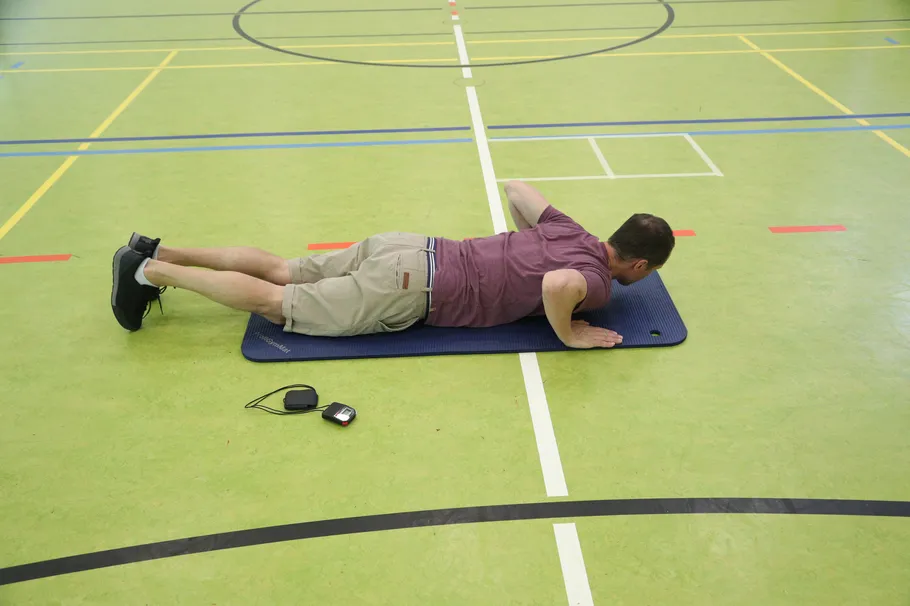
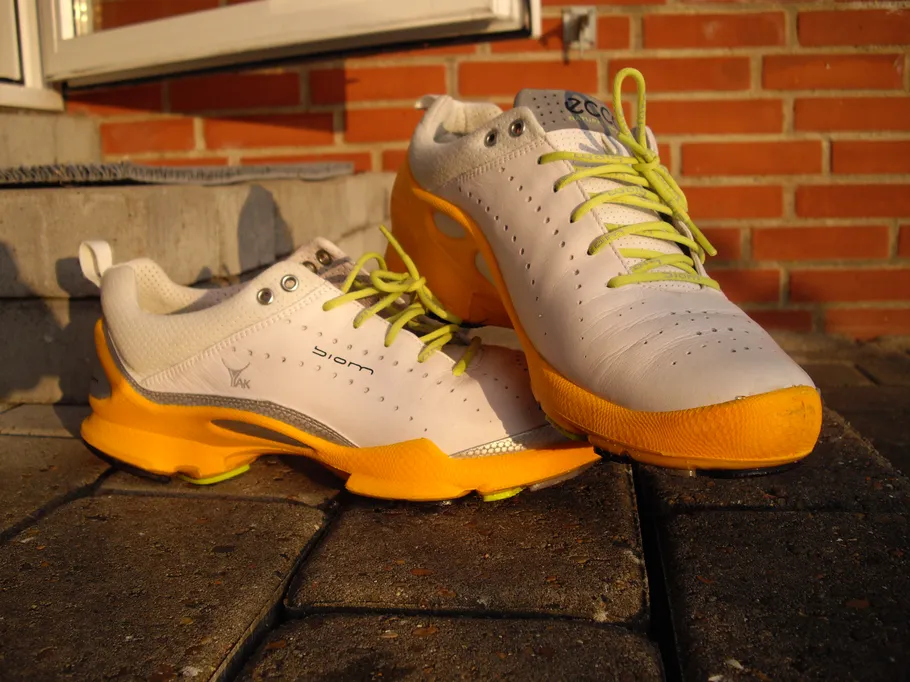
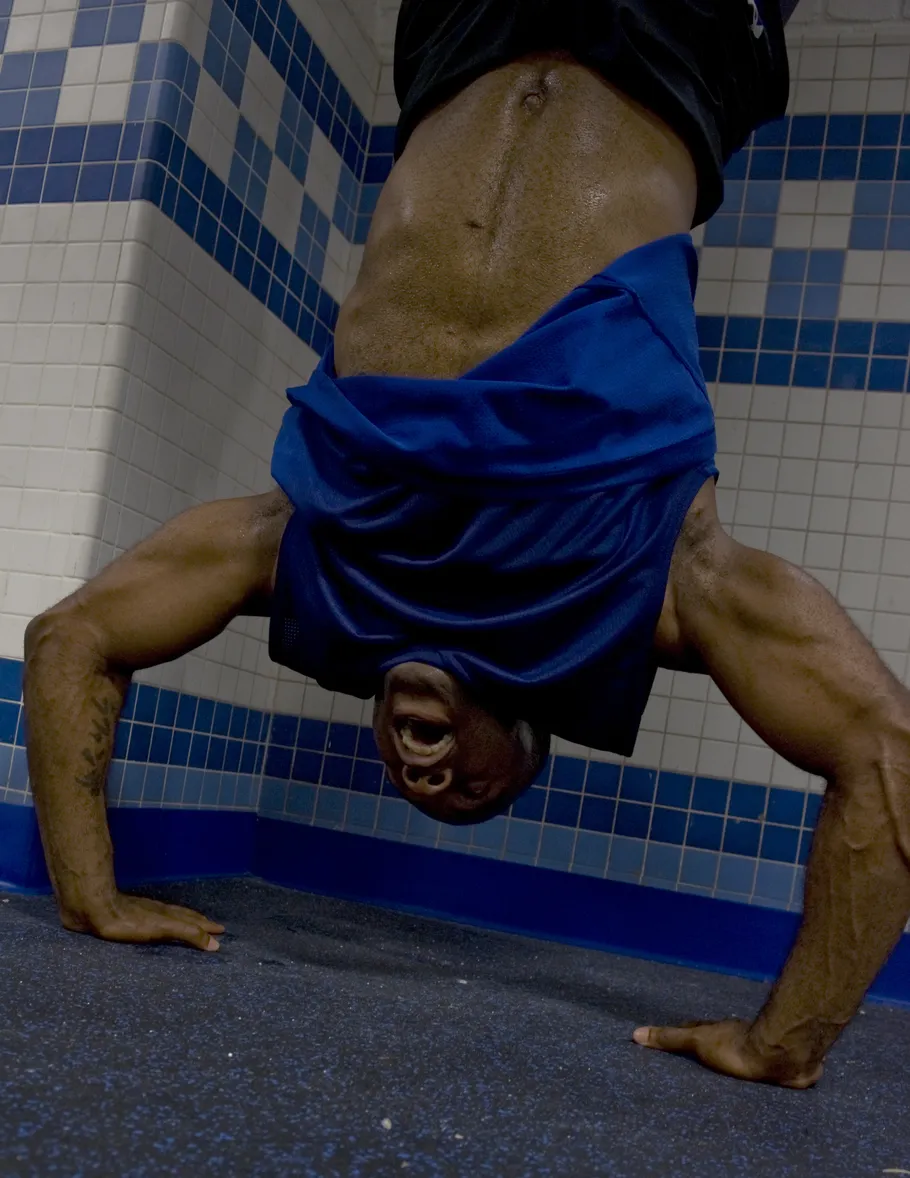
We compared six cross-training shoes that are genuinely sold for home-gym training right now, using maker records and listing records — not hands-on testing, and not roundup scores copied from other sites. Every photo in this guide is an honest training scene, not a product shot of the named shoe, because free-license photos of the exact named shoes do not exist for this category. Where records disagree, the article says so instead of picking the flattering number — and this category disagrees a lot, because weights are stated for different sizes, and drops are stated by makers, measured by labs, and repeated by retailers, all differently, for the same model.
- Drop and stability: the heel-to-toe drop, and whether the shoe stays planted under a bar or rolls on side steps.
- Cushion against ground feel: foam that softens landings against a firm platform that keeps the foot close to the floor.
- Outsole grip and rope protection: tread that holds the floor, and a guard or wrap that survives rope climbs.
- Upper durability and breathability: mesh that vents against guard plates that resist abrasion.
- Fit and width options: sizing guidance, half-size flags, and wide or extra-wide options where they exist.
- Honest limits: what each shoe cannot do, stated in its own section.
Also considered: the Nike Metcon 10 (named, not picked — the newer Metcon with full-length React foam instead of the 9’s dual-density EVA, not merged into the Metcon 9 below); the NOBULL Mid Trainer (named, not picked — the higher-collar version of the Trainer line, not merged into the Trainer+ below); the TYR CXT-1 (named, not picked — the predecessor at 9 mm, not merged into the CXT-2 below); the TYR CXT-2 Elite Carbon (named, not picked — the carbon-plate version at 4 mm and a higher tier, not merged into the standard CXT-2 below); and the New Balance Minimus TR v2 BOA (named, not picked — the dial-closure version of the Minimus line, not merged into the lace-up Minimus below). None of the six picks below hides a conflict like those — where a pick’s own records disagree, the disagreement is printed in its section.
Comparison
| Pick | Drop | Build | Standout |
|---|---|---|---|
| Nike Metcon 9 | 4 mm | Dual-density EVA, TPU heel wrap, Hyperlift plate | Classic |
| Reebok Nano X4 | 7 mm (one lab 8.6 mm) | Floatride Energy Foam, LAR Chassis, Flexweave | All-Rounder |
| NOBULL Trainer+ | 4 mm (one review 8 mm) | SuperFabric guard plates, rope-wrap grip | Durable |
| Under Armour TriBase Reign 6 | 2 mm | TriBase ground contact, UA WARP upper | Low-Drop |
| TYR CXT-2 Trainer | 7 mm (one retailer 9 mm) | Surge NRG foam, TPU stability wrap, TYRTac | Structured |
| New Balance Minimus TR v2 | 4 mm (lab 2.2 mm) | FuelCell foam, 14 mm heel stack | Minimal |
Read the table honestly. It carries no weight column on purpose: every weight here is size-dependent and disputed across sources — the Metcon 9 reads from about 10.6 oz to about 13.6 oz across sizes and sources, the Nano X4 from about 11.0 oz to about 13 oz, the Reign 6 from about 11.5 oz to about 14.25 oz, the CXT-2 from about 11.85 oz to about 12.95 oz, and the Minimus from 8.9 oz at men’s 9 to about 10.45 oz at size 10 — so a weight column would mix sizes and sources as if they were one measurement. It carries no lowest-drop crown either: the Reign 6 has the lowest stated drop at 2 mm, but the Minimus’s stated 4 mm measured 2.2 mm in one lab test, so crowning a lowest-drop pick would compare a stated figure against a measured one. And it carries no lightest crown: the Minimus is the lightest only on the size-9 readings checked, not across every size, so that qualifier stays in its own section and nowhere else. Drops are likewise not ranked as a single ladder: stated drops, lab measurements and retailer figures sit side by side in the table, labelled as such, because that is how the records actually read.
Nike Metcon 9
The Nike Metcon 9 is the classic pick because it is the long-running cross-training line at its most settled: a 4 mm drop agreed across sources, a dual-density EVA midsole that firms up under the heel and softens at the forefoot, a TPU heel wrap that locks the heel over the platform, a Hyperlift plate in the heel for a stable base, and a rope guard on the midfoot for climbs. You plant, you lift, you jump, you climb — and the shoe stays the same shoe through all four, which is why the Metcon name is the default answer in this category. It is the pick for a buyer who wants the established cross-trainer with no surprises, and for a buyer whose sessions lean toward lifting with conditioning on top. 🏋️
The record carries two flags, and both are printed here. The weight is disputed across sources and sizes: about 10.6 oz at men’s 9 in one source, 11.2 oz in another, 12.7 to 12.9 oz at size 10 in others, and 13.55 to 13.6 oz in still others — no single figure is adopted here as the shoe’s weight, so check the listing’s own figure for your size before ordering. And a newer Metcon 10 exists, with full-length React foam and a Hyperlift plate instead of this shoe’s wrap — confirm the 9, not the 10, before ordering, because the two are different shoes under a shared name.
Pros
- Most settled record here: 4 mm drop agreed across sources.
- TPU heel wrap plus Hyperlift plate — a locked, stable heel.
- Rope guard on the midfoot for climbs.
Cons
- Weight disputed: about 10.6 oz to about 13.6 oz across sizes and sources.
- A newer Metcon 10 exists — confirm the 9 before ordering.
- Not the lightest or the lowest here — the classic, not the extreme.
Listing check: confirm the Nike Metcon 9 (not the Metcon 10 with its full-length React foam and plate, and not an older Metcon numbered differently) before ordering, and check the drop and the weight for your size from that listing itself. If the listing shows full-length React foam, it is the 10, not this pick, and if it shows no rope guard, it is a different shoe, not this pick.
Best for: a buyer who wants the established cross-trainer with a settled 4 mm drop, a locked heel and a rope guard, for lift-led sessions.
May not fit: anyone who wants the lightest shoe, the lowest drop, or the newest Metcon model.
Reebok Nano X4
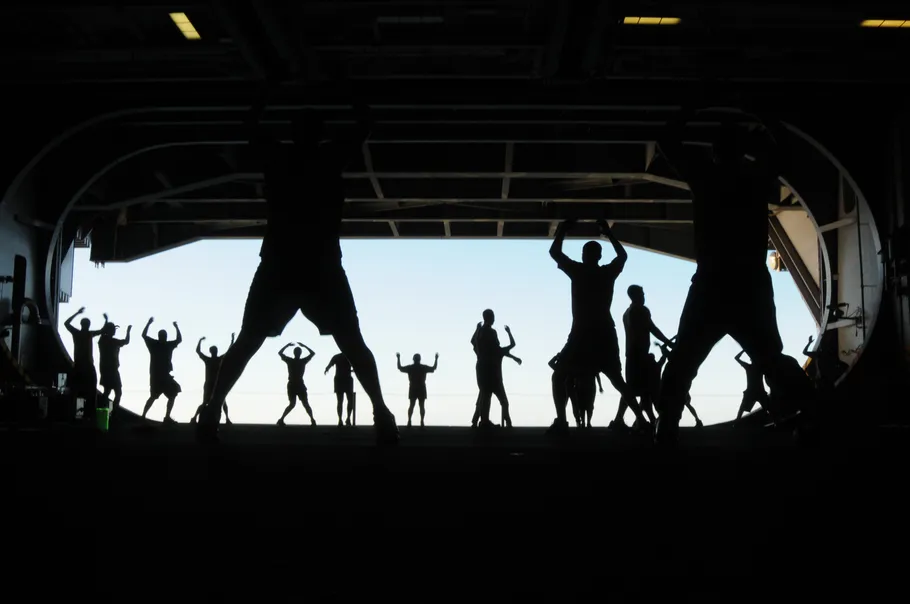
The Reebok Nano X4 is the all-rounder pick because it is the shoe here that most evenly splits lifting and conditioning: a 7 mm drop in maker-style records, Floatride Energy Foam underfoot, a Lift and Run (LAR) Chassis — a TPU dome and plate system that firms up for lifts and flexes for runs — a Flexweave upper, and a midfoot ventilation panel that keeps the foot cooler through long sessions. You lift in it, you run short intervals in it, you jump in it, and no single movement feels like the wrong shoe. It is the pick for a buyer whose sessions mix everything in equal measure, and for a buyer who wants one pair that never forces a compromise in the middle of a workout. 🔄
The record carries three flags, and all are printed here. The drop reads 7 mm in maker-style records but 8.6 mm in one lab measurement — the difference is stated, neither figure is hidden, and this guide follows the 7 mm maker-style figure while naming the lab figure. The weight is size-dependent and disputed, from about 11.0 oz to about 13 oz across sources, with 11.7 oz at men’s 9 in one lab test and 12.07 oz in another review — again, check the listing’s own figure for your size. And two fit and use flags: one review says the shoe runs small and advises buying half a size up, and one review says it is not ideal for runs beyond about 1.5 miles — so size up if the listing’s own guidance agrees, and keep longer runs for a running shoe.
Pros
- Most even split here: lifts, short runs and jumps in one shoe.
- LAR Chassis firms for lifts and flexes for runs.
- Midfoot ventilation panel for long, hot sessions.
Cons
- Drop reads 7 mm by the maker, 8.6 mm in one lab test.
- One review says it runs small — half a size up advised.
- Not ideal for runs beyond about 1.5 miles, per one review.
Listing check: confirm the Reebok Nano X4 (not an older Nano numbered differently, and not a Nano training variant sold without the LAR Chassis) before ordering, and check the sizing guidance and the drop from that listing itself. If the listing shows no LAR Chassis, it is a different Nano, not this pick, and if the fit note says true to size, weigh it against the review flag above before choosing your size.
Best for: a buyer who wants one pair for mixed sessions — lifts, short runs and jumps in equal measure — with a ventilated upper.
May not fit: anyone who runs long distances, who wants the lowest drop, or who dislikes sizing up on a review’s advice.
NOBULL Trainer+
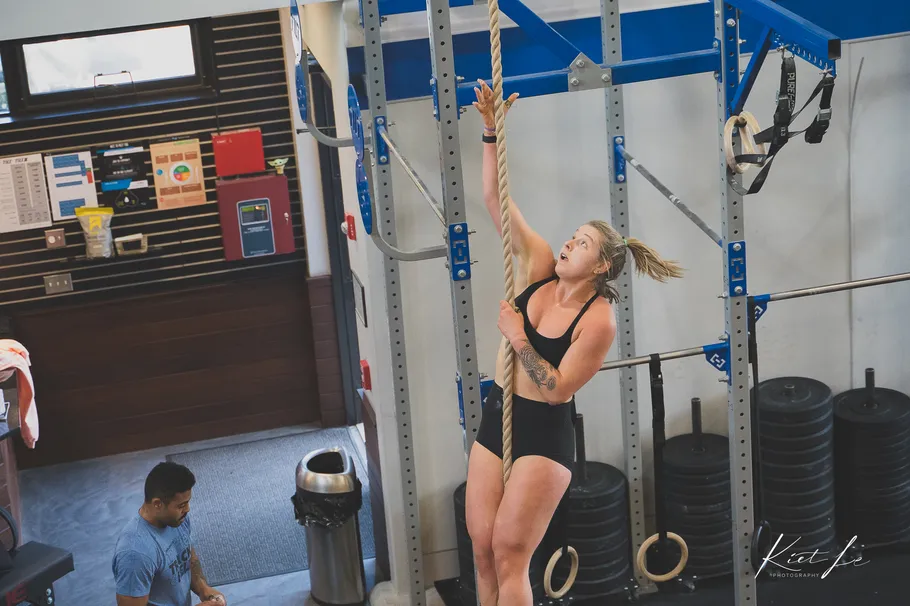
The NOBULL Trainer+ is the durable pick because it is the shoe here built to be abraded: SuperFabric guard plates over a mesh upper that resist rope burn and scuffs, a rope-wrap grip on the midfoot, a toe bumper for drags and climbs, a wider, less-tapered outsole that plants more of the foot on the floor, and a herringbone tread that holds in every direction. You climb ropes in it, you drag it across the floor, you train outdoors on rough ground — and the upper is made to come back for more. It is the pick for a buyer who wears shoes hard, climbs ropes often, and is tired of mesh uppers shredding. 🛡️
The record carries three flags, and all are printed here. The drop is disputed: 4 mm in maker-style records against 8 mm in one podiatrist review — neither figure is adopted here as settled, so check the listing’s own drop before ordering. One source also wrongly calls the Trainer line zero-drop — that claim is not repeated here, because a 4 mm or 8 mm shoe is not a zero-drop shoe, and a buyer who needs true zero-drop should not buy this one on that claim. And sizing is unsettled: one source says the Trainer runs slightly large, with Metcon 11 wearers taking 10.5 in the Trainer, against standard guidance elsewhere — so follow the listing’s own sizing guide for your size, not a single review’s conversion.
Pros
- SuperFabric guard plates — the toughest upper here.
- Rope-wrap grip plus toe bumper for climbs and drags.
- Wider, less-tapered outsole plants more foot on the floor.
Cons
- Drop disputed: 4 mm in maker-style records, 8 mm in one review.
- Wrongly called zero-drop in one source — it is not zero-drop.
- Sizing unsettled: one source says slightly large, guidance differs.
Listing check: confirm the NOBULL Trainer+ (not the higher-collar Mid Trainer, and not an older Trainer version sold without the SuperFabric guard plates) before ordering, and check the drop and the sizing guide from that listing itself. If the listing shows a higher collar, it is the Mid Trainer, not this pick, and if it claims zero-drop, it is a wrong listing note, not this shoe’s record.
Best for: a buyer who climbs ropes, trains hard on rough ground, and wants the toughest upper here with a wide, planted base.
May not fit: anyone who needs a settled drop figure, a true zero-drop shoe, or a light, soft mesh upper.
Under Armour TriBase Reign 6
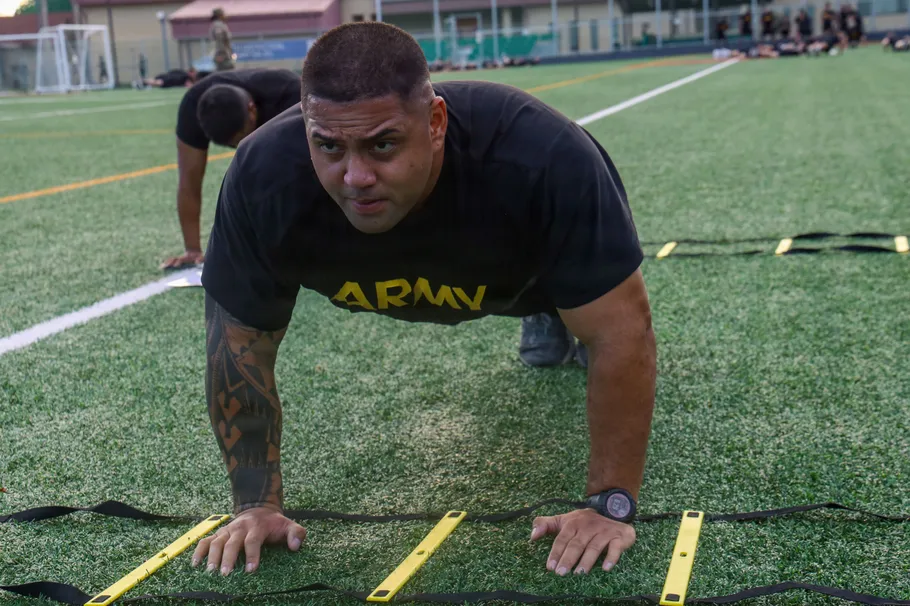
The Under Armour TriBase Reign 6 is the low-drop pick because it is the shoe here that sits closest to the ground by its stated figure: a 2 mm drop, the lowest stated drop in this guide, on a TriBase platform — a three-point ground-contact shape that keeps the forefoot, midfoot and heel in contact through lifts and cuts — with a UA WARP upper that wraps the midfoot in TPU mesh, a drop-in dual-density midsole that firms the heel and softens the forefoot, an external heel clip plus an internal heel counter, and a full-rubber outsole with a medial rope grip. You feel the floor under it, you cut sideways on it, and you lift on a base that does not roll. It is the pick for a buyer who wants the ground feel of a low shoe with the structure of a trainer, and for a buyer whose sessions lean toward agility and lateral movement. ⬇️
The record carries two flags, and both are printed here. The weight is disputed and size-dependent: about 11.5 oz in one review, 13.66 oz in listings, and 14.25 oz in one comparison — no single figure is adopted here, so check the listing’s own figure for your size. And the low-drop label needs its qualifier: 2 mm is the lowest stated drop in this guide, not a crowned lowest drop overall, because the Minimus below measured 2.2 mm in a lab against its stated 4 mm — a stated figure and a measured figure are not one ladder, and this guide does not rank them as if they were.
Pros
- Lowest stated drop here: 2 mm, for close ground feel.
- TriBase three-point contact holds through cuts and lifts.
- Heel clip plus internal counter lock the heel down.
Cons
- Weight disputed: about 11.5 oz to about 14.25 oz across sources.
- Lowest stated, not crowned lowest — the Minimus lab figure differs.
- Not the cushioned pick — ground feel means less foam.
Listing check: confirm the Under Armour TriBase Reign 6 (not an older Reign numbered differently, and not a Reign training variant sold without the TriBase platform) before ordering, and check the drop and the weight for your size from that listing itself. If the listing shows no TriBase platform, it is a different Reign, not this pick, and if it shows a drop above 2 mm, it is a different version, not this pick.
Best for: a buyer who wants the lowest stated drop here, close ground feel, and a stable base for agility and lateral work.
May not fit: anyone who wants deep cushioning, a settled weight figure, or a higher-drop, softer ride.
TYR CXT-2 Trainer
The TYR CXT-2 Trainer is the structured pick because it is the shoe here that most wraps and holds the foot: Surge NRG foam underfoot, a TPU stability wrap around the midfoot that locks the foot over the platform, a TYRTac outsole for grip in every direction, and a wider, anatomical toe box — with an extra-wide option — that lets the toes spread under load instead of squeezing them. You plant under a heavy bar, you drive through the whole foot, and the shoe holds its shape rather than flexing away. It is the pick for a buyer who wants structure and a roomy toe box, and for a buyer with wider feet who finds narrow trainers pinching. 🦶
The record carries three flags, and all are printed here. The drop is disputed: 7 mm in most sources against 9 mm in one retailer listing — neither figure is adopted here as settled, so check the listing’s own drop before ordering. The weight is size-dependent, from about 11.85 oz to about 12.95 oz across records — check the listing’s own figure for your size. And two lookalikes need naming: the CXT-1 is the predecessor at 9 mm, not this pick, and the CXT-2 Elite Carbon is the carbon-plate version at 4 mm and a higher tier, not this pick — confirm the standard CXT-2 Trainer, not either of them, before ordering.
Pros
- TPU stability wrap locks the foot over the platform.
- Wider anatomical toe box, plus an extra-wide option.
- TYRTac outsole grips in every direction.
Cons
- Drop disputed: 7 mm in most sources, 9 mm in one retailer.
- Weight size-dependent: about 11.85 oz to about 12.95 oz.
- Two lookalikes exist — CXT-1 and CXT-2 Elite Carbon.
Listing check: confirm the TYR CXT-2 Trainer (not the CXT-1 predecessor at 9 mm, and not the CXT-2 Elite Carbon with its carbon plate and 4 mm drop) before ordering, and check the drop and the width option from that listing itself. If the listing shows a carbon plate, it is the Elite Carbon, not this pick, and if it shows no extra-wide option, check whether the standard width still fits before ordering.
Best for: a buyer who wants a structured, locked-in trainer with a roomy toe box and an extra-wide option, for heavy, planted lifting.
May not fit: anyone who needs a settled drop figure, a narrow fit, or a soft, flexible shoe.
New Balance Minimus TR v2
The New Balance Minimus TR v2 is the minimal pick because it is the shoe here that gets closest to the floor while staying a trainer: a stated 4 mm drop, FuelCell foam underfoot, a 14 mm heel stack against an 11.8 to 12 mm forefoot stack, Medium and 2E width options, and the lightest size-9 readings checked in this guide at 8.9 oz (251 g) at men’s 9. You feel the floor, you move fast, you jump light — and the shoe disappears on the foot in a way the structured picks never do. It is the pick for a buyer who wants the lightest, most minimal trainer here, and for a buyer who trains fast and light rather than maximally heavy. 🪶
The record carries four flags, and all are printed here. The drop reads a stated 4 mm but measured 2.2 mm in one lab test — the difference is stated, and this guide does not crown it the lowest drop on a measured figure against the Reign’s stated 2 mm. The weight reads 8.9 oz at men’s 9 but about 10.45 oz at size 10 in another review — so the lightest label holds only on the size-9 readings checked, not across every size. Fit is unsettled: one review’s votes say it fits half a size small, while another says it runs true to size for narrow feet — so check the listing’s own guidance and consider your foot width before choosing. And two identity flags: the original Minimus line was zero-drop, but this v2 moved to 4 mm, so a buyer must not assume zero-drop here; and one review notes no removable insole, so an insole swapper should check the listing before ordering. The lace-up version is the pick — the BOA dial version is a separate model, named in the listing check, not merged into this one.
Pros
- Lightest on the size-9 readings checked: 8.9 oz at men’s 9.
- Low, close-to-the-floor feel with FuelCell foam.
- Medium and 2E widths — a wide option in a minimal shoe.
Cons
- Drop stated 4 mm, lab-measured 2.2 mm — not one settled figure.
- Fit unsettled: half a size small per one review, true to size for narrow feet per another.
- No removable insole per one review; not a zero-drop shoe.
Listing check: confirm the lace-up New Balance Minimus TR v2 (not the BOA dial version, and not an older Minimus from the zero-drop line) before ordering, and check the drop, the width option and the insole note from that listing itself. If the listing shows a dial closure, it is the BOA version, not this pick, and if it claims zero-drop, it is describing the old line, not this v2.
Best for: a buyer who wants the lightest, most minimal trainer here, with a low stack and a wide option, for fast, light sessions.
May not fit: anyone who needs a settled drop figure, a removable insole, a true zero-drop shoe, or maximum structure under heavy bars.
How to Choose
Choosing starts with your session, not the shoe’s looks. A lift-led session wants the firmest heel and the lowest, most planted base; a class-led session wants ventilation and flex; a session with short runs wants enough cushion for the run without so much foam that the lift wobbles. Write down your session’s split — how much lifting, how much jumping, how much lateral work, how far you run — and then match the shoe to the biggest share, not the prettiest colour. The four sections below take that split apart: type, size, features and placement, each with its own figure. 👟
Choose Your Type
Type is the session’s shape. A lift-led type — squats, deadlifts, presses, heavy carries — wants the Metcon 9 or the CXT-2, with their locked heels and stable wraps, and a squat shoe only if squatting itself dominates the week. A class-led type — circuits, intervals, mixed conditioning — wants the Nano X4, which splits everything evenly, or the Minimus, if the class is fast and light. An agility-led type — ladder drills, side steps, cuts and changes of direction — wants the Reign 6, with its low drop and three-point contact, and pairs naturally with our best agility ladders for the footwork itself. A run-led type is the one cross-trainers do not cover: if the run is the session, a running shoe wins, and the cross-trainer stays the shoe for the mixed days.
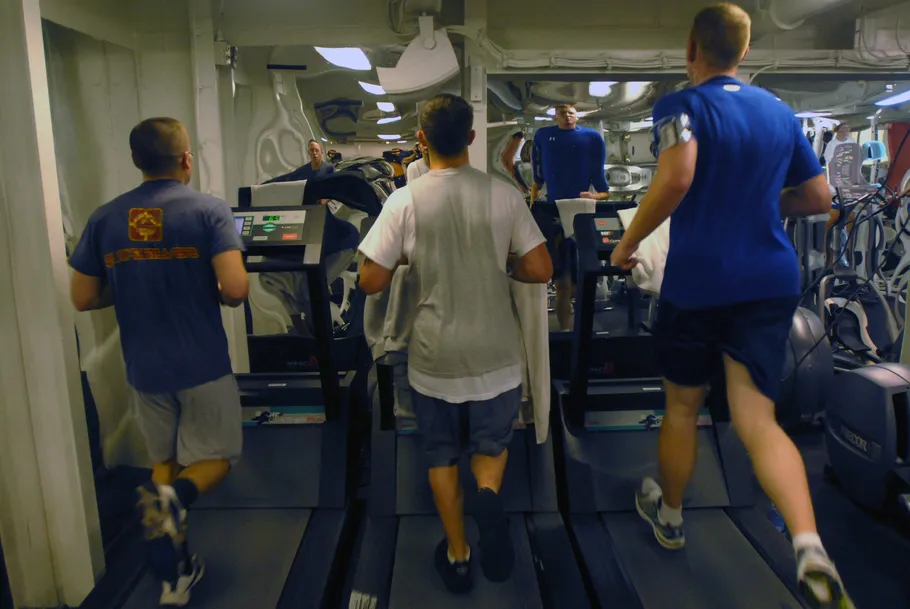
Short runs inside a mixed session are the cross-trainer’s home ground: a few minutes on the treadmill or around the block between lifting blocks, where the shoe’s cushion is enough and its stability still holds. The Nano review flag matters here — not ideal beyond about 1.5 miles — so treat the cross-trainer as the shoe for runs measured in minutes, not miles, and keep a dedicated running shoe for the longer days. If your week has both, the cross-trainer covers the mixed days and the running shoe covers the long days, and neither is asked to do the other’s job.
Choose Your Size
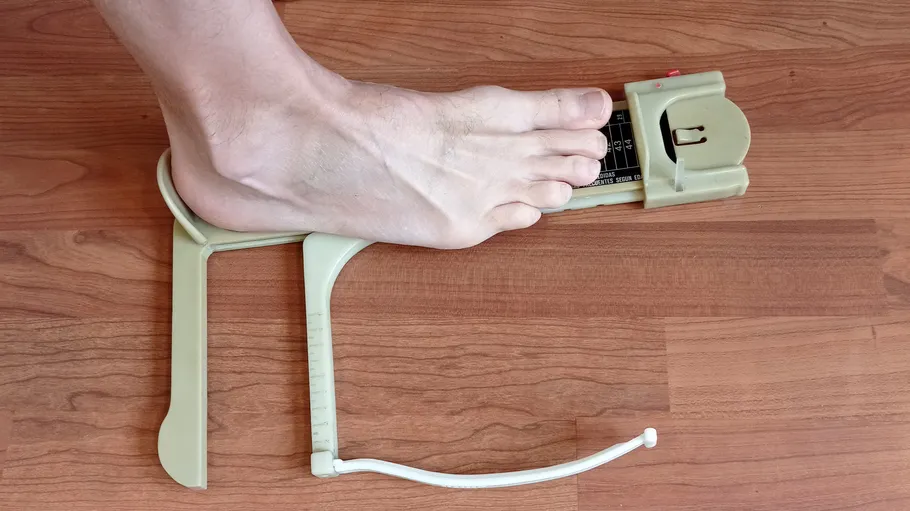
Size is the test, because this guide’s sizing flags disagree and no single rule covers all six. Measure both feet standing, in the socks you train in, and take the longer foot’s length — then compare it against the listing’s own size chart, not against your usual size in another brand. The Nano flag says half a size up per one review, the NOBULL flag says slightly large per one source, and the Minimus flag splits between half a size small and true to size for narrow feet — so the listing’s own guidance, for the exact model and version, is the only sizing note that counts. Where two sizes feel possible, the larger one usually wins for a trainer: toes need room to spread under load, and a pinched toe box ruins a lifting session faster than a slightly roomy heel does.
Width is the second half of size. The Minimus offers Medium and 2E, and the CXT-2 offers an extra-wide option, while the other picks state no width range in the records checked — so a wide-footed buyer should start with the two that name a wide option, and check the listing’s width note on any other pick before ordering. Try the shoes on carpet first, walk, squat and side-step in them, and check three things: the heel stays locked without lifting, the toes can wiggle and spread, and the midfoot does not slide sideways on a cut. If any of the three fails, the size or the model is wrong, and a different size of the same shoe rarely fixes a midfoot slide — that is a model problem, not a size problem.
Choose Your Features
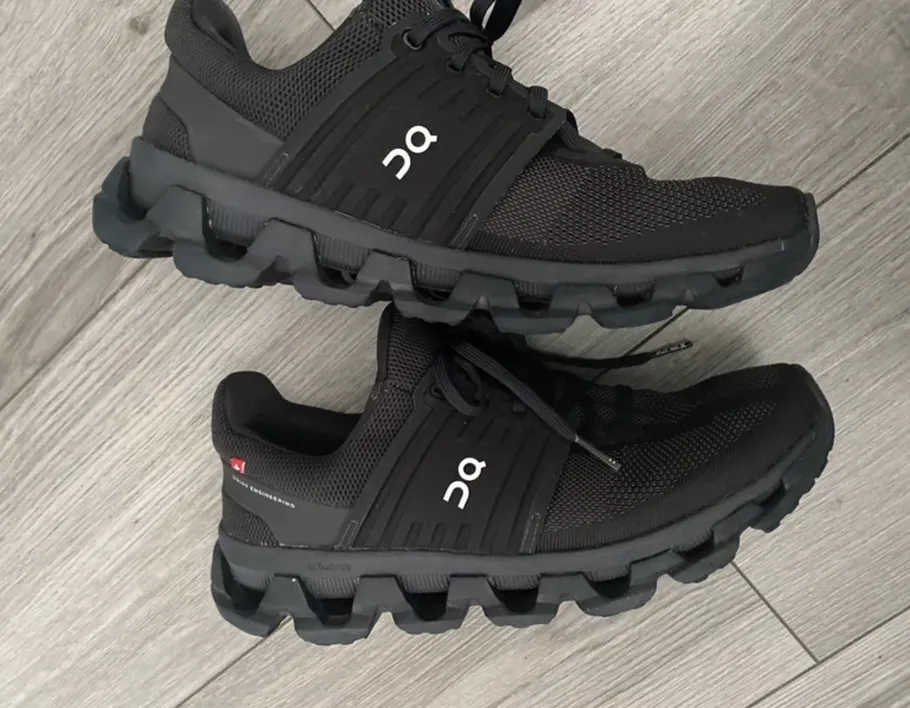
Features are the trade-offs, and each one buys something by giving something up. Drop buys ground feel at the cost of cushion: the Reign’s 2 mm and the Minimus’s low stack feel the floor, while the Nano’s 7 mm and the CXT-2’s structure cushion more and feel less. Cushion buys landing softness at the cost of stability: deep foam, like the pods in the figure above, softens jumps and runs but wobbles under a bar, which is why the firmest picks here keep their foam thin. Outsole buys grip at the cost of weight: full rubber and herringbone tread hold the floor and survive ropes, while lighter, thinner outsoles wear faster on rough ground. Upper buys durability at the cost of breathability: guard plates like the NOBULL’s survive ropes and scuffs but vent less than open mesh, so a hot-gym buyer and a rope-climbing buyer want opposite uppers.
Two features deserve their own check before ordering: the rope guard and the heel lock. If your sessions include rope climbs, the guard matters more than the foam — a mesh upper without a guard shreds in weeks, while a guarded upper like the NOBULL’s or the Metcon’s keeps going. If your sessions include heavy lifts, the heel lock matters more than the colour — a wrap, a clip or a counter that holds the heel down is what keeps a lift planted, and a shoe without one rolls no matter how good its foam is. After the session, recovery is the other half of the pair: our best saunas for home gyms covers the heat session that follows a hard training day, while the shoe itself just needs to be dried and aired before the next one.
Choose Your Placement
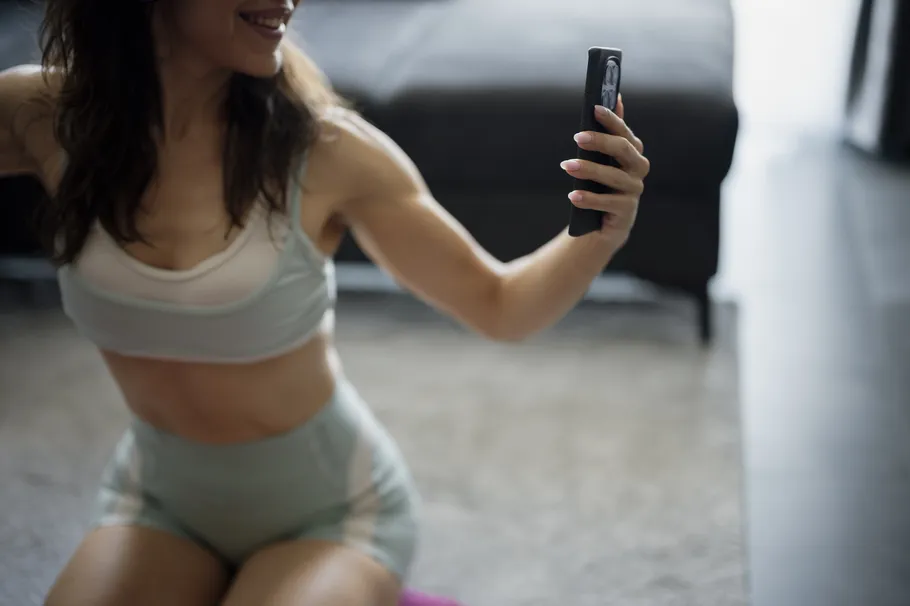
Placement is where the shoe lives and where it trains. A cross-trainer needs a clear corner of floor — a mat’s worth, with room to step sideways and jump without hitting furniture — and a dry spot by the door where it airs between sessions, not a damp corner where foam stays wet. Keep the training pair for training: wearing it all day outside wears the outsole on pavements, packs the midsole under body weight for hours, and turns a lifting shoe into a walking shoe within months. One pair for the gym corner, another pair for the street, and the trainer’s grip and foam last far longer.
Floor matters as much as the shoe. A hard, flat floor — wood, rubber matting or a firm platform — lets a low-drop shoe do its work, while a soft carpet dulls its ground feel and a wet or oily floor defeats any outsole. Train on the same surface you measured the shoe on where possible, and keep the corner clear: a dumbbell left in the landing zone is a twisted ankle waiting for a jump, and a mat edge curled up is a trip waiting for a side step. The shoe is only half the grip — the floor is the other half, and both need to be clean, dry and clear before the session starts.
Safety
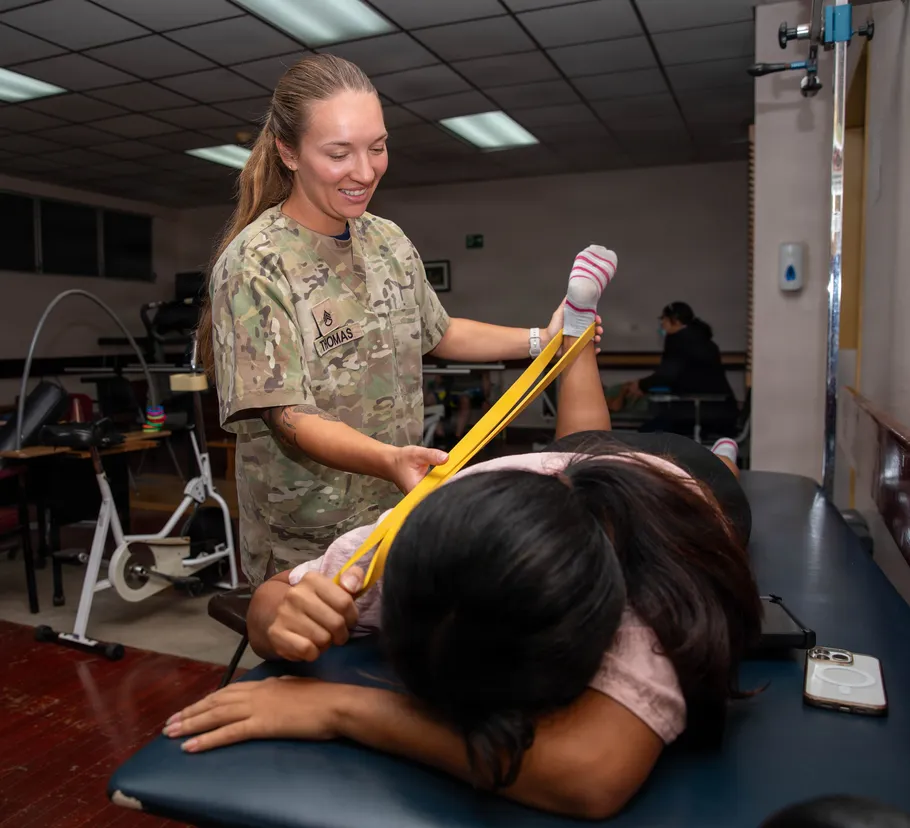
1. Check with a clinician first if you have a foot, ankle or knee injury or surgery, if you have diabetes or any condition that affects feeling in the feet, if you have flat feet, plantar pain or a history of stress fractures, if you have balance problems or numbness in the legs or feet, or if any condition makes jumping, cutting or heavy lifting risky — a shoe supports the foot, it does not diagnose or treat anything.
2. Break new shoes in gradually: wear them for short, light sessions first, then build up to full sessions only if the feet stay comfortable — never debut a new pair on a max-effort day, a long class or a competition, because blisters, hot spots and midfoot rub all show up late in a session, not in the first ten minutes.
3. Check the fit before every session: the heel stays locked without lifting, the toes can wiggle and spread, the midfoot does not slide sideways on a cut, and the laces or closure sit snug without cutting circulation — and stop at once if the shoe slips, pinches or rubs a new spot, because a fit problem in minute five is an injury problem in minute fifty.
4. Stop at once and talk to a clinician if sharp foot, ankle or knee pain appears during training, if numbness, tingling or weakness appears in the feet or legs, if swelling follows a session, or if anything about your feet or joints worries you afterwards — and never push through sharp pain to finish a set, a class or a run.
5. Replace worn shoes before they fail you: check the outsole for smooth patches and worn-through tread, the midsole for compression lines and uneven collapse, and the upper for tears at the guard plates and toe bumper — and retire a pair whose tread is gone on one side, whose foam leans, or whose heel counter has collapsed, rather than training on it.
6. Train on a suitable surface and keep the corner clear: a clean, dry, flat floor or mat, no wet or oily patches, no dumbbells or plates in the landing zone, no curled mat edges in the path of a side step — and never train in socks alone on a smooth floor if the session includes jumps or cuts, because grip is the shoe’s job and the floor’s job together.
7. Keep shoes dry, aired and inspected: air them after every session, never store them wet or in a sealed bag, check the laces, closure, guard plates and outsole before each session, and keep them away from children and pets, who should never train in an adult’s shoes or use them as toys.
These notes are general information only, not medical advice — if pain, an injury or a medical condition worries you, talk to a clinician before training in a new shoe.
Frequently Asked Questions
Can cross-training shoes fix flat feet, knee pain or posture problems?
No — and no shoe in this guide claims to. A cross-trainer supports the foot and steadies the base while you train, but flat feet, knee pain and posture problems have causes a shoe cannot diagnose or treat, and a shoe marketed as a fix should be read as a marketing claim, not a medical one. If pain, flat feet or posture worries you, talk to a clinician first, and choose the shoe for training comfort and stability, not as a treatment.
Can I run long distances in cross-training shoes?
Short runs, yes; long runs, no. A cross-trainer handles the short run inside a mixed session — a few minutes on the treadmill or around the block between lifting blocks — but its firm midsole and flat base are not built for miles of forward pounding. The Nano review flag in this guide puts the line at about 1.5 miles, and the same logic holds across the six: if the run is the session, a running shoe wins, and the cross-trainer stays the shoe for the mixed days.
Do I need a different shoe for lifting days and class days?
Not necessarily — that split is exactly what a cross-trainer is for. A lift-led week leans toward the Metcon 9 or the CXT-2, a class-led week toward the Nano X4 or the Minimus, and an agility-led week toward the Reign 6, but one pair covers a mixed week in all three cases. The only split that genuinely needs a second shoe is the extreme one: heavy squat specialists who want a raised heel, and long-distance runners who want a soft, curved shoe — and both are different shoes for different jobs, not upgrades to the cross-trainer.
How long do cross-training shoes last, and how do I break them in?
Break them in over short, light sessions first — a few easy workouts before any max day or long class — and watch for hot spots at the heel, the midfoot and the toes, which are the three places a new shoe rubs. Lifespan depends on the upper and the outsole: guard-plated uppers like the NOBULL’s survive rope climbs and rough ground far longer than open mesh, while thin outsoles wear faster on pavements and outdoor ground. When the tread smooths on one side, the foam leans, or the heel counter collapses, the pair is done — and keeping the training pair off the street stretches that day much further out.
Which of these shoes fit wide feet?
The two that name a wide option: the Minimus TR v2, which offers Medium and 2E widths, and the CXT-2 Trainer, which offers an extra-wide option alongside its wider anatomical toe box. The NOBULL Trainer+ also runs on a wider, less-tapered outsole, which helps wide feet even without a named wide size. The other three picks state no width range in the records checked, so a wide-footed buyer should start with the two that name one, and check the listing’s width note on any other pick before ordering.
What floor should I train on at home?
A clean, dry, flat floor — wood, rubber matting or a firm platform — with a mat’s worth of clear space for side steps and jumps, and no wet patches, no curled mat edges and no equipment in the landing zone. A soft carpet dulls a low-drop shoe’s ground feel, and a wet or oily floor defeats any outsole, so the floor is half the grip and the shoe is the other half. Our best gym flooring for home gyms covers the mats and tiles that build that corner, while this guide covers what your feet stand in on top of it.
Our Pick: Start Here
Start with the Nike Metcon 9 if your sessions lean toward lifting, or the Reebok Nano X4 if your sessions mix everything evenly — and reach for the New Balance Minimus TR v2 only if you know you want the lightest, most minimal feel and have checked its unsettled sizing first. Whichever you start with, confirm the exact model and version from the listing, measure your feet against its size chart, and break the pair in over short sessions before any max day. The classic first, the specialist second, and the minimal last — that order keeps the first pair the safest bet, not the boldest one.
As an Amazon Associate, we earn from qualifying purchases made through links on this page, at no extra cost to you.
Specifications come from maker records and listing records at the time of writing and can change without notice — the drops, weights, stacks and model numbers above are the settled records we found, with conflicts stated in the text, not smoothed over. Always confirm the current listing before ordering.