

Why Posture Correctors Belong in a Home Gym

🏠 A posture corrector is a wearable you put on. It pulls your shoulders back, or it buzzes when you slouch. That is the whole idea, and it is what makes it different from everything around it in a home gym.
It is NOT a back stretcher. Our back stretchers guide covers passive arched devices you lie on. A corrector is worn, not lain on.
It is NOT a weightlifting belt. Our weightlifting belts guide covers load support for heavy lifts. A corrector is for daily sitting, standing and walking, not for a one-rep max.
It is NOT posture exercises either. Our posture exercises guide trains the muscles that hold you upright. A corrector reminds you while those muscles are still learning — it does not replace the training.
That is why one belongs in a home gym. The desk sits next to the rack for most people now. A corrector covers the hours between workouts, when slouching actually happens. 🪑
How We Picked
We scored every pick on the same six points:
- Fit range — does the maker’s own size chart cover small and large frames, or only the middle?
- Adjustability — can straps, closures and bands be tuned, or is it one fixed shape?
- Breathability — will it stay comfortable for a full wear session, or turn sweaty fast?
- Wear-time guidance — does the maker say how long to start with and build up to?
- Type honesty — strap, structured or sensor, described as it actually works, not as a cure.
- Honest limits — sizing complaints, disputed specs and conflicts printed, not smoothed over.
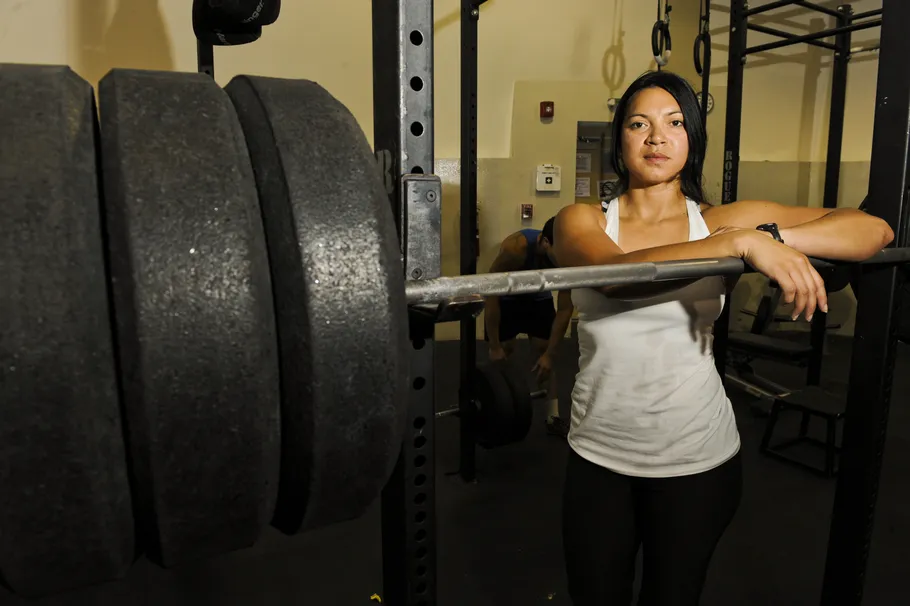
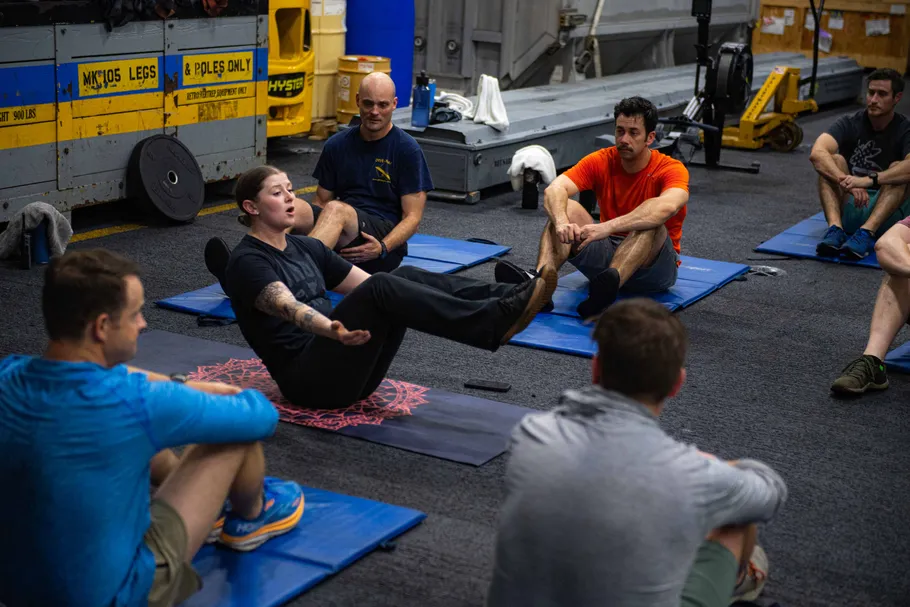
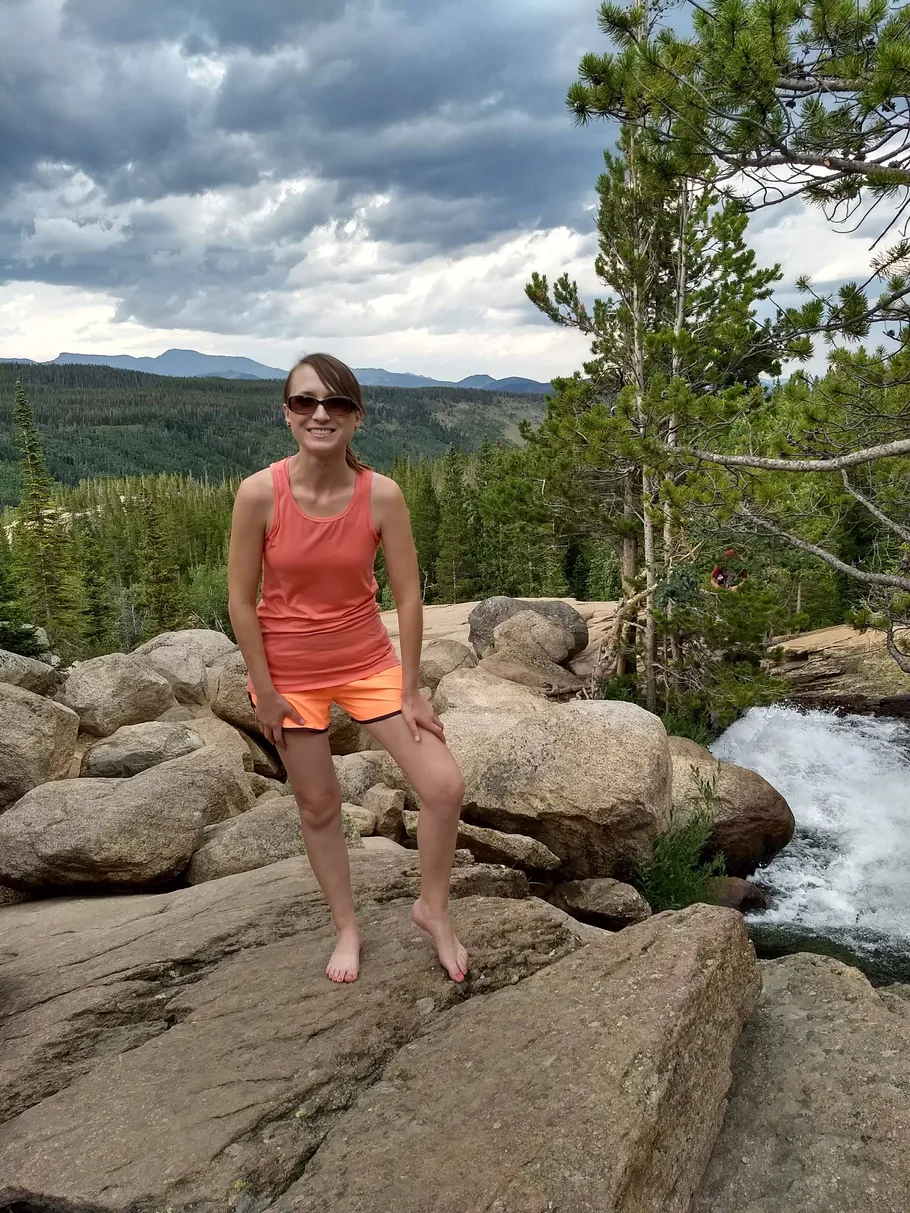
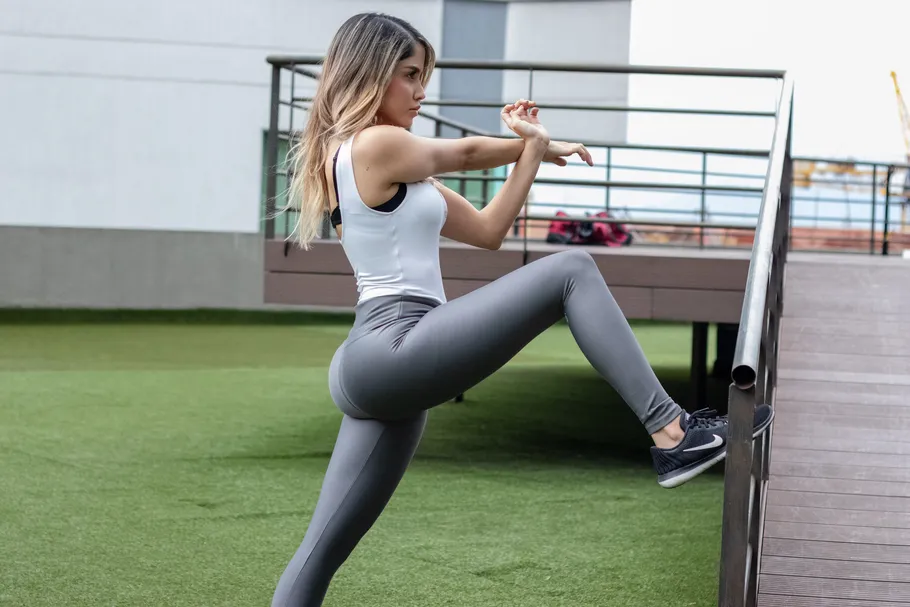
📸 Photo honesty: none of the photos in this guide show a named pick itself. They are honest generic scenes — desk work, walking, stretching, gym training — used to illustrate each section, not presented as product shots.
Also considered, without links: the UPRIGHT GO S (the maker’s smaller sensor trainer), further colour variants of the BackEmbrace split-strap line, and generic one-size figure-8 braces. The GO S lost out on training-program depth, the colour variants are the same brace in a different shade, and the generic one-size braces lost out on size charts we could verify. No price is printed anywhere in this guide.
Comparison
| Pick | Type | Sizes | Standout |
|---|---|---|---|
| ComfyBrace Posture Corrector | Figure-8 strap | Chest 30″–43″ | Fully adjustable classic |
| Truweo Posture Corrector | Figure-8 clavicle strap | Chest 28–44″ | Foam straps, hook-and-loop fit |
| BackEmbrace Posture Corrector | Split-strap | XS/S, M/L, XL | Front closure, made in USA |
| FlexGuard Support Back Brace | Full-back neoprene | S/M, L, XL (waist + height) | Waist band + shoulder straps |
| Fit Geno Back Brace Posture Corrector | Structured stays | Adjustable straps; check listing chart | Four fiberglass support stays |
| UPRIGHT GO 2 | Sensor trainer | One size (adhesive or necklace) | Vibration + app training |
Table honesty: there is no price column because this guide prints no prices, and no weight column because the records give weights in unlike units — ounces for some picks, grams for the sensor, package weight for another — and one figure is disputed. FlexGuard’s size bands share their boundary numbers (76 cm and 86 cm appear in two sizes each), so measure carefully and use the listing’s own chart. Fit Geno’s size range was not settled in the records we checked, so its cell says so rather than inventing a range. All sizes above come from maker or listing records; verify them on the listing before ordering.
ComfyBrace Posture Corrector — Best Classic

🎯 ComfyBrace is the classic figure-8 brace, done properly. Two straps over the shoulders, one adjustable band around the torso, and nothing else to learn. It is the shape most people picture when they hear “posture corrector”.
The fabric is soft and breathable, and the whole brace is fully adjustable. That matters more than it sounds: a figure-8 brace only works if the straps sit evenly, and adjustable straps let you fix that instead of living with a lopsided pull.
Sizing is by chest, from 30 inches to 43 inches. The maker’s guidance is to start at 5 to 10 minutes a day and increase gradually. That slow start is the right advice for any strap brace, and it is good to see it printed plainly.
⚠️ One flag: one record states the product data says this corrector is not a medical device. Treat it as a daily-wear support and reminder, not as medical equipment.
Pros
- Fully adjustable straps for an even fit
- Breathable soft fabric for longer wear
- Wide chest range, 30″–43″
Cons
- Classic strap look shows under thin shirts
- Needs regular re-adjusting as straps settle
- Not a medical device, per product data
Listing check: chest sizes and colours vary by listing, so match your measured chest to the listing’s own chart before ordering, and check the current size range rather than assuming it.
Best for: first-time buyers who want the standard adjustable strap brace.
May not fit: anyone who needs a brace that disappears under a thin shirt.
Truweo Posture Corrector — Best Lightweight
🪶 Truweo is the lightweight pick. It is a unisex figure-8 clavicle brace with soft foam straps and hook-and-loop closures, built to be forgotten about once it is on.
The listed weight is 1.5 ounces, and the chest range runs from 28 to 44 inches — the widest chest range in this guide. Foam straps are kinder on skin than bare webbing, and hook-and-loop closures make small adjustments quick.
The maker’s guidance is to start at around 15 minutes and build up to 2 hours a day. That ceiling matters: even the lightest brace is not meant to be worn all day.
⚠️ Two flags. First, some users with very small or larger frames reported sizing difficulty, so measure rather than guessing your size. Second, one old source carries a “doctor-approved” claim — we treat that as a claim, not as a fact we adopt.
Pros
- Very light listed build at 1.5 ounces
- Widest chest range here, 28–44″
- Foam straps with easy hook-and-loop fit
Cons
- Sizing complaints at very small and larger frames
- Light build means less rigid support
- Old “doctor-approved” wording is a claim only
Listing check: check the listing’s own chest chart and return terms before ordering, especially if you sit near either end of the 28–44 inch range.
Best for: all-day-light wear and anyone who hates heavy straps.
May not fit: very small or larger frames without careful measuring first.
BackEmbrace Posture Corrector — Best Slim/Discreet
👔 BackEmbrace is the discreet pick. Its split-strap system replaces the usual single-strap cross with two straps that sit flatter, and the front closure means you do not have to wrestle it on behind your back.
The material is custom-woven, lightweight and breathable, and the brace is made in the USA. Three sizes cover the range: XS/S, M/L and XL. Sizing is measured below the bust line, not around the chest — a detail worth getting right, because the two measurements give different answers.
⚠️ Sizing warning, printed as the maker states it: the XS/S size runs small, and buyers within XS/S who weigh over 125 lb or measure over 5 ft 8 in may want to size up. Most men wear M/L or XL. Package weight is listed at around 4.96 ounces, but note that is package weight, not the brace alone.
Pros
- Split straps sit flatter under clothes
- Easy front closure, no behind-back struggle
- Lightweight breathable woven material
Cons
- XS/S runs small — size up if over 125 lb or 5 ft 8 in
- Below-bust measuring confuses first-time buyers
- Listed weight is package weight, not brace weight
Listing check: measure below the bust line as the maker directs, and if you land in XS/S above 125 lb or 5 ft 8 in, check the listing’s sizing notes before choosing.
Best for: wearing under work clothes without a visible strap outline.
May not fit: buyers who measure by chest alone and skip the below-bust step.
FlexGuard Support Back Brace — Best Full-Back
🎒 FlexGuard is the full-back pick. Neoprene body, cushioned shoulder straps that pull the shoulders back, and a waist band that supports the mid and lower back too. Most strap braces stop at the shoulders; this one keeps going.
Sizes are set by waist and height together. One record gives: S/M for waists 61–76 cm and heights 150–165 cm, L for 76–89 cm and 165–180 cm, and XL for 86–101 cm and 180–190 cm. Notice the shared boundaries — 76 cm sits in two sizes, and so does 86 cm — so if you land on a boundary, the listing’s own chart has the final word.
⚠️ Two conflicts, printed rather than smoothed over. First, some buyers found the brace smaller than expected and complained the size chart was inaccurate. Second, sources disagree on how many sizes exist at all — four in one record, three in another, two in a third. We print the three-size chart above because it is the most detailed record, and we direct you to the listing’s own chart for the version actually on sale.
Pros
- Supports mid and lower back, not just shoulders
- Cushioned straps for longer wear sessions
- Neoprene body with a proper waist band
Cons
- Size-chart inaccuracy complaints from buyers
- Sources disagree: 4, 3 or 2 sizes
- Shared boundaries at 76 and 86 cm confuse sizing
Listing check: this is the one pick where the listing’s own chart matters most — verify waist, height and the number of sizes on the actual listing before ordering.
Best for: anyone who wants lower-back coverage along with shoulder pull.
May not fit: buyers who want a simple one-measurement size choice.
Fit Geno Back Brace Posture Corrector — Best Structured
🏗️ Fit Geno is the structured pick. Four fiberglass support stays run down the back, giving it a rigid spine that soft strap braces do not have. Around them: breathable mesh, neoprene and polyester, dual adjustable shoulder straps, and a waist support band.
The structure is the point. Where a soft brace only pulls, stays hold a shape — which suits people who find soft straps roll, twist or lose tension during the day. It is hand-wash only, so care takes a little more effort than a machine-washable strap.
⚠️ Conflict, printed as found: records disagree on whether the four fiberglass rods are removable or sealed and non-removable. We could not settle it from the records checked, so check the listing’s description for the version on sale. Separately, one review calls this pick FSA/HSA eligible — that is a review claim only, not a fact we adopt.
Pros
- Four fiberglass stays hold shape all day
- Breathable mesh with dual adjustable straps
- Waist support band as well as shoulder pull
Cons
- Removable vs sealed rods: records disagree
- Hand-wash only care
- Size range not settled in records checked
Listing check: confirm the rod design and the size chart on the listing itself, since both were unsettled in the records we checked.
Best for: anyone whose soft braces roll or lose shape during the day.
May not fit: anyone who wants the lightest, softest, most invisible brace.
UPRIGHT GO 2 — Best Smart Trainer

📳 UPRIGHT GO 2 is the odd one out, and that is why it is here. There are no straps at all. It is a small sensor worn on the upper back, stuck on with adhesive or hung from a necklace, that vibrates when you slouch forward past your set threshold.
Inside are two sensors — a 3-axis accelerometer and a gyroscope — and the companion app offers 9 training programs. Two modes split the job: Training mode vibrates to correct you, Tracking mode silently logs your posture and syncs to the app. Maker-listed weight is under 12 grams, so it disappears under a shirt in a way no brace can.
⚠️ Honest limits. It detects forward slouch only — not leaning back, not sideways slouch, and not chin jut. It also needs charging, and the adhesives are a consumable you will keep buying. If you will not charge it and restock adhesives, a strap brace is the better buy.
Pros
- No straps — invisible under a shirt
- Real-time vibration feedback, not just pulling
- 9 app training programs with progress tracking
Cons
- Forward slouch only — misses other slouch types
- Needs charging and adhesive refills
- App and sensor setup is more work than a strap
Listing check: confirm what is in the box — sensor, adhesives and necklace options vary by listing — and check adhesive refill availability before ordering.
Best for: people who want training feedback instead of being pulled straight.
May not fit: anyone who will not charge a device or buy adhesive refills.
How to Choose

🧭 Choosing a corrector is simpler than choosing a machine. There are only four decisions: type, size, features and placement. Get those right and the rest takes care of itself.
Choose Your Type

Strap braces are the default. Figure-8 straps (ComfyBrace, Truweo) pull the shoulders back; split straps (BackEmbrace) sit flatter; full-back braces (FlexGuard) add a waist band; structured braces (Fit Geno) add rigid stays.
Sensor trainers (UPRIGHT GO 2) are the other family. No pulling at all — just a buzz when you slouch forward. Pick straps if you want physical support, and a sensor if you want to train awareness and will actually charge it.
Choose Your Size
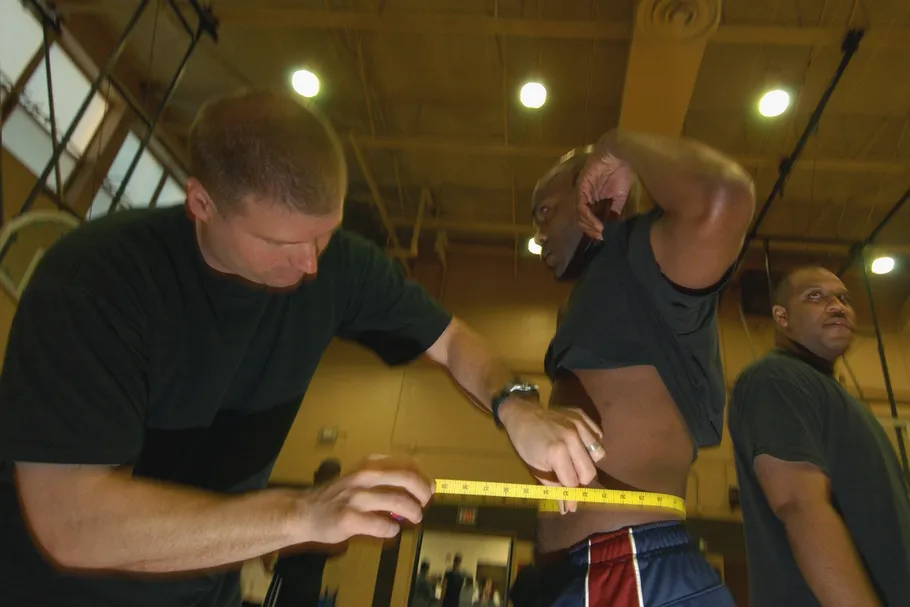
📏 Measure before you order, with a soft tape, standing relaxed. Chest for ComfyBrace (30″–43″) and Truweo (28–44″). Below the bust line for BackEmbrace (XS/S, M/L, XL). Waist plus height for FlexGuard — and watch the shared 76 cm and 86 cm boundaries.
For Fit Geno, the records we checked did not settle a size range, so the listing’s own chart is the only safe source. For UPRIGHT GO 2 there is no size at all — one sensor, adhesive or necklace. When in doubt between two sizes, check the listing’s return terms before ordering, not after.
Choose Your Features

Features worth paying attention to: adjustable straps (all five strap picks have them), padded or foam straps for comfort (Truweo, FlexGuard), a front closure if dressing is a struggle (BackEmbrace), breathable fabric for long sessions, and app training if you go the sensor route.
For recovery pairing after training, our saunas guide covers heat sessions that sit well alongside posture work. A corrector handles the desk hours; the sauna handles the wind-down.
Choose Your Placement

Three places, three answers. At a desk, a slim or classic strap (BackEmbrace, ComfyBrace) or a sensor (GO 2) works best, since bulk shows in a chair. Walking, any strap or the sensor works — movement keeps straps from digging in.
Training is the exception. Do not lift heavy in a posture corrector, and never substitute one for a weightlifting belt. A corrector is for the hours around training, not for under the bar.
Safety
1. Ask a clinician first if you have back or neck pain, a diagnosed spine condition, numbness or tingling, or a history of spine problems. A corrector is not a diagnosis and not a treatment.
2. Start short. Five to fifteen minutes on day one, then build gradually, following the maker’s guidance for your pick. Never start with all-day wear.
3. Stop and remove it if you feel pain, numbness, tingling, skin irritation or difficulty breathing. Discomfort that grows is a signal, not something to push through.
4. Do not wear it all day. Even the lightest pick in this guide caps daily wear at around two hours in its maker guidance. Your muscles need to hold you up on their own for most of the day.
5. Check the skin under straps and sensor adhesive every day. Wash straps as directed, let skin breathe between sessions, and stop using adhesives if they irritate your skin.
6. Children, pregnancy and post-surgery use are clinician-only decisions. Do not size a child into an adult brace, and do not wear a brace over a healing injury without medical advice.
7. A corrector supports and reminds. It does not replace movement, strength work, stretching or a proper desk setup — those do the lasting work, and the corrector only covers the hours between them.
This section is general information only, not medical advice. If you have pain, a condition or any doubt, talk to a clinician before wearing a posture corrector daily.
Frequently Asked Questions
Will a posture corrector fix my posture?
No. A corrector reminds you and supports you while you wear it, but it does not treat, cure or permanently fix posture on its own. Lasting change comes from movement, strength work and habits. If you have pain or a diagnosed condition, see a clinician rather than expecting a brace to fix it.
How long should I wear one each day?
Start at 5 to 15 minutes, following your pick’s maker guidance, and build up slowly. Truweo’s guidance tops out at around 2 hours a day, and no pick in this guide is meant for all-day wear. Do not sleep in a corrector.
Can I wear one under my clothes?
Yes, with the right pick. BackEmbrace is the slimmest here thanks to its split straps, and the UPRIGHT GO 2 sensor hides under a shirt entirely. Bulkier neoprene and structured braces will show under thin shirts, so save those for looser layers.
Should I pick straps or a sensor?
Straps physically pull your shoulders back and need no charging, but they show under clothes and need adjusting. A sensor only buzzes on forward slouch — it misses leaning back, sideways slouch and chin jut — and it needs charging plus adhesive refills. Pick the reminder style you will actually live with.
Does a corrector help at a desk?
That is its main use case. Desk hours are when slouching happens, and a corrector covers exactly those hours. But screen height, chair setup and regular breaks matter just as much — a corrector cannot fix a bad desk setup on its own.
What else should my home gym have for posture work?
Floor space for the stretching and strength work that actually builds posture. Our gym flooring guide covers surfaces that protect both your floor and your joints while you do that work.
Our Pick: Start Here

🚀 Start with the ComfyBrace Posture Corrector if you want the classic adjustable strap and a wide size range. Pick the BackEmbrace Posture Corrector if discretion under work clothes matters most. Pick the UPRIGHT GO 2 if you want training feedback instead of being pulled straight. Whichever you choose, measure first, start at a few minutes a day, and let movement do the lasting work.
Disclosure: As an Amazon Associate, we earn from qualifying purchases made through links on this page, at no extra cost to you. Specifications, sizes and listing details may change over time — always verify them on the listing itself before ordering.