

Why Back Stretchers Belong in a Home Gym
A back stretcher is a passive arched or wheeled device you lie on that extends the spine: an arch board with levels, a set of wheels in graduated sizes, a foam arch, a long traction board, or a pin-covered board. You lie back on it, gravity and your own body weight do the extending, and the session is short — a few minutes on the floor beside your rack, not a workout in itself. After a heavy session, the back carries the day’s sitting and lifting, and a stretcher is the home-gym answer to that one area, used in short sessions between training days. 🧘
Know what a back stretcher is not. It is not a massage cushion: a powered strap-on pad that kneads the back from a chair, which our best massage cushions for home gyms, the previous guide in this series, covers, while a stretcher has no motor, no nodes and no cord — it is a shape you lie on, and gravity does the work. It is not an inversion table either: a frame that hangs you upside down, which our best inversion tables for home gyms covers, while a stretcher keeps you on the floor, on your back, with the arch doing the extending. And it is not a foam roller, which you roll along the back yourself, and not a massage table — a flat padded platform you lie on while someone else works on you — which arches nothing at all. A stretcher is the passive middle of that family: more shape than a roller, less machinery than a cushion, and nothing like a hanging frame.
Back stretchers are routine in home gyms and living rooms, and one brings that setup to the floor beside your gym. After a heavy session, the stretcher is what you lie on while you rest — the arch holding your back open while you breathe — and on rest days it is a short, floor-based ritual that needs no appointment, no second person and no new furniture beyond a mat’s worth of floor.
How We Picked
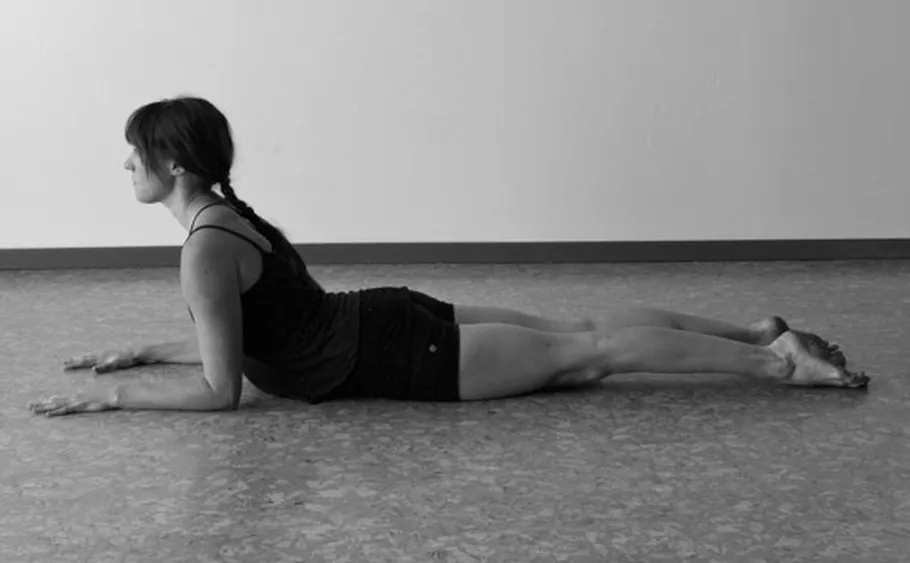
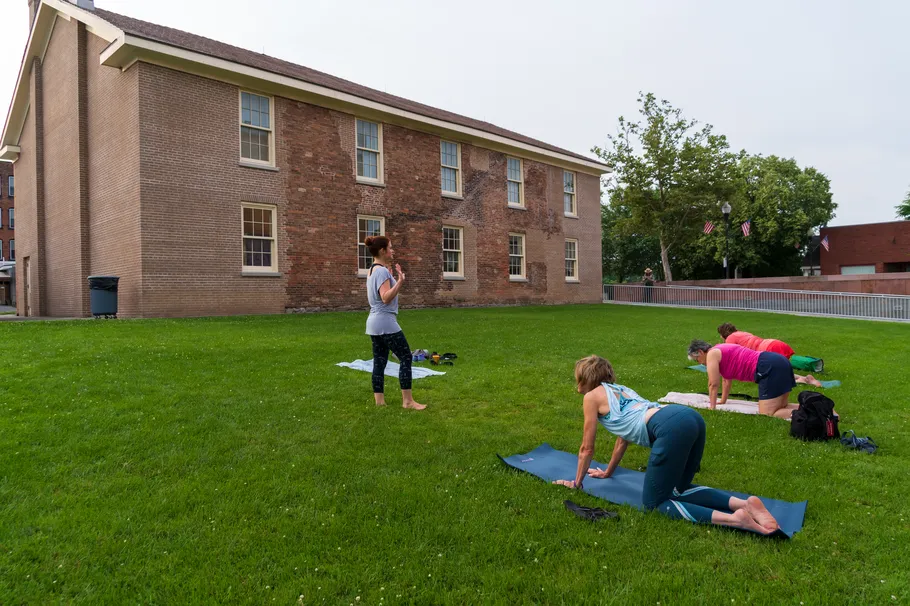
We compared six back stretchers that are genuinely sold for home use right now, using maker manuals and listing records — not hands-on testing, and not roundup scores copied from other sites. Every photo in this guide is an honest stretching scene, not a product shot of the named stretcher, because free-license photos of the exact named products do not exist for this category. Where records disagree, the article says so instead of picking the flattering number — and this category disagrees a lot, because weight capacities, dimensions and arch heights are stated differently across manuals, listings and roundups for the same model.
- Form: wheels, an arched board, a foam arch, a traction board, or a pin-covered board — and whether the form needs the floor or a chair.
- Arch and adjustment: fixed arch, levelled arch, or graduated wheel sizes — and whether the arch height is stated in comparable units at all.
- Surface: smooth, spiked, pin-covered or grooved — and whether the surface touches the spine or keeps pressure beside it.
- Size and fit: the device’s own length against your back’s length, and any height range the records state.
- Weight capacity: the stated limit, where one exists — and the conflicts, where records disagree.
- Honest limits: what each stretcher cannot do, stated in its own section.
Also considered: the Chirp Wheel Pro (named, not picked — a single Chirp wheel variant, not the 3-pack below, and not merged into it); a newer Chirp model in 5 sizes mentioned in one source (named, not picked — a different size range from the 3-pack’s 3 sizes, not merged into it); the Magic Back Support 2020 Upgrade variant (named, not picked — a separate variant with a 360 lb record, not merged into the standard Magic pick below); generic unbranded lumbar stretcher boards (named, not picked — arch boards with no settled maker record, not merged into any pick below); generic yoga wheels (named, not picked — wheels you roll on for yoga poses, a different use from the grooved spinal-canal wheel set below); and the Chirp Wheel+ rechargeable-adjacent accessories sold beside the wheels (named, not picked — accessories, not stretchers). None of the six picks below hides a conflict like those — where a pick’s own records disagree, the disagreement is printed in its section.
Comparison
| Pick | Form | Arch / Adjustment | Surface | Standout |
|---|---|---|---|---|
| Chirp Wheel+ 3-Pack | Wheels, 3 sizes | 12 / 10 / 6 in wheels, spinal groove | ABS core + EVA mat | Wheel |
| Magic Back Support | Arched board | 3 arch levels | Spikes + foam centre | Budget |
| Solidback | Foam arch | Fixed arch | Spiky dense EVA foam | Foam Arch |
| TRUE BACK Original | Board, traction | Fixed form, 30 suspension points | Moulded plastic rails | Traction |
| North American Healthcare Arched | Vinyl arch | Either end up, torso or butt elevated | Soft vinyl over wood | Long Arch |
| Spine Orthopedic | Arched board | 4 stretch levels | 88 acupressure pins | Acupressure |
Read the table honestly. It carries no weight column on purpose: weight capacities are disputed or missing across the field — the Chirp Wheel+ reads 500 lb in maker and manual records, the Magic Back Support reads 330 lb in roundups against 220 lb on one retailer variant, 200 kg (about 440 lb) on another retailer, and 360 lb on the separate 2020 Upgrade variant, the Solidback reads up to 300 lb in roundups only, and the TRUE BACK, the North American arch and the Spine device state no settled weight limit in the records checked — so a weight column would mix maker figures, retailer variants and blanks as if they were one measurement. It carries no deepest crown either: arch heights are measured differently across the field — levels on the Magic and Spine boards, inches of wheel diameter on the Chirp set, a fixed foam arch on the Solidback, a fixed board form on the TRUE BACK, and an either-end-up arch on the North American — so crowning a deepest pick would compare levels against diameters against fixed forms as if they were one measurement. Dimensions are likewise not crowned: the North American arch’s only dimension record looks like package dimensions, and the Spine device’s dimensions disagree between tables, so neither is ranked here.
Chirp Wheel+ 3-Pack
The Chirp Wheel+ 3-Pack is the wheel pick because it is the only pick here that rolls: three wheels in graduated sizes — 12 inches Gentle, 10 inches Medium and 6 inches Deep Tissue — each 5 inches wide to fit between the shoulder blades, with an ABS plastic core and a compression-sensitive EVA mat, and a central spinal canal (a groove) that keeps pressure off the spine itself. You lie back over a wheel and roll gently along the back, changing wheel size to change the depth — the big wheel for a gentle arch, the small wheel for the deepest one. It is the pick for a buyer who wants a moving stretch rather than a fixed arch, and for a buyer whose back needs different depths on different days.
The record carries two flags, and both are printed here. One source calls the 6 inch wheel the “beginner” wheel, which conflicts with the maker’s own mapping — 12 inches gentle, 6 inches deep tissue — and this guide follows the maker: the small wheel is the deepest, not the beginner’s. And one source mentions a newer Chirp model in 5 sizes, which is a different size range from this 3-pack’s 3 sizes, not a fourth, fifth or sixth wheel in this box — confirm the 3-pack (12, 10 and 6 inches) before ordering. The maker’s 500 lb weight capacity and 4-way stretch mat claim are maker records, printed as such.
Pros
- Three graduated wheels: gentle, medium and deep in one box.
- Spinal canal groove keeps pressure off the spine itself.
- Rolls along the back — a moving stretch, not a fixed arch.
Cons
- One source mislabels the 6 inch wheel as “beginner” — it is the deepest.
- A newer 5-size model exists — confirm the 3-pack before ordering.
- Needs floor space to roll — not a chair-seated device.
Listing check: confirm the Chirp Wheel+ 3-Pack (12, 10 and 6 inches — not the single Wheel Pro, and not the newer 5-size model) before ordering, and check the wheel sizes and the spinal groove from that listing itself. If the listing shows one wheel only, it is a single, not this pack, and if it shows five sizes, it is the newer model, not this pick.
Best for: a buyer who wants a rolling stretch with three depths in one box, and a groove that keeps pressure off the spine.
May not fit: anyone who wants a fixed arch to lie still on, a chair-seated device, or a single wheel only.
Magic Back Support
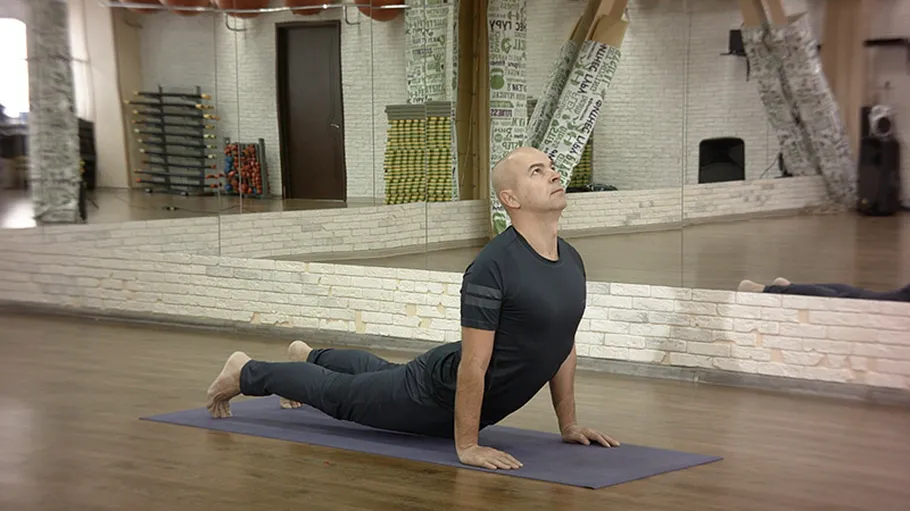
The Magic Back Support is the budget pick because it is the simplest arch board here at the lowest tier: a multi-level arched stretcher with 3 arch levels, acupressure massage points (small spikes) across the surface, a foam centre support for the spine, usable lying down on the floor or seated against a chair, with a chair strap on one variant. You set a level, lie back on the arch, and the spikes press the muscles beside the spine while the foam centre carries the spine itself. It is the pick for a buyer who wants the arch-board idea at the lowest outlay, and for a buyer who wants to try an arched stretch before paying for a shaped-foam or traction board.
The record carries two flags, and both are printed here. The weight capacity is disputed across records: 330 lb in roundups, 220 lb on one retailer variant, 200 kg (about 440 lb) on another retailer, and 360 lb on the separate 2020 Upgrade variant — none adopted here as the settled limit, so check the listing’s own figure for the exact variant before ordering. And the dimensions read about 16 by 10 by 1.8–2 inches with an item weight of about 1.43–1.7 lb across records — a light board, but the range itself is the record, not a single settled figure. One listing carries the model code LC-CRACKER-4L, and maker-style records note 5 minutes, twice a day — printed here as a records note, not a prescription.
Pros
- Lowest tier here: 3 arch levels on a simple board.
- Usable lying down or seated, with a chair strap on one variant.
- Foam centre carries the spine while spikes work beside it.
Cons
- Weight capacity disputed: 330 lb vs 220 lb vs about 440 lb records.
- Spikes can feel sharp — not a smooth-surface board.
- Size and weight read as ranges, not single settled figures.
Listing check: confirm the standard Magic Back Support (not the 2020 Upgrade variant with its 360 lb record, and not a chair-strap-only variant sold without the floor levels) before ordering, and check the arch levels and the weight figure from that listing itself. If the listing shows 360 lb as the headline limit, it is the Upgrade variant, not this pick, and if it shows no levels, it is a different board, not this pick.
Best for: a buyer who wants the arch-board idea at the lowest tier, lying down or seated, with a foam spine centre.
May not fit: anyone who needs a settled weight limit, a smooth surface, or a single settled size before buying.
Solidback
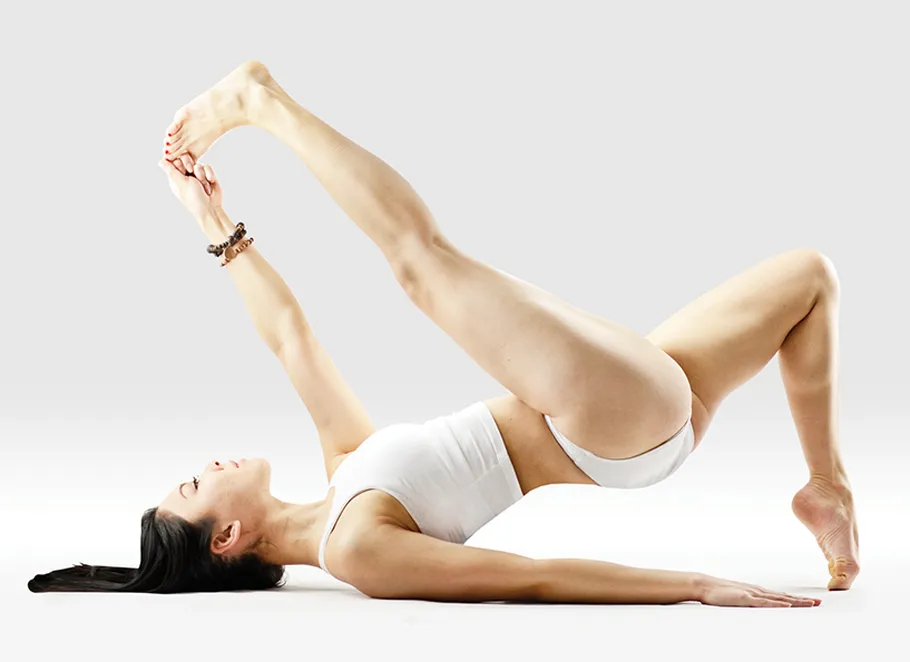
The Solidback is the foam-arch pick because it is the only pick here made of foam: an extra-hard dense EVA foam arch, spiky on the surface, shaped to the back with a central contour that aligns the spine. You lie back on the arch and the foam holds the curve — no levels to set, no wheels to roll, no board to assemble. It is the pick for a buyer who wants one fixed arch in a light, soft-touch material, and for a buyer who dislikes hard plastic boards but still wants a firm arch rather than a gentle one.
The record carries two flags, and both are printed here. The dimensions read 15 by 6.6 by 10 inches and the item weight 14.11 ounces in one roundup table — roundup figures, not maker-settled, so treat them as a roundup record, not a measured spec. And the fit reads up to 300 lb and heights 5 feet 4 inches to 6 feet in roundups — again roundup figures, not maker-settled, so a taller or heavier buyer should check the listing’s own fit note before ordering rather than trusting the roundup range.
Pros
- Only foam pick here: light, firm, extra-hard dense EVA.
- Fixed arch — no levels, no assembly, nothing to set.
- Central contour aligns the spine along the arch.
Cons
- Dimensions and weight are roundup figures, not maker-settled.
- Height and weight fit are roundup ranges, not maker-settled.
- Spiky surface can feel sharp — not a smooth-surface arch.
Listing check: confirm the Solidback (not a generic spiky foam arch with no maker name, and not the Spine device below, whose pins are a different surface) before ordering, and check the foam density and the fit range from that listing itself. If the listing shows no maker name, it is a generic arch, not this pick, and if it shows 88 pins, it is the Spine device, not this pick.
Best for: a buyer who wants one fixed foam arch, light and firm, with a spine-aligning contour and no settings.
May not fit: anyone who wants adjustable levels, a smooth surface, or maker-settled dimensions before buying.
TRUE BACK Original
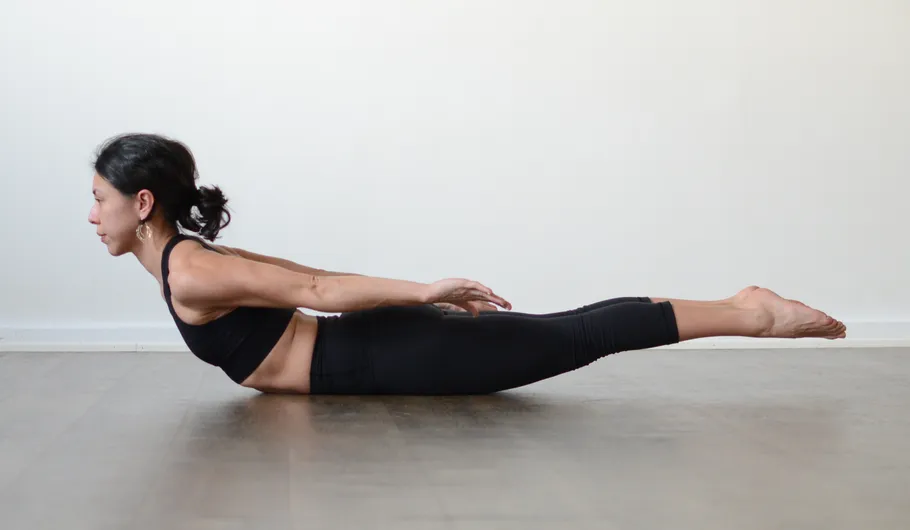
The TRUE BACK Original is the traction pick because it is the only pick here built around body-weight traction: a moulded solid-plastic board, 24 by 10 by 4 inches and 4 lb, about 3.5 inches high at its highest point per one review, with 30 suspension points moulded into the centre rails. You lie on the board and gravity pulls the back along its length — no levels, no wheels, no pins — just a fixed form that stretches by length. It is the pick for a buyer who wants traction rather than arching, and for a buyer who wants a solid board with nothing to adjust.
The record carries two notes, and both are printed here. No weight limit was found in the records checked, so this guide states none rather than borrowing another board’s limit — check the listing’s own figure before ordering. And one review notes the board is “a bit long,” so the head rests on the hard end and padding is needed — a usable con, because a 24-inch board plus a head on hard plastic is a comfort point to plan for, not a surprise to meet. One older roundup carries an FDA/EU Class I medical device claim for the True Back — printed here as that roundup’s claim only, not adopted as this guide’s claim.
Pros
- Only traction pick here: gravity stretches along a fixed board.
- 30 suspension points moulded into the centre rails.
- Nothing to adjust — one fixed form, one way to lie on it.
Cons
- No weight limit stated in the records checked.
- Head rests on the hard end — padding needed, per one review.
- Fixed form only — no levels for a gentler or deeper session.
Listing check: confirm the TRUE BACK Original (not a generic long traction board with no maker name, and not the North American arch below, whose vinyl surface is a different build) before ordering, and check the board length and the suspension points from that listing itself. If the listing shows levels, it is a levelled board, not this pick, and if it shows a vinyl cover, it is the North American arch, not this pick.
Best for: a buyer who wants body-weight traction on a fixed board, with nothing to adjust and a long stretch line.
May not fit: anyone who needs a stated weight limit, a gentler levelled arch, or a padded head end out of the box.
North American Healthcare Arched Back Stretcher
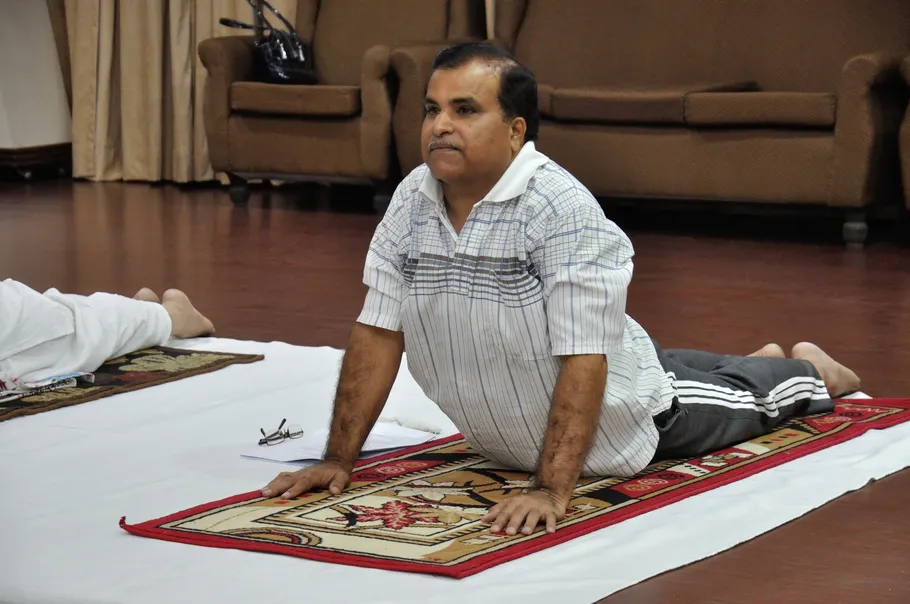
The North American Healthcare Arched Back Stretcher is the long-arch pick because it is the longest-feeling arch here: a soft vinyl cover over a wooden frame, 2.4 lb per one review, usable in multiple orientations — either end up, with the butt or the torso elevated — so the same arch serves a low lumbar stretch one way and a longer upper stretch the other. You lie back on the vinyl arch and the wood frame holds the curve — no levels, no pins, no wheels. It is the pick for a buyer who wants a long, soft-covered arch that flips for two uses, and for a buyer who dislikes hard plastic against the back.
The record carries two notes, and both are printed here. No stated weight limit was found in the records checked: one reviewer states no weight limit they would be concerned about, which is a reviewer’s judgement, not a stated limit, so this guide states none. And the dimensions are not settled: one review gives 21 by 18.5 by 16.8 inches, which looks like package dimensions rather than the arch’s own size, so this guide does not present that figure as the arch’s size — check the listing’s own dimensions before ordering.
Pros
- Long arch that flips: either end up, butt or torso elevated.
- Soft vinyl over wood — no hard plastic against the back.
- Light at 2.4 lb per one review, easy to move and store.
Cons
- No stated weight limit in the records checked.
- Dimensions not settled — the one figure looks like package size.
- No levels — one arch shape, used two ways round.
Listing check: confirm the North American Healthcare Arched Back Stretcher (not a generic vinyl arch board with no maker name, and not the Magic board above, whose spikes are a different surface) before ordering, and check the vinyl cover and the flip orientations from that listing itself. If the listing shows spikes or pins, it is a different board, not this pick, and if it shows levels, it is a levelled board, not this pick.
Best for: a buyer who wants a long, soft-covered arch that flips for two uses, with no hard plastic against the back.
May not fit: anyone who needs a stated weight limit, settled dimensions, or adjustable levels before buying.
Spine Orthopedic Back Stretching Device
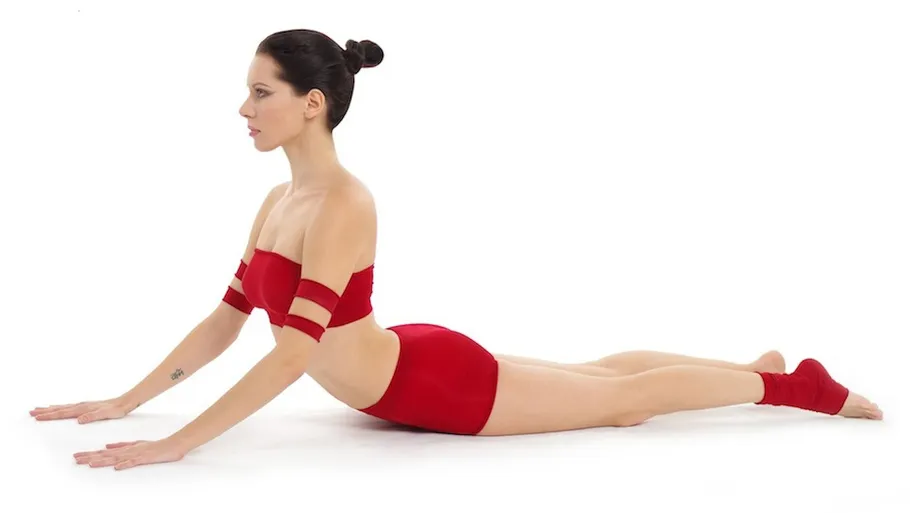
The Spine Orthopedic Back Stretching Device is the acupressure pick because it is the only pick here covered in pins: 88 plastic acupressure points across the arch, with 4 adjustable stretch levels per one roundup. You set a level, lie back on the arch, and the pins press the muscles beside the spine while the arch holds the curve — pressure plus shape in one device. It is the pick for a buyer who wants acupressure points as the point of the device, not a side feature, and for a buyer who wants levelled adjustment with a pin surface rather than a smooth or spiked one.
The record carries two flags, and both are printed here. The dimensions are disputed between tables: one roundup table gives 12 by 11.3 by 3.7 inches, while another comparison table assigns this device 15 by 6.6 by 10 inches — the latter matches the Solidback’s dimensions in the same tables, so this guide flags the table conflict explicitly and adopts neither figure as settled. And the 14.11 ounce item weight appears in the same tables under the same caution — a shared-table figure, not a settled spec — so check the listing’s own dimensions and weight before ordering.
Pros
- Only pin-covered pick here: 88 acupressure points across the arch.
- 4 adjustable stretch levels per one roundup.
- Pressure plus arch in one device — pins and shape together.
Cons
- Dimensions disputed between tables — neither figure adopted here.
- Item weight carries the same table caution — not a settled spec.
- Pins can feel sharp — not a smooth-surface board.
Listing check: confirm the Spine Orthopedic Back Stretching Device (not the Magic board above, whose spikes are fewer and differently arranged, and not the Solidback above, whose spiky foam is a different surface) before ordering, and check the pin count and the levels from that listing itself. If the listing shows no pins, it is a different board, not this pick, and if it shows a foam body, it is the Solidback, not this pick.
Best for: a buyer who wants acupressure pins as the point of the device, with 4 levels and an arched shape.
May not fit: anyone who wants settled dimensions, a smooth surface, or a maker-settled weight before buying.
How to Choose
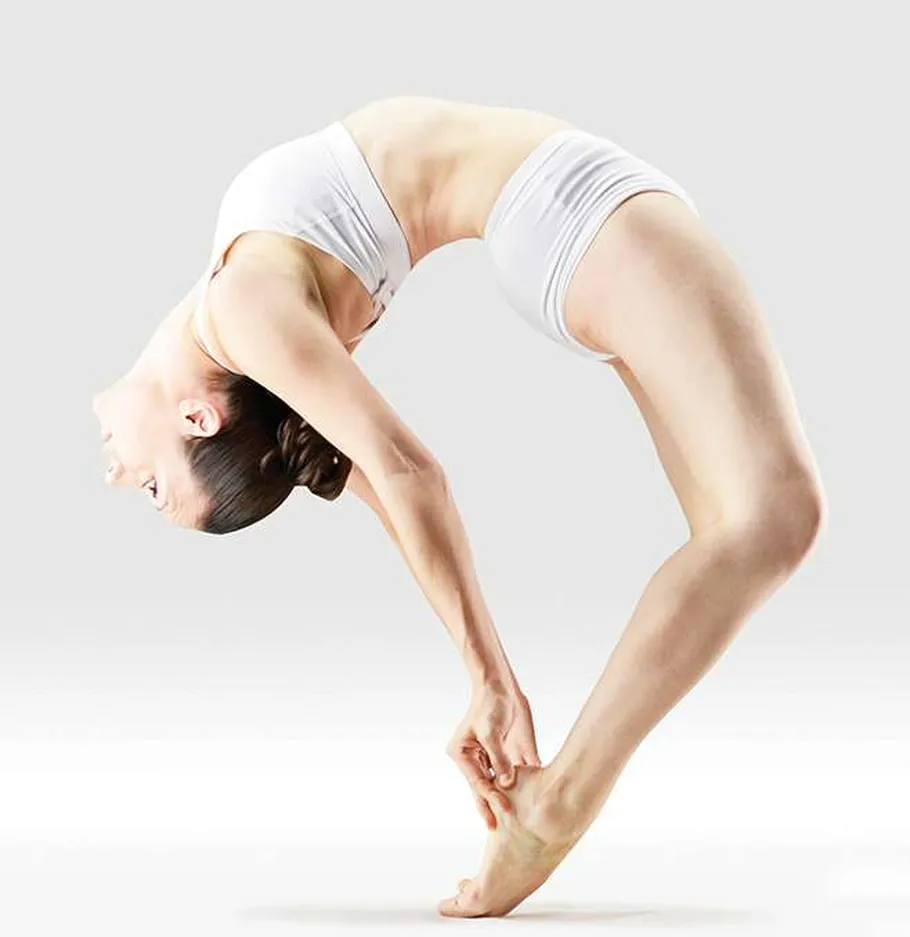
Four decisions, in order: type, size, features, placement. Get them in that order and the stretcher you buy is the stretcher you keep using. 🧭
Choose Your Type
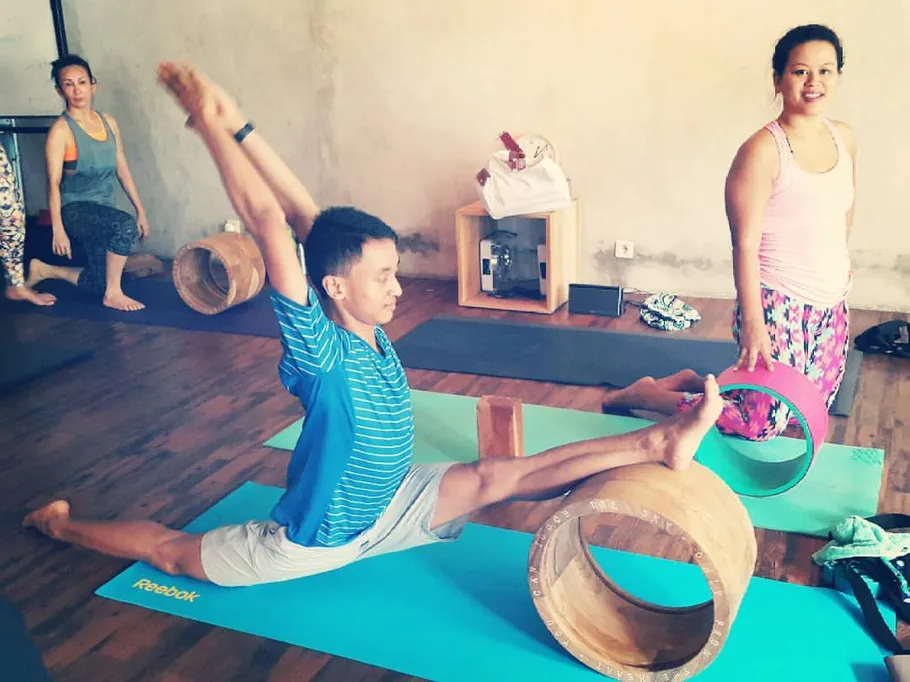
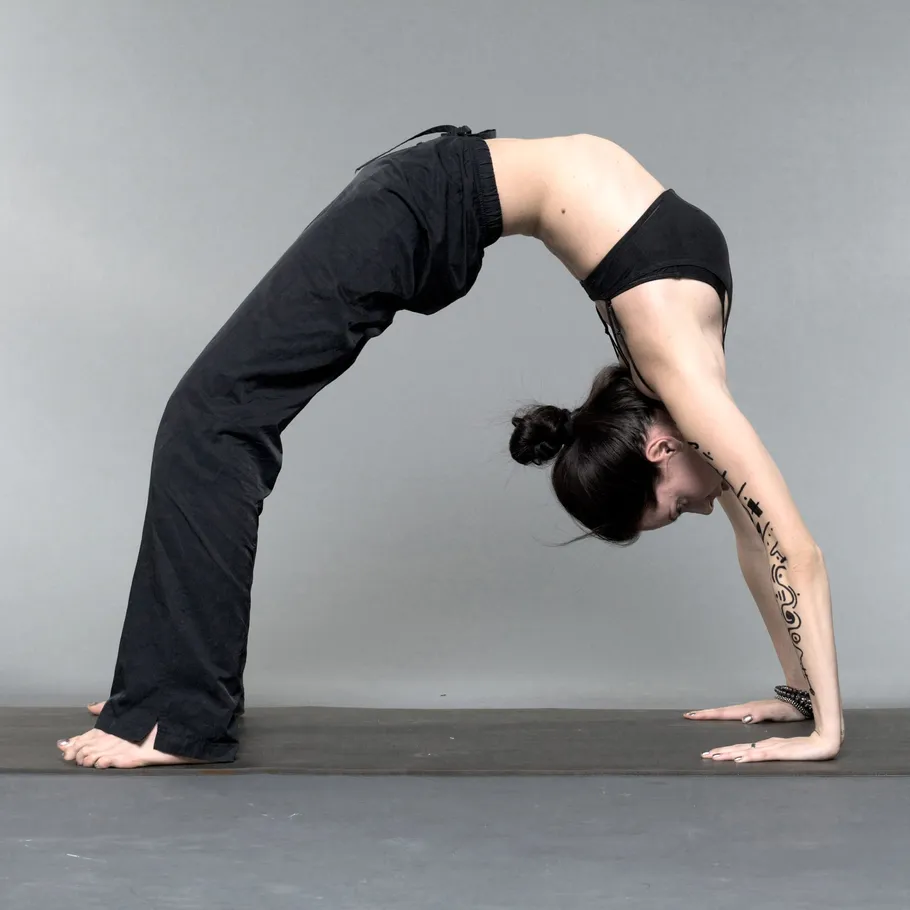
Start with the type, because it decides everything else. Three stretcher types sit in this guide: wheels, which roll and change depth by size — the Chirp set alone; arched boards, which hold a fixed or levelled curve — the Magic, TRUE BACK, North American and Spine picks; and a foam arch, which holds one fixed curve in foam — the Solidback alone. Wheels suit a buyer who wants a moving stretch; levelled boards suit a buyer who wants to set a depth and lie still; fixed forms suit a buyer who wants one shape and no decisions. The figure above shows the wheel class in use: a wheel under a foot in a studio split, which is a yoga-wheel use — while the Chirp wheels below are grooved back wheels, not yoga wheels, and the difference is the groove that keeps pressure off the spine.
One more type check matters for the buyer whose interest is pressure points rather than arching. If the pins are the point and the arch is secondary, a pin-covered mat may fit that buyer better than any board here, and our best acupressure mats for home gyms covers the mat class instead of a shaped board — buy the board when the arch is the job, and buy the mat when lying flat on points is the job.
Choose Your Size
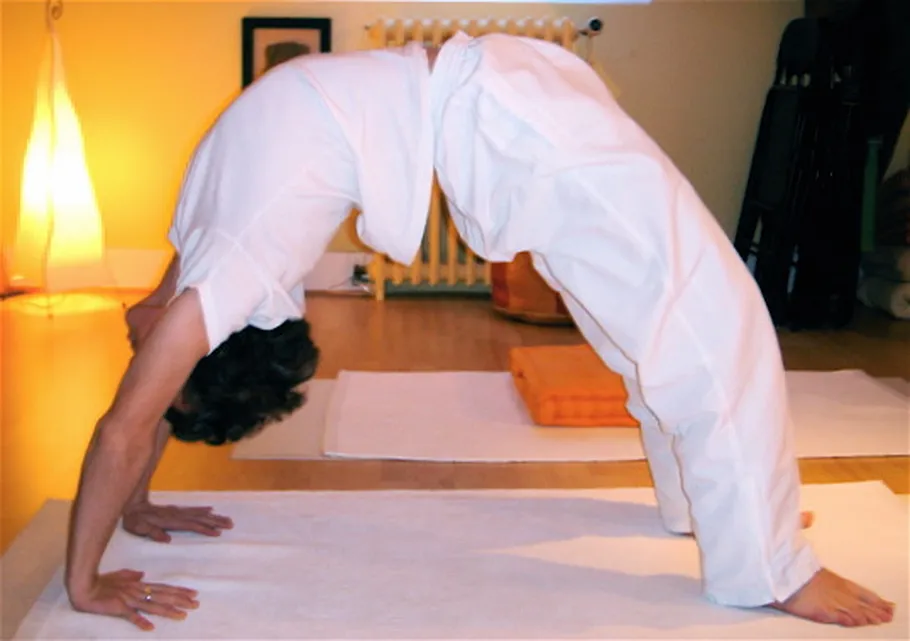
Measure two things: your back’s length against the device’s length, and your height against the picks that state a range. The device first: a 24-inch board like the TRUE BACK covers a long back in one line, a 15-inch foam arch like the Solidback covers a shorter line, and a wheel covers only the span it rolls over — so a tall buyer on a short device gets a partial stretch, and a short buyer on a long board gets a head on hard plastic. Your height second, and only where a range is stated: the Solidback’s roundup range runs 5 feet 4 inches to 6 feet, and the Snailax-style neck ranges in other guides do not apply here — outside a stated range, the arch lands in the wrong place, and no pick here adjusts its length, only its depth or its orientation.
Then read the weight limit against your own body weight, not just the spec sheet. A 500 lb maker figure like the Chirp’s covers most buyers with room to spare; a disputed board like the Magic must be checked variant by variant; and a board with no stated limit, like the TRUE BACK or the North American arch, must be judged from the listing’s own figure on arrival, not from this guide. The floor carries you, the device carries the arch, and a device shorter than your back is a device that stretches only part of it.
Choose Your Features
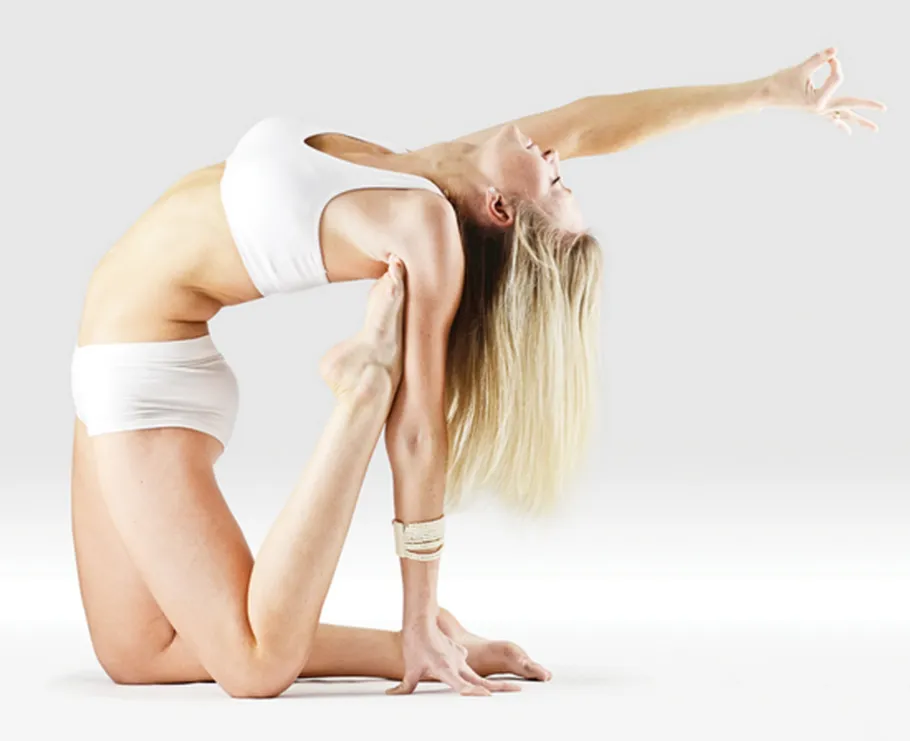
Surface first: smooth vinyl on the North American arch, moulded plastic rails on the TRUE BACK, spiky dense foam on the Solidback, spikes plus a foam centre on the Magic, 88 pins on the Spine device, and a grooved EVA mat on the Chirp wheels — the surface decides comfort more than the arch does, because the surface is what touches you, and a pin or spike surface that feels sharp on day one rarely feels better on day thirty. Adjustment second: 3 levels on the Magic, 4 levels on the Spine, graduated sizes on the Chirp, and fixed forms on the Solidback, TRUE BACK and North American — more levels is not automatically better, because a fixed form you trust beats a levelled board you never change. Traction third: only the TRUE BACK stretches by length under body weight, while the rest arch — traction suits a buyer who wants length, arching suits a buyer who wants curve.
Buy the features you will use every session, not the longest list. A groove matters if spine pressure worries you; pins matter if acupressure is the point; levels matter if depth needs changing; and a fixed form matters if simplicity keeps you using it. Heat pairs naturally with a warm room, and our best saunas for home gyms covers the heat room that pairs with a recovery session, not a replacement for a stretcher — while a hot bath or a heated room is no substitute for checking the stretcher’s own surface first, because no pick here carries heat at all.
Choose Your Placement
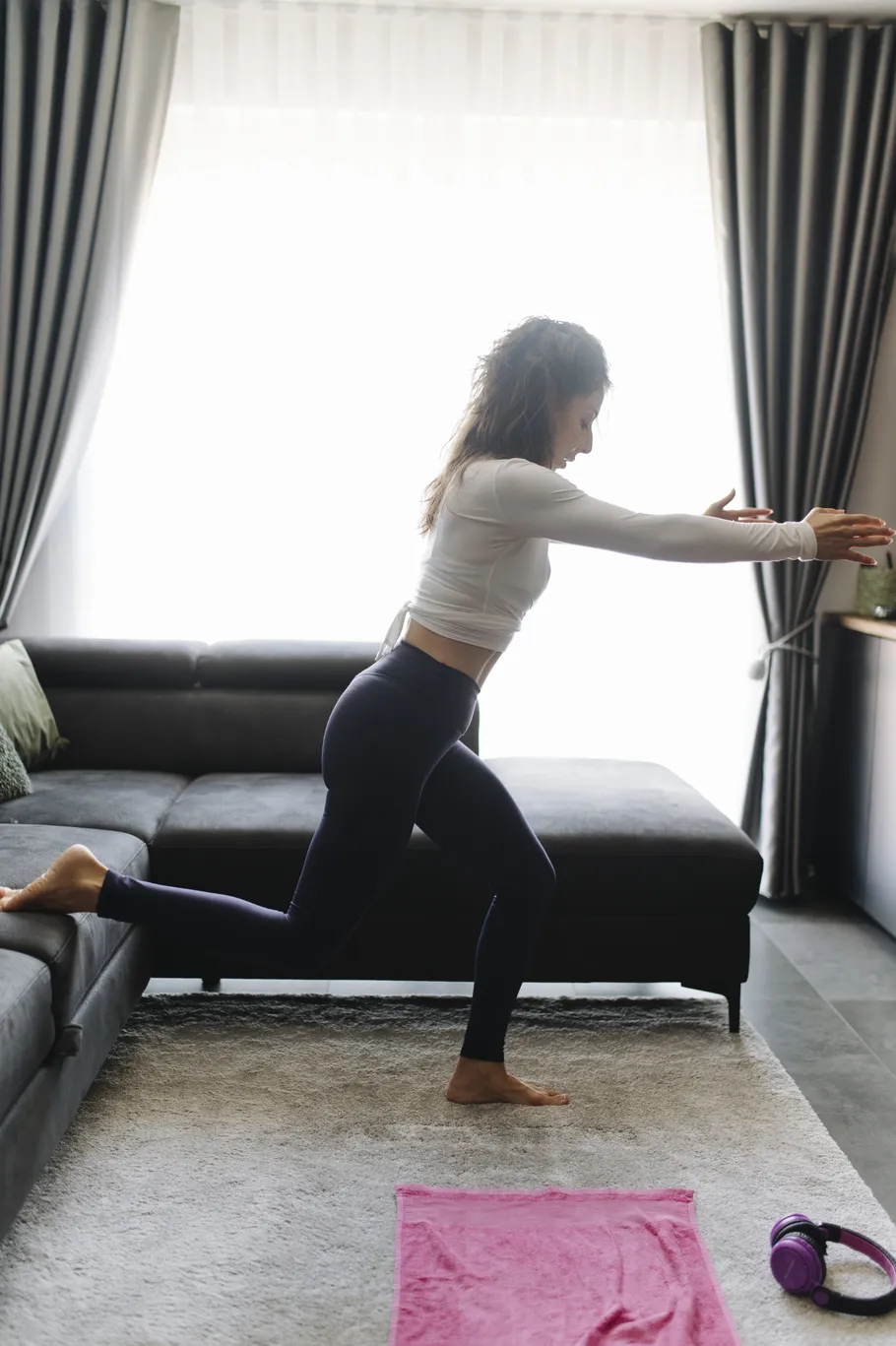
A back stretcher needs a flat floor, a mat’s worth of clear space, and a storage spot — in that order. The floor must be flat and firm, because an arch board on a soft bed or a sagging sofa arches nothing well — a hard floor with a thin mat under the device is the right host, and a thick soft surface under a board is the wrong one. The clear space must fit the device plus your body at full length: a 24-inch board plus a lying adult needs more than a doorway corner, and a rolling wheel needs room to roll — measure the lying length, not just the device length, before ordering. The storage spot must hold the device where it will not be stepped on, sat on or buried — leaned against a wall, under a bench, or on a shelf, never loose on the gym floor under plates.
Buy the placement before the stretcher. If the only floor is carpeted stairs or a cluttered corner, no stretcher here will sit right; if the room has no lying length, a long board is the wrong buy no matter how good its traction is; and if the device must travel — bedroom, living room, gym corner — the light boards and wheels travel and the 4 lb board travels less. A stretcher that cannot lie flat in its room is not a bargain at any tier.
Safety
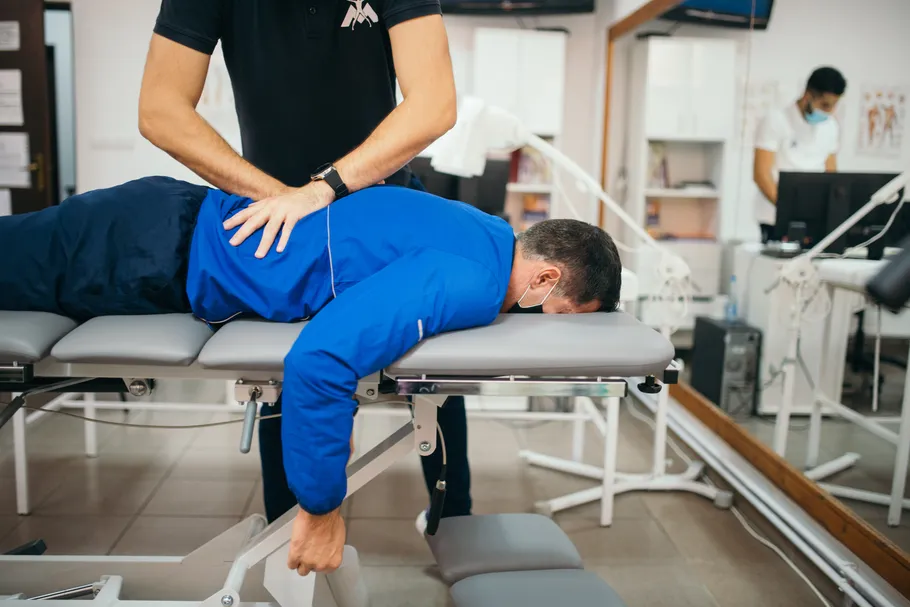
1. Check with a clinician first if you have a recent back injury or surgery, if you have osteoporosis or fragile bones, if you have a disc or herniation history, if you have numbness, tingling or weakness in the legs or arms, if you have a pacemaker or another implanted device, if you are pregnant, if you have skin wounds, infections or rashes on the back, or if you have any condition that makes arching or pressure on the back risky — a stretcher extends and presses, and it does not diagnose anything.
2. Keep the arch under the muscles beside the spine and across the back, never pressed directly onto the spine bones with a hard board or wheel, never on the front of the neck or throat, and never on a tender spot that was not tender before — and stop at once if the pressure lands on bone, throat or tailbone because the device has slid.
3. Start gentle and short: begin on the lowest level or the largest wheel, keep the first sessions to a few minutes, and build up only if the session stays comfortable — the Magic records note 5 minutes, twice a day as a records note, not a prescription, and no other pick states a settled session length, so short and gentle is the rule for every pick here.
4. Stop at once and talk to a clinician if pain sharpens, spreads, or changes character during use, if numbness, tingling, weakness or dizziness appears, if a headache follows a session, or if anything about your back worries you afterwards — and never push through sharp pain to reach a deeper level or a smaller wheel.
5. Treat pin and spike surfaces with care: check the skin during and after a session on the Magic, Solidback or Spine surfaces, never use pins or spikes on skin that is broken, numb or cannot feel pressure properly, and stop at once if the skin reddens, breaks or stays sore after the session ends.
6. Respect the weight limit where one is stated — 500 lb on the Chirp per maker records, the listing’s own figure on the Magic, and the listing’s own figure on any board whose limit is not stated here — and keep stretchers away from children and pets, who should never run one unsupervised or use one as a toy.
7. Check the device before every session and store it right: look for cracks in a plastic board, wear or splitting in a foam arch, and wobble or wear in a wheel, and retire a damaged device rather than lying on it — a cracked board or a split wheel is a session to skip, not to ride out.
These notes are general information only, not medical advice — if pain, an injury or a medical condition worries you, talk to a clinician before using a back stretcher.
Frequently Asked Questions
Will a back stretcher fix my back pain?
This guide makes no claim of that kind. A back stretcher extends the spine passively and many buyers find short sessions pleasant after training or desk work — but it does not diagnose, treat or cure any condition, and pain that is new, sharp, spreading, or joined by numbness, tingling, weakness or dizziness needs a clinician, not a device. If pain worries you, talk to a clinician before using one at all.
Wheel, arch board or pins — which type should I buy?
Buy wheels if you want a moving stretch with changing depth — the Chirp set alone rolls, with three sizes in one box. Buy an arched board if you want to set a depth and lie still — the Magic, TRUE BACK, North American and Spine picks all hold a curve, levelled or fixed. Buy pins if acupressure is the point — the Spine device alone covers its arch in 88 points. The type decides the feeling, so pick the feeling first and the feature list second.
How long should a back-stretcher session last?
Keep it short, especially at first: begin on the lowest level or the largest wheel for a few minutes, and build up only if the session stays comfortable. The Magic records note 5 minutes, twice a day, printed here as a records note, not a prescription — and no other pick states a settled session length, so no whole-guide session rule exists here. Never override discomfort to reach a deeper level, and never fall asleep on a stretcher.
Do I need a tall arch or a gentle one?
Start gentle. A tall arch or a small wheel gives a deeper stretch, which is the wrong start for a stiff back — the Chirp’s 12-inch wheel, the Magic’s lowest level and the Spine’s lowest level are the gentle entries here, while the 6-inch Chirp wheel and the higher levels are for later, if ever. Arch heights are not comparable across picks — levels, wheel diameters and fixed forms measure different things — so pick the gentle entry in the type you chose, not the tallest arch in the guide.
Can I use a back stretcher on a bed or a sofa?
No — use it on a flat, firm floor with a thin mat underneath. A soft bed or a sagging sofa lets the device sink and the arch flatten, so the stretch goes nowhere, and a board that slides on bedding puts pressure in the wrong place. The one seated exception is the Magic board’s chair use, with its chair strap on one variant — and even there, the chair must be firm and upright, not soft or backless.
Where should I use a back stretcher, and what floor does it need?
Use it lying on a flat, firm floor in a room where you can lie at full length for the session — not in a doorway, not on stairs, and not while driving or working. The device itself needs no special floor, but the room it pairs with does: a steady floor with a thin mat under the device, and our best gym flooring for home gyms covers the floor and protection thinking that applies to the whole home-gym corner, stretcher included.
Our Pick: Start Here
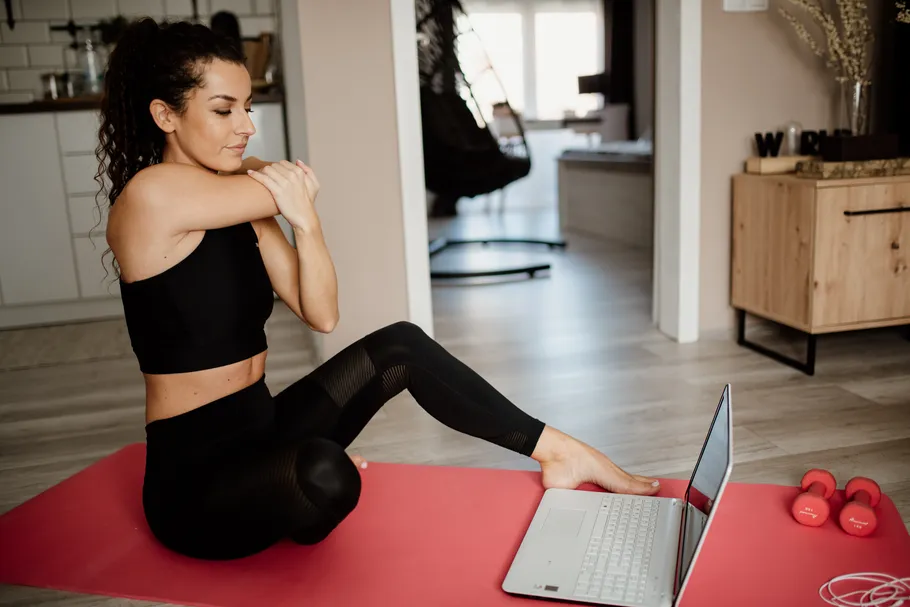
Start with the Chirp Wheel+ 3-Pack if you want a rolling stretch with three depths in one box, and a groove that keeps pressure off the spine — and keep the Magic Back Support as the alternate if a fixed arch board at the lowest tier matters more than rolling. If traction leads, the TRUE BACK Original is the traction route, while the North American Healthcare Arched Back Stretcher is the long-arch route if a soft vinyl cover and a flipping arch matter more than levels. If acupressure leads, the Spine Orthopedic Back Stretching Device is the pin route, and the Solidback is the foam route if one fixed foam arch with no settings is enough. Whichever you pick, check with a clinician first if anything about your back worries you, start on the gentlest setting second, confirm the listing version third, and keep the arch off the spine bones.
As an Amazon Associate, we earn from qualifying purchases made through links on this page, at no extra cost to you.
Specifications come from maker manuals and listing records at the time of writing and can change without notice — the dimensions, weights, capacities and model numbers above are the settled records we found, with conflicts stated in the text, not smoothed over. Always confirm the current listing before ordering.