

Why Recovery Boots Belong in a Home Gym
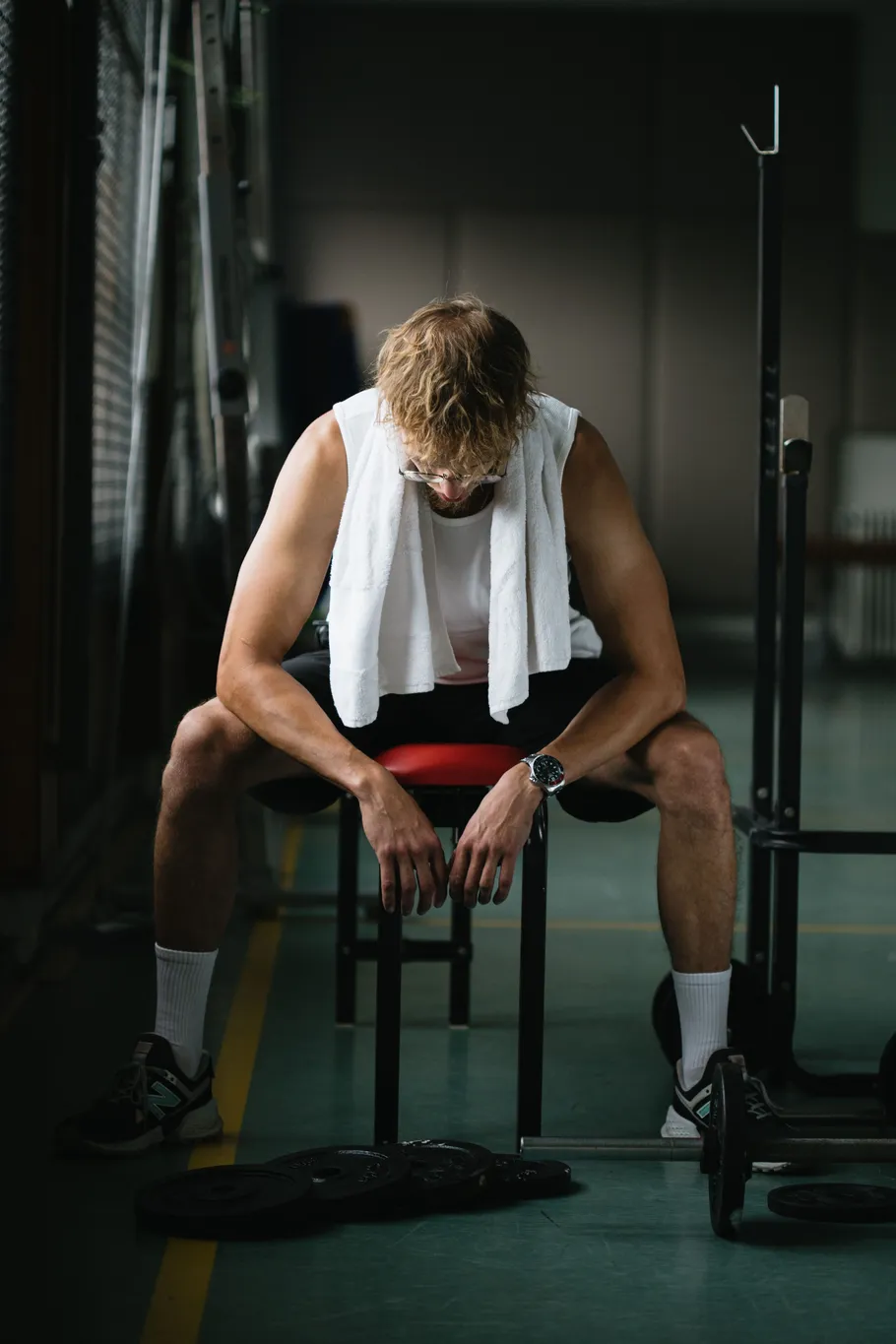
A recovery boot is a tall leg sleeve with air chambers inside it. You sit down, zip or wrap both legs in, and the chambers inflate in waves from the foot upward, squeezing each section of the leg in turn and then letting go — a slow, repeated squeeze-and-release that runs while you sit still. That seated, both-legs-at-once pattern is the whole point: the boots do the work while you rest, instead of you working a roller or a ball up and down each leg by hand. 💪
Know what a recovery boot is not. It is not a massage gun — a handheld percussion device that pounds one spot at a time, which our best massage guns covers, and which suits a single tight spot rather than both legs at once. It is not a cold plunge tub, which chills the legs in cold water instead of squeezing them. It is not a compression sleeve either: a sleeve is a tight elastic garment you wear while training, with one fixed squeeze, while a boot is a powered device you sit in after training, with chambers that inflate and release in sequence. A boot differs from all three because the pressure moves — foot to thigh, chamber by chamber, on a cycle.
Recovery boots are routine for runners, cyclists, lifters and field-sport athletes, and a home pair brings that post-session ritual into a spare room or living room. If you came from our best neck machines for home gyms, the previous guide in this series, this is the same home gym with a recovery corner added — a smaller, quieter job than a neck station, and one where the safety rules below matter more than the boot choice itself.
How We Picked
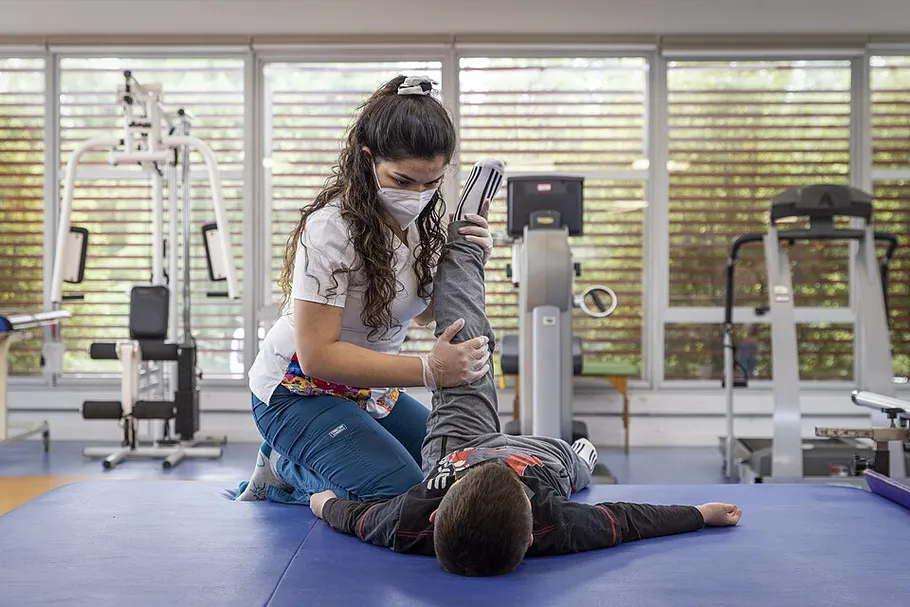
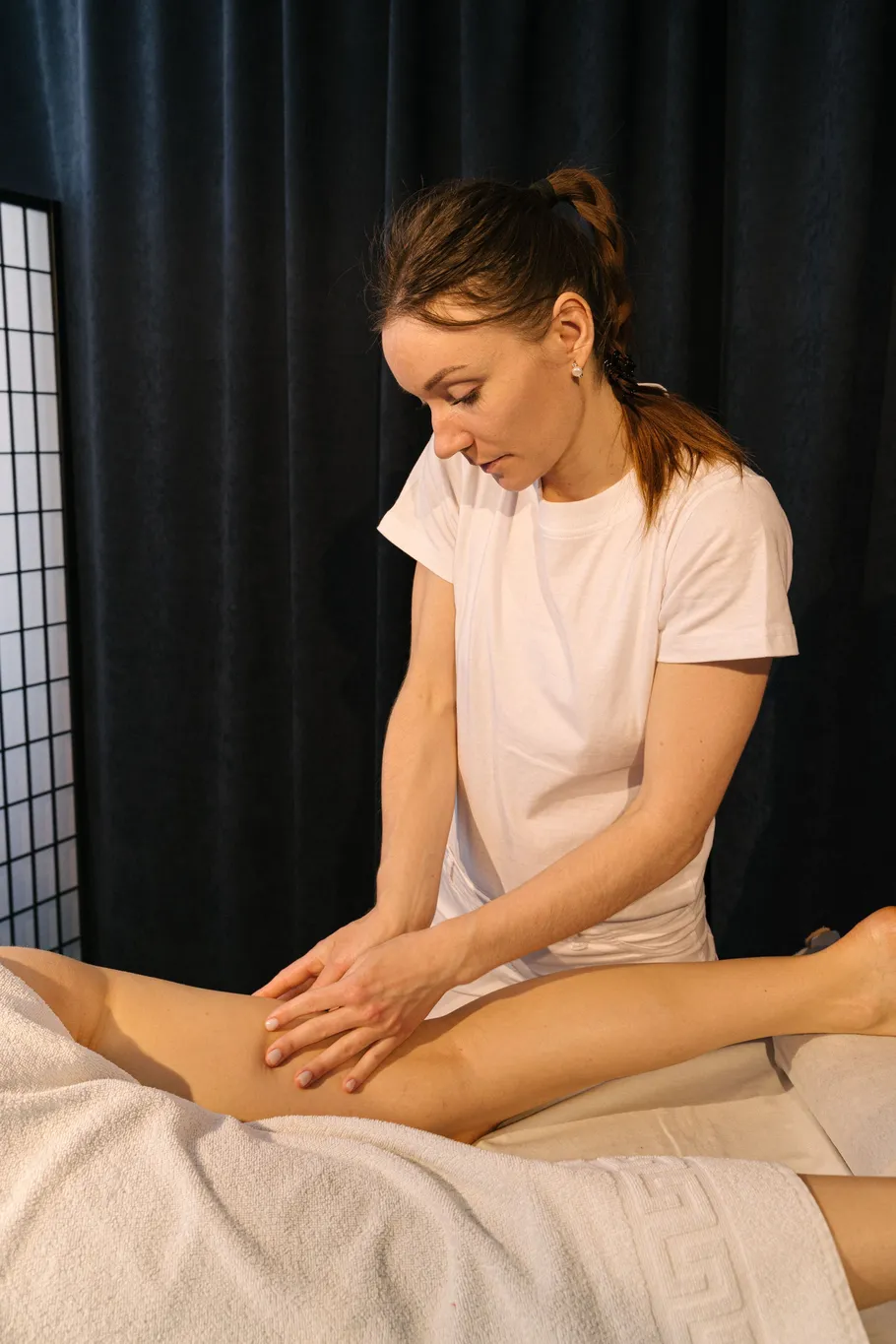
We compared six recovery boots that are genuinely sold for home gyms right now, using maker pages and listing records — not hands-on testing, and not roundup scores copied from other sites. Every photo in this guide is an honest athlete, gym or clinic scene, not a product shot of the named boot, because free-license photos of the exact named products do not exist for this category. Where records disagree, the article says so instead of picking the flattering number.
- Type: wireless pair, pump-and-hose system or controller-and-hose set — and what each form feels like to live with.
- Chambers: how many air chambers each boot has, and whether they overlap or leave gaps.
- Pressure: levels and ranges in mmHg or kPa, and what the numbers actually mean for a first session.
- Fit: size charts by height, inseam or thigh, and whether extensions exist for larger legs.
- Power: battery life where stated, and whether the listing runs corded only.
- Honest limits: what each boot cannot do, stated in its own section.
Also considered: the Hyperice Normatec Elite (named, not picked — a newer wireless Normatec with the pump built into each boot, not merged into the Normatec 3 below); the Therabody JetBoots PRO Plus (named, not picked — a JetBoots variant that adds vibration and infrared LED light, not merged into the base JetBoots); the Rapid Reboot GENESIS (named, not picked — a simpler REGEN sibling with 10 levels and 2 modes, not merged into the REGEN); the Air Relax AR-2.0 (named, not picked — an older Air Relax generation with 4 chambers and 3 modes, not merged into the PRO 4.0); the FIT KING FT-091A (named, not picked — a cordless FIT KING with 12 levels and zone control, not merged into the FT-082A); and the UBlives SoleFlux Relax (named, not picked — a wireless five-chamber pair whose two slots here are already covered by the JetBoots and the Normatec 3). None of the six picks below hides a conflict like those — where a pick’s own records disagree, the disagreement is printed in its section.
Comparison

| Boot | Type | Chambers | Pressure | Standout |
|---|---|---|---|---|
| Hyperice Normatec 3 Legs | Pump + hose | 5 overlapping zones | 7 levels, 40–110 mmHg | Premium app system |
| Therabody RecoveryAir JetBoots | Wireless | 4 overlapping | 4 levels, 25–100 mmHg | Fully wireless |
| Rapid Reboot REGEN | Pump + hose | 4 chambers | 20 levels, 10–200 mmHg | Per-chamber control |
| Air Relax PRO 4.0 | Pump unit | 6 overlapping | 14 levels, 40–170 mmHg (manual) | Most chambers here |
| FIT KING FT-082A | Controller + hose | 4 chambers | 8 levels, 50–120 mmHg | Budget |
| Reathlete Air-C | Remote + hose, rechargeable | 3 zones (airbags disputed 3 vs 4) | 4 levels, 10–25 kPa | Zone modes |
Read the table honestly. It carries no battery column on purpose: battery figures are disputed for two picks (JetBoots, REGEN), thinly recorded for one (Reathlete) and unstated in the records checked for two more (Air Relax, FIT KING), so a battery column would imply a comparison the records do not support. It carries no weight column either: the weights that exist are different measures — a control unit alone, a pair, a whole unit — and three picks state no settled unit weight at all. The Pressure column mixes two units on purpose: five picks state mmHg while the Reathlete states kPa, so the Reathlete’s 10–25 kPa converts to 75–187.5 mmHg for comparison, and both figures are printed in its section. No whole-guide maximum-pressure crown is claimed: the REGEN’s 200 mmHg is the highest settled maximum here, but the Air Relax maker page claims 230 mmHg against its own manual’s 170 mmHg, and that disputed claim is excluded rather than crowned.
Hyperice Normatec 3 Legs

The Normatec 3 is the premium pick because it is the system this guide’s research keeps returning to as the benchmark: patented Pulse technology that holds each zone and advances, rather than releasing and advancing, across five overlapping zones per leg, with seven compression levels and ZoneBoost targeting. The control unit is a compact 3.2 lb box, 4 × 4.5 × 8.5 in, joined to the boots by a hose, with Bluetooth to the Hyperice app and a battery of up to 3 hours. Sizes run Short (5’7″ and under), Standard (5’7″ to 6’4″) and Tall (6’4″ and over), so the boot length is chosen, not hoped for.
Pros
- Five overlapping zones per leg — no gap between chambers for pressure to skip.
- ZoneBoost adds time and pressure to one chosen zone, through the app.
- Three real sizes (Short, Standard, Tall) with app routines included.
Cons
- ZoneBoost and custom routines need the app — the unit alone does not do everything.
- Hose and separate control unit — this is not the wireless Normatec (see listing check).
- Premium tier price, with no price quoted here.
Listing check: confirm the Normatec 3 Legs system (not the Lower Body system with the hip attachment, not the Full Body system with arms, and not the wireless Elite) before ordering, and check the size against the Short, Standard and Tall chart. The pressure floor is unsettled across records — most records say 40–110 mmHg while one retailer record says 30–110 mmHg — so do not buy on the floor figure alone; the seven levels and five zones are the settled part.
Best for: an athlete who wants the benchmark app system and is happy with a hose-connected control unit on the floor.
May not fit: anyone who wants a fully wireless pair, or anyone who wants every feature without a phone app.
Therabody RecoveryAir JetBoots

The JetBoots are the wireless pick because the pump lives inside each boot: no control box, no hose, nothing tethering you to one spot. Four overlapping chambers run a true negative-gradient sequence from foot to heart, with four pressure settings at 25, 50, 75 and 100 mmHg and four time settings at 20, 40 and 60 minutes or continuous. FastFlush technology inflates and deflates fully in 60 seconds per the maker, so more cycles fit in the same session, and the Therabody app adds Recover and Warm-Up presets over Bluetooth. Each boot charges individually, with a splitter cable in the box for charging both at once.
Pros
- Fully wireless — pump and controls built into each boot, usable anywhere.
- FastFlush full cycles in 60 seconds per the maker — more squeezes per session.
- On-boot controls plus app presets, with three sizes per older records.
Cons
- 100 mmHg ceiling — the lowest maximum pressure in this guide (see listing check).
- Battery figure disputed across generations: 240 minutes per older JetBoots records, 180 minutes per Prime records.
- Two boots to charge, not one unit — a dead boot halves the session.
Listing check: confirm the base RecoveryAir JetBoots (not the JetBoots Prime listing if its battery reads 180 minutes, and not the JetBoots PRO Plus, which adds vibration and infrared LED light) before ordering, and check the size from that listing’s chart. If the listing shows vibration or LED controls, it is the PRO Plus, not this pick. The 100 mmHg ceiling is settled across records — if you want a higher maximum, the REGEN below is the pick for that.
Best for: a traveller or anyone who recovers in different rooms and wants no hose and no control box.
May not fit: anyone who wants pressure above 100 mmHg, or anyone who would forget to charge two separate boots.
Rapid Reboot REGEN

The REGEN is the custom-control pick because it is the only system here that lets you set each chamber’s pressure independently: 20 levels across 10–200 mmHg per chamber, with any chamber deactivated to 0 to skip an area entirely. Four modes (A sectional, B full flush, C combination, D combination with pulse) set the inflation sequence, chamber hold runs 0–10 seconds, cycle rest sets the pause between cycles, and three cycle speeds (half, three-quarter and full) set how fast chambers fill. A 6-inch HD LCD touchscreen and Rapid Deflate sit on a 5 × 4.5 × 9.5 in control unit, with session time settable in 1-minute steps up to 179 minutes.
Pros
- Per-chamber pressure control — the only pick here that sets each chamber separately.
- 200 mmHg ceiling — the highest settled maximum in this guide.
- Four modes plus hold, rest and speed tuning, with Rapid Deflate for fast pack-up.
Cons
- The most complex controls here — overkill if you want one button and go.
- Battery figure disputed: up to 3 hours per one retailer, up to 4 hours per the app page.
- FDA clearance is US over-the-counter only — it may not apply where you live (see listing check).
Listing check: confirm the REGEN (not the GENESIS, which has 10 levels and 2 modes) before ordering, and confirm the boots size from that listing — boot sizes were not in the records checked here, so measure before ordering rather than assuming a standard fit. The 0–200 mmHg figure on some comparison pages is the same range with the off state included: levels run 10–200 mmHg, and 0 is a deactivated chamber, not a 21st level. The system is HSA and FSA eligible per the maker’s comparison page.
Best for: a serious trainer who wants every variable adjustable and will actually use per-chamber control.
May not fit: anyone who wants a simple start-and-sit session, or anyone outside the US relying on the FDA clearance note.
Air Relax PRO 4.0
The Air Relax PRO 4.0 is the six-chamber pick: six overlapping chambers per cuff, the most of any pick here, with 14 pressure levels, four modes and a touchscreen control unit. The modes are genuinely different — SEQT fills chambers one after another and empties all at once, PROG moves a pressure wave upward chamber by chamber, DRAIN fills bottom to top while lower chambers release gradually, and OVLAY fills all chambers at once and holds — and each chamber can be switched off individually for sensitive areas. Sessions run 5–95 minutes, a travel bag is included, and cuff sizes E2, E3 and E4 are chosen by inseam (26–30 in, 30–34 in and 34–38 in per one chart).
Pros
- Six overlapping chambers — the most chambers of any pick here.
- Four genuinely different modes, not four names for one pattern.
- Individual chamber switch-off, with a travel bag included.
Cons
- Pressure ceiling disputed: the model manual says 40–170 mmHg while a maker page claims 230 mmHg — this guide uses the manual figure.
- No battery figure in the records checked — confirm corded-only running on the listing.
- Generation soup: PRO 4.0 garments and hoses do not fit earlier Air Relax systems.
Listing check: confirm the PRO 4.0 (model AR-4.0, six chambers, touchscreen) before ordering — not the AR-2.0 with four chambers and three modes, and not the AR-3.0. Measure your inseam, not just your height: body-length ranges for the E sizes differ slightly across sources, while the inseam bands are the stable figure. If the listing shows four chambers, it is an earlier generation, not this pick.
Best for: an athlete or therapist who wants the most chambers and the widest mode choice in one system.
May not fit: anyone who needs battery running (unstated here), or anyone who wants the highest settled pressure (that is the REGEN).
FIT KING FT-082A

The FIT KING FT-082A is the budget pick: four airbag chambers wrapping feet, calves, knees and thighs through four independent air channels, with three modes (Sequence, Circulation and Combination), eight pressure intensities from 50 to 120 mmHg, and three timer settings at 20, 25 and 30 minutes on a handheld digital controller. A sensor system adjusts inflation volume to leg size per the maker and roundups, so a thinner leg is not over-squeezed and a thicker leg is not under-squeezed, and one roundup records a 2-year warranty.
Pros
- Budget tier — the entry price in this guide, with no price quoted here.
- Sensor-controlled pressure that adapts inflation to leg size.
- Simple handheld controller: 3 modes, 8 intensities, 3 timers.
Cons
- FIT KING model soup — FT-082A is not the cordless FT-091A or the five-chamber FT-115A (see listing check).
- Shortest timer range here — sessions top out at the 30-minute setting.
- Power source not settled in the records checked — confirm corded or battery on the listing.
Listing check: confirm model FT-082A with four chambers, three modes and eight intensities (50–120 mmHg) before ordering. If the listing shows 12 intensities, zone control or a cordless claim, it is the FT-091A; if it shows five chambers or a touchscreen, it is the FT-115A; if it shows heat, it is the FT-075A line. None of those is this pick, and their specs must not be read onto it.
Best for: a first-time buyer who wants full-leg compression at the entry tier and is happy with a simple controller.
May not fit: anyone who wants sessions longer than 30 minutes per timer setting, or anyone who wants app control or zone targeting.
Reathlete Air-C
The Reathlete Air-C is the zone-massage pick because its three modes are about place, not just pattern: M1 massages all three zones (thighs, calves and feet) at once, M2 works two zones together, and M3 isolates a single zone — thighs, calves or feet alone. Four intensity levels run 10, 15, 20 and 25 kPa, which convert to 75, 112, 150 and 187.5 mmHg, so the top level sits second only to the REGEN among settled maxima here. The unit is about 38 in long and 4.6 lb per one retailer, fits heights from 5’1″ to 6’2″ per the maker page, and ships with leg-wrap extensions adding 7.5 in per side for larger legs.
Pros
- Zone modes — full-leg, two-zone or single-zone sessions from one unit.
- kPa and mmHg figures both stated, so the pressure converts cleanly.
- Extensions included for larger legs, with a cord-free rechargeable design.
Cons
- Airbag count disputed: the maker base page says 3 airbags, Pro records say 4 across 3 zones.
- Heat and cold gel pads are variant-dependent — the base listing may not include them.
- Cordless runtime thinly recorded: up to 1 hour per one retailer for the Pro.
Listing check: confirm the Air-C (not the Air-C Pro listing if its airbag count reads 4, and not the Air-C+Heat listing if its gel pads are the selling point) before ordering, and check the fit from that listing’s chart — thigh fit reads up to 27 in on one record and 28 in on another, so measure your thigh rather than trusting either figure alone. If the listing promises heat or cold pads, it is the Heat variant, not necessarily this pick.
Best for: someone who wants to work one zone at a time — calves after a run, thighs after a leg day — without buying a control-heavy system.
May not fit: anyone who wants the airbag count settled before buying, or anyone counting on heat pads from the base model.
How to Choose
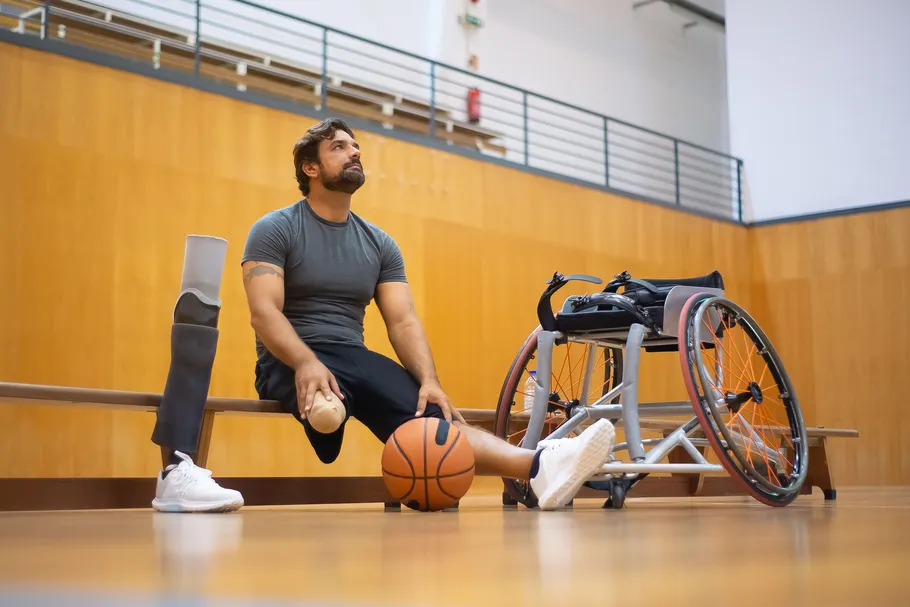
Four decisions, in order: type, pressure, fit, power. Get them in that order and the boots you buy are the boots you keep using. 🧭
Choose Your Type

Wireless pairs (JetBoots here) put the pump in each boot: no box, no hose, usable anywhere, with two batteries to keep charged. Pump-and-hose systems (Normatec 3, REGEN, Air Relax) put one control unit on the floor and run hoses to both boots: one thing to charge or plug in, with hoses to manage and a fixed spot to sit. Controller-and-remote hose sets (FIT KING, Reathlete) sit between the two: a handheld controller or remote on a hose, simpler than a full control unit, still tethered. The six picks here cover all three forms: one wireless pair, three pump systems and two controller sets.
Two links matter for the type decision. If squeezing is not the recovery you want at all, cold is the other side of the coin — our best cold plunge tubs for home gyms covers cold-water immersion instead of compression. And if heat is what your legs want after a session, our best saunas for home gyms covers the heat room that pairs with a compression session, not a replacement for it.
Choose Your Pressure

Pressure is measured in mmHg on five picks and in kPa on the Reathlete — the units convert (1 kPa is 7.5 mmHg), so the Reathlete’s 10–25 kPa reads as 75–187.5 mmHg alongside the others. Two numbers matter more than the maximum: how many levels the boot offers, and where the lowest level sits. The REGEN’s 20 levels give the finest steps; the JetBoots’ four steps of 25 mmHg give the coarsest. A beginner should start at the lowest level on any pick and rise only when the squeeze feels comfortable — the maximum is a ceiling, not a target, and the Safety section below says why.
Then read the maximum against your own tolerance, not the headline. The settled maxima here run from the JetBoots’ 100 mmHg to the REGEN’s 200 mmHg, with the Air Relax manual figure of 170 mmHg between them and the Reathlete’s 187.5 mmHg just below the top. If you have never used compression before, the low end of any pick will feel like plenty; if you already use compression and want more, the REGEN is the only pick here whose ceiling clears 190 mmHg on a settled figure.
Choose Your Fit
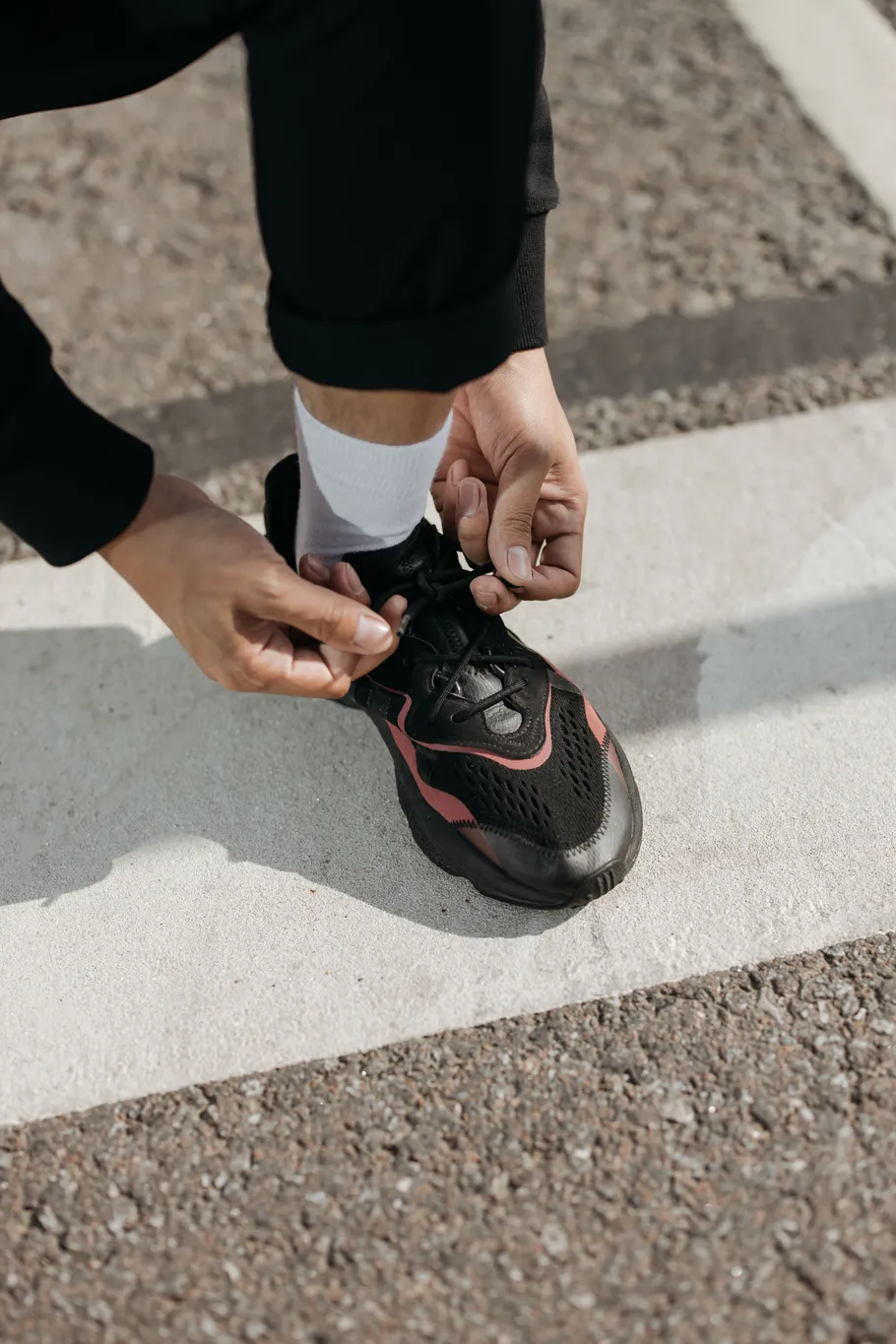
Measure twice: the length and the girth. The Normatec sizes by height (Short, Standard, Tall); the Air Relax sizes by inseam (E2, E3, E4); the Reathlete sizes by height plus thigh (5’1″ to 6’2″, thigh to 27–28 in across records, extensions adding 7.5 in per side). The JetBoots list three sizes per older records, and the FIT KING’s sensor adjusts inflation to leg size instead of offering sized boots — but a sensor is not a size chart, so check the listing’s fit range all the same. The REGEN’s boot sizes were not in the records checked here at all, so its fit must be confirmed on the listing before ordering.
Then read the fit against your own legs, not the headline. A boot that is too short leaves the upper thigh unsqueezed; a boot that is too tight at the thigh will not zip or wrap comfortably, and no amount of pressure settings fixes a wrong size. If you sit between sizes, the pick with extensions (Reathlete) or the pick with three height sizes (Normatec) gives you somewhere to go — a one-size pair does not, and none of the six picks here claims one-size-fits-all.
Choose Your Power

Battery boots work anywhere: the Normatec 3 runs up to 3 hours per charge, the JetBoots run 240 minutes per older records or 180 minutes per Prime records, the REGEN runs up to 3 hours per one retailer or 4 hours per the app page, and the Reathlete runs cord-free with a thinly recorded runtime of up to 1 hour for the Pro. Corded or unstated boots work in one spot: the Air Relax and FIT KING carry no battery figure in the records checked, so their listings must be read for corded-only running before buying — a boot that needs a wall outlet is still a fine boot, but it is not a travel boot.
Buy the power for the room you actually recover in, not the trip you wish you took. A battery pair earns its keep if you recover in different rooms, travel to races, or share boots between household members in different spots; a pump unit earns its keep if you recover in one chair, every time, and never want to think about charging. Count the chargers too: a wireless pair means two boots to charge, while a pump system means one unit — and a dead boot on a wireless pair halves the session.
Safety

1. Check with a clinician first if you have any history of blood clots or deep vein thrombosis, severe arterial disease, decompensated heart failure, diabetes with reduced feeling in the legs, skin infections or open wounds on the legs, a recent leg fracture or leg surgery, or if you are pregnant — compression boots squeeze the legs hard, and a boot guides the pressure but does not diagnose your circulation.
2. Start at the lowest pressure level on the first session, whatever the boot’s maximum is, and rise one level at a time only when the squeeze feels comfortable — the maximum is a ceiling, not a starting point.
3. Never sleep in recovery boots, and never exceed the session length your boot’s maker sets — a session that runs while you are asleep is a session you cannot stop.
4. Stop at once on numbness, tingling, sharp pain, skin colour change or skin marking that does not fade quickly after the session, deflate the boots, and do not push through it to finish the cycle.
5. Check skin and fit before every session — no boots over broken skin, rashes or fresh wounds, and no boot zipped or wrapped so tight it pinches before it even inflates.
6. Keep hoses, cords and control units clear of walkways and off wet floors, and keep the pump unit where it cannot be knocked over mid-session — a tripped hose mid-cycle is a fall, not a fault you sit through.
7. Keep children clear of inflating boots and hoses, store boots dry and out of direct heat between sessions, and never share boots between people without cleaning the sleeves first.
These notes are general information only, not medical advice — if pain, a circulation problem or a medical condition worries you, talk to a clinician before using recovery boots.
Frequently Asked Questions

Recovery boots or a massage gun — which one should I buy?
Buy the boots if you want passive, both-legs-at-once compression while you sit — waves from foot to thigh on a cycle, with no effort from you. Buy a massage gun if you want targeted percussion on one tight spot at a time, with your own hand doing the aiming. The two are not upgrades of each other — the boots squeeze, the gun pounds — and many home gyms end up with both, for different jobs.
How much pressure should a beginner start with?
The lowest level the boot offers — and no more on the first session. The JetBoots start at 25 mmHg, the Normatec at level 1 of 7, the REGEN at 10 mmHg per chamber, the Air Relax at 40 mmHg per its manual, the FIT KING at 50 mmHg, and the Reathlete at 10 kPa (75 mmHg). Rise one level at a time only when the squeeze feels comfortable, and never chase the maximum on day one.
How long should a session last?
Follow the boot you buy: the FIT KING’s timer tops out at 30 minutes, the JetBoots offer 20, 40 or 60 minutes or continuous, the Air Relax runs 5–95 minutes, and the REGEN runs 1–179 minutes in 1-minute steps. A typical post-session sit is 20–30 minutes on most picks; a longer session is not a better session, and you should never sleep in the boots.
Wireless or pump system — which should I choose?
Wireless if you recover in different places or travel — the JetBoots go anywhere, with two batteries to charge and a battery figure that reads 240 minutes on older records and 180 minutes on Prime records. Pump if you recover in one chair — the Normatec 3, REGEN and Air Relax give you one control unit, with hoses to manage and (for the Air Relax) no battery figure stated at all. The right answer is the room you actually sit in, not the form that looks tidiest in a photo.
Can recovery boots treat an injury or replace physiotherapy?
No claim of that kind is made in this guide, and you should not buy any recovery boot on such a promise. Boots are a post-session comfort and circulation aid for healthy legs; an injury, persistent pain, swelling that does not settle, or any circulation worry needs a clinician, not a product page. If a physio has already given you a plan, the boots sit inside that plan — they do not replace it.
What space and floor do recovery boots need?
A chair and a small patch of floor — no gym bay, no rack, no ceiling height to check. The pump units need floor space for the control box and room for hoses without a trip hazard, while the wireless pairs need only the chair. Put the chair on a proper gym floor first, and our best gym flooring for home gyms covers the floor and protection thinking that applies here too.
Our Pick: Start Here

Start with the Hyperice Normatec 3 Legs if you want the benchmark app system and do not mind a hose — and keep the Therabody RecoveryAir JetBoots as the alternate if wireless freedom matters more than maximum pressure. If you want every variable adjustable, the Rapid Reboot REGEN is the control route, while the Air Relax PRO 4.0 is the chamber-count route. If budget leads, the FIT KING FT-082A is the entry route, and the Reathlete Air-C is the zone-massage route if you want to work one zone at a time. Whichever you pick, check with a clinician first if anything about your circulation worries you, measure your legs second, confirm the listing third, and start at the lowest pressure.
As an Amazon Associate, we earn from qualifying purchases made through links on this page, at no extra cost to you.
Specifications come from maker pages and listing records at the time of writing and can change without notice — the dimensions, weights, capacities and model numbers above are the settled records we found, with conflicts stated in the text, not smoothed over. Always confirm the current listing before ordering.