

🏋️ A step platform is one of the simplest pieces of home gym kit: a flat, grippy deck that sits on stackable risers, so you can step up, down and around it for cardio and lower-body work. No motor, no screen, no assembly marathon — just a sturdy platform and a little floor space.
That simplicity is the appeal. A good platform turns a living room corner into a cardio station, and the same deck works for step-ups, knee lifts, lateral steps and gentle strength moves. The trick is picking the right size, height range and weight rating for your body and your room — and that is exactly what this guide compares.
We researched six adjustable platforms that are genuinely sold for home use, checking each one’s stated size, height steps, weight limit and build. This is a research-based guide: we did not test these platforms hands-on, and every photo below is a generic fitness scene, not a photo of the named product. If you are coming from our previous guide, see our Pilates rings guide, and for floor recovery work after a session, our foam rollers guide pairs well with step training.
How We Picked
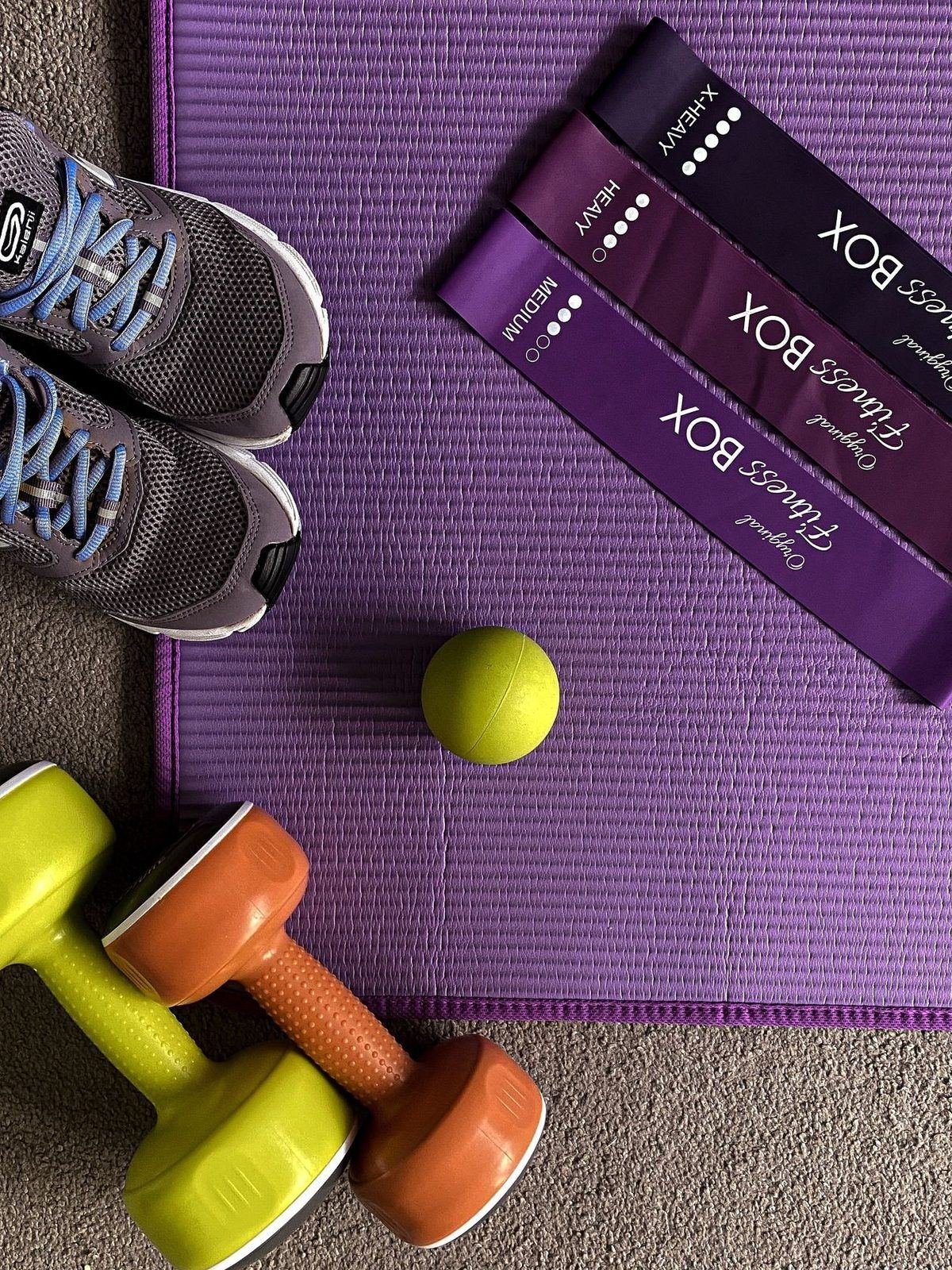
We started from established step-platform roundups, naming our sources plainly: FitnessVolt’s “10 Best Aerobic Step Platforms of 2026”, BestReviews’ step-platform guide, and Healing Daily’s steppers roundup. From those we shortlisted platforms with a clear deck size, a stated height range and a stated weight limit.
Each pick below states its honest limits. Where a listing record showed no featured offers, or where sources disagreed on a figure, the article says so in the pick’s listing-check note rather than smoothing it over. Records checked for this guide run from about 172 to about 272 days old (most recent record per pick).
What we compared for every pick:
- Deck size — how much foot room you actually get
- Height range — the riser steps, from beginner height to high-step work
- Weight limit — the maker’s stated rating, including any with-risers figure
- Surface and build — grip, material and how the risers lock or stack
- Availability record — whether the checked listing showed featured offers
Quick Comparison
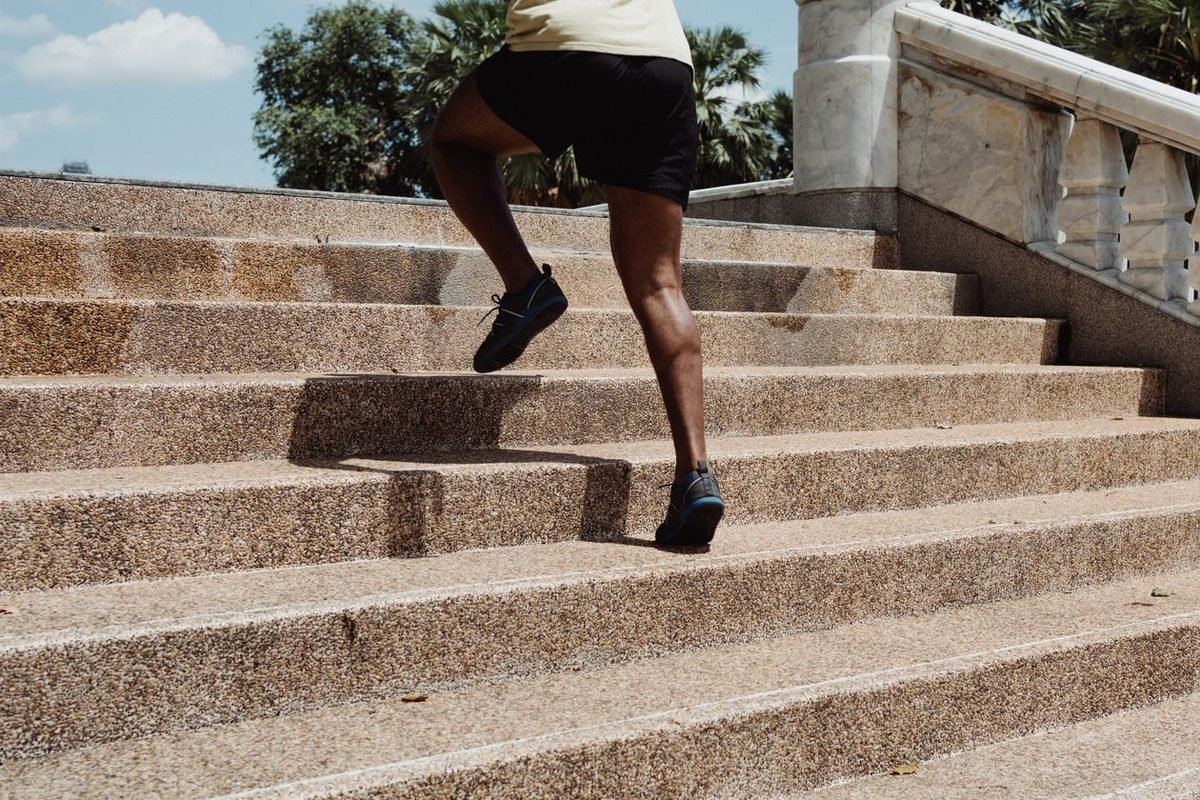
| Platform | Size | Height range | Weight limit | Standout |
|---|---|---|---|---|
| The Step Original Health Club Grey | 43 × 16 in | 4, 6, 8 in | 350 lb platform; up to 500 lb with risers cited | Full club-size deck |
| Yes4All Health Club Blue/Black | 42.5 × 16 in | 4, 6, 8 in | 300 lb | Near-club size in HDPE |
| Reebok Original Step Red | 40.1 × 15.1 in | 15, 20, 25 cm | 242 lb or 264 lb — sources differ | Click-and-lock risers |
| Tone Fitness Compact Blue | 26.77 × 11.02 in | 4, 6 in | 200 lb | Lightest stated weight, 5.29 lb |
| The Step High Step Grey | Club-size deck | 4–12 in | 275 lb; 400 lb with risers per maker | Tallest height range |
| F2C 43-inch | 43 × 16 in | 4, 6, 8 in | 550 lb claimed | Highest claimed limit |
What a Step Platform Actually Does
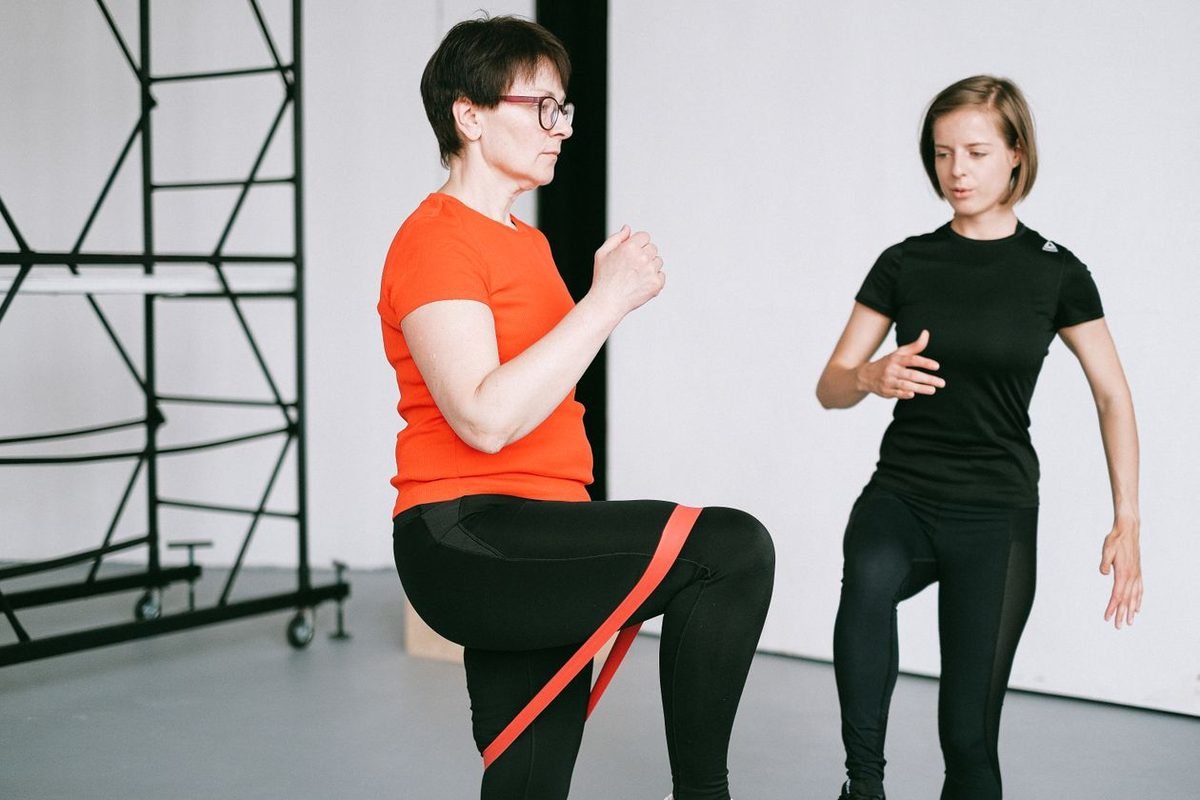
Step aerobics grew out of group fitness classes in the late 1980s and early 1990s, when instructors began choreographing routines around a low, stable platform. The idea was simple: stepping up and down to music gives a solid cardio workout with less joint pounding than running, while the legs and glutes do the work.
At home, a platform does three jobs. First, it is a cardio tool — basic steps, knee lifts and lateral moves raise the heart rate without needing a machine. Second, it is a lower-body trainer — step-ups, lunges onto the deck and controlled step-downs build leg strength. Third, it is a routine anchor: one piece of kit, one spot on the floor, and a session can start in under a minute.
It is not a plyometric box. Plyo boxes are taller, fixed-height platforms built for explosive jumps, while step platforms are lower, adjustable and built for repeated stepping. If jumping is your goal, see our plyometric boxes guide instead — and if you want a motorised climb, a stair climber machine is a different category altogether. A step platform is the low-tech, low-impact middle ground.
The Step Original Health Club Grey
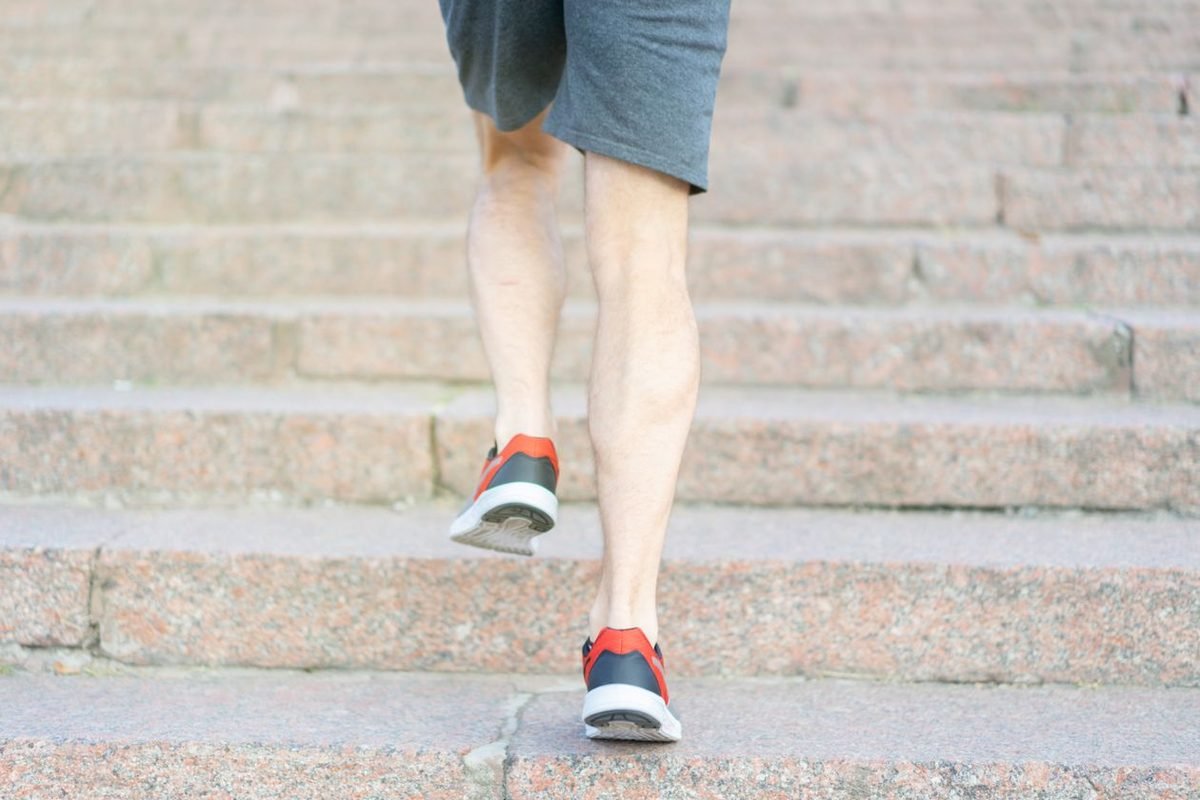
The Step Original is the club-style benchmark: a full 43 × 16 inch deck with risers that stack to 4, 6 or 8 inches. It is the platform most step classes were built around, and its size is the reason — there is room for a full foot plant plus a little margin on every step.
Its stated platform rating is 350 lb, and BestReviews also cites a figure of up to 500 lb with risers fitted. We state both figures rather than merging them, because the two sources describe the rating differently. The most recent listing record we checked was about 172 days old and was shipped from and sold by Amazon.com.
✅ Pros
- Full club-size 43 × 16 inch deck
- Simple 4, 6 and 8 inch riser steps
- Long market history in step classes
- Most recent record sold by Amazon.com
⚠️ Cons
- Large footprint for a small room
- Two different weight figures cited — read both
- Older records showed no featured offers
Check The Step Original Health Club Grey on Amazon
⚠️ Listing check: the most recent record checked (about 172 days old) showed featured offers and was shipped from and sold by Amazon.com, but older records at about 228 and 286 days showed no featured offers — please check the current offer before ordering.
Best for: dedicated step-aerobics routines in a roomy space, where a full-size deck matters.
May not fit: tiny flats, or anyone who needs to pack the platform away after every session.
Yes4All Health Club Blue/Black
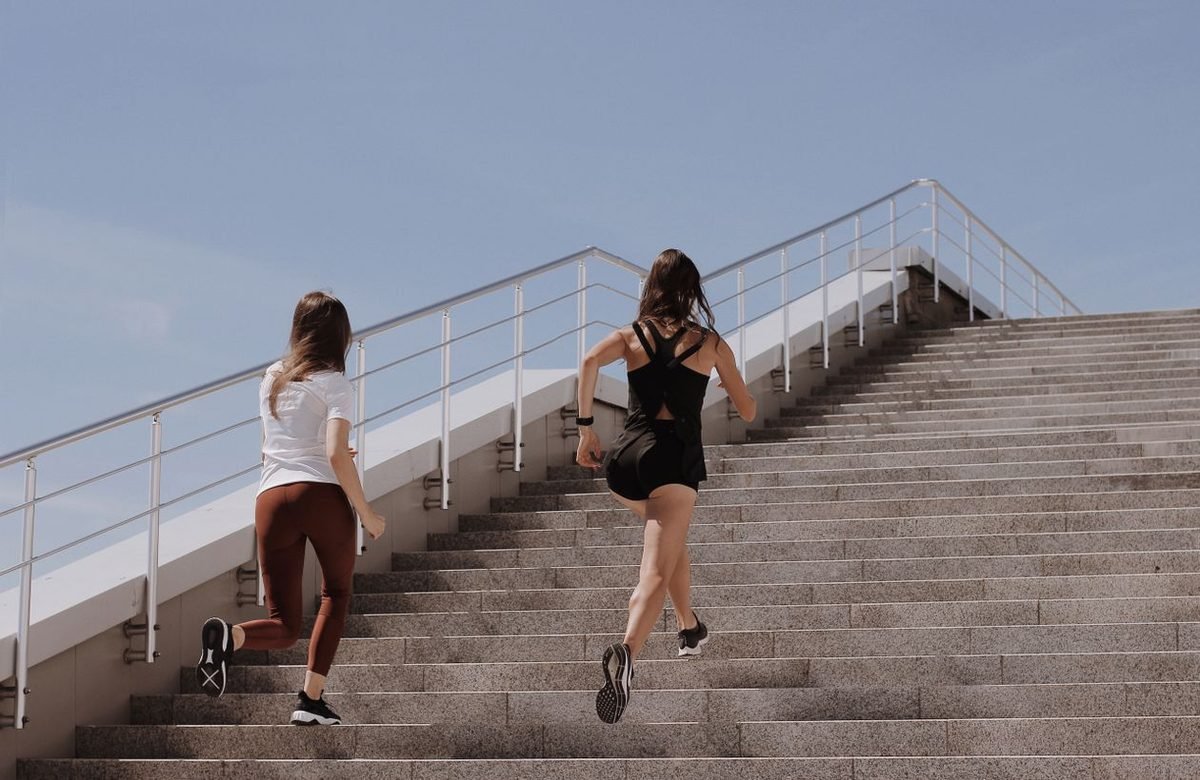
Yes4All’s health-club platform is nearly club-size at 42.5 × 16 inches, with the same 4, 6 and 8 inch riser steps as the benchmark above. It is built from HDPE and ships with four square risers, so the deck sits evenly at each height.
Its stated weight limit is 300 lb, which sits below the highest claimed ratings in this guide but comfortably covers most home users. The record we checked was about 272 days old — the oldest most-recent record among the six picks.
✅ Pros
- Near-club-size 42.5 × 16 inch deck
- HDPE build with four square risers
- Familiar 4, 6 and 8 inch heights
⚠️ Cons
- Record checked showed no featured offers
- 300 lb limit is below the highest here
- Oldest most-recent record in this guide
Check the Yes4All Health Club Blue/Black on Amazon
⚠️ Listing check: the record checked (about 272 days old) showed no featured offers — please check the current offer and availability before ordering.
Best for: taller users who want a long deck at home without going fully club-size.
May not fit: anyone at or near the 300 lb limit, or buyers who need a confirmed live offer today.
Reebok Original Step Red
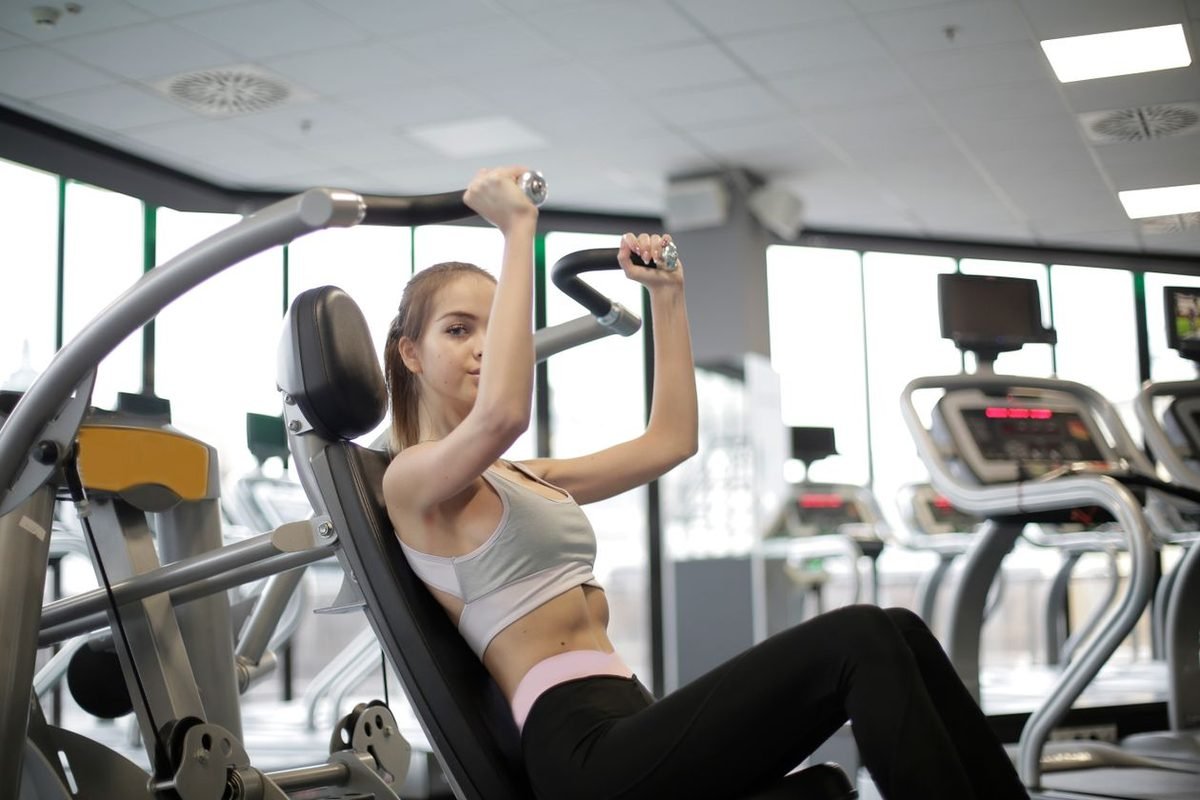
Reebok’s original step is the compact classic: a 40.1 × 15.1 inch deck with click-and-lock height adjustment at 15, 20 and 25 cm — about 5.9, 7.9 and 9.8 inches. The locking risers are its signature: they click into place instead of simply stacking, which suits sessions where the platform gets moved or restacked often.
One honest conflict: older maker material cites a 242 lb limit, while some roundups cite 264 lb. We state both figures and do not settle the difference, so heavier users can judge with the lower figure in mind.
✅ Pros
- Click-and-lock risers that stay put
- More compact than club-size decks
- Long step-class heritage
⚠️ Cons
- Weight-limit figures conflict (242 vs 264 lb)
- Smaller deck than the 43-inch picks
- Lowest height is 15 cm (about 5.9 in) — above the usual 4-inch beginner step
Check the Reebok Original Step Red on Amazon
⚠️ Listing check: the record checked (about 194 days old) showed featured offers; the weight-limit conflict above still applies, so confirm the rating on the listing before ordering.
Best for: step classes at home in a mid-size space, where locking risers are a plus.
May not fit: users who need a 43-inch deck, or a settled 300 lb-plus rating.
Tone Fitness Compact Blue
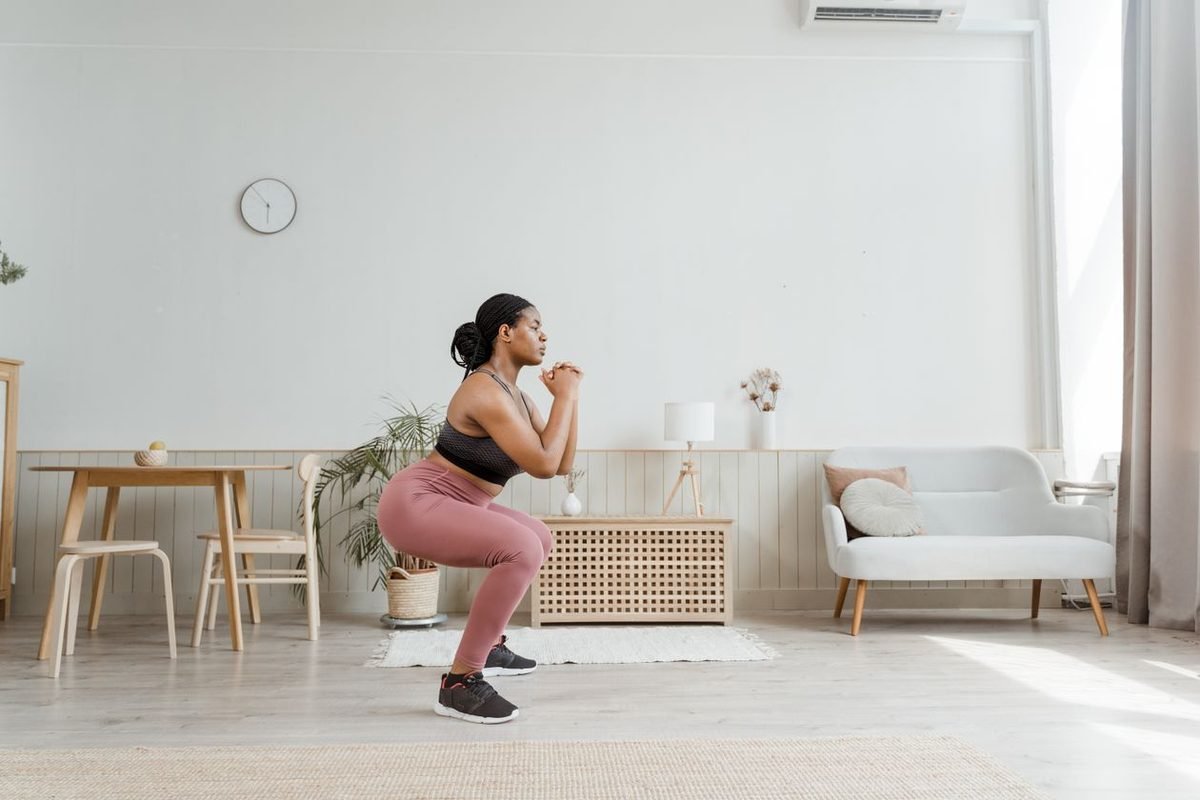
Tone Fitness Compact is the small-space pick: a 26.77 × 11.02 inch deck that adjusts to 4 or 6 inches and weighs just 5.29 lb — the lightest stated weight in this guide. It also includes a workout chart, which is handy if you are new to step routines and want a printed starting point.
The trade-offs are real. Its stated limit is 200 lb, the lowest in this guide, and it tops out at 6 inches, so there is no 8-inch step for progression. Every record we checked — about 187, 231 and 300 days old — showed no featured offers, which is the strongest availability flag in this guide.
✅ Pros
- Smallest deck here — fits tight rooms
- Lightest stated weight at 5.29 lb
- Workout chart included
- Easy to move and store
⚠️ Cons
- No featured offers in any record checked
- Lowest limit here at 200 lb
- Only 4 and 6 inch heights — no 8-inch step
Check the Tone Fitness Compact Blue on Amazon
⚠️ Listing check: all three records checked (about 187, 231 and 300 days old) showed no featured offers — please confirm a live offer exists before ordering.
Best for: beginners, small spaces, and anyone buying a first step platform.
May not fit: heavier users, or anyone wanting an 8-inch height for progression.
The Step High Step Grey
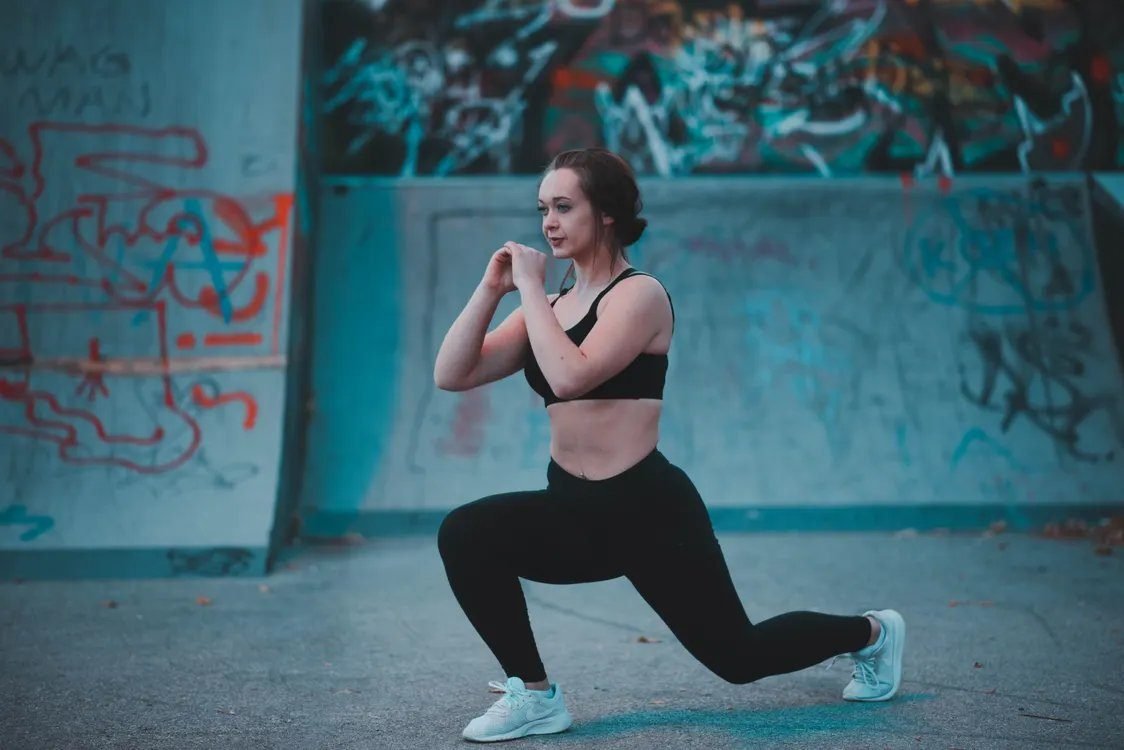
The Step High Step is the height pick: where most platforms stop at 8 inches, this one adjusts from 4 all the way to 12 inches. That range suits experienced steppers who want high-step work, deeper step-ups and more demanding cardio intervals from the same deck.
Its stated limit is 275 lb, rising to 400 lb with risers fitted according to maker material — again, two figures for two setups, stated separately rather than merged. Both records we checked, at about 195 and 297 days old, showed no featured offers.
✅ Pros
- Tallest height range here, 4–12 inches
- 400 lb with-risers figure per maker material
- Same stackable riser system as the club Step
⚠️ Cons
- No featured offers in records checked
- Tall stacks demand careful form and balance
- Overkill if you only ever use 4–6 inches
Check The Step High Step Grey on Amazon
⚠️ Listing check: both records checked (about 195 and 297 days old) showed no featured offers — please check the current offer before ordering.
Best for: experienced steppers who want high-step work up to 12 inches.
May not fit: beginners, or rooms where a 12-inch stack plus your height feels tight.
F2C 43-inch
F2C’s 43-inch platform pairs a full club-size 43 × 16 inch deck with the highest claimed weight limit in this guide: 550 lb. Its risers stack to 4, 6 and 8 inches, and at 19 lb it has a solid, planted feel underfoot.
That weight is also the catch for small homes — 19 lb is a lot to shift and store after every session. And the record we checked, about 188 days old, showed no featured offers, so availability needs a live check.
✅ Pros
- Highest claimed limit here at 550 lb
- Full club-size 43 × 16 inch deck
- Familiar 4, 6 and 8 inch heights
⚠️ Cons
- Record checked showed no featured offers
- 19 lb — heavy to move and store
- Large footprint like other club-size decks
Check the F2C 43-inch on Amazon
⚠️ Listing check: the record checked (about 188 days old) showed no featured offers — please check the current offer before ordering.
Best for: heavier users who want the biggest deck and the highest claimed rating.
May not fit: small-space buyers, or anyone needing a confirmed live offer today.
How to Choose
Start with your room, then your body, then your routine. A platform that does not fit your floor will not get used, and a deck rated below your weight is not a bargain at any availability. The four points below cover the decisions that matter most.
For balance work alongside stepping, our balance boards guide covers wobble training, and for wiping down a deck after a sweaty session, our gym towels guide is worth a look.
Size and Height Range
Deck length matters more than most buyers expect. A 43-inch deck gives room for wide lateral steps and a full foot plant; a compact 27-inch deck saves floor space but leaves less margin if your stride is long. If you are over 6 feet tall, lean toward the longer decks.
On height, everyone should start at 4 inches. The 6-inch step suits regular sessions, 8 inches is a solid workout height, and anything above that — like the High Step’s 12 inches — is for experienced steppers only. A platform that only offers 4 and 6 inches is fine for beginners but limits progression.
Surface, Grip and Stability
The deck surface should feel grippy under trainers, even when it gets damp — a smooth, hard top is a slip risk mid-routine. Look for a textured or rubberised surface in the listing description, and check that the risers lock or stack without wobble.
Stability also comes from the floor: use the platform on a flat, hard surface, never on a thick rug or an uneven floor. If the deck rocks at all when you press a corner, stop and reseat the risers before stepping on it.
Weight Limit and Build

Read the weight limit the way the maker states it. Some ratings describe the bare platform, others the platform with risers fitted — and as this guide shows, the two figures can differ by 100 lb or more. Use the lower figure when in doubt, and add your own weight plus any dumbbells you hold.
Build material is a secondary clue: HDPE and similar dense plastics hold up well, while very light platforms can feel less planted under a fast routine. Weight alone is not quality, but a 19 lb deck will feel different from a 5 lb one — try to match the feel to your routine’s intensity.
Storage and Small Spaces
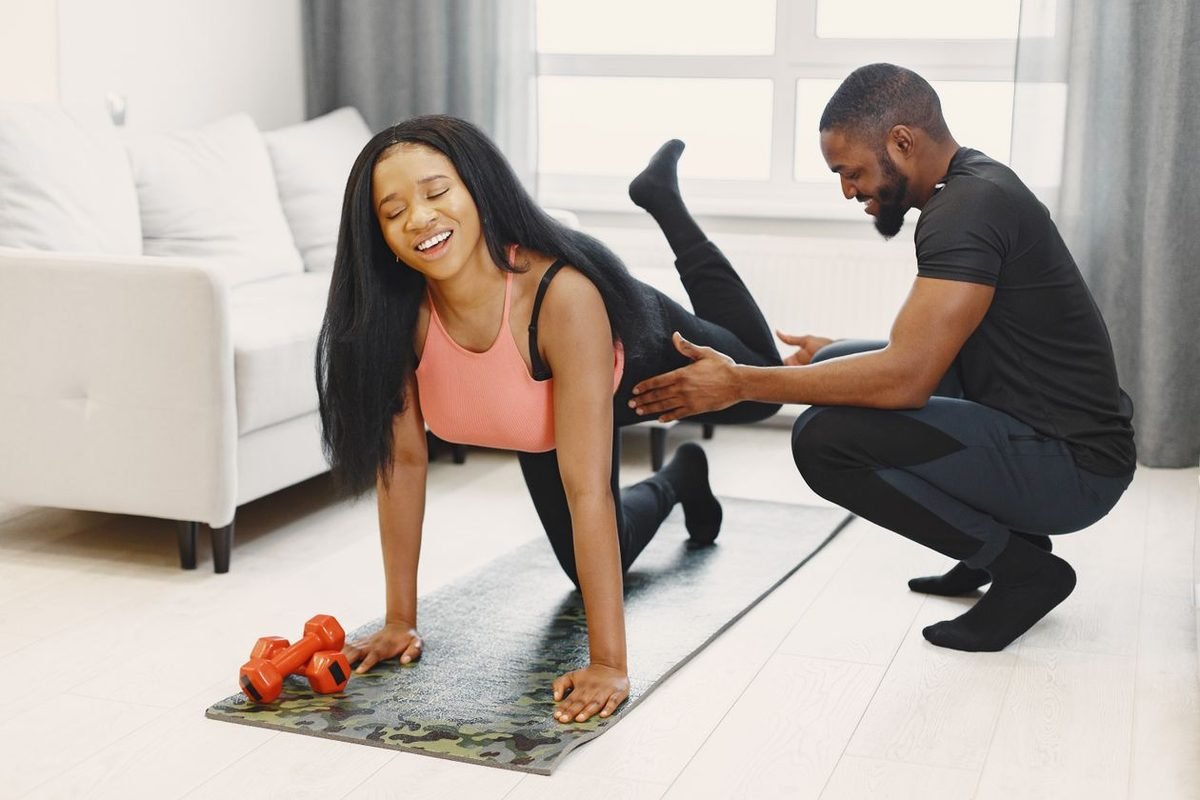
Club-size decks are about 43 inches long, so measure your storage spot before ordering. Risers usually nest or stack, but the deck itself does not fold, so it needs a lean-to space behind a door, under a bed or against a wall.
Compact decks win here: a 27-inch platform slides under most beds and leans neatly in a closet. If your workout space doubles as a living room, the compact pick’s 5.29 lb weight is a genuine daily advantage, not just a spec-sheet win.
Safety
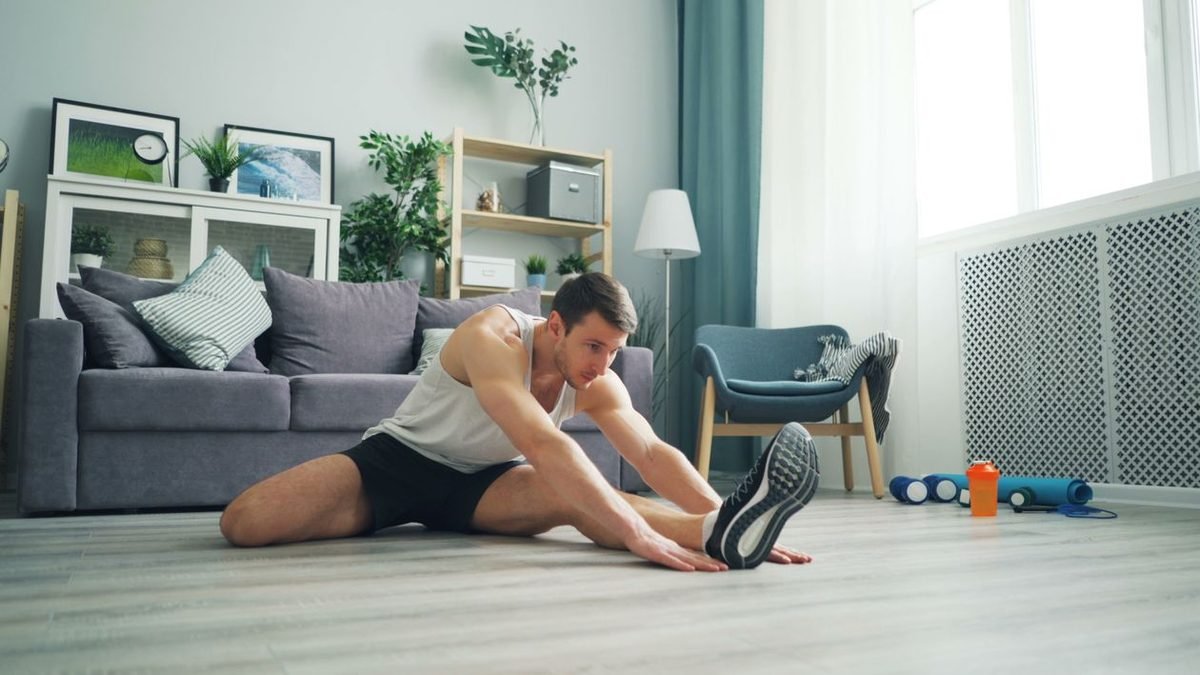
Step workouts are low-impact, but the platform itself introduces trip and slip risks that deserve respect. Follow these steps every session:
- Place the platform on a flat, hard floor with clear space on all sides — never on a thick rug.
- Check every riser is fully seated and locked before your first step; press each corner to test for rocking.
- Wear supportive trainers with grip, and place your whole foot on the deck — never just the toes.
- Start at 4 inches for your first sessions, and raise the height only when the lower height feels easy.
- Keep knees soft and tracking over your toes; step down with control instead of dropping off the deck.
- Keep a wall, chair or rail within reach for your first few sessions, especially at higher stacks.
- Stop if you feel dizzy, or if a knee or ankle hurts — and cool down with a gentle stretch afterwards. For ankle support work, our ankle weights guide covers weighted lower-leg training separately.
Frequently Asked Questions
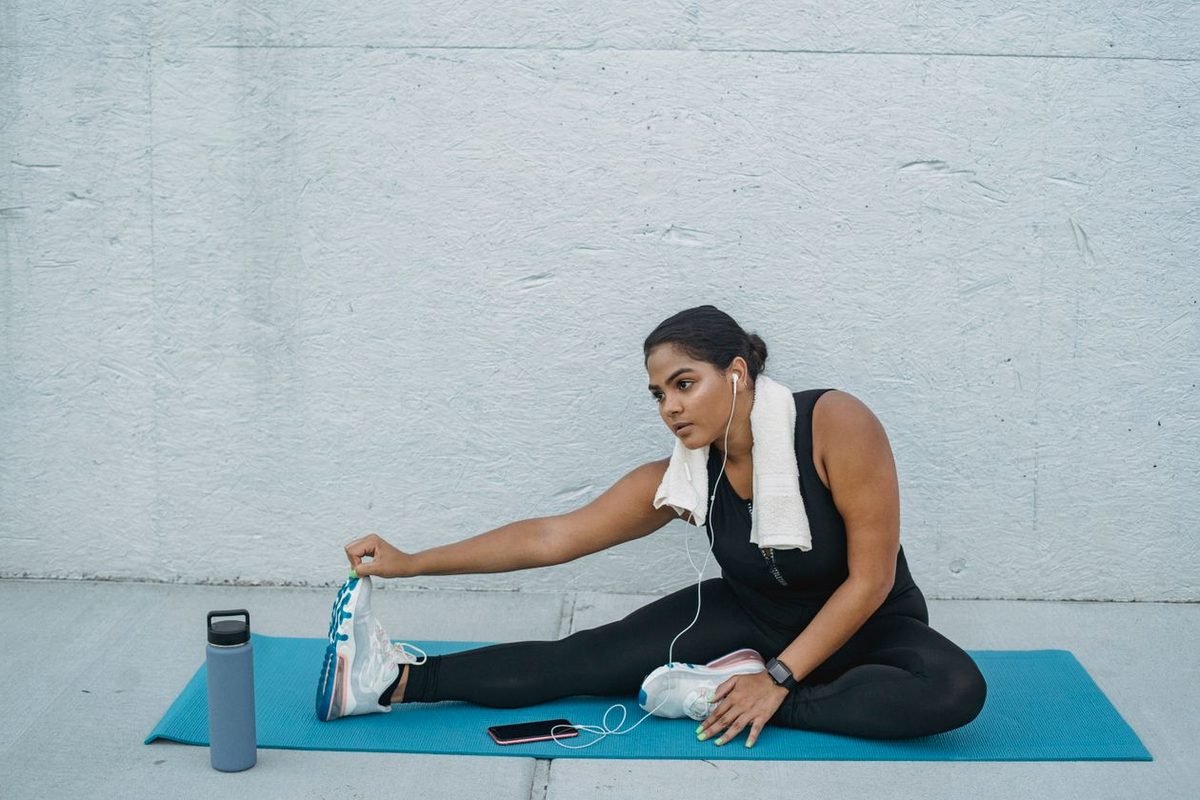
What height should a beginner start at? Start at 4 inches. It feels easy, and that is the point — learn the footwork, build the habit, then move to 6 inches when 4 feels too easy. Jumping straight to 8 inches is the most common beginner mistake.
Can I use a step platform every day? Yes, for moderate sessions — step aerobics is low-impact compared with running, so daily 20–30 minute sessions suit most healthy adults. Vary the intensity, and take a rest day if your knees or shins feel sore.
What is the difference between a step platform and a plyometric box? A step platform is lower and adjustable (typically 4–8 inches) and built for repeated stepping routines. A plyometric box is taller, fixed-height and built for explosive jumps. They look similar but serve different training goals.
Do I need special shoes for step workouts? No special shoe is required, but supportive trainers with good grip are important — avoid worn-smooth soles and never step in socks alone. Cross-trainers or court shoes work well.
How do I store a step platform? Stack the risers together and lean the deck against a wall, behind a door or under a bed. Club-size decks are about 43 inches long, so measure first; compact decks fit under most beds easily.
Is step aerobics genuinely low-impact? It is lower-impact than running because one foot stays in contact with the deck or floor through most moves, but it is not zero-impact — controlled step-downs and good shoes still matter, especially at higher stacks. For other low-impact home cardio, our exercise balls guide covers balance-ball routines.
Our Pick: Start Here
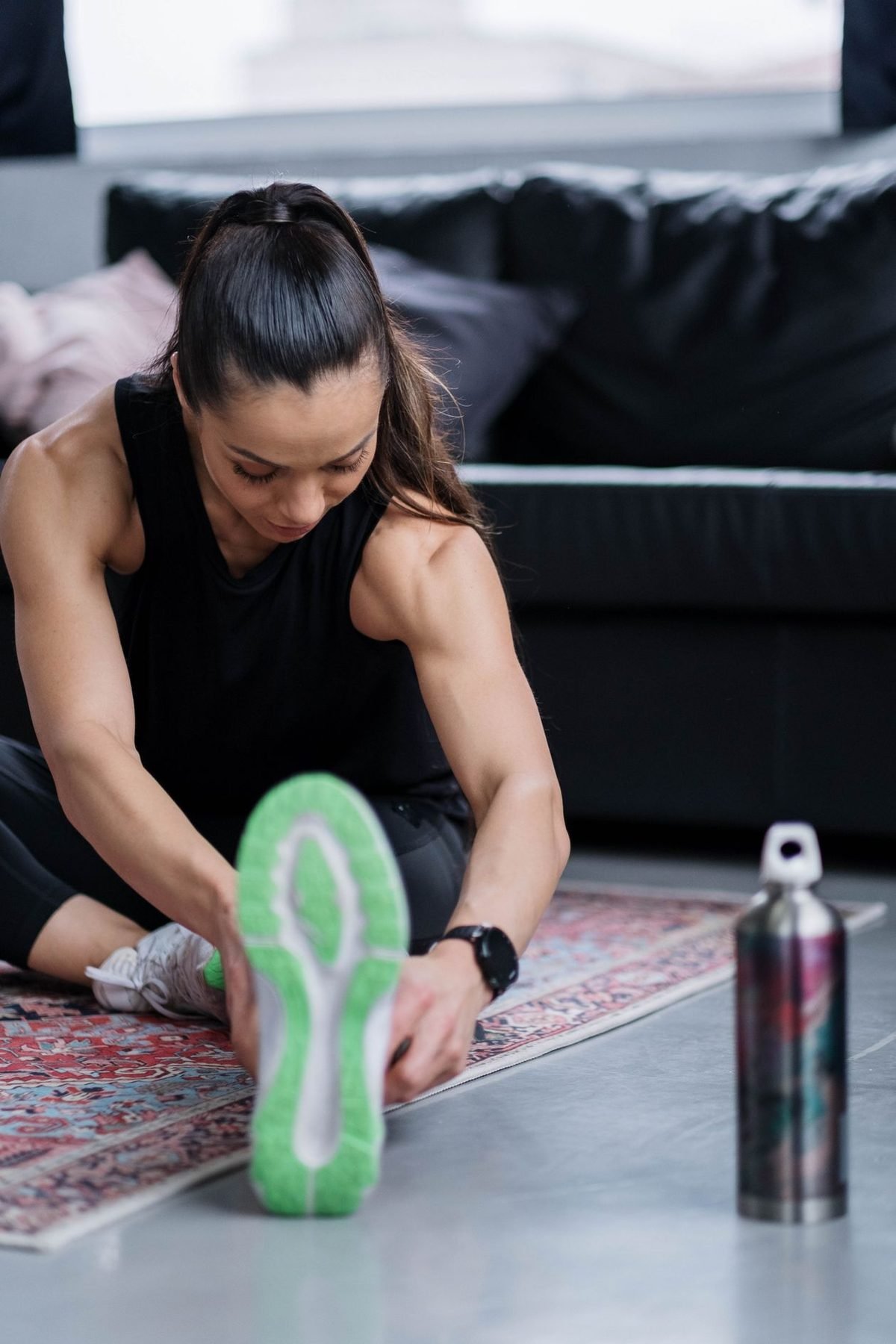
If you want one answer: start with The Step Original Health Club Grey if you have the room — its full club-size deck is the reference every other platform is measured against, and its most recent listing record showed a live offer. If space is tight, the Tone Fitness Compact Blue is the sensible first step, with the honest caveat that every record we checked showed no featured offers, so confirm availability first.
For height progression, the The Step High Step Grey is the only pick reaching 12 inches, and for the highest claimed rating, the F2C 43-inch claims 550 lb — both carry the same check-the-offer warning. The Reebok Original Step Red suits mid-size rooms with its click-and-lock risers, and the Yes4All Health Club Blue/Black is the near-club-size alternative in HDPE. Whichever you choose, start at 4 inches, check the risers before every session, and confirm the live offer before ordering.
As an Amazon Associate, we earn from qualifying purchases made through links on this page, at no extra cost to you. Please check the current offer and product details on Amazon before ordering, as listings and availability can change.
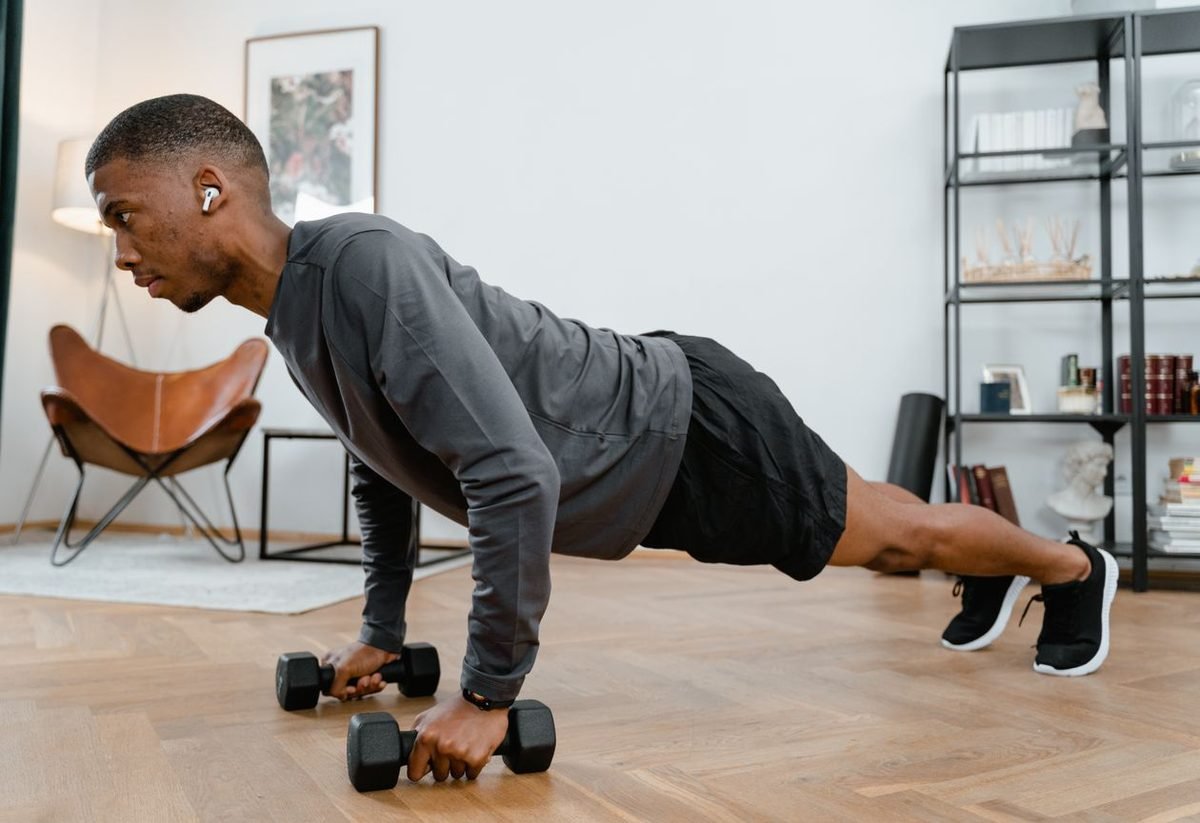
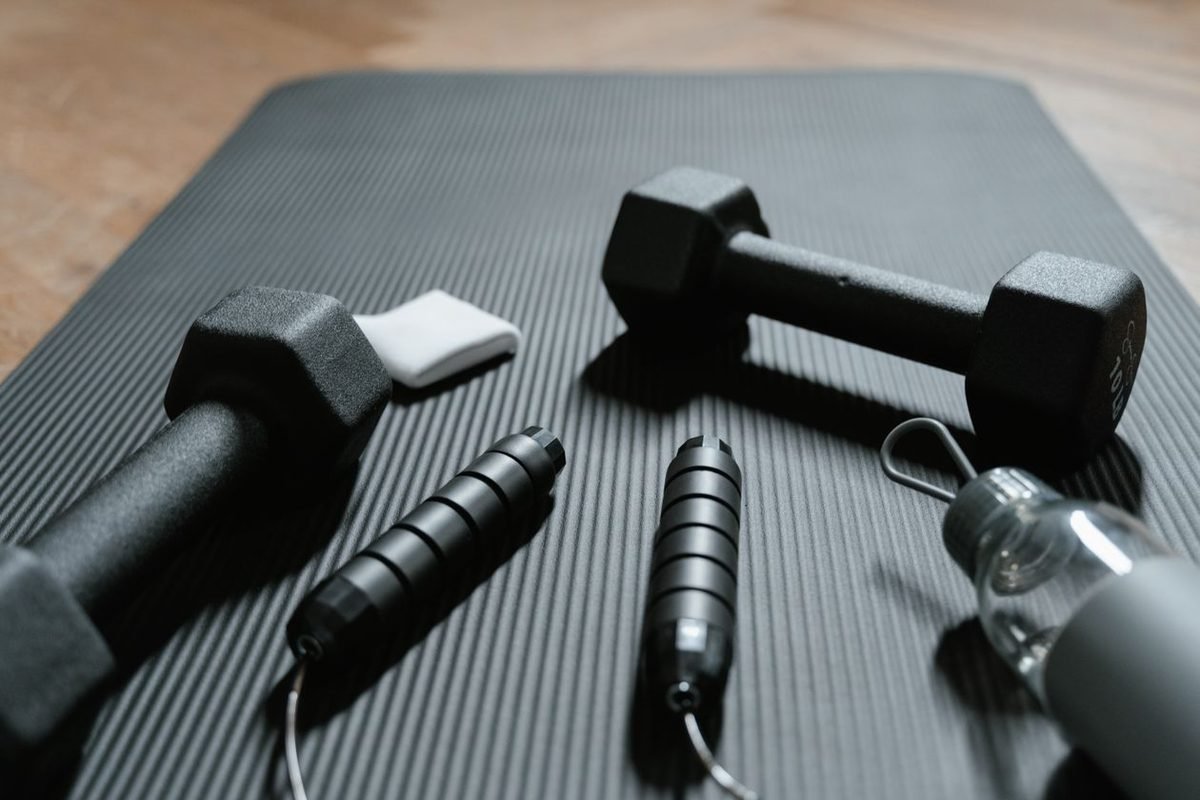
All photos in this guide are generic fitness scenes from Pexels, used to illustrate step and home-workout themes. They are not photos of the named products, and product details above come from maker listings and published roundups, not hands-on testing.