

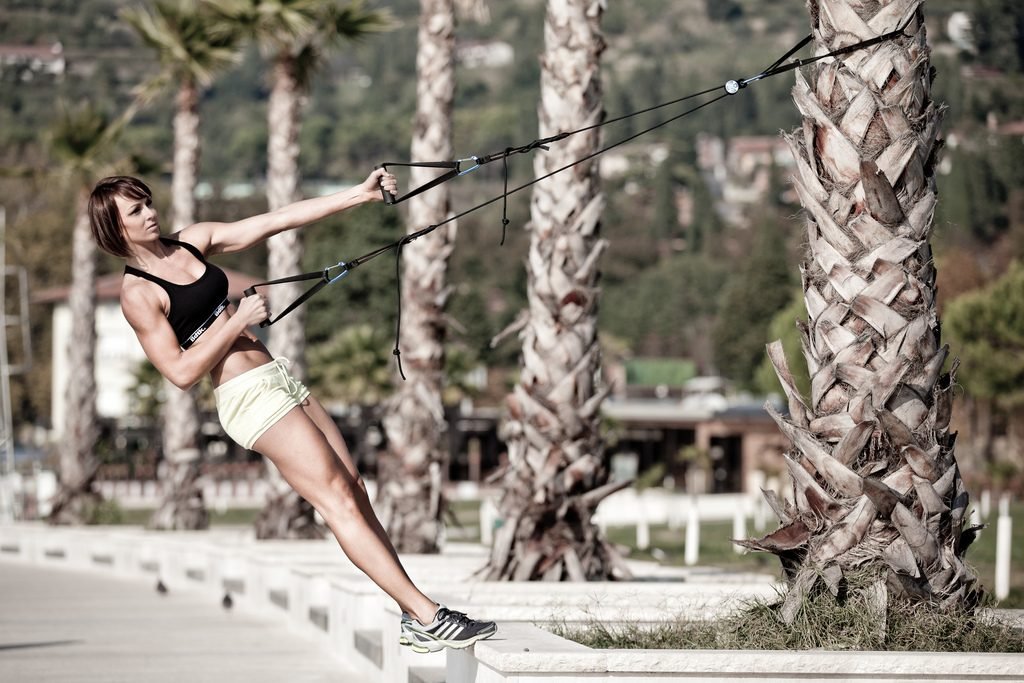
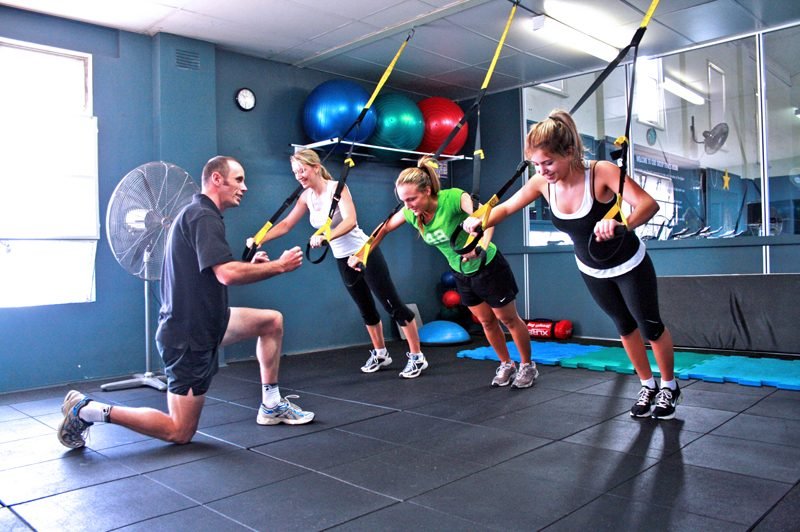
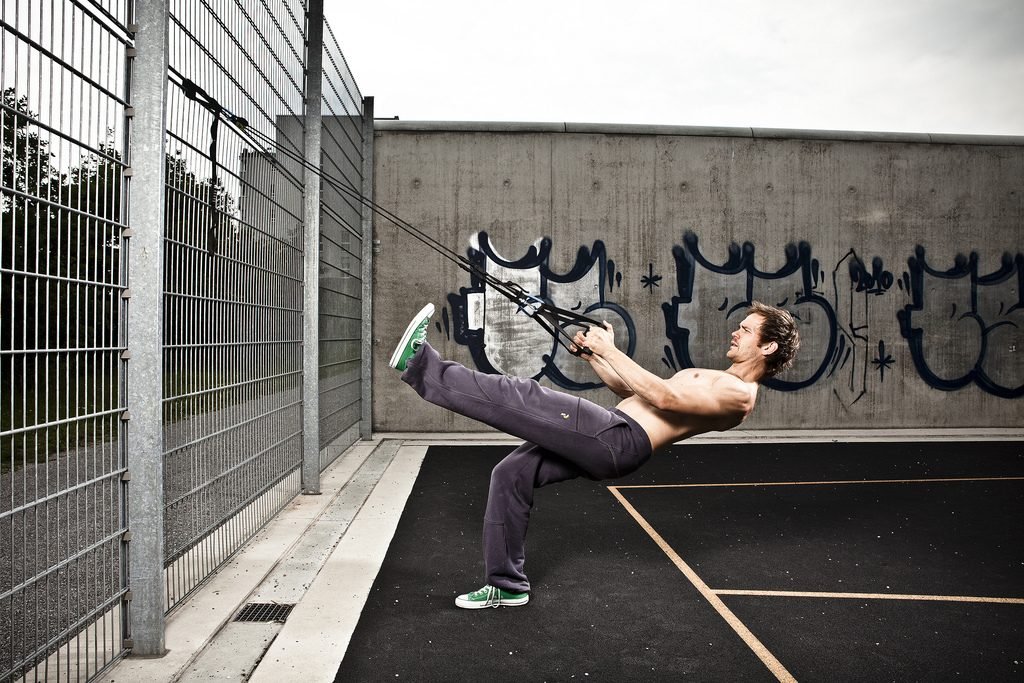
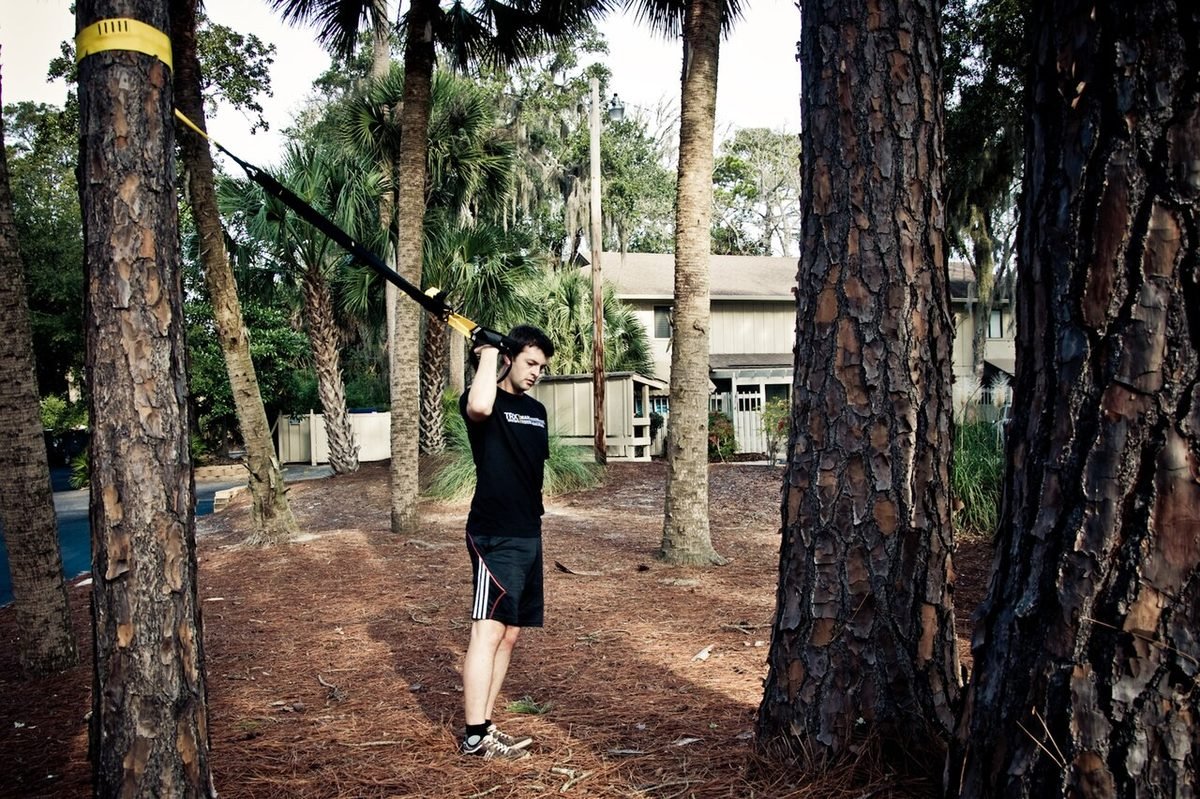
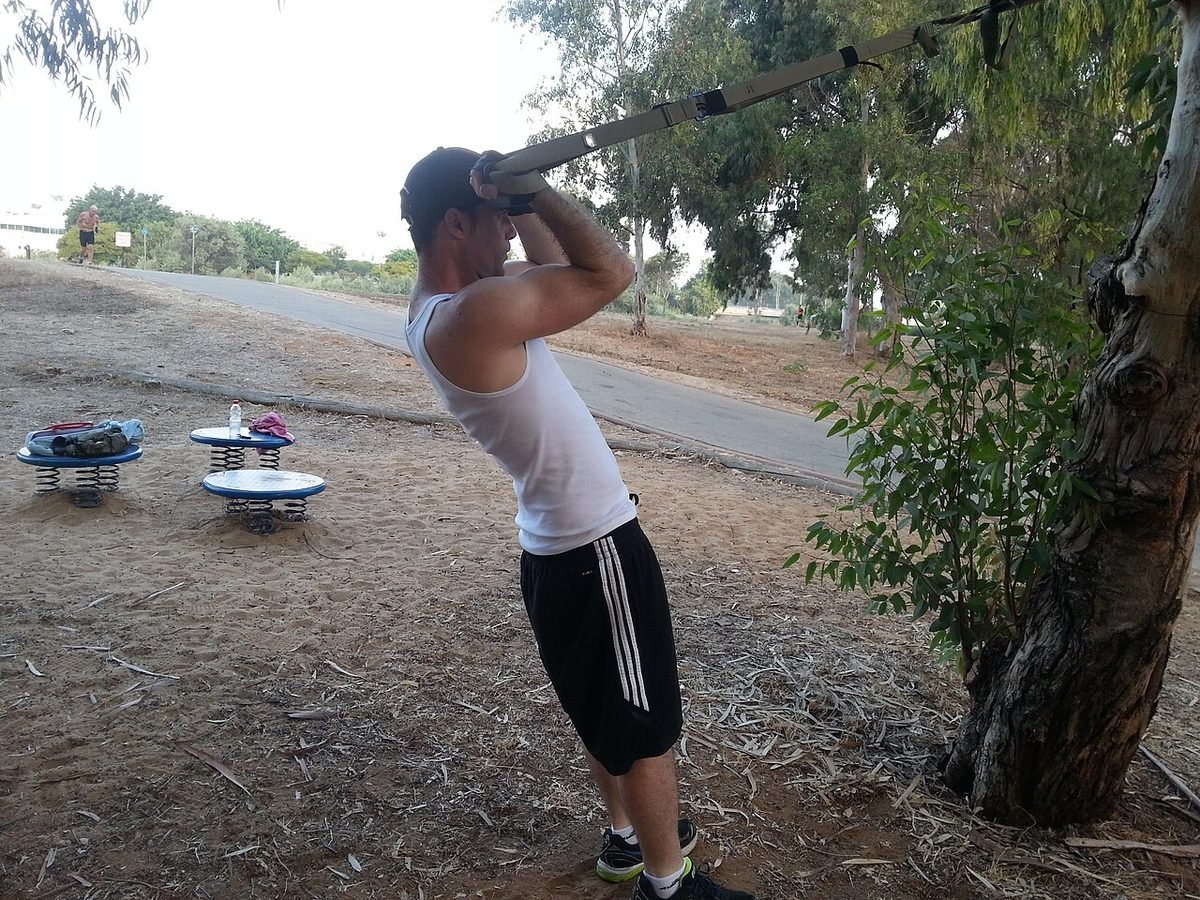
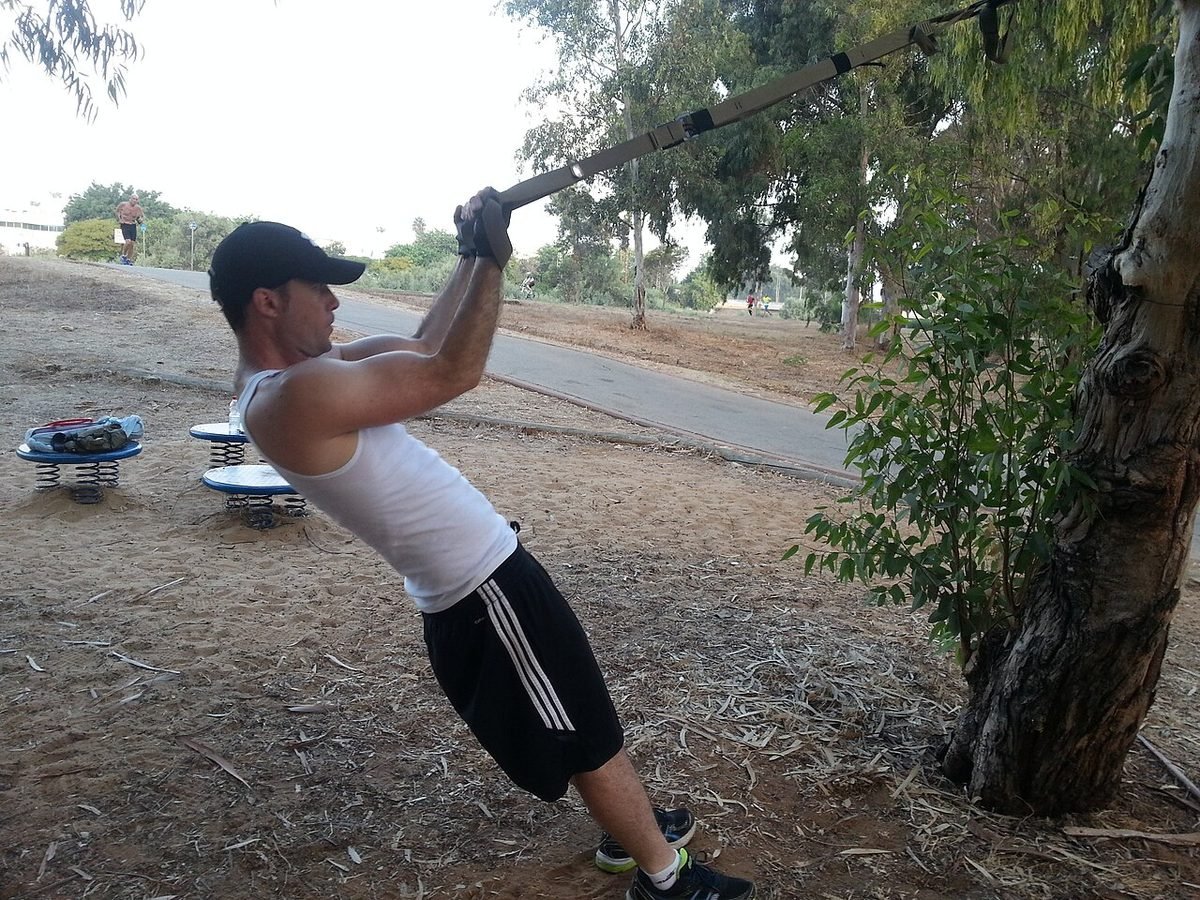
A suspension trainer is two straps, an anchor and your own body weight. 🏋️ Hang it from a door, a pull-up bar, a beam or a tree, and you can row, press, squat, lunge and plank — no weights, no machines, almost no space.
This guide picks six trainers that are actually sold on Amazon US, and explains the one thing that matters more than the brand: the anchor. A great trainer on a weak anchor is a bad buy, whatever the box says.
If you already train with rings, our previous guide to gymnastic rings for home gyms pairs well with this one — straps are the friendlier, more forgiving cousin.
How We Picked This List
We researched this list from roundups, maker listings and trainer guidance — we did not buy or test these trainers hands-on, and this guide does not claim otherwise. Every pick below had to meet three tests.
First, it must be a real suspension trainer sold on Amazon US — straps with handles or foot cradles, not a resistance band or a pull-up bar. Second, its anchor system must be clear: door, bar, beam or tree, stated plainly. Third, its limits must be stated too, including where a weight rating is not published.
Where an Amazon listing could not be confirmed with confidence, we say so and link to an honest search page instead of guessing a product code.
Quick Comparison Table
| Trainer | Best for | Anchors | Weight rating note |
|---|---|---|---|
| TRX All-In-One | Most home gyms | Door, bar, beam, tree | Maker safety-tested to 700 lb |
| TRX Pro3 | Serious training | Three anchors included | Commercial-grade build |
| TRX GO | Travel and small spaces | Door, bar, beam, tree | Lightest pick, about 1.5 lb |
| Lifeline Jungle Gym XT | Split-anchor training | Two door anchors | No maximum user weight stated |
| ComCor | Simple door-anchor setup | Door anchor, two attachment points | Lifetime warranty against defects |
| Bodytorc | Budget alternative | Door anchor | Search listing only — confirm before buying |
No prices are quoted in this guide — listings change, so check the current offer on the product page before you buy. 💡
1. TRX All-In-One Home Gym System — Best Overall
TRX All-In-One Home Gym System on Amazon
Please confirm the current offer on the product page before buying — listings and availability change.
TRX invented this category. Founder Randy Hetrick, a former Navy SEAL, developed the system in the 1990s and started marketing it in 2005 — that history is why TRX still sets the standard other straps are judged against. ✅
Who it is for: anyone buying their first suspension trainer and wanting the safe, complete choice — home workouts, travel workouts, and everything in between.
Why it wins:
- Four anchors in the box — door, bar, beam and tree — so you are not locked to one spot.
- Maker safety-tested to 700 lb, the clearest rating on this list.
- Mesh carry bag, workout guide and a 2-year warranty included.
- Ranked #3 in Exercise Suspension Trainers on Amazon at research time.
Watch out for:
- It costs more than generic straps — you are paying for the anchor kit and the warranty.
- One older listing check showed no featured offers, so confirm availability before you count on it.
2. TRX Pro3 — Best Pro-Grade Pick
TRX Pro3 Suspension Trainer on Amazon
Please confirm the current offer on the product page before buying — listings and availability change.
The Pro3 is TRX’s commercial-grade system, built for gyms and trainers who use it all day. For a home gym it is the buy-it-once option. 💪
Who it is for: experienced trainers, coaches, and home-gym owners who want the toughest straps TRX makes.
Why it stands out:
- Three anchors included, covering door, bar and beam setups.
- Ships from Amazon and sold by TRX Training on the US listing we checked.
- Comes with 8 video workouts and an 8-week program to follow.
- Heavier-duty webbing and hardware than the home models.
Watch out for:
- Overkill if you only train twice a week — the All-In-One covers most home use.
- The program material assumes you already know basic form.
3. TRX GO — Best Portable Pick
TRX GO Suspension Trainer (grey) on Amazon
Please confirm the current offer on the product page before buying — listings and availability change. Confirm the grey GO: a black GO variant is sold under a different listing.
The GO is the travel TRX — about 1.5 lb (0.68 kg), foam handles, nylon straps, and a mesh bag it actually fits back into. 🎒 It is the pick for hotel rooms, parks and small flats.
Who it is for: travellers, renters and anyone whose gym bag is already full.
Why it stands out:
- Lightest trainer on this list — it disappears into a day bag.
- Indoor and outdoor anchors included, like the All-In-One.
- Foam handles are kinder on bare hands than hard grips.
- Same row, press, squat and plank menu as the bigger TRX sets.
Watch out for:
- Simpler adjusters than the Pro models — setup takes a few seconds longer.
- Our listing check for this one is the oldest on the list, so double-check availability.
4. Lifeline Jungle Gym XT — Best Split-Anchor Pick
Lifeline Jungle Gym XT on Amazon
Please confirm the current offer on the product page before buying — listings and availability change.
Most suspension trainers hang from one anchor point. The Jungle Gym XT splits: two independent straps, each with its own anchor, so you can set narrow, neutral or wide angles. That split is its whole reason to exist. 🔀
Who it is for: trainers who want independent-arm work, wide rows and flyes, and angle variety a single-anchor set cannot give.
Why it stands out:
- Patented split-anchor design — narrow, neutral and wide strap angles.
- Straps adjust from 16 to 94 inches, a huge range for tall and short users.
- Two non-scuff door anchors included, plus a loop-over cinch for bars and beams.
- Industrial-strength straps, about 3 lb total, and roughly 4.6 stars from over 1,200 reviews in roundups we checked.
Watch out for:
- No maximum user-weight rating is stated by the maker — we state that plainly rather than guessing one.
- Two anchors means twice the setup checking — both must be solid, every time.
- Only a 90-day warranty, the shortest on this list.
5. ComCor Suspension Gym Fitness Trainer — Best Basic Door-Anchor Pick
ComCor Suspension Gym Fitness Trainer on Amazon
Please confirm the current offer on the product page before buying — listings and availability change. Note: this product code comes from a single source, so verify the listing matches the ComCor trainer before ordering.
ComCor keeps it simple: a door-anchor trainer with rotating grips and a lifetime warranty against defects. If you want straps for one door at home and nothing fancy, this is the straightforward pick. 🚪
Who it is for: home users who will train in one room, on one door, and want a no-fuss set.
Why it stands out:
- Two attachment points for door or bar setups.
- EPDM rotating grips, which turn with your hands during rows and presses.
- Straps adjust up to 8 feet for tall anchors and long movements.
- Lifetime warranty against defects, per the maker.
Watch out for:
- Single-source product code — we could not cross-check it against a second listing, so confirm the page before buying.
- Fewer anchors in the box than the TRX sets — no dedicated tree strap kit.
6. Bodytorc Suspension Trainer — Best Budget Alternative
Bodytorc Suspension Trainer on Amazon (search page)
Please confirm the current offer on the product page before buying — listings and availability change. We link to a search page because no confident US product code could be verified for Bodytorc.
Bodytorc is the budget name that keeps appearing in suspension-trainer roundups — FitnessVolt and other reviewers rate it around 4.5 out of 5 — but its US product code could not be verified, so we link honestly to a search page rather than guessing. 💰
Who it is for: buyers who want the cheapest credible strap set and are happy to check the listing carefully themselves.
Why it stands out:
- Detachable handles — rings or bars can be attached for different exercises.
- Door anchor, extension arms and foot straps included.
- About 3.4 lb, light enough to travel with.
- Well reviewed in the roundups that cover it.
Watch out for:
- Search-page link only — you must confirm the exact Bodytorc set on the results page.
- Budget straps mean budget adjusters — check every buckle before each session.
How to Choose the Right Suspension Trainer
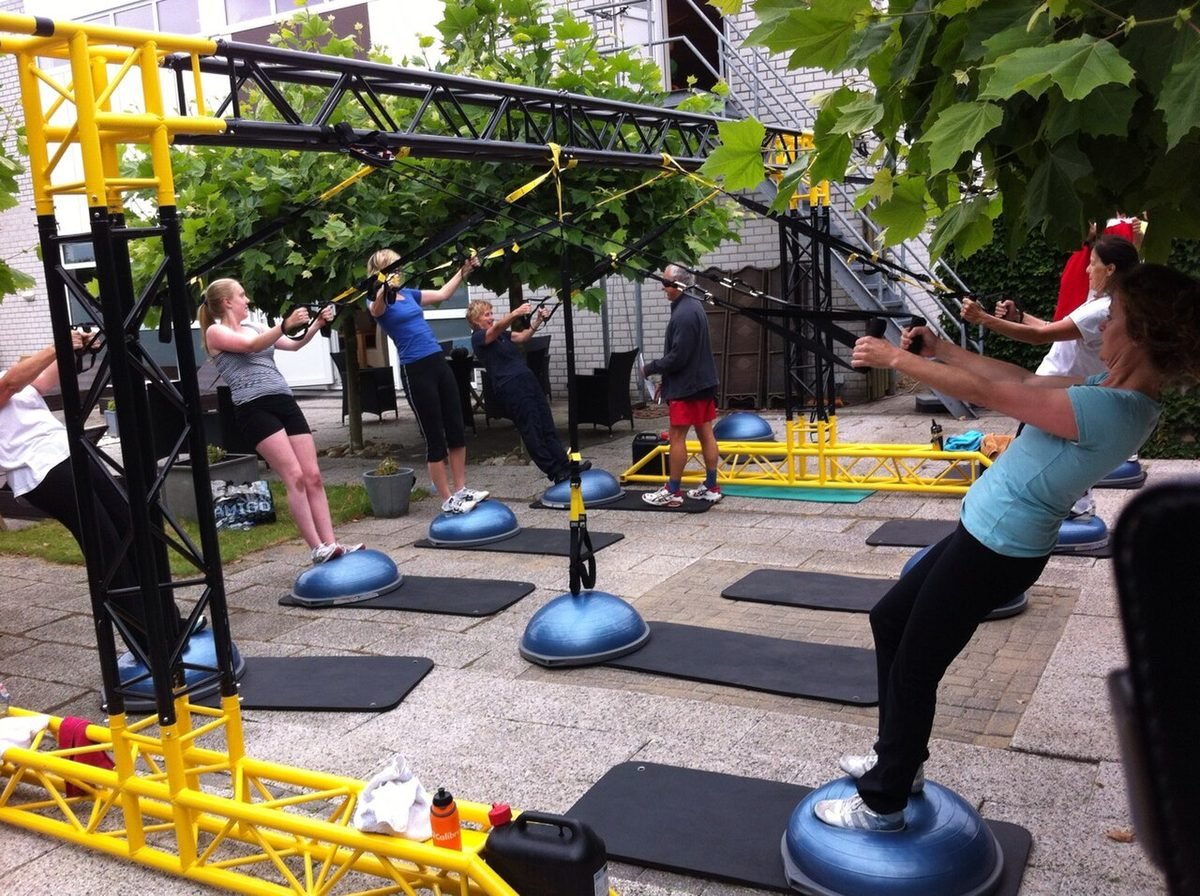
Brand matters less than fit. Work through these six questions in order, and the right pick usually picks itself. 🧭
Anchor First: Door, Bar, Beam or Tree?
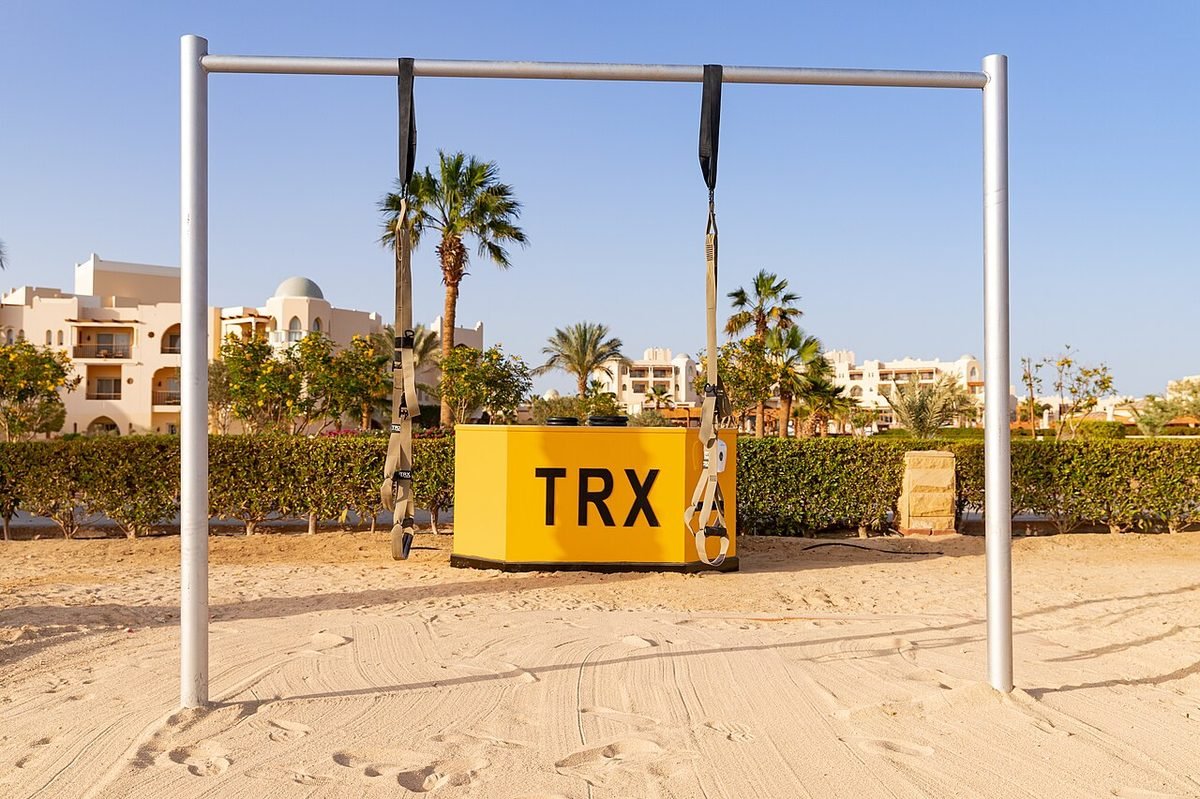
Start with where you will actually hang it. A door anchor needs a solid, closing door that opens away from you — never a hollow, glass or outward-opening door. A pull-up bar anchor pairs naturally with our pull-up bars guide, and a beam or tree needs a strap wrap rated for your weight, not a random rope.
If you only have a door, buy a set with a proper door anchor in the box — the TRX sets and the ComCor all include one. If you have a rack, a power rack beam is the most solid home anchor there is.
Single Anchor vs Split Straps
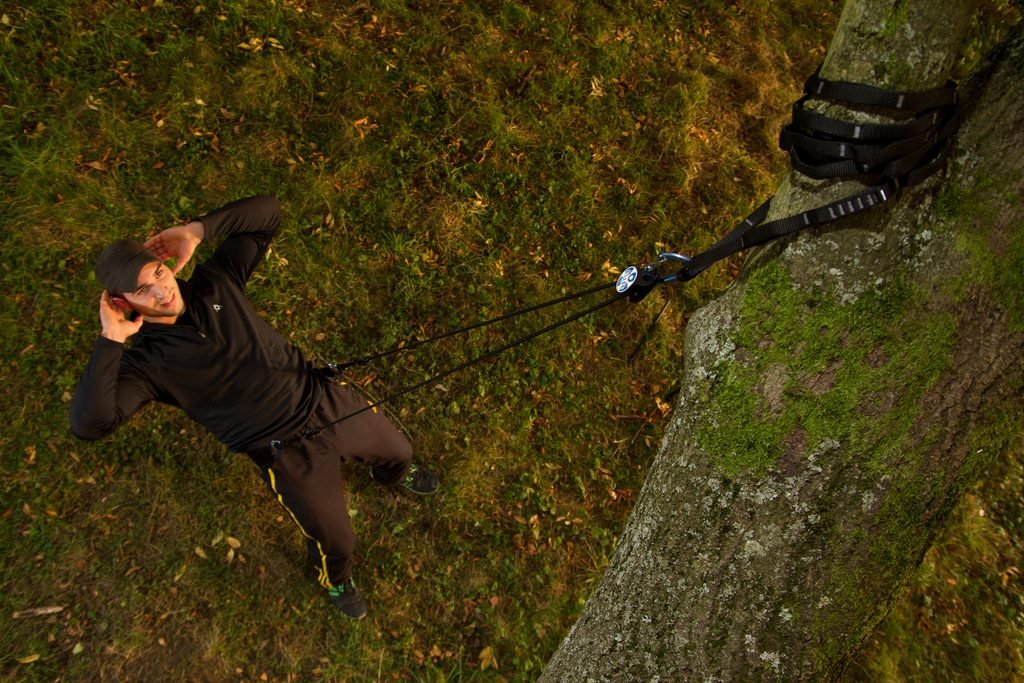
Single-anchor trainers (all three TRX picks, ComCor, Bodytorc) hang from one point and split into two handles below it. They are simpler to set up and easier to keep even.
Split-anchor trainers (Lifeline Jungle Gym XT) hang each strap separately, so you can go wide for flyes or narrow for rows. They offer more angles — and demand more setup care, because each anchor must hold on its own.
Beginners should start single-anchor. Split straps are a second-trainer upgrade, not a first buy.
Handles, Foot Cradles and Adjusters
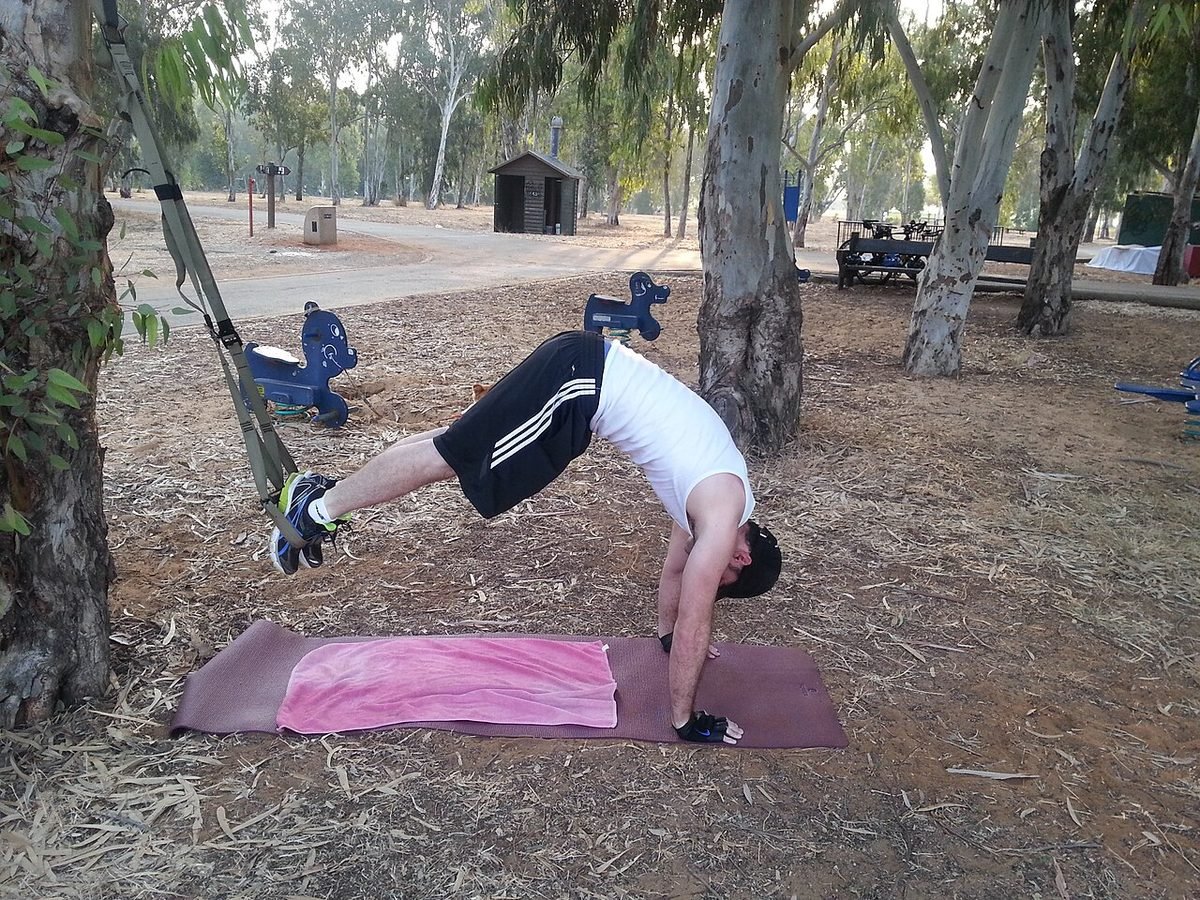
Handles decide comfort: foam is kindest on bare hands, hard grips last longer, rotating grips (ComCor) turn with your wrists. Foot cradles matter more than most buyers expect — pikes, knee tucks and hamstring curls all hang from them, so cradles should be wide, padded and easy to slip into.
Adjusters are the safety feature nobody photographs. They must slide smoothly and lock under load. If an adjuster slips during a row, shorten the straps, re-lock, and test with a gentle pull before your full weight goes on. Gloves help grip on long sessions — see our workout gloves guide if your hands tire first.
Strap Length and Your Ceiling
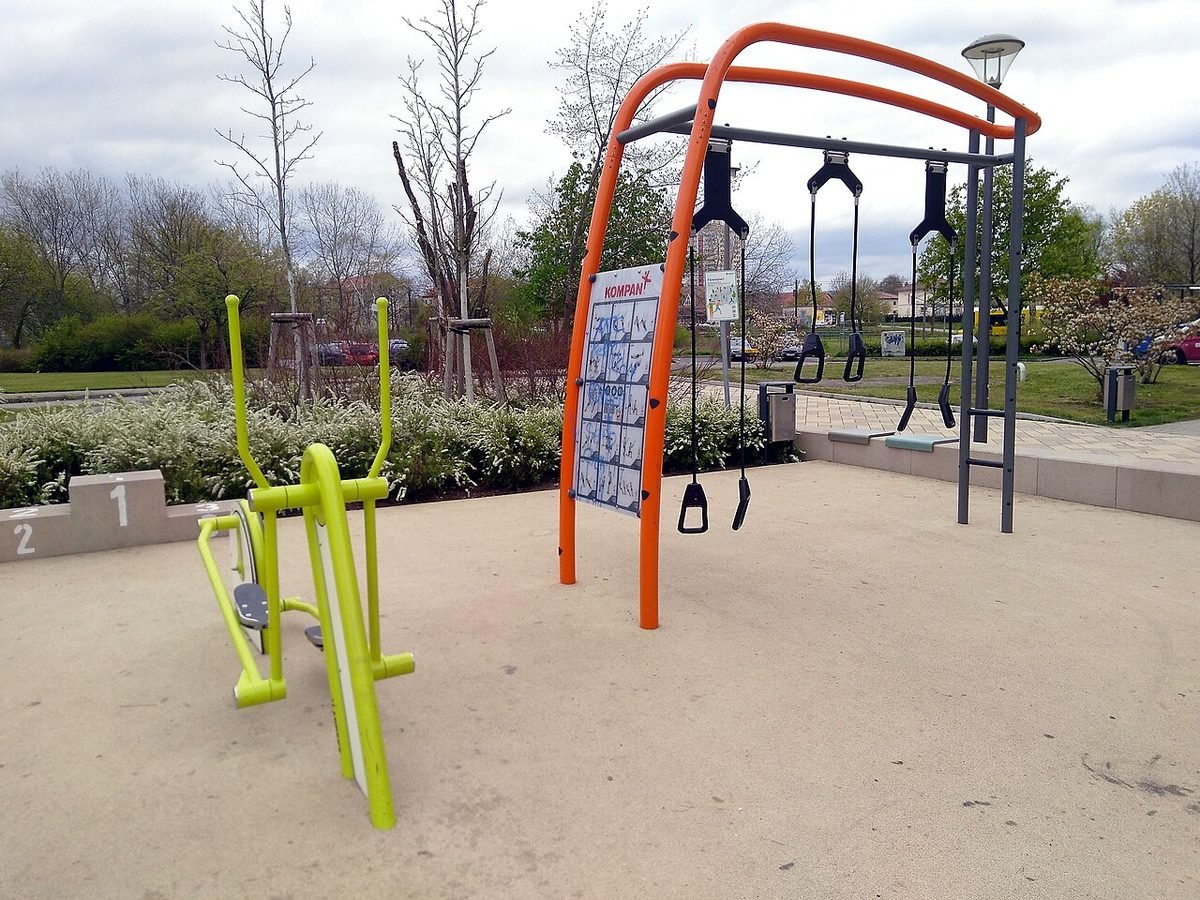
Strap length sets your exercise menu. Short straps suit rows and presses; long straps suit lunges, pikes and hamstring work. The Lifeline’s 16–94 inch range is the widest here; most TRX sets adjust across a similar working range.
Ceiling height matters less than anchor height. You need the anchor roughly 7–9 feet up for full-length work, with clear floor around you — about an arm’s span in every direction. Low doors still work for rows and presses, but pikes and overhead moves need the height.
Weight Ratings: Read Them Honestly
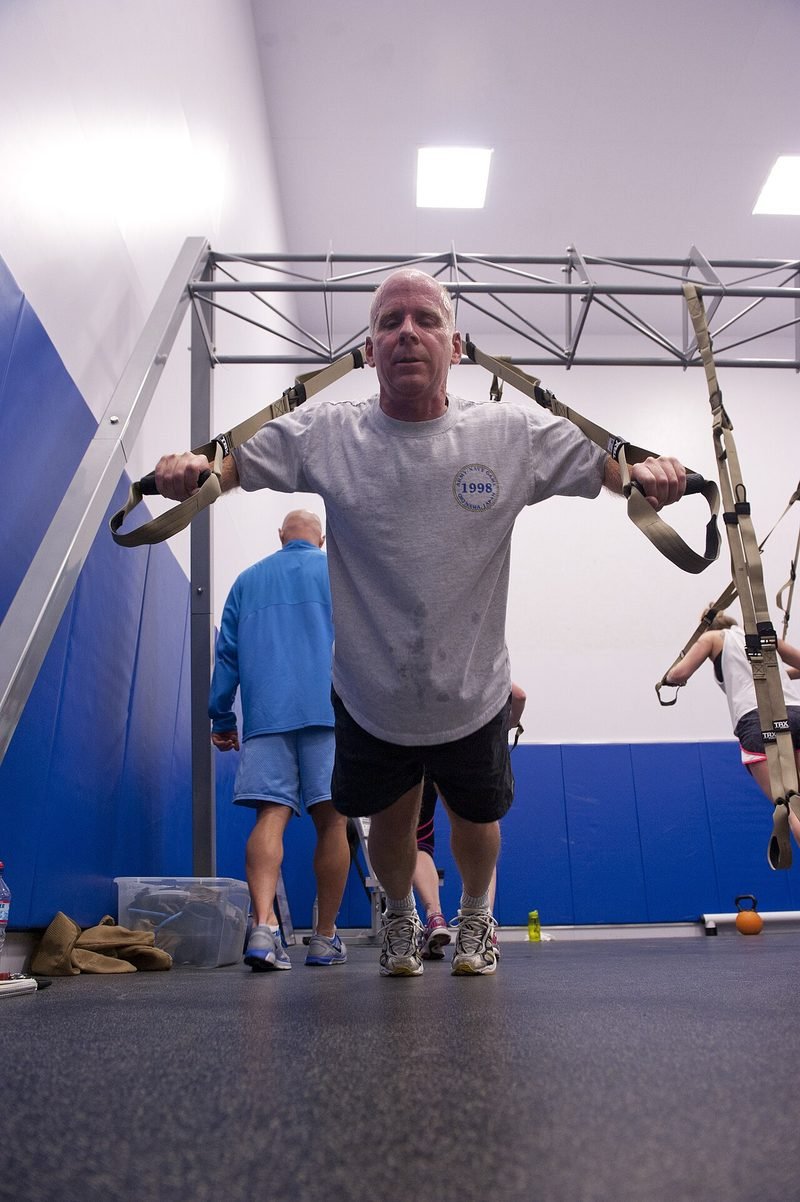
Only the TRX All-In-One publishes a clear maker test figure on this list — safety-tested to 700 lb. That number covers the straps, not your door, your bar or your tree. Your anchor is always the weaker link, and its rating is the one that counts.
Where a maker states no maximum user weight — Lifeline is the example here — treat that as missing information, not as unlimited strength. Check the listing, check the anchor, and stay well inside both. For heavy lower-body work, a dip belt and a dip station handle loads straps were never meant to carry.
What No Suspension Trainer Makes Safe
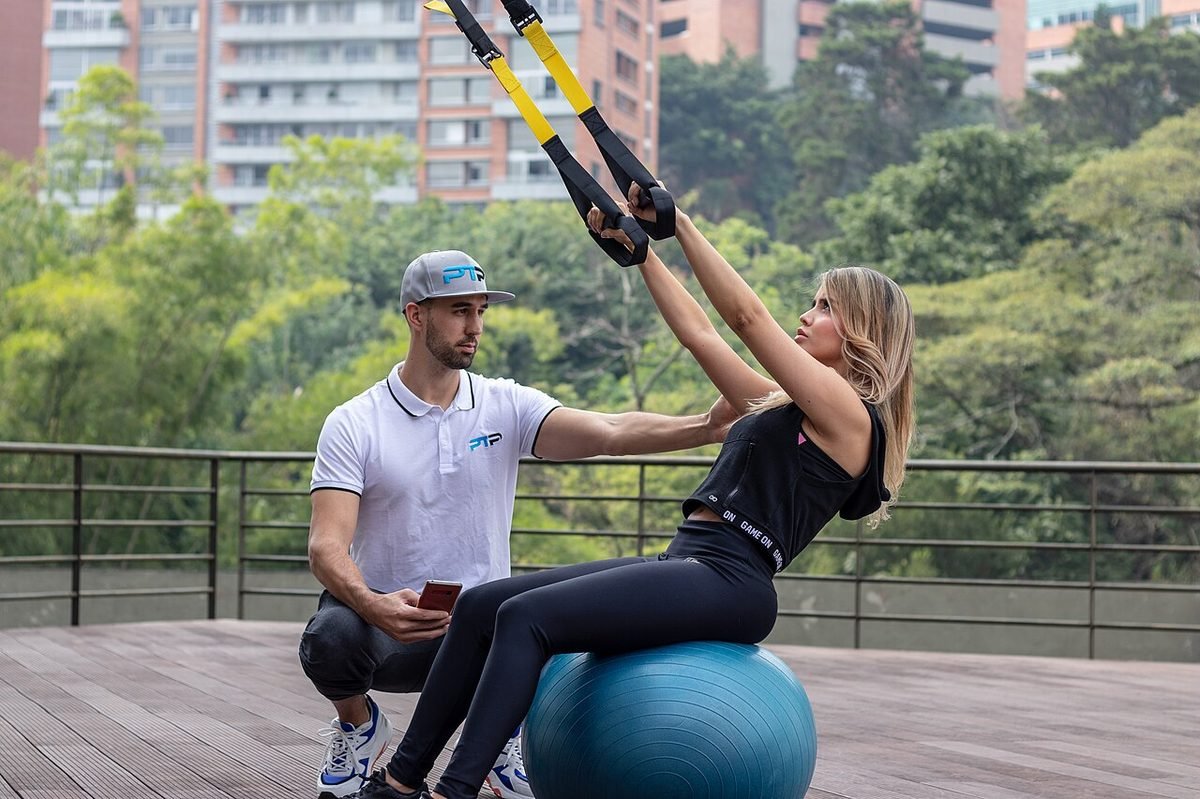
Straps do not make a bad anchor safe, a bad shoulder healthy, or a fall harmless. They also do not replace heavy strength work: bodyweight rows and presses build real strength and stability, but they will not load your legs like a barbell, and they will not fix an injury. ⚠️
Follow these steps every single session:
- Check the anchor — door closed and locked, bar secure, beam solid — before any weight goes on the straps.
- Check both straps, handles, cradles and adjusters for wear, fraying or slipping.
- Test with a gentle pull at low angle first, then increase the angle gradually.
- Keep the floor clear and dry, and wear shoes with grip.
- Stop if anything moves, creaks or slips — re-check the anchor, do not push through it.
- If you have a shoulder, back or joint problem, ask a clinician before starting suspension training.
Frequently Asked Questions
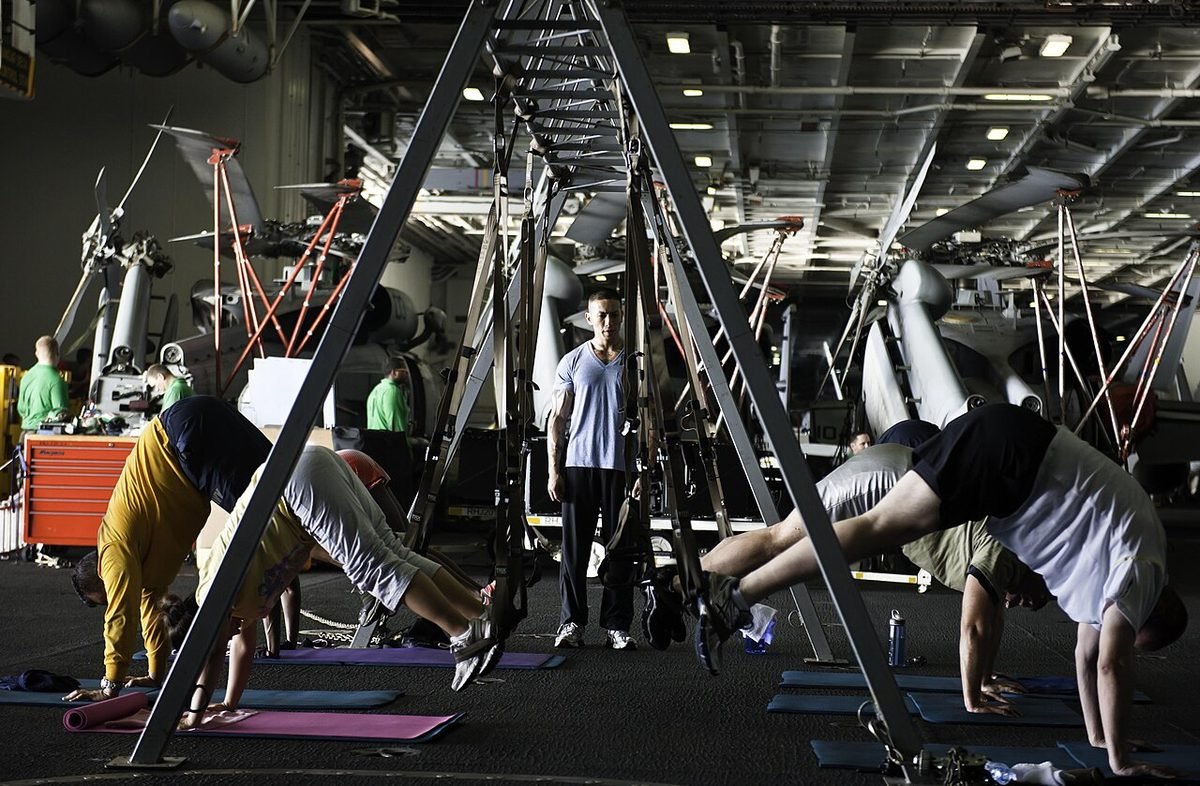
Can a complete beginner use a suspension trainer?
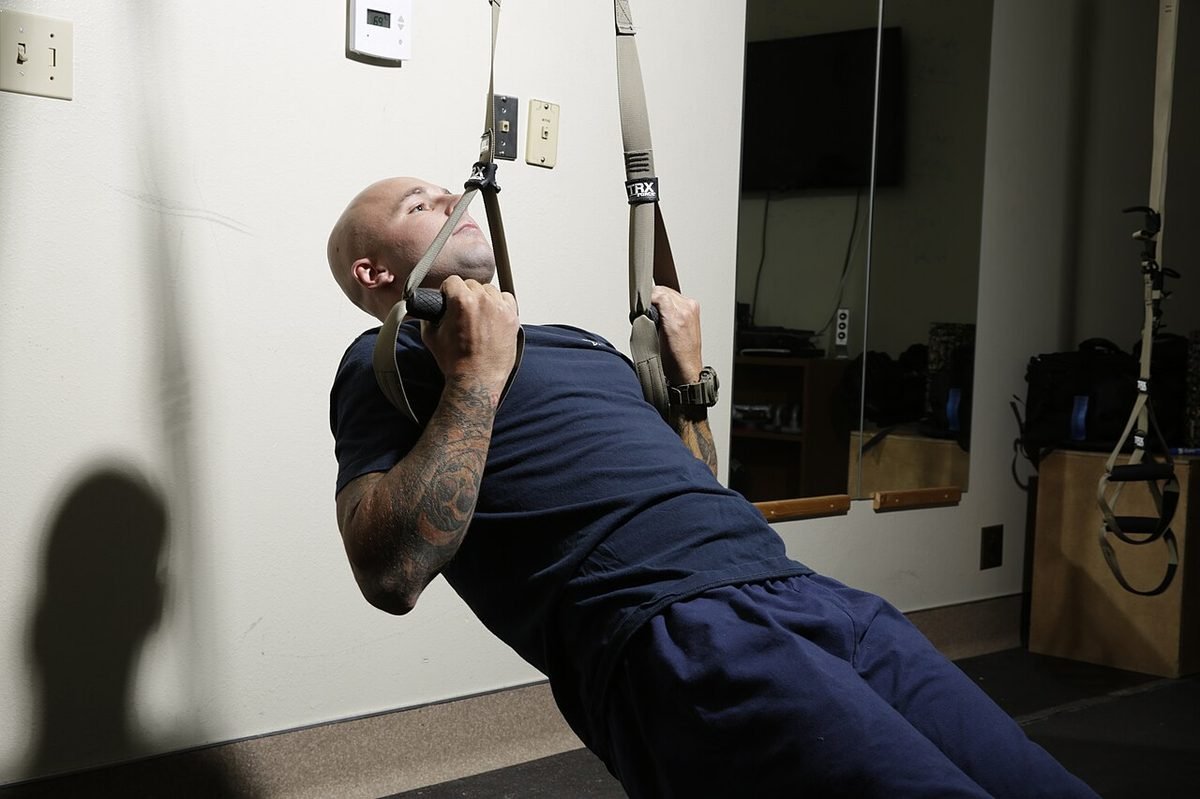
Yes — angle is your weight dial. Stand more upright and the move gets easier; step closer to the anchor and it gets harder. Start with rows, chest presses and squats before trying pikes or single-arm work.
Do I need a door anchor, or can I hang it from a tree or bar?
Any solid anchor works if the kit supports it. Door anchors suit flats, bar and beam anchors suit home gyms, and tree wraps suit parks — but every anchor must be checked before each session.
Will suspension training build muscle like lifting weights?
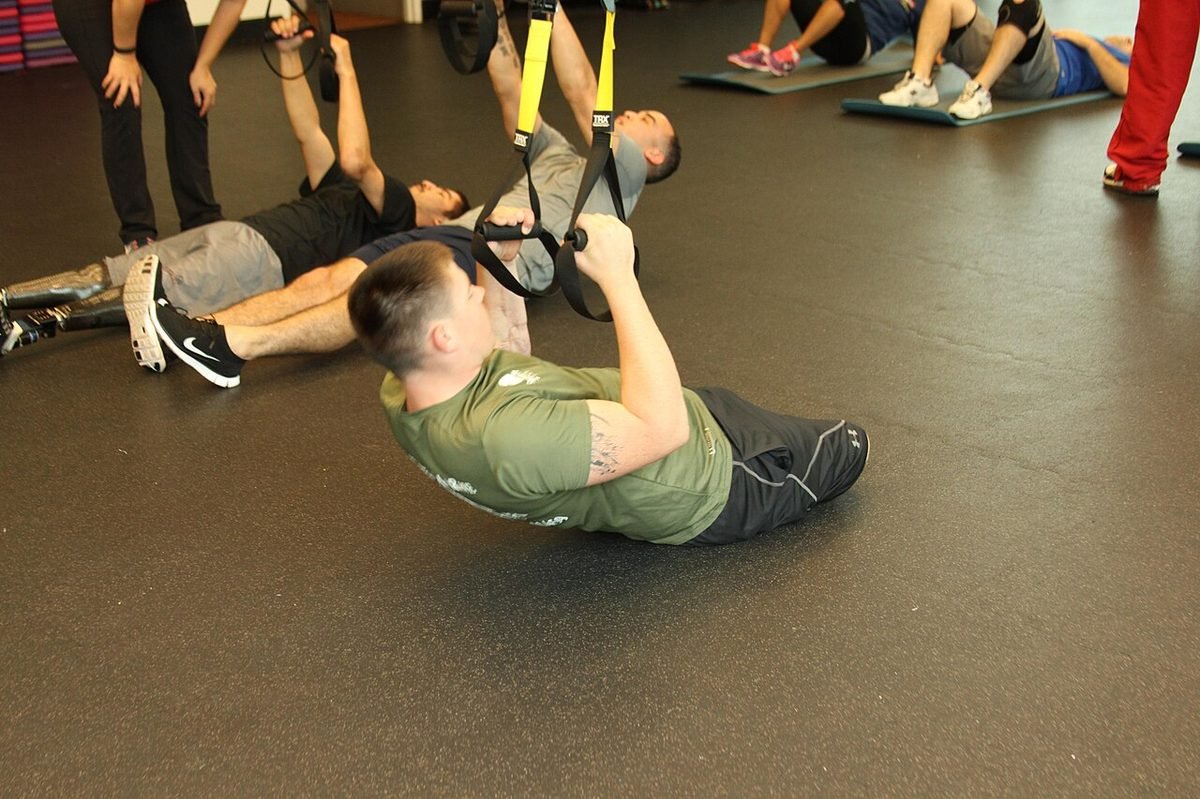
It builds strength, stability and core control very well, especially upper body and core. For maximum leg strength and heavy progressive loading, weights still win — many home gyms pair straps with adjustable dumbbells for exactly that reason.
How much space do I need?
About an arm’s span of clear floor in every direction around you, plus an anchor 7–9 feet up for full-length moves. Rows and presses fit in far less space than pikes and lunges.
Are suspension trainers safe for bad shoulders or backs?
They can help or hurt depending on the problem, and this guide is general information, not medical advice. If you have a shoulder, back or joint condition, check with a clinician before starting, and start at the easiest angle.
TRX vs cheaper straps — what do you actually lose?
Usually the anchor kit, the warranty and the published testing. The straps themselves all do the same basic job; the difference is how much proof and backup comes with them.
Our Pick in One Line
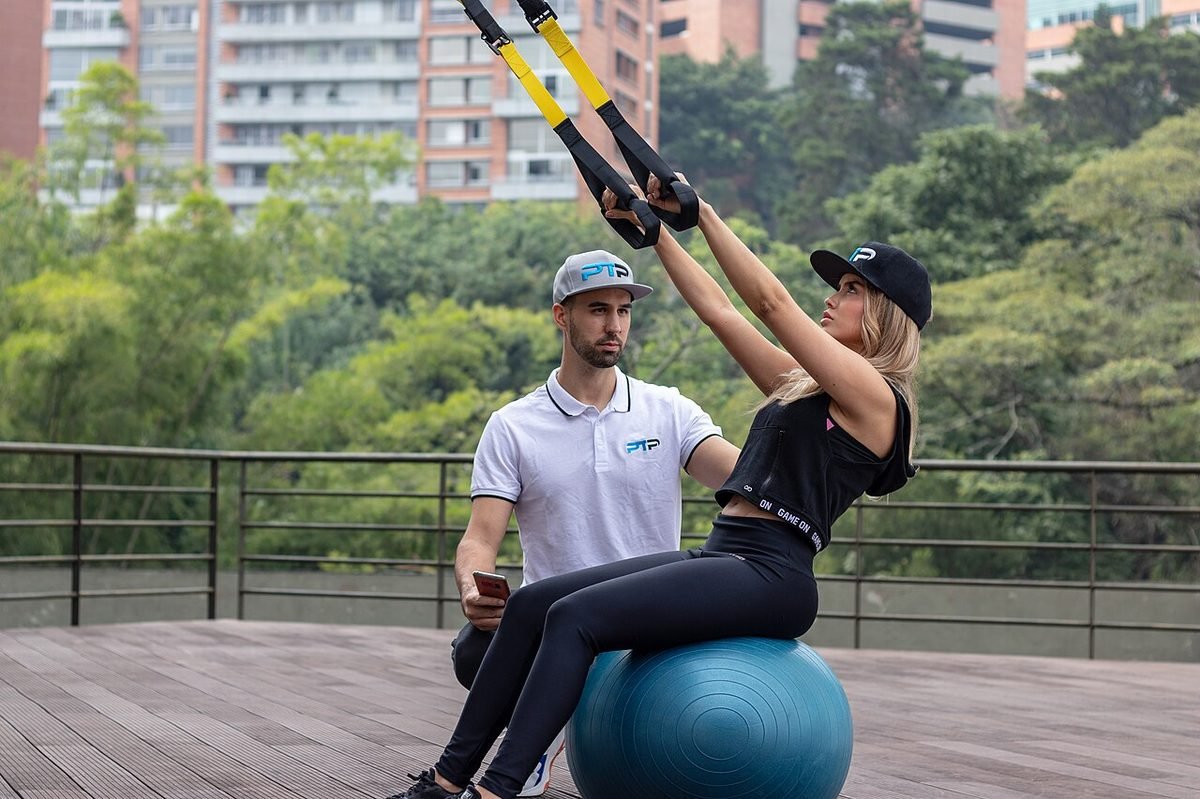
Buy the TRX All-In-One if you want the safe, complete choice; buy the TRX GO if you travel; buy the Lifeline Jungle Gym XT if you want split-anchor angles. 🏆 Whatever you pick, check the anchor first — it is the real purchase.
New to strap training? Start with our previous guide, Best Gymnastic Rings for Home Gyms, for the closest cousin to this kit, then come back here for the anchor-first buying logic.
As an Amazon Associate, we earn from qualifying purchases made through links on this page, at no extra cost to you.
This guide is based on published research — roundups, maker listings and trainer guidance — not hands-on testing, and it is general information only, not medical or professional training advice. Always check the current product listing, your anchor, and your own health before training.