

A reaction ball is the simplest reflex tool in the home gym — a small, knobbly ball, a wall or a hard floor, and your own two hands. No motor, no screen, no subscription. Just throw, chase, catch, repeat, for as long as your focus holds out. 🏀
Throw it down, watch it leap sideways, catch it if you can. The ball’s shape decides how wild the bounce is, its size decides how hard it is to catch, and its rubber decides how far it runs from you.
But let us be plain from the start: a reaction ball gives you unpredictable-bounce drills for reaction and hand-eye coordination, but it does not build speed by itself, it does not prevent injury by itself, it does not replace progressive training, and it does not make a hard ball on a hard floor safe.
Used the right way — the right size for your hands, on a surface you can chase across, checked before every session, progressed slowly — a reaction ball is one of the cheapest ways to add real reflex training to a home gym.
How We Picked These Reaction Balls
Photo: Taco fleur / Wikimedia Commons
This guide is research-based. We did not buy or hands-on test these balls, and we do not claim otherwise.
We compared verified buyer reviews and manufacturer specifications, and we checked each product’s Amazon listing status through search results and listing trackers.
We picked 6 balls that are genuinely sold and cover different needs: a best-overall coaching ball, a budget ball, a moderate-bounce ball, a skill-level ball, a six-ball set, and a value pack.
Prices are not quoted in this guide because they change often. The check-price links take you to the current listing, where you can see the latest price and availability.
Availability and size options vary, so if your option shows as unavailable, check the listing’s other options before switching products.
One note before we start: bounce wildness is the least standardised figure in this guide. No two brands measure it the same way, so a ball’s stated randomness means little until you throw it — read the size and bounce section before you trust any single claim.
Quick Comparison
Photo: GymNation / Wikimedia Commons
| Ball | Size | Key feature | Best for |
|---|---|---|---|
| SKLZ Reaction Ball | 3 in | Six-sided high-bounce rubber | Best overall build |
| Champro Reaction Ball | 3 in | Molded rubber, 4.32 oz | Best budget |
| Qball Reaction Ball | Standard | Moderate erratic bounce | Best moderate bounce |
| GoSports Reaction Ball | 3 in | Beginner / Intermediate / Expert | Best skill levels |
| Yaegoo 6 PCS Reaction Balls | 2.75 in | Six-ball set, six-hemisphere design | Best set |
| Toyvian 6 Pcs Reaction Balls | 2.2 in | Six-ball TPR value pack | Best value pack |
1. SKLZ Reaction Ball — Best Overall Build
Photo: Wikimedia Commons
Who it suits: athletes who want one trusted, no-fuss ball for fielding, goalkeeping, and hand-eye drills, from a coaching brand coaches already know.
SKLZ’s Reaction Ball is a 3-inch, six-sided ball made from 100% high-bounce rubber, in the classic yellow colour, made for athletes aged 6 and up. It leaps and pops randomly on landing, works on all hard surfaces and walls, and can be volleyed between players or rebounded solo against a wall.
Six sides are the honest difference here: a round ball bounces back to your hand, while a six-knob ball bounces anywhere, which is exactly the point — every throw is a new test of your reactions. Review roundups put it near 1,900 positive reviews at around 4.6 stars, which is the strongest buyer base in this guide.
Pros: six-sided high-bounce rubber for genuinely unpredictable rebounds; 100% rubber construction that survives hard floors; works solo against a wall or between players; suits baseball, softball, soccer, lacrosse, and futsal; strongest reviewed buyer base here.
Cons: two recent listing crawls showed no featured offers available, so check availability before ordering; a hard rubber ball on a hard floor bounces far — train somewhere with room to chase; one fixed size, so smaller hands may want a 2.2-inch pack instead.
👉 Check price on Amazon (check availability — recent crawls showed no featured offers at times).
2. Champro Reaction Ball — Best Budget
Photo: Rodhullandemu / Wikimedia Commons
Who it suits: athletes who want the cheapest honest reaction ball for multi-sport drills, and who do not mind a plain ball to get it.
Champro’s Reaction Ball is a 3-inch molded rubber ball weighing 4.32 ounces, in orange, with a six-sided design that bounces randomly for reaction training. It is built for professional athletes fine-tuning their skills as much as for youth athletes developing technique, and one review roundup calls it the best-tested ball on quality, brand, and price together.
The price is the point here: the cheapest single ball in this guide, from a long-running team-sports brand, with the same six-sided idea as the SKLZ ball at a lower cost. The trade is finish — a plain molded ball without the SKLZ ball’s reviewed buyer base behind it.
Pros: cheapest single ball here; molded rubber six-sided design for random bounces; 3-inch size suits most hands; 4.32-ounce weight feels like a real ball, not a toy; long-running team-sports brand; suits baseball, softball, football, soccer, and hockey.
Cons: one recent listing crawl showed no featured offers available, so check availability before ordering; plain styling with no size options — one ball, one size; hard rubber bounces far on hard floors, so train with room to chase.
👉 Check price on Amazon (check availability — one recent crawl showed no featured offers).
3. Qball Reaction Ball — Best Moderate Bounce
Photo: Tyler Read / Wikimedia Commons
Who it suits: athletes who want a wild bounce without the chase — a ball that stays catchable instead of running to the far wall.
Qball’s Reaction Ball is a rubber ball with a moderate erratic bounce, designed so you can bounce and catch fast without chasing the ball across the gym. It suits baseball, basketball, soccer, hockey, lacrosse, volleyball, and medicine-ball-style training alike, and its maker pitches it as a fast-results trainer.
Moderate is the honest advantage here: the hardest-bouncing balls in this guide punish every missed catch with a long chase, which wastes drill time and frustrates beginners. A moderate bounce keeps the drill moving — more catches per minute, less fetching per session.
Pros: moderate erratic bounce that stays in play; fast bounce-and-catch rhythm with less chasing; suits a wide range of ball sports; compact size for solo wall drills and partner volleys; long-running specialist brand.
Cons: moderate bounce will not challenge advanced fielders the way a six-knob ball will — treat it as a trainer, not a final test; no size options are listed, so check the size before ordering; marketing claims around speed are the maker’s own, not measured results.
4. GoSports Reaction Ball — Best Skill Levels
Photo: Akhlispurnomo / Wikimedia Commons
Who it suits: coaches, families, and athletes who want one ball family that grows with them — gentle first, wild later.
GoSports’ Reaction Ball comes in three designs — Beginner, Intermediate, and Expert — all around 3 inches in durable TPR rubber, weighing about 5.1 ounces, with what one review calls extreme bounce variation at the top level. The three levels let a beginner start without discouragement and an expert train at full difficulty from the same brand.
Levels are the honest difference here: most reaction balls give you one wildness and you adapt to it, while this family lets you step the difficulty up as your reactions improve. The trade is honesty about the first step — one buyer review notes the beginner ball bounces almost like a round ball, which makes it gentle but less challenging than the name suggests.
Pros: three skill levels in one family for genuine progression; durable TPR rubber for indoor and outdoor use; 3-inch size suits hand-focused training; extreme bounce variation at the expert level; suits baseball, softball, soccer, and hockey goalkeeping.
Cons: no single confident product page was pinned down — two different ASINs surfaced for this family, so the link below is a search link and you must confirm the level before ordering; the beginner ball is barely more random than a round ball, per one buyer review; heavier than the Champro ball at 5.1 ounces, so long sessions tire smaller hands faster.
👉 Check price on Amazon (search link — confirm the listing matches the GoSports ball and the level you want, Beginner, Intermediate, or Expert).
5. Yaegoo 6 PCS Reaction Balls — Best Set
Photo: Wikimedia Commons
Who it suits: coaches, teams, and households where several people train at once, and anyone who wants spares for the balls that roll under furniture.
Yaegoo’s set bundles six rubber reaction balls with a six-hemisphere design that creates an unpredictable bounce, each about 2.75 inches across, in assorted colours. The balls suit baseball, football, soccer, tennis, taekwondo, and basketball training, and their small size makes them easy to carry anywhere.
A set is the honest answer to practice logistics: one ball means one athlete drills while the rest wait, while six balls mean stations, partners, and spares in one purchase. The smaller 2.75-inch size also makes catches harder than a 3-inch ball — a genuine step up in difficulty, not just a spare.
Pros: six balls in one purchase for stations and spares; six-hemisphere design for unpredictable bounces; high-density rubber construction; 2.75-inch size challenges smaller hands honestly; assorted colours for easy station setup; suits many sports.
Cons: the Amazon link below rests on a single source — an import reseller listing — so confirm the listing matches the Yaegoo 6-pack before ordering; one reseller page describes six different sizes while reviews describe a uniform 2.75 inches, so confirm what arrives; smaller balls are easier to lose, so keep a bag with the set.
👉 Check price on Amazon (please confirm the listing matches the Yaegoo 6-pack and confirm the ball sizes, since sources disagree).
6. Toyvian 6 Pcs Reaction Balls — Best Value Pack
Photo: Jdsteakley / Wikimedia Commons
Who it suits: athletes who want the cheapest way to put a reaction ball in every bag, every room, and every drill station.
Toyvian’s pack bundles six reaction balls in assorted colours — red, yellow, blue, green, orange, and pink — each with a six-sided design for unpredictable bounces, made from TPR rubber, at about 2.2 inches across. The small size and bright colours make them easy to spot mid-drill and hard to confuse with other balls.
Small is the honest advantage here: a 2.2-inch ball is harder to catch than a 3-inch ball, which makes it a genuine difficulty step, and six of them cost less than most single coaching balls. The trade is the same as every budget pack — thinner TPR rather than the dense rubber of the SKLZ or Champro balls.
Pros: six balls in assorted bright colours for the lowest cost here; six-sided design for unpredictable bounces; TPR rubber with a comfortable grip; 2.2-inch size is a genuine difficulty step up from 3-inch balls; compact and portable.
Cons: listing crawls showed no featured offers available at times, so check availability before ordering; 2.2 inches is small for large hands and young children alike — check the size before ordering; budget TPR will not outlast dense rubber under daily team use.
👉 Check price on Amazon (check availability — listing crawls showed no featured offers at times).
How to Choose the Right Reaction Ball
Photo: Shixart1985 / Wikimedia Commons
Start with your hands, then your floor, then your wildness. A ball too small to catch teaches frustration, not reactions, and a ball too wild for your space teaches fetching, not catching.
Then buy in this order: a 3-inch six-sided ball first if you train alone, a skill-level ball first if you want progression, and a six-pack first if you coach, train with family, or lose balls often.
Ball size and bounce: what each size actually does
Photo: Tokumeigakarinoaoshima / Wikimedia Commons
2.2 inches (Toyvian) suits advanced athletes and small-hand drills: the smallest target here, hardest to catch, best for sharpening an already-good catch. It is where most real difficulty progression ends up.
2.75 inches (Yaegoo) suits most athletes stepping up from a standard ball: smaller than 3 inches, so catches get harder, but large enough to track mid-bounce. It is the middle step most buyers skip and most coaches recommend.
3 inches (SKLZ, Champro, GoSports) suits most home athletes: the standard reaction-ball size, large enough to catch reliably, small enough to bounce wild. This is where most real reaction training happens.
Bounce follows shape, not size: six-sided and six-hemisphere balls bounce anywhere, rounder balls bounce back, and a moderate-bounce ball (Qball) stays in play. Buy the shape for the wildness you want, and the size for the hands you have.
Material and durability: what keeps a ball bouncing
Photo: Wikimedia Commons
Dense rubber is the standard: high-bounce rubber (SKLZ) and molded rubber (Champro) survive hard floors, walls, and seasons of use, while high-density rubber (Yaegoo) sits a step below the premium balls in longevity. Check the rubber before ordering — a ball you can dent with a thumbnail will not survive a season of concrete.
TPR rubber is the budget standard: GoSports and Toyvian both use it, and it grips well and bounces reliably, but it wears faster than dense rubber under daily team use. A TPR ball stored indoors, out of sun, lasts far longer than one left in a hot car.
Weight is a durability signal in disguise: heavier balls (GoSports at 5.1 ounces, Champro at 4.32 ounces) feel like real balls and bounce truer, while the lightest packs bounce farthest and get lost fastest. Pick the weight that fits your hands, not the lightest ball on the listing.
Surface suitability: wall, gym floor, and outdoor ground
Photo: Wikimedia Commons
Walls are the kindest training partner: a flat wall returns the ball to your area, so solo drills work in a small room, and the bounce stays readable. This is where every ball here performs best, and where beginners should start.
Gym floors need room: a hard floor gives the wildest, truest bounce, but the ball runs far on every miss, so clear a large area or train with a partner who fields the misses. Bare feet indoors work well — hard shoes on a polished floor do not, and they will scuff both the ball and the floor.
Outdoor ground wears balls fastest: concrete and asphalt give huge bounces and chew rubber, while grass and turf deaden the bounce and hide the ball. If concrete is your only surface, buy dense rubber (SKLZ, Champro) and accept that the ball is a consumable, not a lifetime tool.
Solo and partner drills: what each setup actually trains
Photo: Wikimedia Commons
Solo wall drills train pure reaction: throw the ball at a wall from a few feet away, read the rebound, and catch it before the second bounce. Start close and slow, then step back and throw harder — distance and speed are your difficulty dials.
Partner volleys train anticipation: two athletes throw the ball between them, and the receiver must read the bounce off the floor, not just the throw. A six-pack (Yaegoo, Toyvian) keeps volleys moving, since a missed ball is replaced, not fetched.
Group stations train everything at once: one ball per station, one drill per station, athletes rotating every few minutes. This is where packs earn their keep — one ball per station costs less than one coaching ball, and every athlete trains instead of watching.
What no reaction ball makes safe
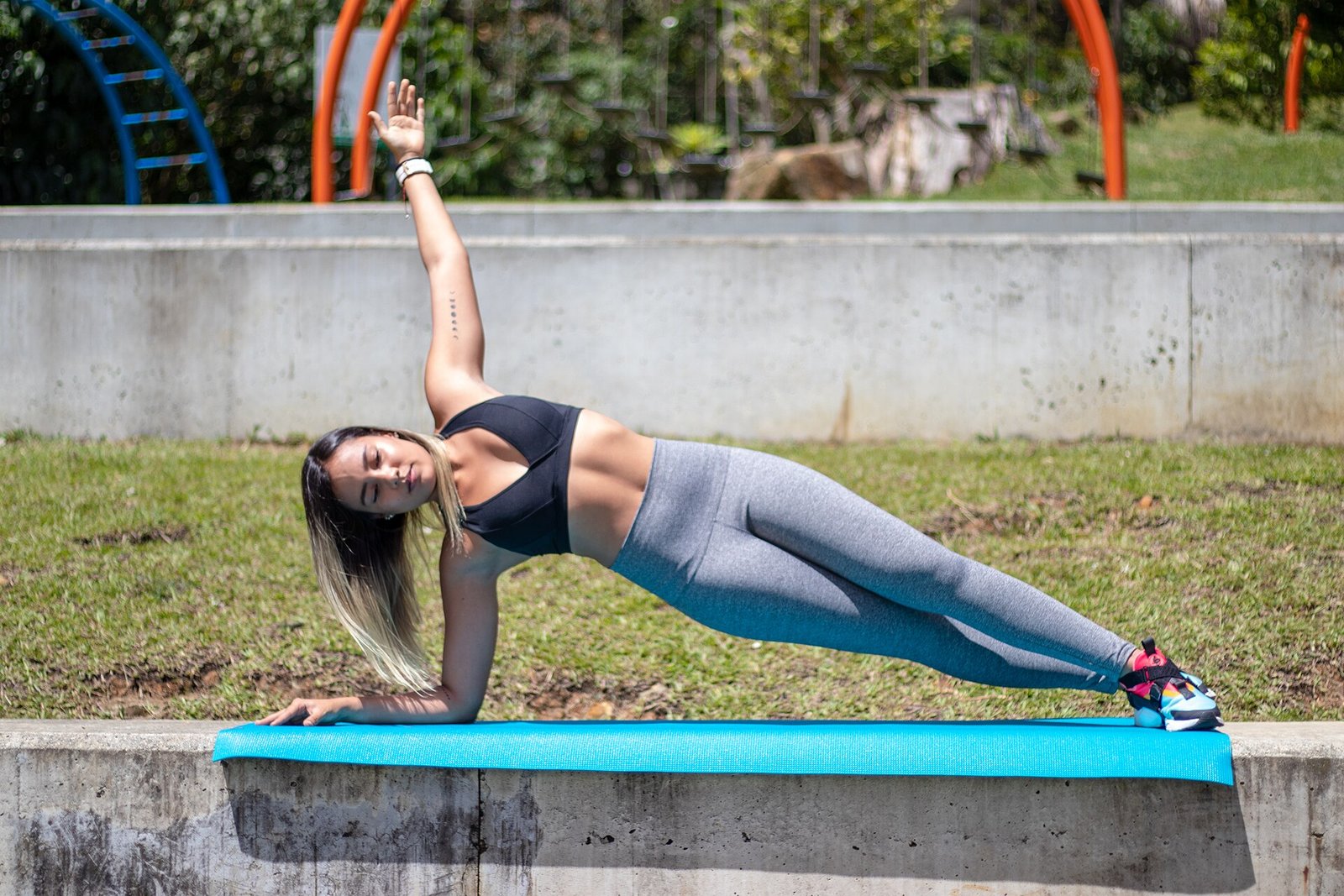
Photo: Tyler Read / Wikimedia Commons
A reaction ball does not make a drill safe by itself, does not fix a floor that is wet, uneven, or crowded, and does not protect wrists, fingers, or ankles that are already injured. The ball adds unpredictability; it does not judge whether the chase is wise.
Check the ball and the area before every session: no cracked or split rubber, no loose knobs, and a bounce area clear of obstacles, breakables, and other people. A ball that splits mid-drill scatters rubber, and a ball chased into furniture breaks more than the drill.
Start slow and close: learn each drill at walking pace and short distance, then add speed and distance over sessions, never at full effort on the first rep. Keep the area clear of the bounce path — a reaction ball travels fast and far, and anything in its arc gets hit. Never train through sharp pain, and never use a cracked ball hoping it holds one more session. If you have an injury, or a condition that affects how safely you can train, talk to a clinician or qualified coach before starting reaction-ball training. This guide is general information only, not medical advice.
Frequently Asked Questions
Photo: Tokumeigakarinoaoshima / Wikimedia Commons
What size reaction ball should a beginner buy?
A 3-inch ball: large enough to catch reliably, small enough to bounce wild. Beginners should start with a standard six-sided 3-inch ball (SKLZ or Champro), and move to 2.75 or 2.2 inches only when the 3-inch ball no longer challenges a full-speed drill.
Do reaction balls really improve reaction time?
They train the skill, not the stopwatch: regular unpredictable-bounce drills improve hand-eye coordination and the speed of your read-and-catch response, but no ball guarantees a measured reaction-time gain. Treat roundup claims of specific time savings as marketing, not measurement.
Can I use a reaction ball indoors?
Yes, if the room allows it: a wall drill in a clear room works well, but a hard rubber ball on a hard floor bounces far, so clear breakables and give the ball room to run. Foam or soft balls suit small indoor spaces better than dense rubber.
Do I need a set, or is one ball enough?
One ball is enough to start — a 3-inch six-sided ball covers most first programmes. A set earns its keep when you coach, train with family, or run stations: one ball per athlete or station, plus spares for the balls that roll away.
How do I stop a reaction ball rolling away?
Train against a wall or in a corner, not in open space — walls return the ball to your area, while open floors let it run. Outdoors, train on grass or against a fence, and keep a spare ball in your pocket so a lost ball ends one rep, not the session.
When should I replace a reaction ball?
When the rubber cracks or splits, knobs wear flat so the bounce turns predictable, the surface goes slick and will not grip, or the ball no longer bounces evenly. Worn balls bounce true instead of wild — replace them before they stop training you.
Our Pick in One Line
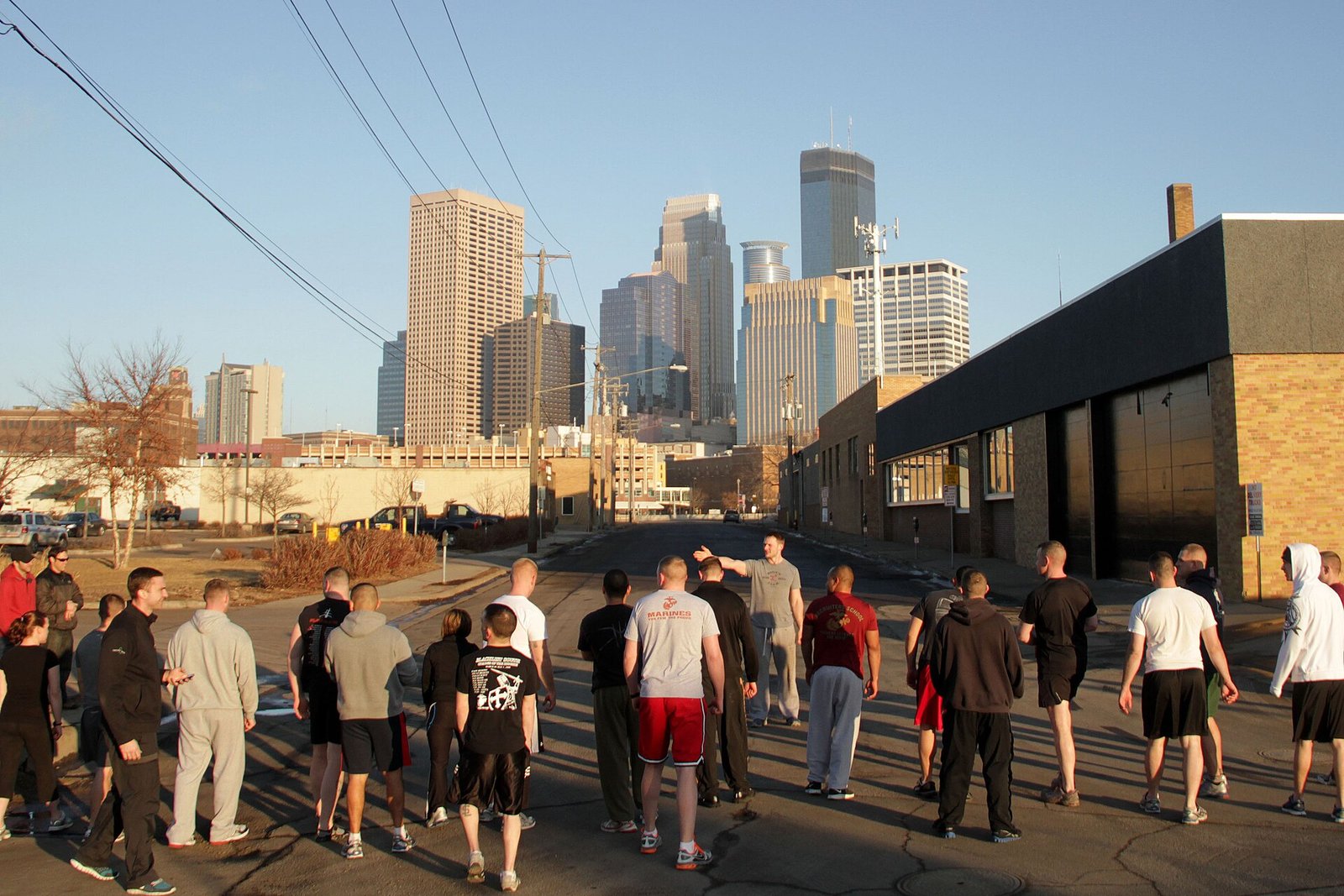
Photo: Staff Sgt. Clinton Firstbrook / Wikimedia Commons
If you want one answer: the SKLZ 3-inch ball is the best all-round buy because its six-sided high-bounce rubber, coaching-brand build, and strongest reviewed buyer base cover almost any athlete — but if you want the cheapest honest start, buy the Champro ball first, because the same six-sided idea at a lower cost trains the same reactions.
For the rest of your home-gym setup, see our speed parachutes guide and our agility ladders guide, and for the boxes those reaction sessions complement, see our plyometric boxes guide.
As an Amazon Associate, we earn from qualifying purchases made through links on this page, at no extra cost to you.
This guide is research-based: we compared verified buyer reviews and manufacturer specifications, and we did not buy or hands-on test these products. Prices and availability change, so check the listing before ordering. The training information here is general information only, not medical advice — if you have an injury or a condition that affects how safely you can train, talk to a clinician first.