

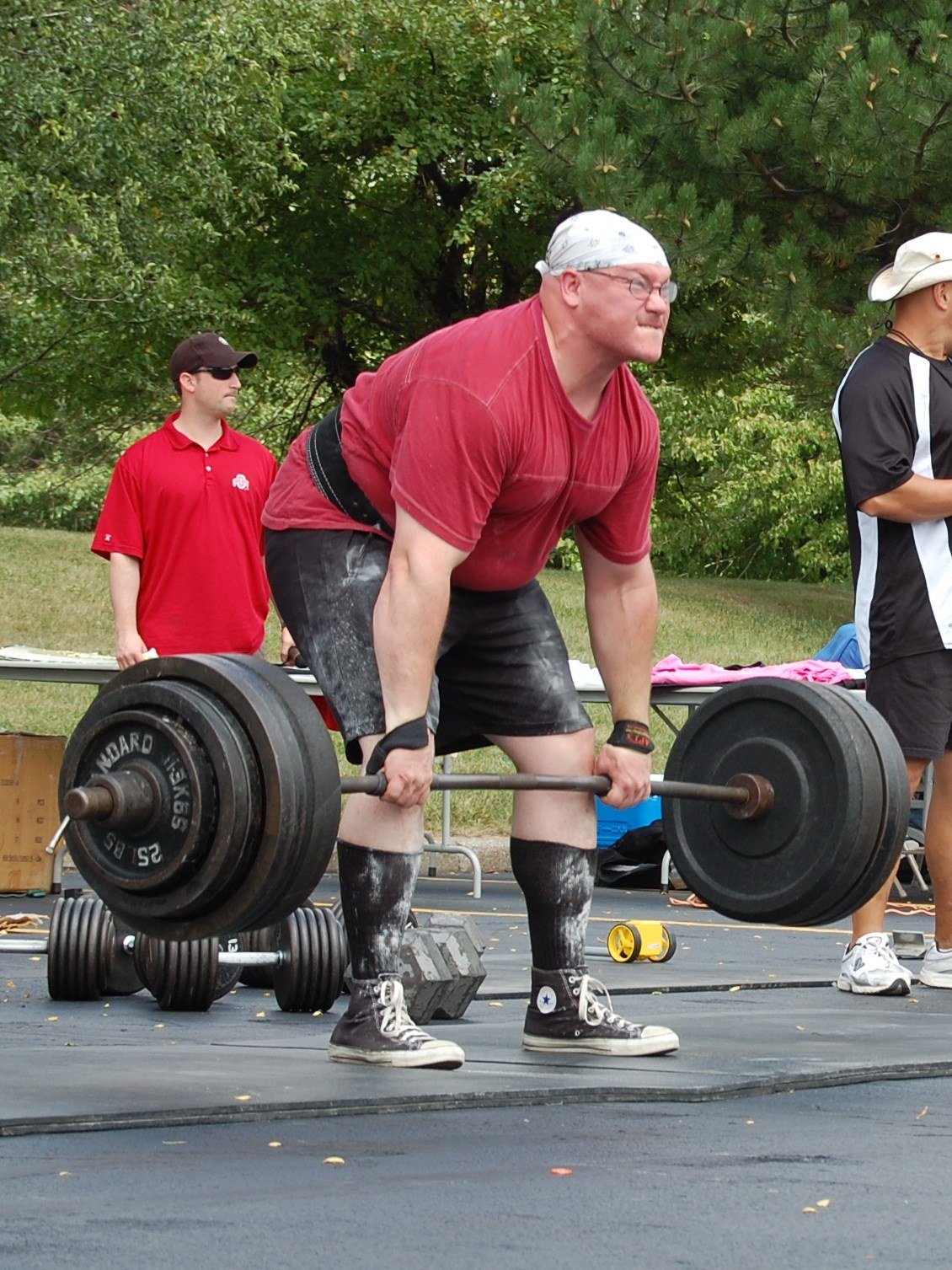
Your grip gives out before your back does. That is the moment most lifters start shopping for chalk — and it is exactly when a good chalk earns its place in your gym bag. 🧗
Lifting chalk is magnesium carbonate. It absorbs sweat from your hands and increases friction between your skin and the bar, so the bar stops sliding when your hands get damp.
It is not magic, though. Chalk improves grip while you lift. It does not build grip strength, and it does not make a weak grip strong. Keep that honest picture in mind and the picks below will serve you well.
This guide picks six chalks in four different formats, so you can match the chalk to your gym, your hands, and your training.
How We Picked These Chalks
We did not buy or test these chalks ourselves. This guide is research-based.
We compared maker specifications, verified buyer reviews, and independent round-ups, then kept only chalks with a clear Amazon listing or an honest search link where no single product page could be verified.
Every chalk below is judged on the same things: grip feel, dust and mess, ease of use, value, and suitability for its stated job.
Prices are not quoted here because they change often. Check the linked listing for the current price before you order, and double-check the exact variant — pack sizes often sit on separate listings.
Best Lifting Chalks at a Glance
| Chalk | Best For | Format | Size |
|---|---|---|---|
| CAP Barbell Gym Chalk, 1 lb | Best budget blocks | Blocks | 8 × 2 oz blocks |
| WOD Nation Gym Chalk Blocks, 20-Pack | Best bulk blocks | Blocks | 20 × 2 oz blocks |
| SPORTMEDIQ Pro Grade Liquid Chalk, 8.5 oz | Best liquid chalk | Liquid | 8.5 oz bottle |
| FrictionLabs Magic Chalk Ball, 2.2 oz | Best chalk ball | Ball | 2.2 oz refillable sock |
| 321 STRONG Loose Gym Chalk | Best loose powder | Loose powder | 100 g bag |
| Spider Chalk Super Mega Block, 7 oz | Best premium block | Block | 7 oz single block |
1. CAP Barbell Gym Chalk, 1 lb — Best Budget Blocks
Who it suits: lifters who want straightforward block chalk at the lowest reasonable price, and anyone stocking a home gym.
CAP Barbell’s chalk is 100% pure magnesium carbonate with no fillers, sold as eight individually wrapped 2 oz blocks — one pound in total. Each block can be used as it is or broken up, so one box covers months of regular lifting.
Block chalk is the classic format for a reason: you control exactly how much you use, and a wrapped block stays dry in your gym bag until you need it.
Pros: cheapest way into proper block chalk; pure magnesium carbonate, no fillers; individually wrapped blocks stay fresh; sold by a long-established gym brand.
Cons: block chalk makes dust — check your gym’s chalk rules first; one recent listing crawl showed no featured offer, so check availability before ordering; no chalk bag included.
2. WOD Nation Gym Chalk Blocks, 20-Pack — Best Bulk Blocks
Who it suits: heavy chalk users, home-gym owners, and anyone who hates running out mid-training cycle.
WOD Nation’s bulk pack contains twenty 2 oz blocks of magnesium carbonate — enough chalk for a long stretch of deadlifts, pull-ups, and barbell work without reordering. The blocks are crumb-resistant, so they hold together in a chalk bag instead of disintegrating into dust on the first use.
Twenty blocks is a lot of chalk, but blocks keep well when stored dry, so buying in bulk is the cheapest per-block route for regular lifters.
Pros: best value per block for regular users; crumb-resistant blocks; twenty blocks last a long time; widely sold.
Cons: a 20-pack is overkill for occasional lifters; one recent listing crawl showed no featured offer, so check availability before ordering; block chalk still makes dust.
3. SPORTMEDIQ Pro Grade Liquid Chalk, 8.5 oz — Best Liquid Chalk
Who it suits: lifters in gyms that ban loose chalk, and anyone who hates chalk dust on clothes, bags, and equipment.
SPORTMEDIQ’s liquid chalk is magnesium carbonate suspended in a fast-drying liquid. Squeeze a small amount onto your hands, rub it in, and let it dry for a few seconds — the liquid evaporates and leaves a dry, grippy layer of chalk behind, with almost no airborne dust.
The 8.5 oz bottle is one of the larger liquid chalks available, so it lasts far longer than the small travel bottles that dominate this category.
Pros: almost no dust or mess; dries in seconds; gym-friendly where loose chalk is banned; large 8.5 oz bottle lasts well.
Cons: liquid chalk feels different from block chalk and suits some lifters less; one recent listing crawl showed no featured offer, so check availability before ordering; reapply between heavy sets rather than expecting one coat to last a whole session.

4. FrictionLabs Magic Chalk Ball, 2.2 oz — Best Chalk Ball
Who it suits: lifters who want controlled, low-mess chalking without switching to liquid chalk.
The Magic Chalk Ball packs premium magnesium carbonate into a refillable cotton sock. Squeeze and pat the ball against your hands and it releases a thin, even layer of chalk — far less dust than dipping into loose powder, and no crumbling block to manage.
The sock is refillable, so when the ball runs out you buy loose chalk to top it up instead of throwing the whole thing away. It is also one of the most-bought chalk products on Amazon, with thousands of purchases a month.
Pros: controlled, low-dust application; refillable sock — less waste; premium, high-purity chalk; compact and gym-bag friendly.
Cons: premium price for a small 2.2 oz ball; one recent listing crawl showed no featured offer, so check availability before ordering; a ball gives a thinner coat than a block — heavy sweaters may need to reapply more often.
5. 321 STRONG Loose Gym Chalk — Best Loose Powder
Who it suits: lifters who like to dip their hands into a chalk bowl or bag, and anyone refilling a chalk ball or bucket.
321 STRONG’s loose chalk is fine powdered, non-toxic, pigment-free magnesium carbonate in a resealable zip-top bag. Loose powder gives the fastest, fullest coat of any format — dip, clap off the excess, and lift — and it is the easiest format to use for refilling chalk balls and bags.
The resealable bag matters more than it sounds: loose chalk in an open container ends up all over your gym bag, while a zip-top bag keeps it contained between sessions.
Pros: fastest, fullest chalk coat; resealable bag limits mess; easy to refill chalk balls and buckets; fine powder, no pigment or fragrance.
Cons: loose powder makes the most dust of any format here — banned in some gyms; the listing was verified through a single aggregator source, so check the listing title and bag size carefully before ordering; bag sizes vary, so confirm you are getting the size you expect.
6. Spider Chalk Super Mega Block, 7 oz — Best Premium Block
Who it suits: lifters who want a denser, longer-lasting block and do not mind paying more for it.
Spider Chalk is the only chalk maker in this guide that manufactures in the USA, and its Super Mega Block is a single dense 7 oz block of lab-made magnesium carbonate. The brand claims the denser block lasts about twice as long as a regular imported block — one 7 oz block is roughly equal to more than a pound of standard chalk, by its account.
Denser chalk also means less crumbling and less dust per use, which is the practical benefit behind the premium price.
Pros: dense block lasts longer than standard blocks; USA-made, lab-tested magnesium carbonate; less crumbling and dust than soft imported blocks; single large block is simple to use.
Cons: premium price; we could not confidently verify a single US product page, so the link below is a tagged Amazon search — check the listing title and size before ordering; a 7 oz block is heavier to carry than a 2 oz block.
How to Choose Lifting Chalk
Block vs loose powder vs ball vs liquid
Blocks give you control and value — break off what you need, keep the rest wrapped. Loose powder gives the fastest, fullest coat but makes the most dust.
Chalk balls ration the chalk through fabric, so they are the lowest-mess dry format. Liquid chalk gives almost no dust at all, but feels different and needs reapplication between heavy sets.
There is no single best format. Match it to your gym’s rules first, then to your hands.
Magnesium carbonate vs alternatives
Real lifting chalk is magnesium carbonate — the same compound climbers and gymnasts have used for decades. It absorbs sweat and increases friction.
Avoid substitutes that are not magnesium carbonate: regular classroom chalk is calcium carbonate and does not grip the same way, and talcum powder or baby powder makes hands slippery, not grippy. If a product does not say magnesium carbonate, do not buy it as lifting chalk.
Gym rules and mess
Many commercial gyms ban loose powder chalk because of dust and cleanup, while allowing blocks, balls, or liquid chalk. Some ban chalk entirely.
Check your gym’s rules before you buy. If loose chalk is banned, liquid chalk or a chalk ball is the honest answer — not sneaking powder in and hoping nobody notices.
Liquid chalk for gyms that ban powder
Liquid chalk is the cleanest option for shared spaces: no airborne dust, no white clouds, nothing settling on equipment. Apply a thin layer, let it dry fully before lifting, and reapply between heavy sets.
One warning: liquid chalk contains alcohol, so it can sting on torn calluses or cracked skin. Let damaged skin heal first, or use a block on unbroken skin instead.
Skin care
Chalk dries your hands out — that is its job. Wash it off after training, moisturise, and look after your calluses with a file or pumice rather than tearing them.
If chalk regularly leaves your hands cracked, sore, or irritated, try a different format or a smaller amount per session. Persistent skin problems are worth a clinician’s opinion, not a stronger chalk.
Using Chalk Honestly: What It Can and Cannot Do
Chalk absorbs sweat and increases friction, so the bar stops sliding in damp hands. That is a real, measurable benefit on deadlifts, pull-ups, rows, and Olympic lifts.
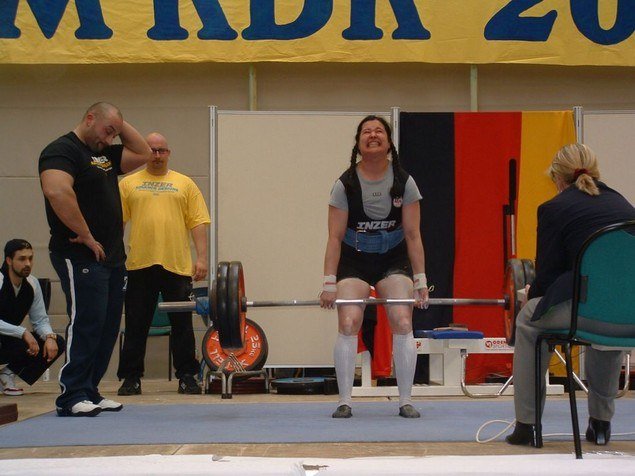
Chalk does not build grip strength. If your grip fails on every heavy set even with chalk, the answer is grip training — dead hangs, farmer’s carries, and heavy holds — not more chalk.
Chalk dust can irritate lungs in poorly ventilated spaces, so use it sparingly, clap off excess away from other lifters, and follow your gym’s rules. If you have a respiratory condition or chalk regularly irritates your skin, talk to a clinician before using it heavily. This guide is general information only, not medical advice.
Frequently Asked Questions
Does chalk actually help grip?
Yes. Magnesium carbonate absorbs hand sweat and increases friction between skin and bar, which keeps the bar from sliding. It helps grip while you lift — it does not build grip strength by itself.
What is the difference between block, loose, ball, and liquid chalk?
Blocks are solid magnesium carbonate you break up as needed. Loose powder is ready to dip into and gives the fullest coat with the most dust. Balls ration powder through fabric for low mess. Liquid chalk dries into a grippy layer with almost no dust.
Can I use chalk in any gym?
Not always. Many gyms ban loose powder but allow blocks, balls, or liquid chalk, and some ban chalk entirely. Check your gym’s rules before buying.
Is lifting chalk the same as classroom chalk?
No. Lifting chalk is magnesium carbonate. Classroom chalk is calcium carbonate and does not grip the same way. Talcum powder makes hands slippery, not grippy.
Does chalk damage the bar?
Chalk itself does not damage a barbell, but chalk left on a bar attracts moisture over time. Wipe the bar down after your session — it is good gym manners and keeps the knurling clean.
Chalk or straps — which do I need?
Chalk improves the grip you already have. Straps take over when your grip is the limiting factor on heavy pulls. Many lifters use both — chalk for most sets, straps for the heaviest pulls. See our lifting straps guide, our dumbbells guide, and our beginners equipment guide for the rest of the kit.
As an Amazon Associate, we earn from qualifying purchases made through links on this page, at no extra cost to you. This guide is research-based: we compared verified buyer reviews and product specifications rather than testing products ourselves, and the training notes here are general information only, not medical advice.