

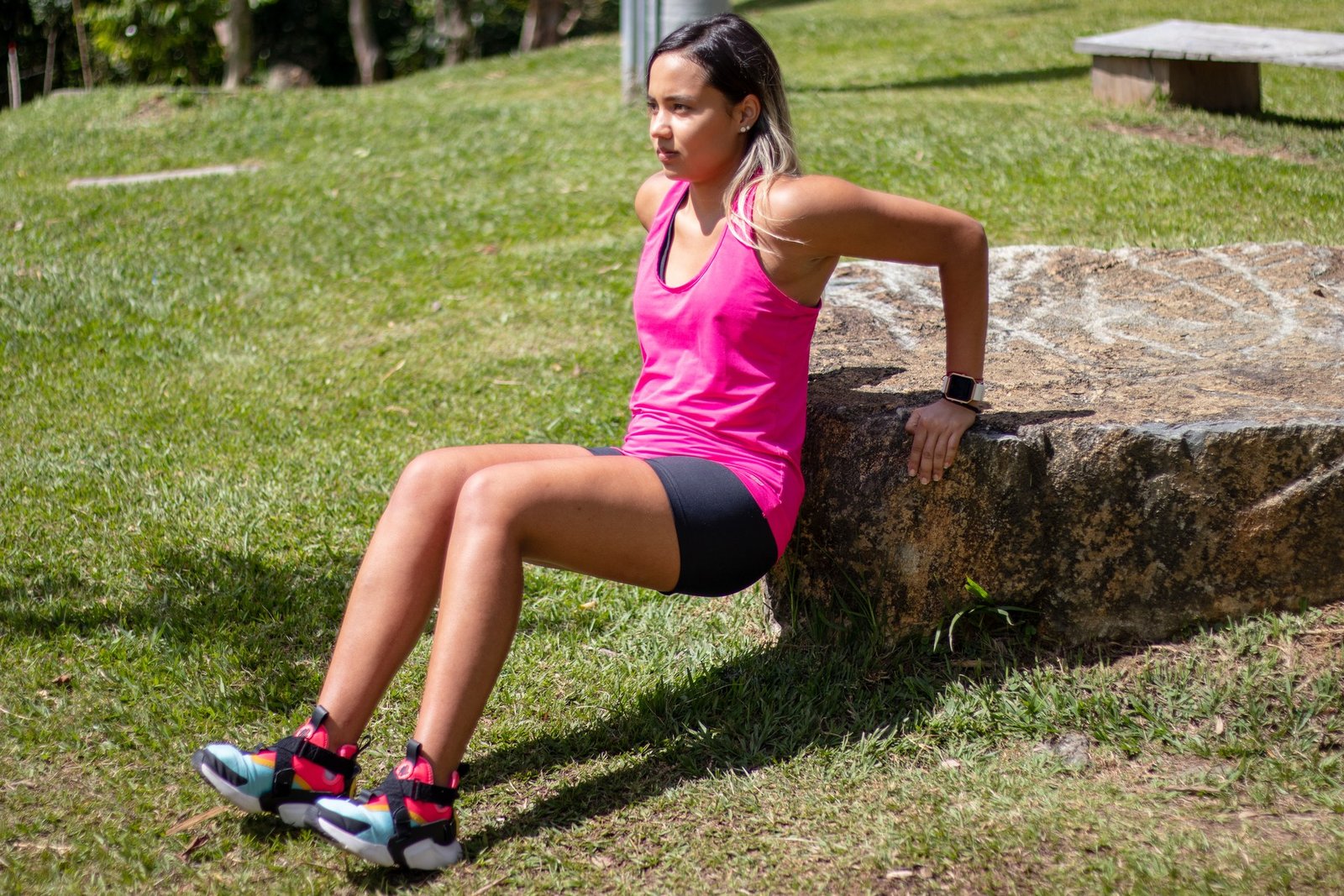
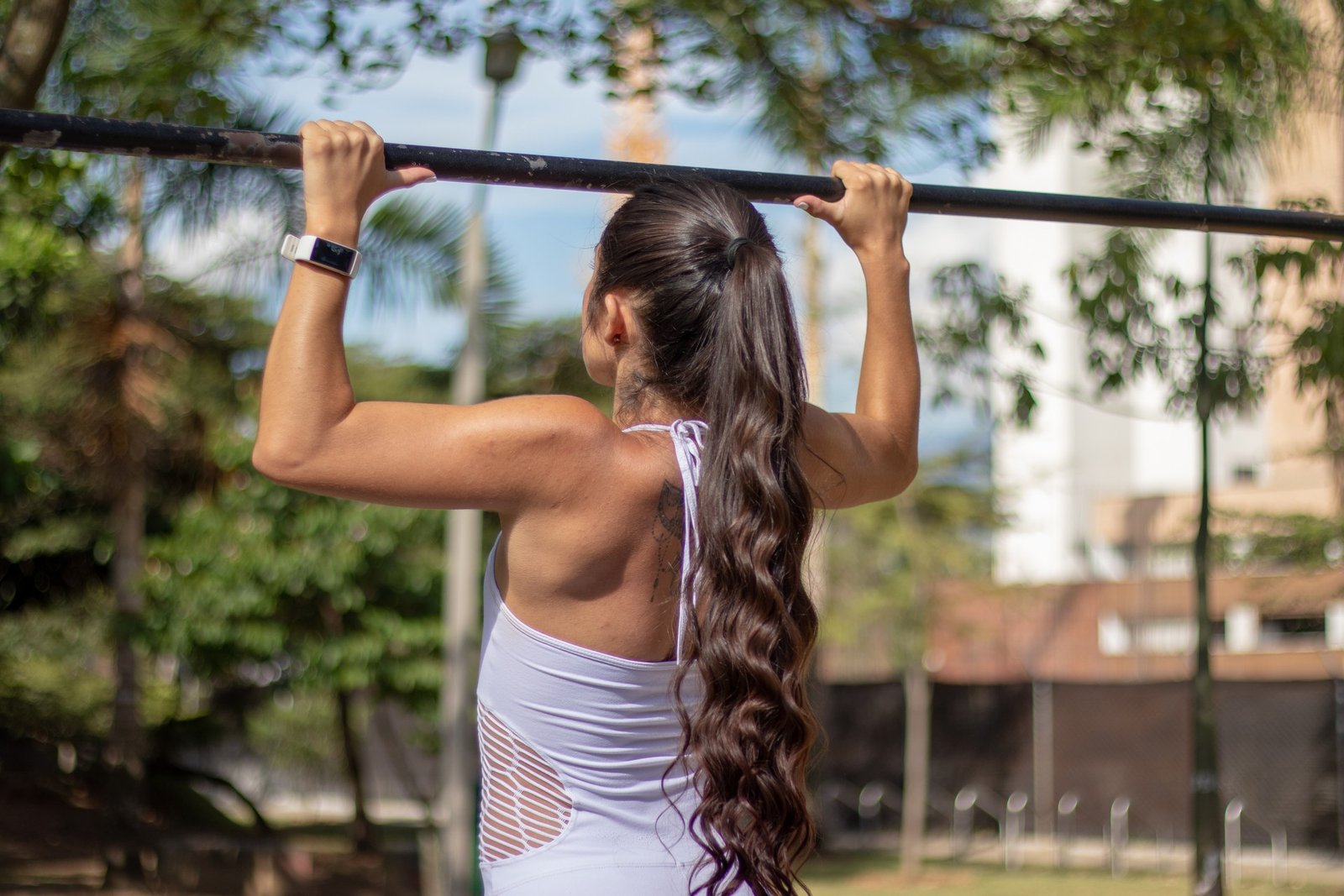
Bodyweight dips and pull-ups stop being enough at some point. 🏋️
When you can do clean sets of ten or more, the only way to keep progressing is to add weight — and a dip belt is the simplest, cheapest way to do it.
A belt hangs plates from your hips, so your hands stay free and the load sits close to your centre of gravity. No partner holding a dumbbell between your feet, no awkward backpack full of plates.
This guide picks six belts that do that job well, at different budgets and comfort levels.
How We Picked These Belts
We did not buy or test these belts ourselves. This guide is research-based.
We compared maker specifications, verified buyer reviews, and independent round-ups, then kept only belts with a clear Amazon listing or an honest search link where no single product page could be verified.
Every belt below is judged on the same things: padding and comfort, chain or strap hardware, claimed capacity, adjustability, and suitability for its stated job.
Capacities below are the makers’ own figures, not independently tested ratings. Treat them as claims to compare, not guarantees — and inspect your belt’s stitching and hardware before every heavy session.
Prices are not quoted here because they change often. Check the listing on the day you buy.
Best Dip Belts at a Glance
| Belt | Best For | Attachment | Claimed Capacity |
|---|---|---|---|
| DMoose Dip Belt | Best overall | 36″ steel chain | Up to 350 lb (maker claim) |
| Harbinger Polypropylene Dip Belt | Best trusted brand | 30″ steel chain | Not stated |
| Dark Iron Fitness Leather Dip Belt | Best leather | 40″ nylon strap | Over 270 lb (maker claim) |
| Gymreapers Dip Belt | Best budget | 30″ steel chain | Up to 300 lb (maker claim) |
| Iron Bull Strength Advanced Dip Belt V2 | Best heavy-duty comfort | Strap + chain, 3-point anchors | Not stated as one figure |
| Hawk Fitness Dip Belt | Best budget chain belt | 36″ steel chain | Around 300 lb (roundup figure) |
1. DMoose Dip Belt — Best Overall 🥇
Who it suits: most lifters adding weight to dips and pull-ups for the first time, and plenty of experienced ones too.
The DMoose belt pairs a 6-inch padded neoprene back panel with a 36-inch heavy-duty steel chain and a carabiner. The chain is long enough to load several plates without them riding up against your body, and the wide back panel spreads the load across your hips.
It is a one-size, fully adjustable belt, so it fits a wide range of waist sizes, and the brand backs it with a lifetime warranty on belts.
Pros: wide padded back panel; long 36-inch chain for easy loading; maker claim of up to 350 lb; lifetime belt warranty; widely bought and reviewed.
Cons: bulkier to carry than a slim leather belt; the long chain can feel fiddly for smaller lifters; the 350 lb figure is the maker’s claim, not a tested rating.
2. Harbinger Polypropylene Dip Belt — Best Trusted Brand 🏆
Who it suits: lifters who want a simple belt from a gym brand they already know.
Harbinger’s dip belt is deliberately plain: durable polypropylene webbing, heavy-duty steel grommets where the chain attaches, and a 30-inch steel chain with a carabiner for loading plates.
There is no thick padding and no sizing system to learn — one belt, one chain, and a brand with decades of gym-accessory history behind it.
Pros: straightforward, proven design; familiar mainstream brand; steel grommets at the stress points; easy to throw in a gym bag.
Cons: less padding than the neoprene belts here, so it can dig in under heavier loads; the 30-inch chain is shorter than the DMoose and Hawk chains; no maker capacity figure stated.
3. Dark Iron Fitness Leather Dip Belt — Best Leather 🥩
Who it suits: lifters who prefer a firm, compact leather belt over soft neoprene.
Dark Iron’s dip belt is made from genuine leather with pillow-like padding, and instead of a chain it uses a 40-inch heavy-duty nylon strap with a buckle closure. The long strap holds up to six Olympic plates by the maker’s account — over 270 lb — while keeping the plates hanging low and clear of the body.
Leather needs a break-in period and feels stiffer at first than neoprene, but it also packs down smaller and lasts longer for many lifters.
Pros: genuine leather build; extra-long 40-inch strap; padded for a leather belt; compact to carry; well reviewed, with over 2,700 reviews averaging around 4.7 stars in one roundup.
Cons: less cushion than the padded neoprene belts; leather needs breaking in; one reviewer roundup noted questions about the D-rings and carabiners at very heavy loads, so inspect the hardware before max-effort sets; we could not confidently verify a single US product page, so the link below is a tagged Amazon search — check the listing title and seller before ordering.
4. Gymreapers Dip Belt — Best Budget 💰
Who it suits: lifters who want a padded, well-reviewed belt without paying premium prices.
Gymreapers’ belt combines contoured neoprene padding with a 30-inch heavy-duty steel chain and an enlarged carabiner. It is one-size-fits-all at 32 inches long, with a wider 6.5-inch back panel for comfort under load.
The maker claims a 300 lb capacity, and the belt comes in several colours — black, grey, navy, ranger green, and red — so it is easy to spot in a busy gym bag.
Pros: padded and comfortable for the price; enlarged carabiner for easy clipping; maker claim of 300 lb; several colour options; well reviewed.
Cons: one-size only, so very large or very small lifters should check the fit; the 30-inch chain is shorter than the 36-inch chains here, which can make loading multiple thick plates tighter; the 300 lb figure is the maker’s claim, not a tested rating.
5. Iron Bull Strength Advanced Dip Belt V2 — Best Heavy-Duty Comfort 🛡️
Who it suits: hard-training lifters who want the widest, most comfortable belt for heavy weighted dips, pull-ups, and belt squats.
The V2 is a different shape from the chain belts above: a wide nylon belt with a velcro closure, available in sizes from small to XXL, with a strap-and-chain attachment and three anchor D-rings that spread the load across the belt instead of hanging it from two points.
That wider, sized fit is the point. Under heavy loads, a belt that fits your waist properly digs in far less than a one-size strap pulled tight.
Pros: sized fit from small to XXL; wide, comfortable profile; three anchor points spread the load; works for dips, pull-ups, belt squats, and sled work.
Cons: bulkier to carry than a slim chain belt; velcro closure needs checking for wear over time; capacity figures for this belt line conflict across sources, so we state no single number here — check the listing; one recent crawl of a size variant showed no featured offer, so availability can vary by size.
6. Hawk Fitness Dip Belt — Best Budget Chain Belt 🎯
Who it suits: lifters who want a long-chain belt at the lowest reasonable price.
Hawk’s belt is a padded neoprene belt with a 36-inch extra-long adjustable steel chain — the joint-longest chain here — and a lifetime warranty claim from the brand. The long chain makes loading plates easy and keeps them hanging clear of the body.
One reviewer roundup puts its capacity around 300 lb, which is plenty for all but the heaviest weighted-dip specialists.
Pros: long 36-inch chain; padded neoprene build; lifetime warranty claim; budget-friendly; widely sold.
Cons: a smaller, less established brand than Harbinger or Gymreapers; the 300 lb figure comes from a roundup, not the maker, so treat it as indicative; we could not confidently verify a single US product page, so the link below is a tagged Amazon search — check the listing title and seller before ordering.
How to Choose a Dip Belt
Leather vs nylon vs neoprene
Leather is firm, compact, and durable, but needs breaking in and gives less cushion. Nylon webbing is light and tough with little padding. Neoprene-padded belts are the most comfortable from the first session, at the cost of bulk.
None of these materials is objectively best. Pick leather for compactness and longevity, padded neoprene for comfort under heavy loads.
Chain vs strap
Steel chains are the classic setup: simple, strong, and easy to adjust by clipping higher or lower. They can clink, and a short chain makes loading thick plates awkward.
Nylon straps are quieter and keep plates hanging lower, but check the buckle and stitching carefully — the strap is only as strong as its weakest point.
Chain length and plate clearance
A 30-inch chain suits one or two plates. A 36-inch chain handles several plates and thicker bumper plates without them riding up against your stomach.
If your plates swing or hit your legs, the chain is too long for your frame — clip it shorter with the carabiner rather than letting the load swing.
Weight capacity: read it as a claim
There is no standard test behind dip-belt capacity figures. One maker’s 350 lb and another’s 300 lb are not measured the same way, and some belts state no figure at all.
Use capacity as a rough comparison, not a guarantee. For loads approaching any claimed limit, inspect the stitching, D-rings, chain links, and carabiner before the set — and replace the belt at the first sign of fraying or bent hardware.
Comfort and padding
Padding matters most once the load passes about 45 lb. A narrow unpadded strap digs into the hips and lower back; a wide padded back panel spreads the same load over more area.
If you plan to do heavy weighted dips regularly, padding is worth more than a longer chain or a higher claimed capacity.
How to load plates safely
Thread the chain or strap through the plate’s centre hole, clip it securely, and check the clip is fully closed before you step up to the bars. Keep the chain clear of your body and the floor so it cannot snag mid-rep.
Load gradually — add a small plate at a time, and only increase the load when your bodyweight reps are controlled and pain-free. A belt does not make a shaky rep safe.
Dip belt vs weight vest
A dip belt hangs weight below your hips, which suits dips and pull-ups best because the load stays out of the way of your arms and shoulders. A weight vest spreads weight across your torso, which suits push-ups, squats, and running better.
For weighted dips and pull-ups specifically, a belt is the better tool. For everything else, a vest usually wins.
Using a Dip Belt Honestly: What It Can and Cannot Do
A dip belt adds load to dips and pull-ups. It does not build strength by itself — strength comes from progressive training over weeks and months, and the belt is just the tool that lets you keep adding weight.
It also does not fix form. If your unweighted dips are shaky or painful, adding plates will make them worse, not better. Master the bodyweight movement first, then load it.
If you have shoulder or back problems, or pain that keeps coming back, talk to a clinician before starting weighted dips or pull-ups. This guide is general information only, not medical advice, and a belt is not a treatment for any condition.
Frequently Asked Questions
What is a dip belt used for?
A dip belt hangs weight plates or a kettlebell from your hips during dips, pull-ups, chin-ups, and other weighted calisthenics. It is the standard way to make bodyweight exercises heavier once your own bodyweight stops being enough.
How much weight should I start with?
Start small — a 10 or 25 lb plate — and only add weight when you can do controlled sets with your current load. There is no fixed programme here; progress comes from small, steady increases over time.
Chain or strap — which is better?
Chains are simpler and easier to adjust, and most lifters start there. Straps hang plates lower and run quieter, which some lifters prefer for belt squats. Either works for dips and pull-ups — pick the one whose hardware you trust more.
Can I use a dip belt for pull-ups?
Yes. A dip belt is one of the easiest ways to load pull-ups and chin-ups, because the weight hangs below your hips while your hands stay free. See our pull-up bars guide for the bar side of the setup.
Dip belt or weight vest?
For dips and pull-ups, a belt. The load hangs below your hips and stays out of the way. A vest is better for push-ups, squats, and conditioning work where the weight needs to sit on your torso.
How do I know my belt is still safe?
Check the stitching, D-rings, chain links, and carabiner before heavy sessions. Frayed stitching, a bent link, a stretched chain, or a carabiner that no longer closes cleanly are all reasons to replace the belt, not to push through one more set.
More Lifting Gear Guides
For the rest of your weighted calisthenics kit, see our pull-up bars guide and our lifting straps guide.
For the strength side of your training, see our dumbbells guide.
As an Amazon Associate, we earn from qualifying purchases made through links on this page, at no extra cost to you.
This guide is research-based: we compared specifications and verified buyer reviews rather than testing the belts ourselves. Product details and availability can change, so check the listing before ordering. Nothing here is medical or training advice — it is general information about choosing and using a dip belt.