

A good pair of weightlifting shoes does one thing well: it gives you a solid, stable base under a heavy bar. 🏋️
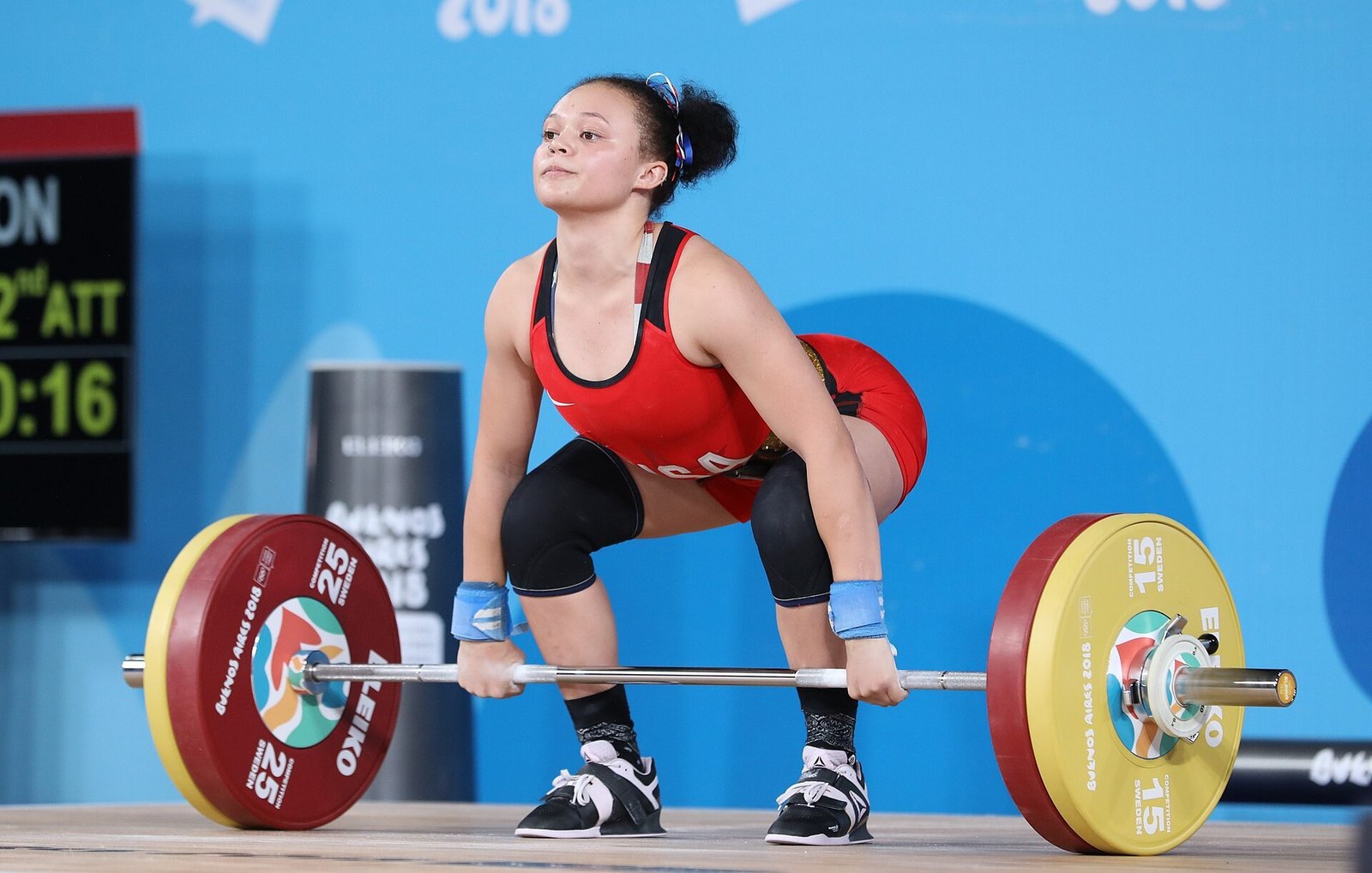
The raised, rigid heel is the whole point. It lets your knees travel further forward while your torso stays upright, which usually means a deeper, more stable squat.
But a heel is not magic, and it is not for everyone. It will not fix poor form, it will not add kilos to your lifts on its own, and lifters with good ankle mobility often squat perfectly well in flat shoes.
This guide picks seven raised-heel shoes for seven different lifters, with honest notes on who each one suits.
How We Picked These Shoes
We did not buy or test these shoes ourselves. This guide is research-based.
We compared maker specifications, verified buyer reviews, and independent round-ups, then kept only shoes with a clear Amazon listing or an honest search link where no single product page could be verified.
Every shoe below is judged on the same things: heel height, stability, fit, lockdown, and suitability for its stated job.
Prices are not quoted here because they change often, and shoe prices vary a lot by size and colour. Check the listing on the day you buy.
Best Weightlifting Shoes at a Glance
| Shoe | Best For | Heel Height | Closure |
|---|---|---|---|
| adidas Adipower Weightlifting III | Best overall | 22 mm | Laces + strap |
| Nike Romaleos 4 | Best premium stability | 20 mm | Laces + two straps |
| Reebok Legacy Lifter III | Best wide feet | About 22 mm | Laces + strap |
| adidas Powerlift 5 | Best budget | About 15–16 mm | Laces + strap |
| Nike Savaleos | Best beginner Nike | 15 mm | Laces + strap |
| TYR L-1 Lifter | Best wide toe box | 21 mm | Laces + two straps |
| Nordic Lifting MEGIN | Best value heavy shoe | About 1.4 in | Laces + strap |
1. adidas Adipower Weightlifting III — Best Overall 🥇
Who it suits: lifters who want the classic Olympic lifting shoe — proven, rigid, and trusted on platforms for years.
The Adipower III pairs a high-density midsole with a 22 mm heel lift, a durable canvas upper, and a hook-and-loop instep strap over the laces. The result is a locked-down, stable platform for squats, cleans, and snatches.
The heel is on the higher side, which suits lifters who struggle with ankle mobility or want the most upright squat position possible.
Pros: proven Olympic lifting design; rigid, non-compressible platform; 22 mm heel for deep squats; secure strap-and-lace lockdown.
Cons: rarely the cheapest option; fit can feel snug through the midfoot; the Adipower line has many colourways on separate listings, so check the exact listing before ordering.
2. Nike Romaleos 4 — Best Premium Stability ⚡
Who it suits: serious lifters who want the heaviest, most stable shoe on this list and do not mind paying for it.
The Romaleos 4 is Nike’s fourth Olympic lifting shoe, built around a wide, flat outsole, a rigid midsole with a 20 mm heel-to-toe drop, and two midfoot straps that lock the foot down from both sides.
Reviewers consistently call it the heaviest and most stable weightlifting shoe they have used — which is a compliment under a barbell, and a drawback everywhere else.
Pros: outstanding stability under heavy loads; wide, flat platform; dual-strap lockdown; two decades of Romaleos heritage behind the design.
Cons: premium price and rarely discounted; heavy and stiff off the platform; narrow fit — several reviewers say to size up half a size; we could not confidently verify a single US product page, so the link below is a tagged Amazon search — check the listing title, size, and seller before ordering.
3. Reebok Legacy Lifter III — Best Wide Feet 👟
Who it suits: lifters whose feet feel squeezed in narrow Nike and adidas shoes.
The Legacy Lifter III is the roomier option in this guide: a wider toe box, a raised TPU heel clip for an upright squat posture, and a lace-up closure with an adjustable midfoot strap for lockdown.
Its heel sits around 22 mm, putting it in the same high-heel class as the Adipower, and buyers rate it highly for squat mechanics and comfort.
Pros: roomier toe box than most rivals; stable raised heel; secure midfoot strap; often discounted.
Cons: bulkier look and heavier feel than some rivals; the listing for this shoe was verified through a single aggregator source, so check the listing title and size carefully before ordering; not a shoe for running or cardio.
4. adidas Powerlift 5 — Best Budget 💰
Who it suits: lifters trying their first pair of lifting shoes, or anyone who wants a raised heel without the premium price.
The Powerlift 5 is adidas’ entry-level lifting shoe: a canvas-and-mesh upper, an EVA midsole platform, and a lower heel than the dedicated Olympic shoes — sources disagree slightly, quoting 15 mm or 16 mm, so treat it as roughly 15–16 mm.
That lower heel makes it a good bridge shoe: it helps squat depth without the dramatic change of a full 22 mm heel, and the EVA platform keeps a little more flex than the rigid TPU shoes.
Pros: the cheapest way into a proper lifting shoe; breathable canvas-and-mesh upper; lower heel suits mixed strength training; unisex sizing.
Cons: narrow toe box — many buyers go up half a size; EVA platform is less rigid than the premium TPU shoes; many size and colour variants sit on separate listings, so check the exact variant before ordering.
5. Nike Savaleos — Best Beginner Nike 🏃
Who it suits: Nike fans and beginners who want a lifting shoe for squats and general gym work without the stiffness or price of the Romaleos 4.
The Savaleos straps your foot down to a flat, wide base with a hook-and-loop strap, a rigid midsole, and a 15 mm elevated heel. It is the lighter, friendlier Nike lifting shoe — and Nike’s own catalogue still lists it as a current weightlifting model.
At 15 mm, its heel is the joint-lowest here, which makes it an easy first raised heel: enough help for squat depth, not so much that it changes your whole squat overnight.
Pros: beginner-friendly heel height; wide, stable base; single-strap lockdown is simple to use; current Nike model with wide size range.
Cons: runs small — Nike itself notes this, and buyers often size up half a size; the Amazon listing we verified is sold by a third-party seller, so check the seller before ordering; softer and less rigid than the Romaleos 4 under very heavy loads.
6. TYR L-1 Lifter — Best Wide Toe Box 🦶
Who it suits: lifters with wide feet, or anyone whose toes feel pinched in narrow lifting shoes.
The L-1 is TYR’s first Olympic lifting shoe, and its standout feature is its patent-pending anatomical toe box — shaped to let your toes splay naturally, giving a wider, more stable base. It pairs that with a 21 mm heel-to-toe drop, a leather upper, and dual adjustable midfoot straps.
Reviewers rate it among the best wide-fitting lifting shoes available, and it was developed with input from Squat University’s Dr. Aaron Horschig.
Pros: the widest toe box of any mainstream lifting shoe here; 21 mm heel for deep, upright squats; dual-strap lockdown; leather upper for durability.
Cons: TYR has since released the L-2 Lifter, so the L-1 may be phased out — check availability and size stock; materials are good rather than exceptional; we could not confidently verify a single US product page, so the link below is a tagged Amazon search — check the listing title, size, and seller before ordering.
7. Nordic Lifting MEGIN — Best Value Heavy Shoe 🏋️
Who it suits: heavy lifters who want a tall, stable heel and a rugged shoe at a fair price.
The MEGIN is Nordic Lifting’s long-running powerlifting shoe: a synthetic leather and mesh upper, a smooth, rigid anti-slip sole, and a raised heel listed at about 1.4 inches — taller than every other shoe here, so it gives the most aggressive squat-depth help.
It is a popular, well-reviewed shoe for squats and heavy training, and Nordic Lifting backs it with a 1-year warranty.
Pros: tallest heel here for maximum squat-depth help; rigid, non-slip sole; snug, locked-down fit; well reviewed over many years.
Cons: the tall heel is too much for some lifters — it changes squat mechanics more than a 20 mm shoe, so break it in gradually; snug fit restricts foot movement; check the size chart carefully before ordering.
How to Choose Weightlifting Shoes
Heel height: how much lift do you need?
Most lifting shoes sit between 15 mm and 22 mm of heel lift, with the MEGIN higher at about 1.4 inches. A higher heel helps more with ankle mobility and squat depth, but it also changes your squat mechanics more.
Beginners and mixed trainers usually do best starting lower — 15 or 16 mm — and only moving higher if their squat depth still needs help. Dedicated Olympic lifters usually land at 20 to 22 mm.
Raised heel vs flat trainers vs barefoot
A raised heel helps you squat deeper with a more upright torso. That is its job, and it does it well for lifters with tight ankles.
Flat trainers and barefoot-style shoes suit deadlifts better, where a heel would push you forward, and they suit lifters with good ankle mobility who already squat deep. Many lifters own both: heeled shoes for squats and Olympic lifts, flat shoes for deadlifts.
Sizing and fit
Lifting shoes should fit snugly — your foot should not slide inside the shoe under load — but they should not pinch your toes.
Several shoes here run small or narrow (Romaleos 4, Savaleos, Powerlift 5), and many buyers go up half a size. Check the return policy before ordering, and try the shoes on at home before a heavy session.
Straps vs laces
Every shoe here combines laces with at least one hook-and-loop strap. The laces set the overall fit; the strap locks the midfoot down.
Two straps (Romaleos 4, TYR L-1) give the most lockdown but take longer to put on. One strap is quicker and is plenty for most gym lifters.
Competition rules
No major federation bans raised-heel shoes, and heeled shoes are standard equipment in Olympic weightlifting and powerlifting. That said, rules differ by federation and change over time, so check your federation’s current equipment rules before meet day rather than assuming any shoe here is legal for your competition.
Using Heeled Shoes Honestly: What They Can and Cannot Do
A raised heel helps ankle mobility and squat depth for many lifters. It does not fix poor form, it does not guarantee bigger lifts, and it does not replace ankle mobility work.
Break new shoes in gradually — wear them for lighter sessions first, and do not switch heel heights suddenly on a max attempt. Your squat pattern will shift with the heel, and it needs a few sessions to settle.
If you have foot or ankle problems, or pain that keeps coming back, talk to a clinician before switching to a tall heel. This guide is general information only, not medical advice, and shoes are not a treatment for any condition.
Frequently Asked Questions
Do I need weightlifting shoes to squat?
No. Plenty of strong lifters squat in flat shoes or barefoot-style shoes. Heeled shoes help most if tight ankles limit your squat depth or keep your torso leaning forward.
What heel height should a beginner start with?
Around 15 or 16 mm is the sensible starting point — enough to help depth without dramatically changing your squat. Move to 20 mm or more only if your depth still needs help.
Can I deadlift in weightlifting shoes?
You can, but most lifters prefer flat shoes for deadlifts — a raised heel pushes your weight forward and increases the distance the bar travels. Many lifters keep a flat pair for deadlift day.
Do weightlifting shoes make you lift more?
They can help you lift with better positions, which may let you express strength you already have. They do not add strength by themselves, and no shoe guarantees a bigger total.
How should lifting shoes fit?
Snug, with no foot sliding inside the shoe, but not pinching your toes. Several shoes here run small or narrow, so check buyer sizing notes and the return policy before ordering.
Are heeled shoes allowed in competition?
Heeled shoes are standard equipment in Olympic weightlifting and powerlifting, and no major federation bans them. Still, check your federation’s current equipment rules before meet day.
More Lifting Gear Guides
For the rest of your lifting kit, see our lifting straps guide and our weightlifting belts guide.
For the strength side of your training, see our dumbbells guide.
As an Amazon Associate, we earn from qualifying purchases made through links on this page, at no extra cost to you.
This guide is research-based: we compared specifications and verified buyer reviews rather than testing the shoes ourselves. Product details and availability can change, so check the listing before ordering. Nothing here is medical or training advice — it is general information about choosing weightlifting shoes.