

Mike Mentzer died in 2001, yet his name never really left the gym floor. 🏋️
More than two decades later, short clips of the moustached thinker still travel across Instagram, TikTok and YouTube, and each one restarts the same argument.
Was he a genius who saw through bodybuilding’s excess, or a rigid theorist who pushed good ideas too far? The honest answer is a little of both.
This is a look back at what Mentzer actually achieved, what he actually argued, and where the online version of him drifts away from the real man.
The Rise: From Mr. America to Olympia Heartbreak
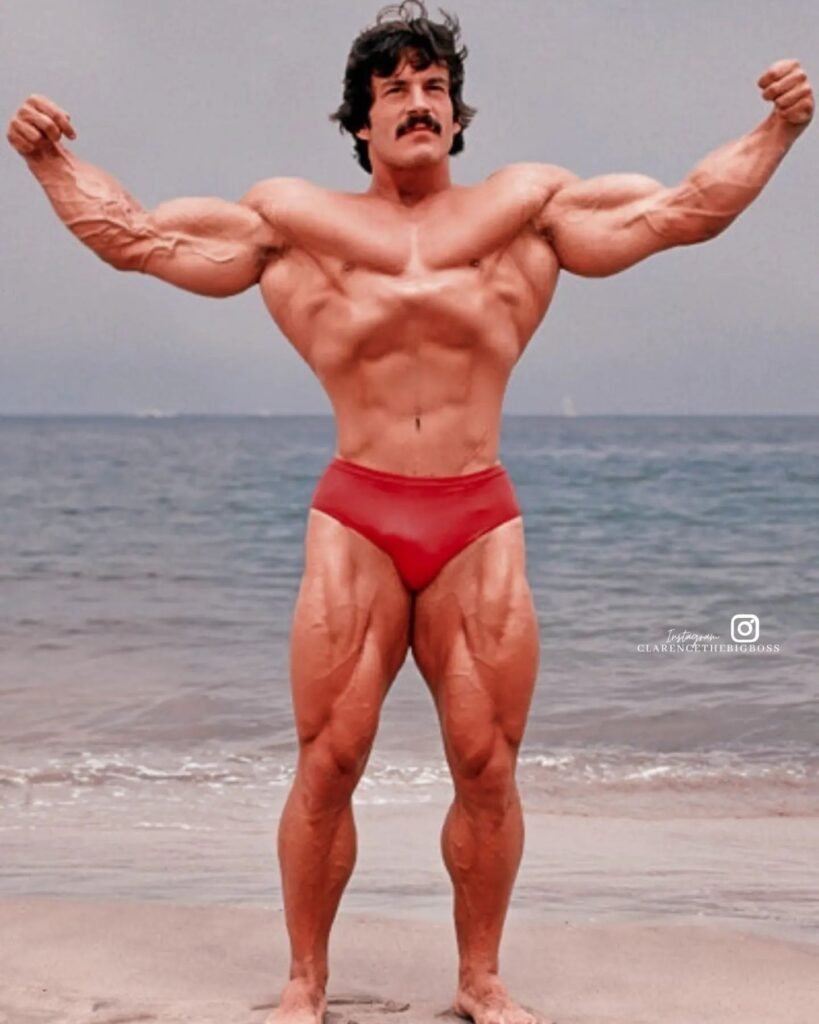
Michael John Mentzer was born on 15 November 1951 and grew up in Pennsylvania, a bright student who fell for bodybuilding as a teenager.
He climbed the amateur ranks steadily, winning the IFBB Mr. America title in 1976 and then the Mr. Universe title in 1978.
That 1978 Universe win was extraordinary: he earned a perfect 300 score, the first time anyone had done so at that level. ✨
He turned professional in 1979, and that year’s Mr. Olympia became the defining night of his competitive life.
Mentzer won the heavyweight class, but lost the overall title to Frank Zane, who was collecting his third straight Olympia crown.
Many fans felt the bigger, denser Mentzer should have taken it, and the posedown between the two men is still debated today.
Then came Sydney in 1980, and a result that ended his career on stage. Arnold Schwarzenegger made a surprise comeback and won a seventh Olympia title in a contest many competitors and fans considered deeply controversial.
Mentzer tied Boyer Coe on points for fourth place, but was handed the fifth-place trophy on the night — which is why his 1980 result is commonly recorded as fifth.
He walked away from competition after that show, and never returned to the Olympia stage. His rivalry with Arnold is part of a much longer story, told in our look at Arnold Schwarzenegger’s great rivals.
Heavy Duty: What HIT Actually Meant
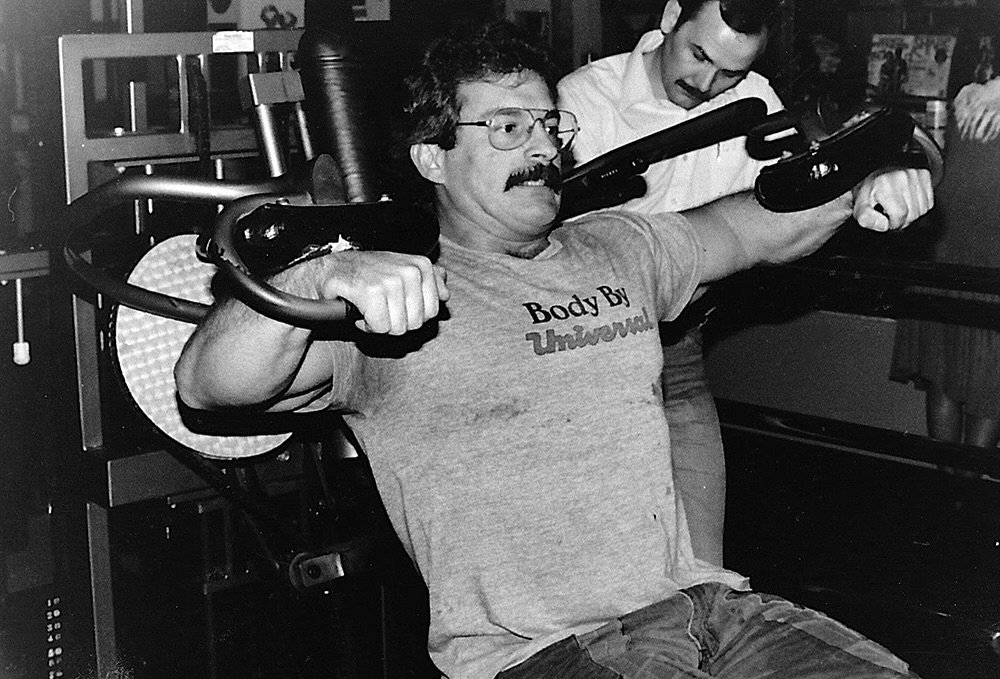
Mentzer’s training philosophy grew out of the high-intensity ideas of Arthur Jones, the Nautilus inventor whose work he studied closely.
Where most top bodybuilders of the 1970s trained with long, high-volume sessions, Mentzer argued for the opposite: brief, infrequent workouts pushed to a very high effort.
His Heavy Duty system, as he described it, rested on intensity, recovery and logic rather than hours in the gym. 💡
In his version, a muscle needed a hard stimulus and then proper rest to grow — piling on extra work, he believed, only added fatigue without adding growth.
That idea sounded radical in the 1970s, but it found a famous convert in the 1990s, when six-time Mr. Olympia Dorian Yates drew openly on Mentzer’s thinking.
Modern sports science has not settled the argument in Mentzer’s favour or against him. Researchers today generally describe a range of effective volumes, rather than one single correct approach for everyone.
Heavy Duty is therefore best understood as history: a serious challenge to the training wisdom of its time, not a universal rule for every lifter.
The Misquotes and Missteps
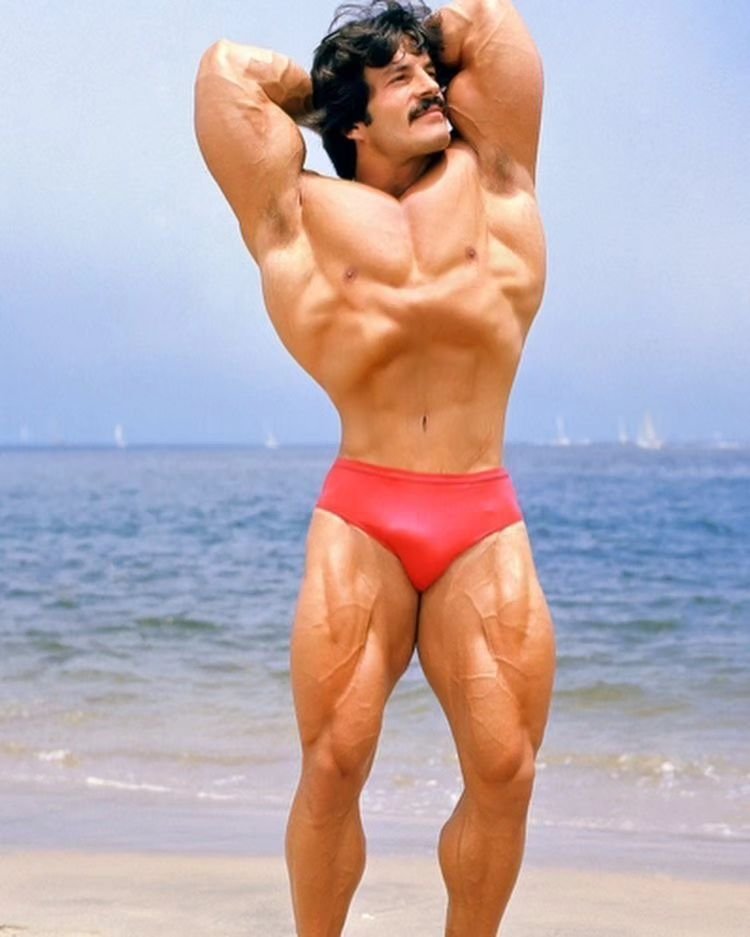
Social media has been unkind to Mentzer’s subtlety. Clips titled along the lines of “protein isn’t important” travel far, but they flatten what he actually said.
His reported position was narrower than the soundbite: he believed the importance of protein had been overstated by some of his contemporaries.
He is reported to have recommended a balanced split of roughly 60% carbohydrates, 25% protein and 15% fat — a long way from saying protein did not matter at all.
That is also where his advice looks most dated today. Current guidance for resistance-trained athletes generally recommends higher protein intakes than Mentzer’s old split suggested.
His certainty was another misstep. Mentzer argued with the confidence of a philosopher, and his system left little room for individual differences.
Two lifters can respond very differently to the same approach, and a method that worked brilliantly for one champion does not automatically work for everyone else. ⚖️
His writing could also be combative, and his long feud with the sport’s judging establishment hardened into bitterness after 1980.
That edge made him compelling to read — and sometimes hard to learn from, because the argument overshadowed the idea underneath it.
The Legacy That Outlived Him
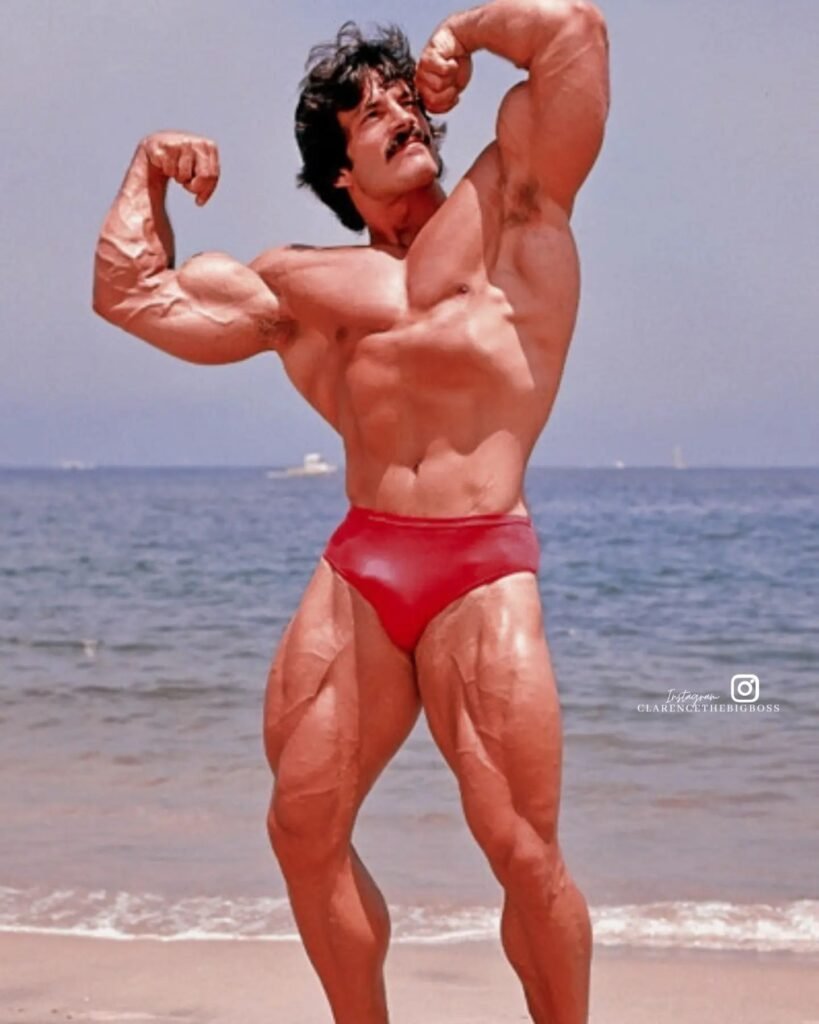 Photo: Mike Mentzer / Instagram
Mentzer spent his later years writing, coaching and defending Heavy Duty, and his influence kept growing after his death.
He died on 10 June 2001, aged 49, from heart complications. Two days later, his younger brother Ray — also a bodybuilder — died from complications of kidney disease.
The double loss stunned the bodybuilding world, and both brothers are remembered together in our list of bodybuilders who died young.
The posthumous social-media wave that began around 2023 gave his ideas a second life among a new generation. 🌊
Coverage through 2025 and into 2026 still discusses Heavy Duty, which shows the conversation has lasted longer than a single viral moment.
What endures is not really a single method, but a question Mentzer forced the sport to ask: how much training is actually needed, and how much is just habit?
His broader story — the thinker, the champion, the outsider — is also told in our Arnold Schwarzenegger retrospective, where Mentzer appears as one of the great figures of that golden era.
Mentzer was a great bodybuilder with some flawed advice, but his influence is undeniable. The smart way to remember him is to keep his best question and drop his worst certainties.
Was Mike Mentzer a Mr. Olympia winner?
No. He won the heavyweight class at the 1979 Mr. Olympia, but Frank Zane won the overall title that year.
What was Heavy Duty?
Heavy Duty was Mentzer’s training philosophy, built on brief, infrequent, very intense workouts with plenty of recovery, developed from Arthur Jones’s high-intensity ideas.
Did Mentzer really say protein isn’t important?
Not in the way the clips suggest. He argued protein’s importance had been overstated, and he is reported to have recommended a diet split of about 60% carbohydrates, 25% protein and 15% fat.
Why did Mentzer retire so young?
He retired from competition after the controversial 1980 Mr. Olympia in Sydney, where he tied on points for fourth but received the fifth-place trophy.
When did Mike Mentzer die?
He died on 10 June 2001, aged 49. His brother Ray died two days later.