

Lee Haney and Frank Zane are two of the greatest champions bodybuilding has ever seen — and they stood for opposite ideals. 🏆
Haney was mass with class: huge, balanced and unbeatable for eight straight years. Zane was the aesthetic ideal: smaller, sharper and perfectly proportioned.
Most comparisons treat them as men from different eras who never met. That is not quite true — and the truth makes the comparison far more interesting. 👇
The Night They Shared a Stage: Munich 1983
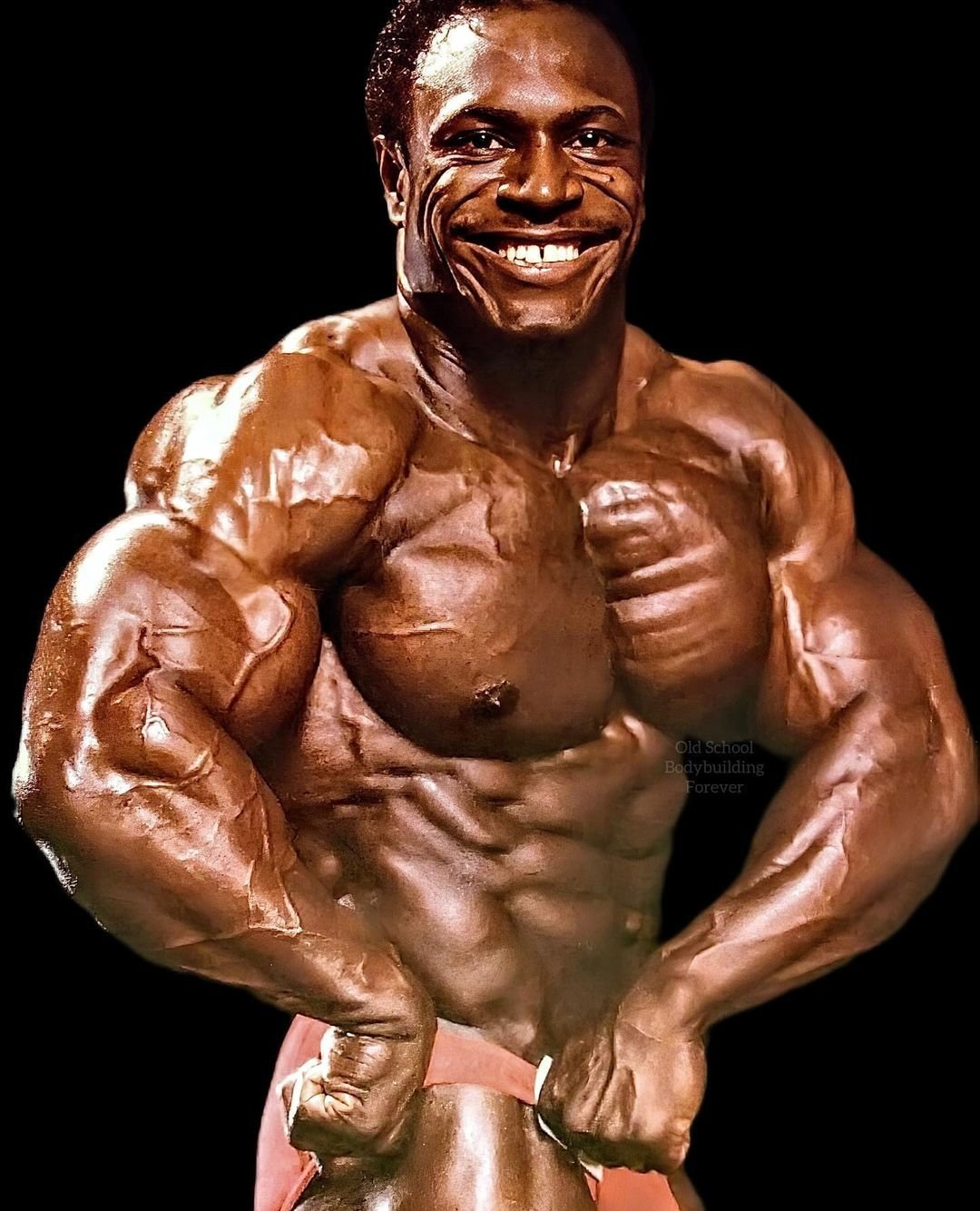
On 24 September 1983, at the Olympiahalle in Munich, Germany, both men stood on the same Mr. Olympia stage. Samir Bannout won the title that night.
Behind him came Mohamed Makkawy in second, then a 23-year-old Lee Haney in third — on his very first Olympia appearance — and a 41-year-old Frank Zane in fourth.
For Zane, Munich was the end of the road: it was his final contest, and he retired afterwards. For Haney, it was the beginning: he would win the next eight Olympias in a row.
Zane himself later wrote that he competed in Munich at 200 lb, his heaviest ever, and that his competition that day was Haney, Makkawy and Bannout. He was also no faded veteran — he had finished second at the 1982 Olympia.
So yes, they met. But one meeting, at opposite ends of two careers, cannot settle who was “greater” — and this article does not pretend otherwise. There is no winner here, only a comparison. 🤝
Early Lives and Roads to the Pros
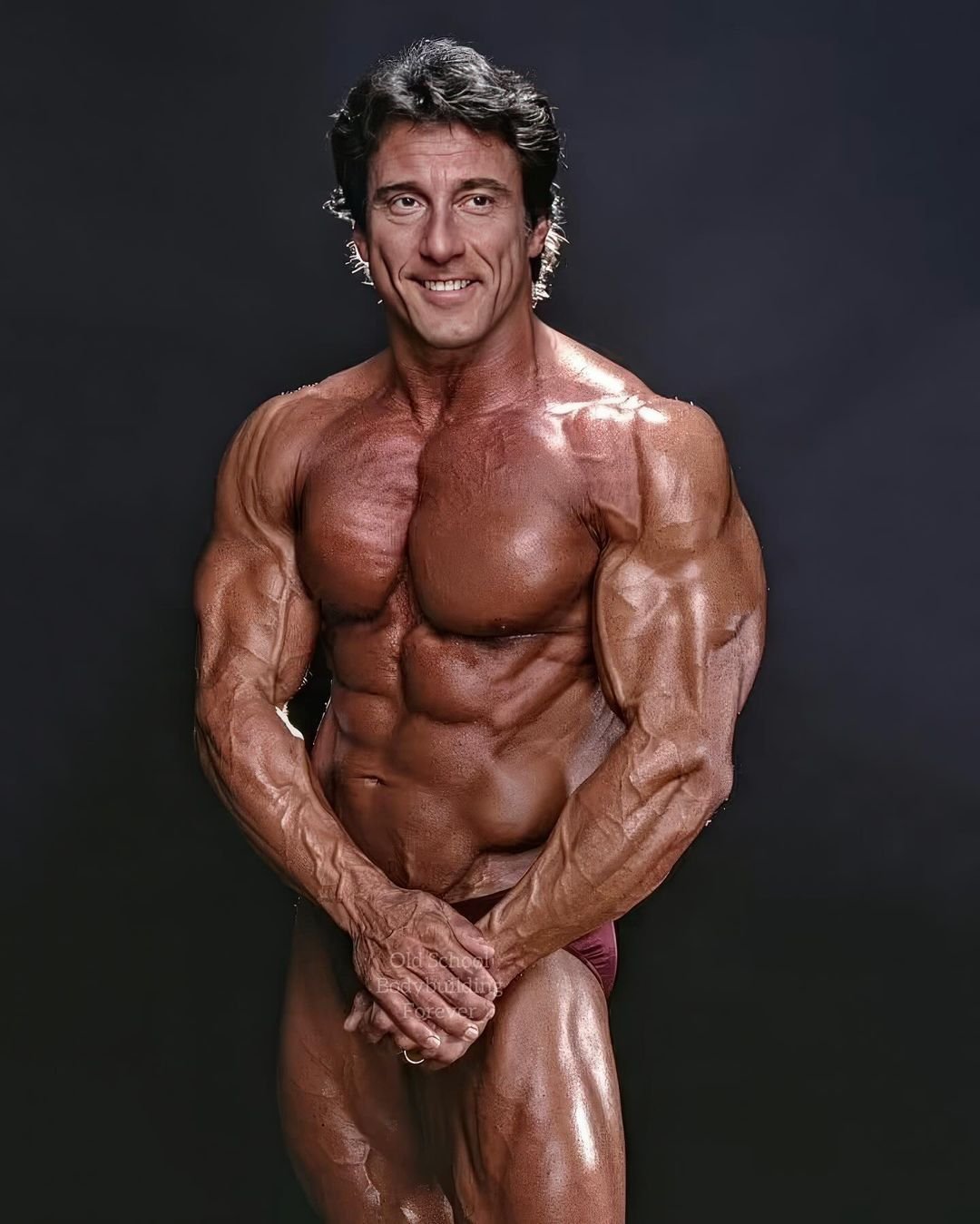
Frank Zane was born on 28 June 1942 in Kingston, Pennsylvania. He found weightlifting as a teenager, taught chemistry and maths, and built his physique around patience and precision.
His breakthrough came in 1968, when he won Mr. America and Mr. Universe — beating Arnold Schwarzenegger in the Mr. Universe contest, a feat only three men ever managed.
Lee Haney was born seventeen years later, on 11 November 1959 in Spartanburg, South Carolina. He rose fast: Teen Mr. America winner in 1979, then NPC Junior Nationals and NPC Nationals winner in 1982.
That 1982 Nationals win earned Haney his pro card. Within a year he was standing on an Olympia stage next to Zane — a changing of the guard caught in a single line-up. Read Lee Haney’s full biography here.
Two Physiques, Two Ideals
Put simply, Haney was the bigger man by a wide margin. At 5 ft 11 in and around 240–250 lb on stage, he combined size with shape — “mass with class,” as fans still call it.
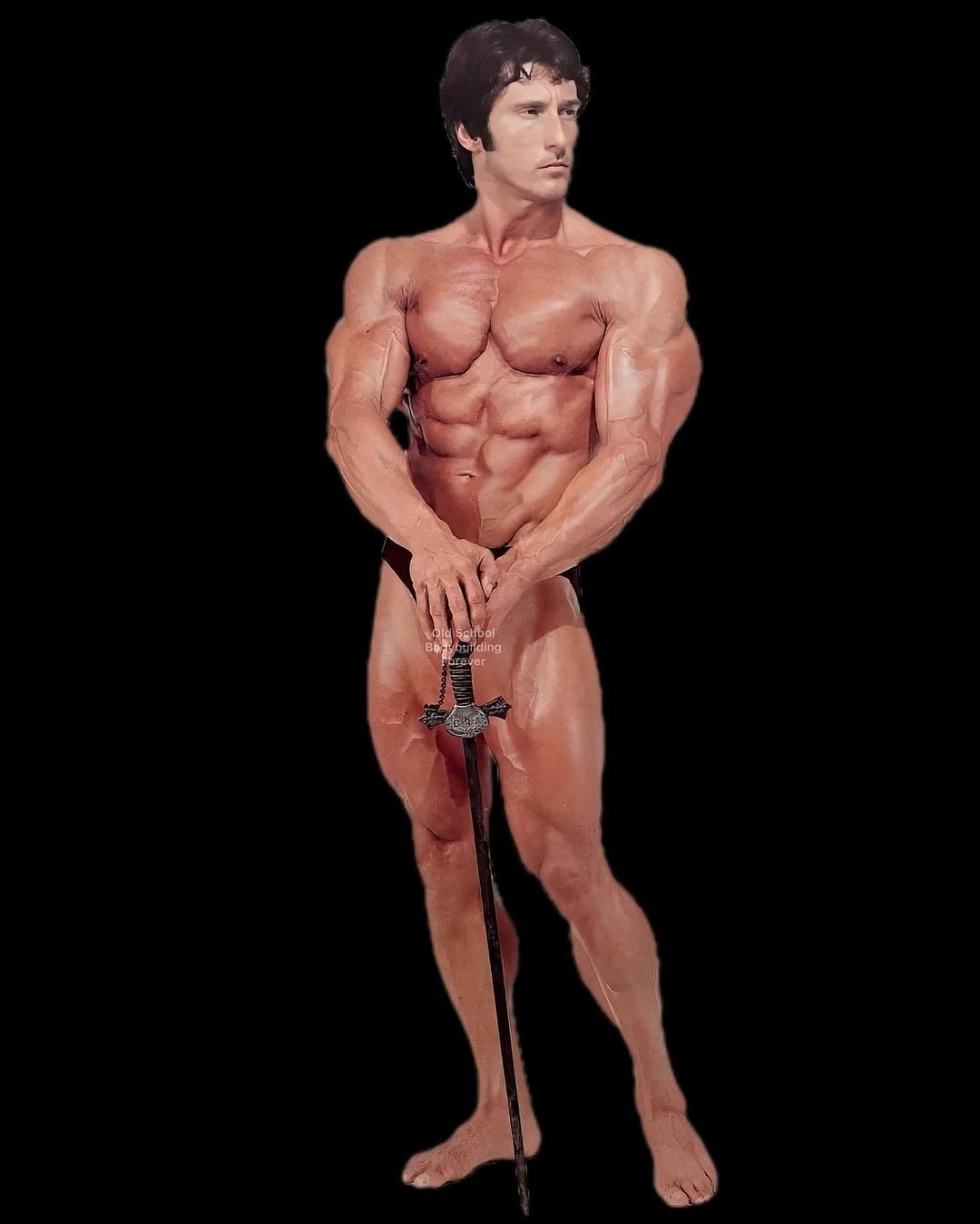
Zane, at 5 ft 9 in and under 190 lb when he won his Olympias, proved something different: that proportion, a tiny waist, a wide V-taper and flawless posing could beat sheer size.
His vacuum pose — stomach drawn right in beneath a wide chest — became his signature. Nobody did it better, and it is still copied by classic-physique athletes today. ✨
The gap between them was roughly 55–60 lb of stage weight. That gap is the whole debate in one number: do you admire the mountain, or the sculpture?
Training Philosophies: Stimulate vs Visualise
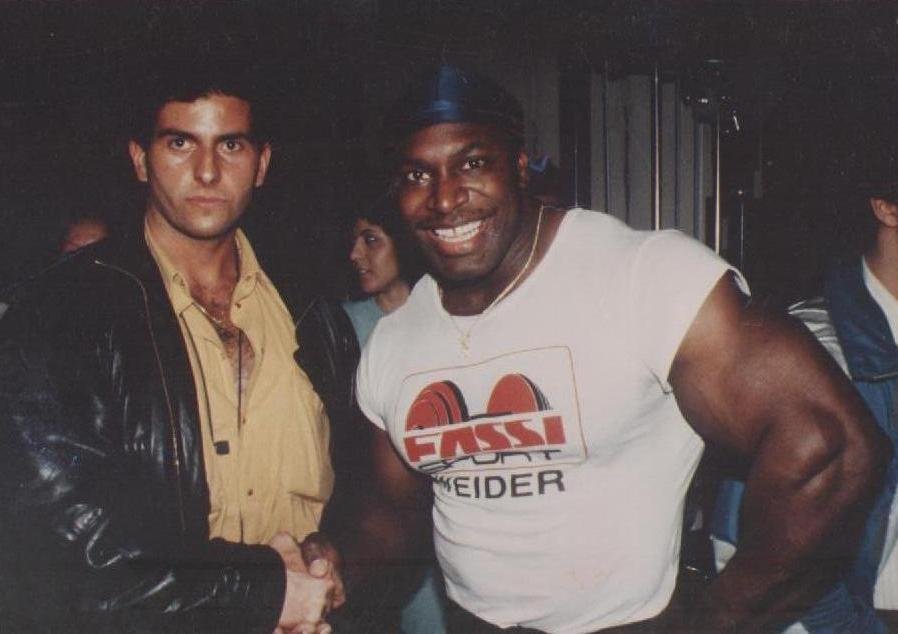
Haney’s famous rule says it all: “Train to stimulate, not annihilate.” 💪
In plain terms, he trained hard with controlled form, stopped short of wrecking his joints, and let recovery do its work. It is a big reason he retired as champion with his health intact.
Zane’s method was more mental. He practised meditation and visualisation, rehearsed his posing like a performance, and believed, in his own words, “The key to winning is to win it ahead of time.”
One honest correction: Zane did not train only with light weights, as older articles sometimes claim. He trained heavy too — but always with control, contraction and presentation in mind. Frank Zane’s background, including his “Chemist” nickname, is covered here.
Olympia Reigns, Retirement and Life After
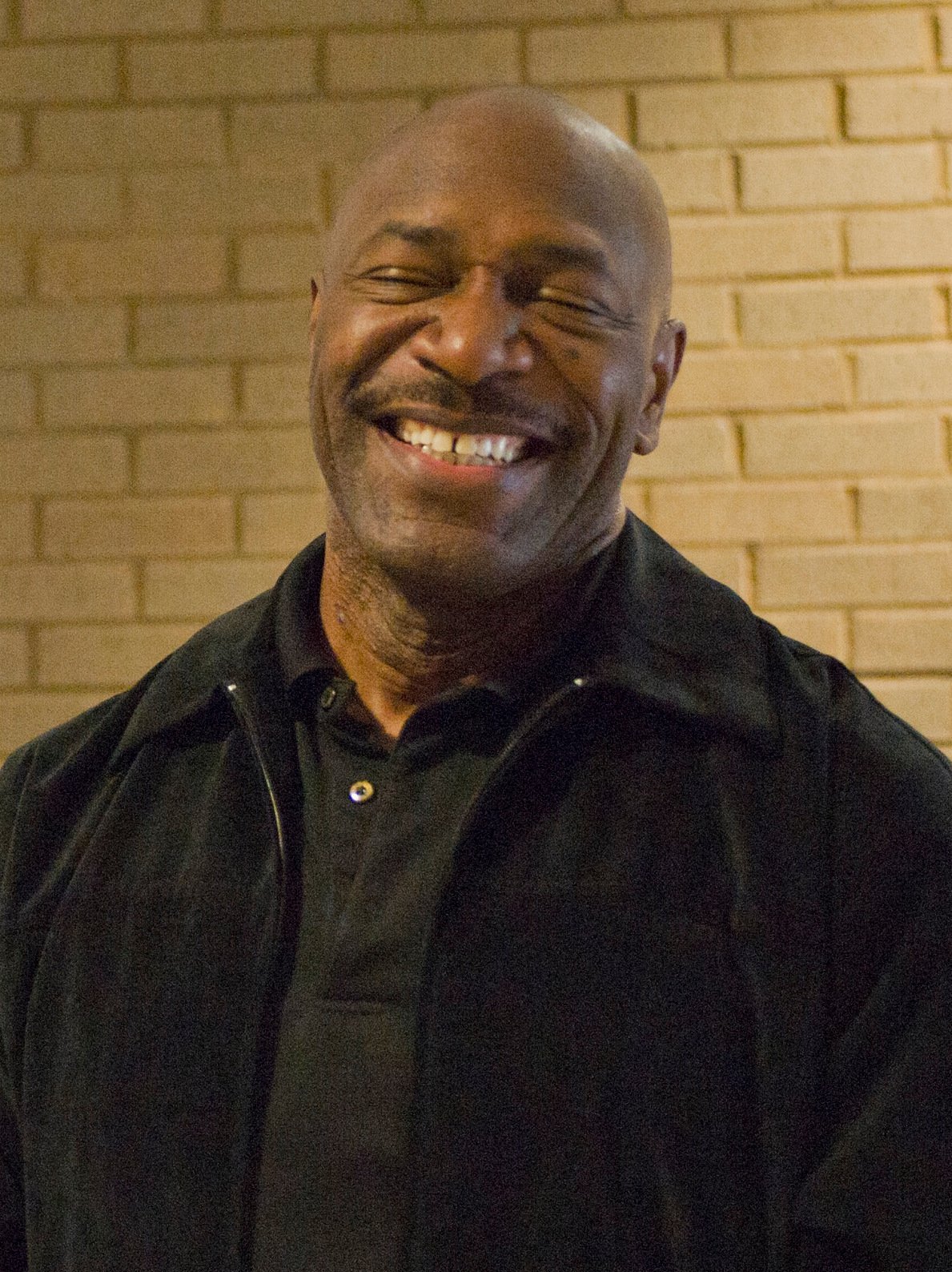
Haney’s reign is one of the great runs in sport: eight consecutive Mr. Olympia titles, 1984 to 1991, retiring at 31 as reigning champion. In 16 pro shows he never placed lower than third.
One correction to the old article: his eight-title record is now shared, not sole — Ronnie Coleman matched it with eight straight wins from 1998 to 2005. See where Ronnie Coleman is now.
Zane’s reign was shorter but just as defining: three straight Olympias, 1977, 1978 and 1979, each won in the under-200 lb class and overall. He shifted the sport’s eye from mass alone toward aesthetics.
After the stage, Haney hosted the TV fitness show TotaLee Fit, was appointed chairman of the President’s Council on Physical Fitness and Sports in 1999, and runs the IAFS training certification. Zane kept teaching, coaching and writing about balanced, aesthetic training. Haney’s individual story is told in full here.
The Honest Verdict — Plus Your Questions
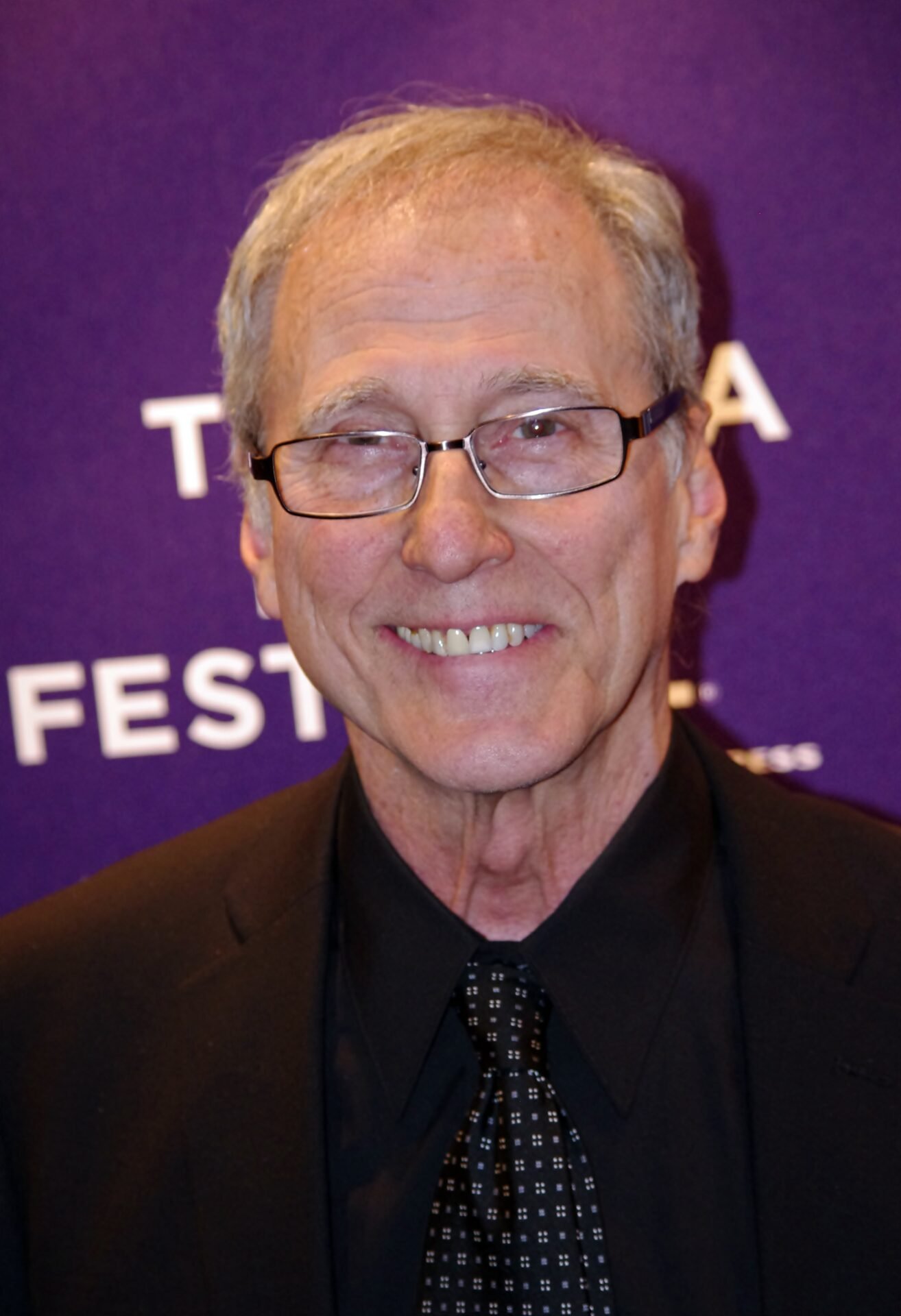
So who wins, Haney or Zane? Honestly: neither — and that is the point. 🧭
If your ideal is dominance, longevity and complete size, Haney’s eight straight Sandows are untouchable. If your ideal is proportion, artistry and doing more with less, Zane’s three titles are the blueprint.
They are not rivals for one crown. They are two answers to the same question: what should a great physique look like? Bodybuilding still argues about it today — and that argument is their shared legacy.
At a glance
| Lee Haney | Frank Zane | |
|---|---|---|
| Born | 11 November 1959 | 28 June 1942 |
| Height | 5 ft 11 in | 5 ft 9 in |
| Stage weight (approx.) | Around 240–250 lb | Under 190 lb at his Olympia wins |
| Mr. Olympia titles | 8 (1984–1991) | 3 (1977–1979) |
| Shared stage | Munich 1983: Haney 3rd, Zane 4th | |
| Known for | Mass with class; “stimulate, not annihilate” | Symmetry, vacuum pose, visualisation |
Did Haney and Zane ever compete against each other?
Yes — once, at the 1983 Mr. Olympia in Munich. Haney finished third on his debut and Zane fourth in his final contest, behind winner Samir Bannout.
Who won more Mr. Olympia titles?
Haney, by eight to three. Haney’s eight (1984–1991) are a record he shares with Ronnie Coleman; Zane’s three (1977–1979) all came in the under-200 lb class and overall.
Who was bigger?
Haney, by about 55–60 lb on stage — roughly 240–250 lb against Zane’s 185–190 lb. Height differed far less: 5 ft 11 in against 5 ft 9 in.
Who is the better bodybuilder?
There is no honest single answer. Haney is the standard for dominant, complete size; Zane is the standard for proportion and aesthetics. Your pick says more about your ideal than about either man.
For another head-to-head in the same spirit, read our Phil Heath vs William Bonac comparison, and for Zane’s training detail, see Frank Zane’s diet plan and workout routine.
Note: this article is a historical comparison for fans of the sport. It ranks no one and declares no winner — both men are presented on their own terms, in their own eras, with the one night they shared given exactly the weight it deserves.